



Blog
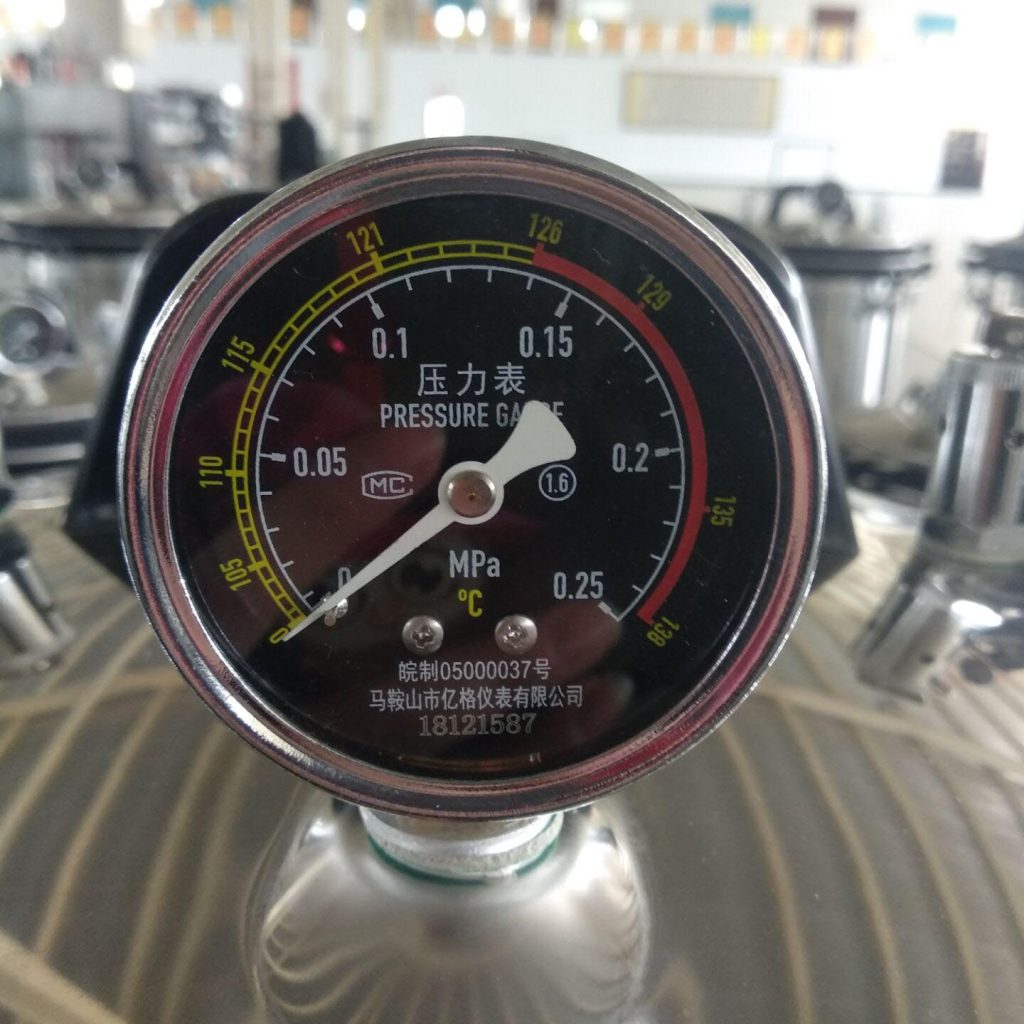
Autoclave Pressure You Should Know: PSI, Temperature, and Sterilization
Autoclave pressure is closely tied to sterilization temperature, but pressure alone does not sterilize a load. In steam sterilization, pressure allows saturated steam to reach the high temperatures needed to inactivate microorganisms. That is why pressure, temperature, time, steam quality,…
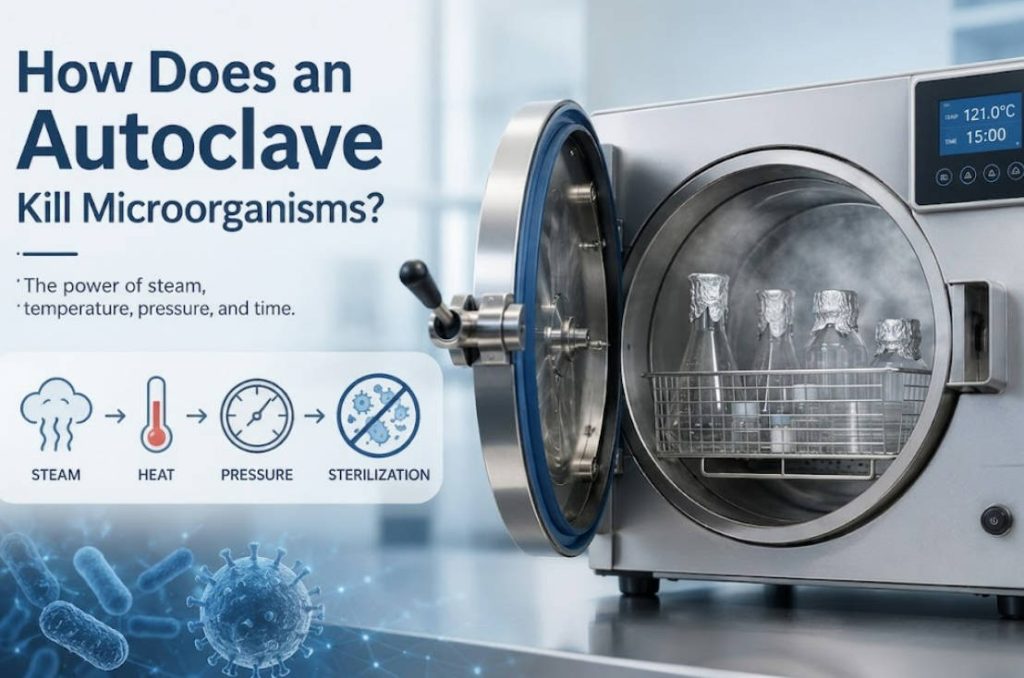
How Does an Autoclave Kill Microorganisms
A successful autoclave cycle is about more than high temperature or pressure. It is the combination of saturated steam, temperature, pressure, and sufficient exposure time that makes steam sterilization effective. An autoclave is a sterilization device that uses pressurized steam…

How to Make Deionized Water in Lab
When a laboratory needs cleaner water, simply starting with tap water is rarely enough. The right purification process depends on the quality of the incoming water and what the water will be used for. Deionized water, or DI water, is…
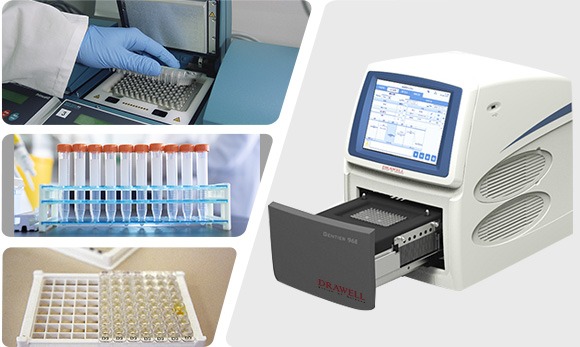
What is the Polymerase Chain Reaction (PCR) Used for?
Polymerase Chain Reaction (PCR) is one of the major molecular biology techniques people use today in science and medicine. It is a lab method that lets researchers crank out millions, or even billions, of copies of a specific DNA sequence…
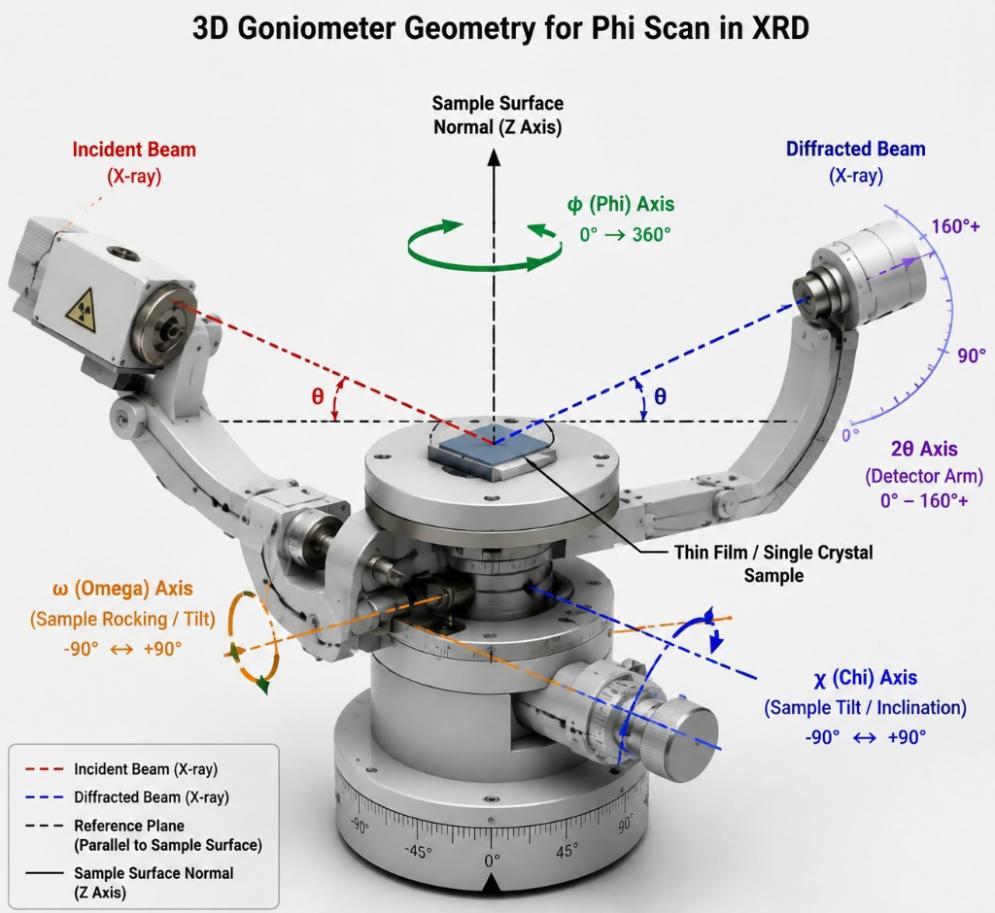
What Is Phi Scan in XRD? 9 Key Insights for Crystal Orientation Analysis
If you are working with thin films, epitaxial layers, or single crystal materials, you have probably asked yourself this question at some point: what is phi scan in XRD? It is a fair question too, because the way crystals arrange themselves…
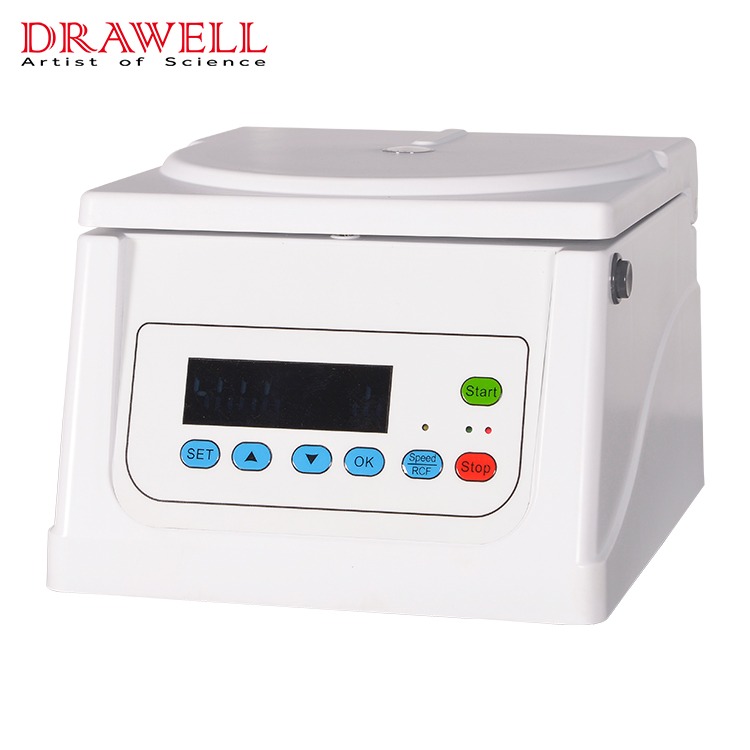
How to Choose the Right PRP Centrifuge for Your Aesthetic Clinic
PRP therapy has become a popular treatment in aesthetic medicine for skin rejuvenation, hair regeneration and more. But there is one thing that a lot of clinics don’t know: treatment quality starts with consistent PRP preparation, and that’s very dependent…
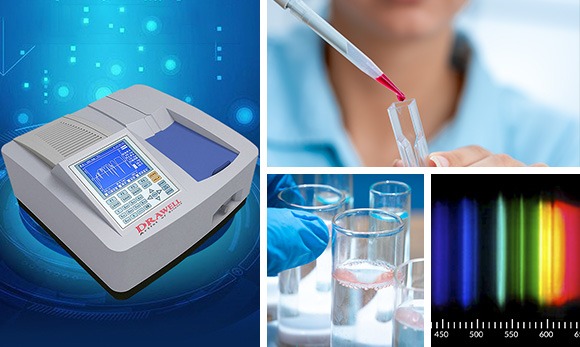
What Does a Spectrophotometer Measure and Why Choose It
If you’ve ever wondered why two clear liquid samples can behave completely differently under analysis, or how a lab technician can quantify invisible DNA in seconds, the answer almost always comes down to light. At its simplest, a spectrophotometer measures…
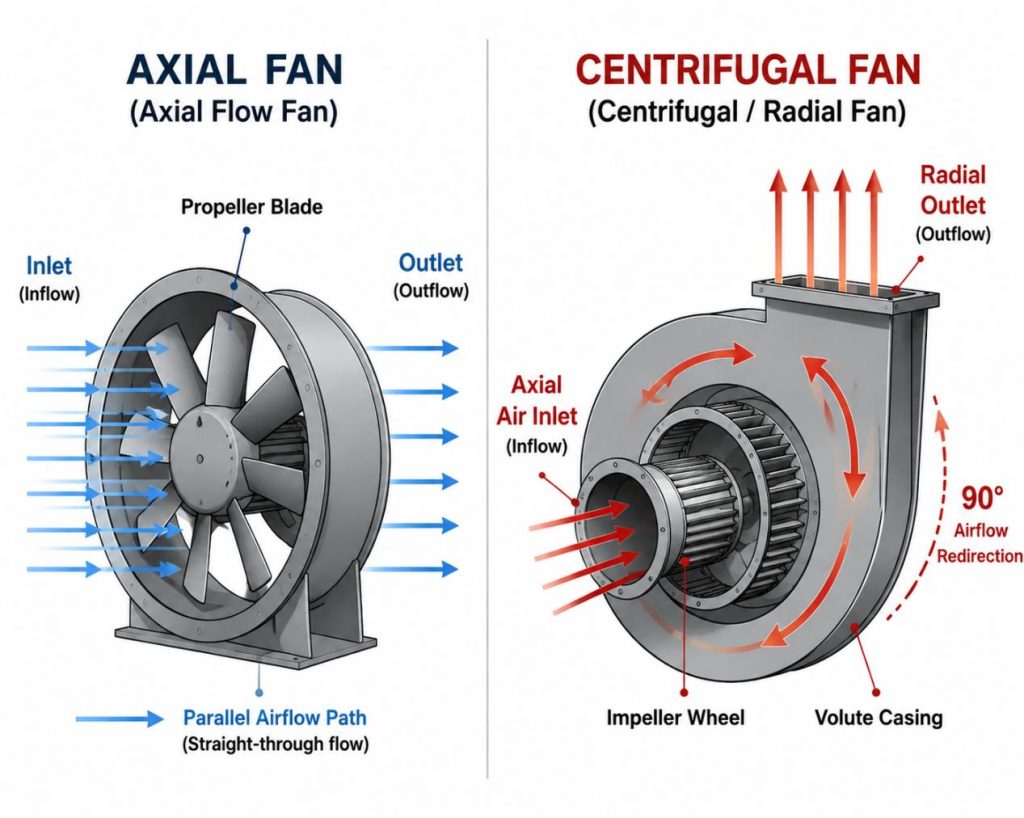
Axial vs Centrifugal Fan: 7 Key Differences and How to Choose the Right One
So you’re stuck between an axial vs centrifugal fan. Maybe you’re speccing out a lab instrument, designing a ventilation rig, or just trying to keep a crowded electronics cabinet from overheating. Whatever the case, picking the wrong fan is surprisingly easy…
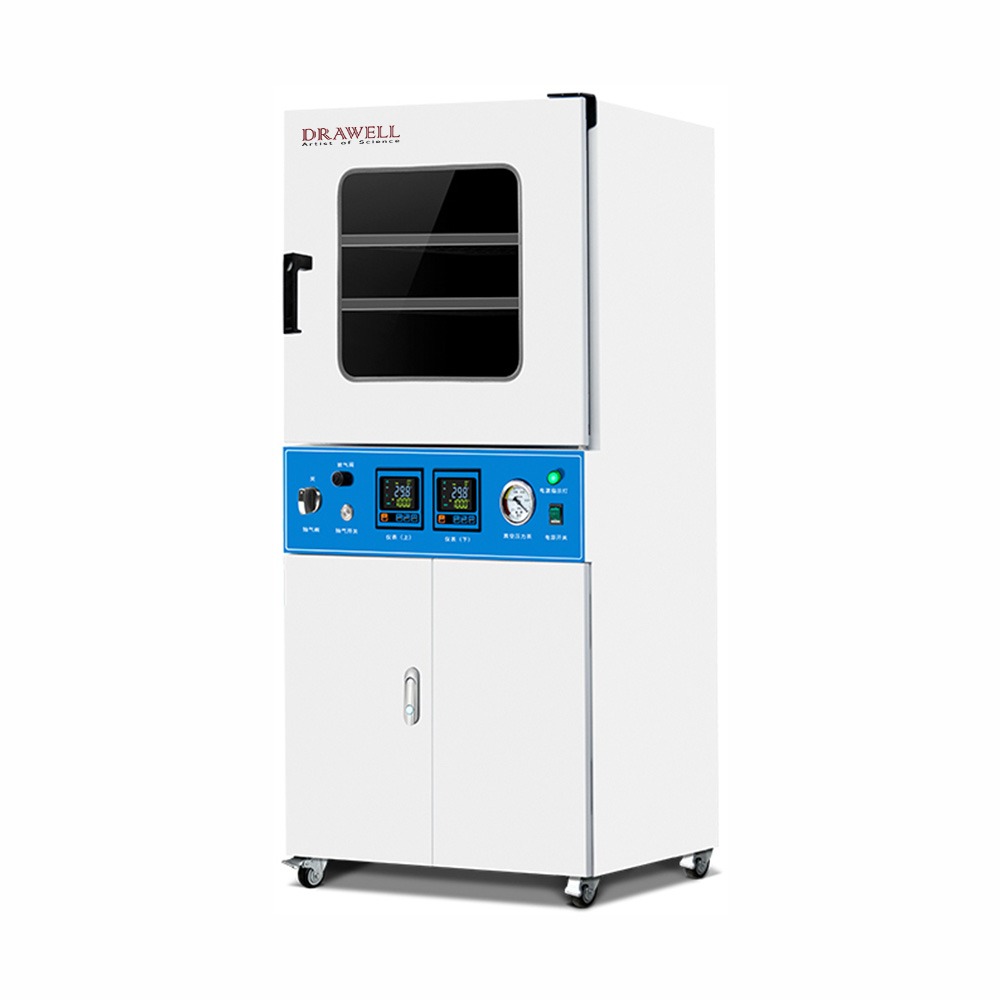
How to Choose a Suitable Vacuum Drying Oven
A vacuum drying oven gets used for drying heat-sensitive materials, so removing moisture, solvents, and other volatile substances under reduced pressure, which is one of those essential pieces of laboratory and industrial equipment. Compared to conventional drying ovens, a vacuum drying oven…
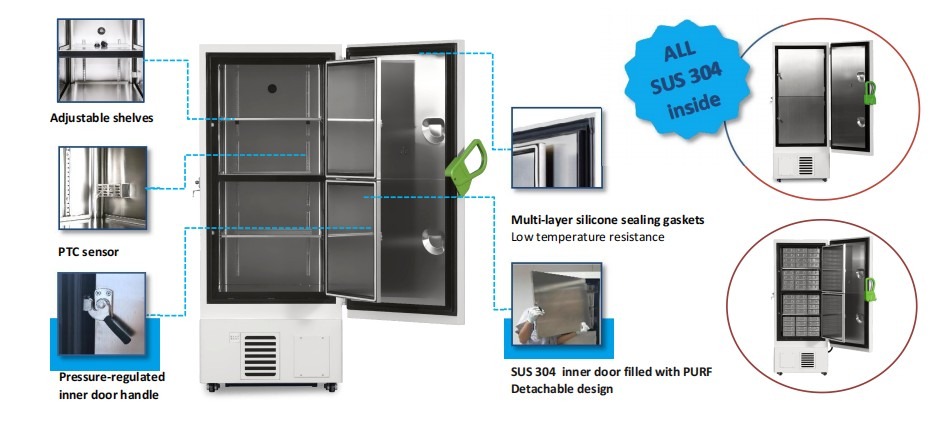
Ultra Low Temperature Freezer Storage: How Long Can Different Samples Be Stored
Picture yourself pulling out a batch of plasma samples from two years ago and finding damaged proteins and inconsistent assay findings. It is a predicament that happens more often than most labs would want to acknowledge, and it nearly always…
Browse by category:


