



Blog
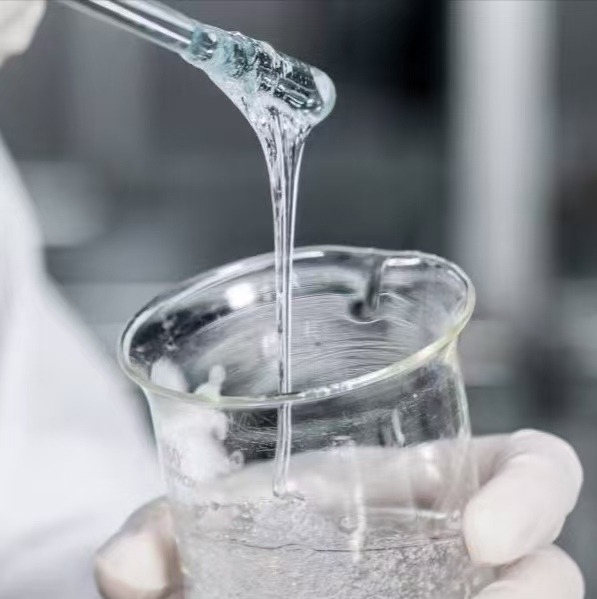
Why Does Temperature Affect Viscosity Measurement? A Practical Guide
You can have a precisely digital viscometer, the right spindle and follow every step in the handbook. But if the sample temperature is not correct, the reading still will not be accurate. Temperature is one of the most prevalent sources…
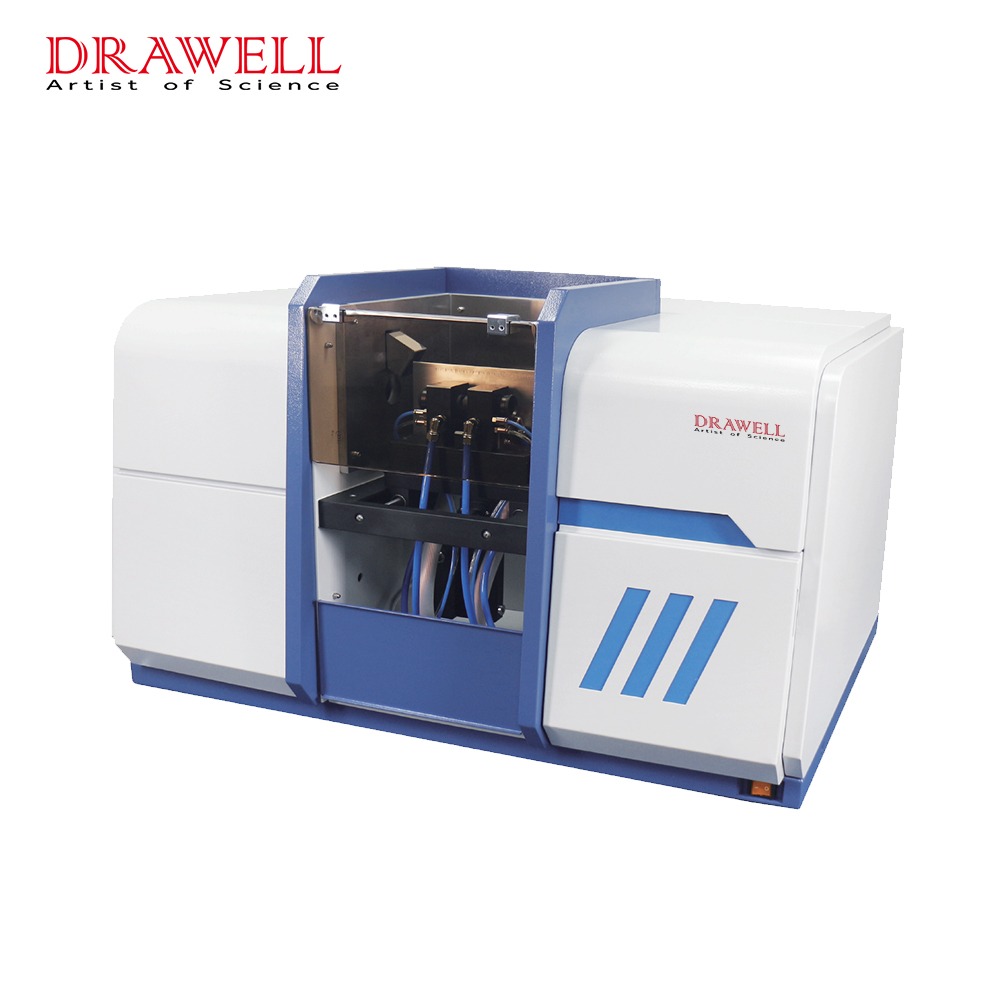
Flame AAS vs Graphite Furnace AAS: 7 Key Differences
lThe main difference between flame AAS vs graphite furnace AAS is driven by a practical balance. Speed, sensitivity, sample size, workload. Those four factors set the choice. Flame AAS, or FAAS, favors speed and sample throughput. Routine element analysis, samples at…
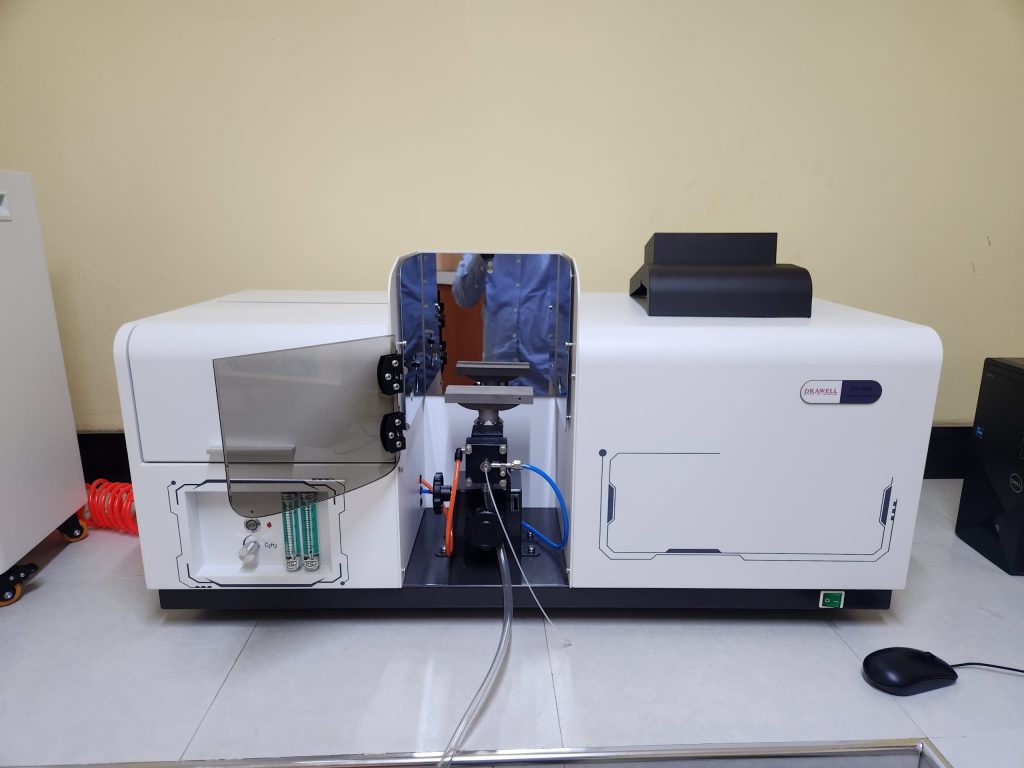
AAS Calibration: 7 Steps to Build a Calibration Curve
AAS calibration is the process of establishing and verifying the relationship between analytical signal and analyte concentration, while an AAS calibration curve is used to quantify unknown samples within the applicable working range. A well controlled calibration process is essential for obtaining reliable…
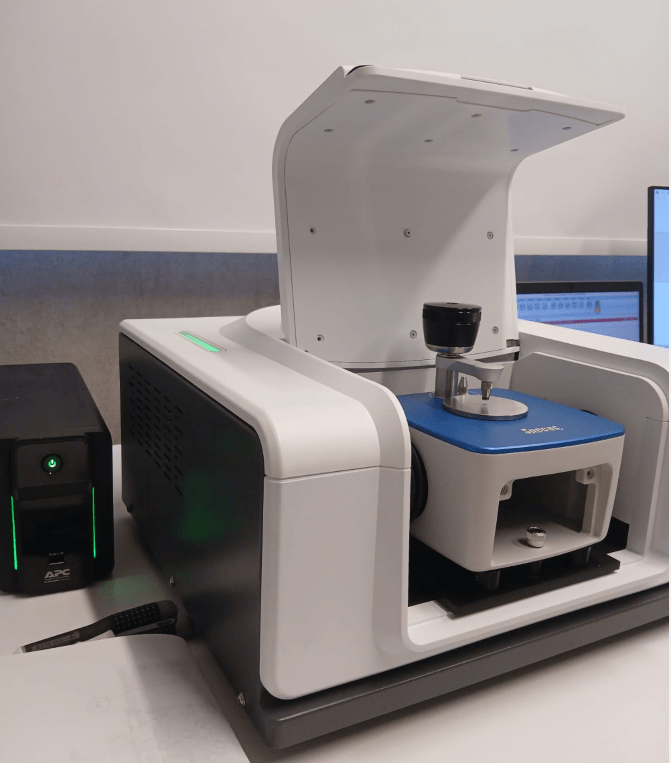
Why Does the Same Sample Give Different FTIR Spectra? 5 Common Causes
You do an FTIR analysis and then do it again on the same sample a few minutes later and the two spectra seem considerably different. The peaks shift, the baseline slopes change or a band you weren’t expecting all of…
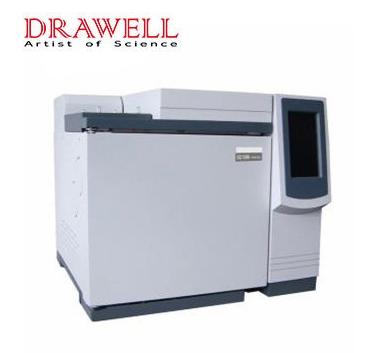
What Affects Retention Time of Gas Chromatography
Retention time in gas chromatography(GC) is a key metric. It is the time it takes for a substance to move from the column to the detector. Different chemicals do not behave the same way in the column. They interact in different…
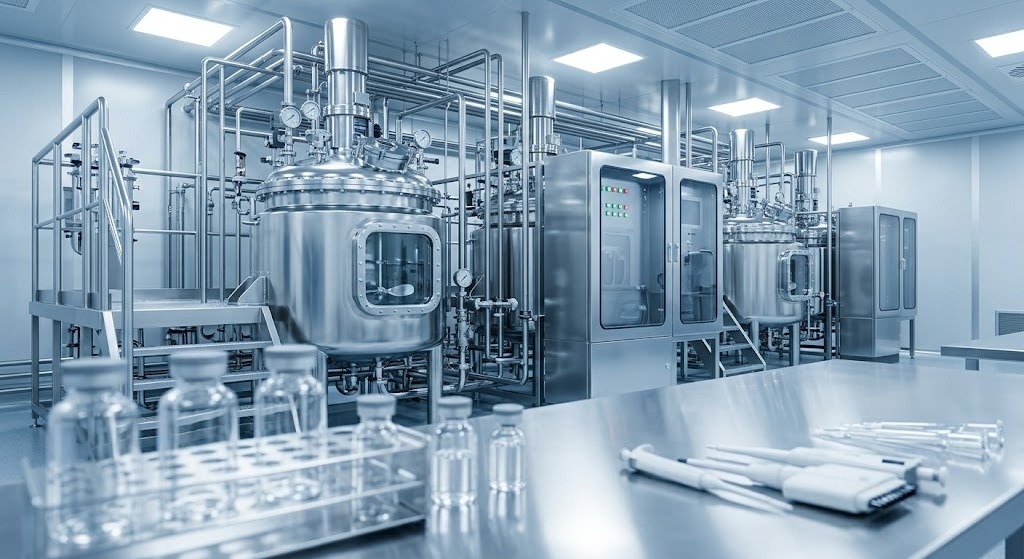
TOC Cleaning Validation: 7 Steps for Accurate Testing
If you work in pharmaceutical or biopharmaceutical manufacturing, you already know that cleaning validation isn’t just a box to check. It’s a critical safeguard against cross-contamination. And when it comes to organic residue detection, TOC cleaning validation has become one of the…
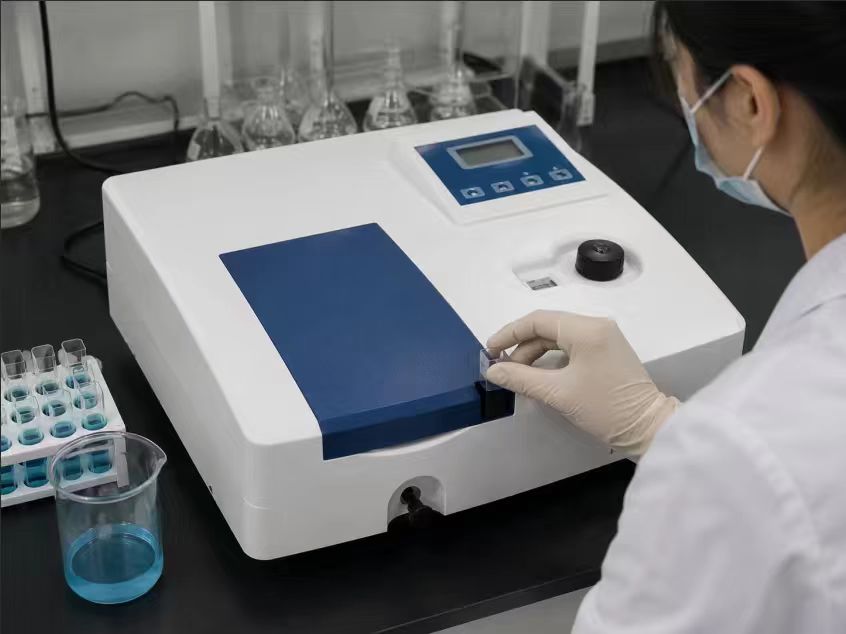
Why Is My UV-Vis Spectrophotometer Blank Unstable? 6 Common Causes
You set your blank, run a few samples, and come back to re-zero, only to find the reading has already shifted. This is one of the more frustrating aspects of UV-Vis work and usually crops up at inconvenient moments. A…

Cloudy Sample After Centrifugation: Common Causes and Fixes
You’ve run the centrifuge, waited through the entire spin cycle, and expected a clean separation. Instead, the sample is still hazy. It’s one of those lab moments that is as annoying as it is confounding, especially when you’ve followed the…
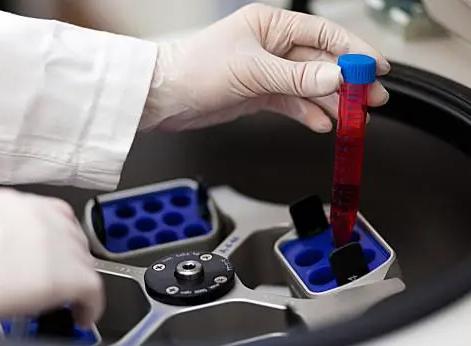
How to Choose the Right Centrifuge for Blood Separation
Blood separation in a lab is often done to collect serum, plasma, or other parts of blood for tests. It is used in clinical work, research, and diagnosis. Choosing the right centrifuge matters. The settings used during spinning can change how…
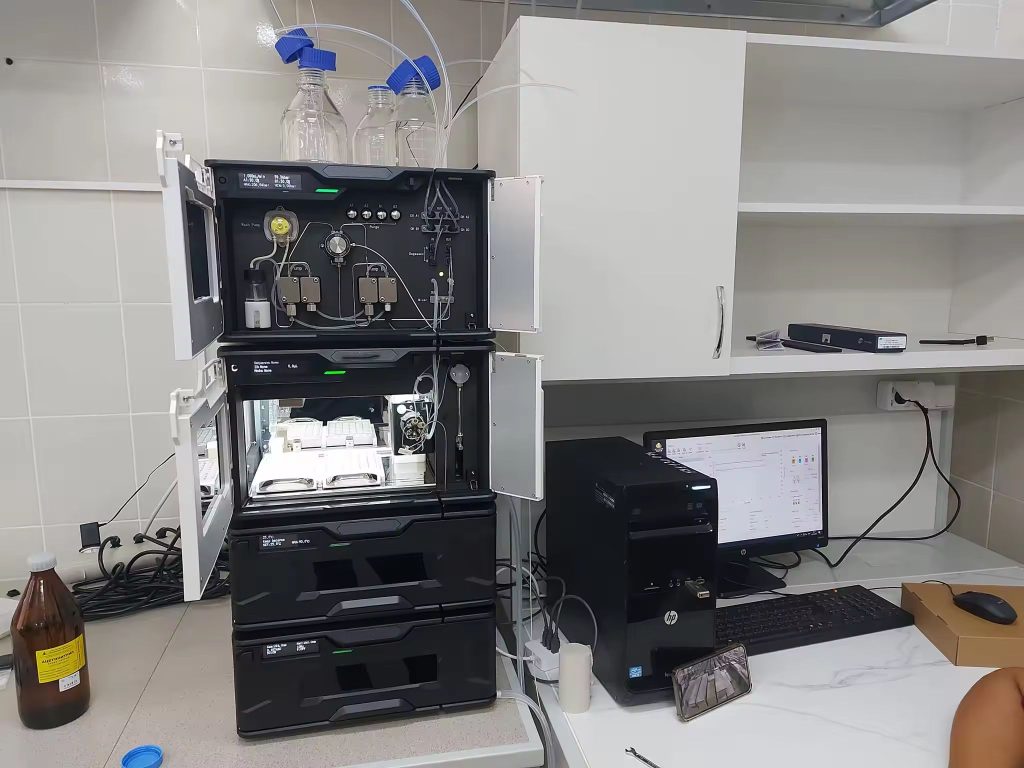
HPLC Baseline Drift: 7 Causes & Easy Fixes
Let’s be honest. Few things are more frustrating in the lab than watching your HPLC baseline drift slowly upward, downward, or bounce around like it’s got a mind of its own. You know what that means. Integration gets thrown off. Quantitative…
Browse by category:


