

Precision Balance (1mg)
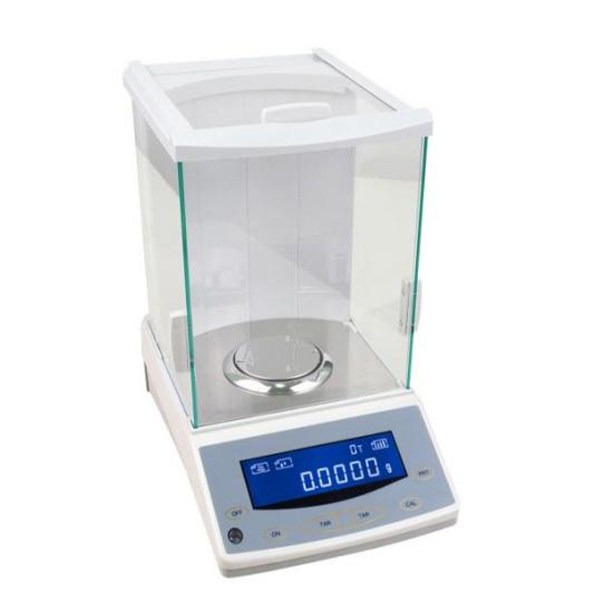
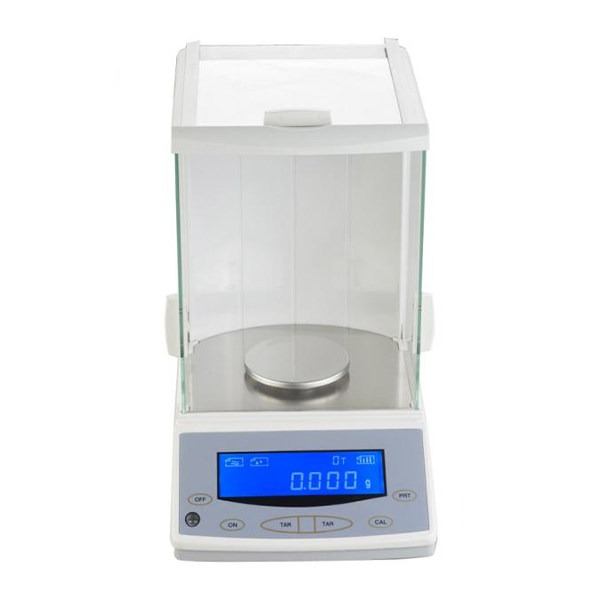
Precision balance supplied by Drawell, can be used for accurate and reliable measurements in various laboratory settings. Offering a fine level of readability and stability, it is ideal for tasks that require precision, such as sample preparation, formulation, and quality control. With advanced features like fast stabilization, easy calibration, and a robust design, this balance ensures consistent and dependable performance, making it suitable for educational institutions, research facilities, and industrial laboratories.
Features of the Precision Balance (1mg)
- Electromagnetic force compensation technology.
- Aluminum alloy die cast base and ss platter.
- Super bright LCD display with backlight.
- RS232C interface.
- Clear glass windshield as standard.
- Overload protection, bubble level adjustment, under hook.
- Full capacity subtraction.
- Multi weighing unit conversation g/mg/ct/oz.
- Stabilization time, 1.5 seconds.
- Check weighing, parts counting, and percentage weighing.
- Universal power adaptor supplied as standard.
- Certificated calibration weight supplied as standard.
- Internal calibration or external calibration for your choice.
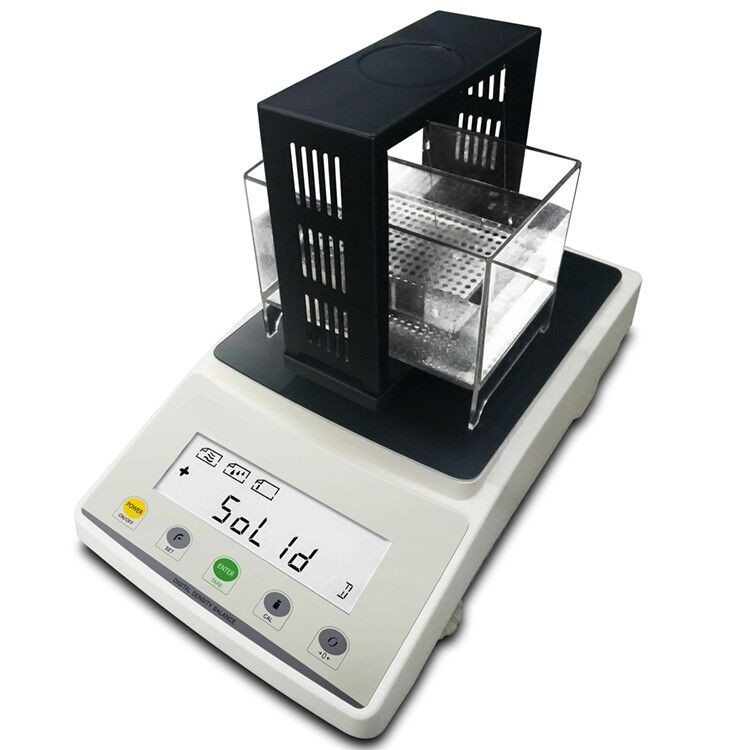
- Density function for choice.
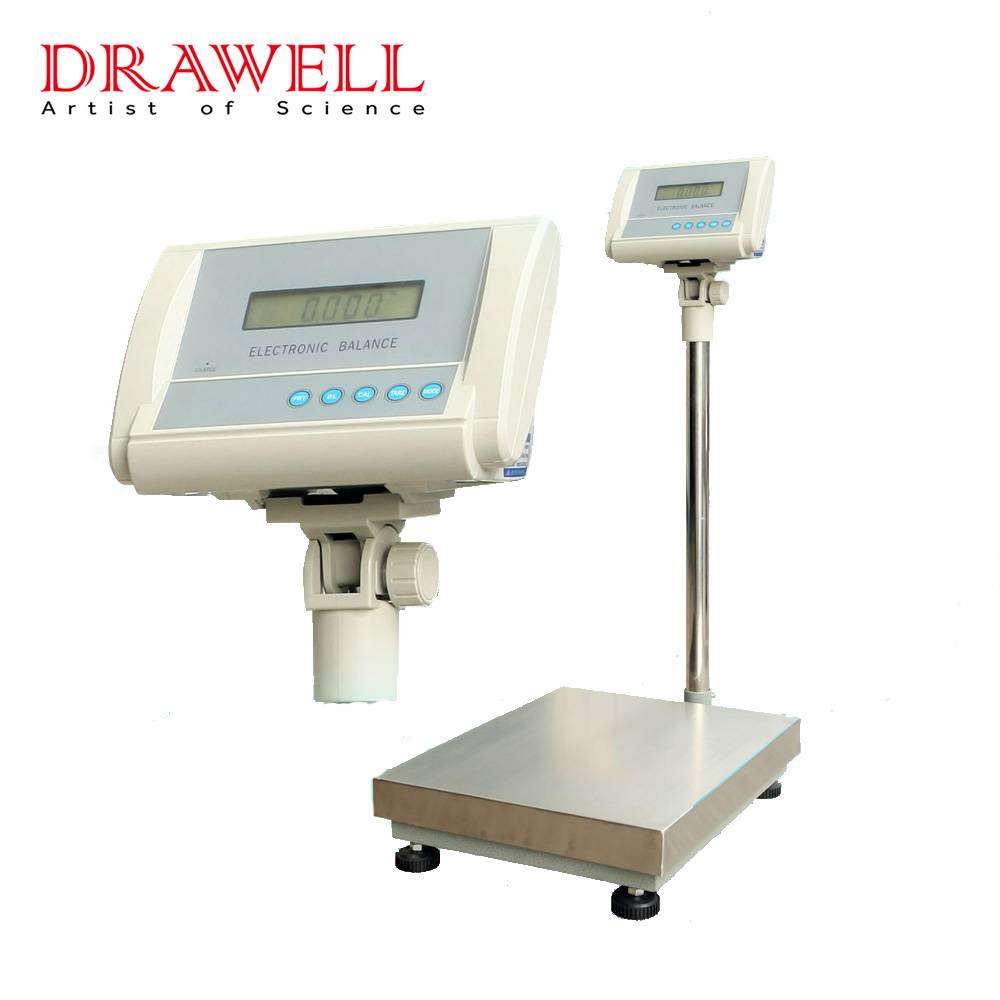
DRAWELL’s Precision Balance (1mg)

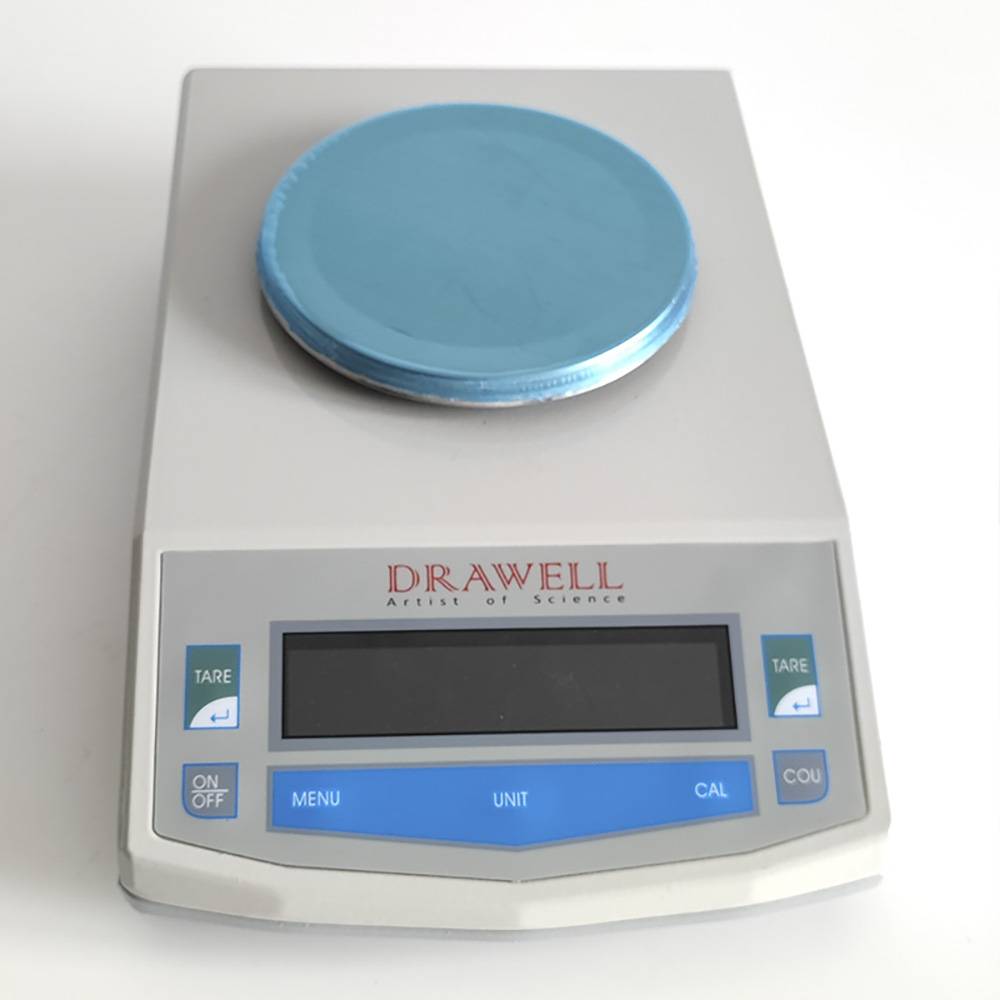
DEB Electronic Precision Balance 1mg
Readability/Max Capacity:
• 1mg: 520/620/1000/2000g
• External/Internal Calibration
• 1mg: 520/620/1000/2000g
• External/Internal Calibration
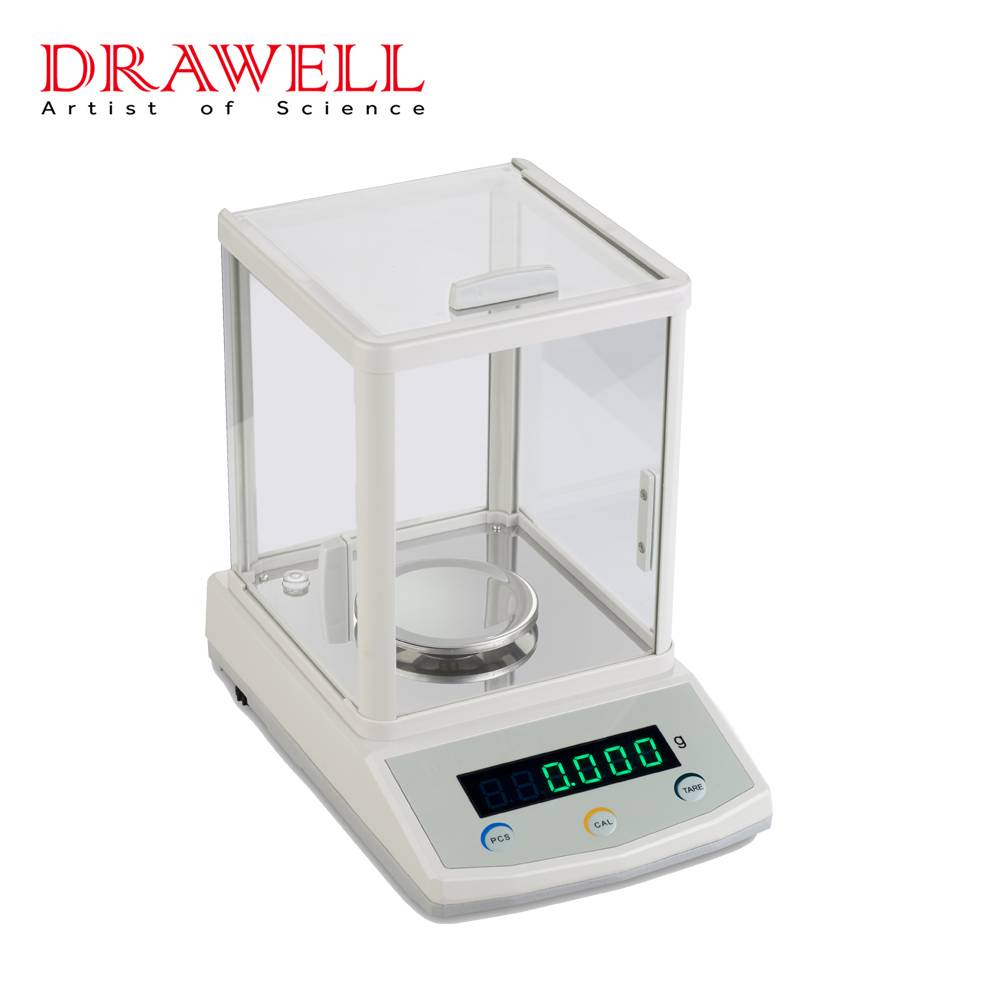
1mg DT-Series Magnetic Analytical Balance
• 1mg: 100/200/300/500/600g
• External/Internal Calibration
• RS232 Interface
• Magnetic, Aluminum Alloy Shell
• External/Internal Calibration
• RS232 Interface
• Magnetic, Aluminum Alloy Shell
Applications of Precision Balance (1mg)
- Biological and chemical analysis, such as in the preparation of standard solutions and the weighing of reagents.
- Trading of precious metals such as gold and silver.
- Routine laboratory weighing for precise measurement and control of product weight.
- Formulation and preparation, weighing of pharmaceutical preparations.
- Research and development sample preparation, requiring precise sample control.


How to Choose the Right Precision Balance?
How to Weigh Powdered Samples More Accurately?


- Place the weighing paper or weighing boat on the weighing pan, close the windshield, and press Tare to zero.
- Use a spatula to take a small amount of powder and gently tap it above the container, allowing the powder to fall into the container very slowly and in very small amounts.
- Close the windshield and wait for the reading to stabilize.
- Repeat steps 2 and 3 until the target weight is close.
Caution: Pour large amounts of powder directly into the container, and then remove it once it is overloaded. This will cause huge losses and errors.
How to Reduce the Impact of Static Electricity on Readings?
- Drawell offers an optional ION-A15 electrostatic eliminator.
- Preferably use glass or metal containers for weighing during experiments.
- Avoid using plastic weighing containers in actual operation.
- Maintain humidity between 45% and 60% whenever possible.
- Ground the balance to allow ions to escape.
Why is the Balance Reading Drifting? How to Solve it?
Causes:
- Level bubble not centered
- Windproof glass door not closed
- Airflow/Air conditioning blow
- Vibration from the table or nearby equipment
- Temperature fluctuations
- Static electricity
- Humidity changes
Solutions:
- Adjust the level screws to center the bubble level
- Check the windproof cover and ensure the glass door is fully closed
- Avoid placing under fans or air conditioners
- Avoid direct sunlight
- Avoid placing near centrifuges or stirrers
- Avoid frequent opening and closing of doors
- Place on a sturdy, shockproof table and test in a temperature environment of 20–25°C.
Precision Balance (1mg) Display