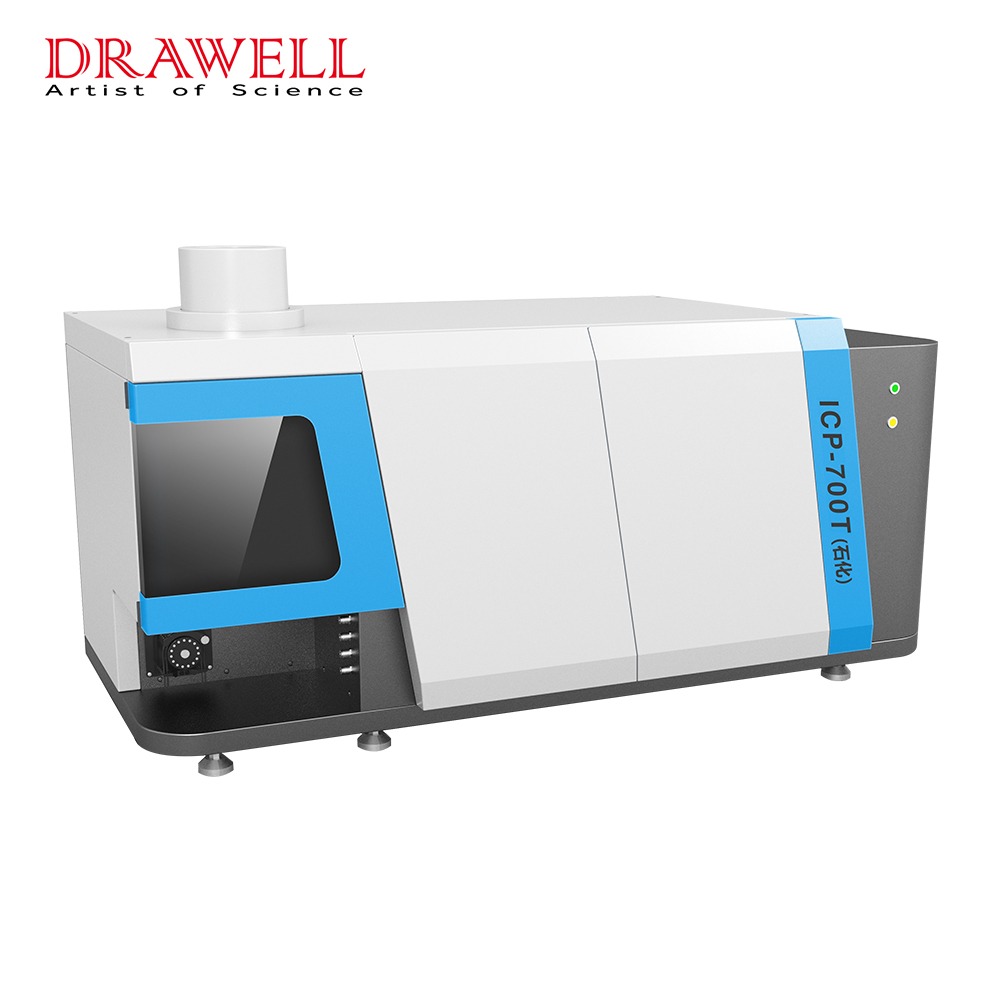


Calorimeter and Thermal Analyzer

Calorimeter and Thermal Analyzer
A calorimeter measures heat from chemical reactions, physical changes, and heat capacity. Common types include bomb calorimeter, differential scanning calorimeter (DSC), isothermal micro calorimeters, titration calorimeters and accelerated rate calorimeters. Drawell’s calorimeter is widely used in thermodynamics, chemistry, and biochemistry.
Features of Differential Scanning Calorimeter
- Metal Furnace: Fully enclosed design for high resolution and stable baseline.
- Alloy Sensor: Corrosion-resistant, oxidation-proof, high sensitivity.
- Atmosphere Control: Dual-channel gas control with automatic adjustment and data storage.
- Controller: Cortex-M3 ARM for fast processing and precise temperature control.
- Communication: USB two-way communication with auto-recovery.
- Display: 7-inch, 24-bit color LCD touch screen with real-time data.
- Calibration: Built-in standards for user self-calibration.
- Software: Automatic data generation; supports enthalpy, Tg, OIT, melting, and crystallization.
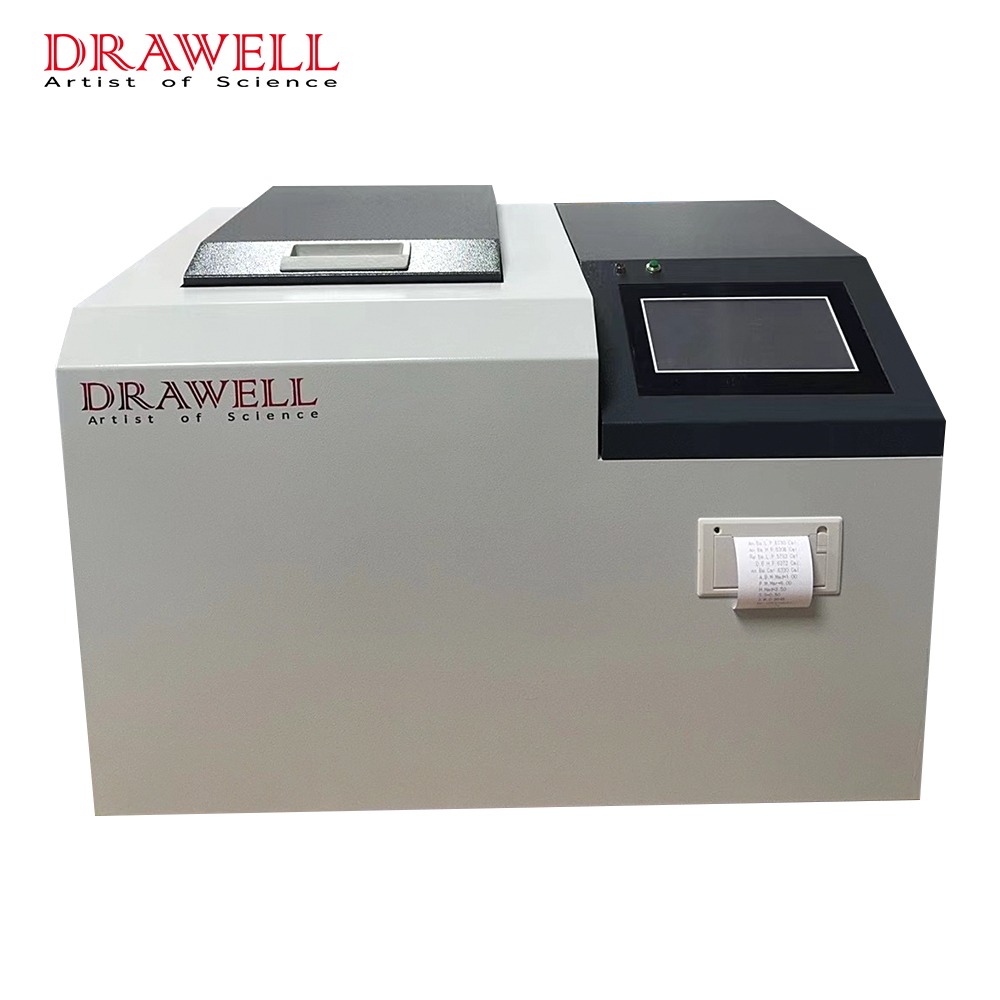
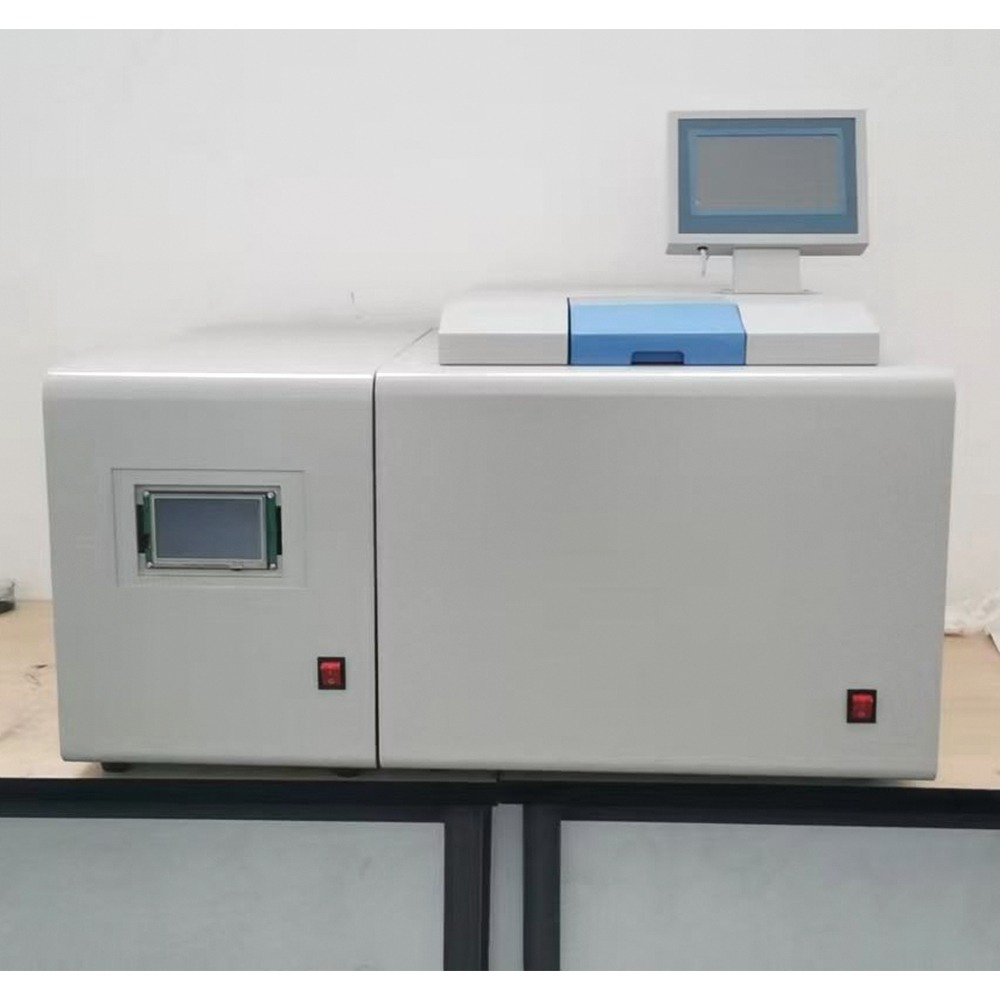
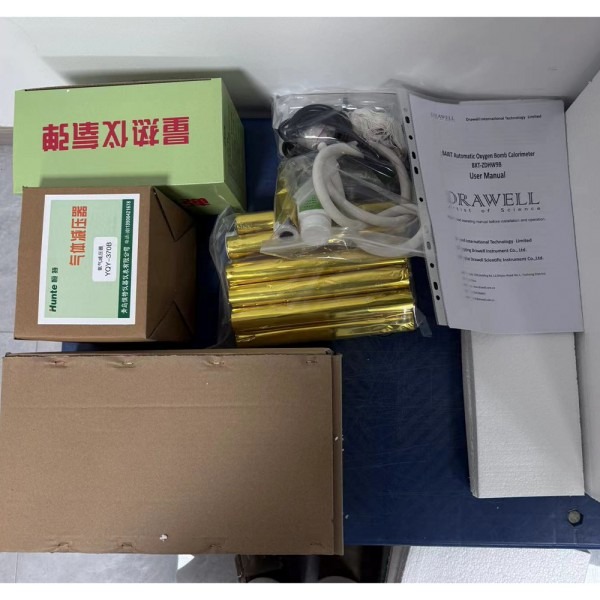
High Precision Microcomputer Automatic Oxygen Bomb Calorimeter BXT-ZDHW-9B
• Temp. Measurement: 0-40 ℃
• Oxygen bomb 2.8-3.0mpa, max 3.2Mpa
• Pressure test: 20.0Mpa
• Volume: 300ml
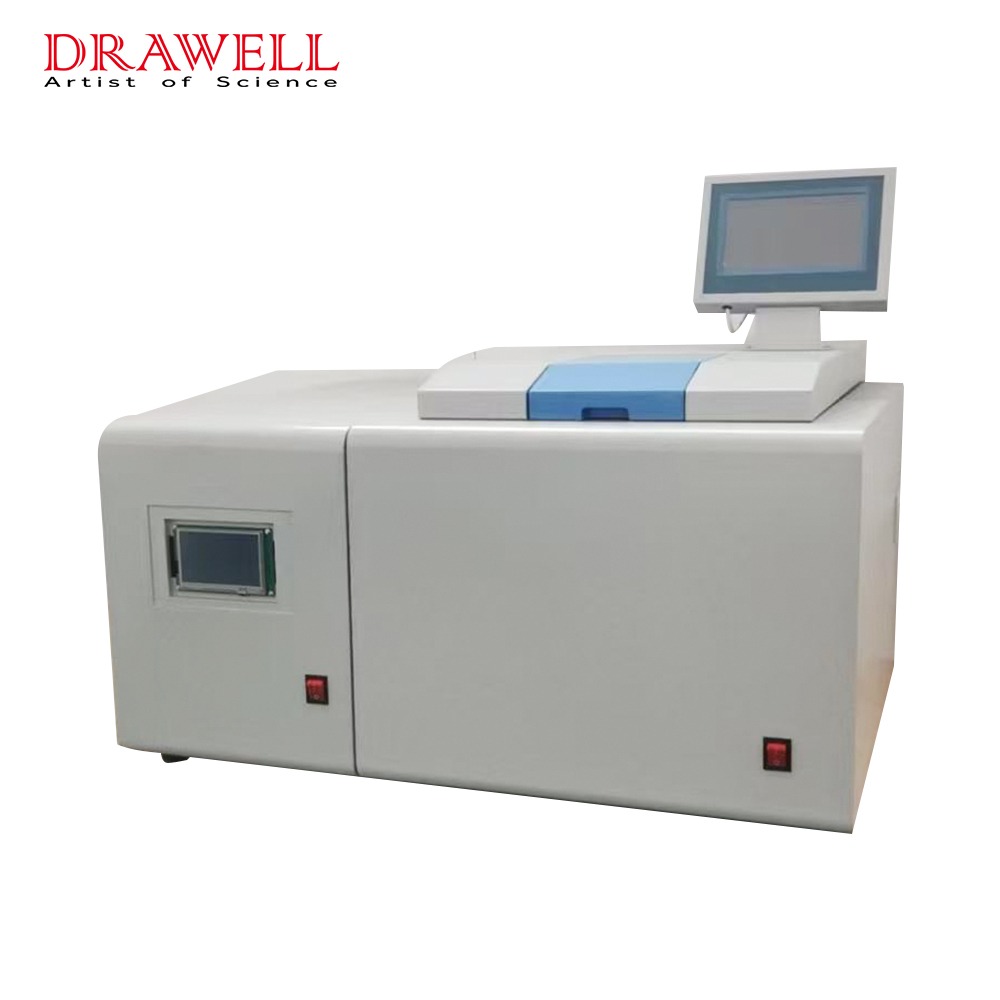
Automatic Oxygen Bomb Calorimeter (Compressor refrigeration) BXT-HW600A
• Heat Capacity: About 10500 J / K
• Outer cylinder constant temp. control: Compressor
• Temp. Measurement: 0-45 ℃
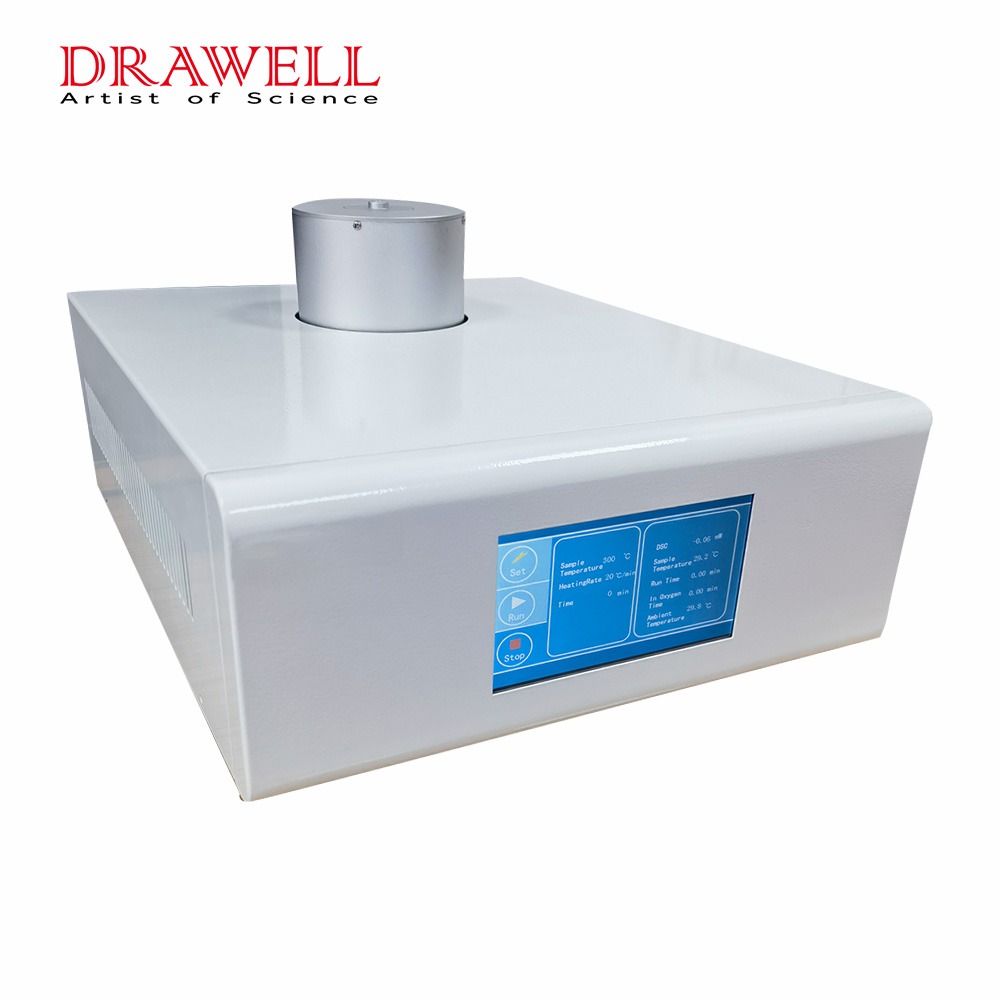
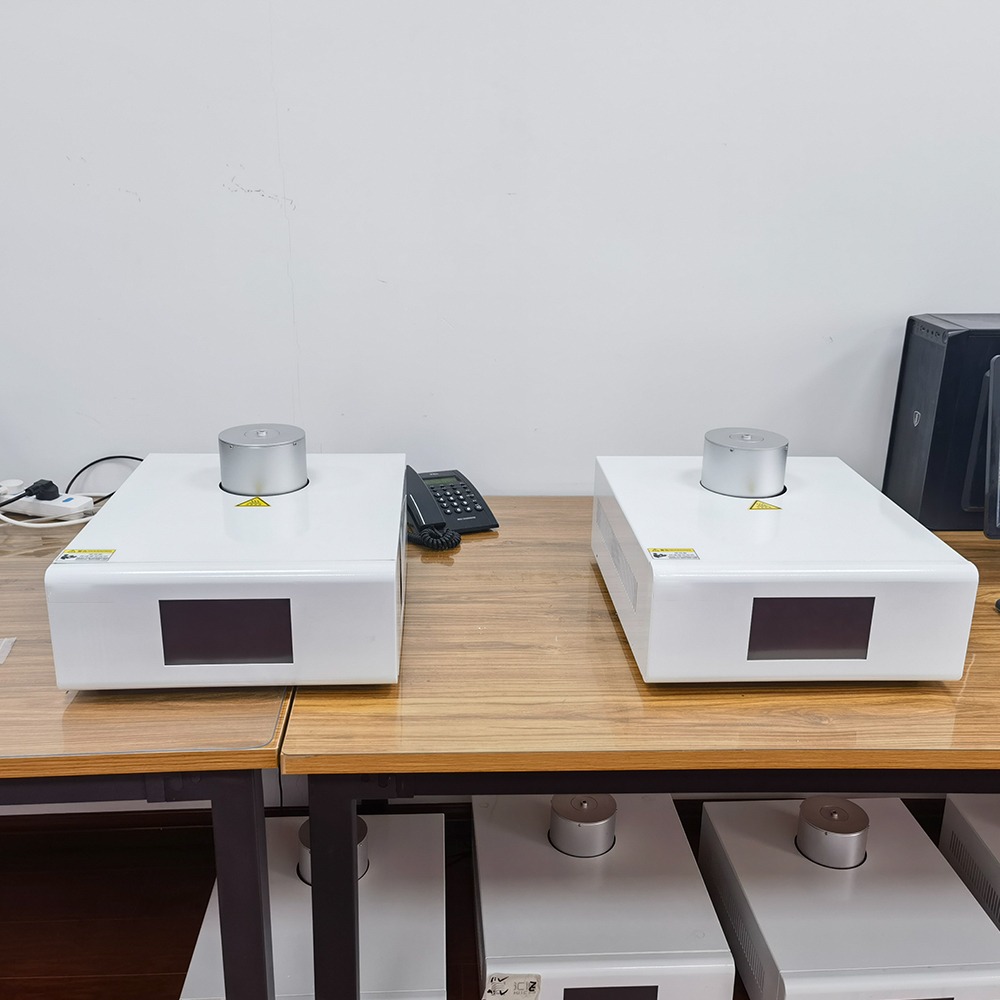
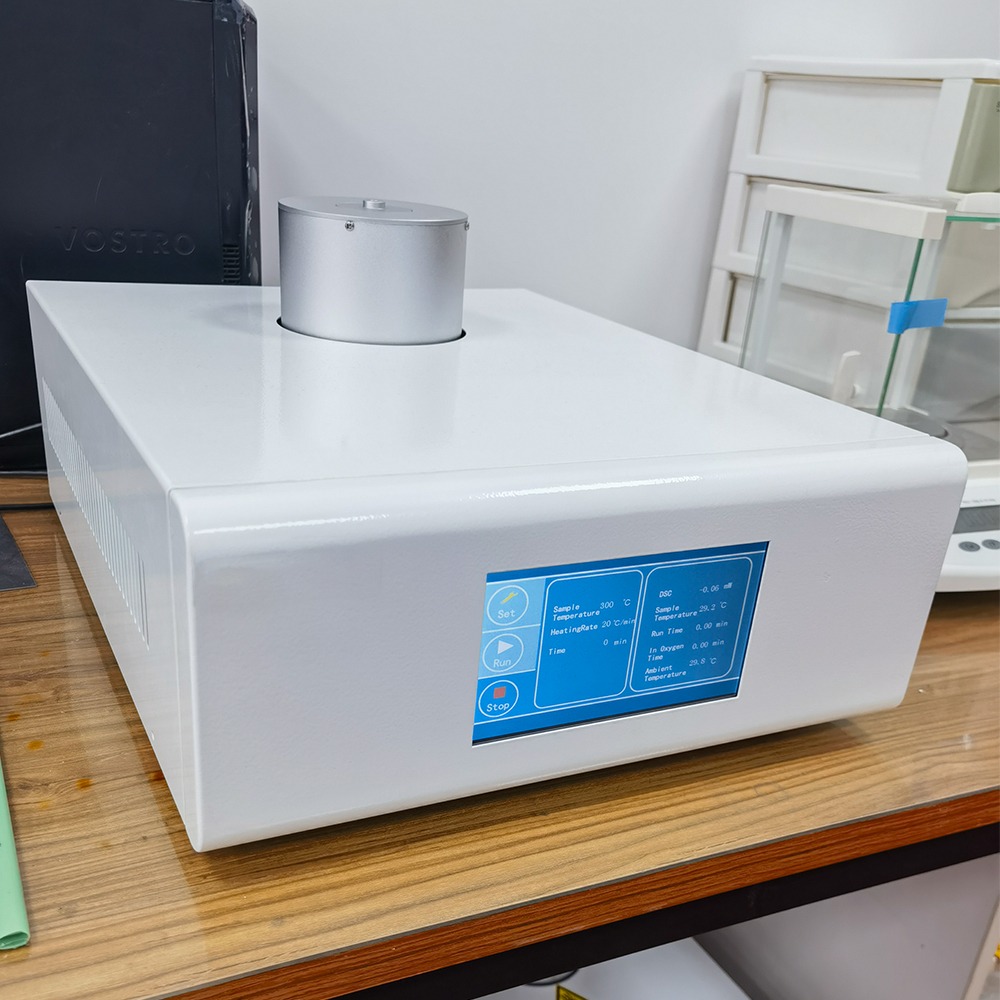
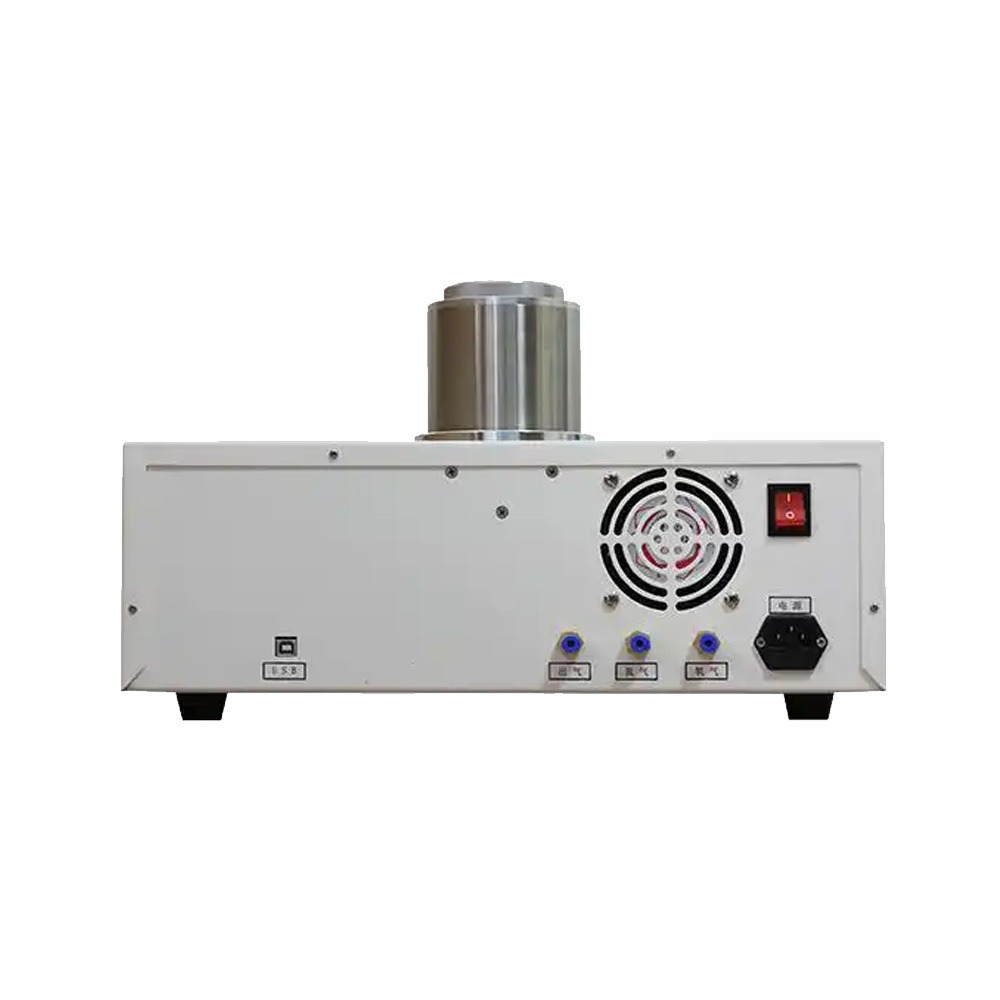
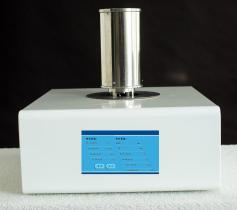
Differential Scanning Calorimeter BXT-DSC100
• Heating rate: 0.1~80℃/min
• Temp. control: heating, constant temp.
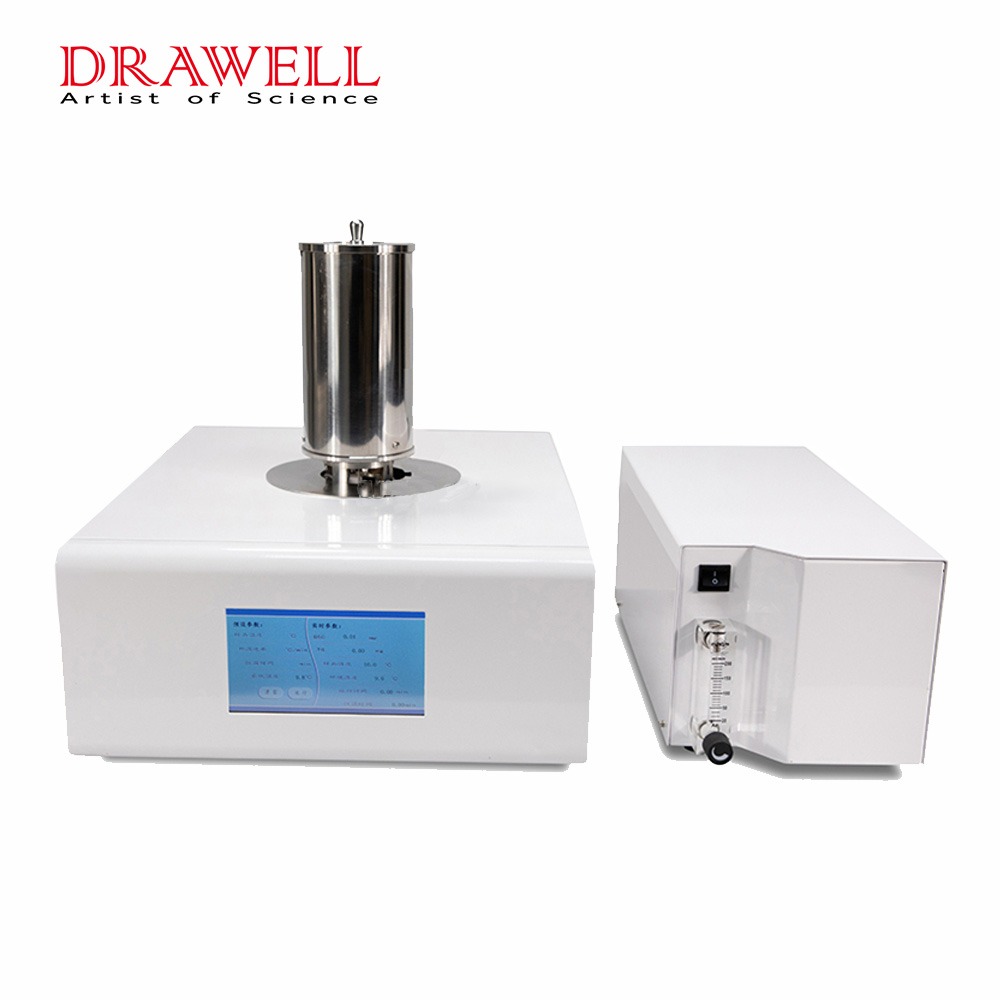
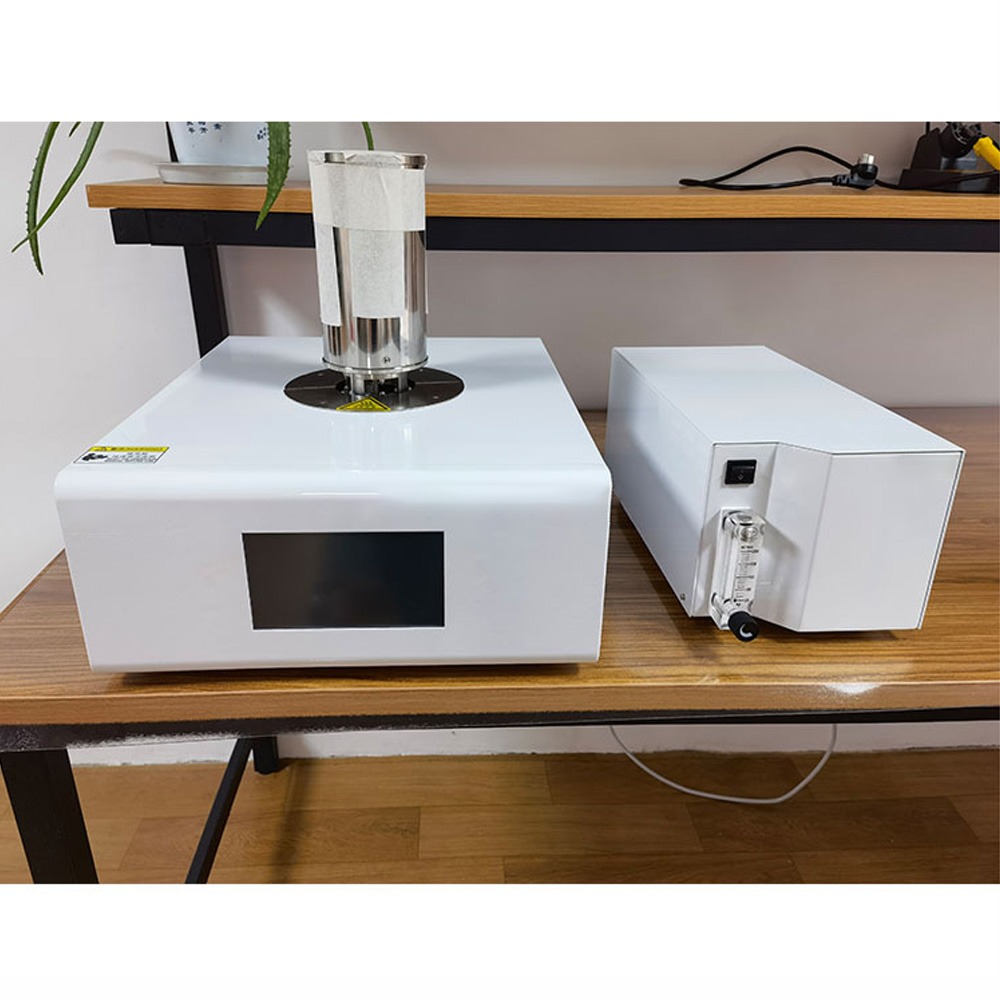
Differential Scanning Calorimeter BXT-DSC100L
• Heating rate: 0.1~80℃/min
• Temp. control: Heating, constant temp.
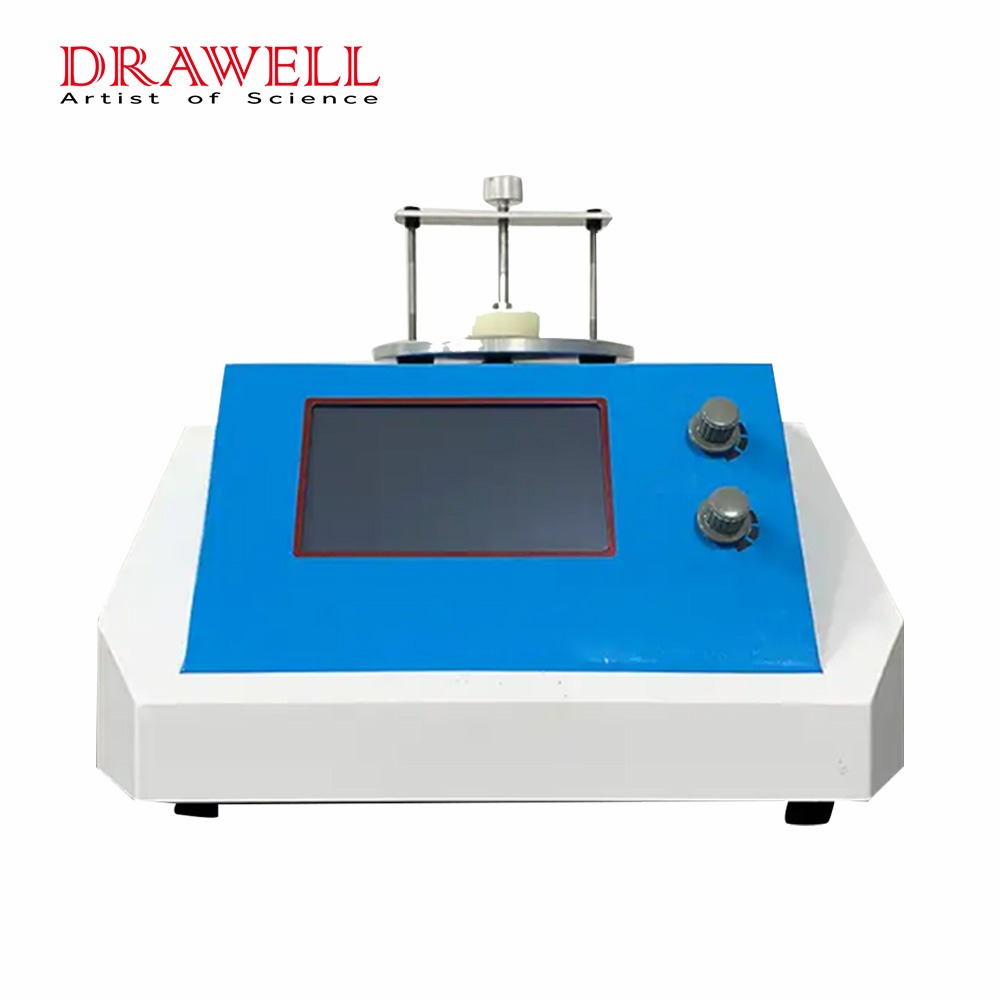
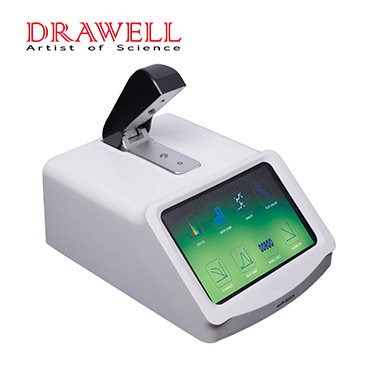
Transient Plane Heat Source Method Thermal Conductivity Meter BXT-DRS
• Measuring.: Room ~130℃
• Probe diameter No. 1 probe 7.5mm; No. 2 probe 15mm
• Measure time: 5~160s
Applications of Calorimeter and Thermal Analyzer
- Food Science
- Energy and Fuels
- Chemical & Biochemical
- Environmental Science
- Industrial Application

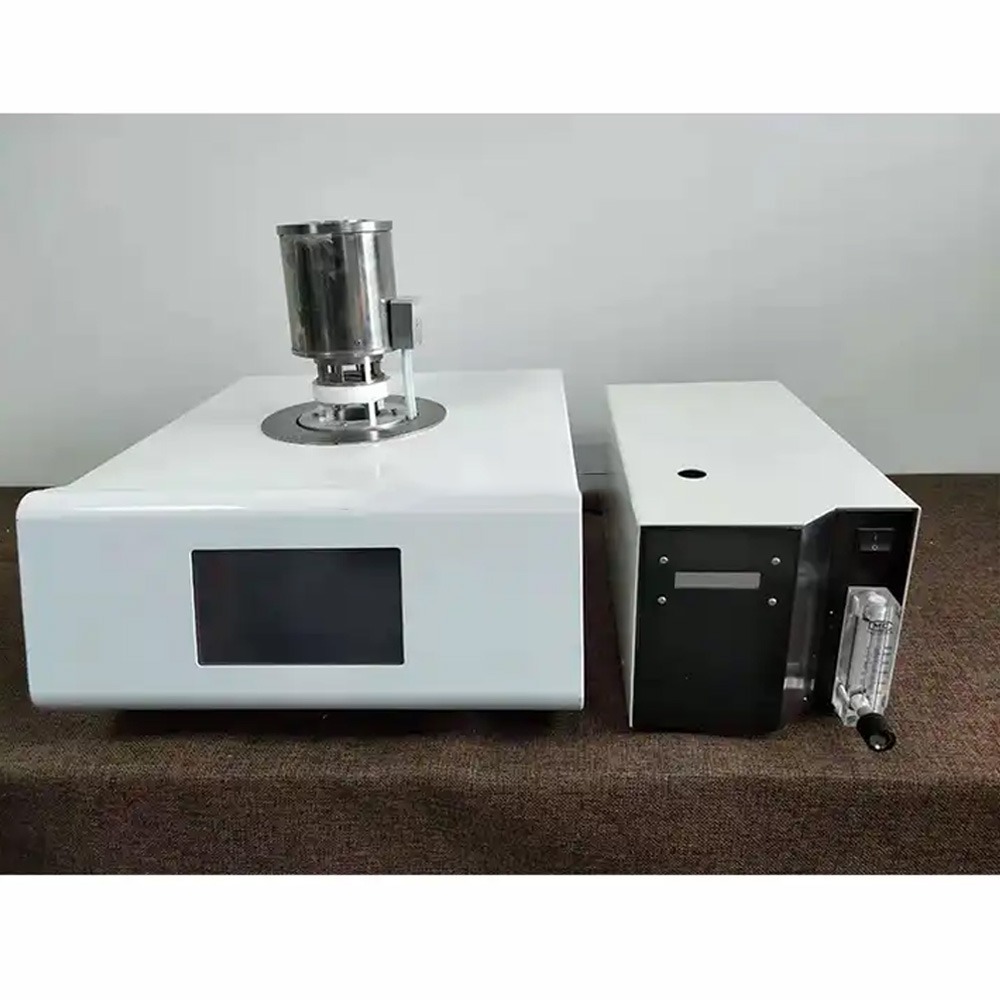
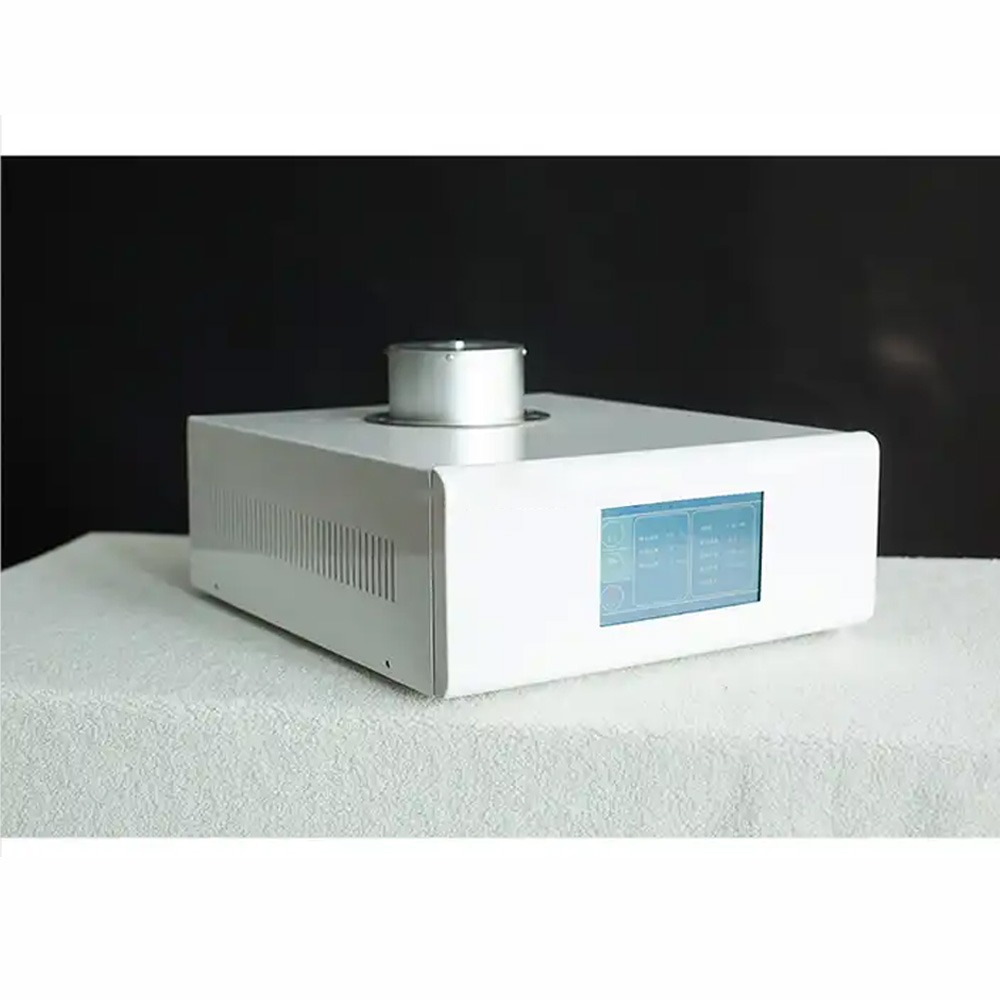
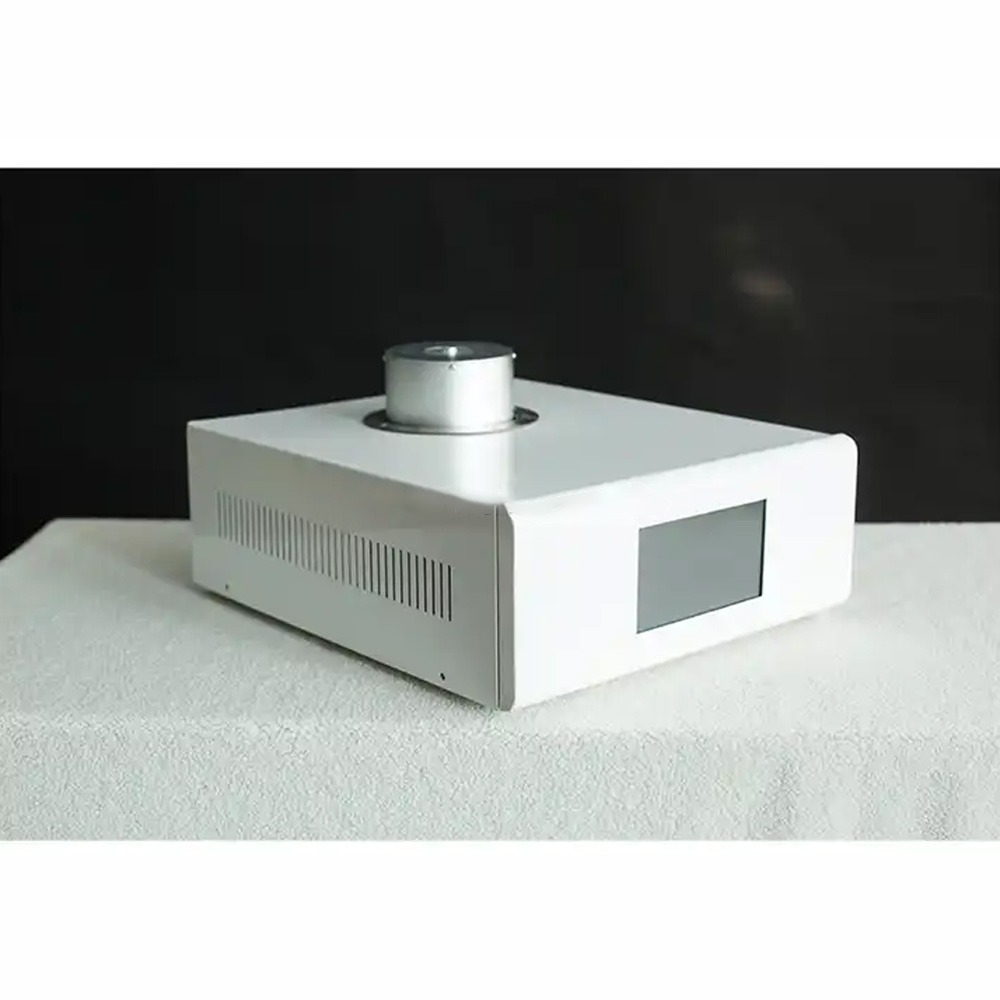
Calorimeter Picture Display
BXT-HW600A Calorimeter
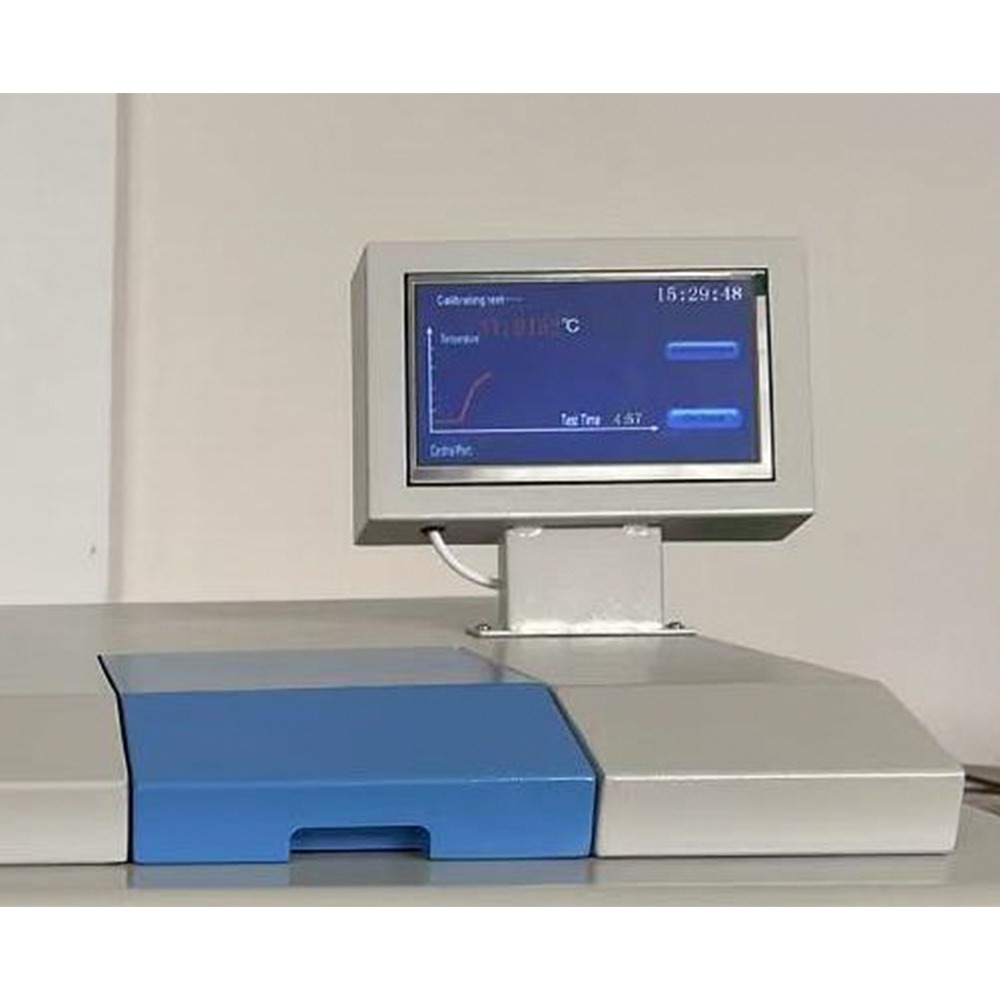
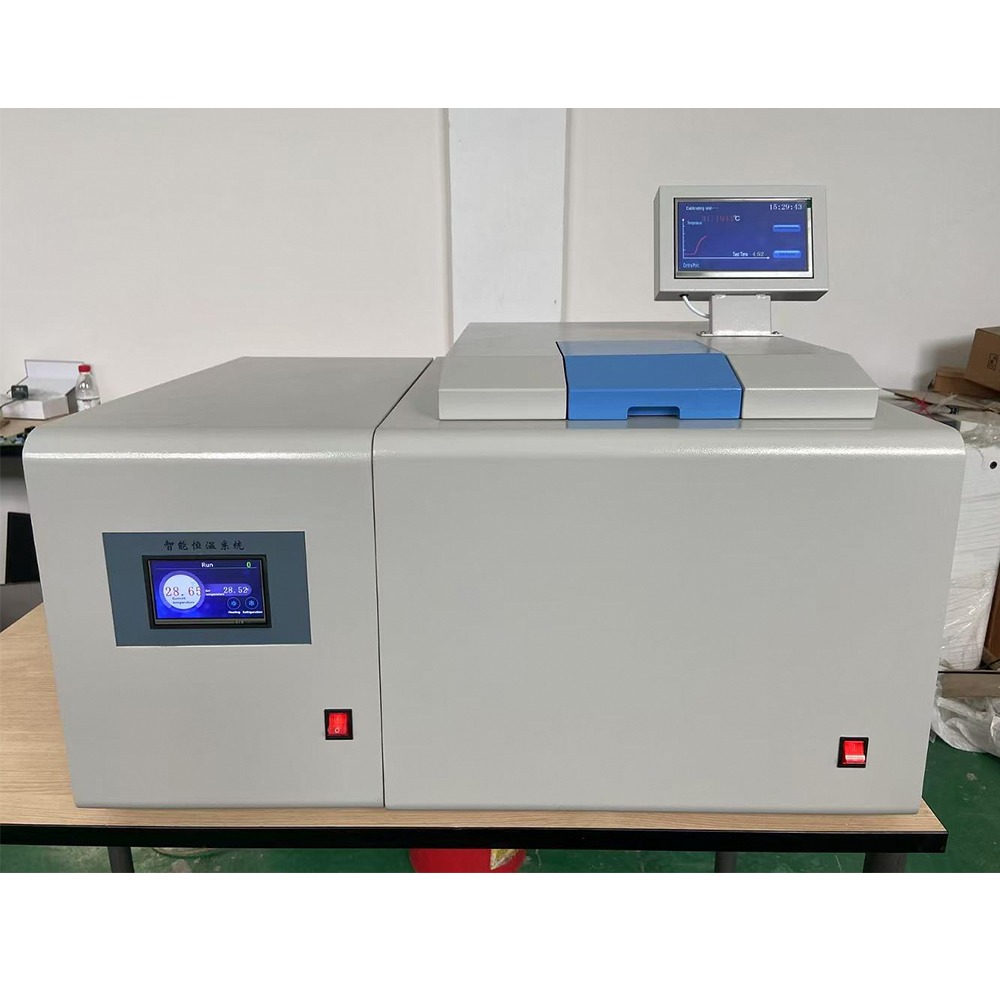
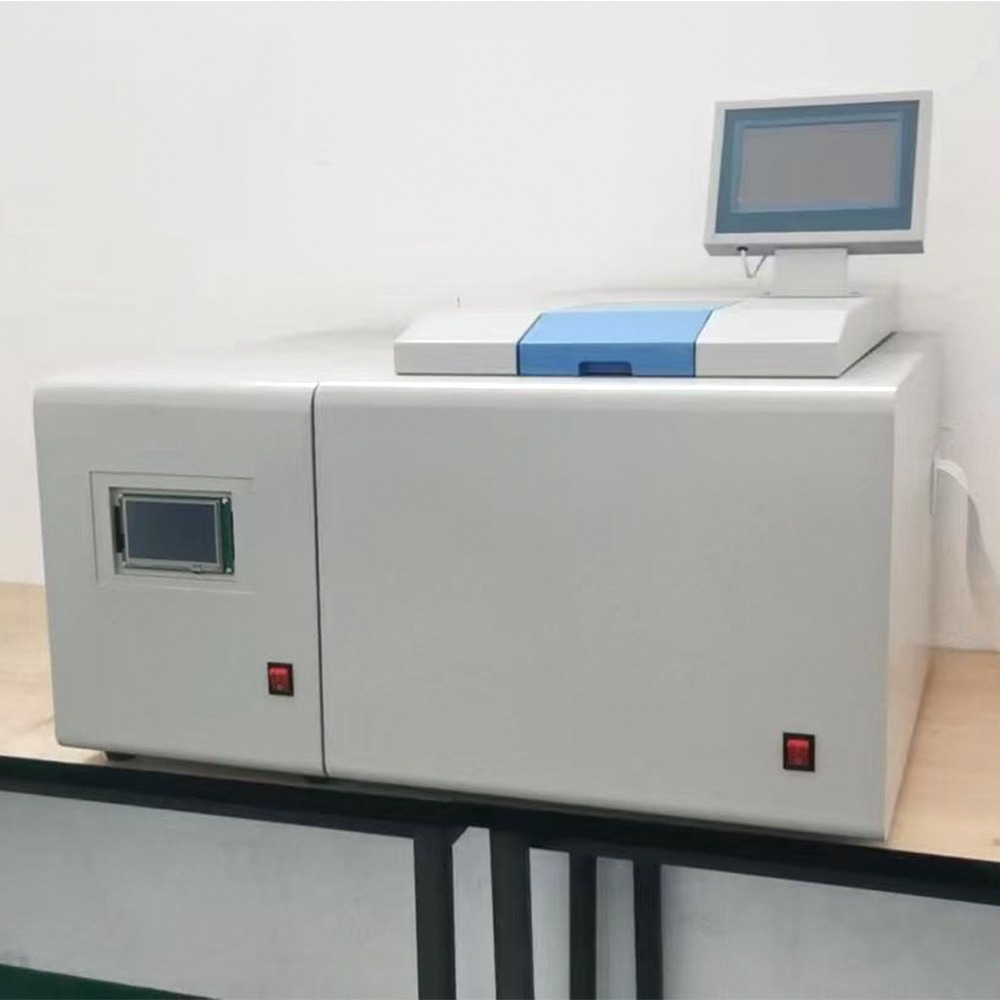
BXT-ZDHW-9B Calorimeter
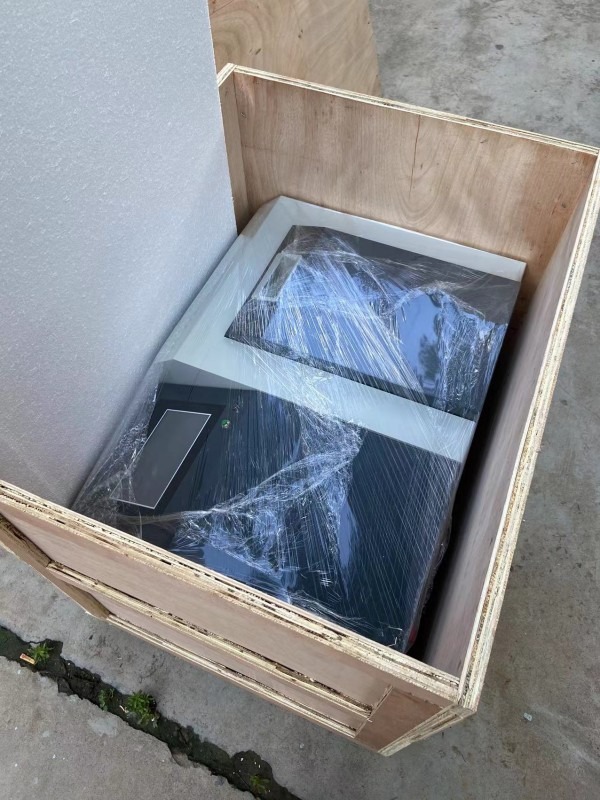
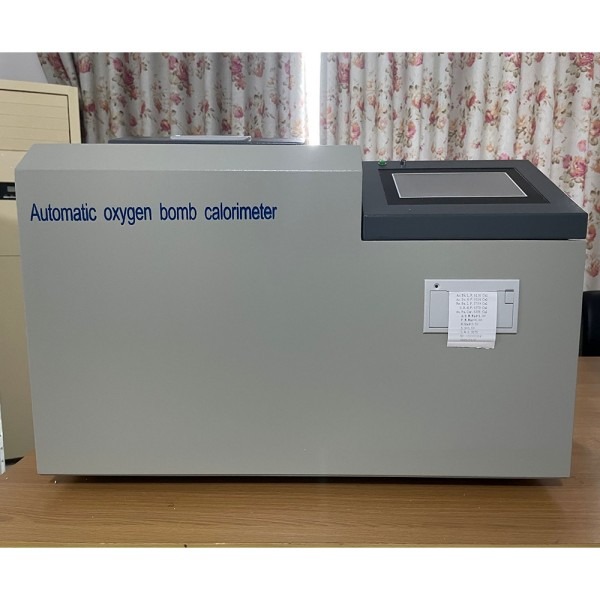
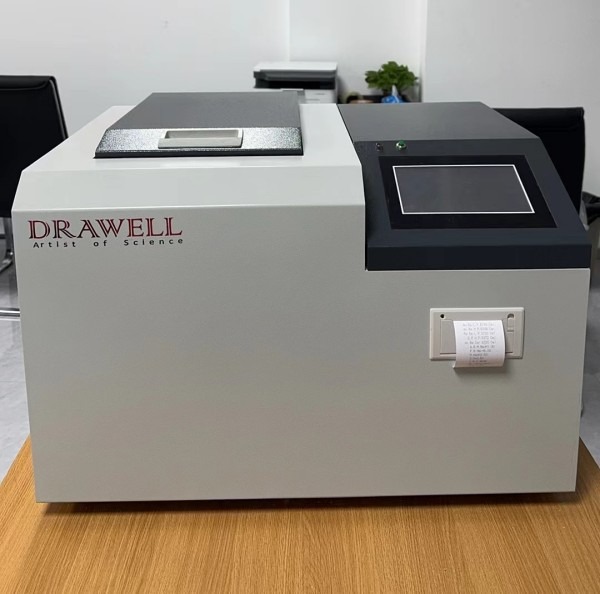
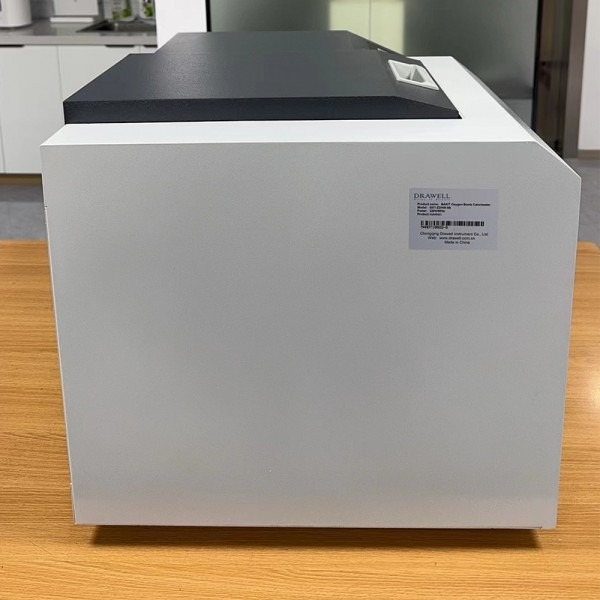
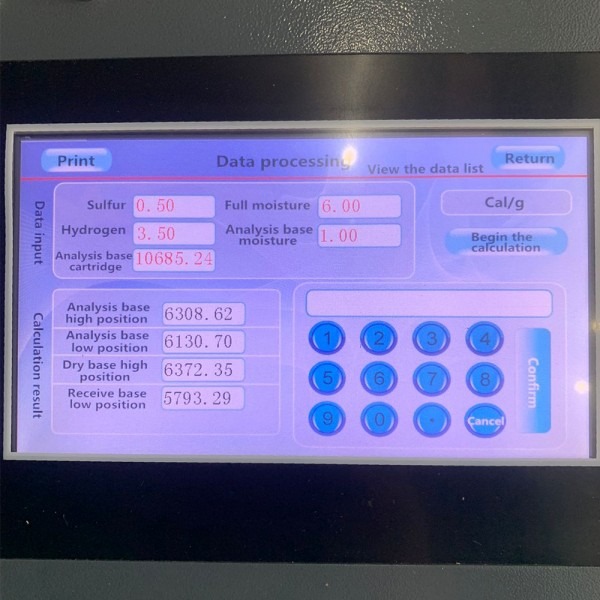
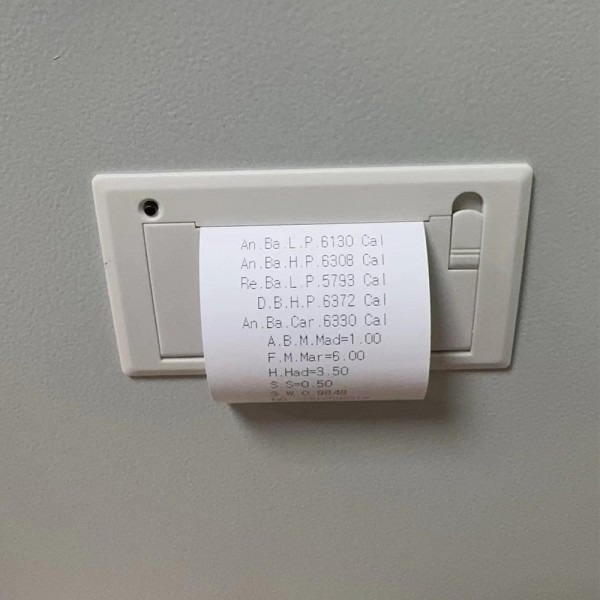
BXT-DSC100 Calorimeter
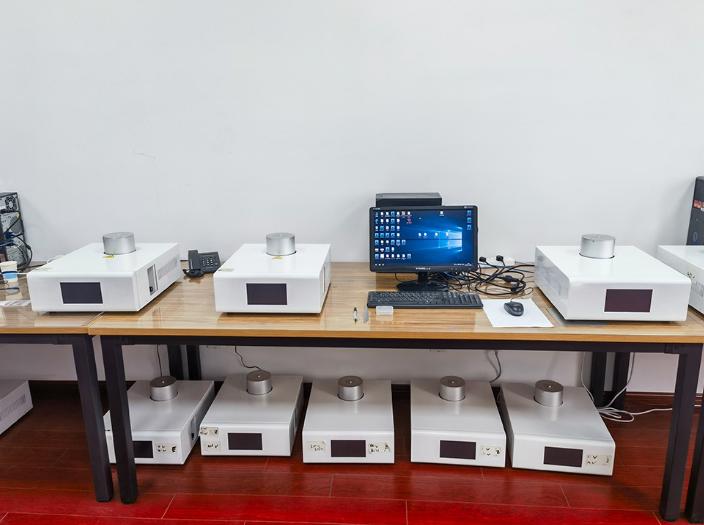
How to Choose the Right Calorimeters?
A thermogravimetric analyzer or Thermal Gravimetric Analyzer(TGA) is a measurement of the mass of a sample as it changes over time as the temperature changes. Mass, temperature and time are considered the basic measurements in thermogravimetric analysis, and many other measurements can be derived from these three basic measurements.
Features of Thermal Analyzer
- Internal Calibration: Built-in calibration for high accuracy and repeatability.
- Alloy Sensor: Imported alloy sensor, corrosion- and oxidation-resistant, high sensitivity.
- Furnace: Precious metal alloy heating wire for high-temperature stability and low interference.
- Atmosphere Control: Automatic software switching with direct database data recording.
- Controller: ARM Cortex-M3 for fast operation and precise temperature control.
- USB Interface: Two-way USB communication for intelligent operation.
- Display: 7-inch, 24-bit color LCD touch screen with real-time data.
- Operation Design: Top-opening cover for easy operation and sample rod protection.
- Reporting: Automatic report generation, processing, printing, and record storage.
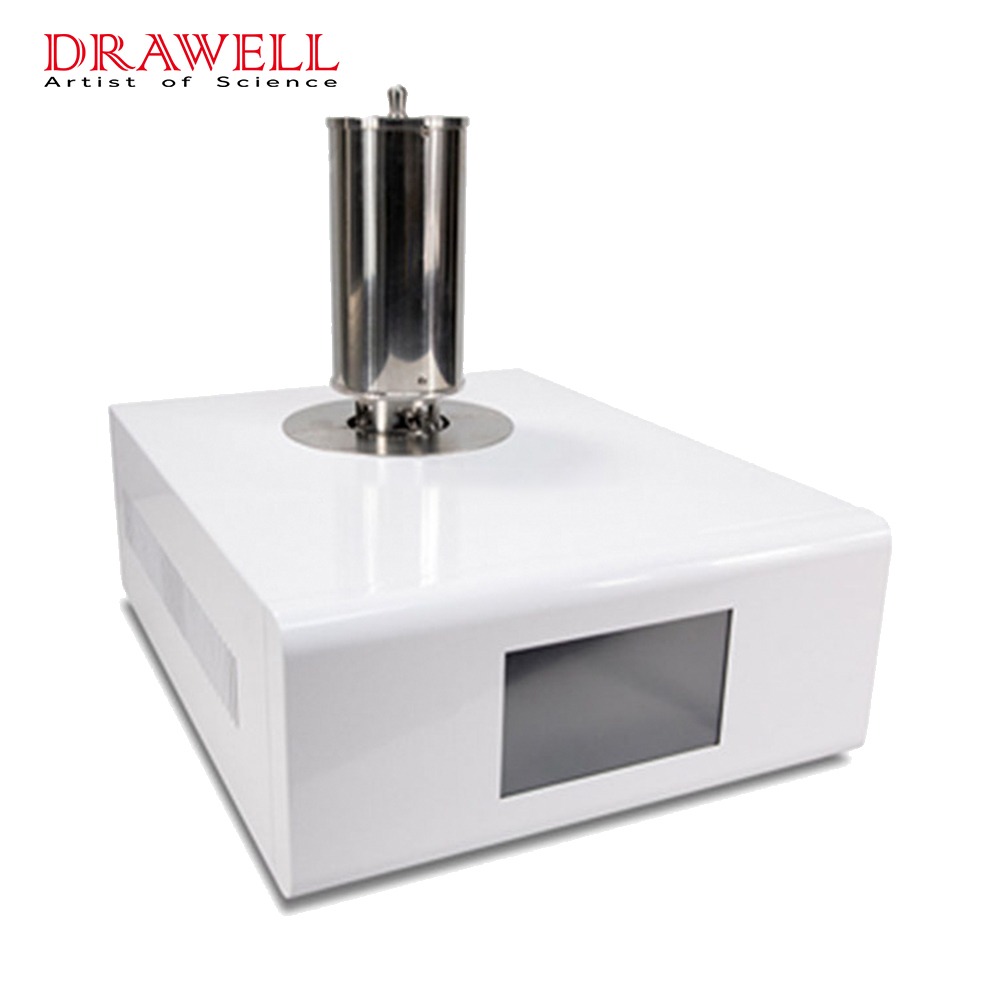
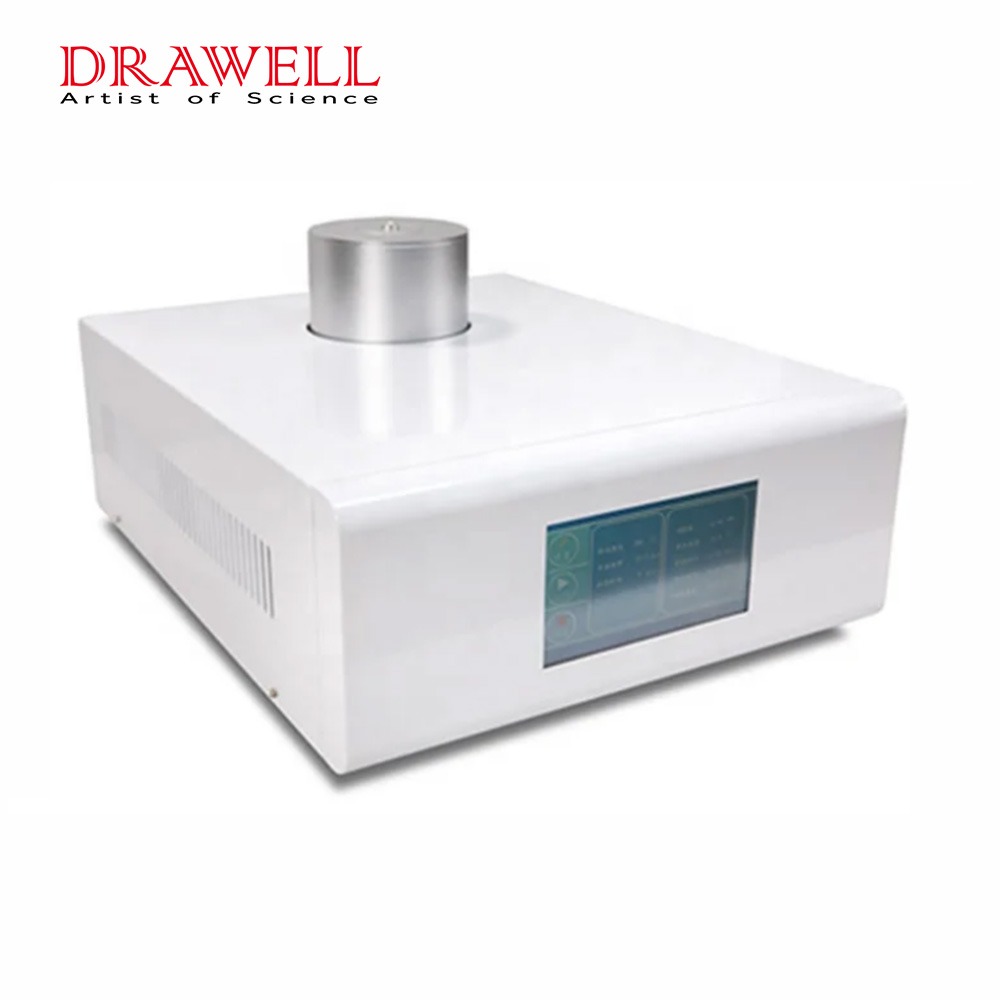
Thermogravimetric Analyzer BXT-TGA-101
• Heating rate: 0.1~100 ℃ / min
• Temp. control: Heating, constant temp.
• Measurement range of balance : 0.01mg-2g
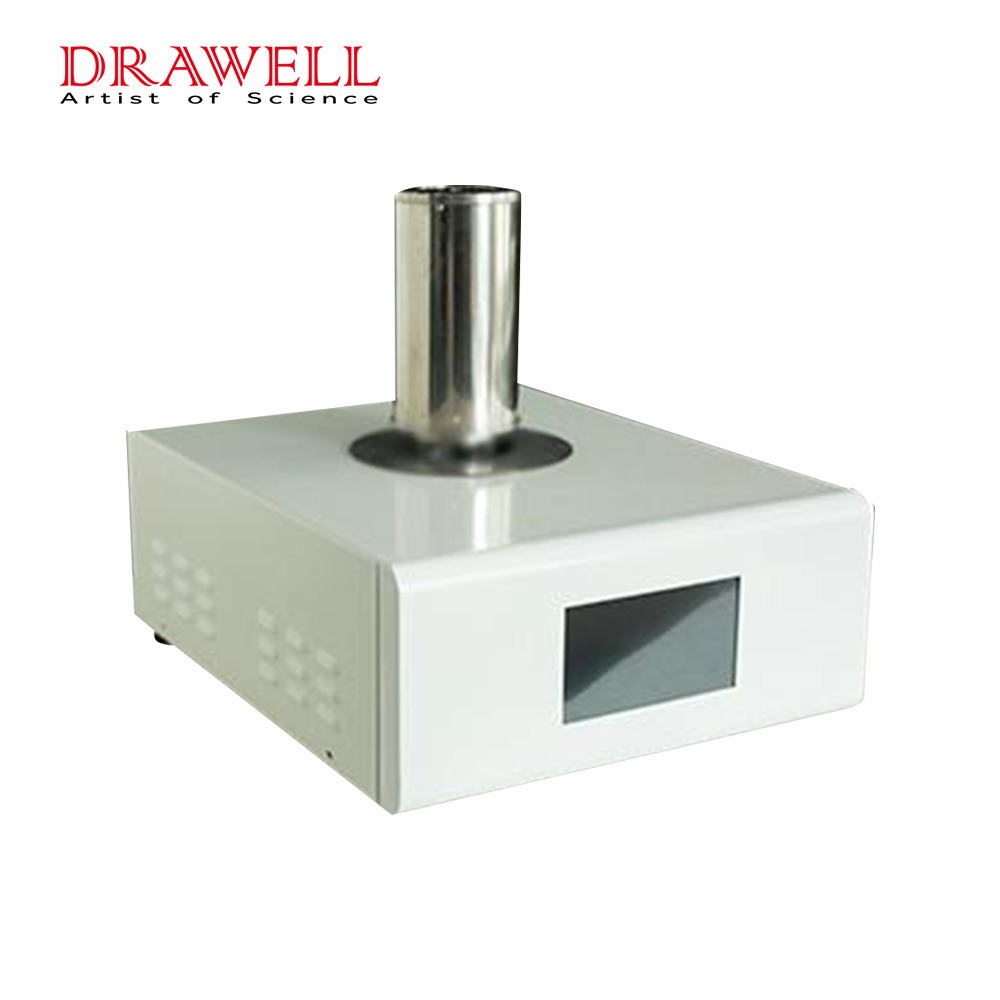
Thermogravimetric Analyzer BXT-TGA1600
• Heating rate: 0.1~100 ℃ / min
• Temp. control: Heating, constant temp.
• Measurement range of balance : 0.01mg-2g
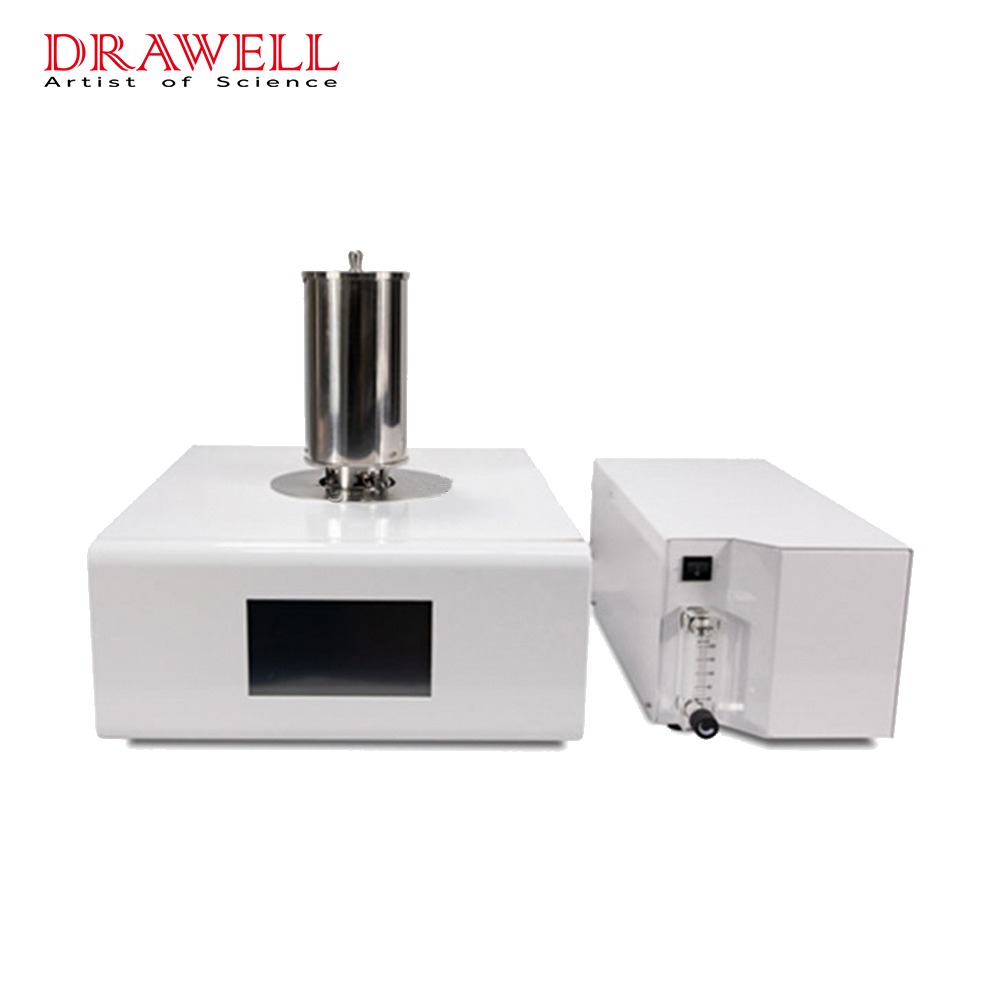
Synchronous Thermal Analyzer BXT-STA-200
• Heating rate: 0.1~100 ℃ / min
• Cooling rate: 1~20℃/min
• Temp. control: Heating, constant temp., cooling
• Measurement range of balance : 1mg-2g
What Instruments Can a TGA be Coupled with?
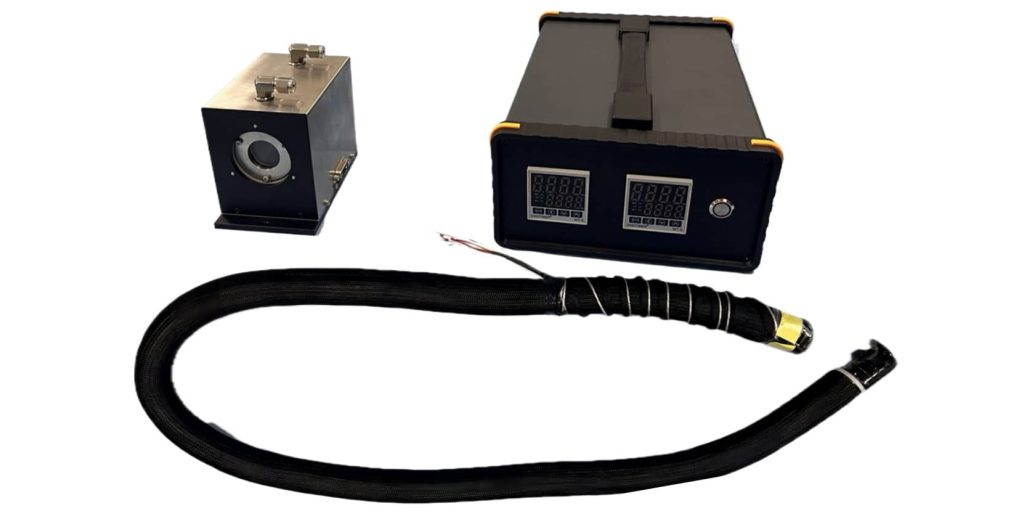
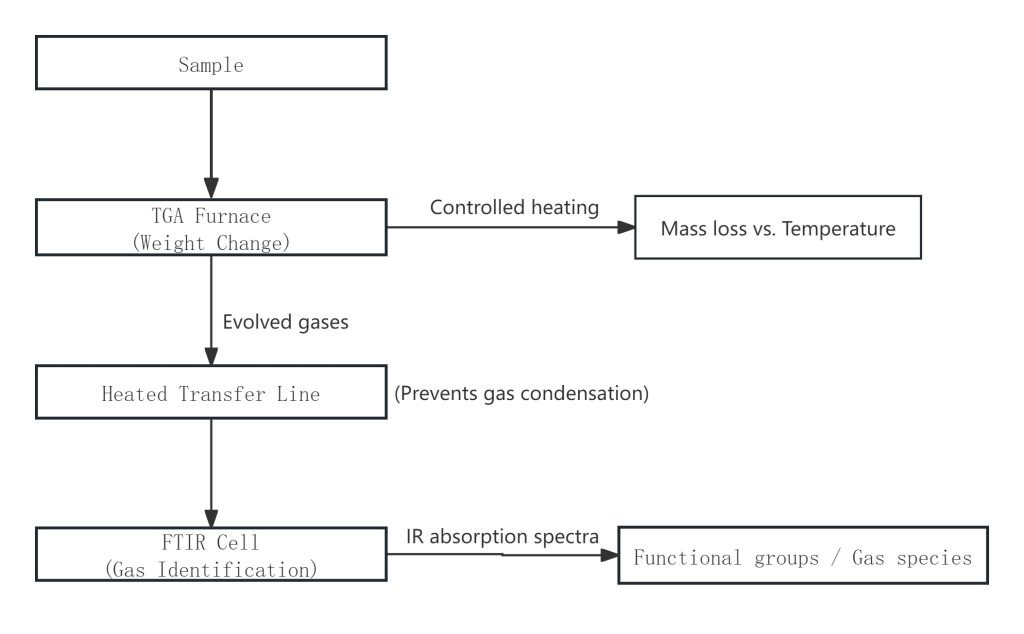
TGA-FTIR (Fourier Transform Infrared): Real-time analysis of the functional groups in escaped gases to determine their composition.
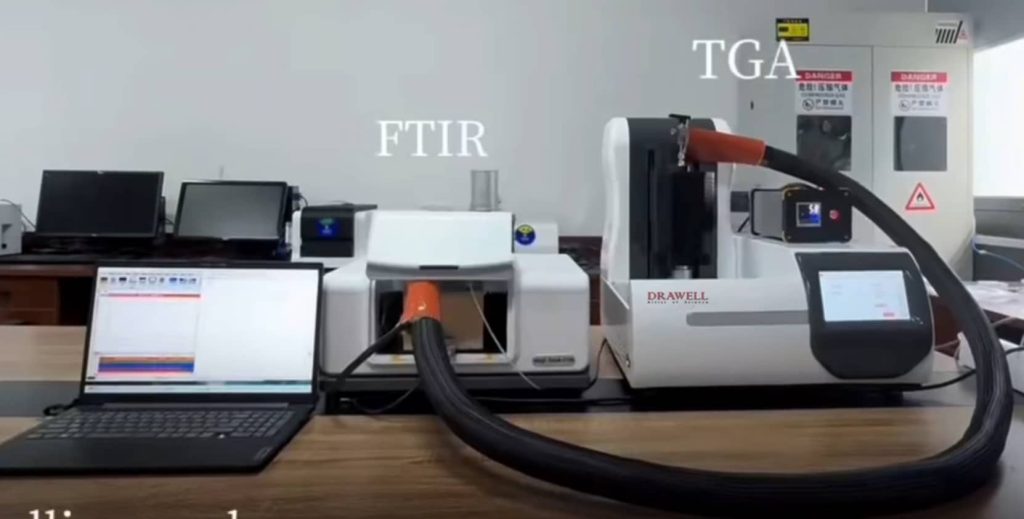
How TGA–FTIR Works?
The combined use of thermogravimetric analysis (TGA) and Fourier transform infrared spectroscopy (FTIR) is a powerful analytical technique for simultaneously monitoring the thermal decomposition process of materials and the composition of gaseous products.
- TGA → Record when and how much weight is lost during sample heating
- FTIR → Analyze and identify the chemical substances in the emitted gases in real time.

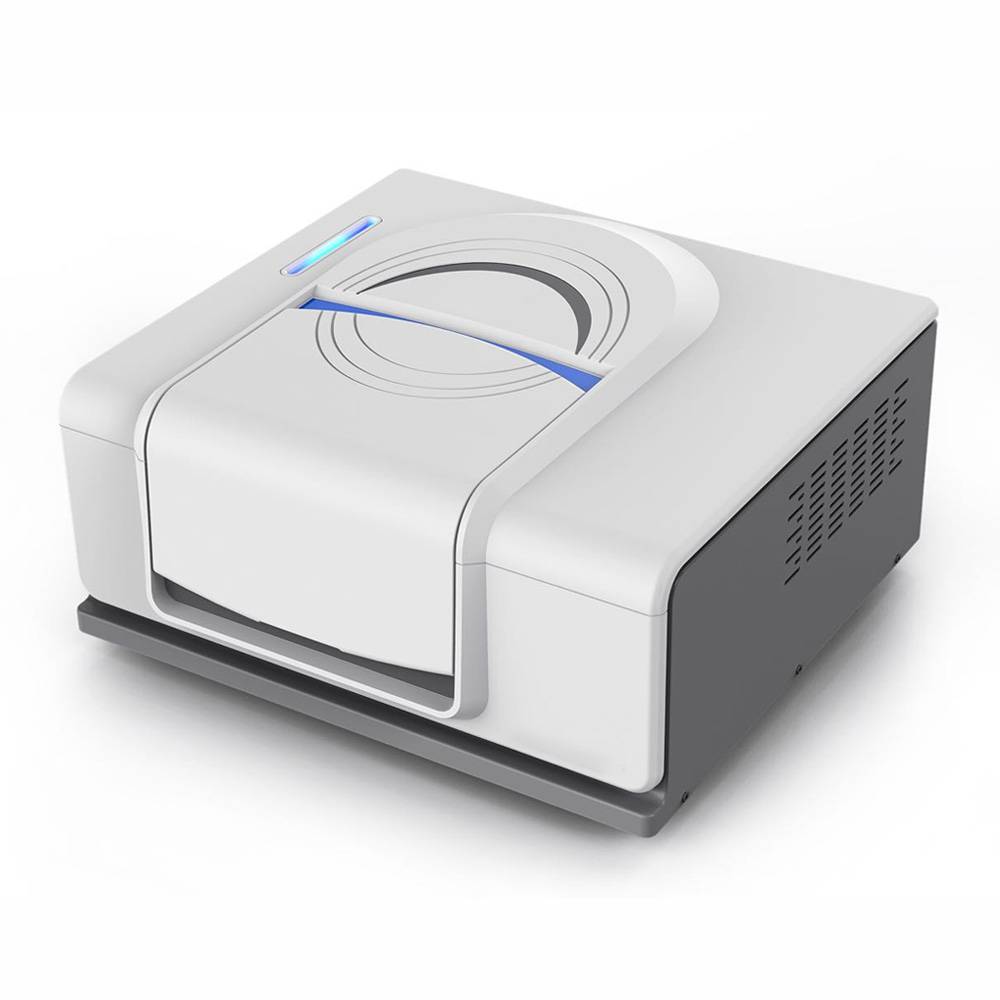
DW-FTIR-530A FT-IR Spectrometer
• Spectral Range: 7800~350cm-1
• Signal-to-noise ratio: better than 20000:1
Application Scenarios of TGA–FTIR
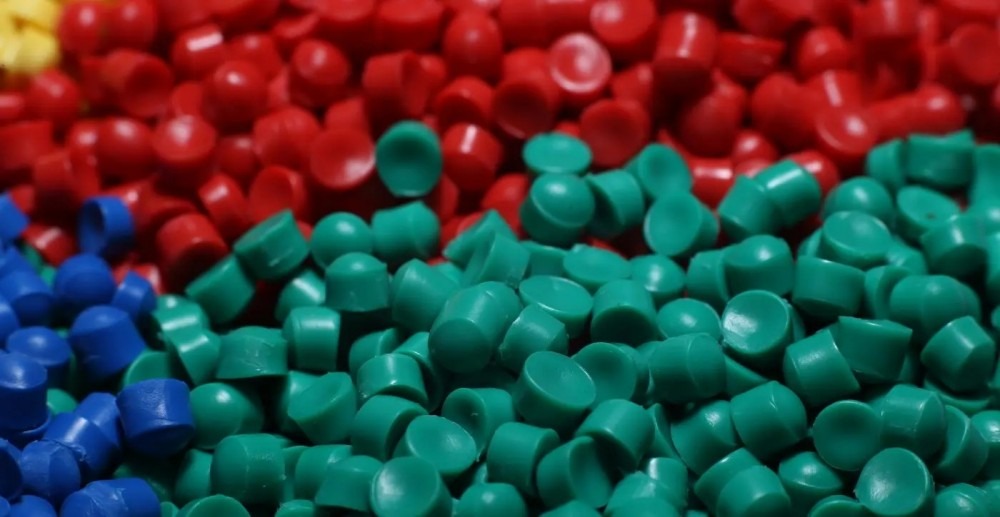
Polymer Materials Research
Used to study the thermal decomposition mechanisms of plastics and rubber, and to investigate their thermal stability and flame retardant properties.

Pharmaceutical Analysis
Used to study the thermal decomposition behavior of active pharmaceutical ingredients or excipients, and to detect solvent residues.
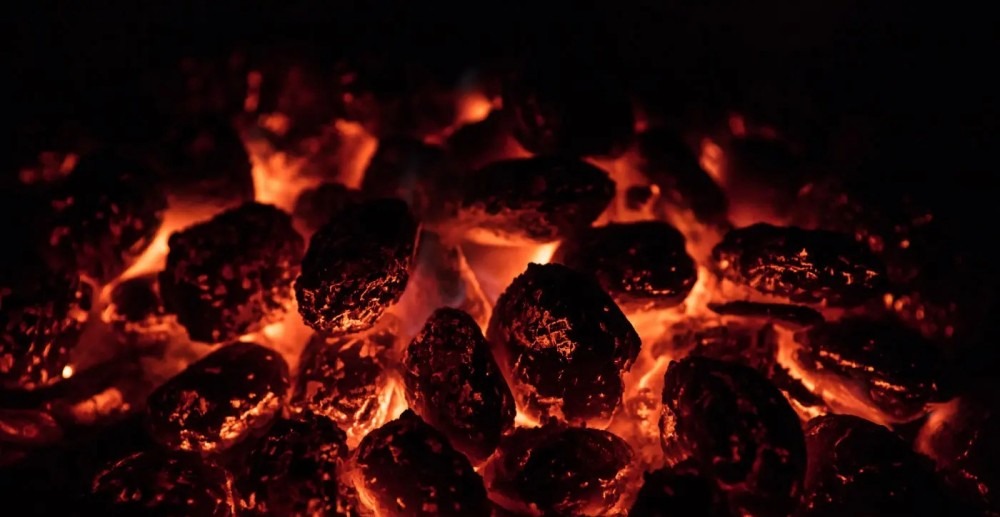
Energy and Environment
Used to study the pyrolysis/combustion processes of biomass and coal, and to analyze the release patterns of gaseous pollutants (such as CO and VOCs).
New Material Development
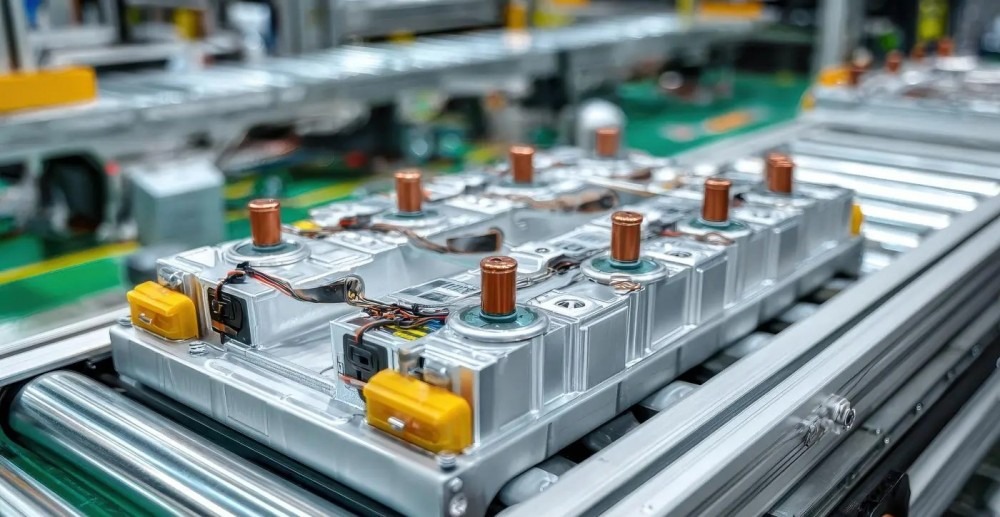
Used to study the thermal stability and decomposition mechanisms of lithium battery materials, catalytic materials, and composite materials.
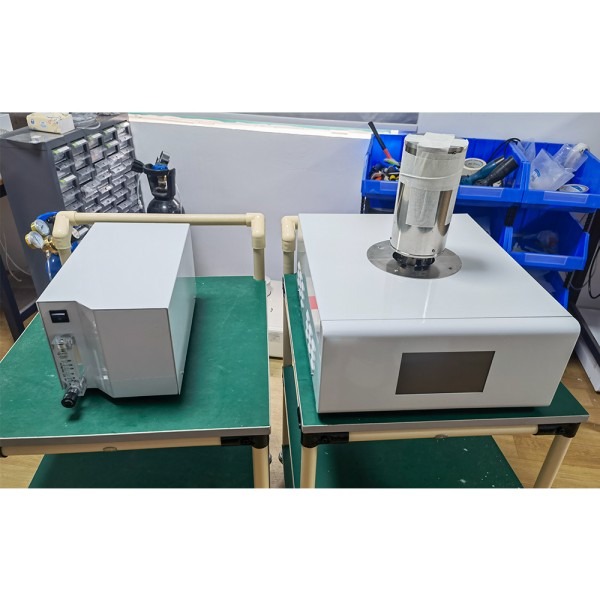
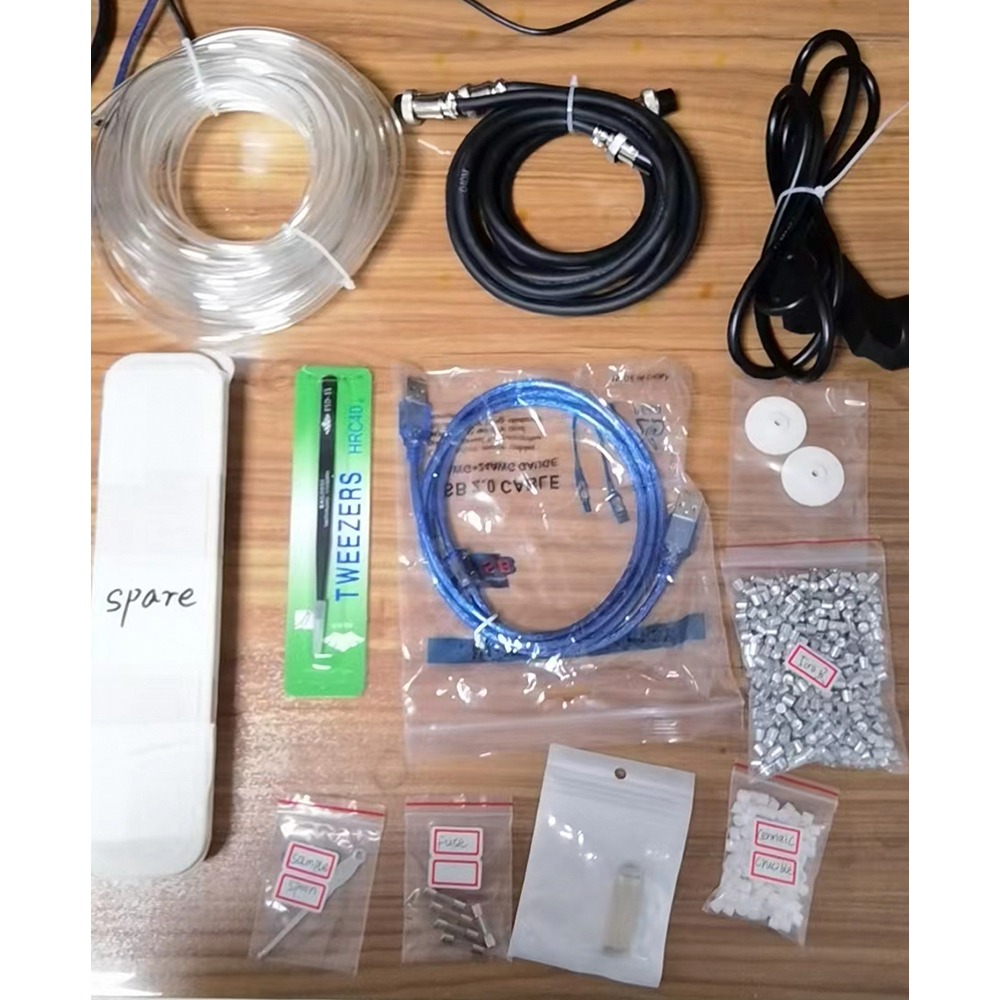
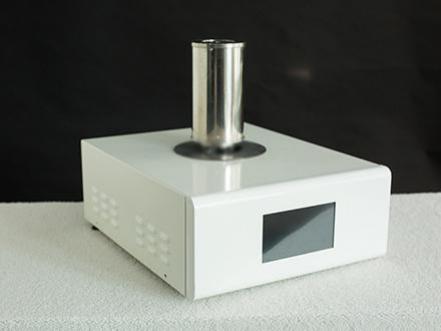
Thermal Gravimetric Analyzer Display
How to Choose Between TGA and DSC?
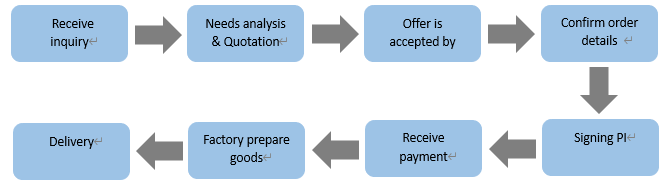
Order Process
Why Choose Us?
- Rich categories and high quality
- The products are market-oriented and exported to many countries in the world
- Perfect sales system, efficient and fast after-sales service
- On-time delivery rate reaches 100%
- High cost performance