

Laboratory Glassware Washer

Laboratory Glassware Washer
Laboratory glassware washers are specialized equipment designed for cleaning beakers, flasks, test tubes, and other glassware used in laboratories. Unlike household dishwashers, laboratory glassware washers adhere to higher standards for cleaning, water quality, corrosion resistance, and compliance to ensure reliable, contamination-free cleaning results. Drawell laboratory glassware washers and dryers are known for their strong cleaning ability, excellent stability, and convenient operation.
 Laboratory Glassware Washer
 Drawell Lab Glassware Washer
Features of Laboratory Glassware Washer
- Up to two liquid detergent dosing pumps.
- Three water connections are available: cold, warmand DI water. Between each phase of a cycle, water is drained and clean water is introduced for the following phase.
- Double wall construction and washing chamber insulation in order to reduce heat loss and power consumption.
- Water purificator system option.

LW8508 Laboratory Glassware Washer
• Drying Function: No
• Chamber Levels:1
• Water Consumption: 10L/Step

LW8518 Laboratory Glassware Washer
• Drying Function: No
• Chamber Levels:1
• Water Consumption: 12L/Step

LW8538PIUS Laboratory Glassware Washer
• Drying Function: Yes
• Chamber Levels:2
• Water Consumption: 15L/Step

LW8538 AD Laboratory Glassware Washer
• Drying Function: Yes
• Chamber Levels:2
• Water Consumption: 12L/Step

LW8548 AD Laboratory Glassware Washer
• Drying Function: Yes
• Chamber Levels:3
• Water Consumption: 20L/Step

LW8568 AD Laboratory Glassware Washer
• Drying Function: Yes
• Chamber Levels:3
• Water Consumption: 25L/Step
What Types of Laboratory Glassware Can Be Washed?
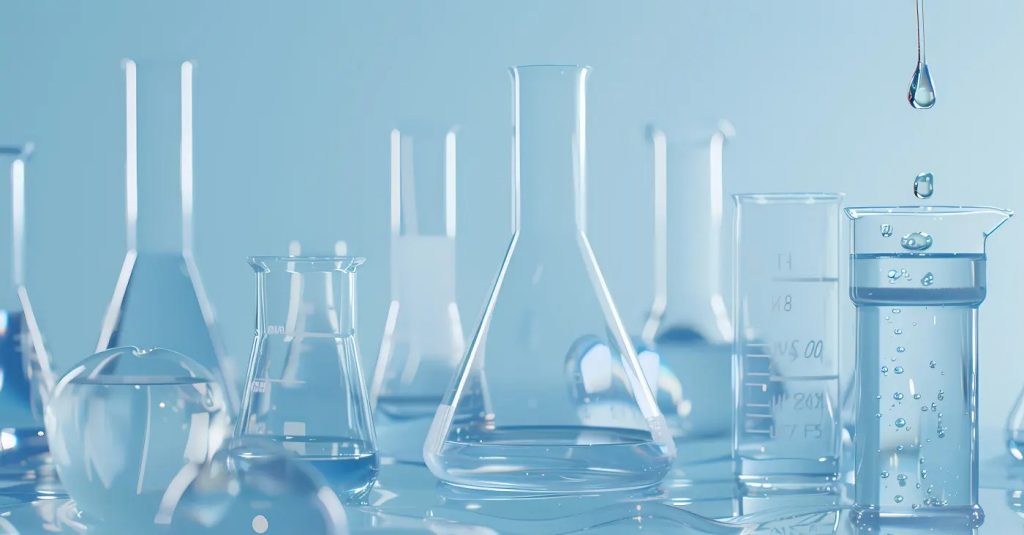
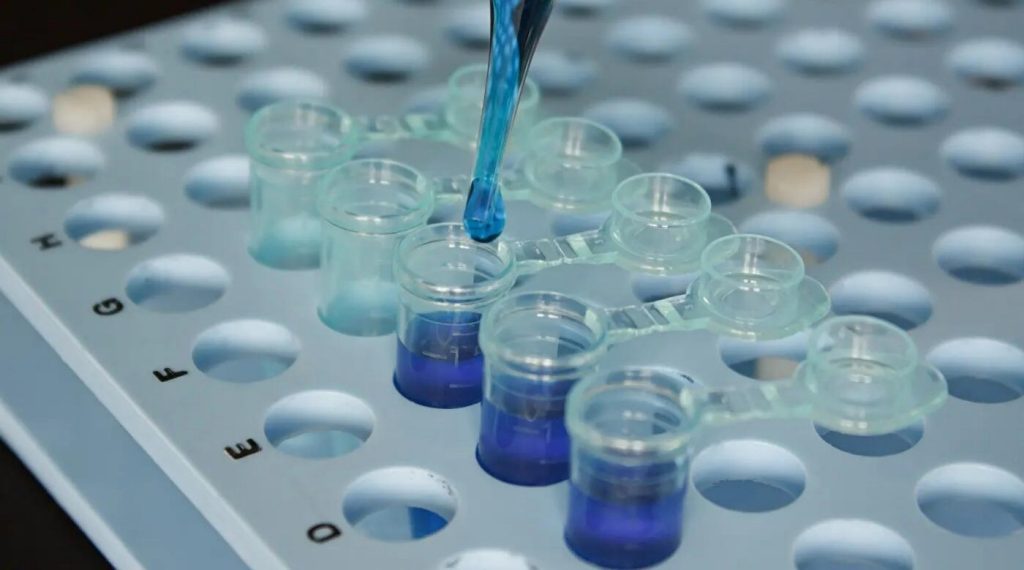
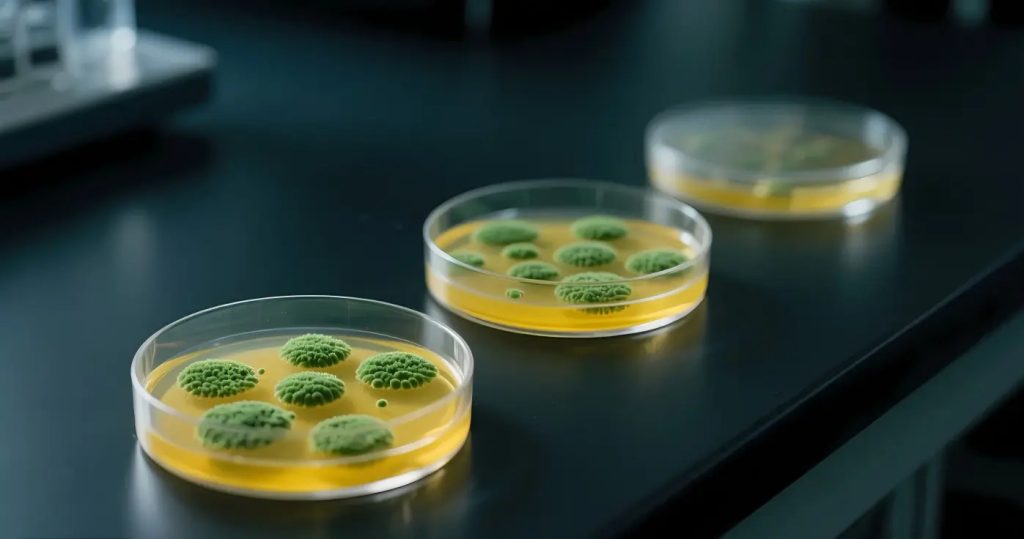
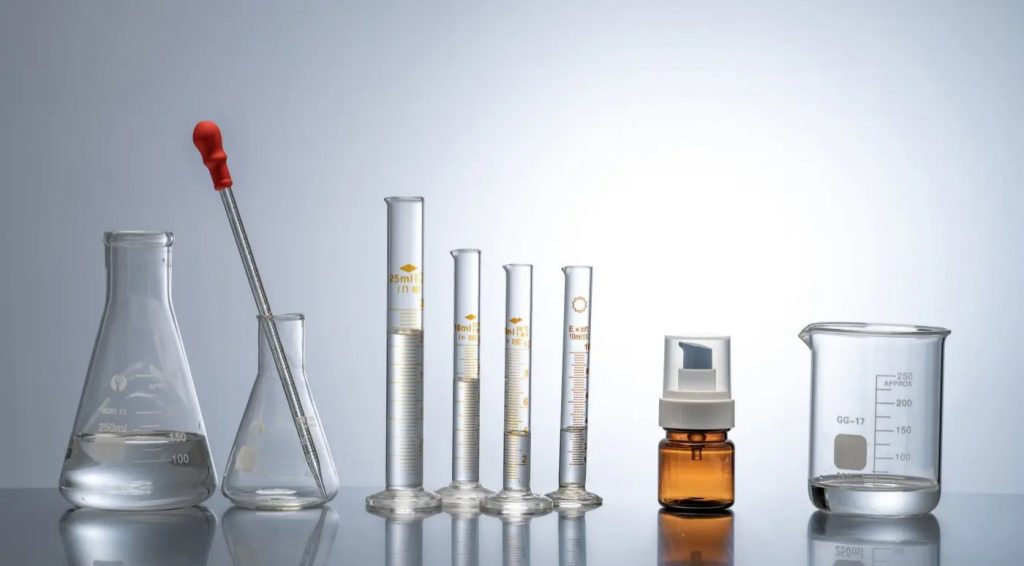
- Graduate cylinders
- Beakers, flasks, and Erlenmeyer flasks
- Pipette tubes and burettes
- Test tubes and vials
- Petri dishes and bottles
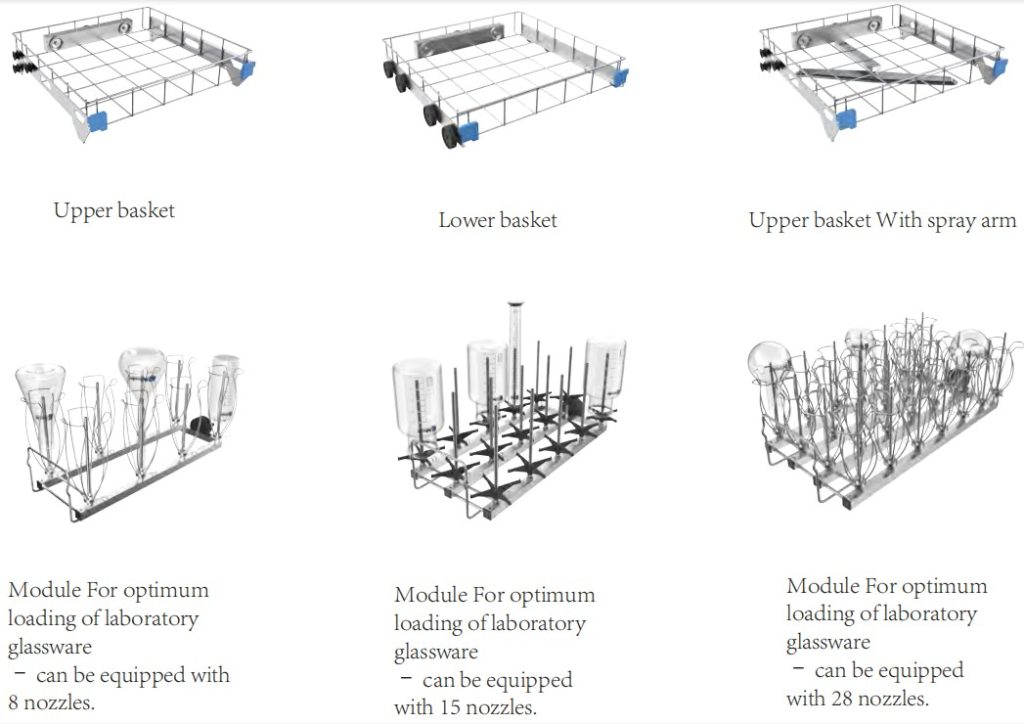
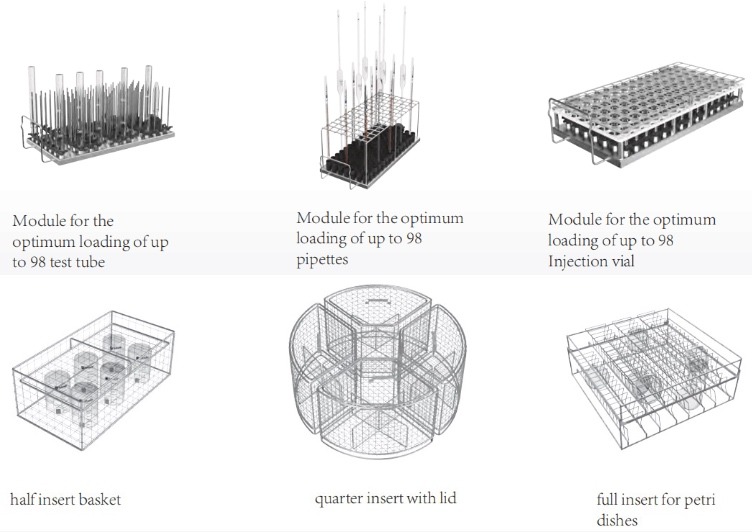
Drawell lab glassware washers come with various racks and baskets for storing fragile items such as volumetric flasks and long glassware.
A Variety of Washing Carts Available
How to Choose the Right Laboratory Glassware Washer?
What are the Cleaning Procedures for a Lab Glassware Washer?
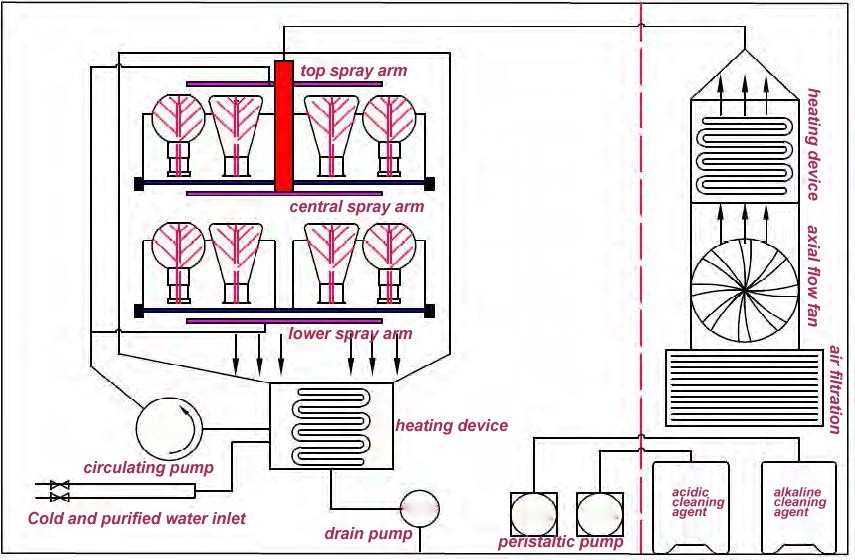
To ensure effective cleaning during the washing process, complete coverage with active mechanical action is crucial. Drawell addresses this by customizing cleaning circulation pumps, spray arms, and circulation pipelines for each model of our cleaning machines based on principles of fluid mechanics. Our designs feature high flow rates and optimal spray pressure to achieve thorough cleaning.
- Washing
Using tap water and purified water as the working medium, the cleaning process utilizes a high-flow circulation pump to circulate the cleaning fluid in the cleaning pipeline of the washing machine. The cleaning fluid is then evenly and rapidly sprayed onto the laboratory vessels through the spray nozzles on the spray arms or basket holders, providing strong rinsing action. The cleaning process can automatically add cleaning fluid to ensure its effectiveness in achieving thorough cleaning.
- Disinfect
The washing machine automatically heats up purified water and maintains it at a temperature of 93℃±1℃for 10 minutes to reduce the number of viable microorganisms on the laboratory vessels to the specified level, thereby achieving disinfection.
- Dry
The heated air is blown into the washing machine’s interior through an energy-efficient and efficient drying system, providing effective drying for the cleaned laboratory glassware.
Control System of Laboratory Glassware Washer
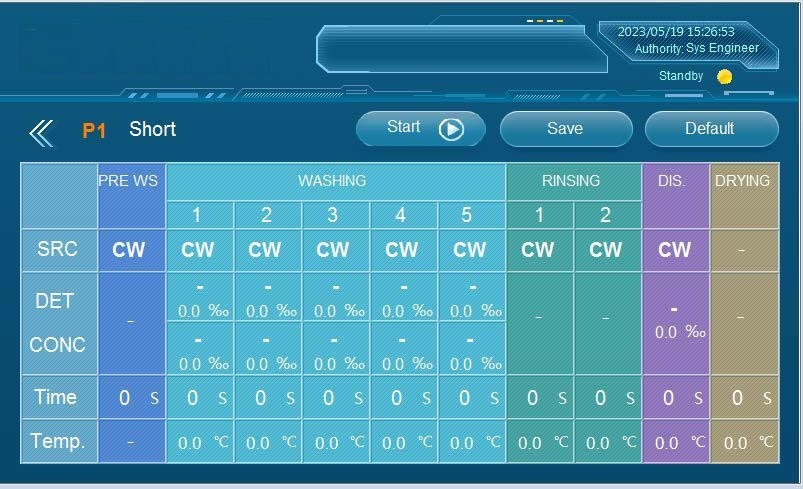
The automatic laboratory glassware washers and dryers offers users a choice of two control systems: Siemens or Microcomputer, made in Germany. These powerful and highly stable systems are known for their reliable communication and control capabilities. Our programs can be run automatically or manually controlled to suit special circumstances. In addition, our user interface has a friendly 7-10 inch LCD touch screen, which makes it more convenient for operators to use. The screen displays important washing process information such as temperature, pressure, time, stages, preset parameters, all of which can be monitored and stored in real time. Our system includes 20 standard programs and multiple customer-defined programs with Chinese, English, Spanish, Russian and other language options to ensure easy use by all.
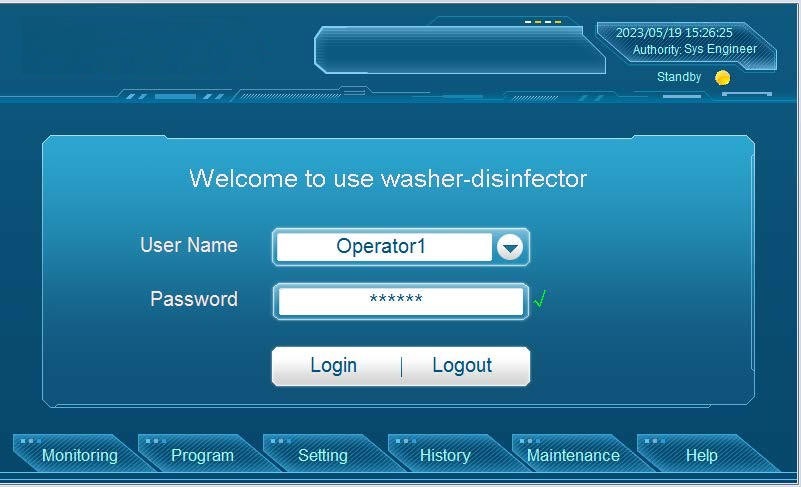
Easy to manage, the touch control system with graphic colour LCD display can simplify the operator’s job when using the machine.
The washer can be provided with a USB port that allows the downloading of historical cycle data and enables software upgrade. USB port allows an easy paperless document flow, documents can be opened directly by common office applications.
How to Maintain the Lab Glassware Washer?
- Daily: Inspect and clean the filter at the bottom of the chamber to remove any debris, such as broken glass.
- Weekly/Monthly: Check the spray arm holes for blockage and clean them.
- Regularly:
- Replace the water purification cartridge: Replace the deionization cartridge promptly based on water usage or conductivity readings.
- Descaling: Run a dedicated descaling program (usually using an acidic cleaner) to prevent scaling of the heater and sensor.
- Replace the HEPA filter: Replace the filter regularly based on usage to ensure clean, dry air.
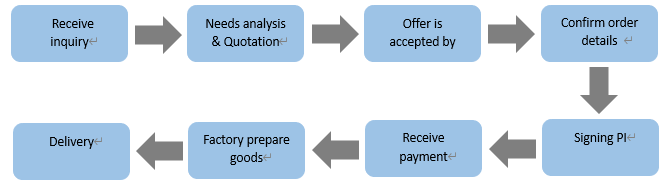
Order Process