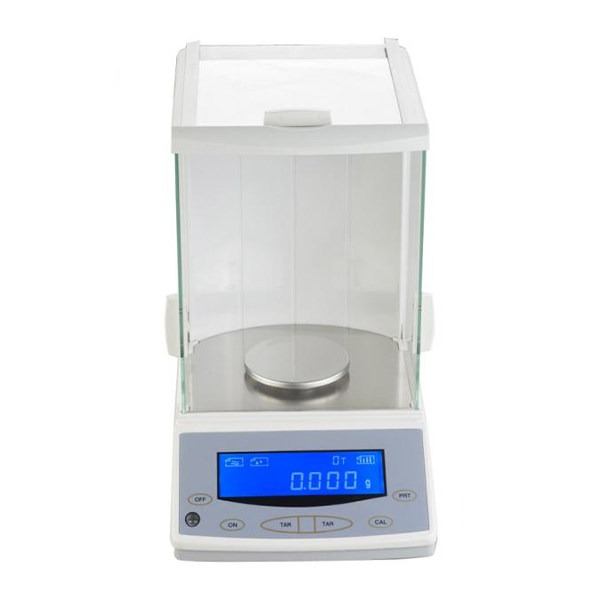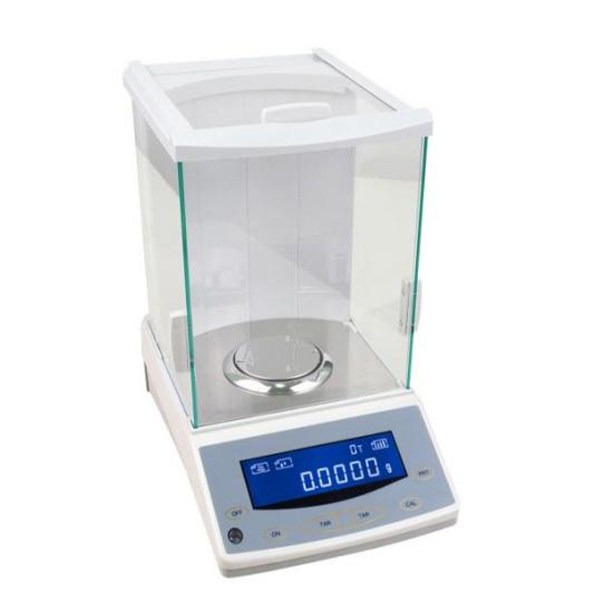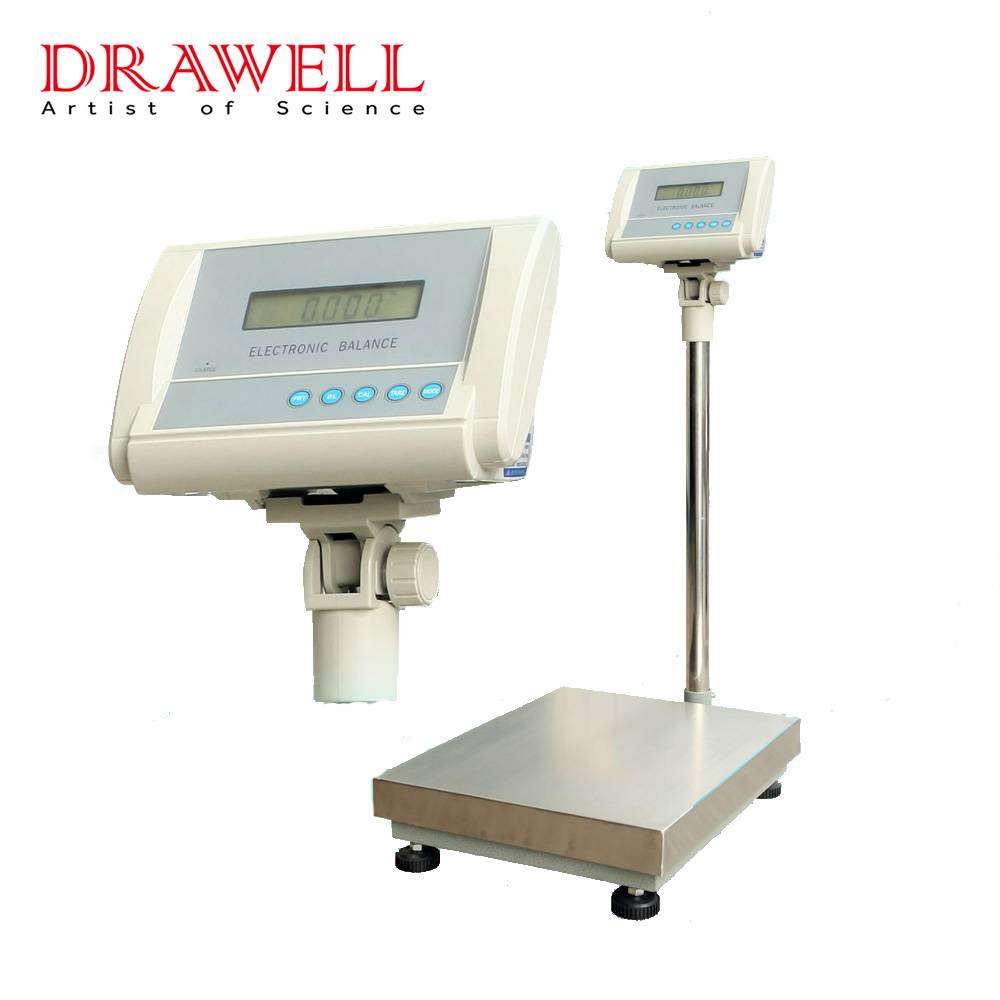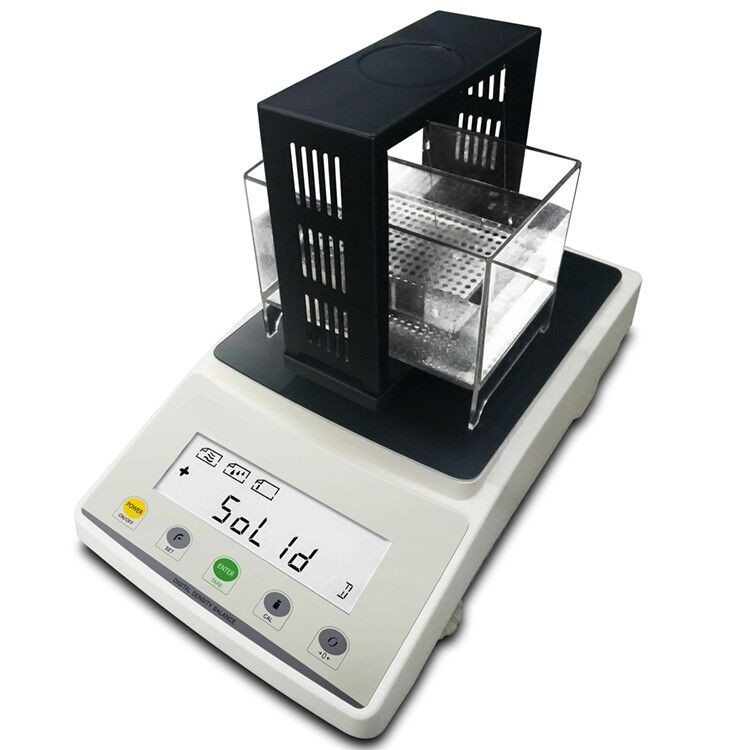


Electronic Balance (0.01g/0.1g )
What is Electronic Balance?
TD series electronic balance is an intelligent balance composed of high stability sensor and a single-chip microcomputer. It solves the problems of creep and linearity caused by resistance strain sensors used at home and abroad. It has the functions of tare weight removal, self-calibration, counting, and fault display lights.
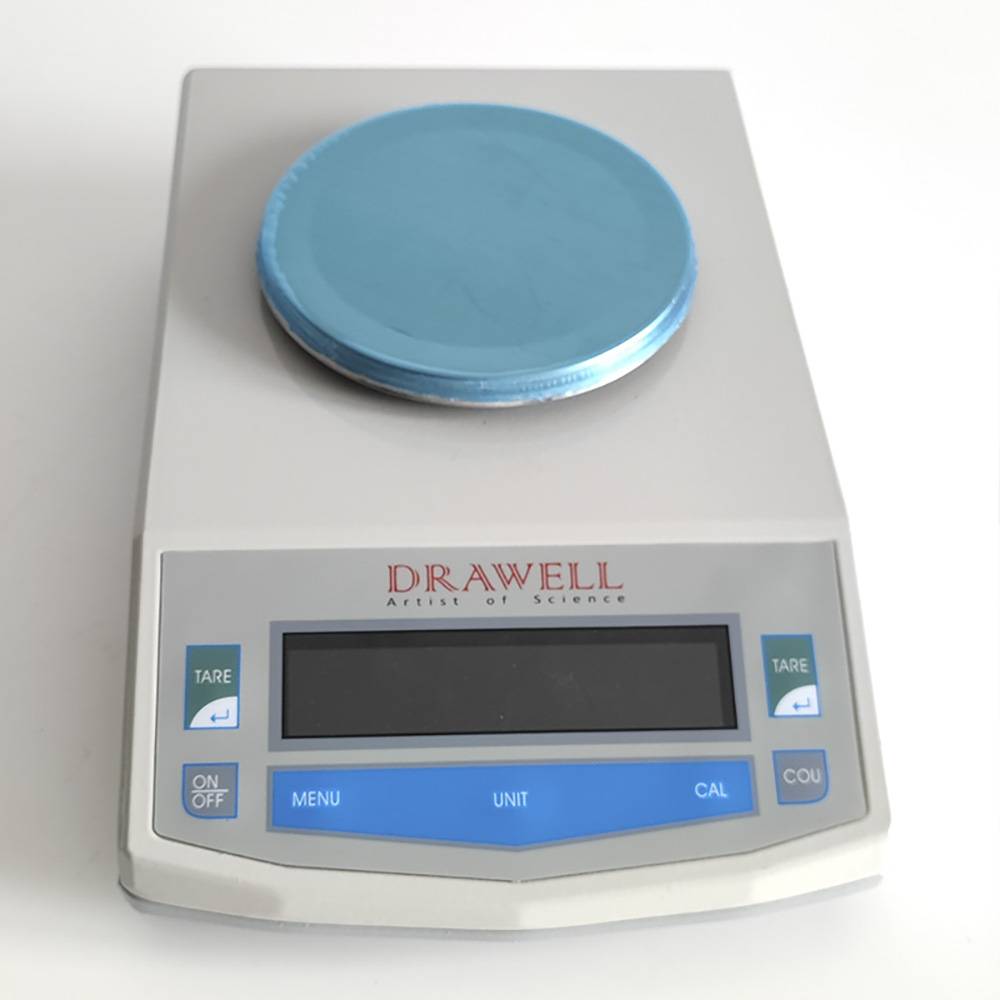
Features of Electronic Balance
- High-precision load cell
- Aluminum alloy die-cast base and mains
- Stainless steel pan
- LED display
- Full capacity subtraction
- 3 keys for easy operation
- Stabilization time 1.5 seconds
- Overload protection
- Below balance weighing facility
- Checking weighing, piece counting function
- Under hook for option

0.1g TD-A LCD Electronic Balance ( External Calibration)
• Square Pan
• Plastic Shell
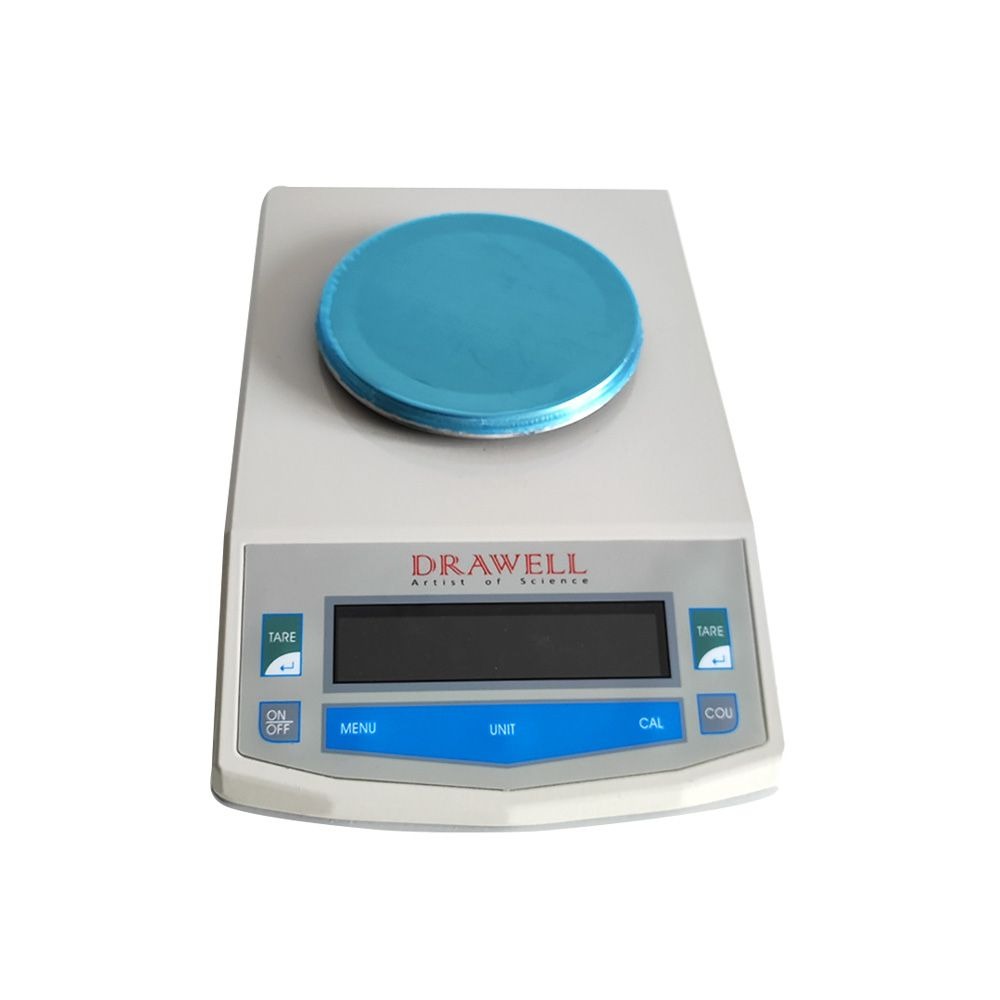
0.01g TD-D LCD Electronic Balance
• LCD Round/Square Pan
• Aluminum Alloy Shell
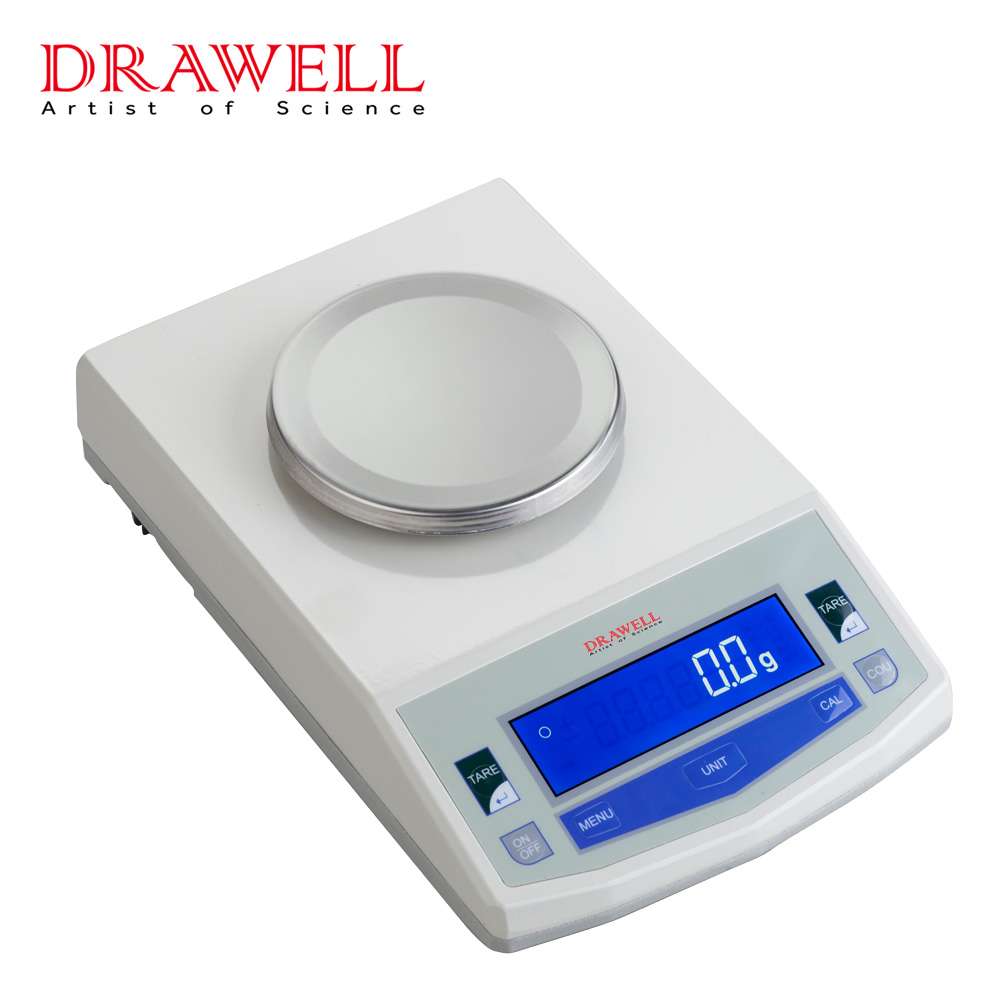
0.1g TD-D LCD Electronic Balance ( External Calibration)
• LCD Round/Square Pan
• Aluminum Alloy Shell

0.01g TD-A LCD Electronic Balance (External Calibration)
• Square Pan
• Plastic Shell
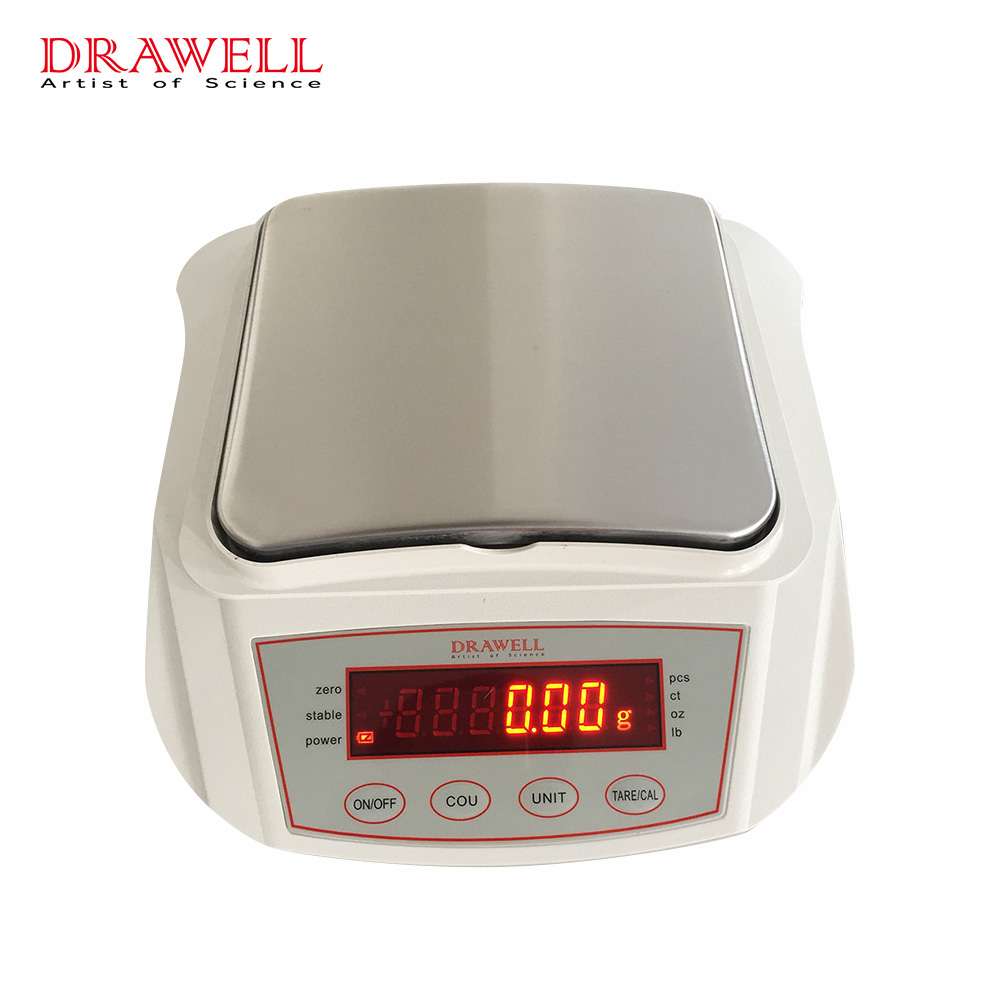
0.01g Plastic YP Electronic Balance LED Display
• Rechargeable Battery ; LED
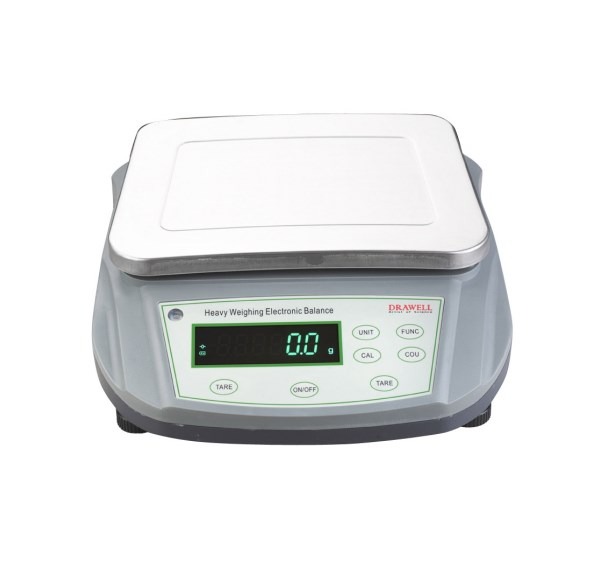
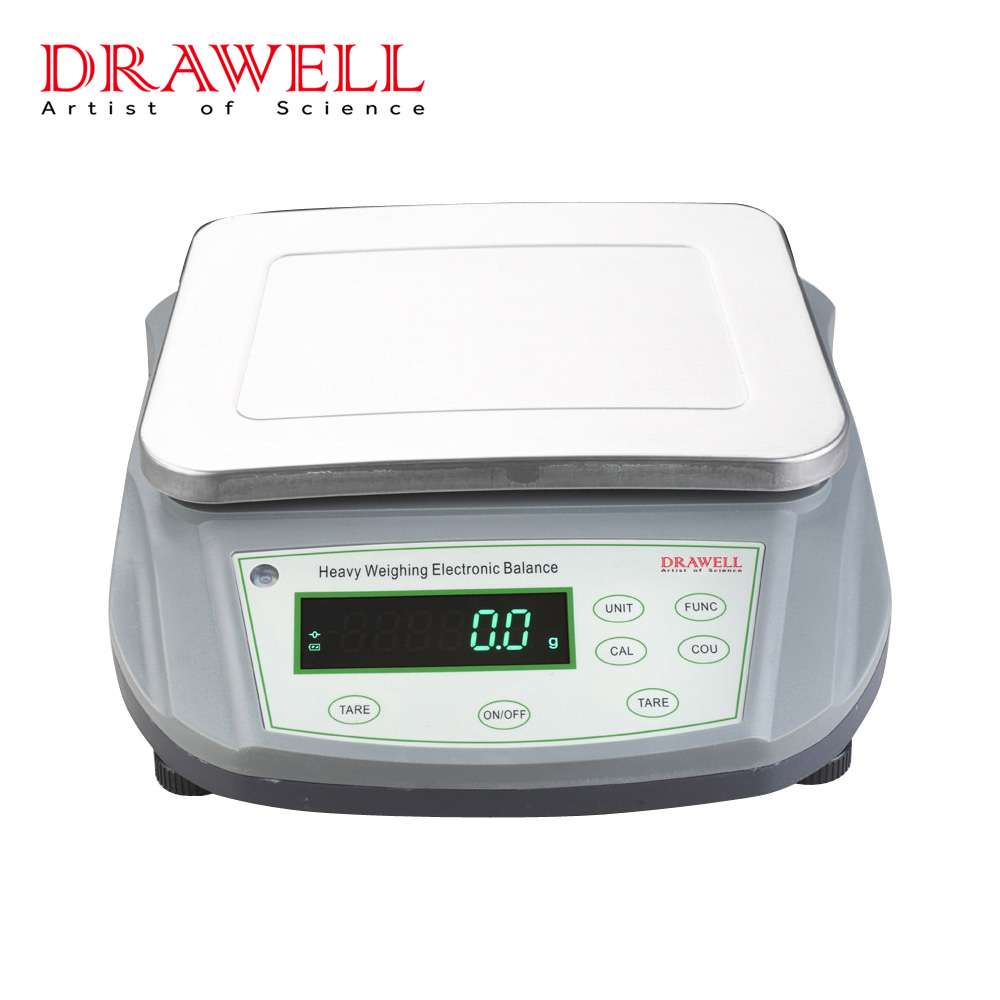
0.1g Plastic YP Electronic Balance LCD
• Rechargeable Battery ; LCD
0.1g /1g YP Electronic Balance LED Big Capacity
• 1g: 15000/30000g
• Rechargeable Battery ; LED
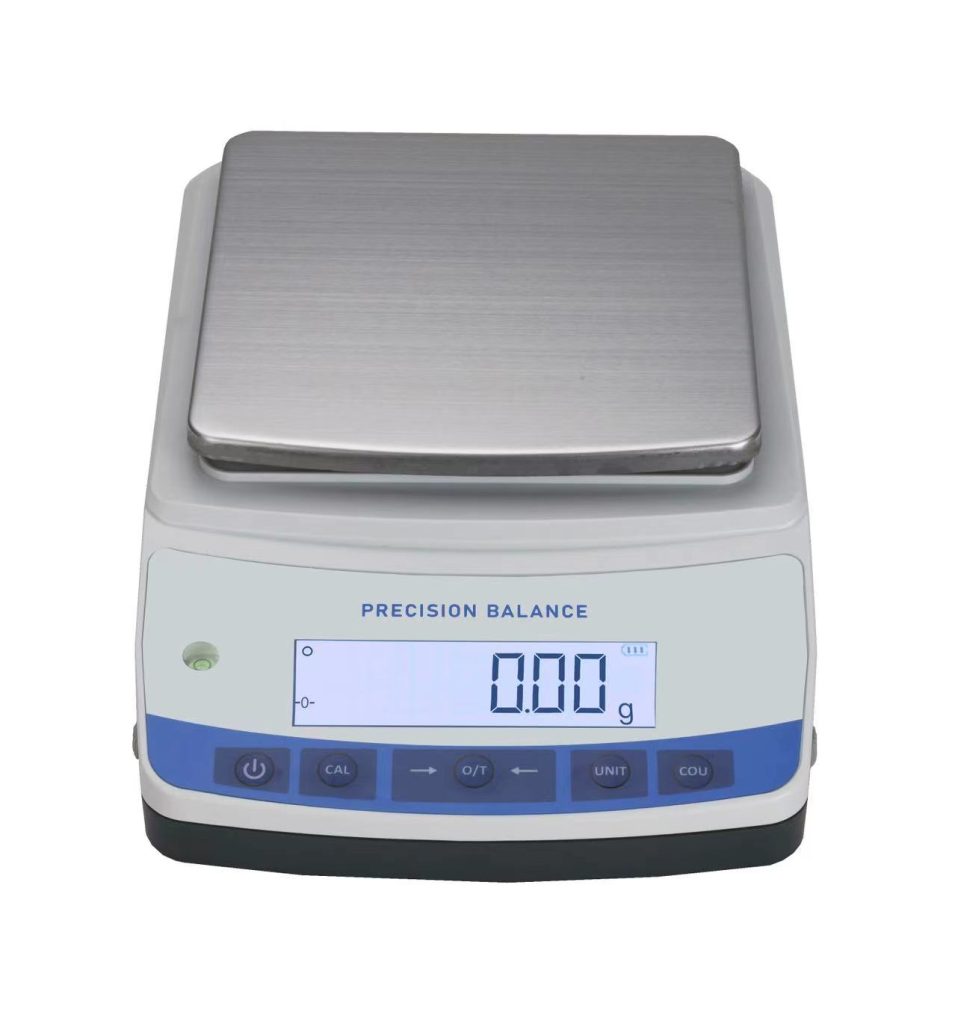
MT Series 0.1g/0.01g Electronic Balance
• 0.1g: 6000/8000g
• battery/ RS232
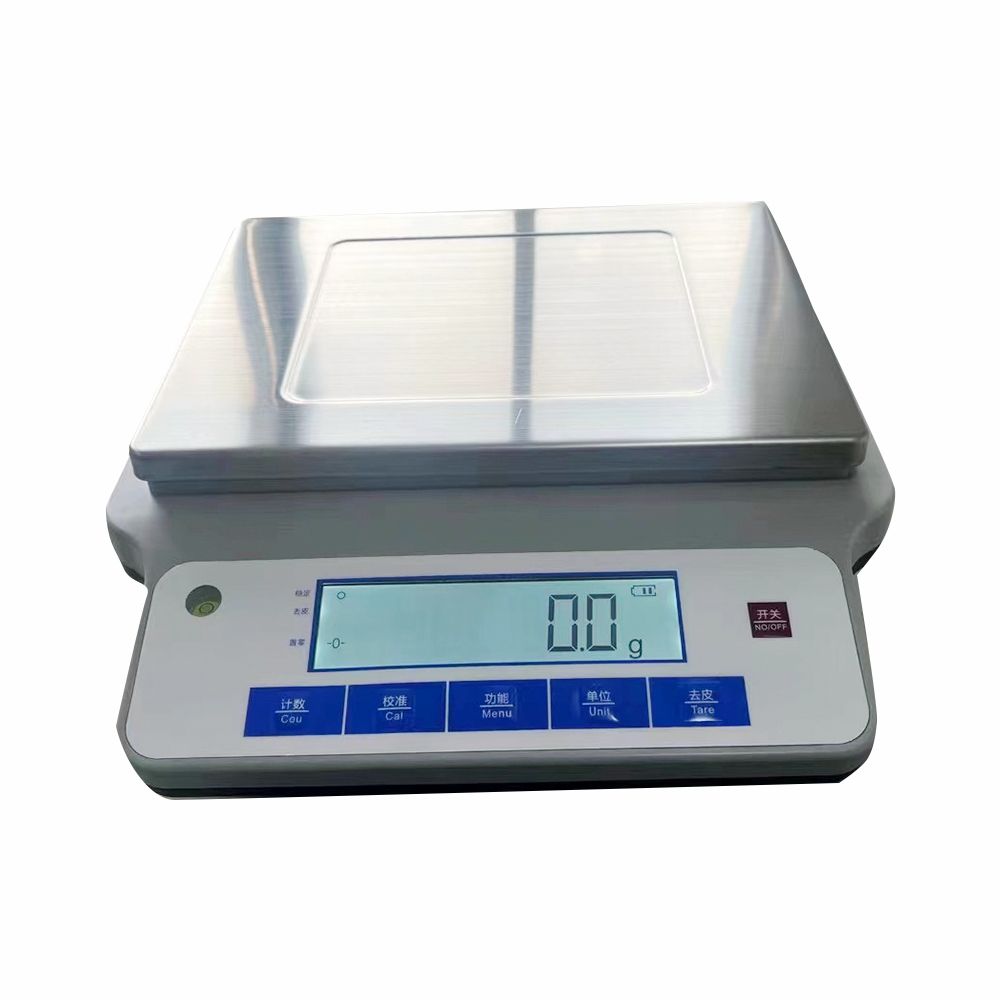
Mk Series 0.1g/1g High Capacity Electronic Balance
• 1g: 10/20/30/40kg
How to Choose Between 0.01g and 0.1g Accuracy Electronic Balances?

0.01g Accuracy: When sample weight is below 10 grams, 0.01g provides more accurate data. Suitable for applications requiring high precision, such as lab, pharmaceuticals, fine chemical ingredient mixing, precious metal and jewelry testing, and weighing small electronic components.

0.1g Accuracy: When sample weight is typically above tens of grams, 0.1g accuracy is perfectly adequate and more economical. Suitable for school teaching experiments, food development, kitchen baking, routine factory packaging, QC, and medicinal herb preparation.
How to Choose the Right Electronic Balance?
- Determine Accuracy and Maximum Weighing Capacity: Are both within the range of the balance model you choose?
- Determine Calibration Method: Internal calibration or external calibration? Do I need to purchase weights separately?
- Power Supply: Battery or power adapter?
- Platform Size: Round or square pan? Can it accommodate your commonly used containers?
- Brand and After-Sales Service – Drawell offers a one-year warranty, free online technical support, and parts replacement.
Applications of Electronic Balance
- Jewelry Appraisal and Precious Metals Trading: Ensuring fairness and accuracy in transactions.
- Chemical Experimentation: Helping scientists accurately prepare solutions and mixtures.
- Pharmaceutical Research and Formulation: Ensuring the accuracy and consistency of drug formulations.
- Medical Field: Ensuring medical safety and effectiveness.
- Food Processing: Ensuring product consistency and high quality.
- Laboratory Research: Precise weight measurement is the foundation for obtaining reliable data.
- Industrial Manufacturing: Helping manufacturers maintain high-quality standards.


How to Calibrate 0.01/0.1g Balances?
Calibration
- Warm up the balance for at least 30 minutes before calibration.
- Remove any load from the platter and press TARE to reset the display to 0.000 g.
- Press and hold CAL for 3 seconds. Release when “—CAL—” appears. When the standard weight value flashes, place the corresponding standard weight on the platter. The display will show “——” briefly before the weight value appears again. Remove the weight; “——” will show for a few seconds before the balance returns to stable weighing mode at 0.000 g.
- Repeat the calibration twice for the best result.
Linearity Calibration
Press and hold CAL for 3 seconds and release it when “—CAL—” appears. After “——” briefly displays, the standard weight value will flash. Press and hold PCS to enter linearity calibration mode, then follow the on-screen instructions to complete the linearity calibration.
0.01g 0.1g Electronic Balance Display


Troubleshooting and Solutions
| Phenomenon | Possible Reason | Solution |
| Upper Line – – – – | Over Load | Re-calibrate the Balance |
| Under Line_ _ _ _ | Overload or loadcell broken | Re-calibrate the Balance |
| Err-1 | Too frequently turn on and off the balance | Turn off the balance, resume it after 3 seconds |
| Err-2 | The balance is not stablised | Wait for a few seconds for stabilization |
 | Low Battery | Charge or Replace Battery |
What Factors Affect Weighing Accuracy? How to Solve Them?
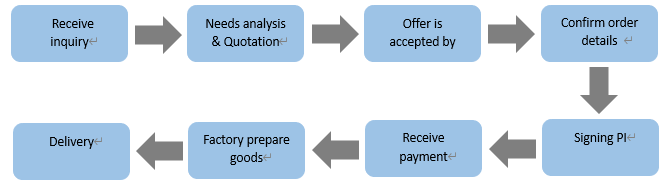
Order Process
Why Choose Us?
- Rich categories
- The products are market-oriented and exported to many countries in the world
- Perfect sales system, efficient and fast after-sales service
- On-time delivery rate reaches 100%
- High-cost performance