

Full Spectrum Direct Reading Spectrometer / OES

Full Spectrum Direct Reading Spectrometer / OES
What is Full Spectrum Direct Reading Spectrometer?
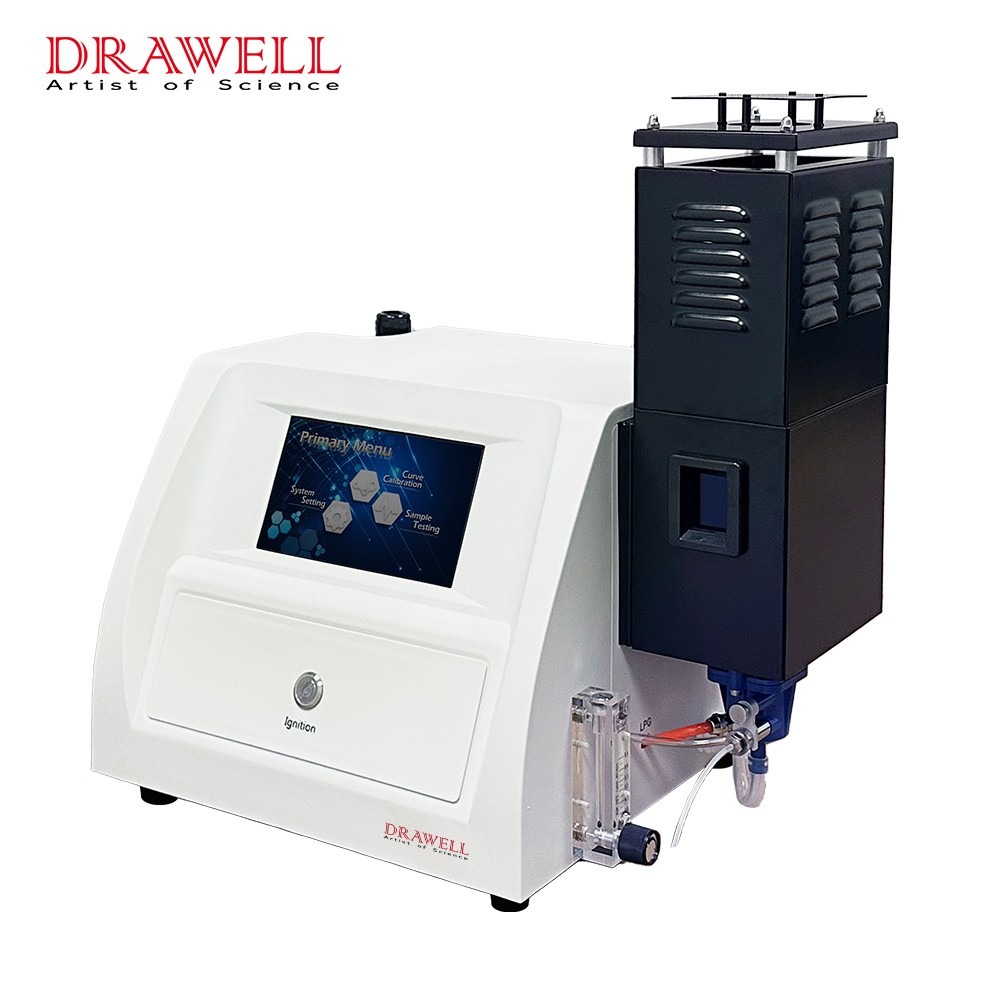
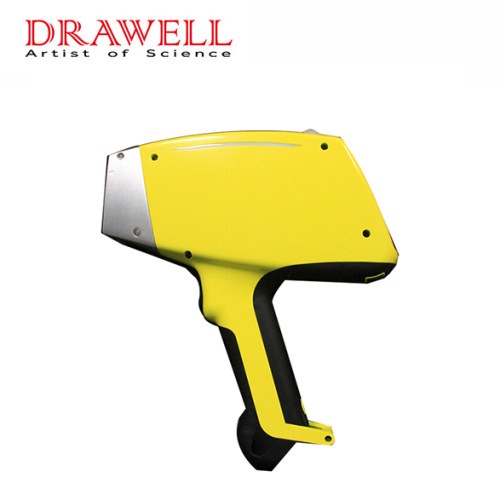
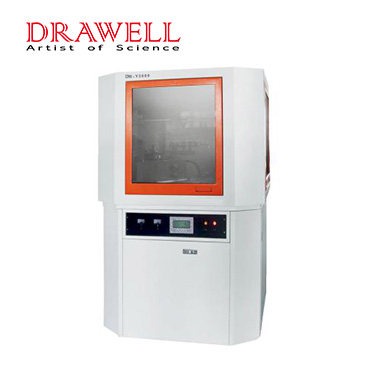
Full Spectrum Direct Reading Spectrometer/ Optical Emission Spectrometer(OES) is a type of analytical instrument used for qualitative and quantitative analysis of the elemental composition of materials. This spectrometer is specifically designed to measure the entire emission spectrum produced by the atoms or ions of elements within a sample.
It is widely used in quality control and element content analysis during the processing of industries such as casting, smelting, machinery manufacturing, aerospace, environmental protection, and university scientific research.
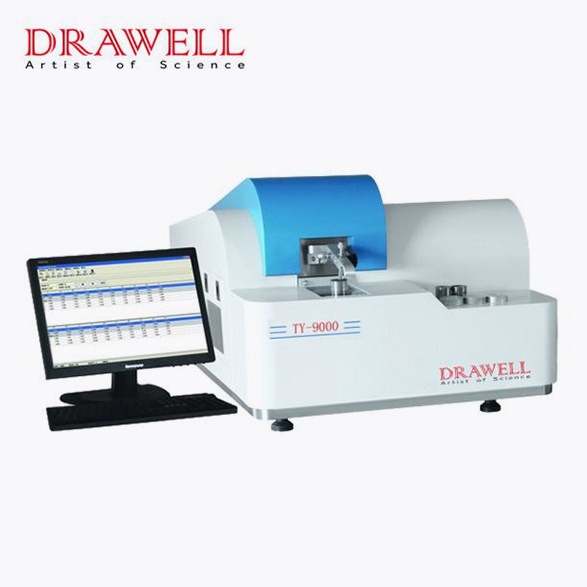
Features of Direct Reading Spectrometer
- High-performance optical system.
- Automatic optical path calibration.
- Single-plate lens design.
- Vacuum chamber integration.
- Vacuum anti-return oil technology.
- Open excitation platform.
- Jet electrode technology: unique argon gas path design, reducing the cost.
- The integrated gas circuit module.
- Fully digital excitation light source.
- High-speed data acquisition: The instrument uses high-performance CCD devices, ultraviolet coating technology, and high-performance FPGA, DSP, and ARM processors.
- Ether data transmission.
- Prefabricated working curve.
- The analysis speed is fast, and the element composition of all channels can be measured within 20 seconds.
- Multi-matrix analysis.
- The software is multi-language, fully compatible with the Windows system.
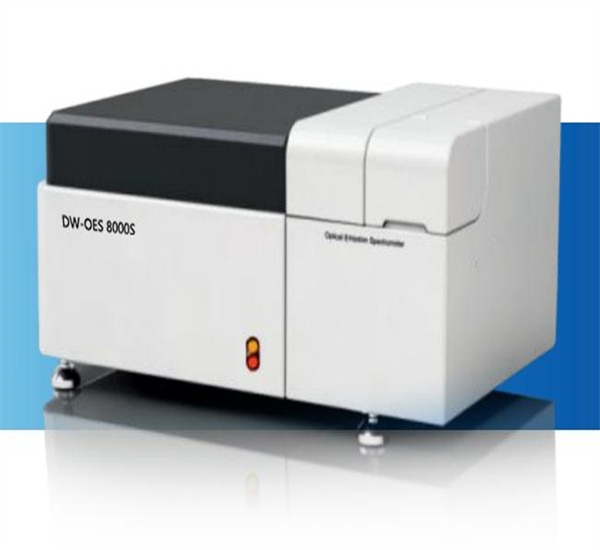


What are The Advantages of Drawell’s Direct Reading Spectrometers?
- Simultaneous detection of multiple elements (Fe, Al, Cu, Zn, Pb, etc.)
- Fast analysis speed — results within seconds
- High precision and repeatability
- Minimal sample preparation
- Ideal for production line quality control
These features make full-spectrum models suitable for non-ferrous and ferrous alloy analysis in real-time applications.
What Elements Can be Detected by a Full Spectrum Direct Reading Spectrometer?
Depending on the model and detector range, the spectrometer can detect more than 70 elements, including:
- Base metals: Fe, Al, Cu, Zn, Ni
- Trace elements: C, P, S, B, Sn, Pb
- Light elements (optional argon purge): Li, Be, Mg
How Does a Full Spectrum Direct Reading Spectrometer Work?
Direct reading spectrometers operate based on the optical emission spectrometry (OES) principle. When a sample (usually metal) is excited by an arc or spark discharge, it emits light at wavelengths characteristic of its elements. The instrument detects this light across a wide spectrum and directly displays the elemental concentrations via a photodetector or CMOS/CCD array. Full-spectrum models cover a broader range of elements in a single scan.
What Industries Use Full Spectrum Direct Reading Spectrometers?
Direct reading spectrometers are widely used in following Industries:
- Scrap metal recycling and sorting
- Metal and alloy production
- Automotive and aerospace manufacturing
- Material research laboratories
- Mining and mineral processing

Full Spectrum Direct Reading Spectrometer for Stainless Steel & Alloy Metal
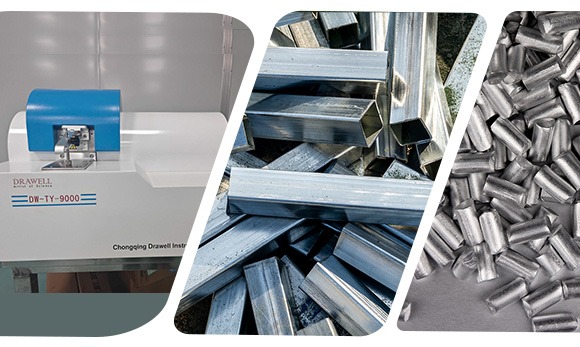
- Element composition detection in various stainless steels: During the smelting process, key elements such as Cr, Ni, Mo, C, S, and P in the molten steel are detected to ensure that the composition meets the standards;
- Grade verification: Distinguish stainless steel grades such as 304 (18Cr-8Ni), 316 (16Cr-10Ni-2Mo), and 430 (16Cr) to avoid mixing;
- Harmful element monitoring: Detect residual elements such as Pb, Sn, and As
- Main element analysis and impurity analysis of various alloys: high-temperature alloys and nickel-based alloys; aluminum alloys; titanium alloys; copper alloys
How to Maintain Direct Reading Spectrometers/OES?
| Number | Maintenance project | Maintenance cycle |
| 1 | Electrode cleaning | Before each sparking |
| 2 | Sparking stand maintenance | (3-7) days or 300 sparking (requires thelight source to be turned off) |
| 3 | Lens maintenance | 6 months or 600 sparking (requires thelight source to be turned off, SpectrumCalibration required after completion) |
| 4 | Gas cylinder maintenance | (1-2) months or 2,500 sparking |
| 5 | Vacuum pump maintenance | About 2000 working hours |
If you have any problems with the direct reading spectrometer you purchased from Drawell, we have professional engineers to solve it for you. We support one-year warranty, free installation guidance, etc. Please feel free to contact us if you have any needs.
Why Choose Us?
“Multiple suppliers” have always been an issue in the procurement process. Drawell as a one-stop laboratory equipment and scientific instruments supplier, can perfectly solve this problem. In addition to manufacturing our own equipment, we also represent other laboratory equipment. Our product lines are rich and diverse at competitive prices. Provide one-stop service to customers.
User Training – Training by Drawell skilled engineers about installation, debug tests, technical services, etc. It can happen in our factory in China, or at the site in the customers’ country. Cost depends on where and when the training happens.
To discuss the problem and get it resolved, online chats, real-time video calls, and remote guidance. For the after-sales stage, our online technical guidance is free and ready forever.
1 year free official warranty, including repairing quality-damaged parts, and offering replacements of selected parts (shipping cost is extra). 5% of the product price is charged for extending the warranty before the end of the official warranty.