

Density Balances
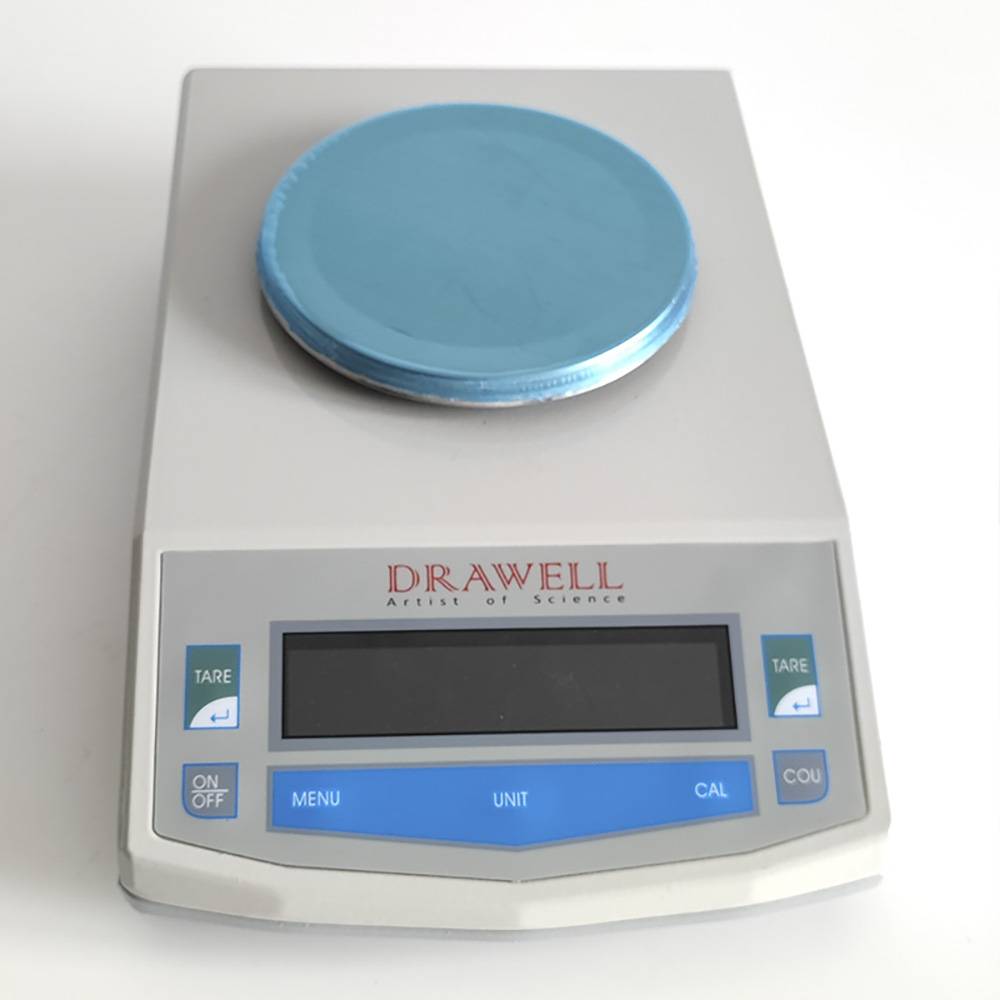
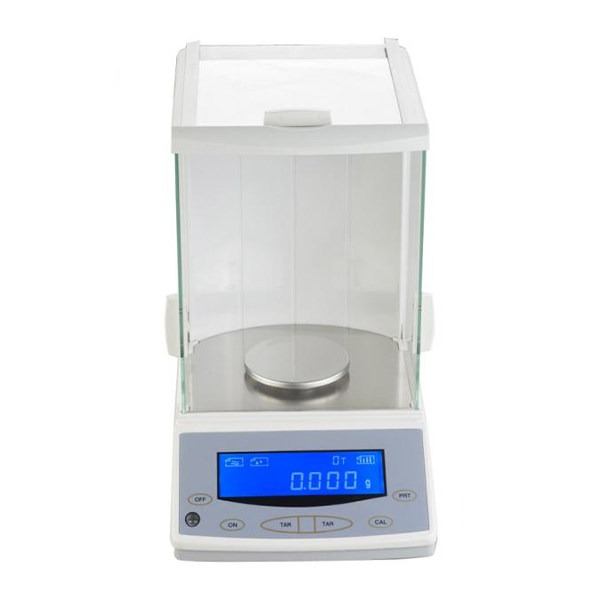
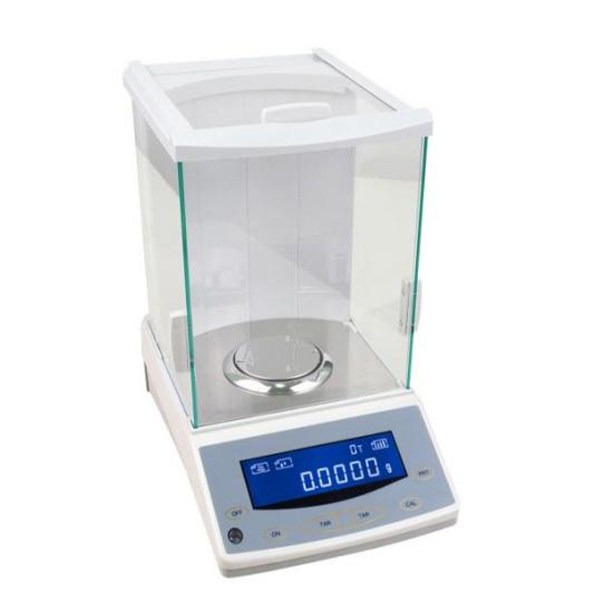
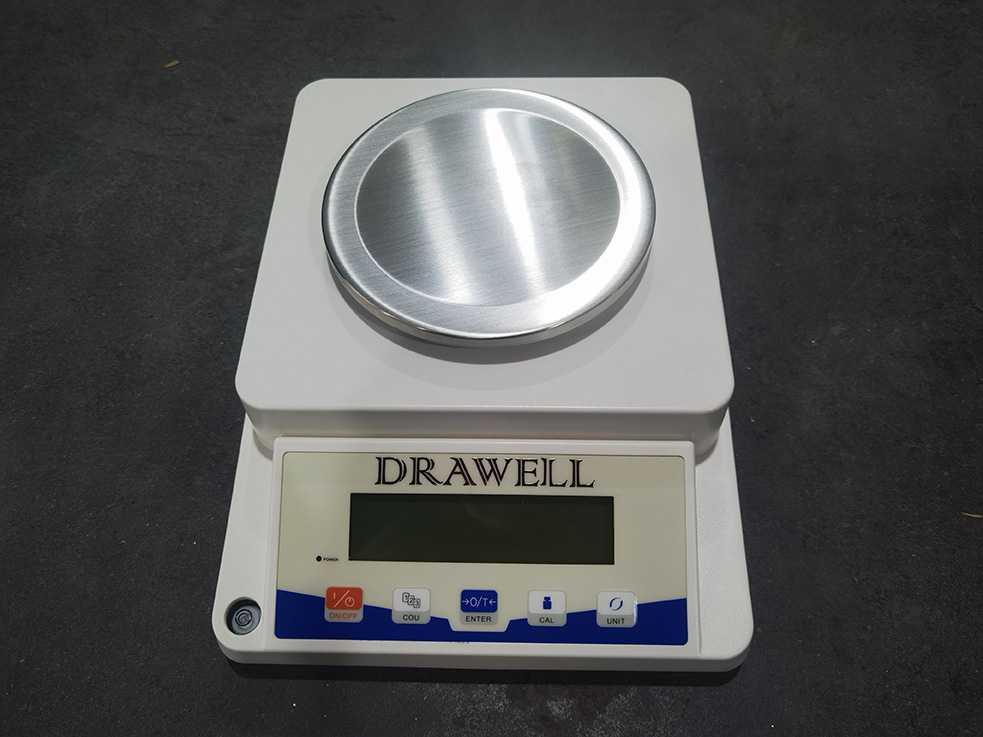
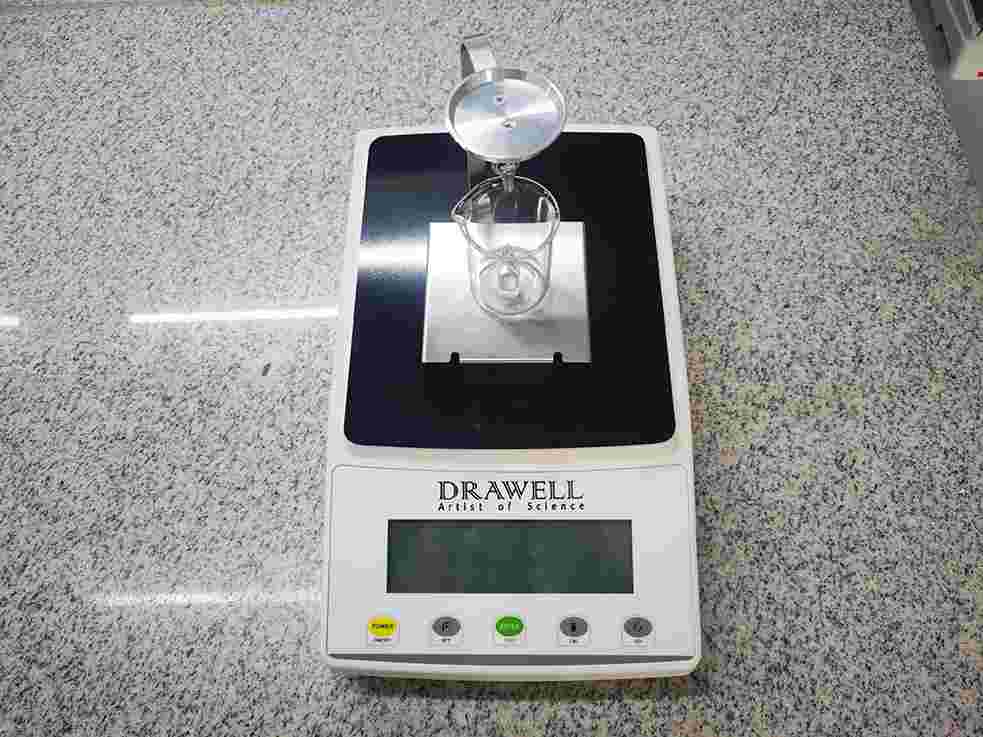
Drawell density balance is expertly designed for the accurate determination of material density in both solids and liquids. With its advanced technology, the balance ensures precise measurements, making it suitable for a variety of industrial and research applications. Featuring easy-to-use software, high sensitivity, and reliable calibration, this balance offers quick and efficient results, ideal for laboratories involved in quality control, material analysis, and product development.
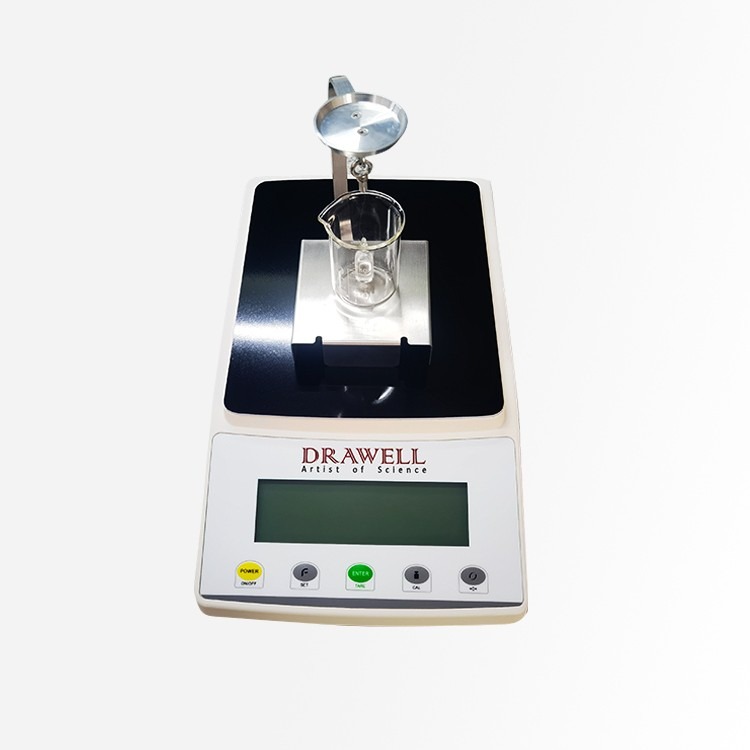
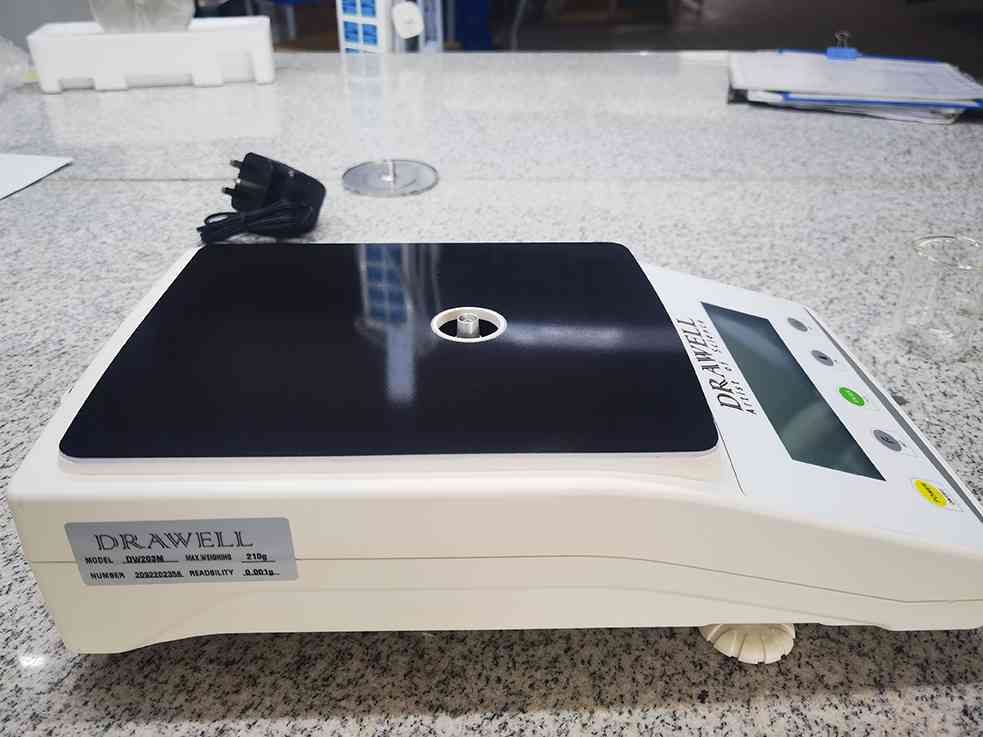
DW-M Density Balance
• 210g/1mg; Solid/ Liquid Sample
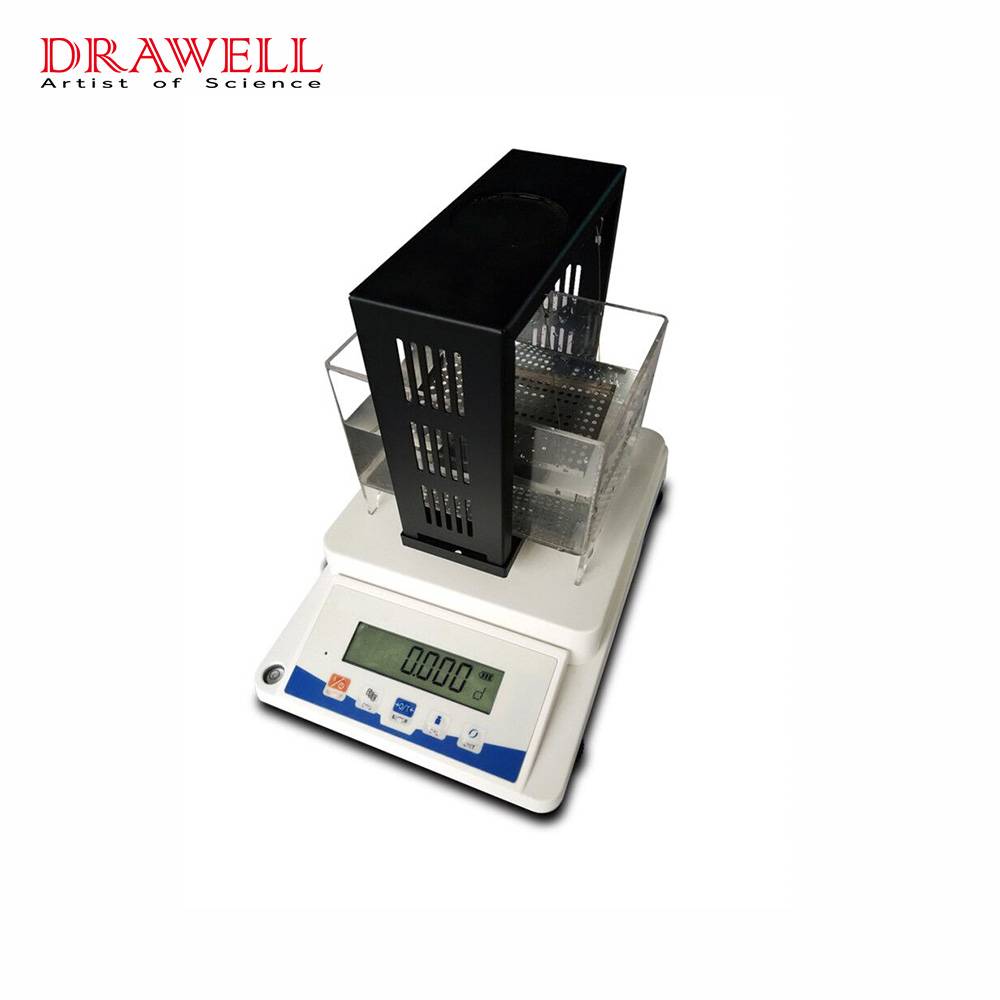
DW-2CM Density Balance
• 610g/10mg; Solid/Liquid Sample
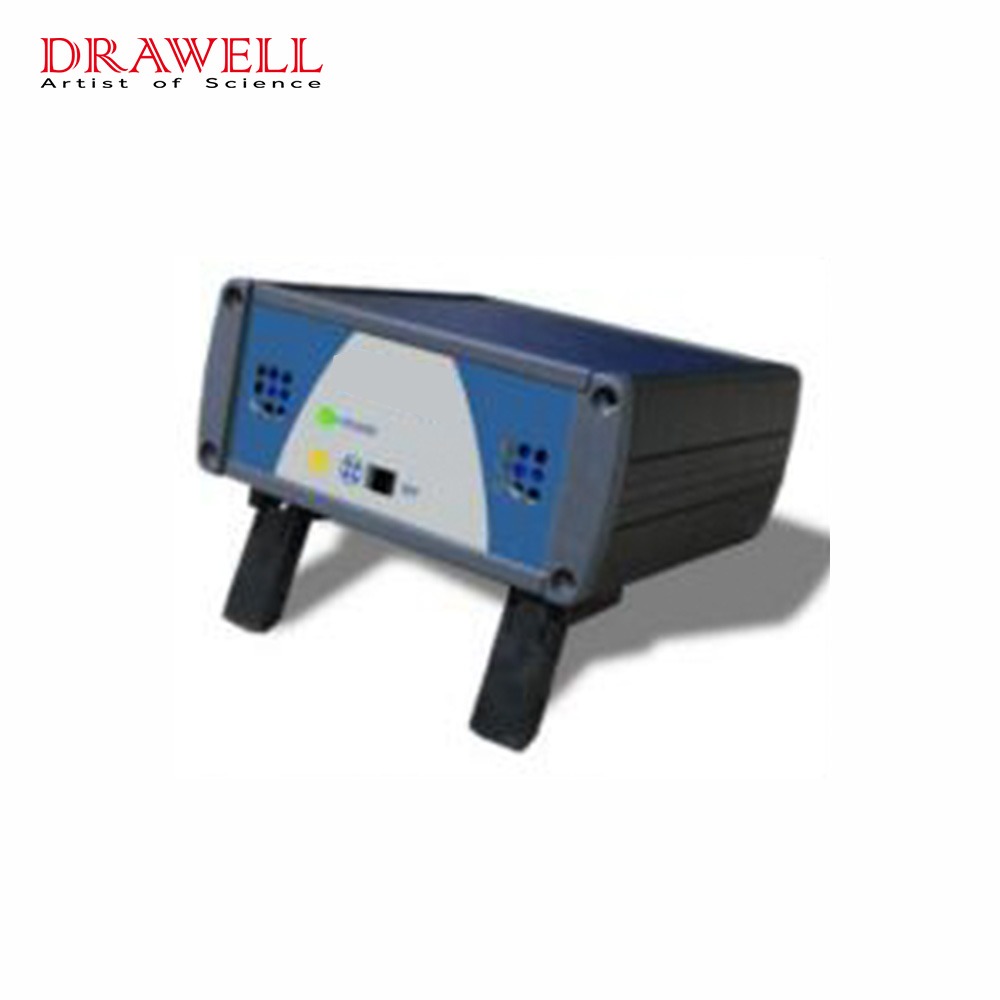
ION-A15 Electrostatic Eliminator
• Discharge Time: 9s/5cm, 13s/10cm, 100s/40cm
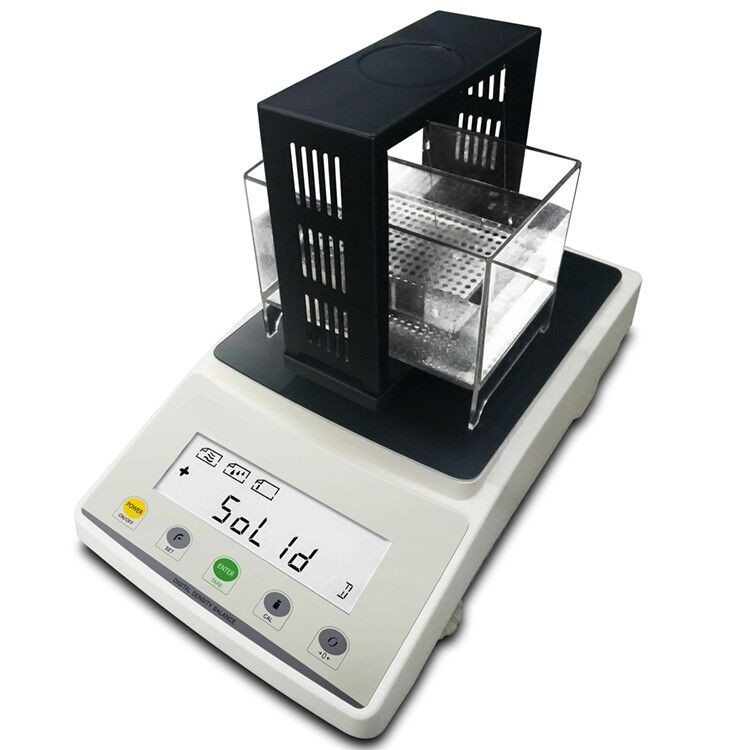
Features of Density Balance
- Aluminum Alloy die-cast base and stainless steel platter.
- Super Bright LCD display.
- Clear Glass Windshield as standard.
- Multi Weighing unit conversation g/mg/ct/oz.
- Check Weighing, Parts counting, and percentage weighing.
- Certificated calibration weight.
What Materials Can a Density Balance Measure?
| Sample Type | Solids | Liquids |
| Measurement | Direct Immersion Method | Standard Weight Method |
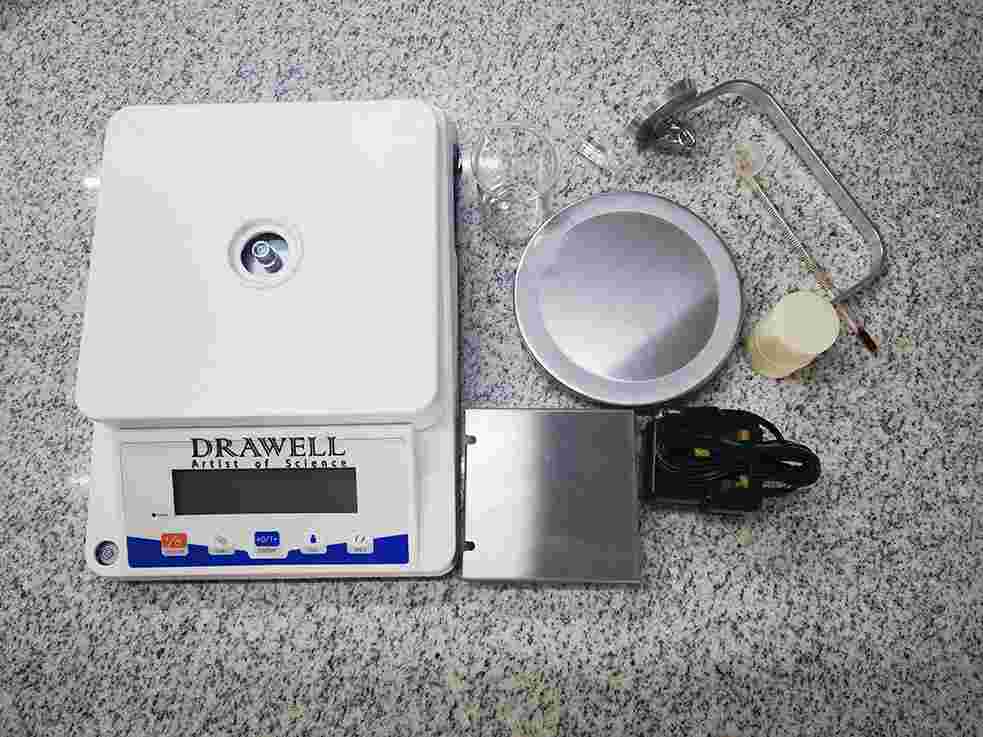
| Components | Sinking Platform, Basket | Float, Temperature Probe |
| Application | Solids insoluble in liquids, such as metals, plastics, ceramics, and rubber | Any liquid, such as oils, chemicals, solvents, and beverages |
Applications of Density Balance
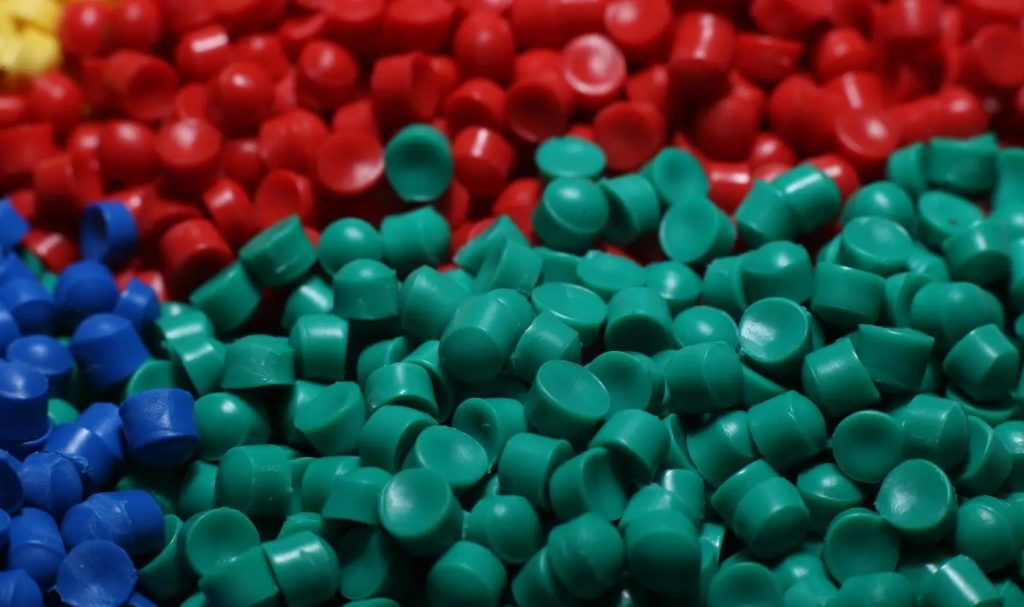
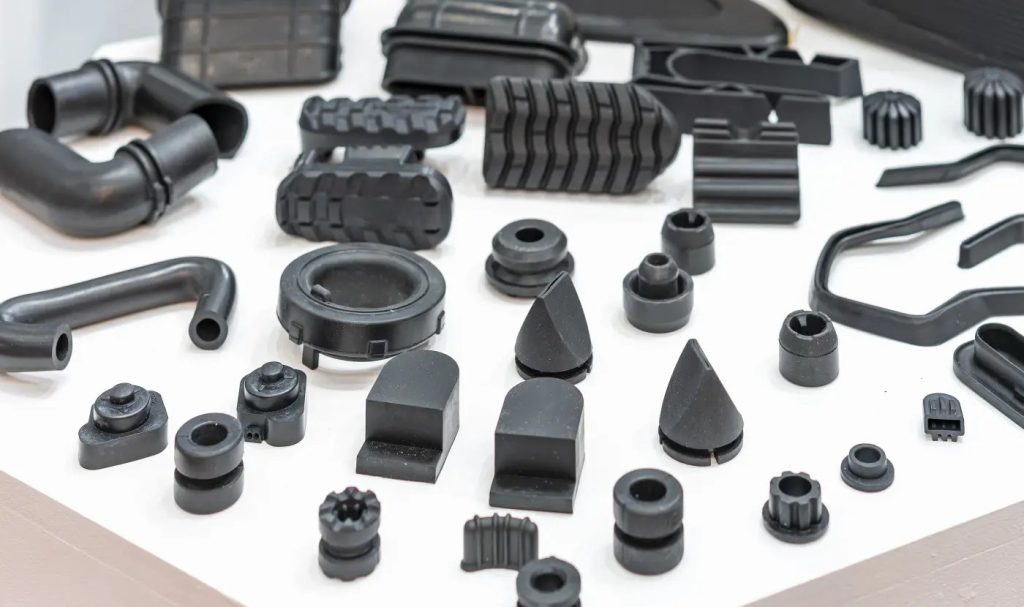
- Widely used in rubber, plastic, wire and cable, composite materials, polymer materials, footwear, tires, hard alloy and other industries, it can directly read the specific gravity of various irregular solids, particles, films, floating bodies, and powders.
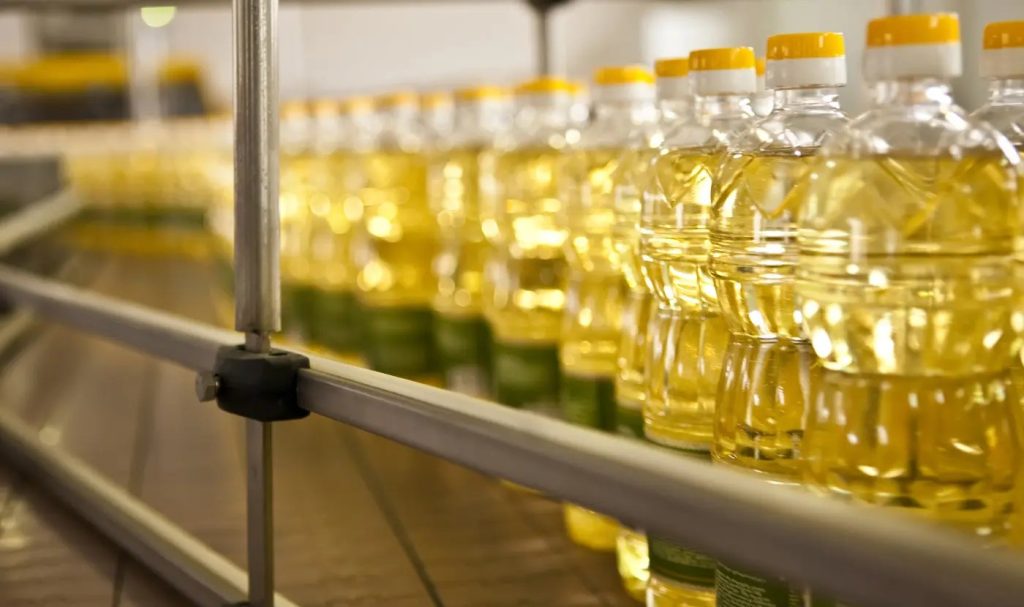
- Widely used in any liquid, including oils, chemicals, solvents, and beverages.

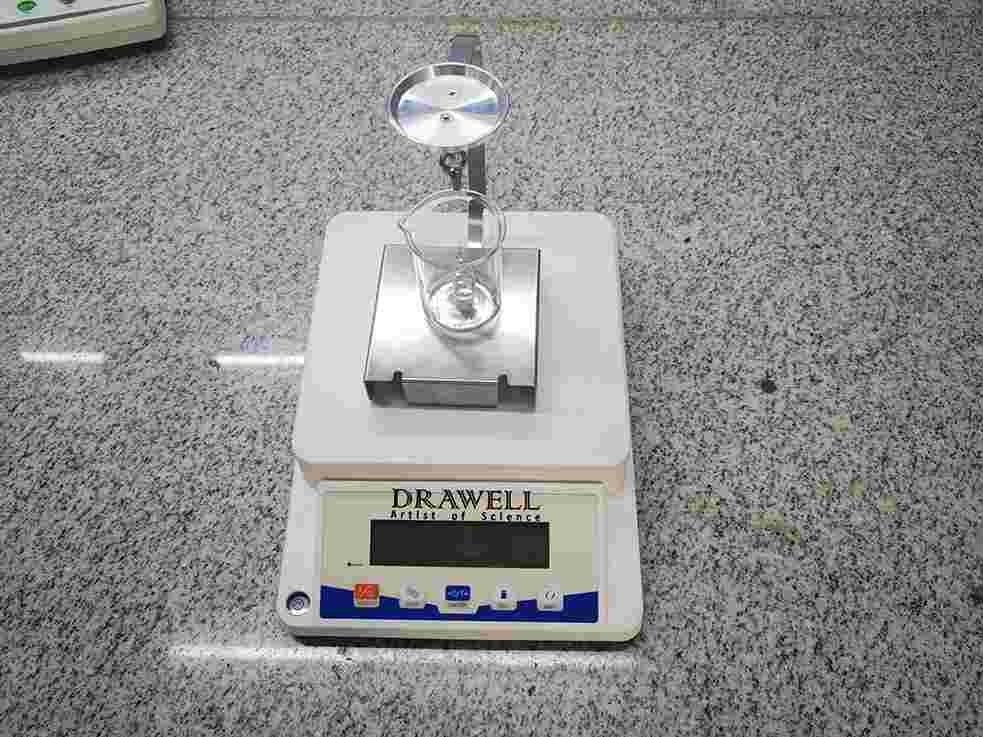
How to Measure the Density of a Solid Sample?
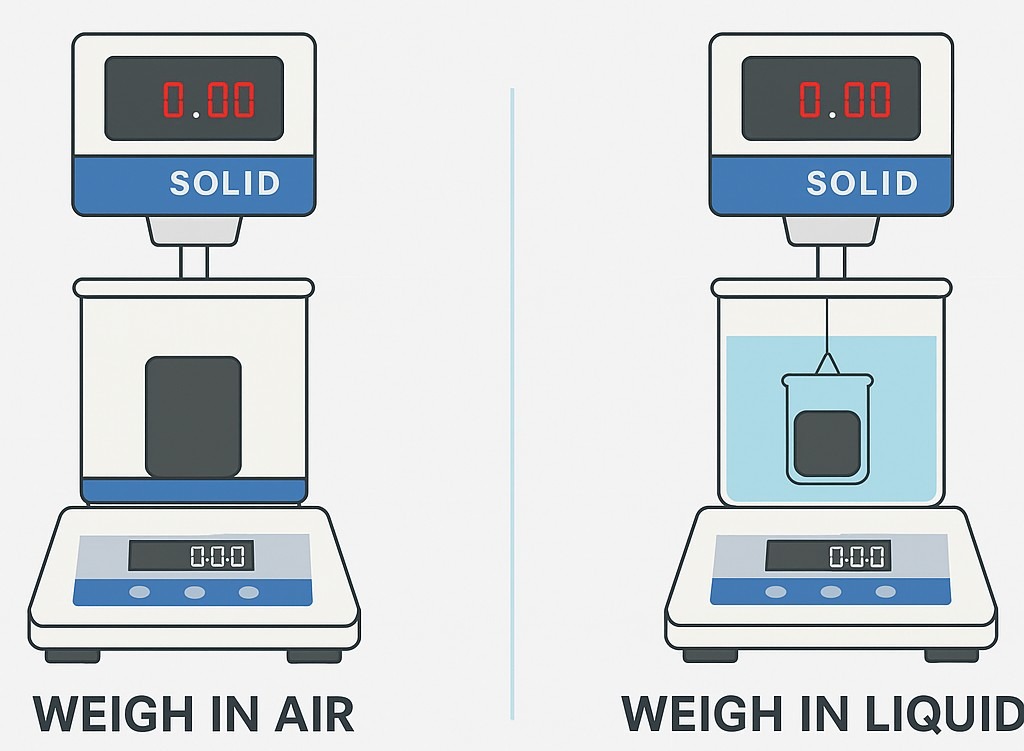
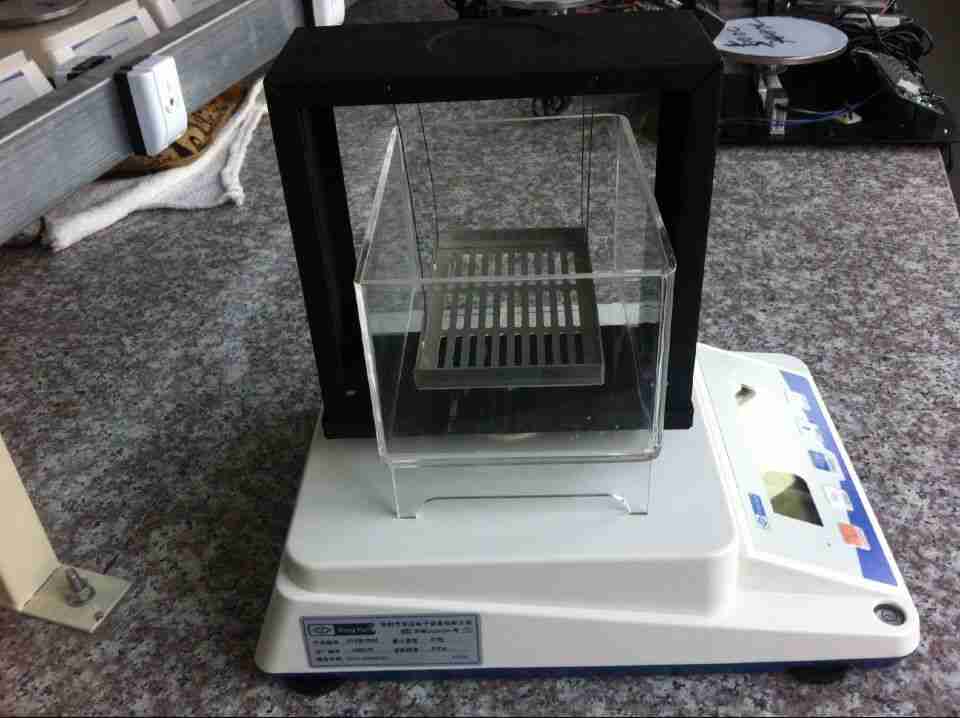
Left: Sample suspended in air, display shows “Weight = W1”
Right: Sample immersed in liquid, display shows “Weight = W2”
The balance will automatically calculate the density.
Formula: Density = (W1 / (W1 – W2)) Liquid Density
Density Balance Operation Guide
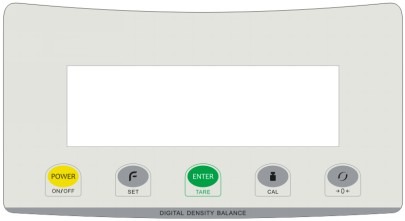
| KEY NAME | FUNCTION |
| ON/OFF | Power on or power off |
| SET | In density testing situation, use it set or choose the density of liquid or solid sample |
| ENTER | In weighing mode: tare functionIn density mode: Enter and confirm |
| CAL | In weighing mode: calibration functionIn density mode: back to weighing modeSet density mode: confirm and go next step |
| MENU | In weighing mode: go to density functionIn density mode: Tare |
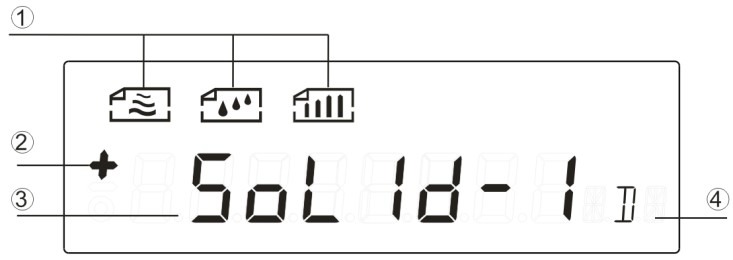
1. Solid and Gold density step icon
 Liquid density test step icon
 Powder density test step icon
- Weighing digit “+” and”-” icon,
- Test mode and weighing value.
- Unit icon.
What Causes Inconsistent Or Inaccurate Density Balance Measurements?
- Air Bubble Issues: Clean the sample; soak the sample in alcohol or wetting agent; use an ultrasonic cleaner to agitate the sample to thoroughly remove air bubbles.
- Temperature Instability: Fluctuations in liquid temperature and room temperature can severely affect density. Maintain a constant temperature and use a temperature probe for compensation.
- Improper Sample Suspension: The sample should not touch the beaker wall or bottom.
- Liquid Contamination: After multiple measurements, the liquid may become contaminated and needs to be replaced promptly.
- Uncalibrated Balance: Regularly calibrate the balance using standard weights.
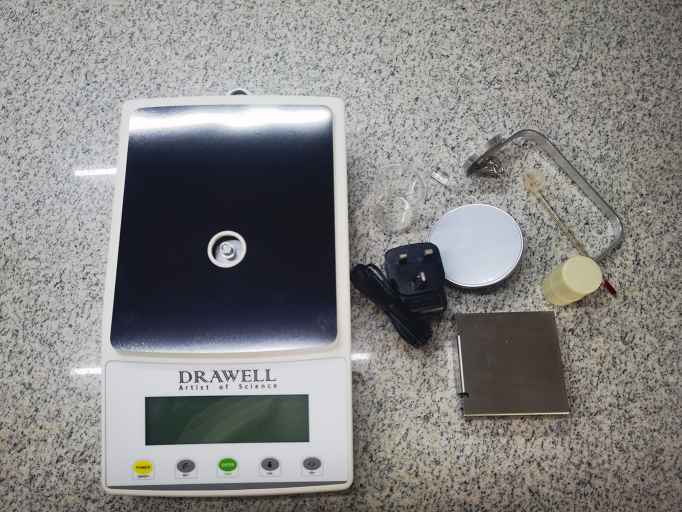
Density Balance Sample Accessories
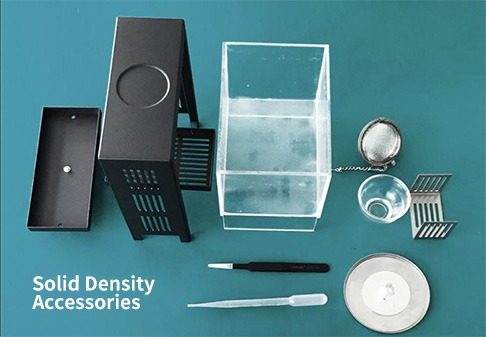
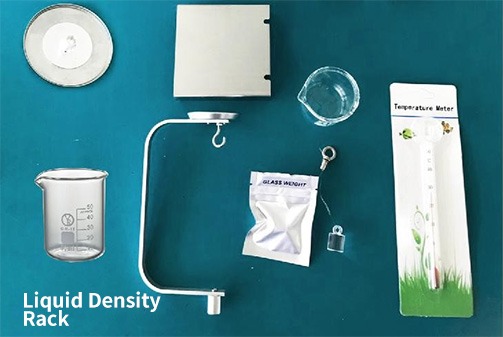
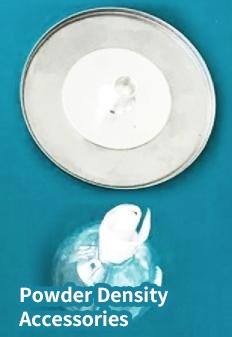
How to Choose the Density Balance Model?
203M-S for the Solid density, 203M-G for the Gold density,203M-A for the Absorbent density; when the sample is Liquid,DW-203M-L andDW- 303M-L is available when the samle is powder,DW203M-P and DW600CM-P is Available.
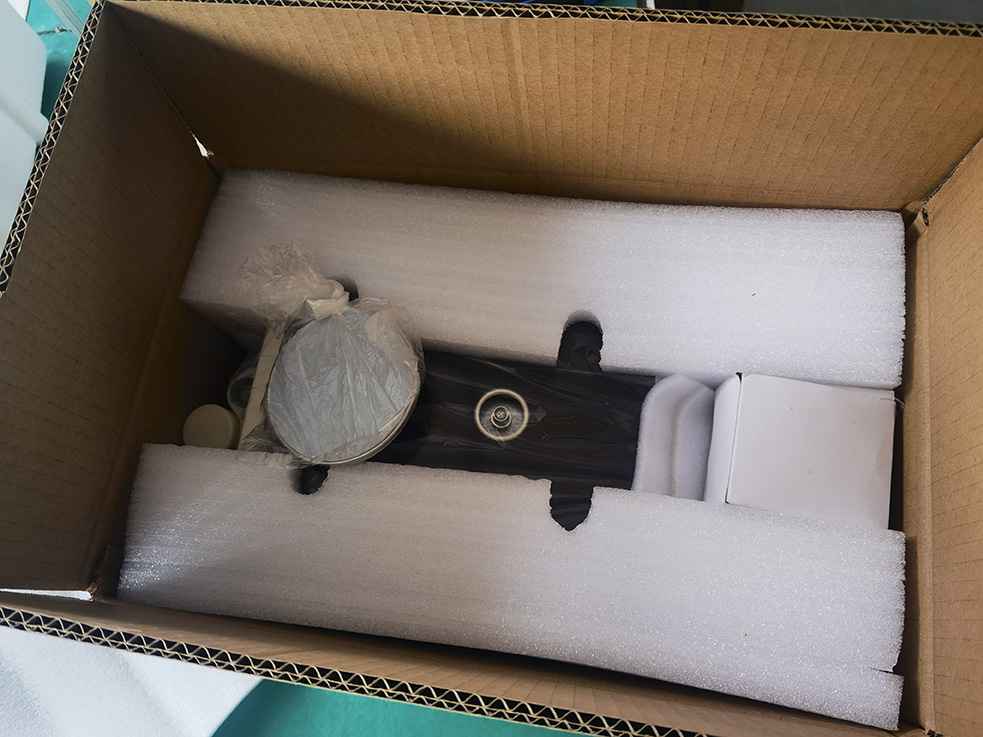
Product Display
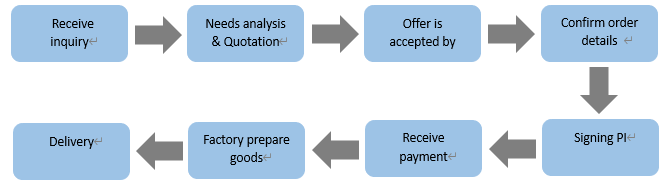
Order Process
Why Choose Us?
- Rich categories
- The products are market-oriented and exported to many countries in the world
- Perfect sales system, efficient and fast after-sales service
- On-time delivery rate reaches 100%
- High-cost performance