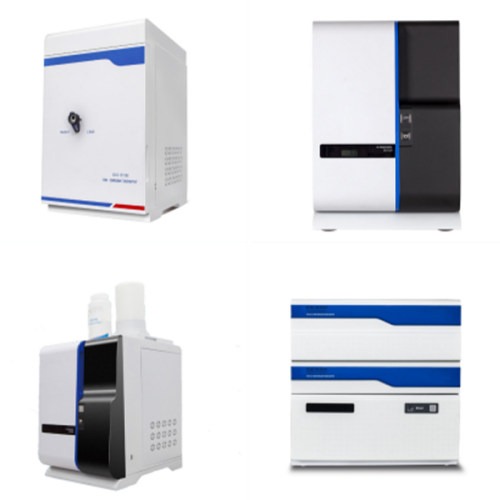


Ion Chromatography
What is Ion Chromatography?
Ion chromatography is a kind of high-performance liquid chromatography, so it is also called high-performance ion chromatography (HPIC) or modern ion chromatography. It is a liquid chromatography method for analyzing anions and cations.
Applications: IC is mainly used for the analysis of environmental samples, including anions and cations in samples such as surface water, drinking water, rainwater, domestic sewage and industrial wastewater, acid deposits, and atmospheric particles. In addition, it has a wide range of applications in the fields of food, sanitation, petrochemicals, water, and geology.
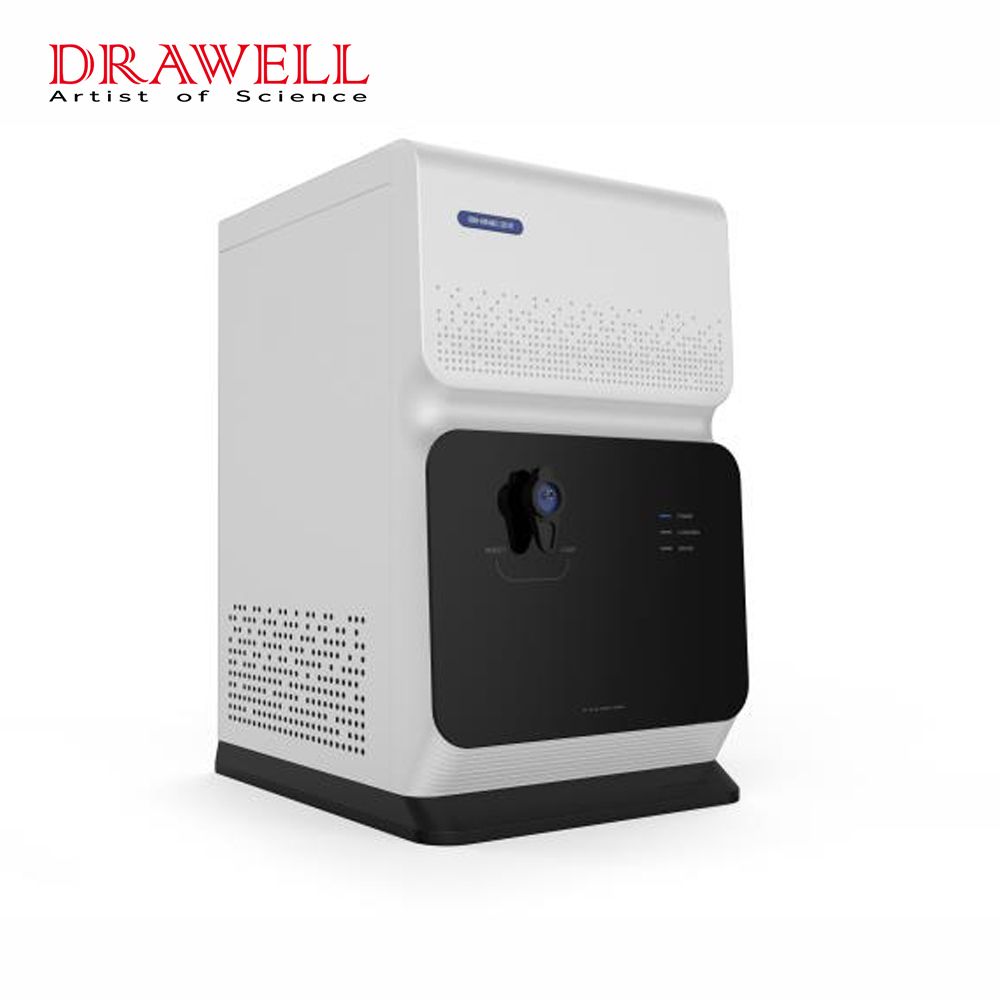
Features of Ion Chromatography
- Fast and convenient, can complete the analysis of a sample in a few minutes.
- With high sensitivity, the concentration range of ion chromatography analysis is ug/L to mg/L.
- Simultaneous analysis of multiple ionic compounds.
- The separation column has good stability and high capacity.
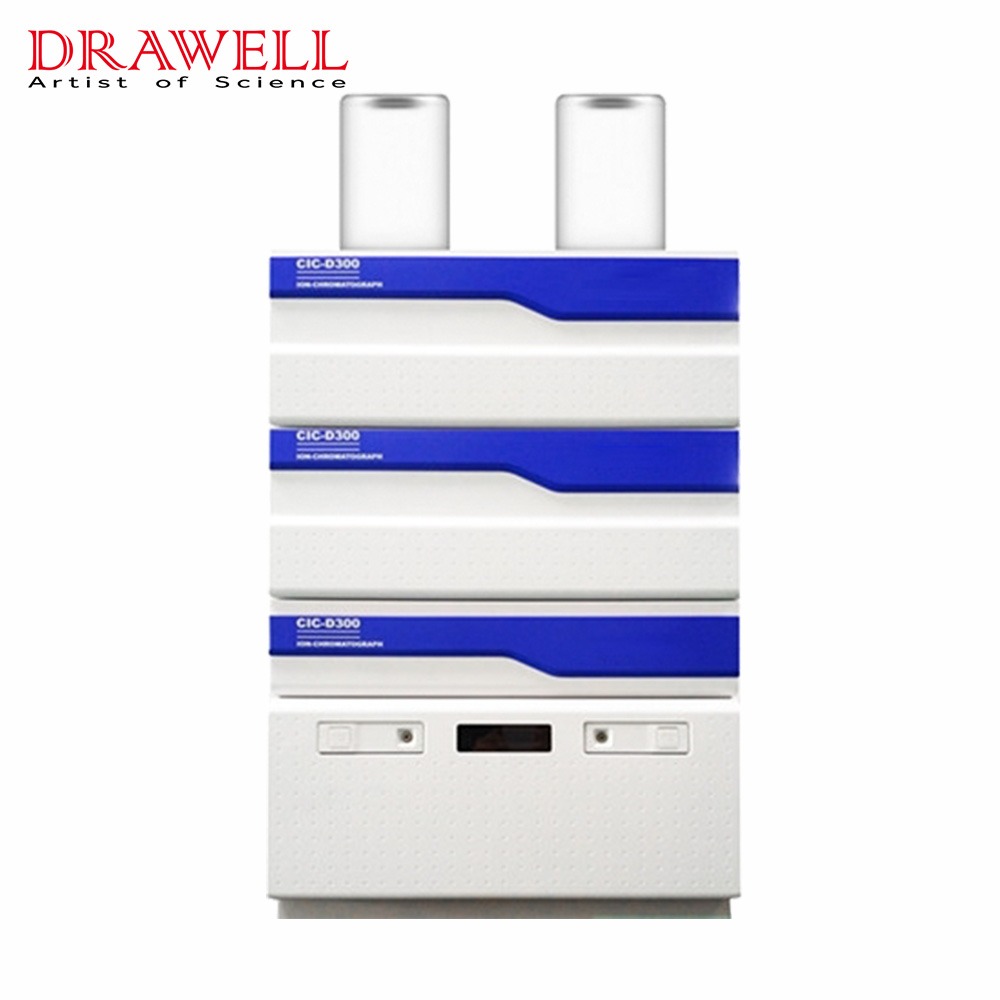
DW-CIC-D300 Ion Chromatography
• Li⁺≤0.0001μg/mL
• Simultaneous Anion & Cation Analysis
• 0.1–100 mM Built-in Eluent Generator
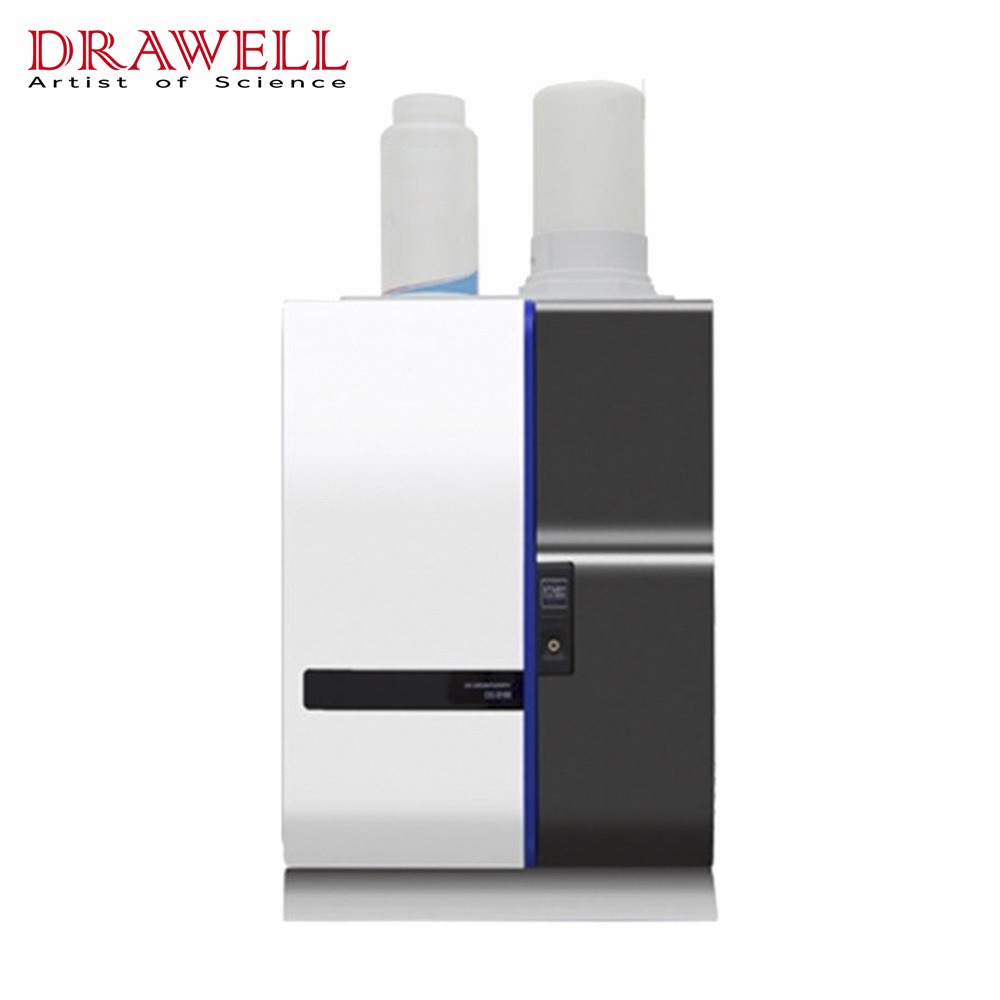
DW-CIC-D160 Ion Chromatography
• Li⁺≤0.0001μg/mL
• 0.1-100 mM Built-in Eluent Generator
• 42 MPa·0.001–9.999 mL/min Pump
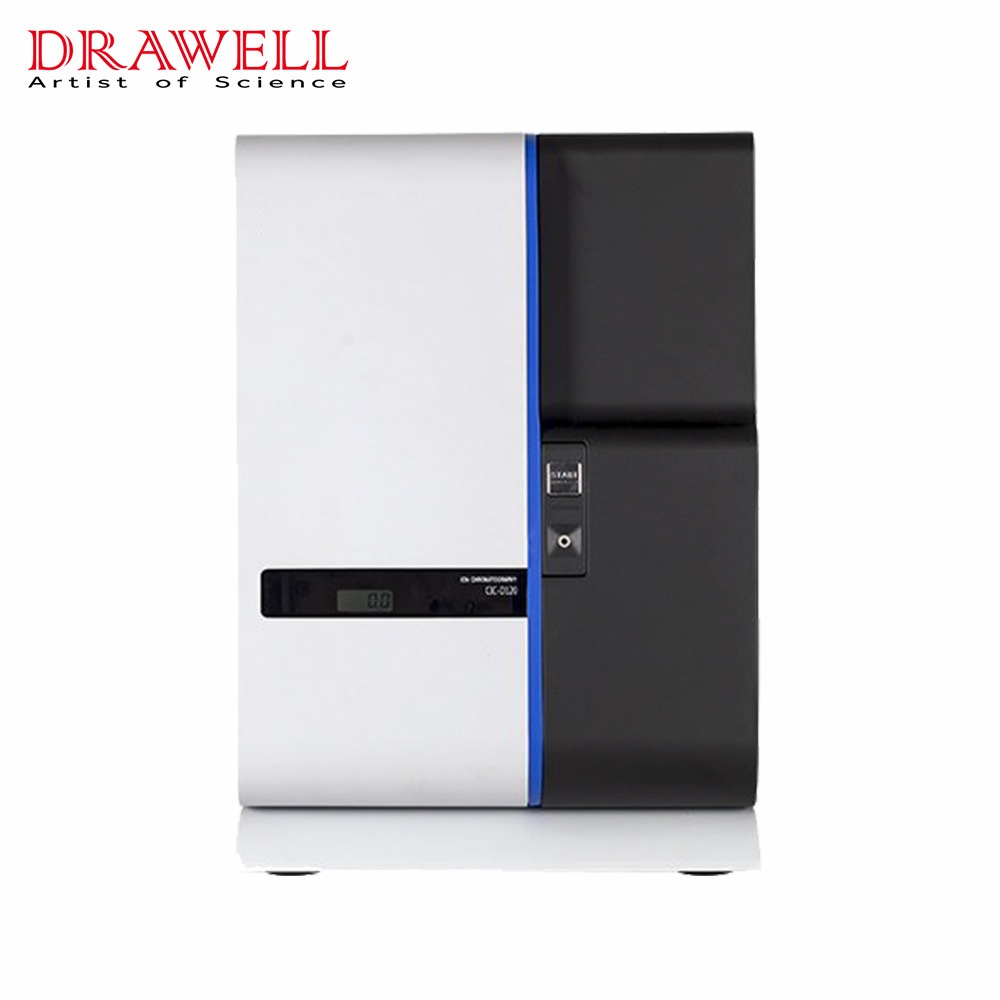
DW-CIC-D120 Ion Chromatography
• Maximum Pressure: 42 MPa
• Flow Range: 0.001–9.999 mL/min
• Flow Stability: ≤0.1%
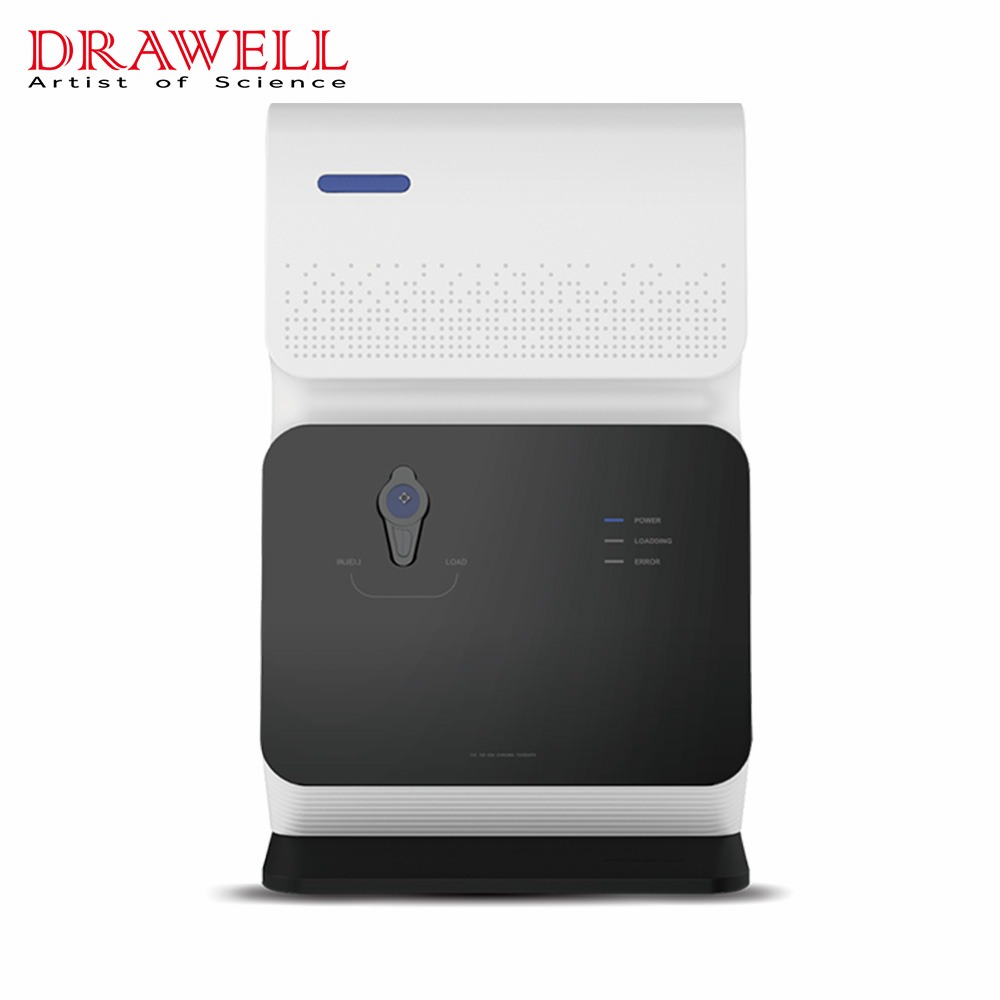
DW-CIC-D100 Ion Chromatography
• Maximum Pressure: 42 MPa
• Flow Range: 0.001–12 mL/min
• Flow Stability: ≤0.1%
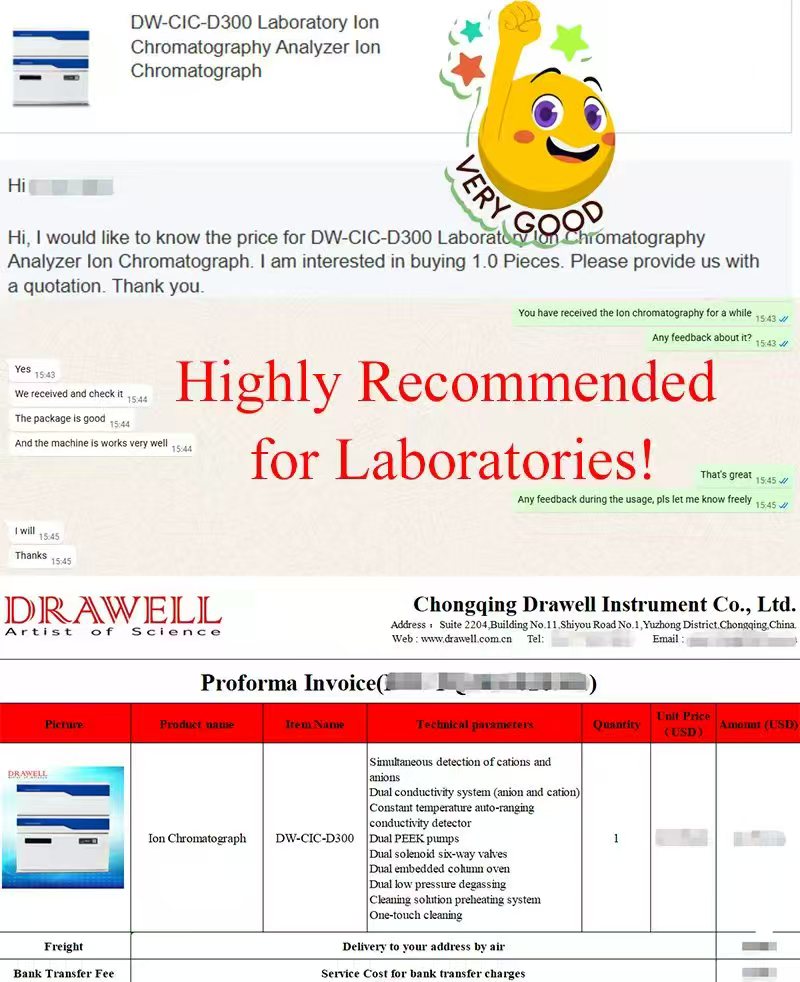
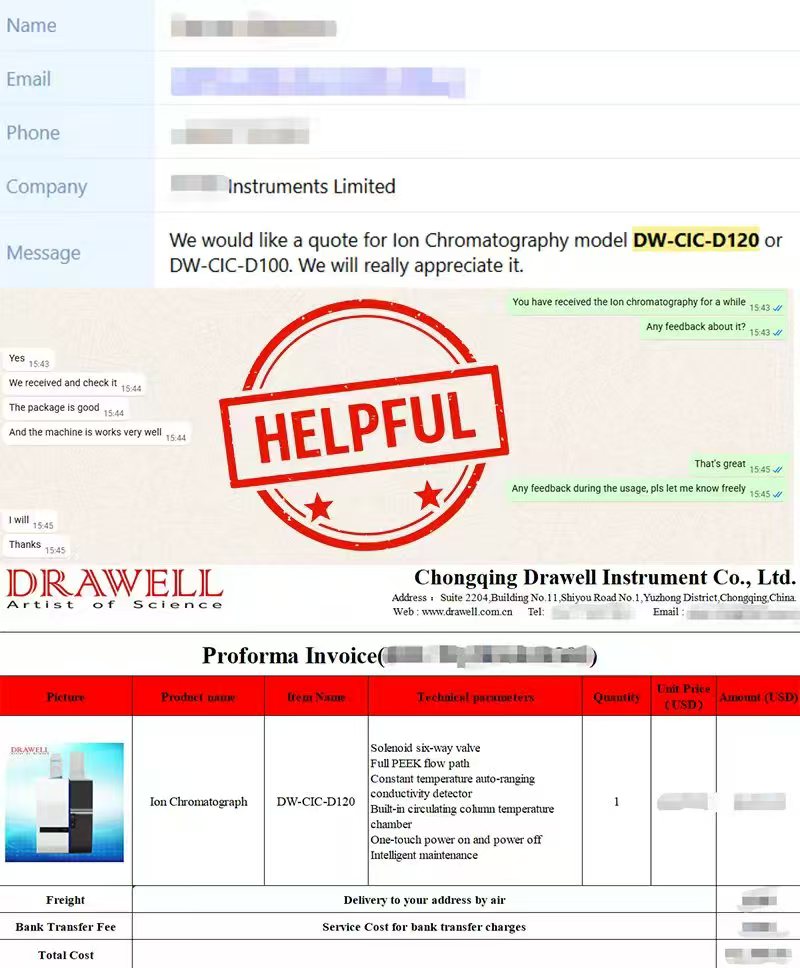
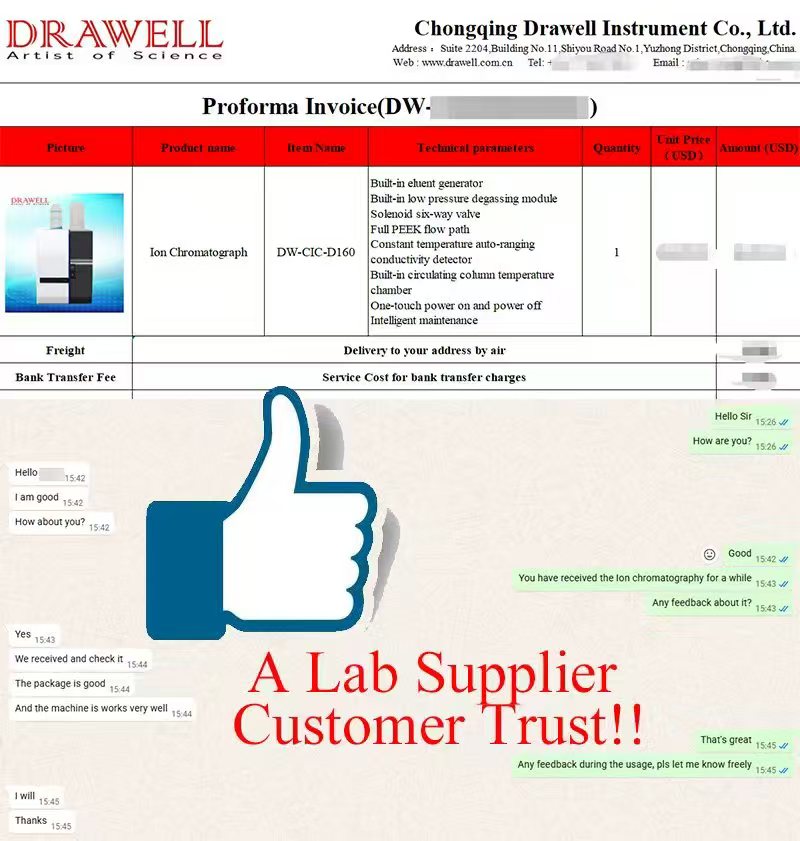
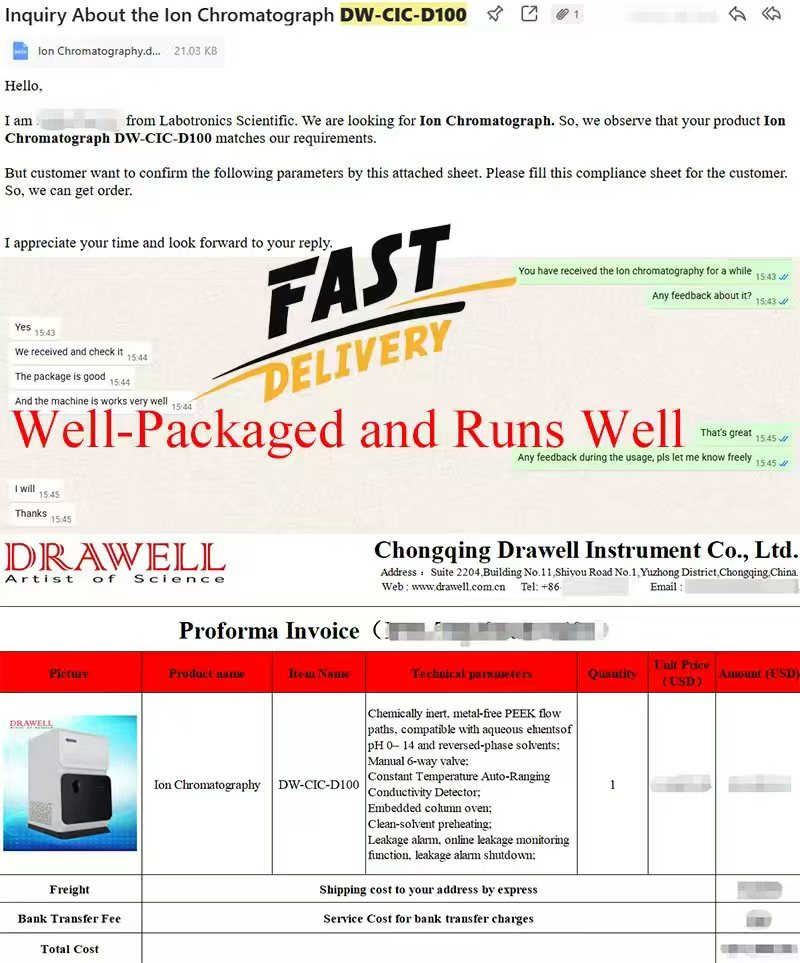
Customer Feedback of Ion Chromatography
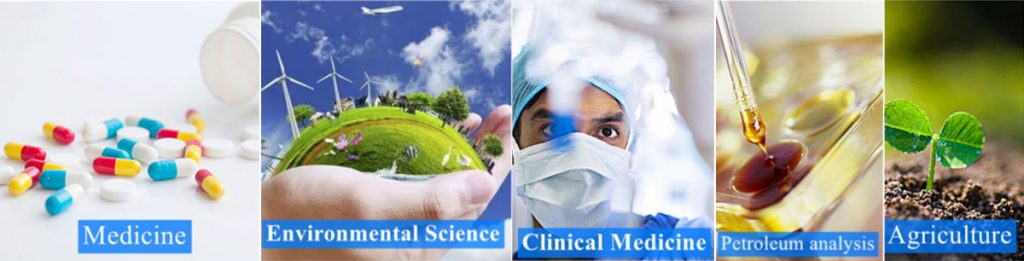
Application Areas of Ion Chromatography
- Environment: atmospheric composition (dust, particulate matter, fog, acid gas), acid rain, water quality analysis
- Food: Contaminated ingredients, additives, inherent ingredients, adulteration, production process monitoring
- Agriculture: Pesticide, fertilizer, soil, feed, food, plant analysis
- Medicine: blood, urine, infusion composition, clinical examination, human trace element analysis
- Biology: Protein separation and purification
- Pharmaceuticals: analysis of plant medicinal materials, mineral medicinal ingredients, and preparation ingredients
- Materials: metal materials, semiconductor materials, surface treatment, ultrapure water analysis
- Industry: Raw material analysis, product quality control, electrolytic plating solution analysis, papermaking
- Daily chemicals: analysis of cosmetics, detergents, cleaning agents, raw materials, and product components
Ion Chromatography Display
DW-CIC-D100 Ion Chromatography Display
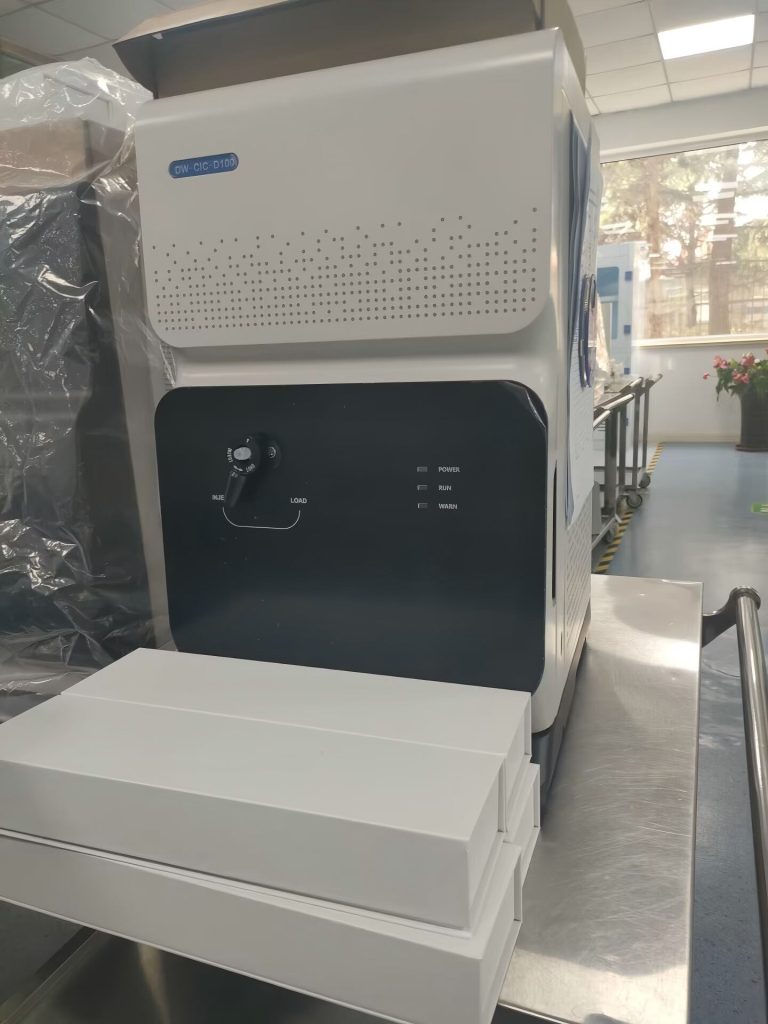
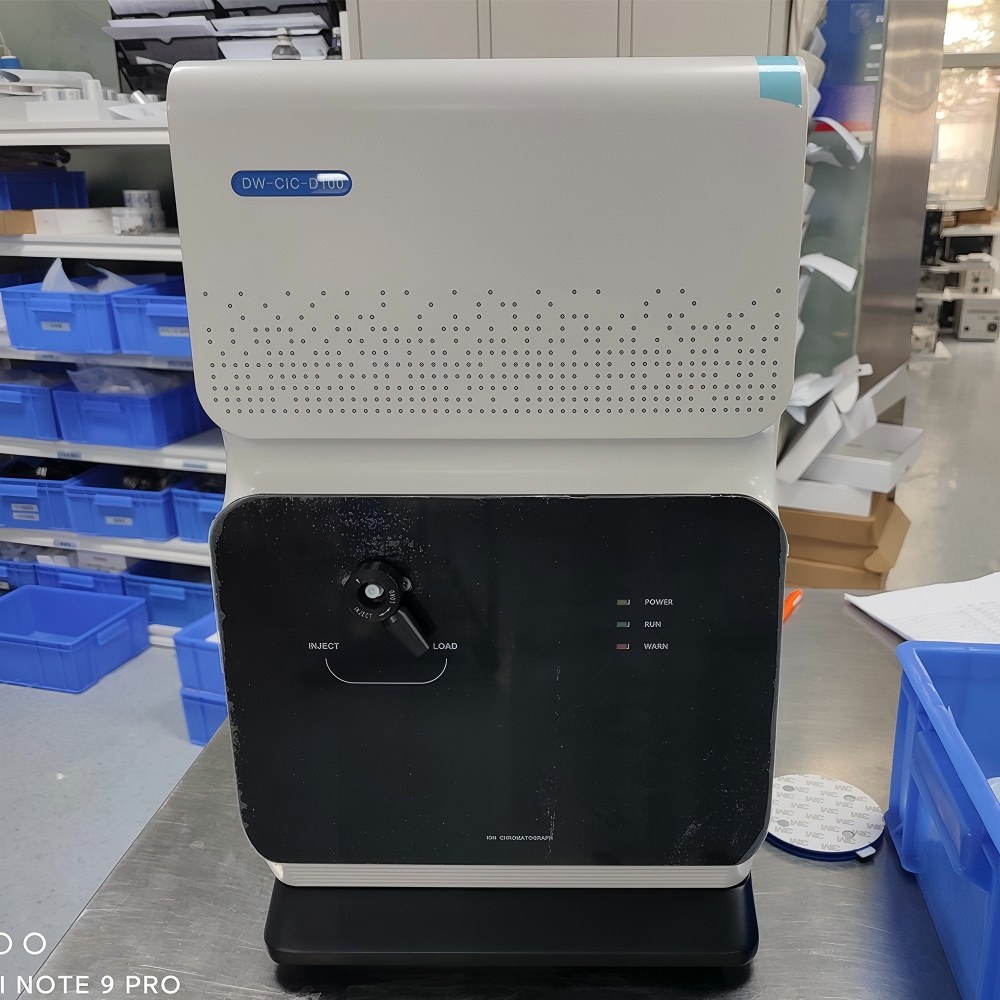
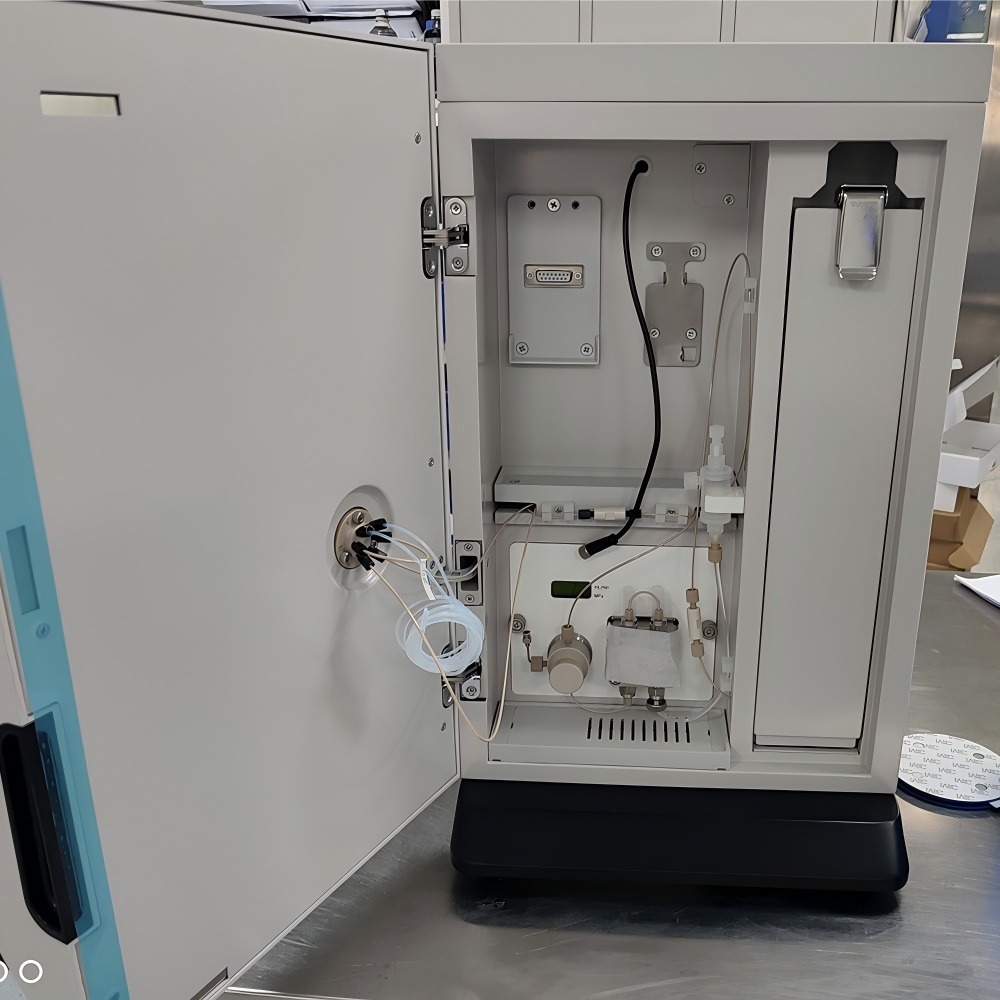
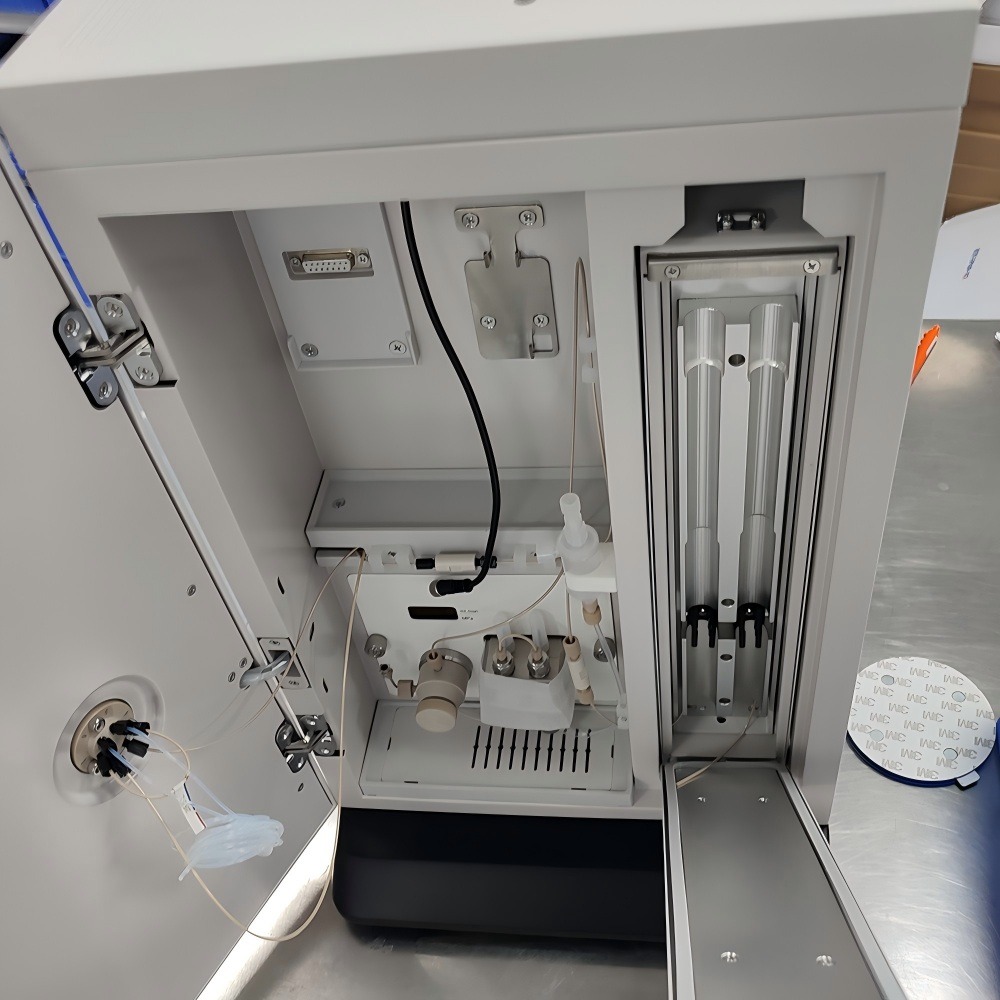
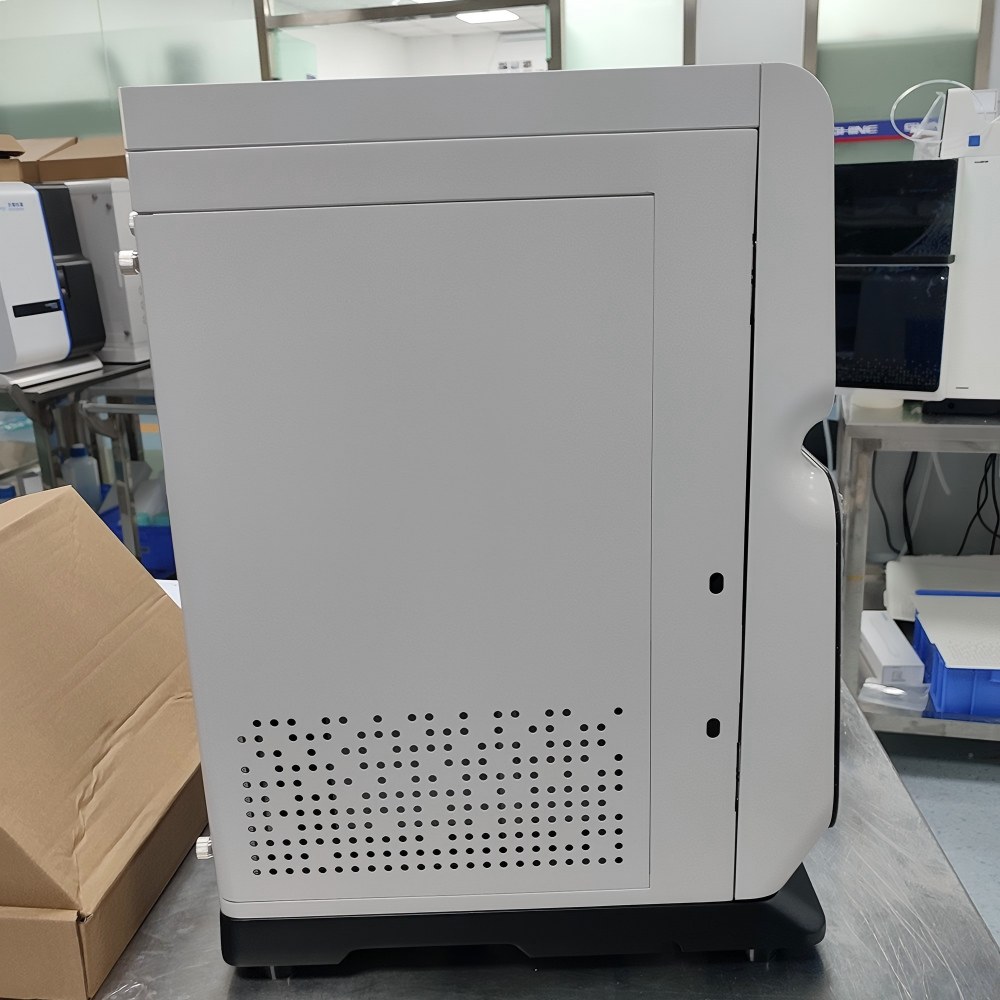
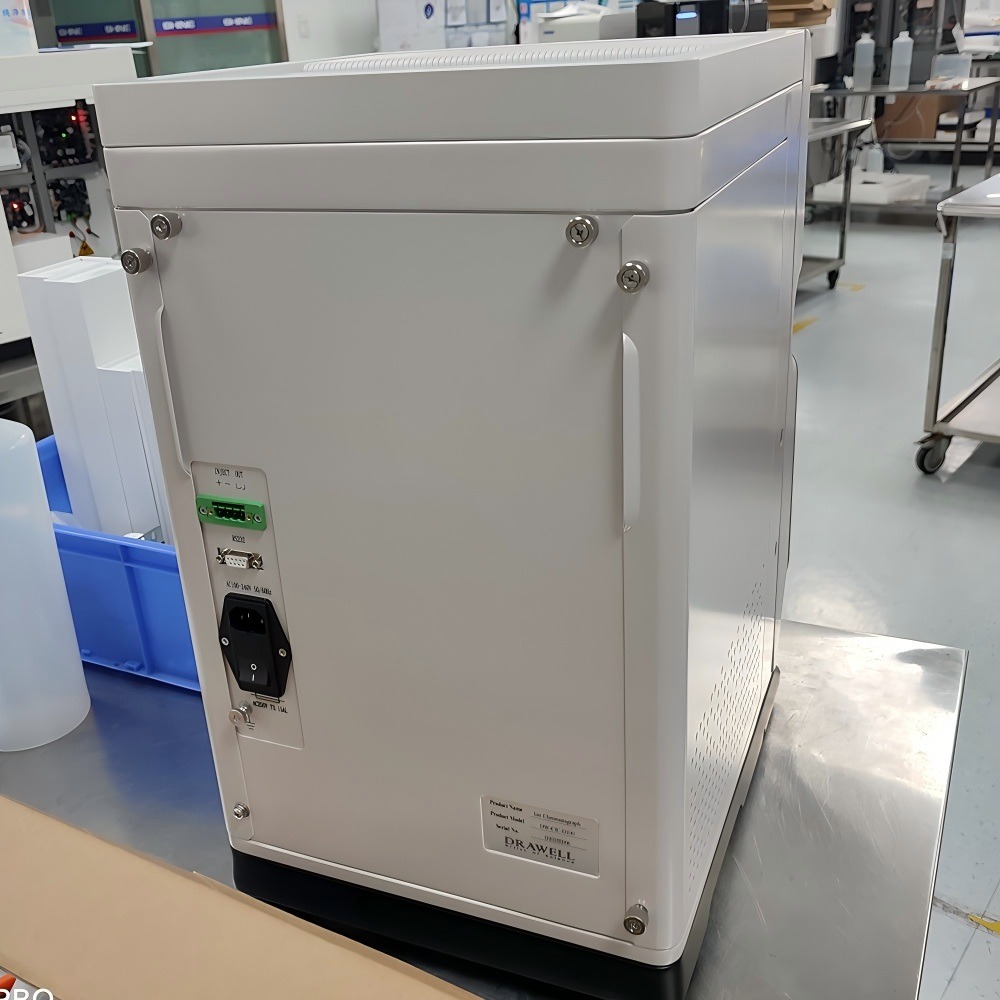
DW-CIC-D100 Accessories
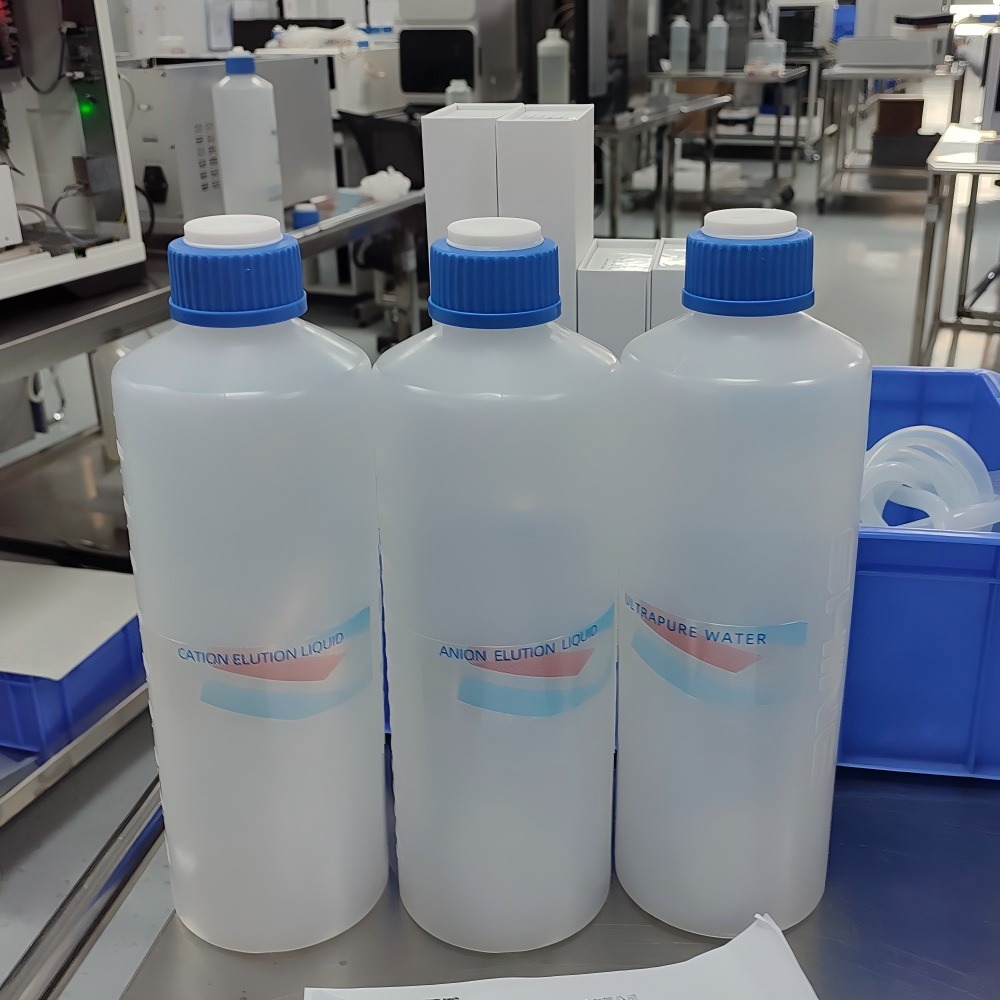
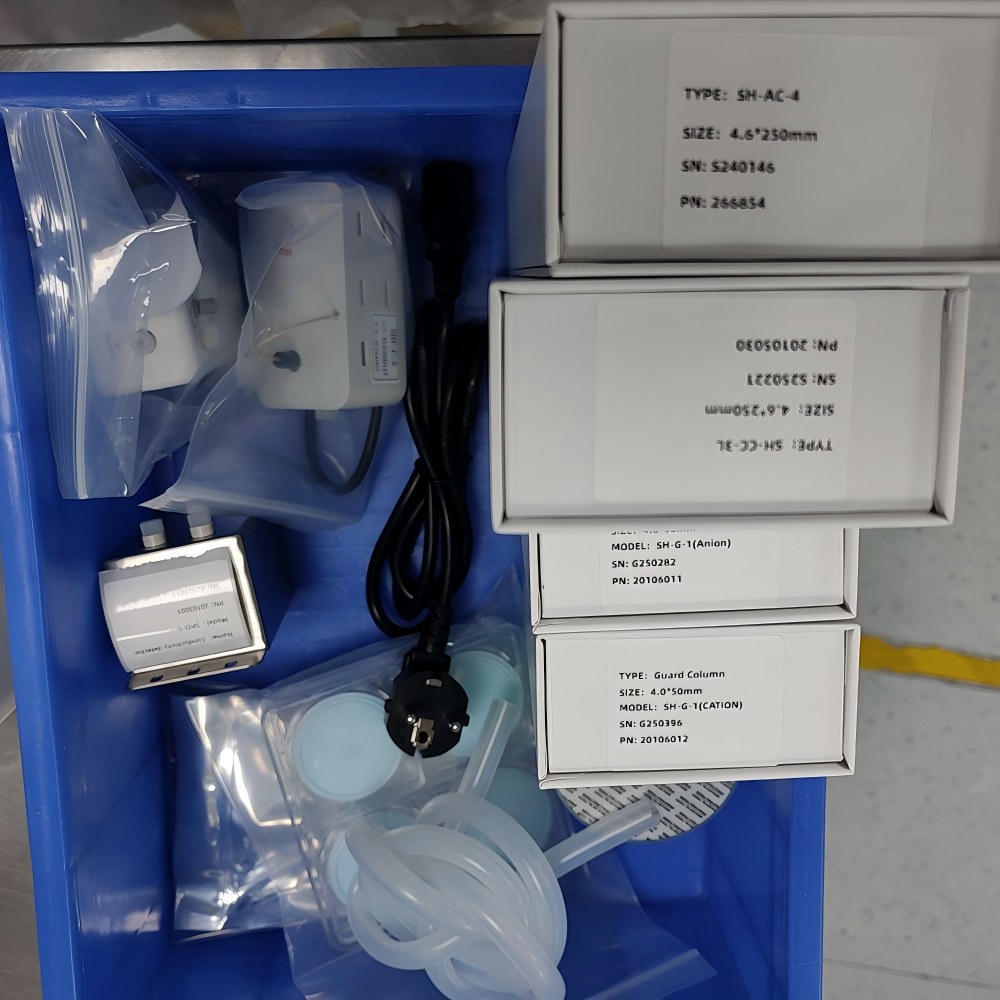
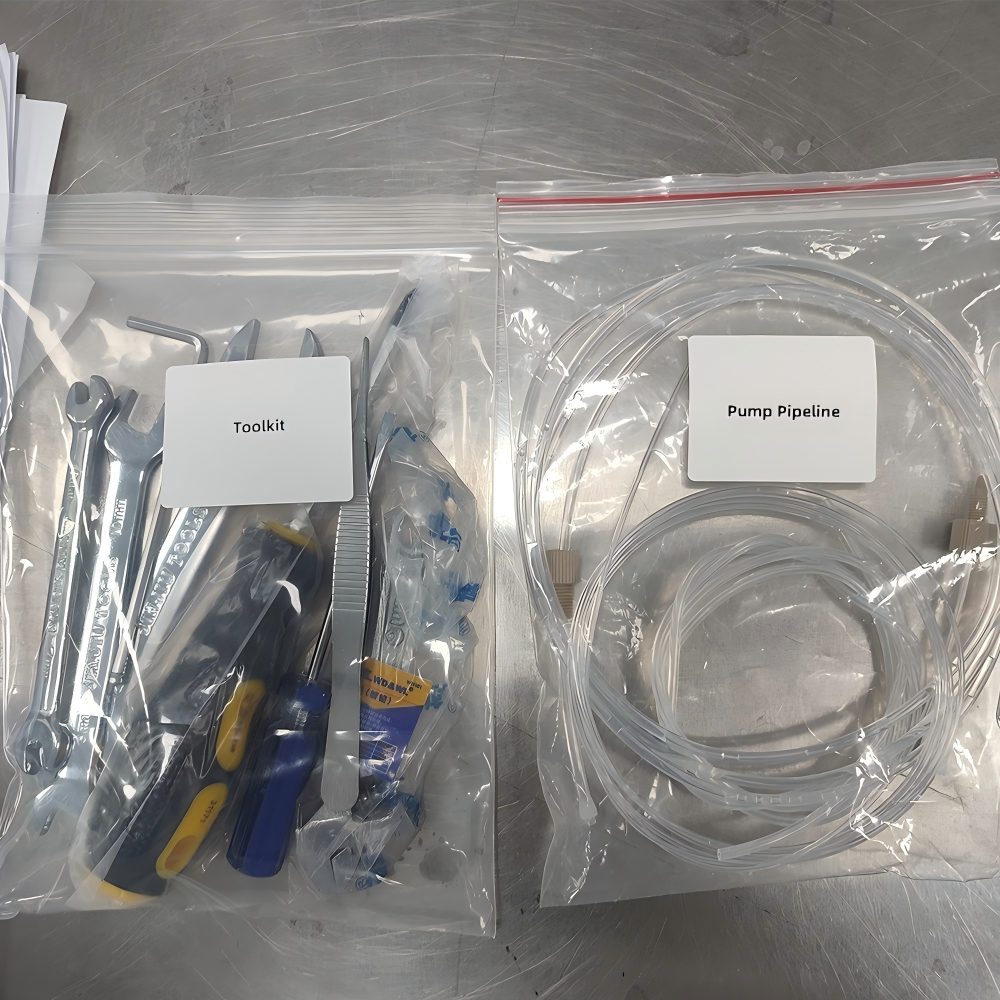
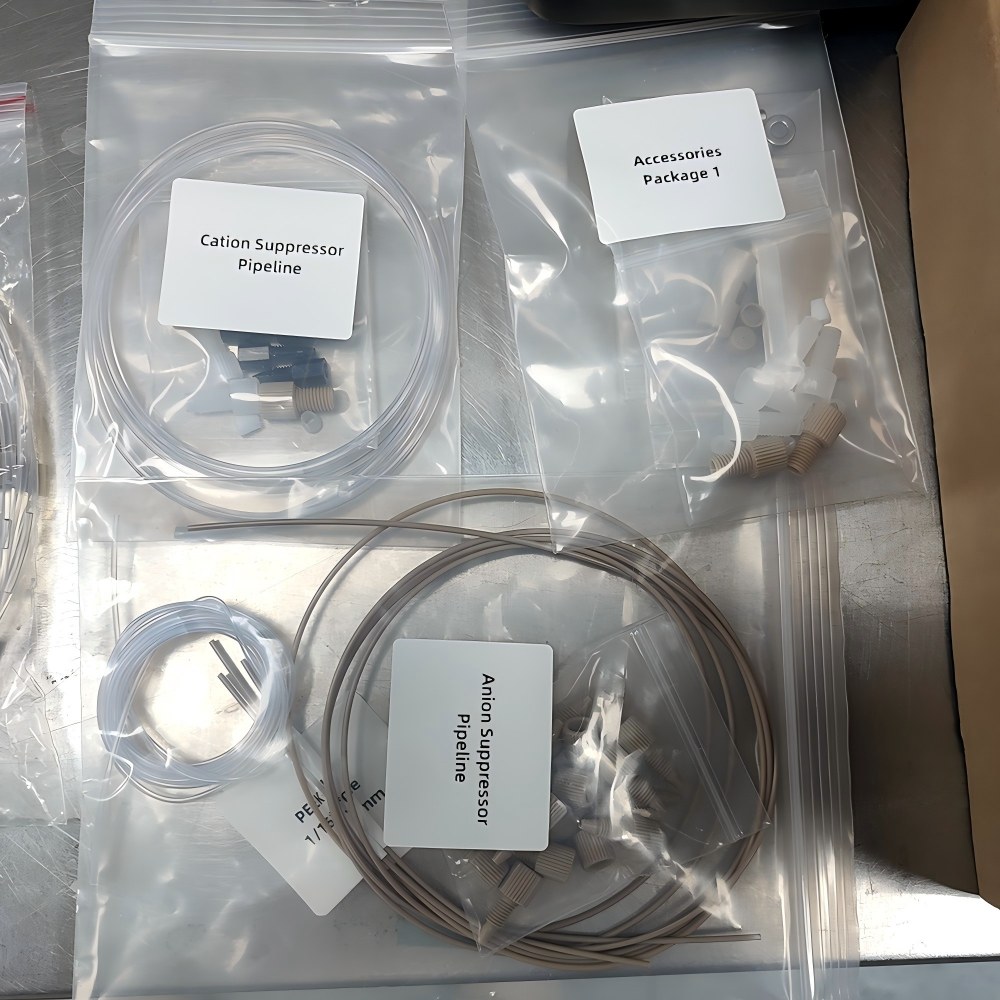
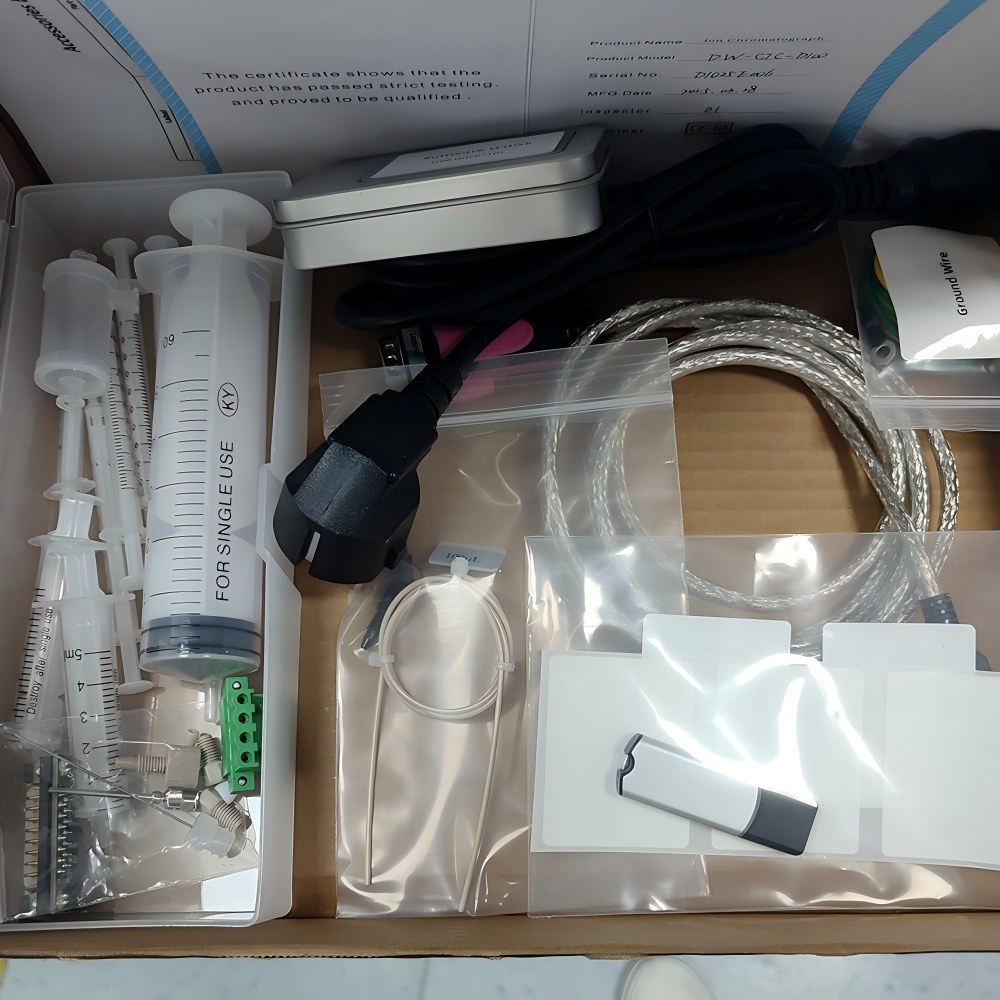
DW-CIC-D160 Ion Chromatography Display
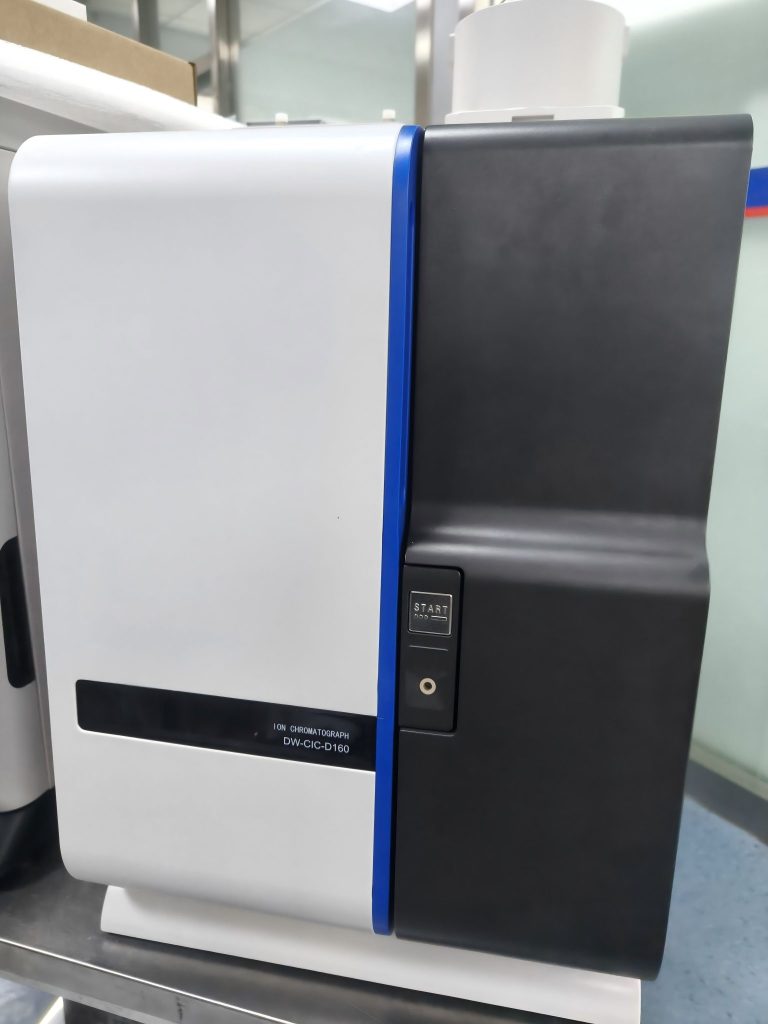
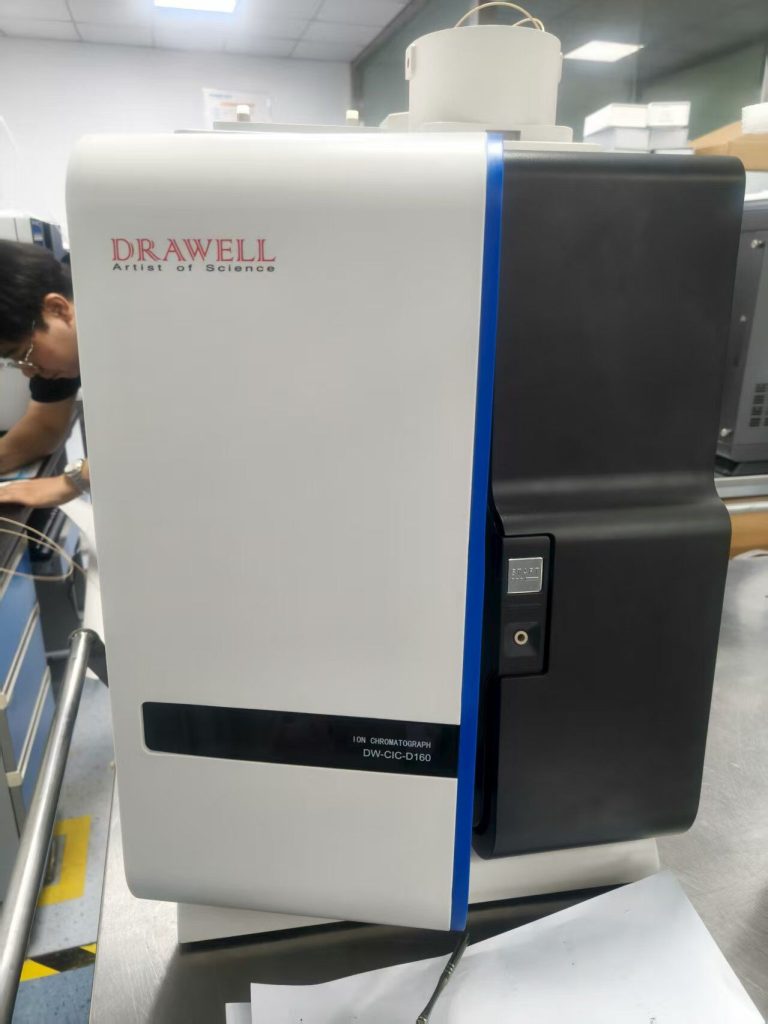
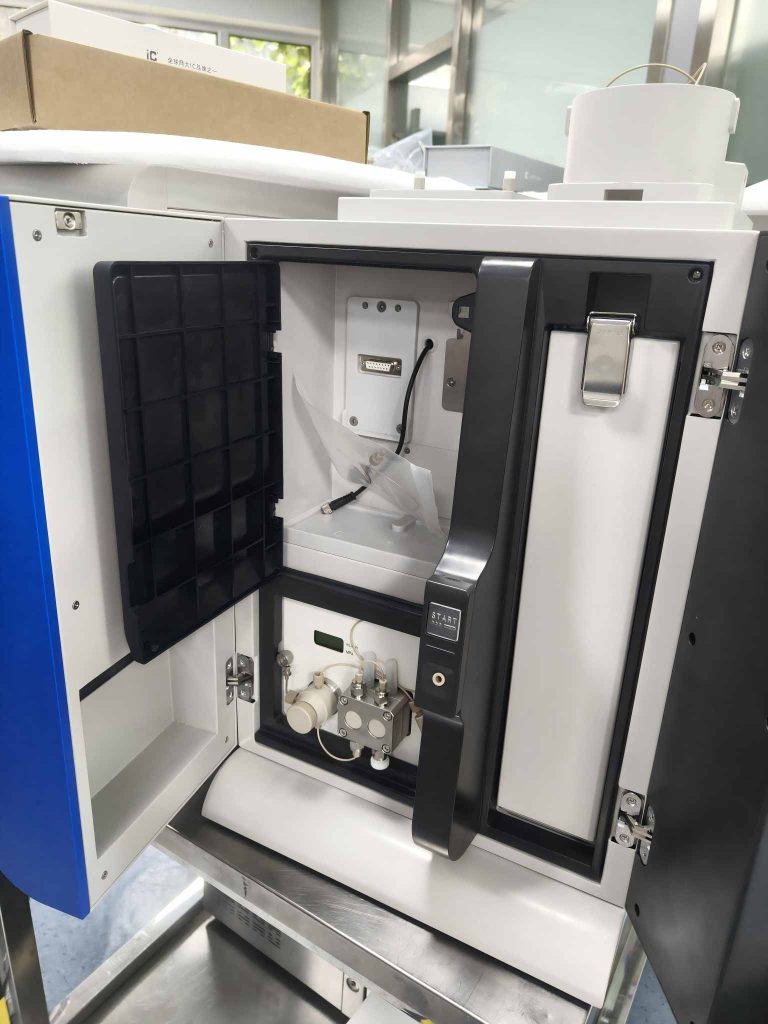
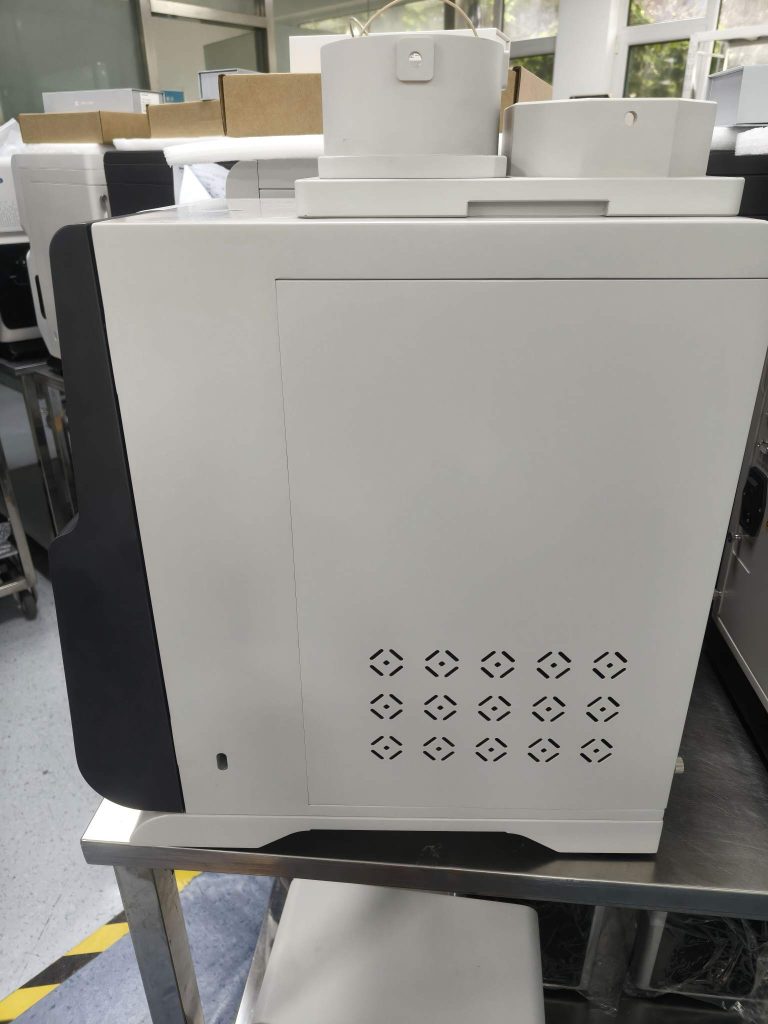
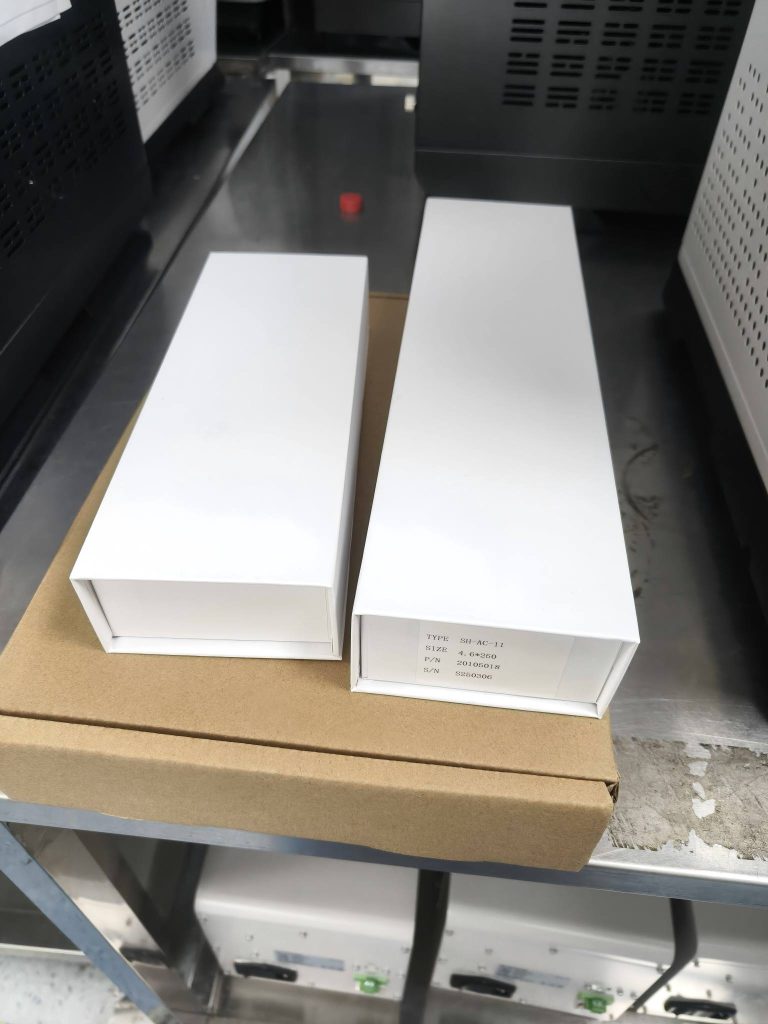
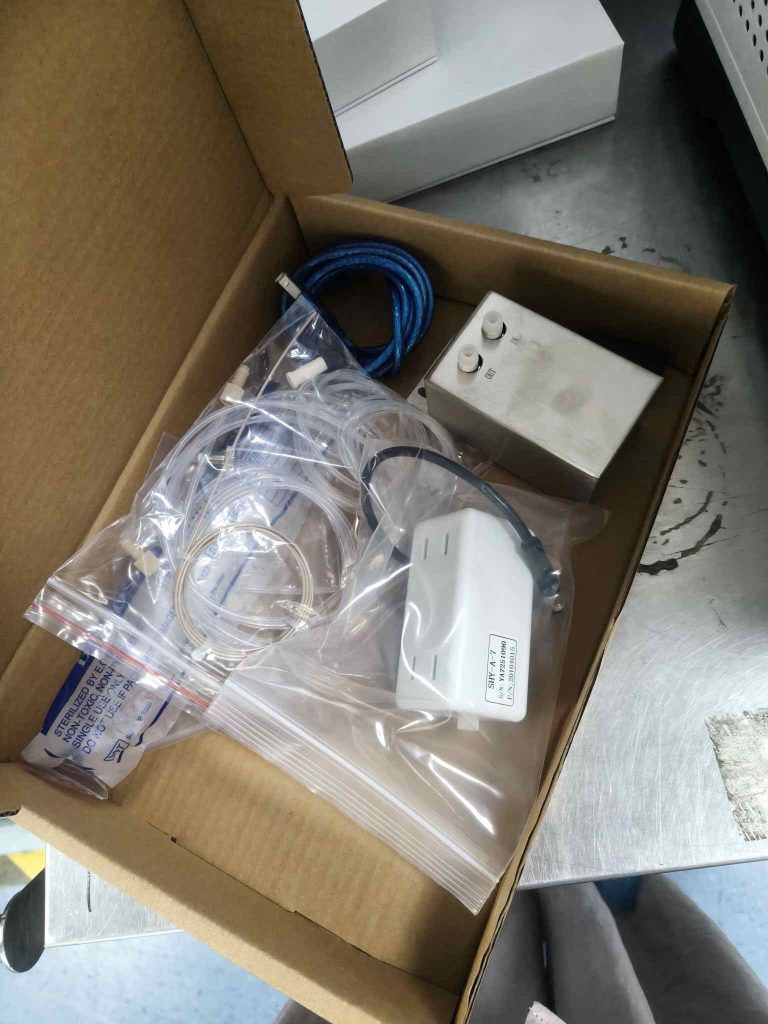
DW-CIC-D160 Accessories
 Accessories
- Accessories
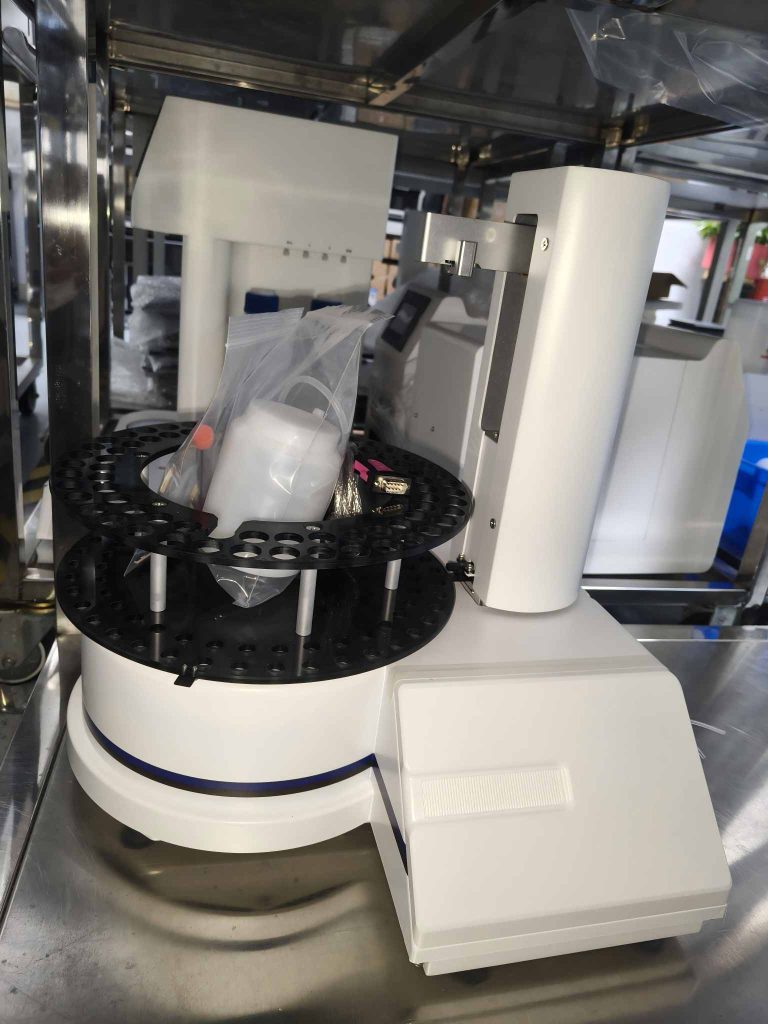
- Automatic sampler
Why Choose Us?
“Multiple suppliers” have always been an issue in the procurement process. Drawell as a one-stop laboratory equipment and scientific instruments supplier, can perfectly solve this problem. In addition to manufacturing our own equipment, we also represent other laboratory equipment. Our product lines are rich and diverse at competitive prices. Provide one-stop service to customers.
User Training – Training by Drawell skilled engineers about installation, debug tests, technical services, etc. It can happen in our factory in China, or at the site in the customers’ country. Cost depends on where and when the training happens.
To discuss the problem and get it resolved, online chats, real-time video calls, and remote guidance. For the after-sales stage, our online technical guidance is free and ready forever.
1 year free official warranty, including repairing quality-damaged parts, and offering replacements of selected parts (shipping cost is extra). 5% of the product price is charged for extending the warranty before the end of the official warranty.