

Blood Bank Centrifuge

Blood Bank Centrifuge
What is Blood Bank/Bio-Pharmacy Centrifuge?
A blood bank/bio-pharmacy centrifuge is a specialized piece of equipment used in medical laboratories and blood banks to separate blood components like red blood cells, platelets, and plasma. It works by spinning blood samples at high speeds, utilizing centrifugal force to separate the different components based on their density. This separation is crucial for various blood bank procedures, including blood typing, compatibility testing, and the preparation of blood products for transfusion.
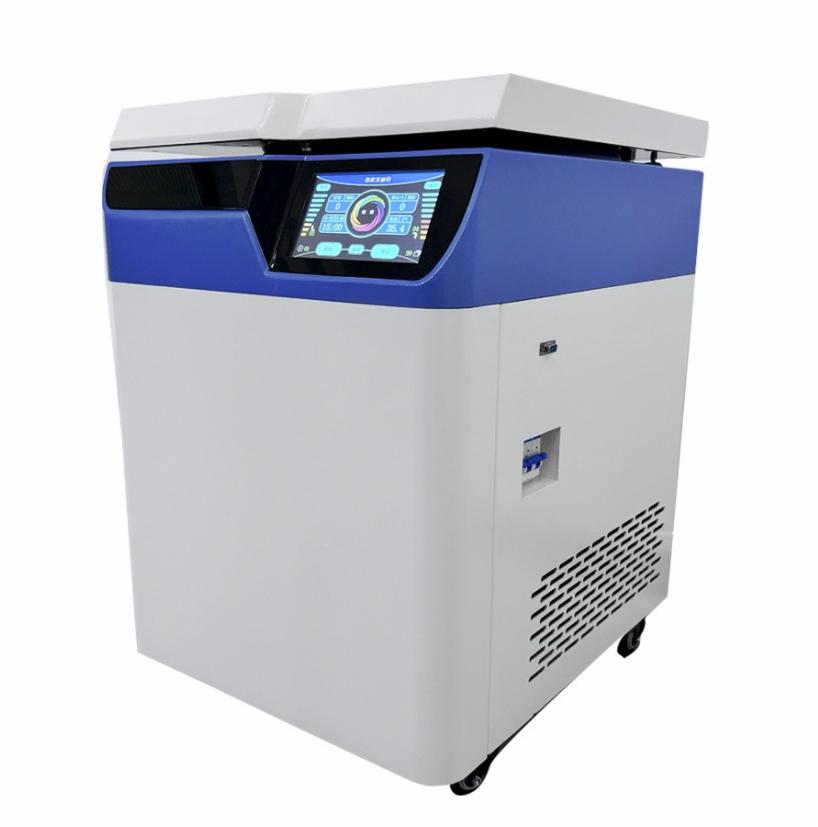
Features of Blood Bank Centrifuge
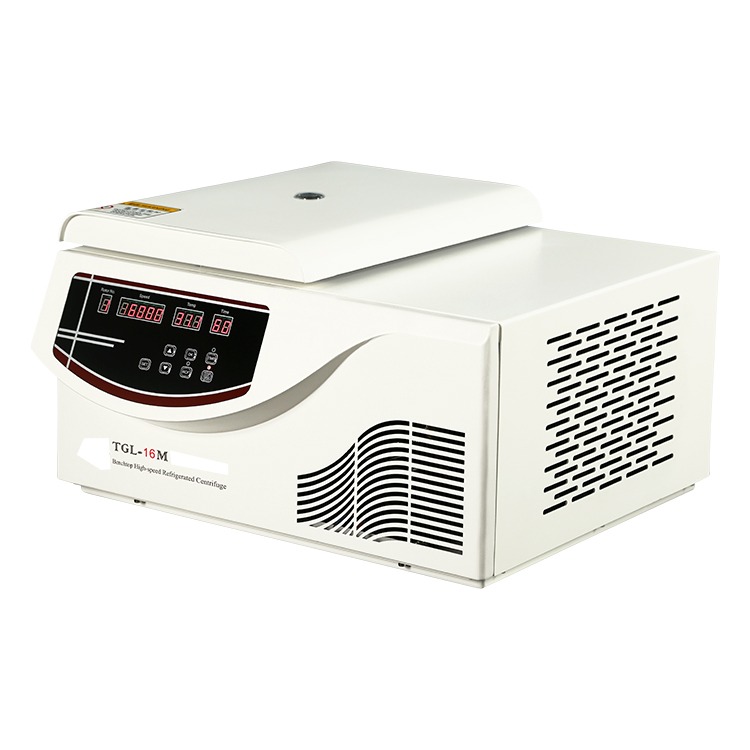
Blood bank centrifuges are typically large, refrigerated, and stationary machines designed to handle significant volumes of blood samples. They are often equipped with features like:
- High Speed and G-Force Control: Allowing for precise control over the separation process.
- Removable Rotors: Facilitating easy loading and unloading of blood samples.
- Safety Features: Ensuring safe and reliable operation.

Benchtop Blood Bank Centrifuge DD5-XK/DD6-XK
• Max RCF: 3500/ 5040xg
• Max Capacity: 12×15/ 6/4x50ml
• Display: LCD

Floortype Low Speed Centrifuge DD5-MC/DD6-MC iDD5-MC/iDD6-MC
• Max RCF: 5220 / 5600xg
• Max Capacity: 6x500ml
• LCD/Touch Screen

Floortype Refrigerated Centrifuge DL-5M/DL-6M iDL-5M/iDL-6M/
• Max RCF:5220 / 5600xg
• Max Capacity:6x500ml
• LCD/Touch Screen
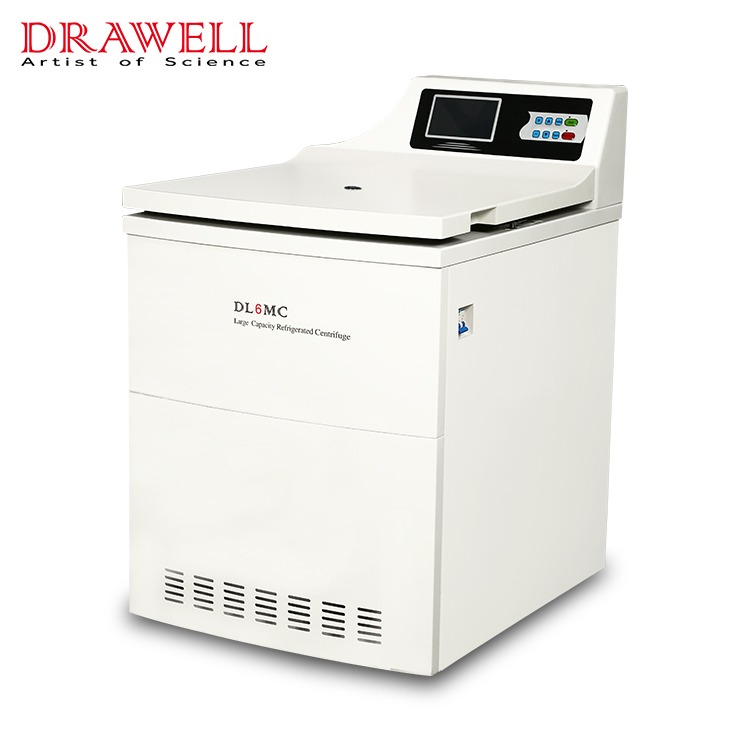
DL-6MC/iDL-6MC Large Capacity Refrigerated Centrifuge
• Max RCF: 6680xg
• Max Capacity: 6x1000ml
• LCD/Touch Screen
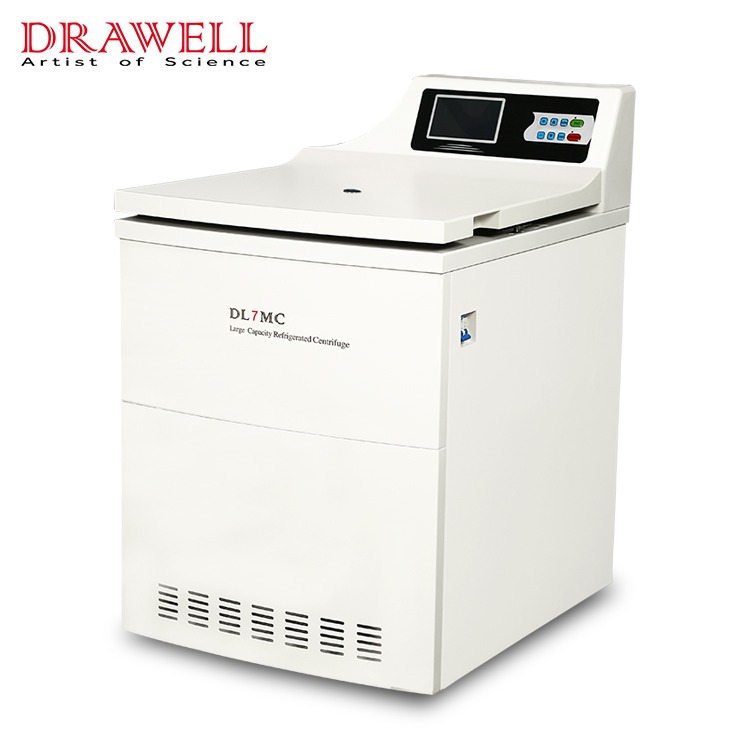
DL-7MC/iDL-7MC Large Capacity Refrigerated Centrifuge
• Max RCF: 11620xg
• Max Capacity: 6x1000ml
• LCD/Touch Screen

DL8M-12L/iDL8M-12L Large Capacity Refrigerated Centrifuge
• Max RCF: 15200xg
• Max Capacity: 6x24000ml
• LCD/Touch Screen
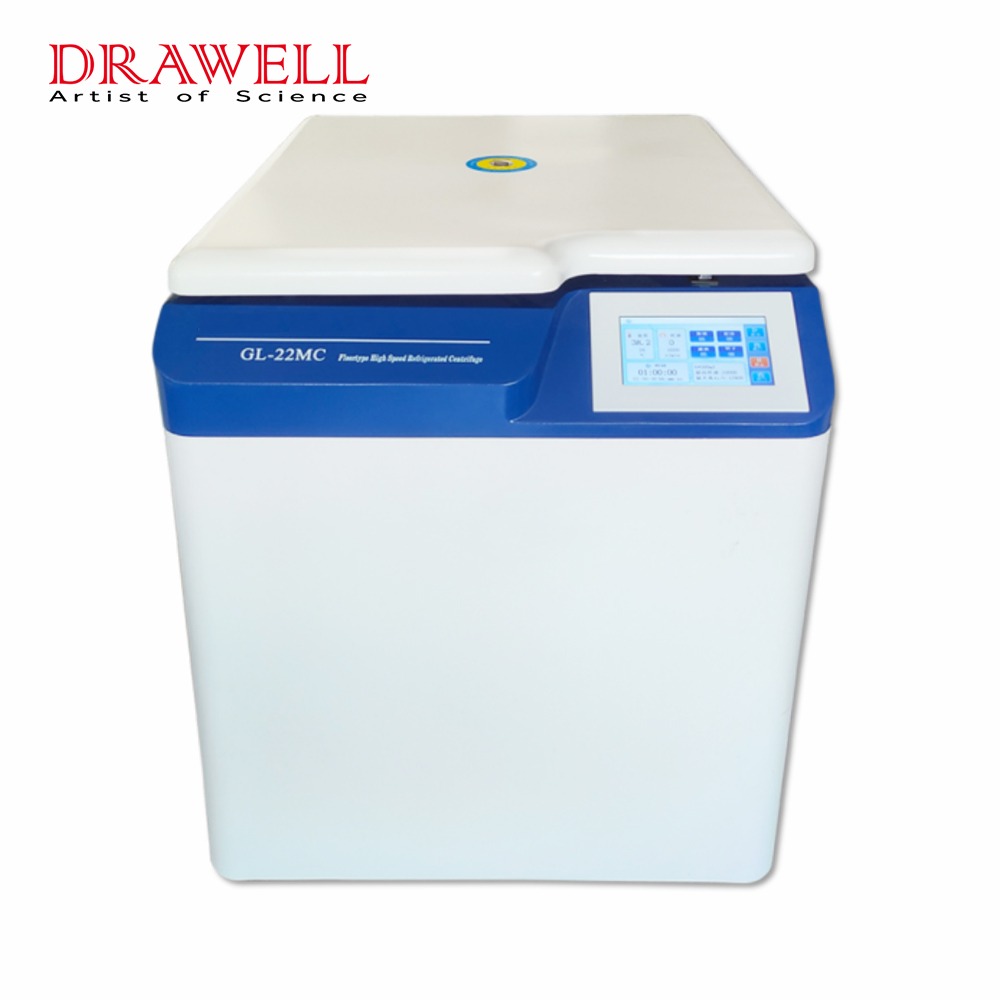
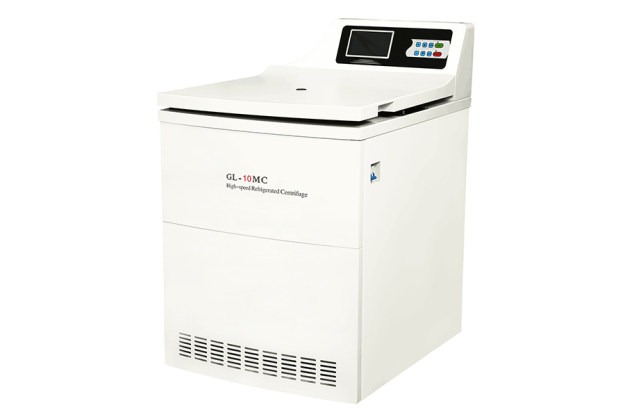
Floortype High Speed Refrigerated Centrifuge GL-10MC iGL-10MC
• Max RCF: 18300xg
• Max Capacity: 6x1000ml
• LCD/Touch Screen
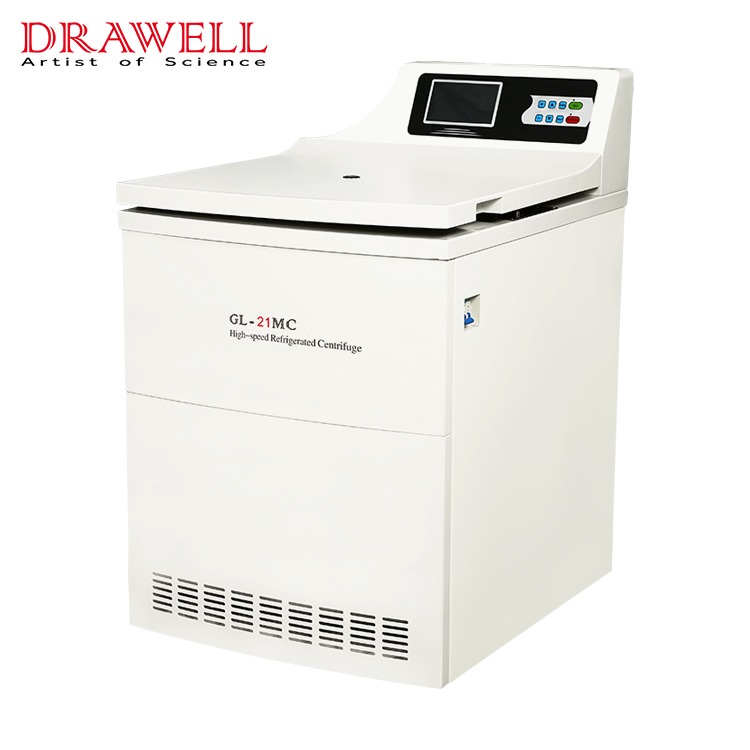
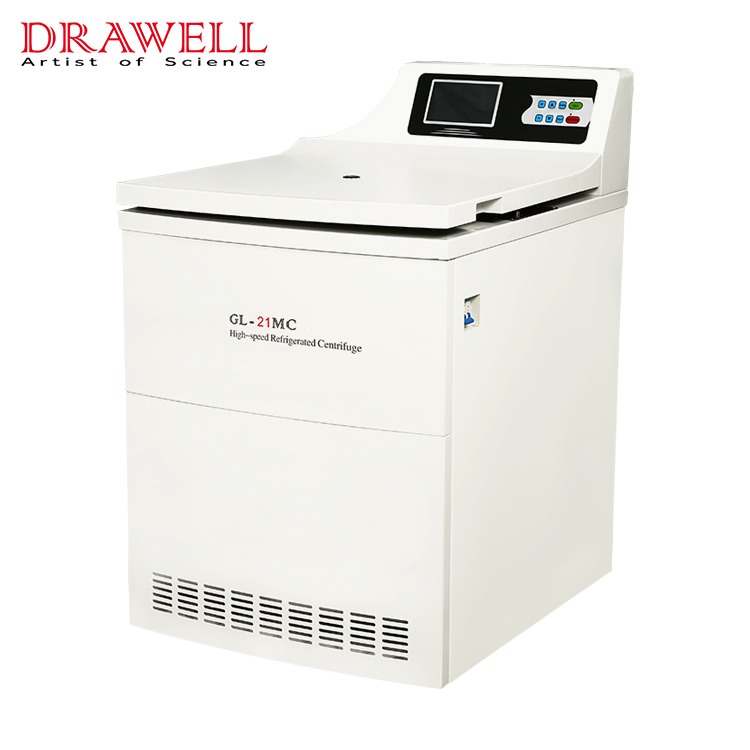
GL-21/22MC iGL-21/22MC Floortype High Speed Refrigerated Centrifuge
• Max RCF: 52300 / 53000xg
• Max Capacity: 3000ml
• LCD/Touch Screen
Floortype High Speed Refrigerated Centrifuge GL-24MC iGL-24MC
• Max RCF: 63070xg
• Max Capacity: 6x500ml
• LCD/Touch Screen
Blood Bank/Bio-Pharmacy Centrifuge Separation Steps:
Blood bank centrifuges are primarily used for blood separation during sample pre-processing

- Blood collection
- Sample mixing
- Setting for coagulation
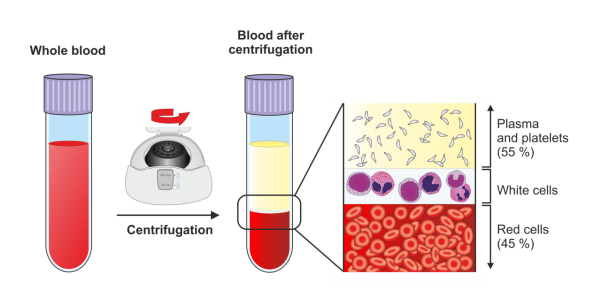
- Centrifugation: The balanced tube containing blood is placed in a centrifuge and centrifuged at a constant centrifugal force.
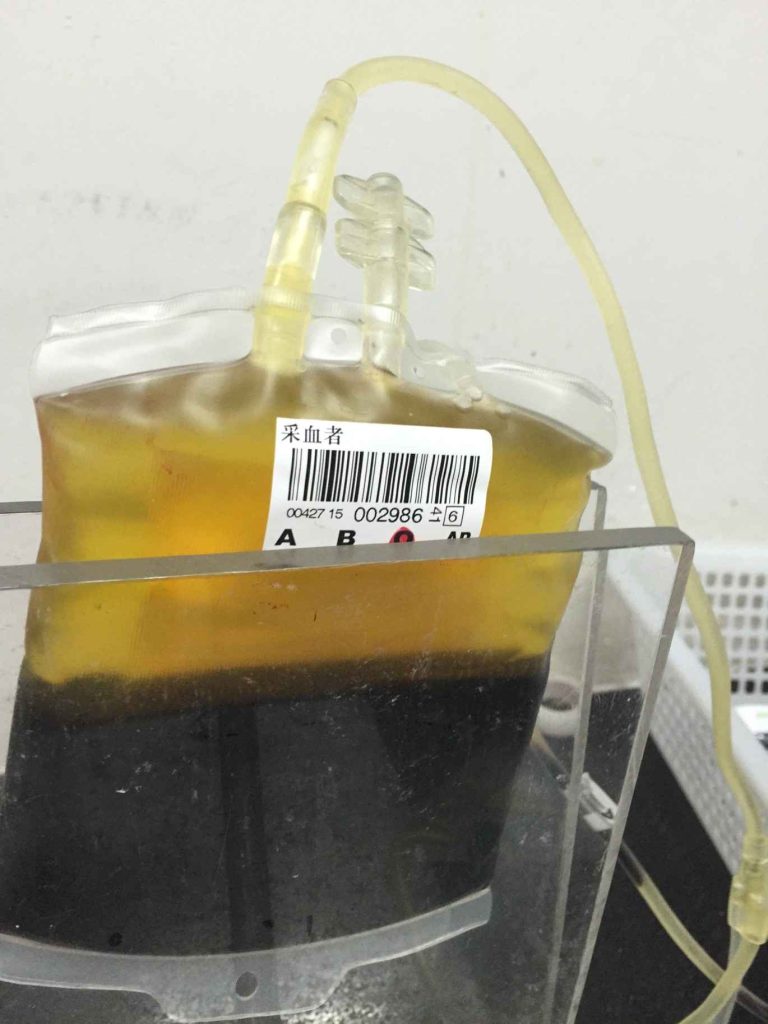
- Observation of stratification: After centrifugation, the blood sample will form distinct layers within the tube. The top 55% layer is plasma, the middle layer (less than 1%) contains white blood cells and platelets, and the bottom 45% is red blood cells.
- Collecting the desired component: Carefully collect the corresponding layer based on the desired blood component.
- Post-processing: The collected target component may require further processing, such as storage at a specific temperature or immediate analysis.
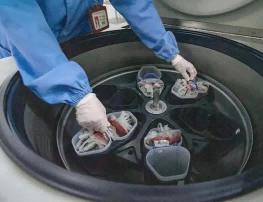
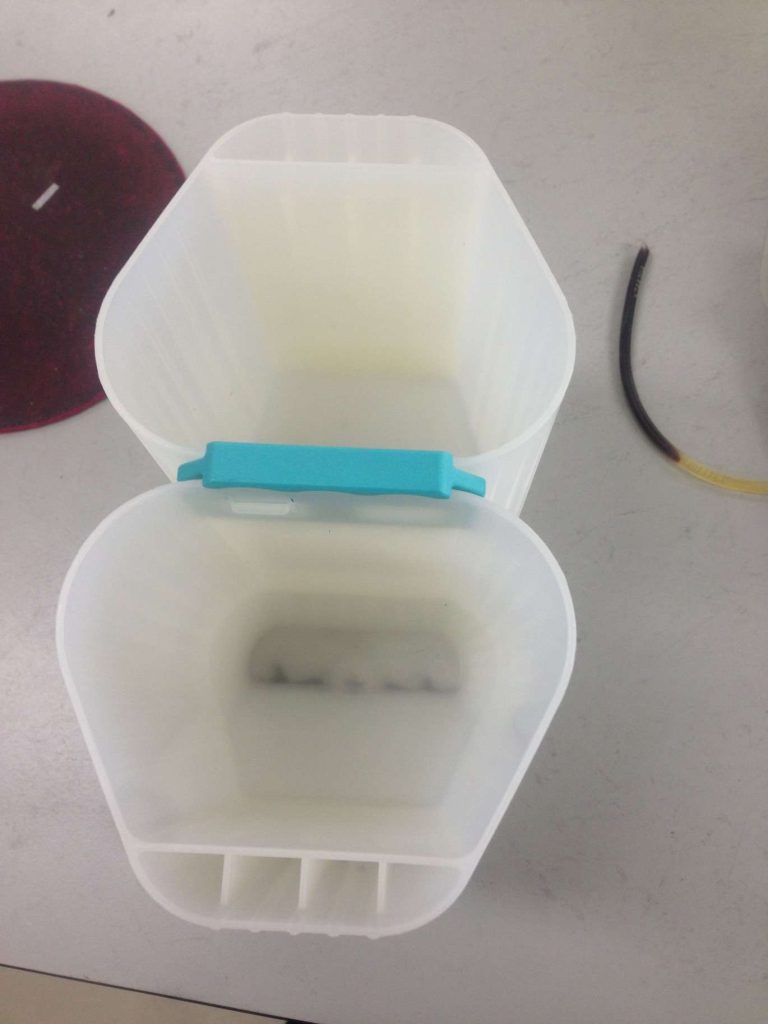
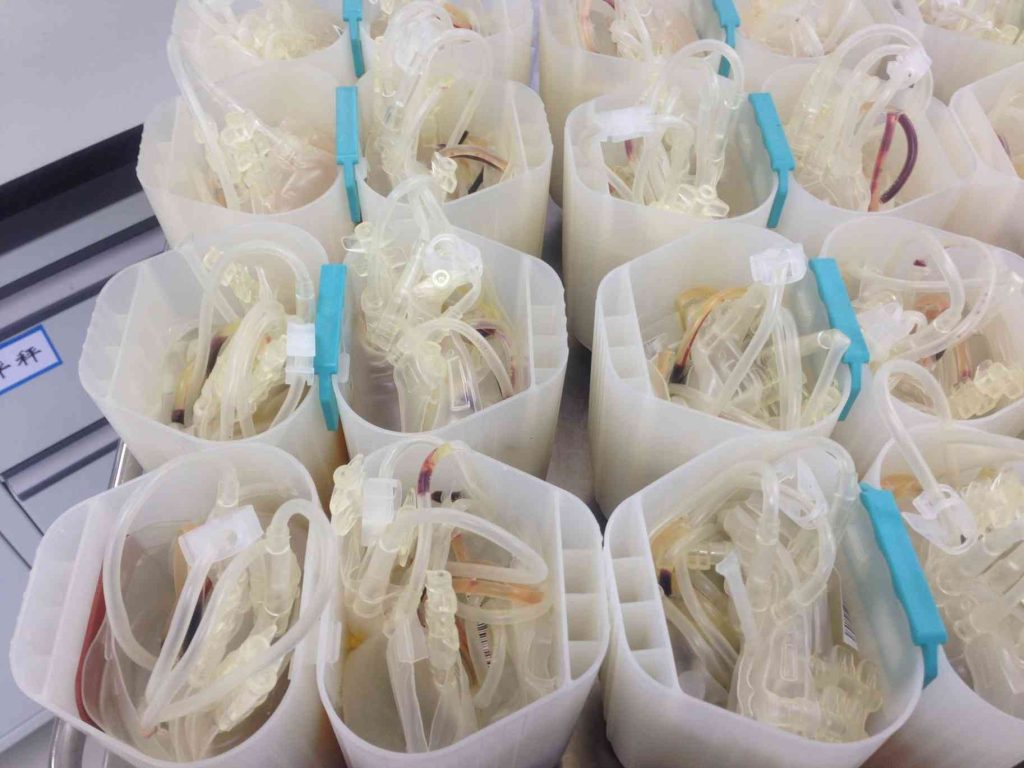
Blood Blank Centrifuge Application Case
How to Choose Blood Bank Centrifuge?
- Capacity (Volume and Blood Bags)
A variety of models are available to suit the number and size of blood bags your laboratory and research processes.
- Speed and Relative Centrifugal Force (RCF)
Adjustable speed (up to 5,000-24,000 RPM) and precise control of relative centrifugal force (RCF) facilitate blood component separation.
- Refrigeration and Pre-cooling
Select models feature pre-cooling, and temperature control is crucial for maintaining blood integrity.
- Wide Range of Rotor Options
Swing-bucket rotors ensure uniform separation of blood bags and ensure rotors are autoclavable or easily sterilizable.
- Safety Features
Equipped with automatic lid locking, imbalance detection, emergency stop, and overspeed protection.
- Touchscreen or LCD User Interface
Easy programming and memory settings for repetitive operations increase efficiency.
- Low Noise Level
Low noise levels ensure comfort and regulatory compliance.
- Compliance and Certifications
Meets CE and ISO 9001 certifications for use in medical or clinical environments.
Applications of Blood Bank Centrifuges

Blood bank centrifuges are essential for various applications, including:
- Blood Component Separation
Whole blood separation: Collected whole blood is separated into components such as red blood cells, plasma, and platelets through centrifugation for the preparation of various blood products.
Platelet Concentration: Platelet products are prepared through specialized centrifugation procedures to meet the needs of patients with leukemia, severe bleeding, and other conditions.
- Plasma Protein Extraction
Albumin and Immunoglobulin Preparation: Proteins in plasma are further purified after centrifugation for use in clinical treatments or biopharmaceuticals.
- Blood Typing and Crossmatching
Serum/Plasma Separation: Blood samples are centrifuged to obtain serum or plasma for blood typing, antibody screening, and transfusion compatibility testing.
- Specialized Blood Processing
Leukocyte Removal: Leukocytes are reduced through centrifugation or filtration to reduce the risk of transfusion reactions.
Post-Thaw Processing of Frozen Red Blood Cells/Plasma: Centrifugation to remove cryoprotectants or aliquot frozen plasma.
- Research and Quality Control
Blood Research: Used for laboratory research such as cell separation and viral inactivation verification.
Quality Control Testing: For example, checking the stratification effect after centrifugation to ensure that blood products meet national standards.
How Do I Know When to Replace the Rotor or Buckets?
- If you notice signs of wear, corrosion, or cracking on the rotor or buckets, replace them immediately.
- If the rotor or buckets have reached their manufacturer’s maximum service life (usually in hours or cycles), replace them.
How to Maintain Blood Bank Centrifuges?
1. Daily Cleaning
Wipe down the rotor chamber, rotor, and buckets with a mild detergent or 70% alcohol after use.
Remove any spilled samples immediately to avoid corrosion or contamination.
2. Regular Rotor Inspection
Check for signs of corrosion, cracks, or imbalance weekly.
Ensure rotors are properly balanced before every run to prevent mechanical damage.
3. Lubrication
Lubricate rotor O-rings and bucket seals periodically using manufacturer-recommended grease.
4. Calibration and Performance Check
Schedule professional calibration at least once a year.
Verify RCF (relative centrifugal force) and speed settings regularly.
5. Temperature Monitoring
For refrigerated models, monitor and verify that the set temperature is accurately maintained.
Clean or replace the air filters to avoid cooling inefficiency.
6. Software/Firmware Updates
Keep the centrifuge’s software updated to the latest version for improved features and safety.
7. Follow Manufacturer’s Maintenance Schedule
Always refer to the user manual for brand-specific maintenance intervals and part replacements.