

Potential Titrator
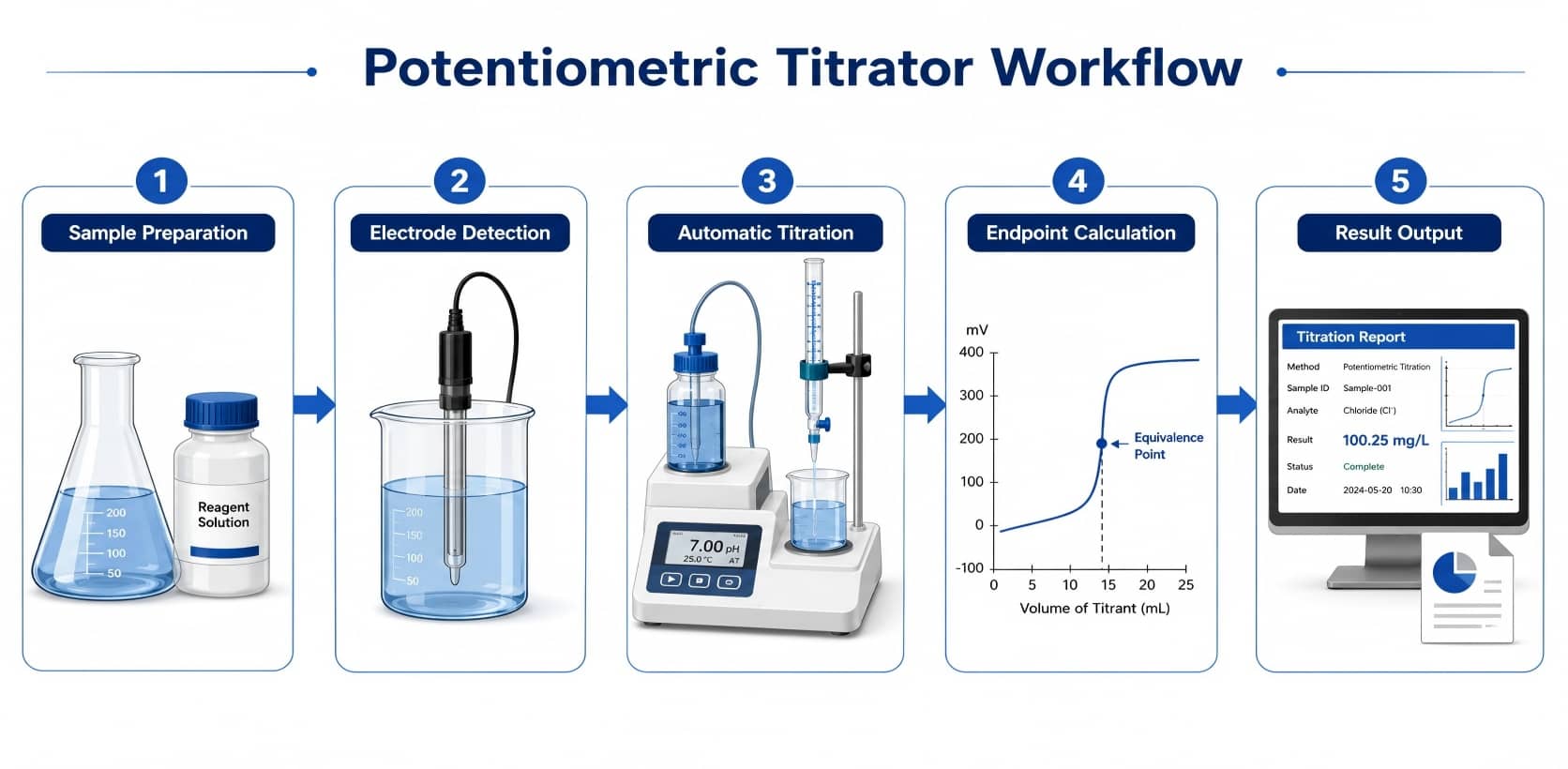
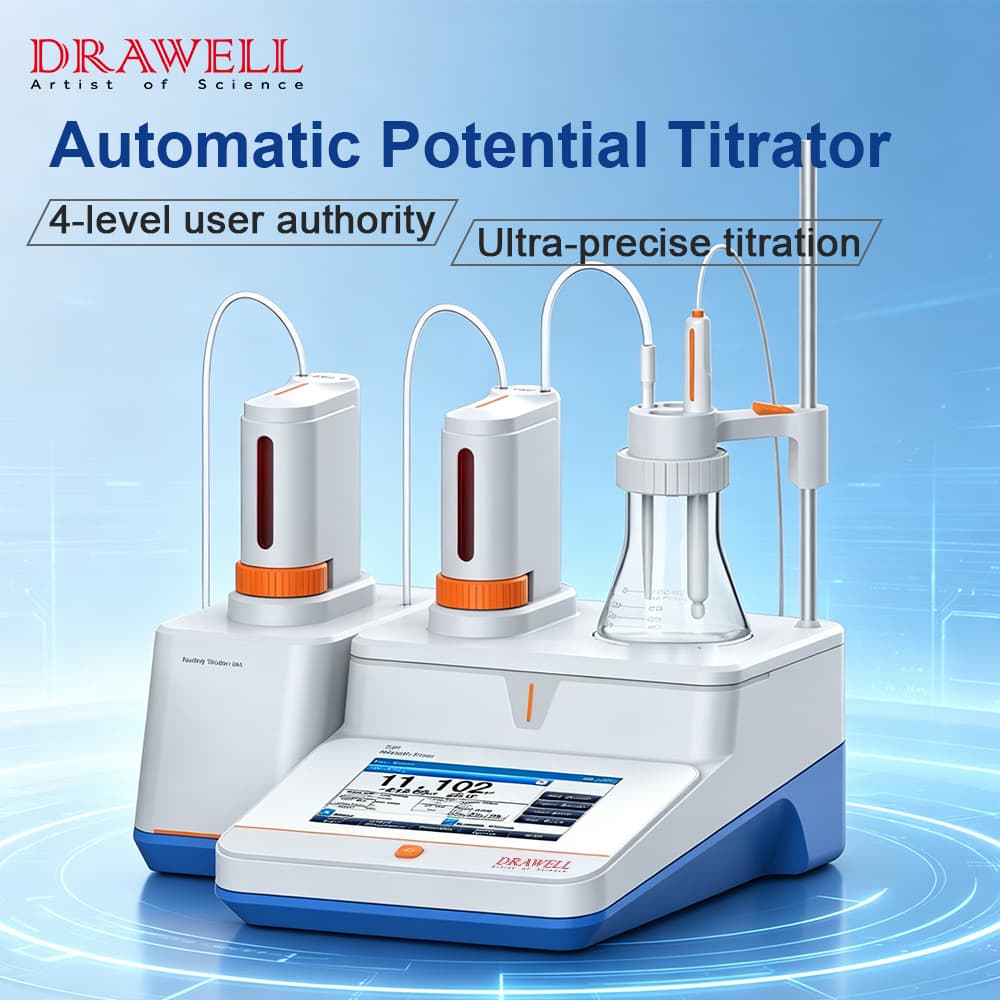
Drawell Potential Titrators are designed for accurate endpoint detection, acid-base titration, redox titration, precipitation titration, complexometric titration, non-aqueous titration, pH measurement, ion analysis, and routine laboratory quality control.
From basic manual titration to fully automatic potentiometric titration with touchscreen operation, data storage, method management, and GLP/GMP support, Drawell provides a complete titration solution for research laboratories, chemical analysis, pharmaceutical testing, environmental monitoring, food testing, and industrial QC.
Advantages of Drawell Potential Titrators
- Multiple titration modes: DET, MET, SET, MAT, and more
- pH calibration and measurement supported
- High-accuracy replaceable burette, 10 mL / 20 mL selectable
- Real-time titration curve and result display
- GLP-compliant data storage on advanced models
- USB / RS-232 data transfer depending on model
- Automatic sampler support on Ti-50 and Ti-51 series
- Suitable for acid-base, redox, precipitation, complexometric, and non-aqueous titration
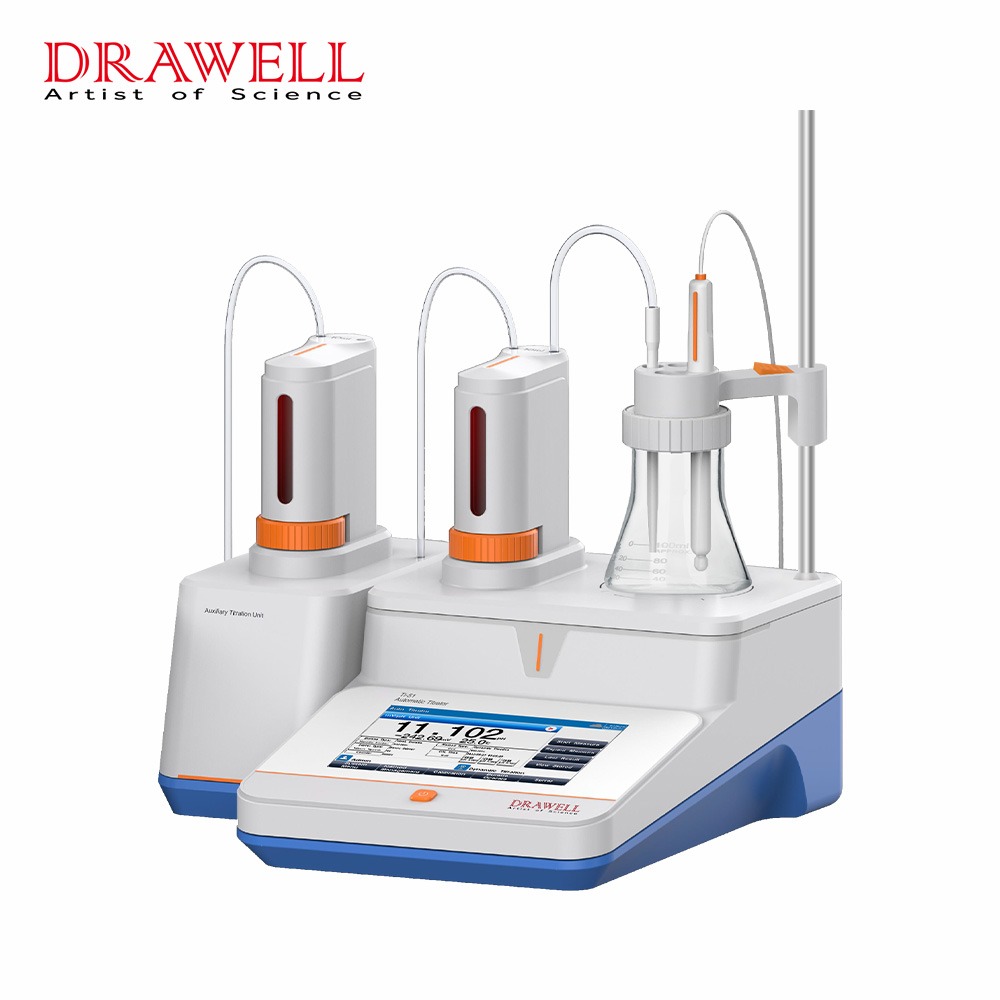
Automatic Potential Titrator Ti-51
• -2000.00~2000.00)mV
• (-5.000~20.000)pH
• pX: (-2.000~20.000)pX
• Ion:(1.000e-9~9.999e+9) μg/L
• (-10.0~135.0)℃
• Repeatability ≤ 0.2%
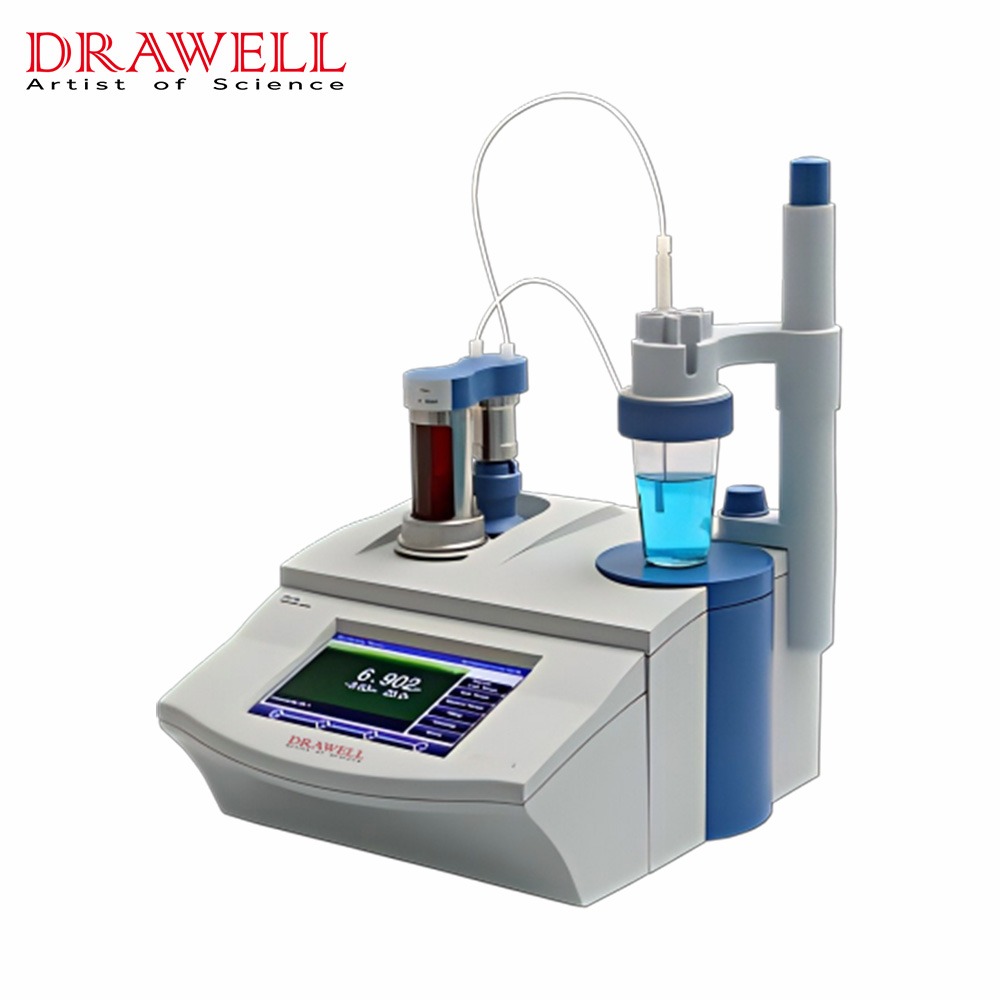
Potentiometric/Dead-Stop Titrator Ti-50-Y
• (-1999.0~1999.0) mv
• (0.00~14.00)pH
• (-5.0~105.0) ℃
• Repeatability: 0.2%
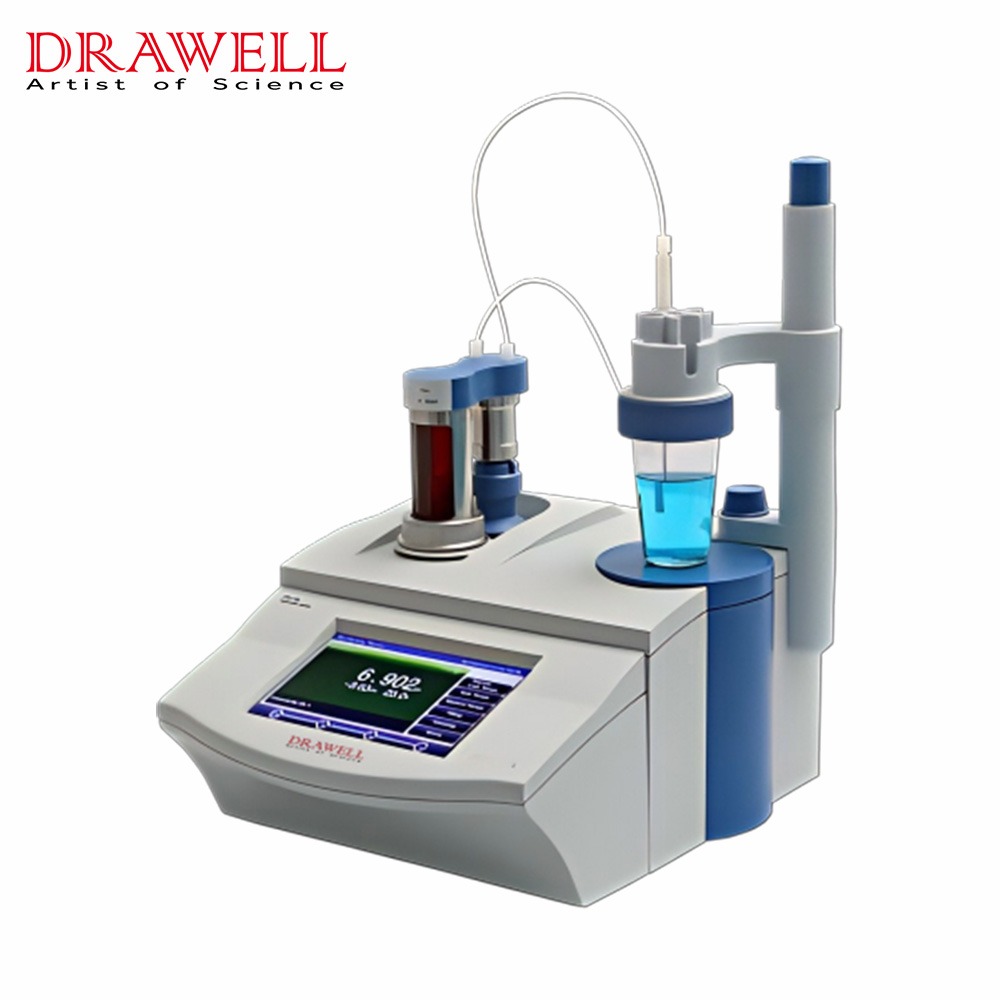
Potentiometric/Photometric Titrator Ti-50-G
• (-1999.0~1999.0) mv
• (0.00~14.00)pH
• (-5.0~105.0) ℃
• Repeatability: 0.2%
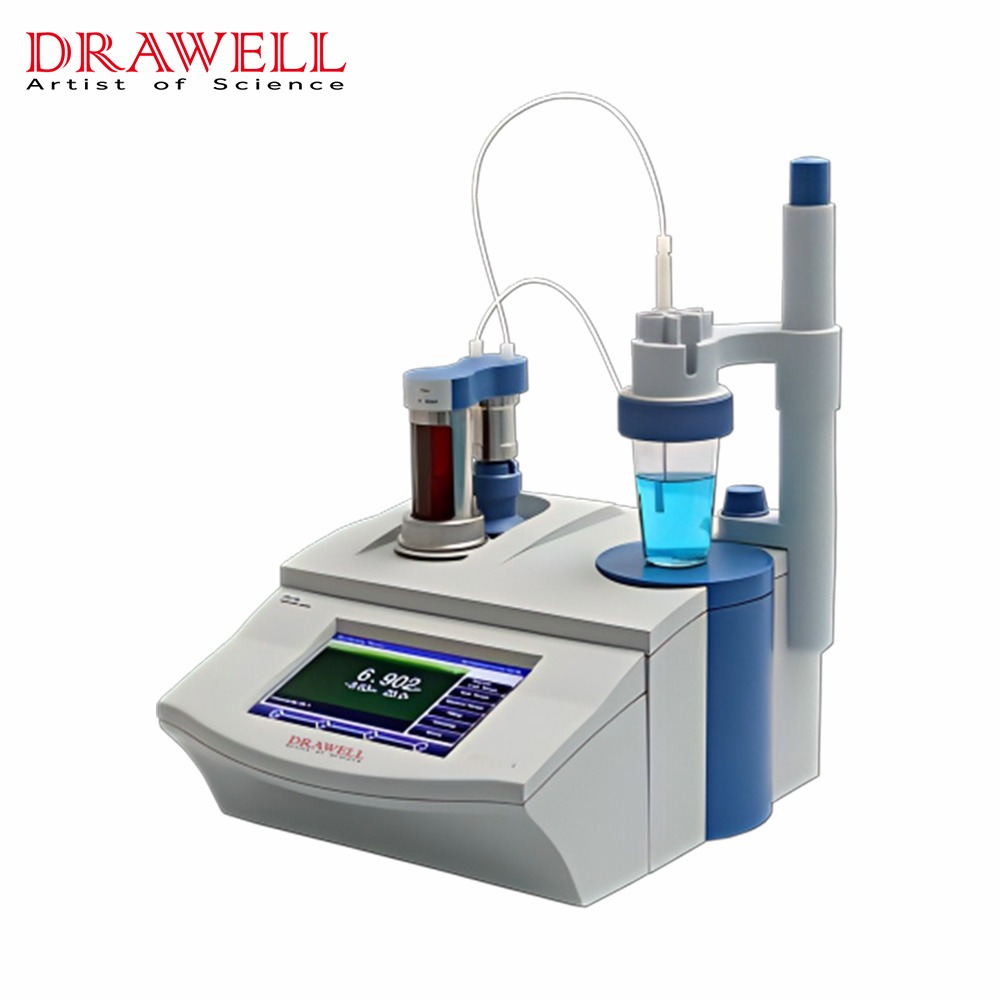
Potentiometric/Conductivity Titrator Ti-50-D
• (-1999.0~1999.0) mv
• (0.00~14.00)pH
• (-5.0~105.0) ℃
• Repeatability: 0.2%
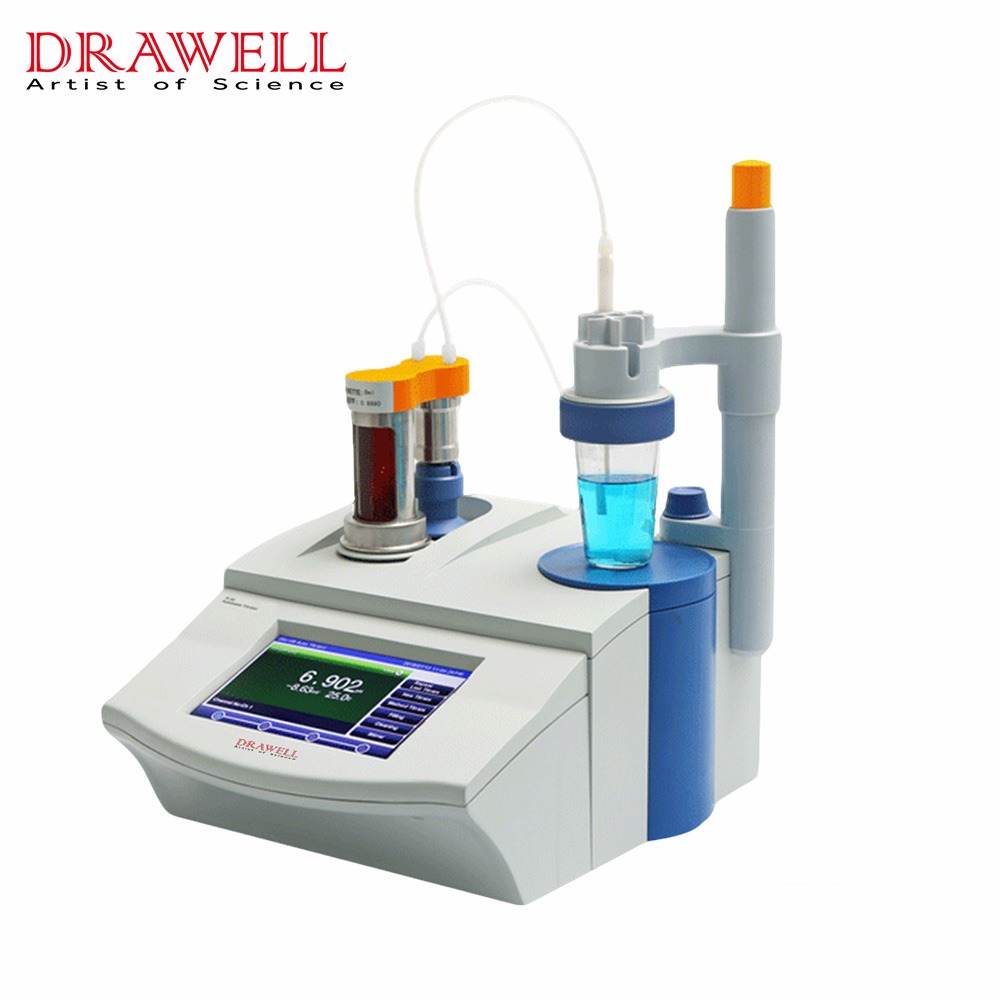
Automatic Potential Titrator Ti-50
• (-2000.00~2000.00) mV
• (0.000~20.000)pH
• (-5.0~105.0) ℃
• Repeatability ≤ 0.2%
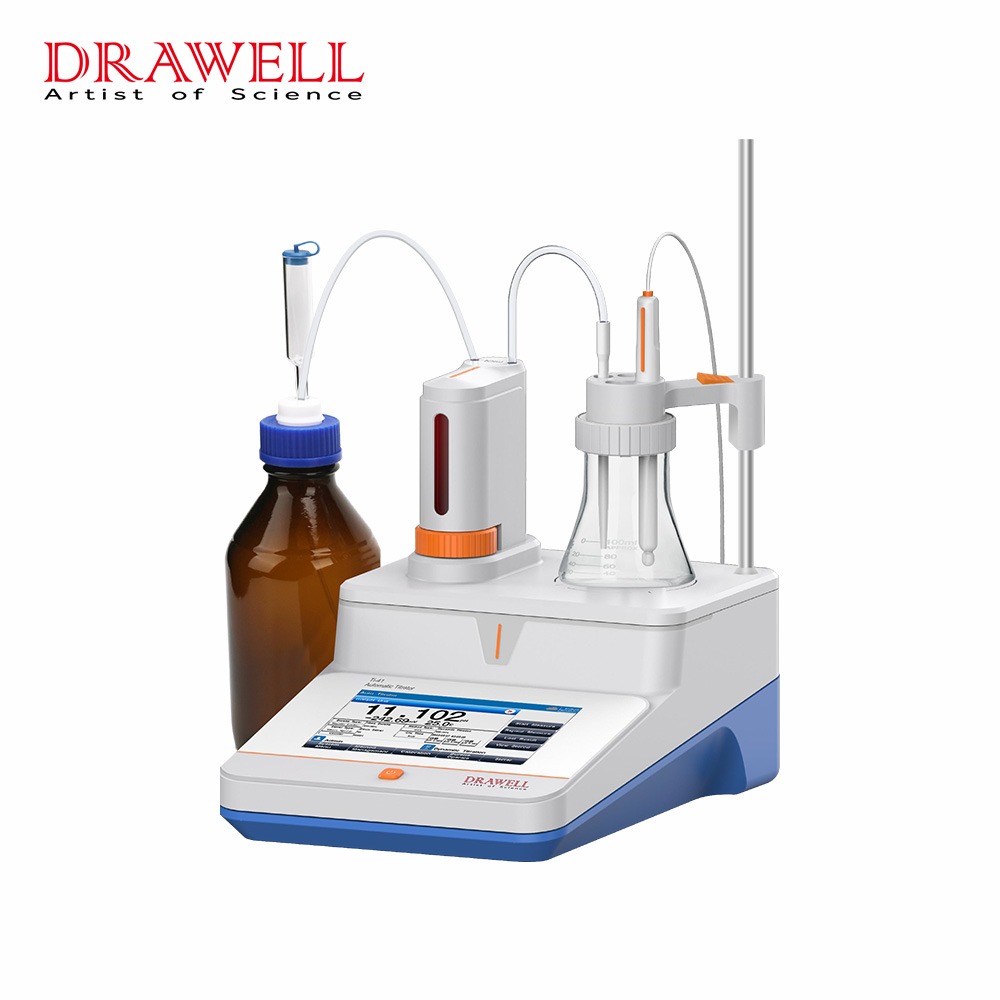
Automatic Potential Titrator Ti-41
• (-2000.00~2000.00)mV
• (-2.000~20.000)pH
• (-5.0~110.0) ℃
• Repeatability ≤ 0.2%
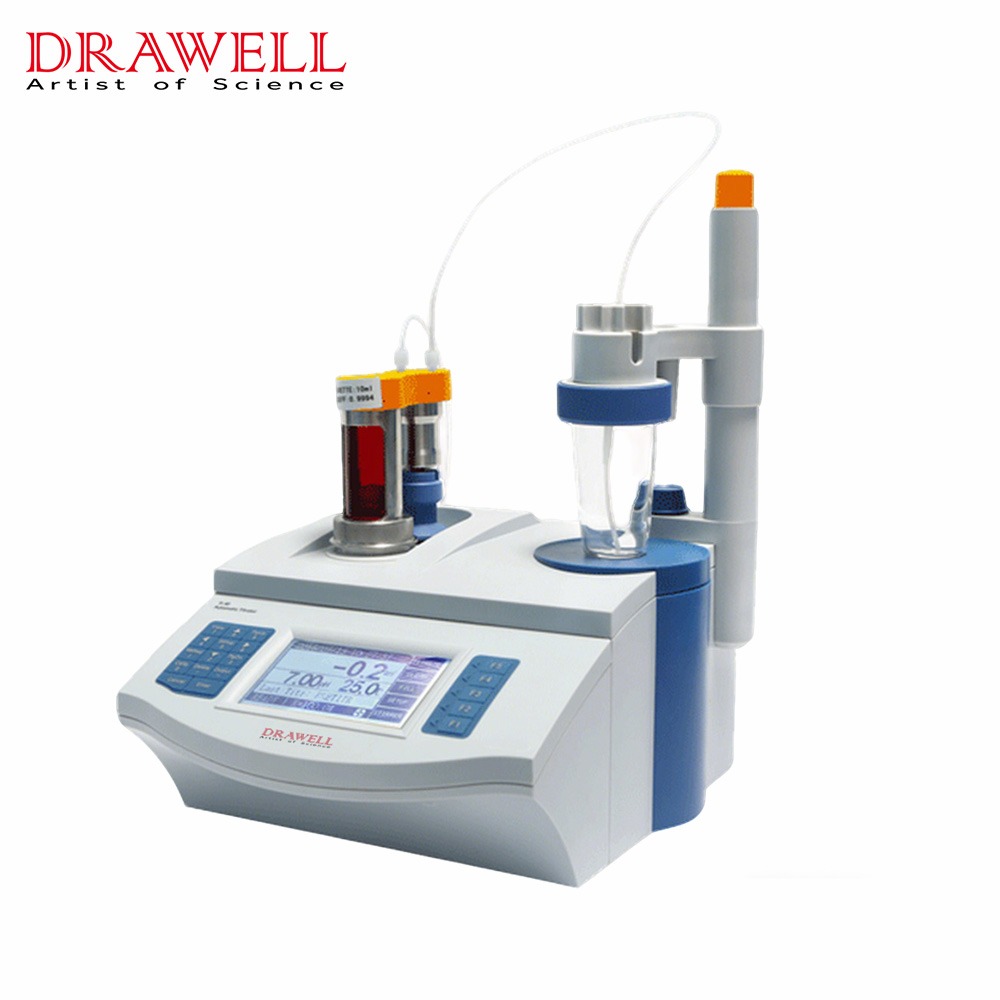
Automatic Potential Titrator Ti-40
• (-1800.0~1800.0)mV
• (0.00~14.00)pH
• (-5.0~105.0) ℃
• Repeatability 0.2%
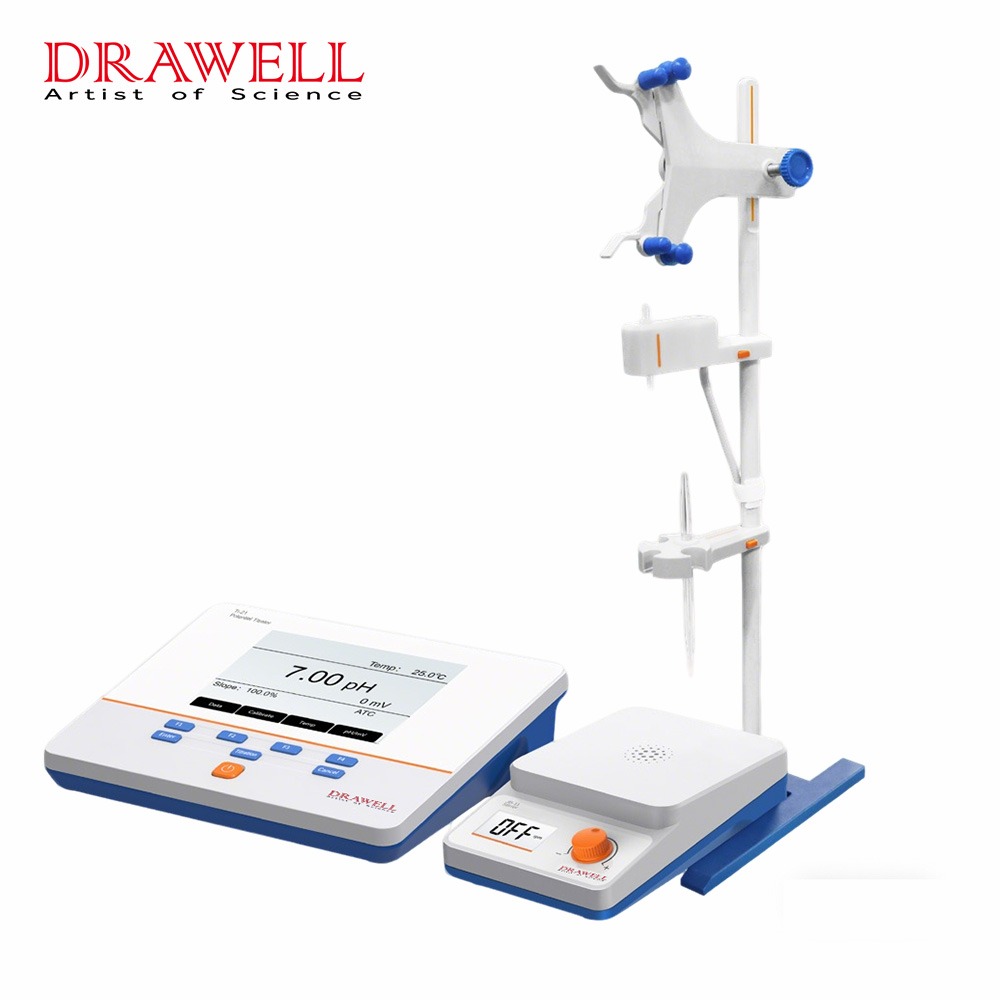
Potential Titrator Ti-21
• (-1400~1400)mV
• (0.00~14.00)pH
• (0.0~100.0)℃
• Repeatability ≤0.3%
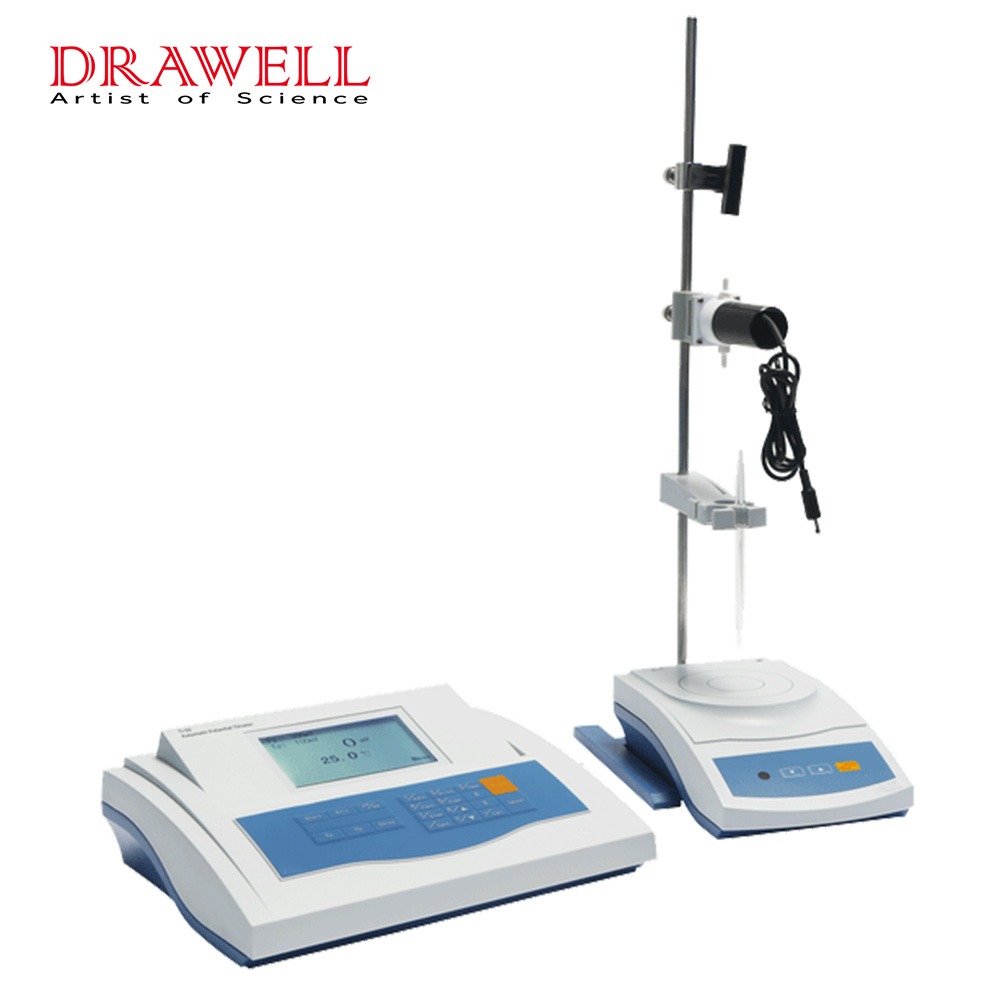
Potential Titrator Ti-20
• Mv Range: (0~±1400) mV
• pH Range: (0~14.00)pH
How to Choose the Right Potential Titrator?
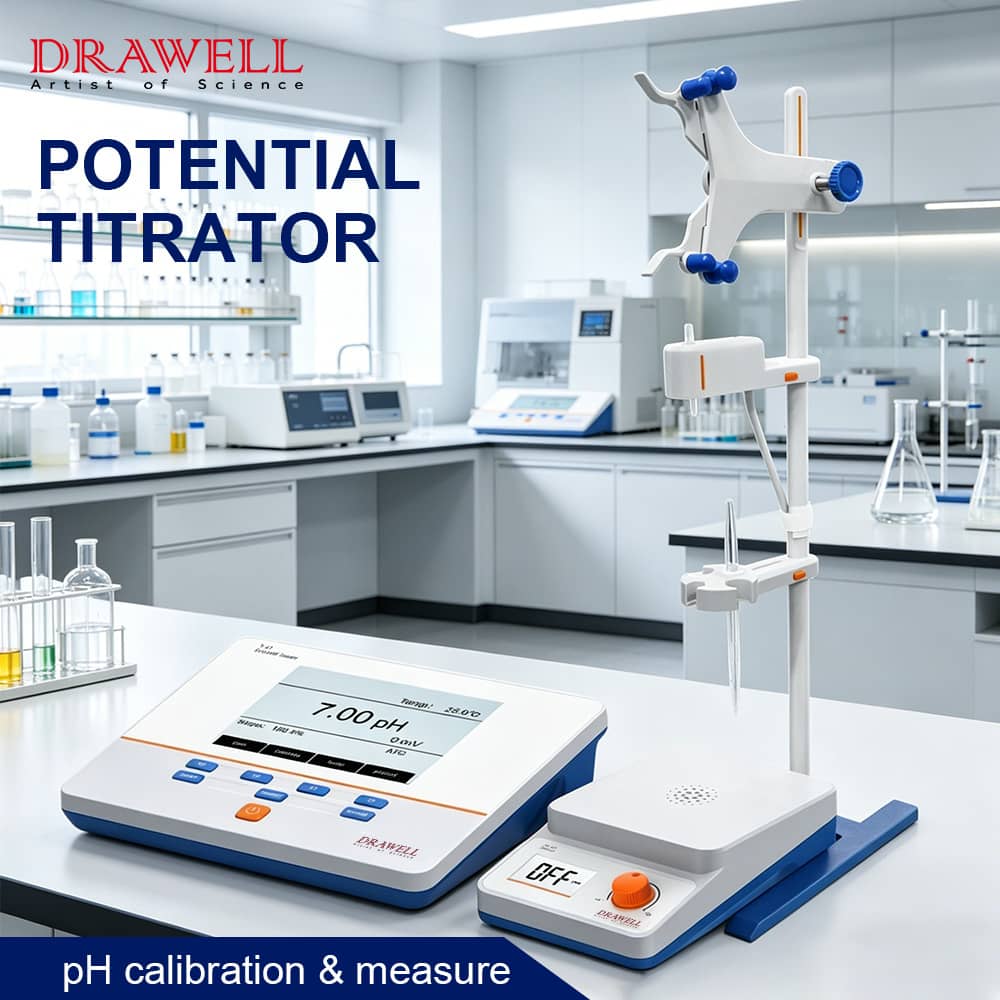
Basic Potential Titrator
Choose Ti-20 / Ti-21, best for entry-level titration and routine pH/mV testing.
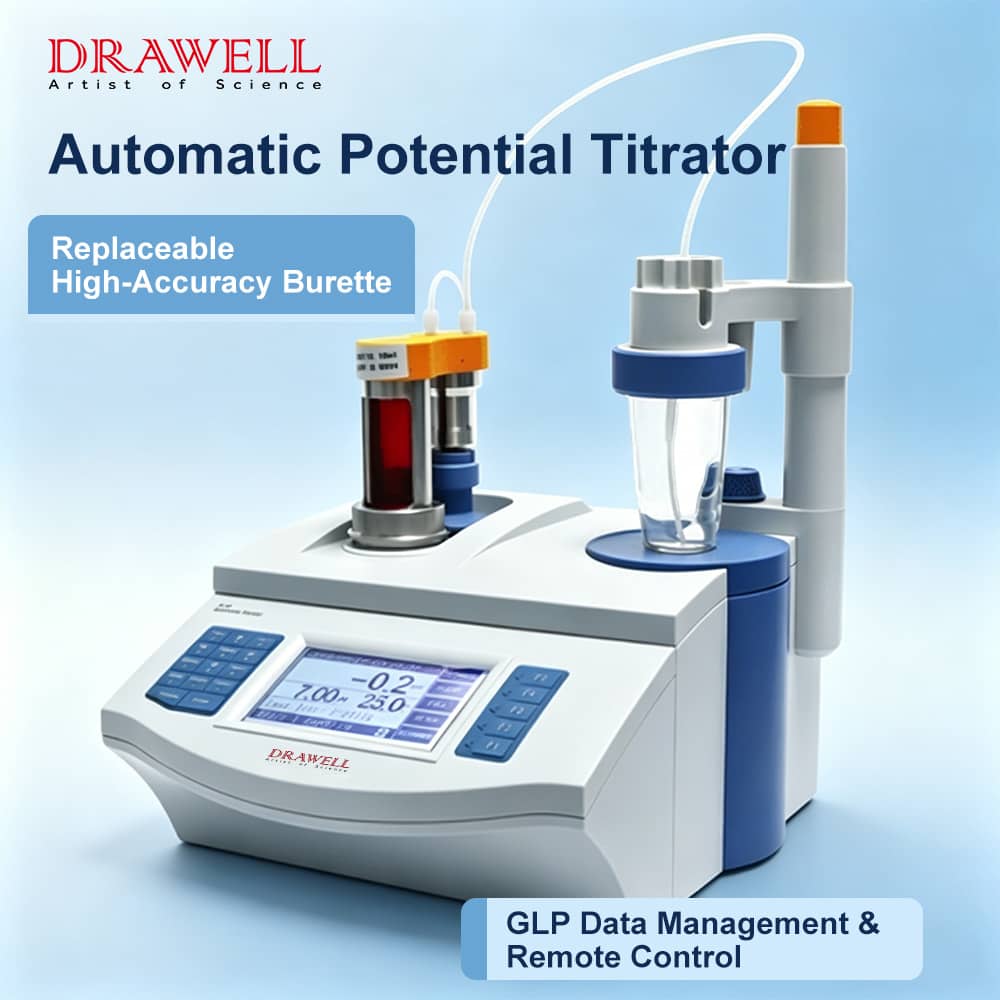
Routine Automatic Titrator
Choose Ti-40, best for daily QC with automatic endpoint detection.
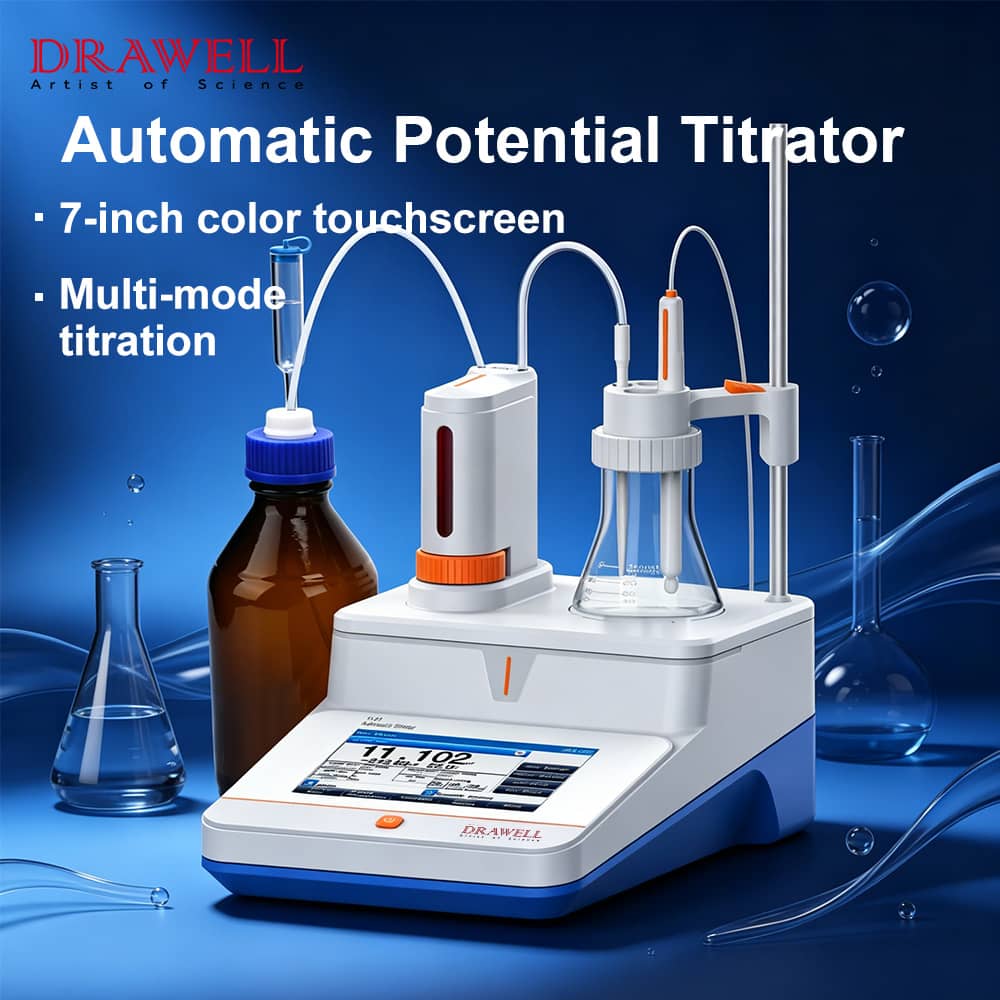
Multi-Method Titrator
Choose Ti-41, best for labs needing more titration types and data export.
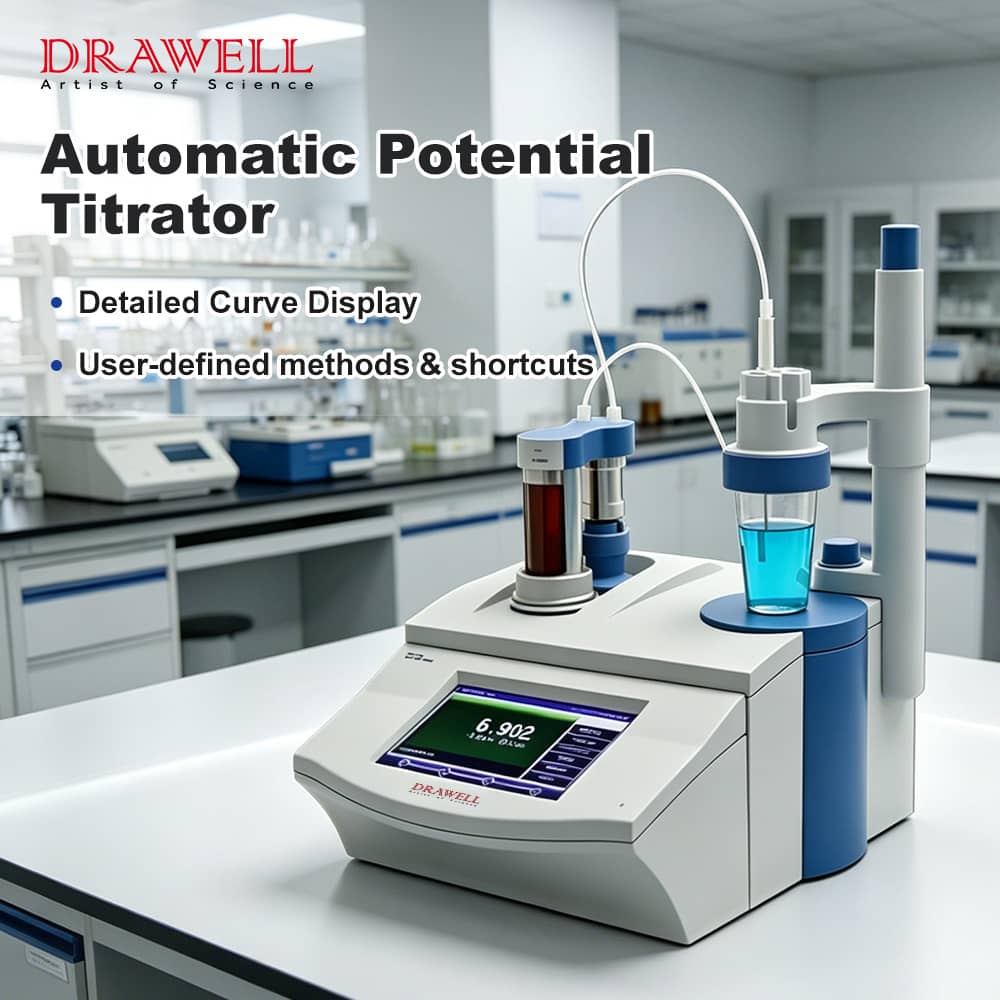
Advanced Automatic Titrator
Choose Ti-50 Series, best for method management and batch testing.
Intelligent High-End Titrator
Choose Ti-51, best for GMP labs, audit trail, ion analysis, and automation.
Applications of Potential Titrator
- Pharmaceutical: Used for raw material testing, assay determination, purity control, acid-base titration, non-aqueous titration, and quality control documentation.
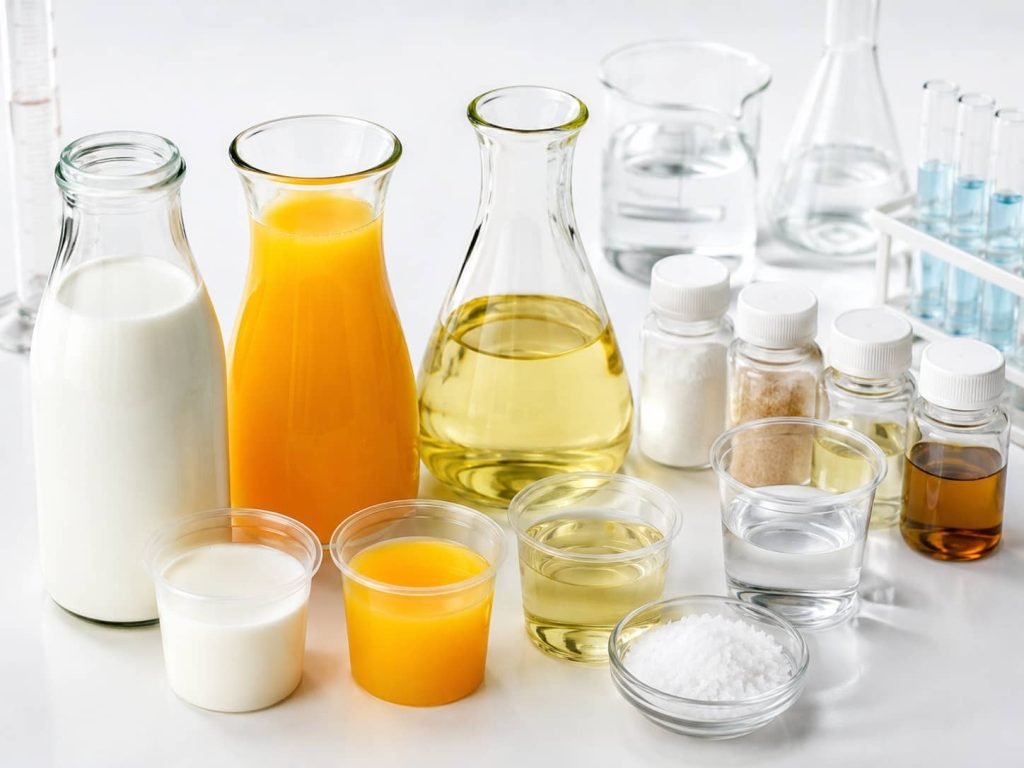
- Food and Beverage Testing: Used for acidity, alkalinity, salt content, vitamin-related titration, chloride analysis, and food ingredient quality control.
- Chemical Industry: Used for acid-base titration, redox titration, precipitation titration, complexometric titration, and raw material concentration analysis.
- Environmental and Water Analysis: Used for alkalinity, acidity, chloride, hardness, and other water quality titration tests.
- Petrochemical and Oil Testing: Used for acid value, base number, non-aqueous titration, and quality control of oil-related samples.
- Research and Education Laboratories: Used for teaching, method development, research experiments, pH/mV measurement, and standard titration analysis.


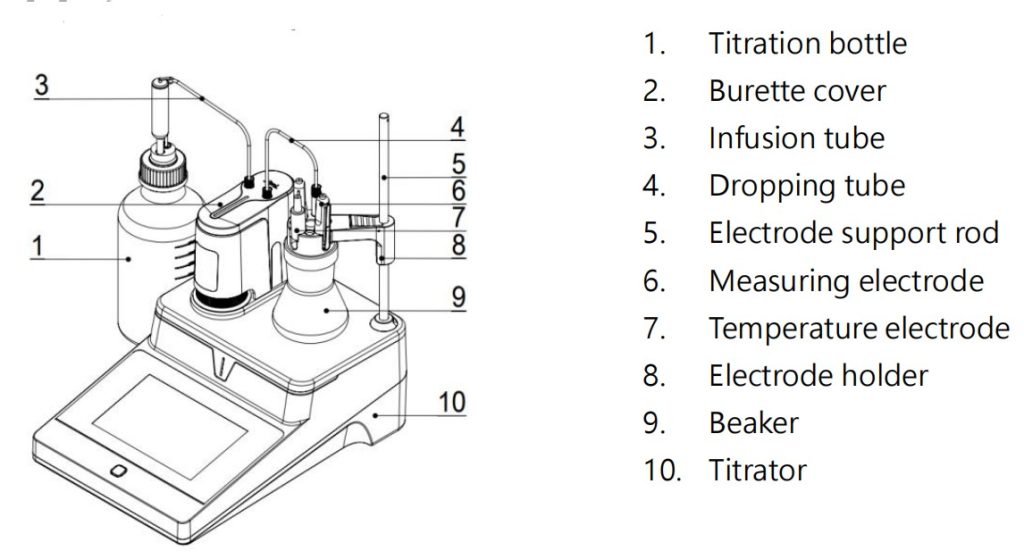
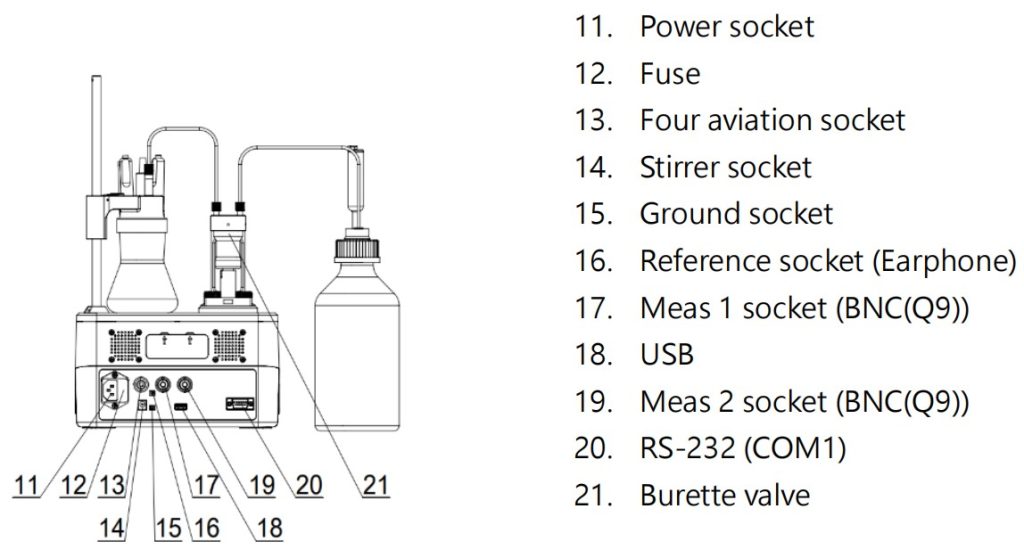
Titrator Structure
Troubleshootings & Solutions
| Number | Failure Mode | Failure Cause | Solution |
| 1 | No display after start-up | a. The power is off. b. The fuse is damaged. | a. Check the power. b. Replace the fuse with the same type. |
| 2 | mV measurement is not correct. | a. The electrode performance declines. b. The short circuit plug is not good. | a. Replace with a new electrode. b. Replace the Q9 short circuit plug. |
| 3 | pH measurement is not correct. | a. Same as the above. b. Same as the above. c. The electrode socket is set wrongly. | a. Same as the above. b. Same as the above. c. Set the correct electrode socket according to 6.1. |
| 4 | Printer does not work or works incorrectly. | a. The printer is not connected with the power. b. The printer line is not connected. c. The printer is set wrongly. d. The printer is wrongly selected. | a. Connect the printer power. b. Connect the printer line. c. Set the correct printer type according to 6.4. d. Replace the printer. |
| 5 | Pre-titration cannot find the end point. | a. The end point jump is too small. b. The titrant or sample is wrong. c. The end point volume is small. d. The electrode is wrongly selected. | a. Set the jump grade to “small” according to 6.7.2. b. Replace the titrant or sample with the correct solution. c. Change the mode to “blank titration”. d. Select the electrode correctly. |
| 6 | Pre-titration has found the false end point. | The setup of pre-titration parameter is not suitable. | Set the jump grade to “large” according to 6.7.2. |
| 7 | Mode titration is wrong. a. Find false end point. b. Titration result is 0.00 ml. c. Can’t find end point. | a. Pre-titration has found the false end point. b. The electrode socket is selected wrongly. c. The mode is selected wrongly. | a. Turn off the false end point according to 15.2.4. b. Set correct electrode socket according to 6.1. c. Select the correct titration mode. |
| 8 | Preset end point titration is wrong. a. When the end points are over two, titration cannot be performed after set parameter. b. The meter displays “Pre-controlled point setup is wrong” during titration. | a. The parameter setup is wrong. b. The parameter setup is wrong or the electrode socket is set wrongly. | a. Set the correct parameter according to 13.3. b. Set the correct pre-controlled point according to 13.3. c. Set the correct electrode socket according to 6.1. |
| 9 | The stirrer doesn’t work. | a. The stirrer is not connected. b. The stirrer is set wrongly. c. The stirrer is damaged. d. The stirring bar has not been put in the beaker. | a. Connect the stirrer according to 4.1f. b. Speed up the stirring rate according to section 7. c. Replace the stirrer. d. Put the stirring bar in the beaker. |
| 10 | There is bubble in filling tube. | Leakage occurs in the junction of filling pipe. | Install the filling pipe according to 4.1c. |
| 11 | Mechanical part does not work normally. | Burette is not installed correctly. | Install the burette according to 4.1b. |
| 12 | Electrode is calibrated by mistake. | a. pH electrode performance is bad. b. Buffer is prepared wrongly. c. The electrode socket is selected wrongly. | a. Replace pH electrode. b. Prepare the buffer again. c. Set the correct electrode socket according to 6.1. |
FAQ
Order Process