

Clarity Tester
What is a Clarity Tester and How does it Work?
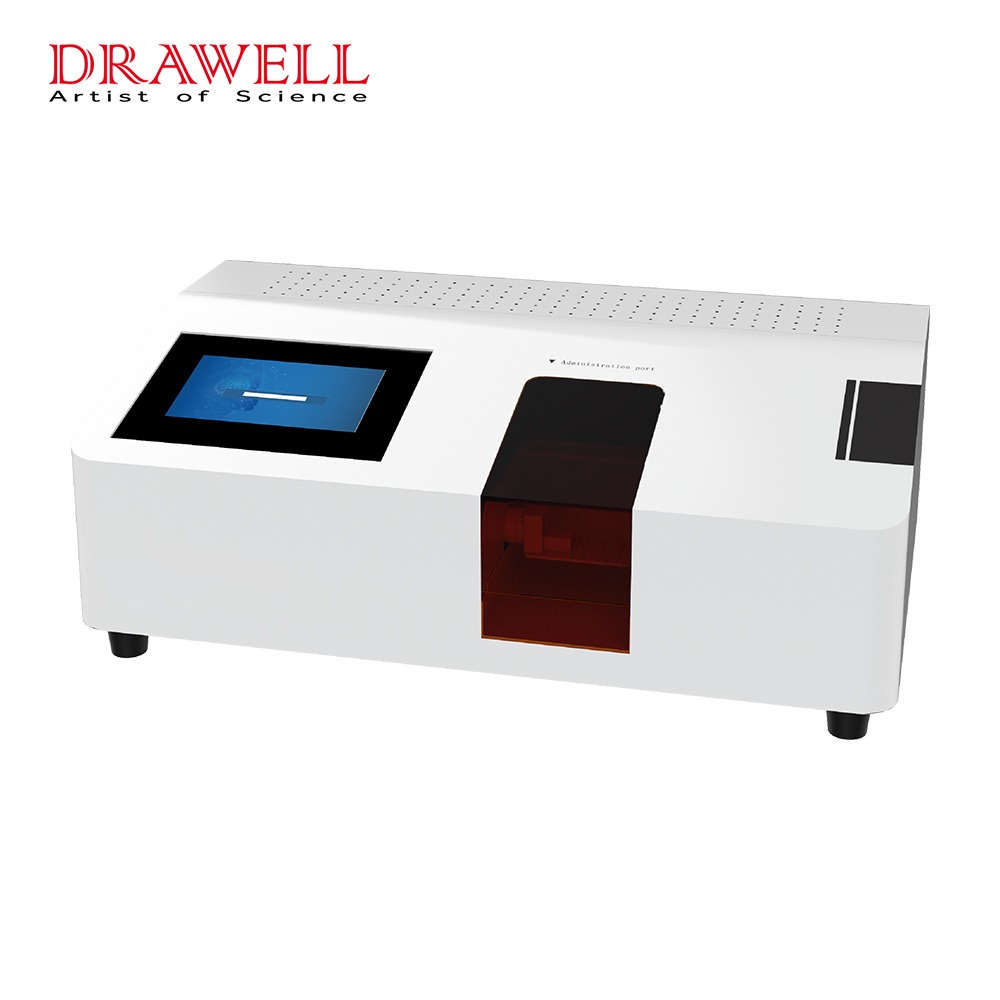
The clarity tester is a laboratory instrument used to measure the transparency or turbidity of liquids. It determines the purity of liquids by detecting the concentration of suspended particles in the liquid, helping to ensure product quality and compliance with industry standards. Drawell’s clarity testing instrument is widely used in the pharmaceutical, food and beverage, cosmetics, chemical and other industries.

A clarity tester works by passing light through a sample and measuring the amount of light that is scattered or absorbed. Clear liquids transmit more light, while cloudy liquids scatter more light.
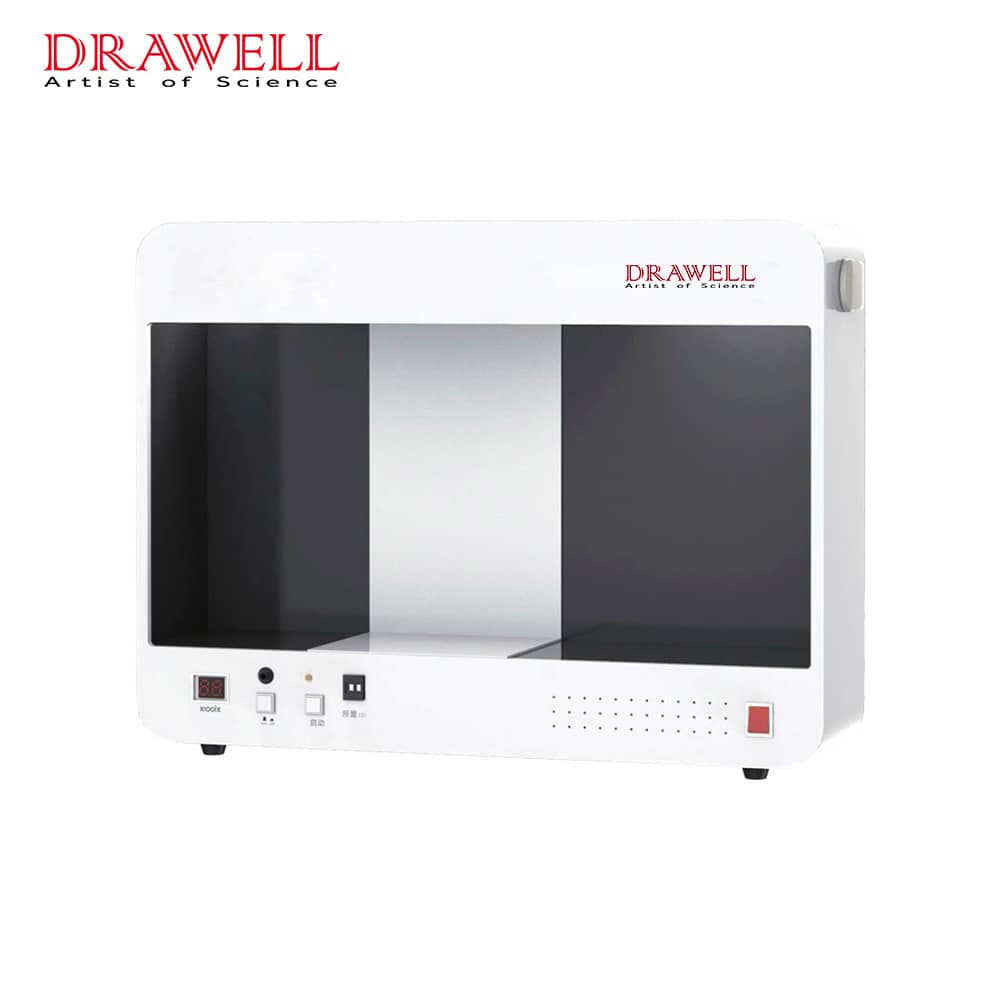
DW-CMII Clarity Tester
• Work time:1~99S
• Illumination Range:1000~6000lx
• Illumination Range:1000~6000lx
Features of Clarity Tester
- The lighting system complies with pharmacopoeias. The tri-color fluorescent lamp is flicker-free and offers adjustable illumination to reduce visual fatigue.
- The digital illuminometer features an intuitive display and stable and reliable measurements.
- The test time can be freely set, and an audible alarm is provided.
- With its rational design, simple operation, and stable performance, it is an ideal pharmacopoeia testing instrument.
Which Industries Use Clarity Tester?

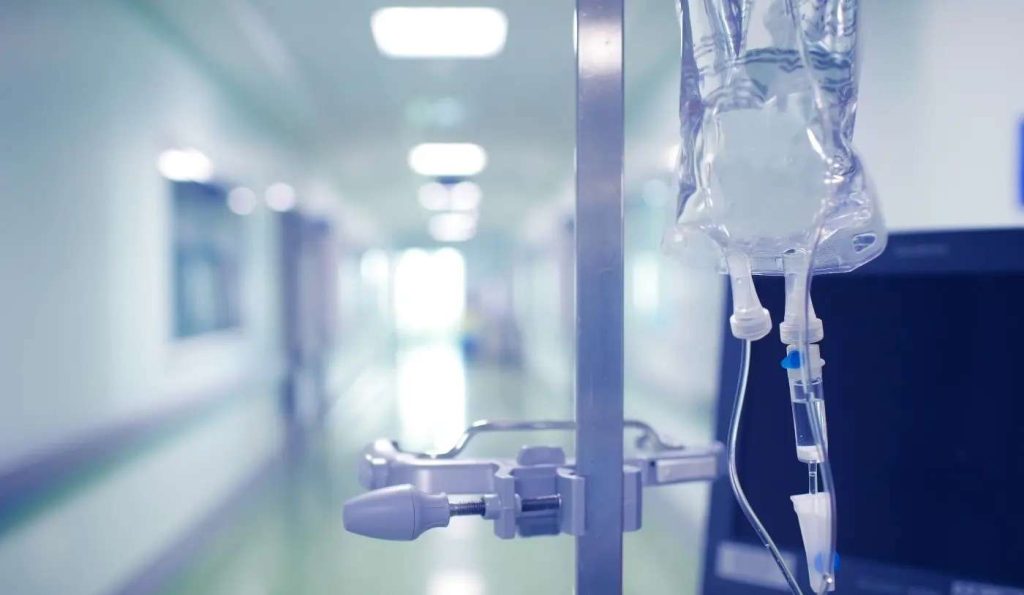
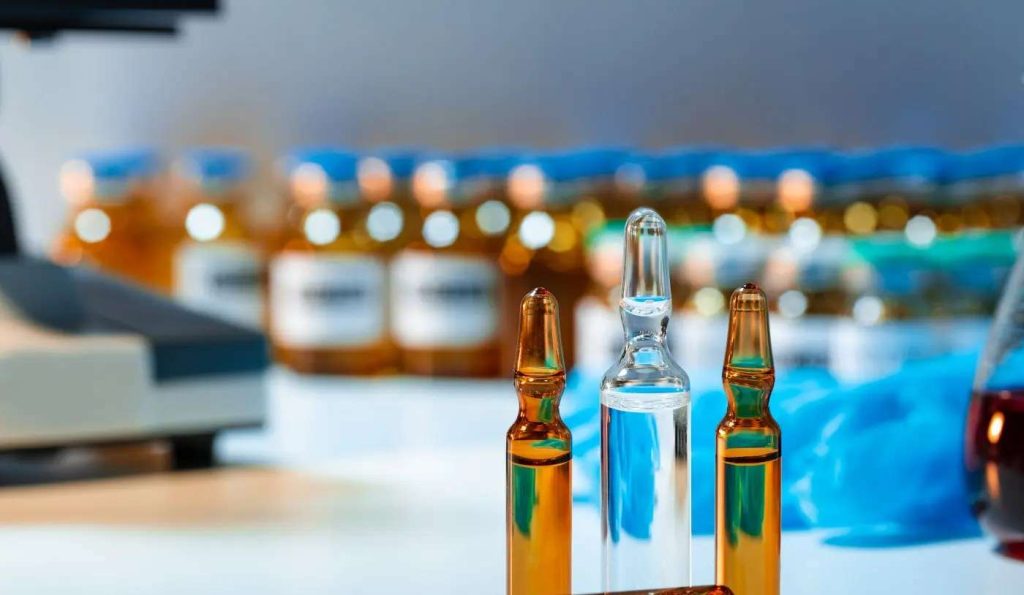
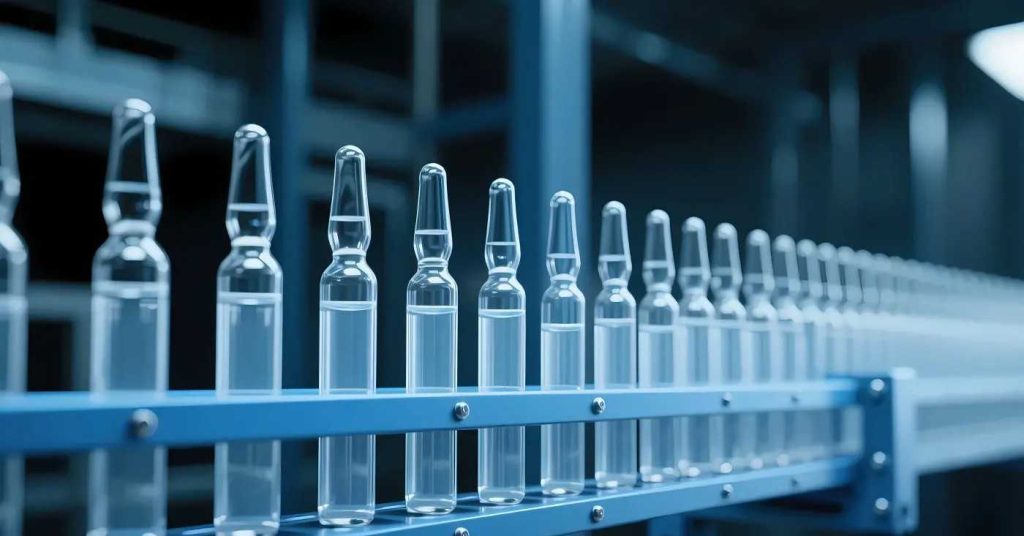



- Pharmaceuticals: Used in pharmaceutical production to test the clarity of various injectables, large-volume infusions, and bottled liquid medicines (such as injections and intravenous solutions).
- Beverages and Distillery: Test the clarity of liquids such as drinking water, beer, juice, and wine to ensure the absence of impurities and compliance with food safety standards.
- Cosmetics and Personal Care: Test the clarity of cosmetic liquids (lotions, perfumes) to ensure product quality and consumer experience.
- Chemicals: Used to test the purity and transparency of various chemical reagents.
Why Choose Drawell’s Clarity Tester?
- Various samples: pharma solutions, water, alcohol, oil, perfumes, laboratory preparations
- Wide measurement range: low vs. high turbidity
- High precision Accuracy: lab-grade
- Affordable price: stable performance
Operation Guidance of Clarity Testers
- Turning on the Power: Turn on the power switch. The fluorescent light will illuminate. If the light does not illuminate, check the power switch and fuse for damage.
- Setting the Illuminance:
- Turn on the illuminance switch. The illuminance will be displayed digitally.
- Insert the instrument’s illuminance sensor plug into the panel hole. Open the light cell protective cover and place it parallel to the test sample at the edge of the canopy.
- Turn the illuminance adjustment knob on the top of the instrument until the illuminance display reaches the desired value, 1000 to 6000 lx.
- Once adjusted, unplug the sensor plug and turn off the illuminance switch.
- Setting the Test Time: Use the dial switch on the instrument panel to set the desired test time according to the requirements of the drug being tested.
- Starting the Test: Place the sample in the test area and press the timer micro-touch switch to begin the test. The indicator light will flash once per second, and an audible alarm will sound at the start and end of the test.
- Ending the Test: After the test is complete, turn off the instrument’s main power switch and unplug the power cord. Clean the test sample box promptly to prevent residual drug residue.
What are Common Problems with Using A Clarity Tester?
- Fingerprints or dust on the cuvette can affect the results.
- Incorrect calibration can lead to erroneous readings.
- Using a dirty or scratched sample cell.
- Bubbles in the sample can cause scattering.
✅ How to solve it: Clean the cuvette properly, calibrate regularly, and handle samples with care.
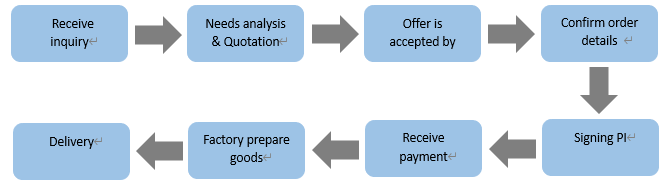
Order Process