

Solvent Recovery Device
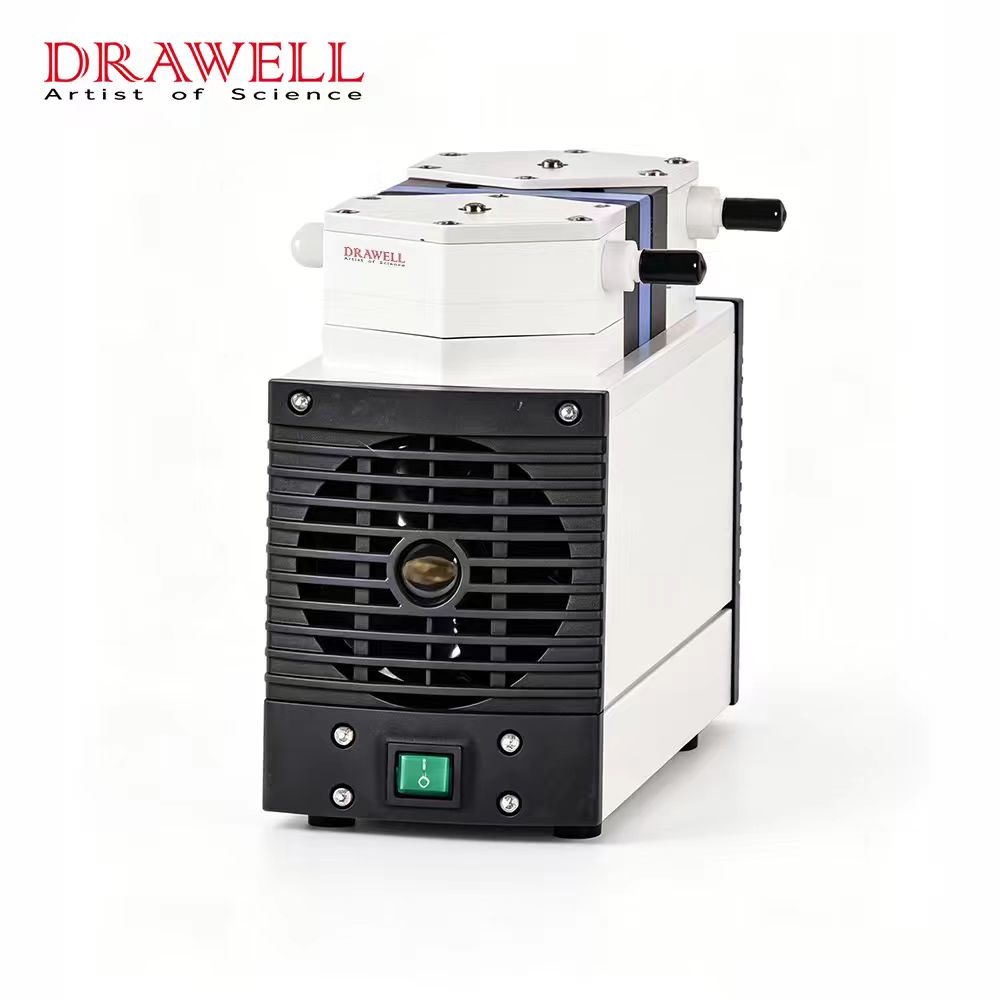
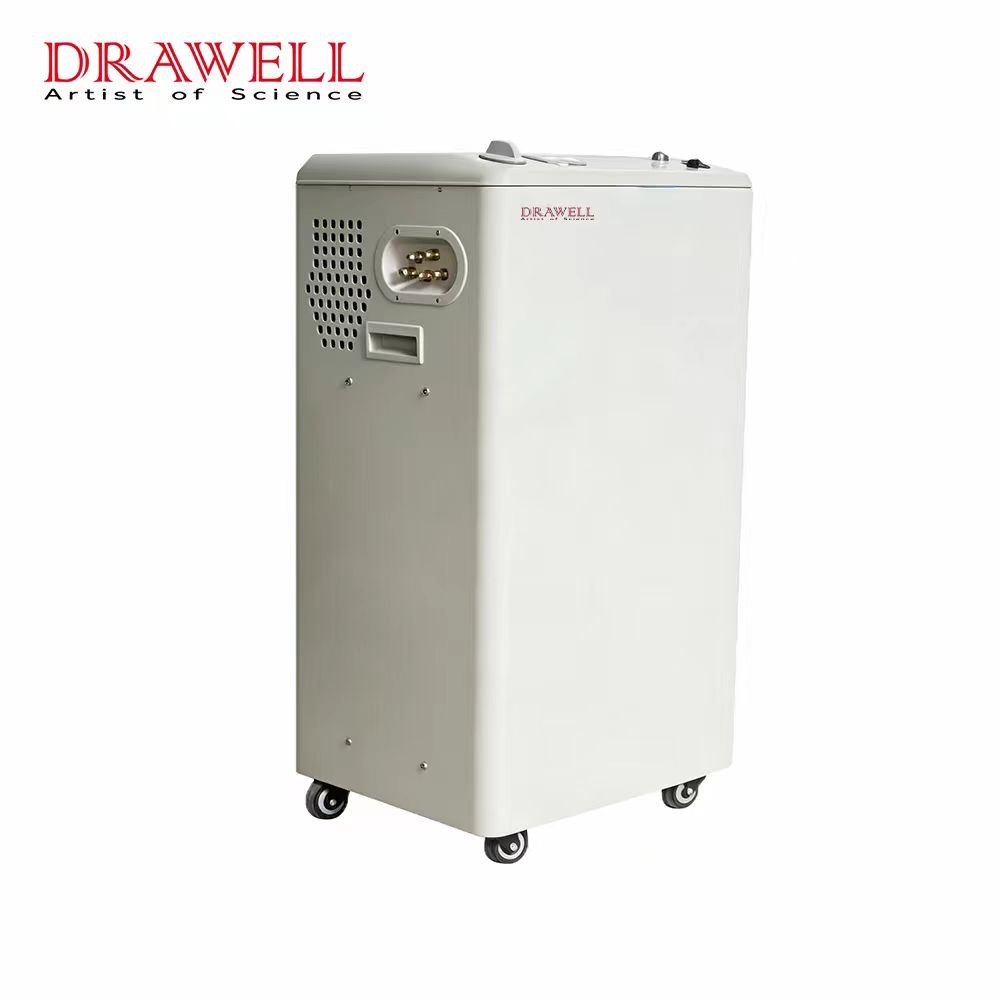
Drawell solvent recovery systems are designed to improve solvent collection during rotary evaporation, reduced-pressure concentration and vacuum distillation. By combining controlled vacuum, secondary condensation and residual-vapor treatment, the system helps recover solvent that may pass through the primary condenser while reducing vapor released into the laboratory environment.
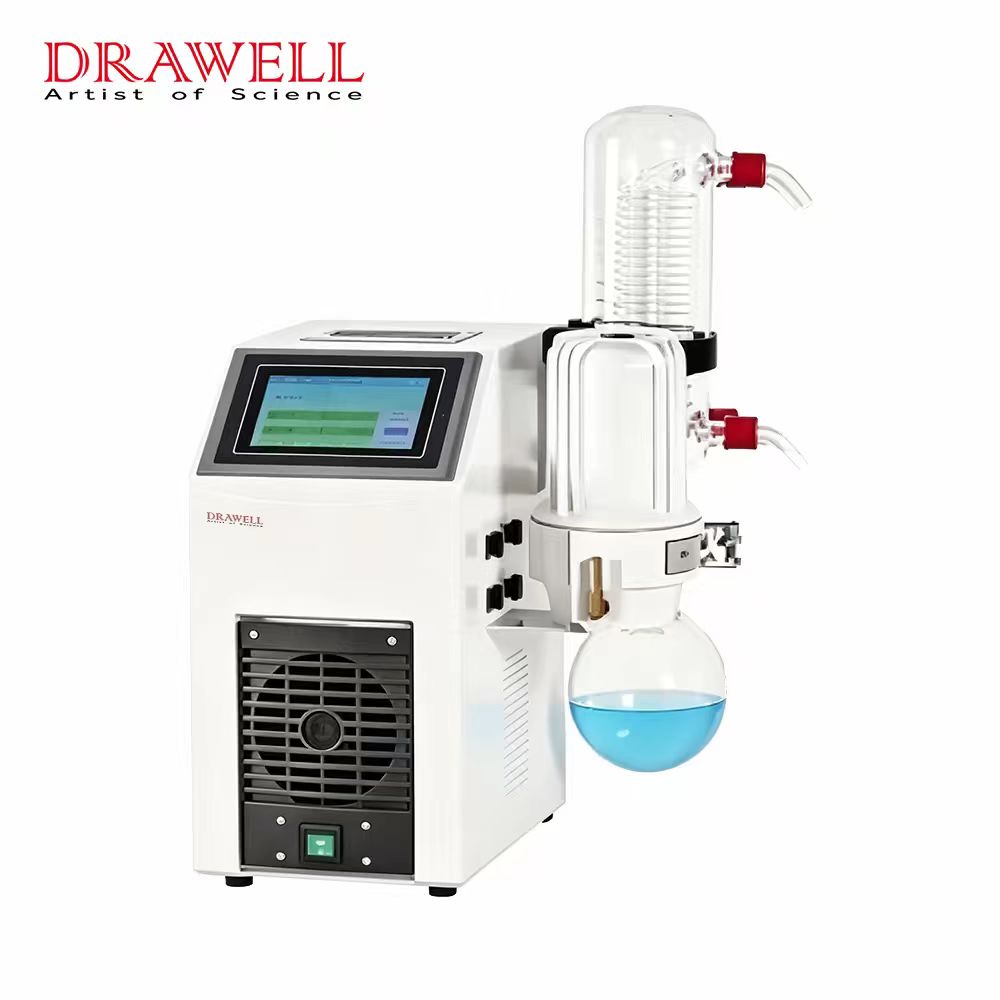
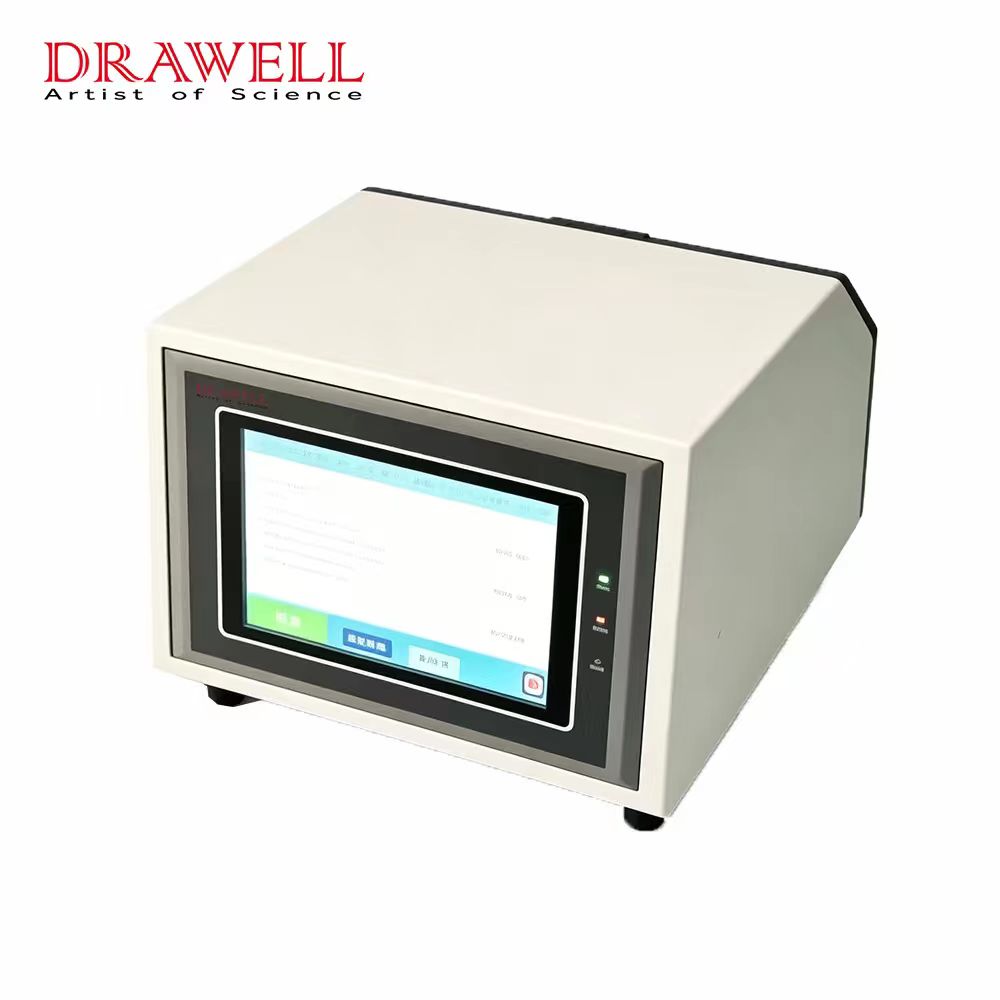
DW-GMVC-3000RM Solvent Recovery Device
• Pump Rate: 20 L/min
• Limit Vacuum: 5–8 mbar
• Vacuum Program: 10-Stage Programmable Control
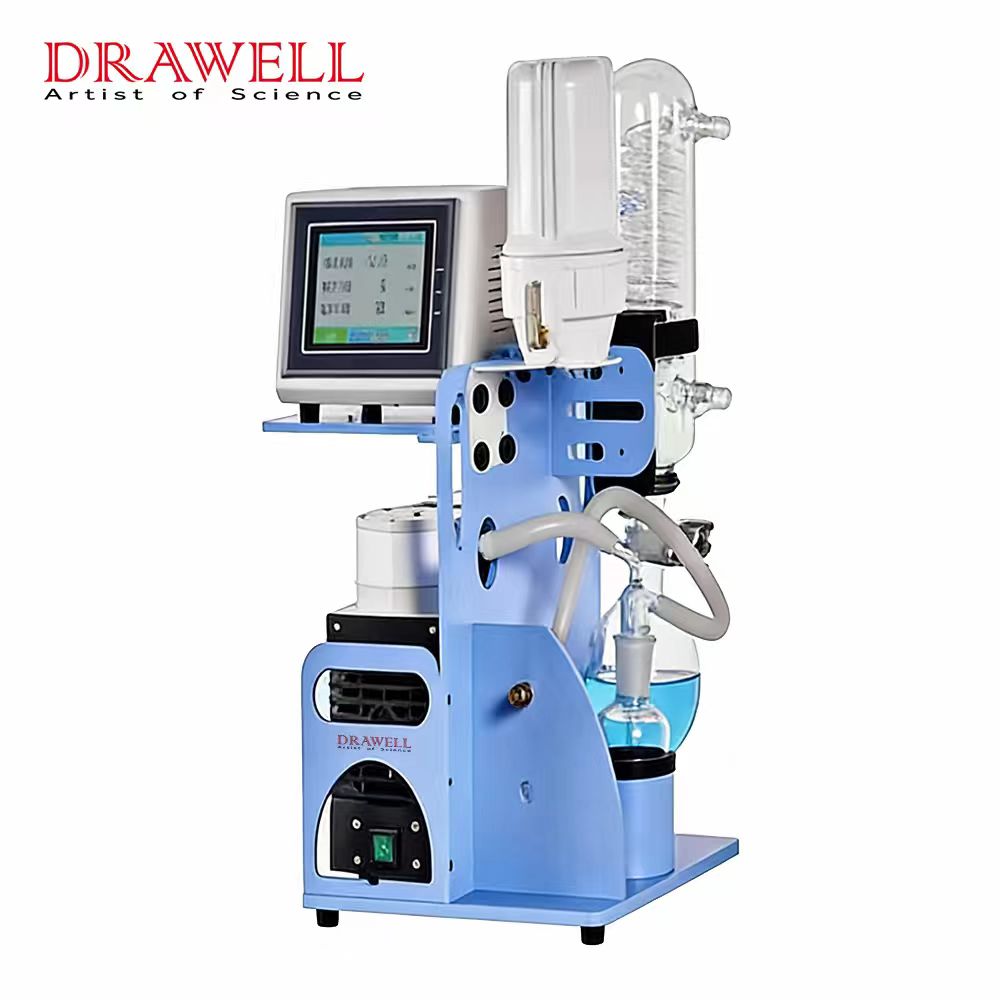
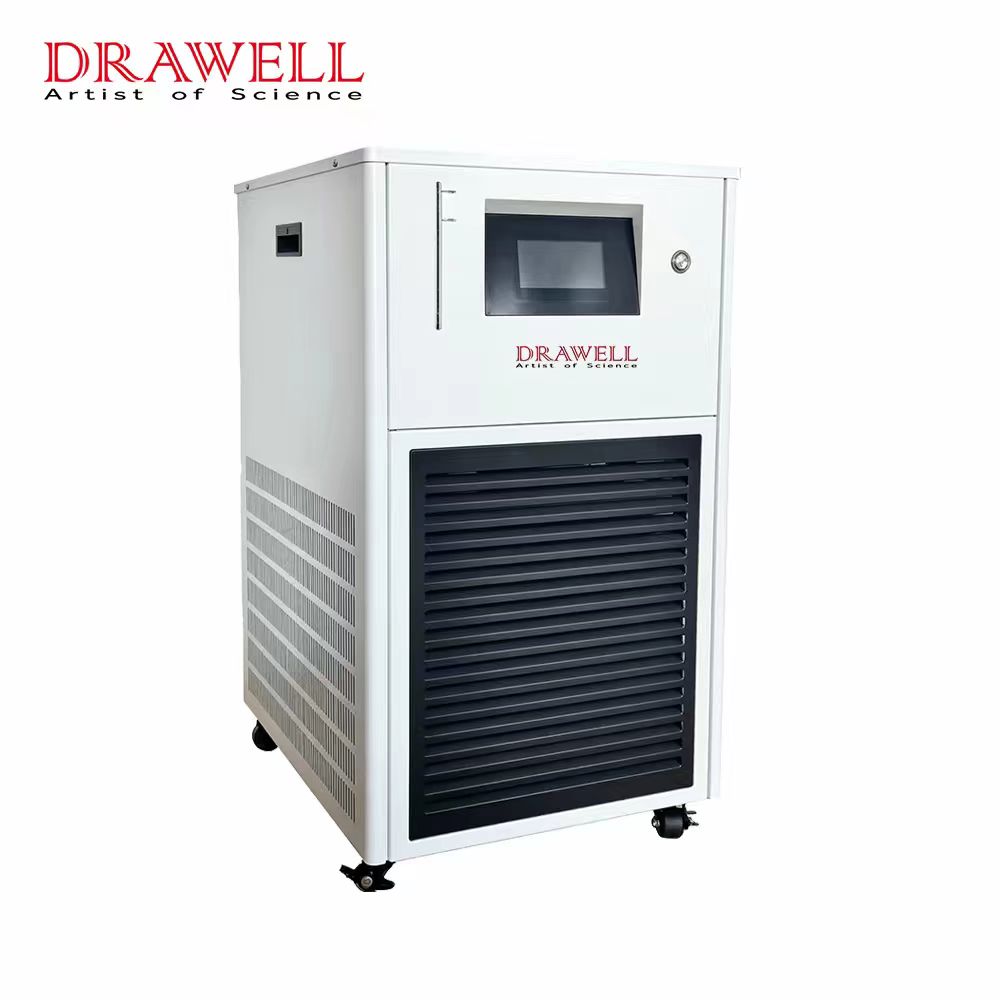
DWPE-1250A Split-Type Solvent Recovery Device
• Pump Rate: 30 L/min
• Limit Vacuum: 8 mbar
• Vacuum Program: 10-Stage Programmable Control
Why Use a Solvent Recovery Device?
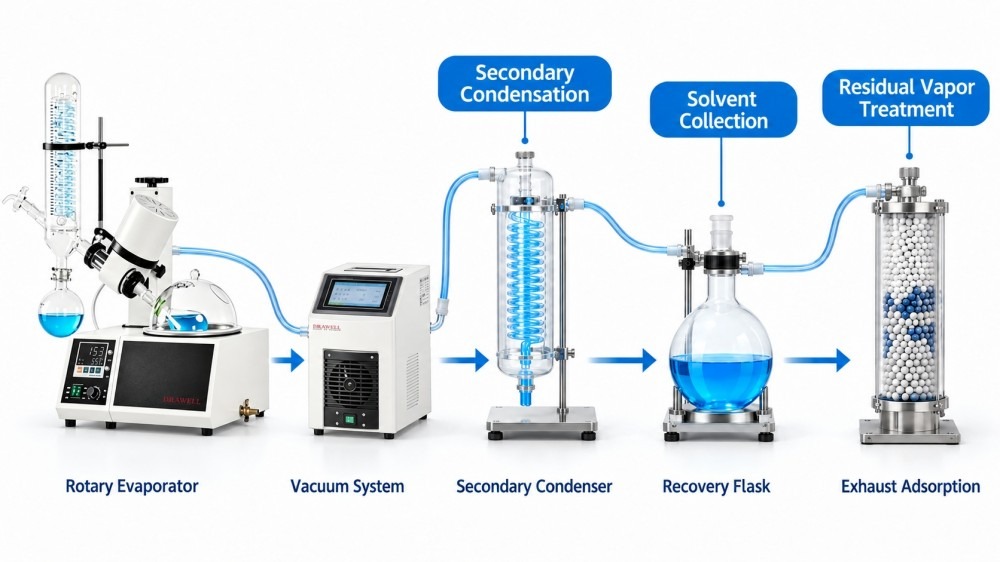
Incomplete Primary Condensation
When vacuum pumping is relatively fast, part of the solvent vapor may pass through the primary condenser before being fully recovered.
Secondary Solvent Recovery
An additional condenser provides another condensation stage before the vapor reaches the exhaust side.
Residual Vapor Treatment
The remaining vapor can be directed to an adsorption unit after condensation.
Solvent Collection
Recovered solvent is collected in a dedicated receiving flask for subsequent handling or reuse where appropriate.
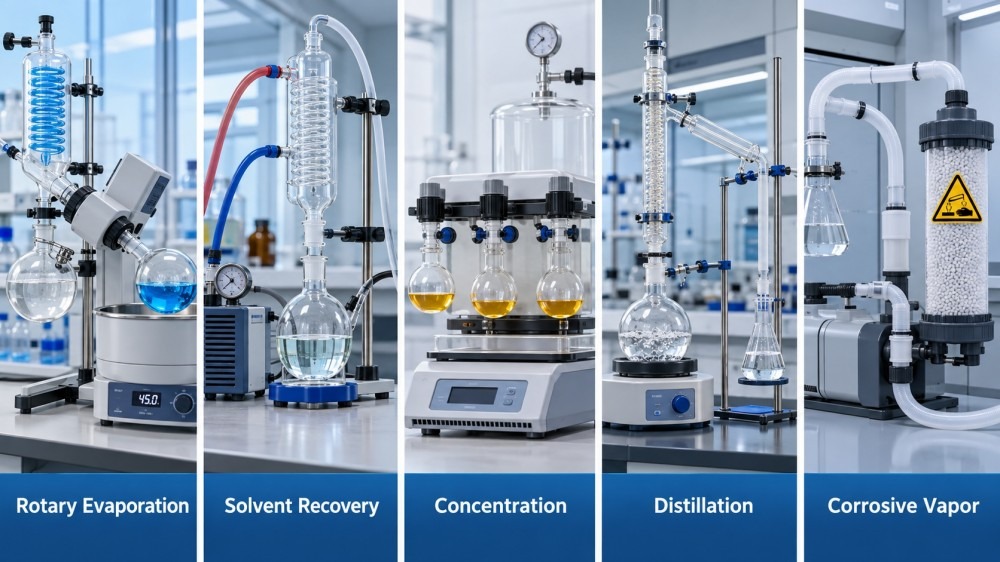
Applications of Solvent Recovery Device
- Rotary Evaporation: Secondary solvent recovery during rotary evaporation and concentration.
- Solvent Recovery: Additional condensation and collection of solvent vapor.
- Reduced-Pressure Concentration: Controlled concentration with secondary vapor recovery.
- Vacuum Distillation: Programmable vacuum control for staged distillation workflows.
- Corrosive Vapor Handling: Vacuum and adsorption workflows involving compatible acidic or alkaline vapors.
How to Choose a Solvent Recovery Device?
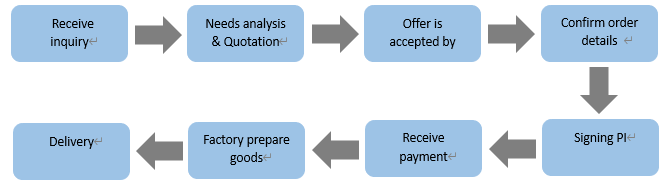
Order Process
Why Choose Us?
“Multiple suppliers” have always been an issue in the procurement process. Drawell as a one-stop laboratory equipment and scientific instruments supplier, can perfectly solve this problem. In addition to manufacturing our own equipment, we also represent other laboratory equipment. Our product lines are rich and diverse at competitive prices. Provide one-stop service to customers.
User Training – Training by Drawell skilled engineers about installation, debug tests, technical services, etc. It can happen in our factory in China, or at the site in the customers’ country. Cost depends on where and when the training happens.
To discuss the problem and get it resolved, online chats, real-time video calls, and remote guidance. For the after-sales stage, our online technical guidance is free and ready forever.
1 year free official warranty, including repairing quality-damaged parts, and offering replacements of selected parts (shipping cost is extra). 5% of the product price is charged for extending the warranty before the end of the official warranty.