



Blog
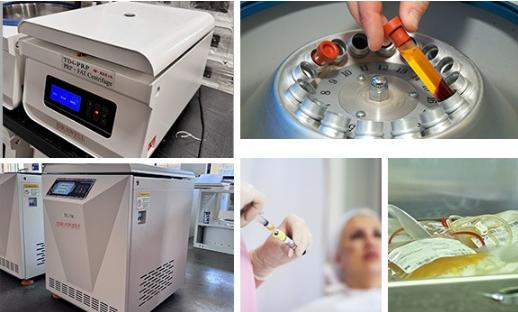
How Does a Centrifuge Work
A centrifuge is a pretty powerful separation device that relies on rapid rotation to sort out the pieces of a mixture, usually because they differ in density, size, and shape. It shows up all over places like laboratories, medical facilities,…
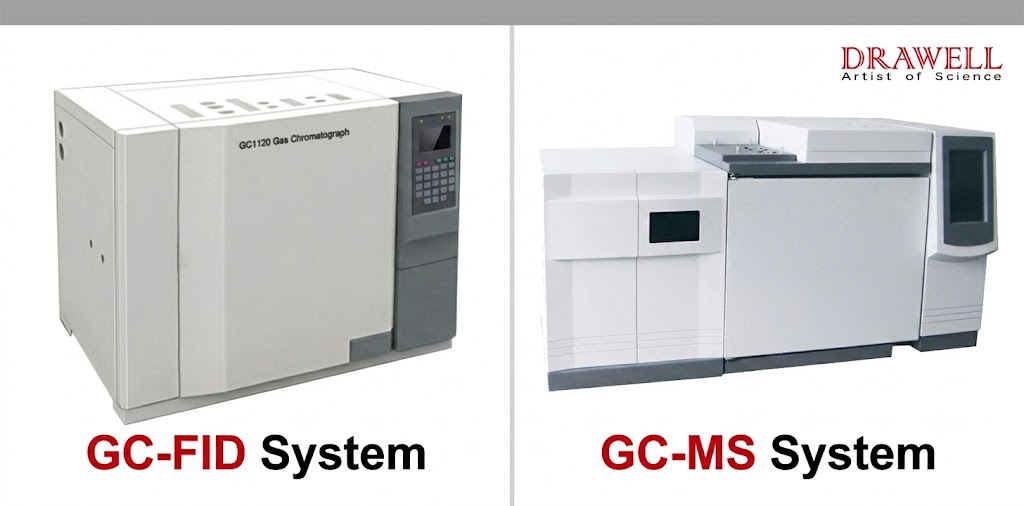
GC-FID vs GC-MS: 5 Key Differences and How to Choose the Right Detector for Your Lab
Selecting between GC-FID and GC-MS systems for gas chromatography analysis is an essential decision for any lab’s daily workflow, but there is no universal “best” choice; ultimately it depends on your laboratory. In terms of routine quantitative work, GC-FID tends to…
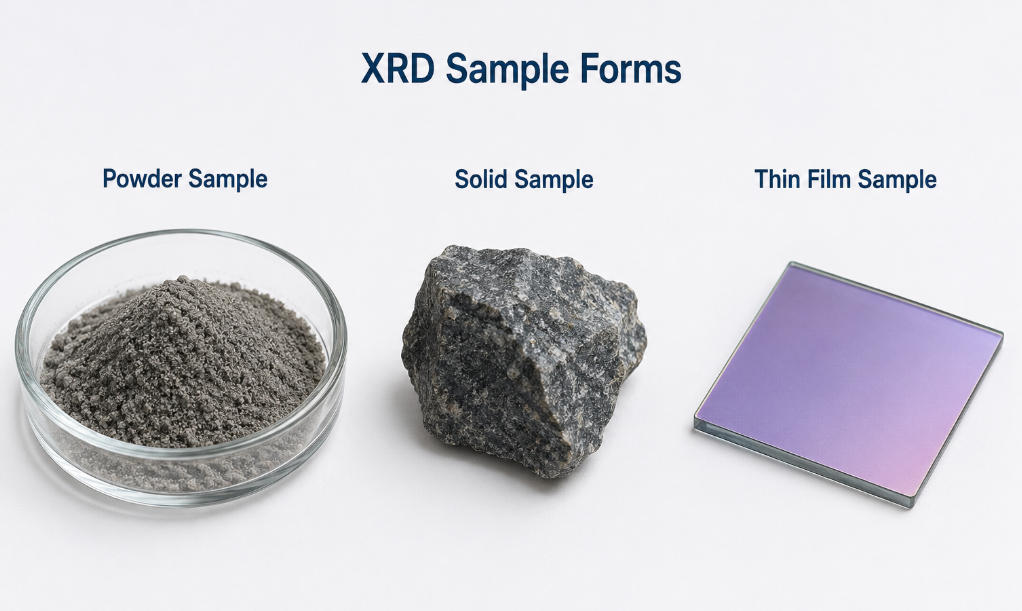
XRD Sample Preparation: Best Practices for Different Sample Forms
A high-quality X-ray diffraction (XRD) analysis begins long before the instrument starts scanning. Even with a well-calibrated XRD diffractometer, poor sample preparation can lead to weak diffraction peaks, unexpected background noise, preferred orientation, or inaccurate phase identification. In many cases,…
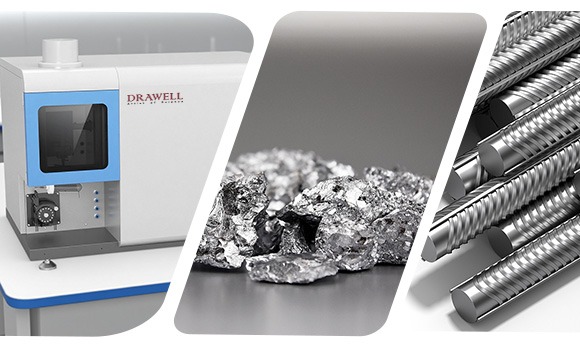
How ICP-OES Works for High-throughput Analysis in Industrial Laboratories
Inductively Coupled Plasma Optical Emission Spectrometry, often shortened as ICP-OES, has kind of become one of the more essential analytical technologies in industrial labs that need rapid results, good accuracy, and multi-element coverage. As manufacturing steps get more involved, and…
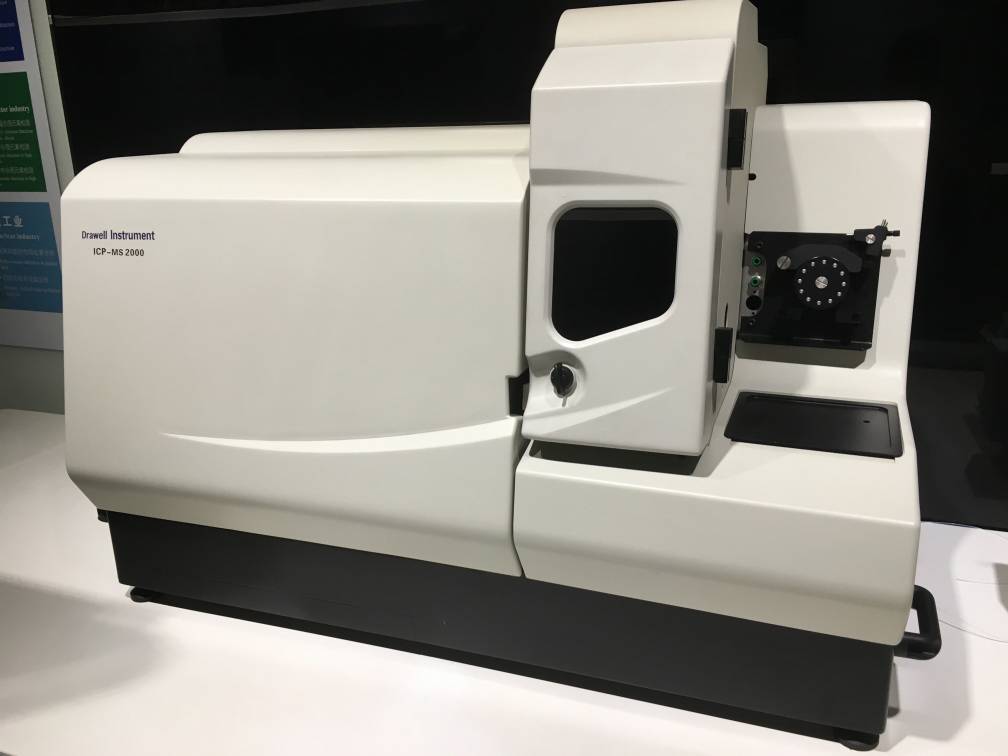
2 Key Points to Know What Is ICP-MS: Working Principle and Applications
If you work in a modern analytical laboratory, you already know that spotting trace elements down to parts-per-trillion (ppt) levels can feel like finding a needle in a haystack. That is where icp ms (Inductively Coupled Plasma Mass Spectrometry) comes…
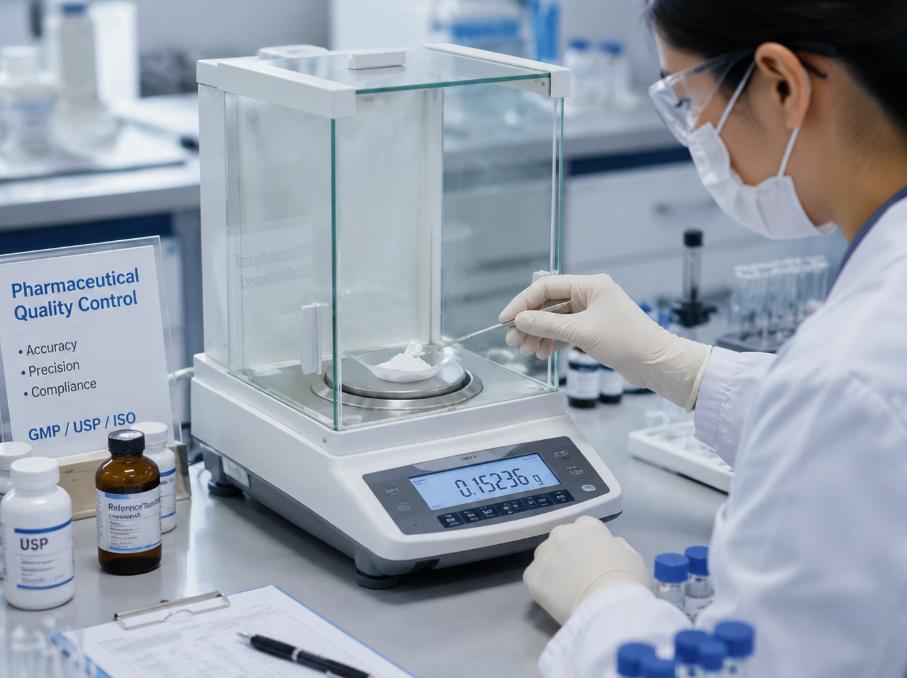
What Is the Real Precision of an Analytical Balance? (It’s Not Just Readability)
Ever set a tiny glass beaker onto your laboratory precision balance, closed the draft shield, and watched the last digit drift endlessly back and forth? It happens all the time. A common trap in the lab is assuming that because…

Effective Sample Preparation for XRF Analysis
X-ray fluorescence (XRF) analysis is used a lot as an analytical technique, to figure out what elements are in a material, kind of straightforward right. It gets applied across mining, metallurgy, cement production, environmental monitoring, geology, pharmaceuticals, and even research…
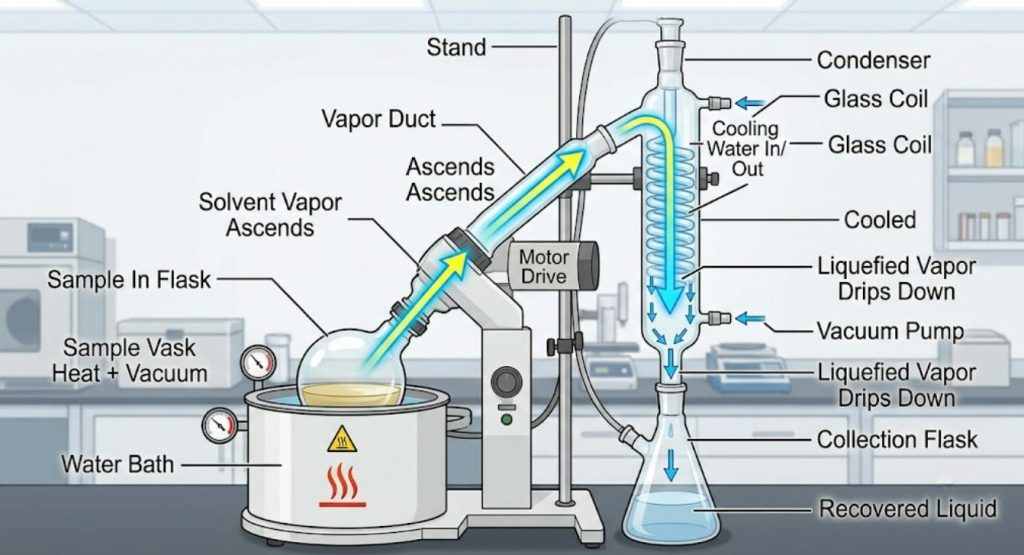
How Does a Rotary Evaporator Work? (Principle, Steps & Setup Guide)
If you work in an organic chemistry lab, a pharma R&D facility, or a botanical extraction plant, chances are you use a rotary evaporator almost every single day. It’s the undisputed workhorse for solvent recovery and sample concentration. However, running…
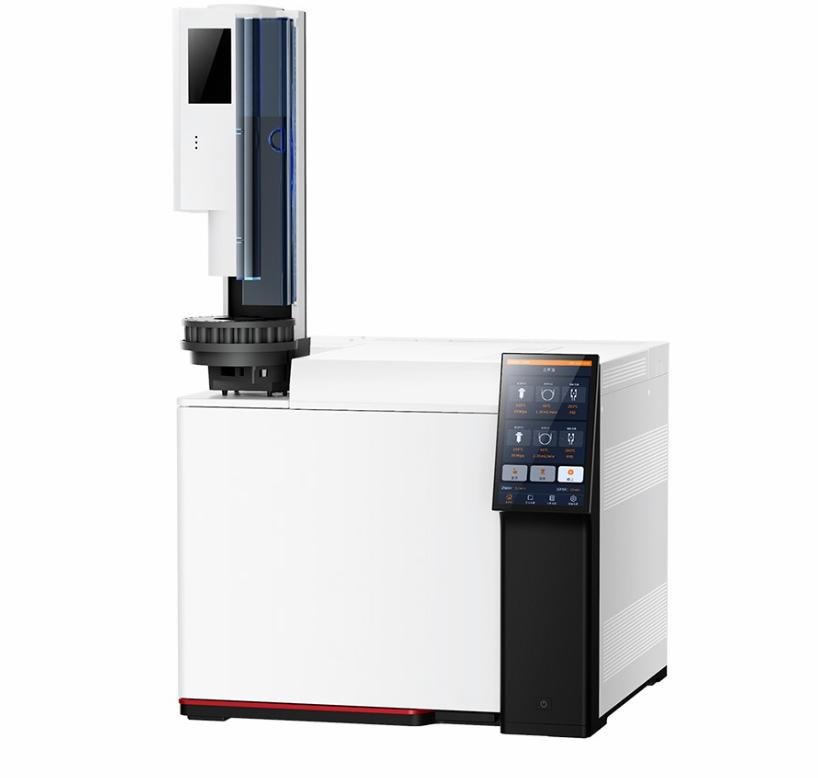
5 Key Points to Know Gas Chromatography(GC) Quickly
Gas Chromatography(GC) is a powerful analytical method used to separate, recognize, and measure chemical compounds that can be vaporized without breaking apart. It’s used a lot in lab settings to look at gases, volatile organic compounds, solvents, fuels, pharmaceuticals, environmental…
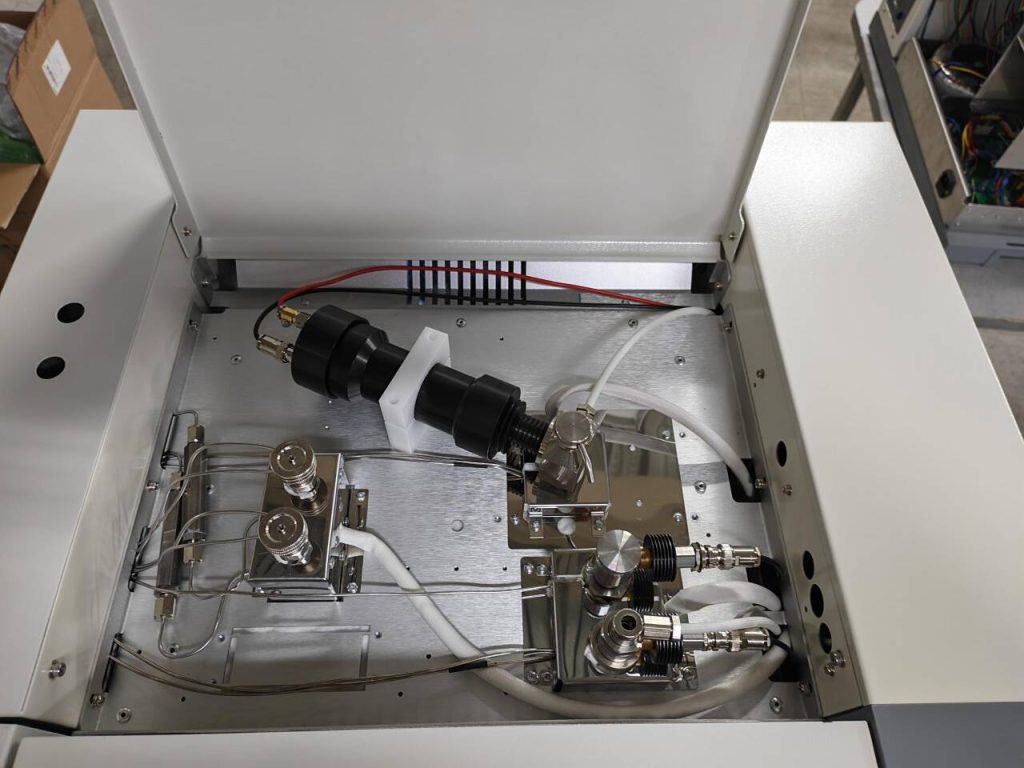
Types of Detectors Used in Gas Chromatography: A Complete Selection Guide
Gas chromatography is an amazing analytical technique used to separate and figure out complicated mixtures of chemical substances across environmental, food safety, and industrial fields. But here is the thing: your GC system is only as good as its eyes…
Browse by category:


