


Ever wondered why your Atomic Absorption Spectroscopy (AAS) results occasionally drift, even when your instrument calibration is spot on? The truth is, your data is only as good as what you feed into the machine.
As a widely used analytical technique for the quantitative determination of elements, AAS offers high sensitivity and precision in determining trace metals across industries—from environmental monitoring to pharmaceuticals. However, sample preparation is widely recognized as the most critical phase of the testing workflow; standard laboratory studies indicate that over 60% of all analytical errors originate right here.
Without the right sample preparation for aas analysis, interferences and contaminants can easily skew results. Whether you are performing routine environmental testing using Flame AAS or pushing the limits of trace detection with Graphite Furnace AAS (GFAAS), achieving a completely homogenous, matrix-matched, and particle-free solution is paramount to obtaining reproducible data. Here, we will break down the different types of samples commonly analyzed, the various aas sample preparation techniques employed, and common issues that may arise during the process.
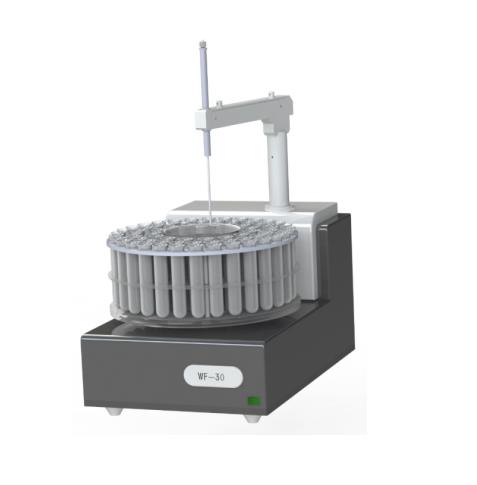
Get to Know AAS Analysis
Atomic Absorption Spectroscopy works by measuring the absorption of light by free, ground-state atoms. When a sample is introduced into the flame or graphite furnace, the heat causes the atoms to absorb light at specific wavelengths. The intensity of absorbed light is then measured, which correlates to the concentration of the element being analyzed.
AAS is especially suited for analyzing metals and some non-metals in trace amounts. Its accuracy and sensitivity make it invaluable in industries like food and beverage, environmental testing, and clinical applications. However, its success is dependent on the quality of the sample and the techniques used to prepare it.
Sample Types and Preparation Techniques
AAS can analyze a variety of sample types, including solids, liquids, and gases. Each type requires unique preparation steps to ensure that the sample is suitable for analysis.
1. Solid Samples
Solid samples like metals, soils, and biological tissues are common in AAS analysis. However, solid materials need to be broken down into a form that can be atomized. Techniques such as acid digestion and fusion are commonly used to dissolve or liquefy the solid sample for easy introduction into the AAS instrument.

To help lab technicians choose the right pathway without guesswork, here is a quick-reference breakdown of common solid matrices and their standard chemical dissolution protocols:
| Solid Sample Matrix | Recommended Reagent/Acid System | Standard Application Standard | Optimized AAS Technique |
| Soils, Sediments & Geochemical Ores | Nitric Acid (HNO₃) + Hydrochloric Acid (HCl) + Hydrofluoric Acid (HF) | US EPA Method 3052 | Flame AAS / Graphite Furnace AAS |
| Food, Plants & Organic Tissues | Nitric Acid (HNO₃) + Hydrogen Peroxide (H₂O₂) | AOAC Official Methods | Graphite Furnace AAS |
| Metals & Engineering Alloys | Aqua Regia (3 parts HCl to 1 part HNO₃) | ASTM Metal Standards | Flame AAS |
Preparation Techniques:
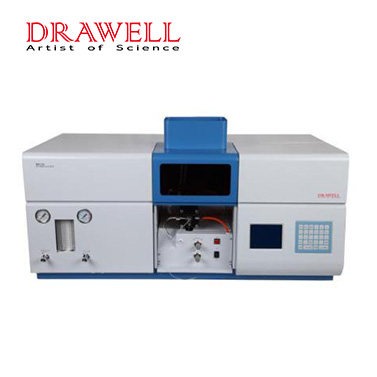
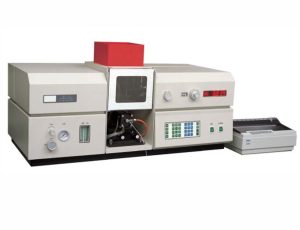
- Acid Digestion: This method is widely used for dissolving solid samples into a liquid form. Strong acids like nitric acid (HNO₃) are used to break down the solid matrix. In some cases, multiple acids may be used to enhance dissolution. For routine, high-throughput testing of dissolved metal alloys, laboratories widely rely on cost-effective systems like the Economic Flame Atomic Absorption Spectrophotometer DW-320.
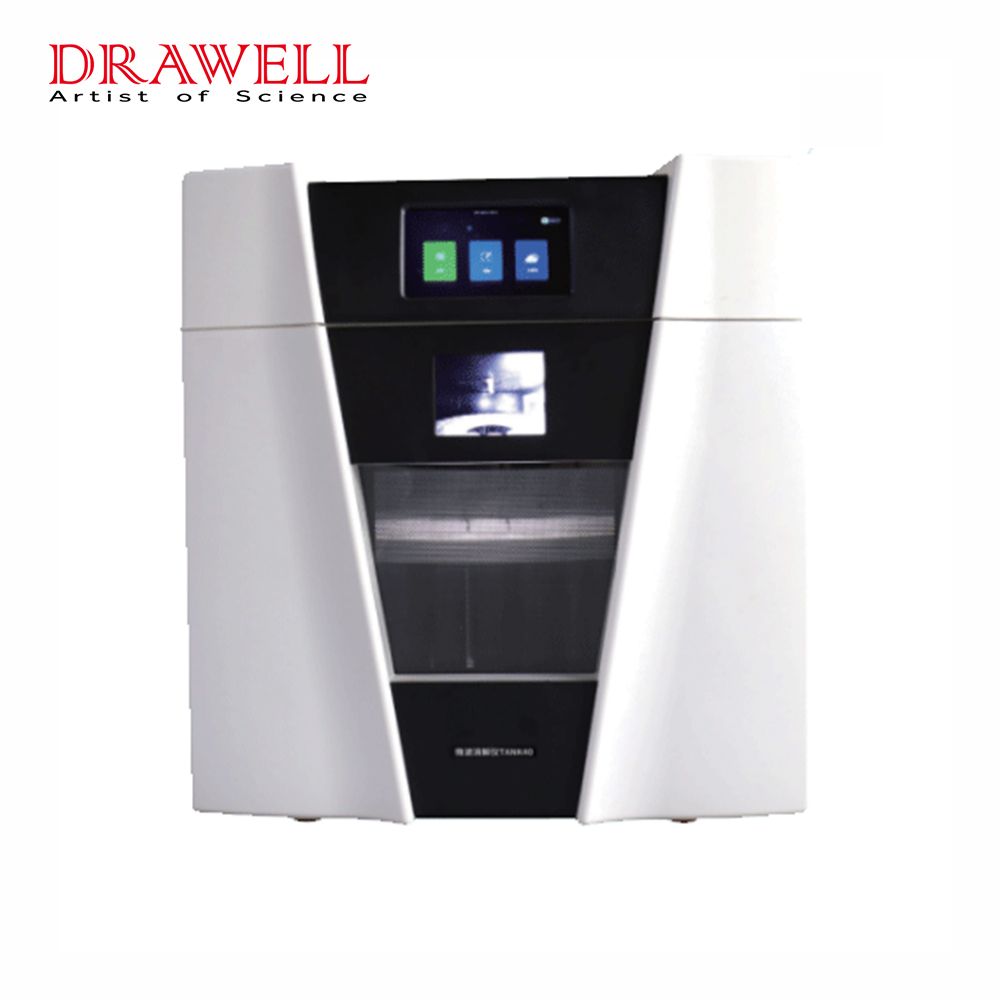
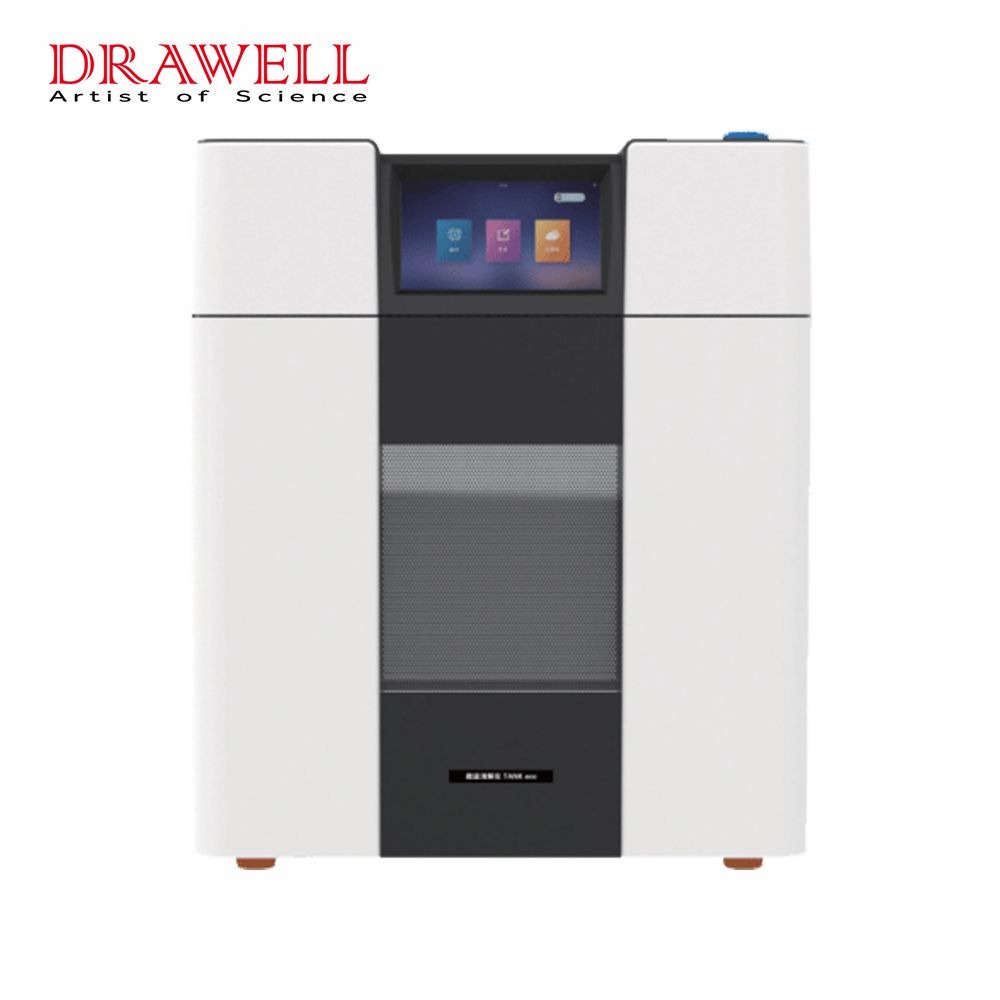
- Microwave Digestion: This technique speeds up the acid digestion process using microwave energy to heat the sample and acid mixture. It is faster and more efficient than conventional digestion methods.
- Fusion: For samples that are difficult to dissolve with acids, fusion techniques are employed. The sample is mixed with a flux, such as lithium metaborate, and heated to high temperatures to create a molten phase that is easily dissolved in acids.
2. Liquid Samples
Liquid samples, such as water, beverages, or chemical solutions, are easier to handle but may require filtration, dilution, or acidification before analysis. Liquid samples must be free of particulates that could block the atomizer and must have appropriate concentration levels to fall within the detection range of AAS.

Preparation Techniques:
- Filtration: Liquid samples may contain suspended solids that must be removed through filtration. This ensures that only the dissolved phase of the sample is analyzed.
Expert Insight: Experienced bench chemists recommend using a 0.45 micron membrane filter (such as PES or PTFE). For ultra-trace heavy metal testing, it is a crucial industry habit to pre-rinse your filter membrane with 1% HNO₃ to strip away any residual trace zinc or copper embedded in the membrane structure during manufacturing.
- Dilution: Highly concentrated liquid samples must be diluted to bring them within the working range of the AAS instrument.
Expert Insight: To avoid introducing ambient laboratory pollutants, all dilutions must be executed using verified Class A volumetric glassware and freshly dispensed Type I ultra-pure water with a target electrical resistivity of 18.2 megohm-cm (Resistivity ≥ 18.2 MΩ·cm).
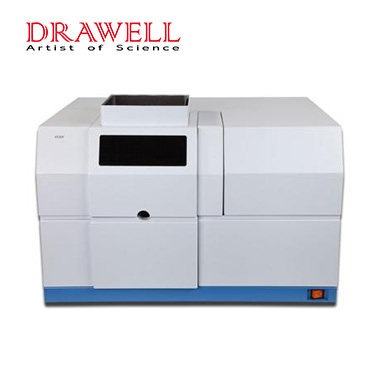
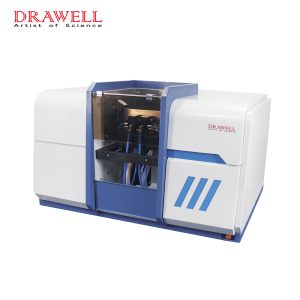
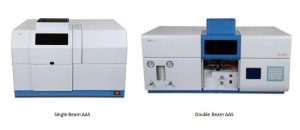
If your laboratory manages high-volume liquid testing with diverse elements, utilizing an 8-Lamp Stand Single Beam Atomic Absorption Spectrophotometer DW-4530F allows for automated, seamless multi-element switching without manual lamp warm-ups. For laboratories looking to eliminate baseline drift during long liquid testing runs, upgrading to a Double Beam Atomic Absorption Spectrophotometer DW-AA320N ensures supreme optical stability.
- Acidification: Some liquid samples require acidification to prevent precipitation of metals or to enhance stability.
Expert Insight: Standard regulatory guidelines (such as those from ISO and the US EPA) dictate adding trace-metal grade nitric acid to the liquid sample until a pH of less than 2 is reached. This process stabilizes the metal ions in solution and stops them from adhering to the container walls during storage.

3. Gaseous Samples
AAS can also be used for analyzing gases, although it is less common. Gaseous samples are usually collected using trapping techniques, and the target elements are often concentrated before introduction to the AAS for analysis.
Preparation Techniques:
- Trapping: Gases are typically collected using absorbents or filters that trap the target elements. These filters are then treated and introduced to the AAS instrument for analysis.
- Pre-concentration: In cases where the target element is present at very low concentrations, pre-concentration techniques are used to increase the analyte levels before analysis.
- Gas-liquid chromatography (GLC): For complex gaseous mixtures, GLC can be used to separate the analytes before AAS analysis.
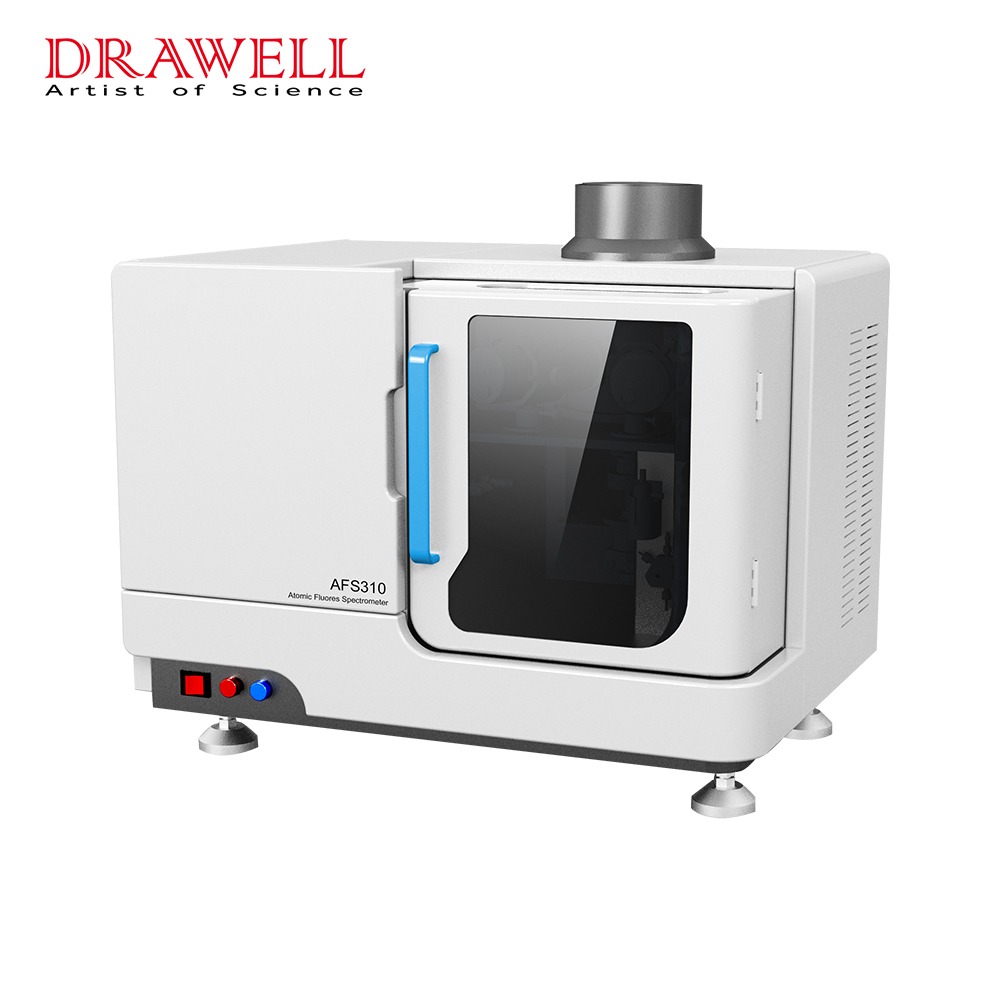
Expert Insight: For highly specialized gas-phase analytical work—especially when tracking volatile heavy metals like Mercury (Hg) or Arsenic (As)—lab operators rely heavily on Hydride Generation AAS (HG-AAS). This specialized sample introduction route transforms target elements into volatile hydrides, radically boosting instrument sensitivity down to part-per-billion (ppb) scales. In fact, if your laboratory’s primary regulatory focus is exclusively on ultra-trace volatile elements like Mercury (Hg), Arsenic (As), or Selenium (Se), transitioning from AAS to an specialized High-Sensitivity Atomic Fluorescence Spectrometer (AFS) is often recommended for superior detection limits.
Effective sample preparation is critical for accurate AAS results. Whether you’re dealing with solids, liquids, or gases, choosing the right technique ensures that the sample is in the correct form and free of interferences, maximizing the precision of the analysis.
Common Issues and Solutions for AAS Sample Preparation
Even with careful preparation, several challenges can arise during AAS sample preparation. These challenges include matrix effects, contamination, and incomplete digestion or dissolution.
Matrix Interferences
Matrix effects occur when other substances in the sample interfere with the absorption of the target element, leading to inaccurate results. This is particularly common in complex samples like soils or biological tissues. To mitigate this, matrix modifiers or dilution can be used to neutralize the interfering components.
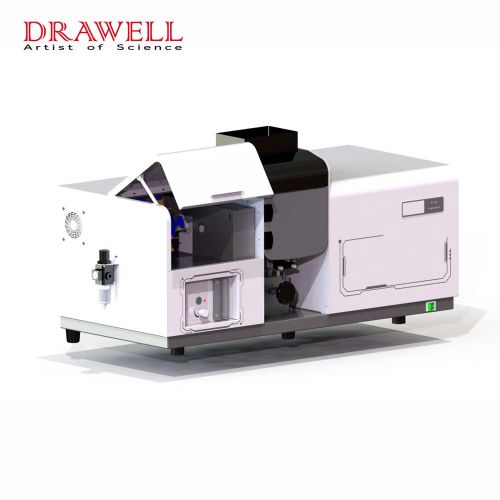
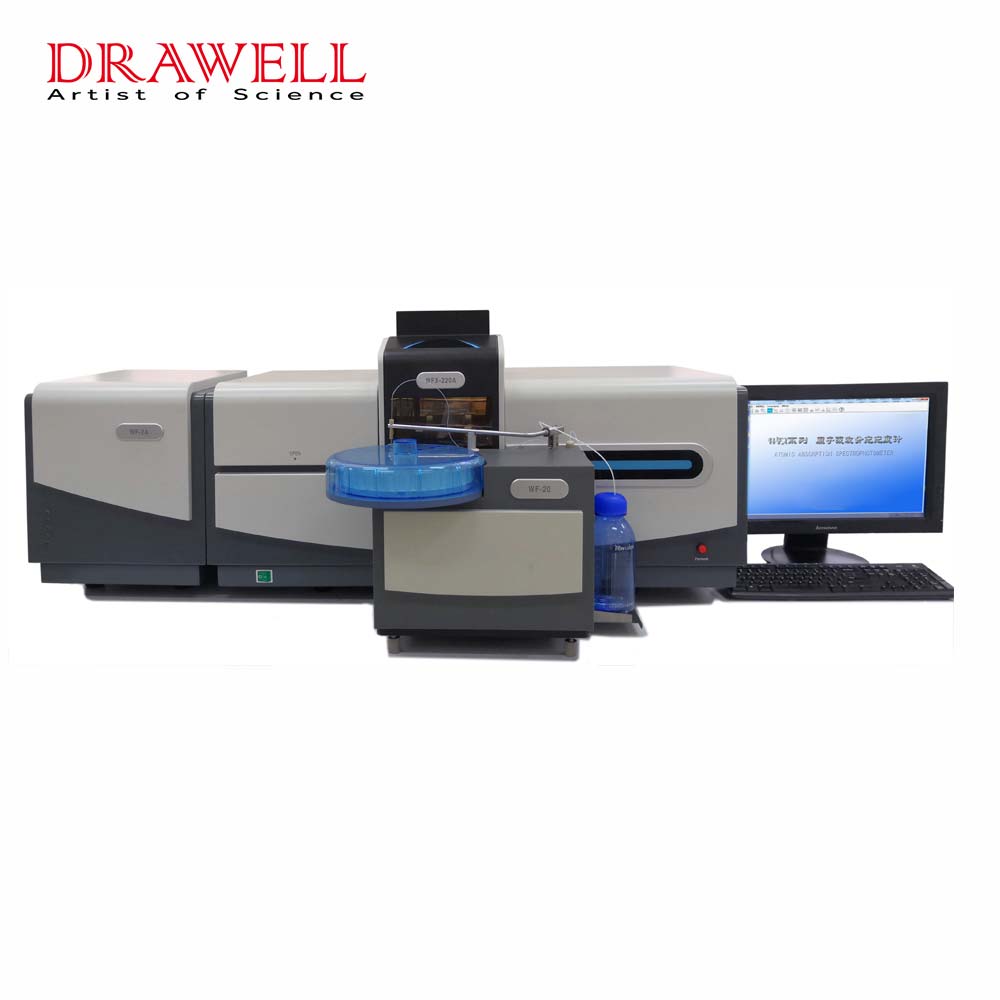
Practical Solution: A classic example is analyzing Calcium (Ca) in environmental water rich in phosphates. The phosphate binds with calcium to form refractory calcium phosphate in the flame, artificially dampening your signal. The time-tested field solution is adding a 1% Lanthanum (La) salt solution to the mixture; lanthanum acts as a “releasing agent” by binding to the phosphate first, setting the calcium free for clean atomization. Concurrently, utilizing an instrument with advanced background correction, such as the Integrated Flame and Graphite Furnace AAS DW-180B (or the versatile DW-220A/B Series), is essential to automatically eliminate severe molecular absorption and non-specific background noise.

Contamination
Contamination can occur at various stages of sample preparation, from handling to the use of impure reagents. The key to avoiding contamination is working in a clean environment, using high-purity reagents, and properly cleaning all equipment between samples. If your nebulizer becomes permanently clogged or your hollow cathode lamps lose intensity over time, always replace them with certified AAS Hollow Cathode Lamps and Atomizer Nebulizers to maintain optimal sample aspiration and light throughput.
Practical Solution: Always use powder-free nitrile gloves (never latex, which can leach zinc). Additionally, implement a mandatory 24-hour acid bath protocol where all plastic and glass volumetric vessels are soaked in 10% HNO₃ prior to sample preparation.
Incomplete Digestion
For solid samples, incomplete digestion can lead to inaccurate readings, as not all of the sample’s elements are available for analysis. Ensuring sufficient time and temperature for digestion or using a more aggressive digestion method like microwave digestion can help overcome this issue.
Practical Solution: If your post-digestion matrix remains cloudy or shows tiny particulates at the bottom of the vessel, your target metals are likely trapped. You must adjust your acid balance (e.g., introducing a bit more H₂O₂ for organics) or optimize your microwave heating program to achieve a crystal-clear, completely dissolved liquid phase.
Inaccurate Dilution or Concentration
Improper dilution or concentration of samples can lead to results that are either too high or too low. Always use calibrated equipment for dilutions and check concentrations using reference standards.
Sample preparation is the cornerstone of accurate AAS analysis. Each sample type, whether solid, liquid, or gas, requires specific preparation techniques to ensure accurate results. By understanding common issues in sample preparation and implementing solutions helps to avoid analytical errors in AAS. Proper preparation is key to unlocking the full potential of Atomic Absorption Spectroscopy.
AAS Sample Preparation Checklist for Laboratories
To keep your daily laboratory operations entirely standardized and error-free, review this quick 5-point quality control checklist before loading samples into your auto-sampler:
- Reagent Chemical Grade: Double-check that all acids (HNO₃, HCl, HF) are strictly labeled as Trace Metal Grade or better.
- Labware Leach Status: Confirm all sample vials, pipettes, and flasks have completed their 10% acid-washing cycle.
- Water Baseline: Verify that your lab’s water purification system is running fresh and displaying exactly 18.2 MΩ·cm.
- Method Blanks: Ensure you process at least one reagent blank alongside every sample batch to accurately isolate and subtract baseline signals.
- Matrix-Matched Standards: Confirm that the acid concentrations of your working standard calibration curves match the acid matrix of your prepared samples.
Frequently Asked Questions (FAQ) about AAS Sample Preparation
Q1: Why must liquid water samples be acidified to a pH of less than 2 for AAS storage?
A1: Acidification with high-purity nitric acid prevents trace metal ions from undergoing natural hydrolysis or forming insoluble precipitates over time. Furthermore, it actively prevents these trace elements from adsorbing onto the molecular walls of plastic or glass storage bottles, keeping the sample entirely stable for later analysis.
Q2: How does an incomplete sample digestion directly compromise Flame AAS readings?
A2: Incomplete digestion leaves raw organic macromolecular residues suspended in the fluid. When injected, these complex molecules dramatically alter the sample’s viscosity and surface tension. This change directly disrupts the aspiration and nebulization rate inside the spray chamber, yielding unstable, false, or significantly lower absorbance readouts.
Q3: What is the optimal approach for dissolving silicates or industrial ores for total metal analysis?
A3: Standard nitric acid digestion cannot break down strong silica bonds. For total metal profiling in geological matrices, Hydrofluoric Acid (HF) must be carefully introduced alongside HNO₃ and HCl within a pressurized, closed-vessel microwave system to safely decompose the silicon structures.
Q4: Can I use standard laboratory distilled water for trace-level AAS sample preparation?
A4: No. Standard distilled or simple deionized water often contains trace amounts of sodium, calcium, or copper ions that easily eclipse part-per-billion (ppb) detection limits. For high-precision sample preparation for aas analysis, you must use fresh Type I ultra-pure water rated at 18.2 MΩ·cm resistivity.
Q5: What are matrix modifiers, and when should they be added during sample prep?
A5: Matrix modifiers are chemical agents (like ammonium nitrate or palladium chemical modifiers) added directly to your sample matrix, most notably during GFAAS sample preparation. They chemically alter the volatility of either the analyte or the matrix, allowing you to use a higher pyrolysis temperature to burn away interferences without losing your volatile target element before atomization.
Q6: How do I choose between Flame AAS and Graphite Furnace AAS based on my sample preparation results?
A6: The choice comes down to expected concentrations after your final dilution step. Flame AAS is excellent for macro-to-micro element profiling in the part-per-million (ppm) range and can handle higher dissolved solids. If your sample preparation results in highly diluted solutions where trace metals sit in the part-per-billion (ppb) or part-per-trillion (ppt) domain, you should transition your sample to a high-sensitivity system.

Ready to Elevate Your Laboratory’s Analytical Precision?
Achieving flawless aas sample preparation is half the battle won; the other half relies on using an instrument engineered for absolute stability, high optical throughput, and low detection floors. Whether your lab needs high-speed multi-element Flame throughput or automated Graphite Furnace trace analysis, Drawell delivers robust, industry-compliant equipment built for modern testing workflows.
Explore our complete portfolio of Atomic Absorption Spectrophotometers (AAS) or reach out to our application specialists today to request a custom quote tailored directly to your matrix requirements. Let’s make your analytical workflows faster, cleaner, and undeniably accurate.
Get Quote Here!
Latest Posts
What Next?
For more information, or to arrange an equipment demonstration, please visit our dedicated Product Homepage or contact one of our Product Managers.


