


How do you accurately measure a trace metal that is completely invisible to the naked eye? Whether it’s detecting parts-per-billion of lead in drinking water or verifying the purity of an industrial alloy, laboratories worldwide rely on one dependable workhorse: the Atomic Absorption Spectrometer (AAS).
Prized for its pinpoint selectivity, understanding exactly how an AAS operates is the ultimate key to getting flawless, reproducible data. Let’s cut right through the fluff and look at the exact chemical mechanism behind how it works, how to troubleshoot common matrix interferences, and how to choose the right setup for your specific applications.
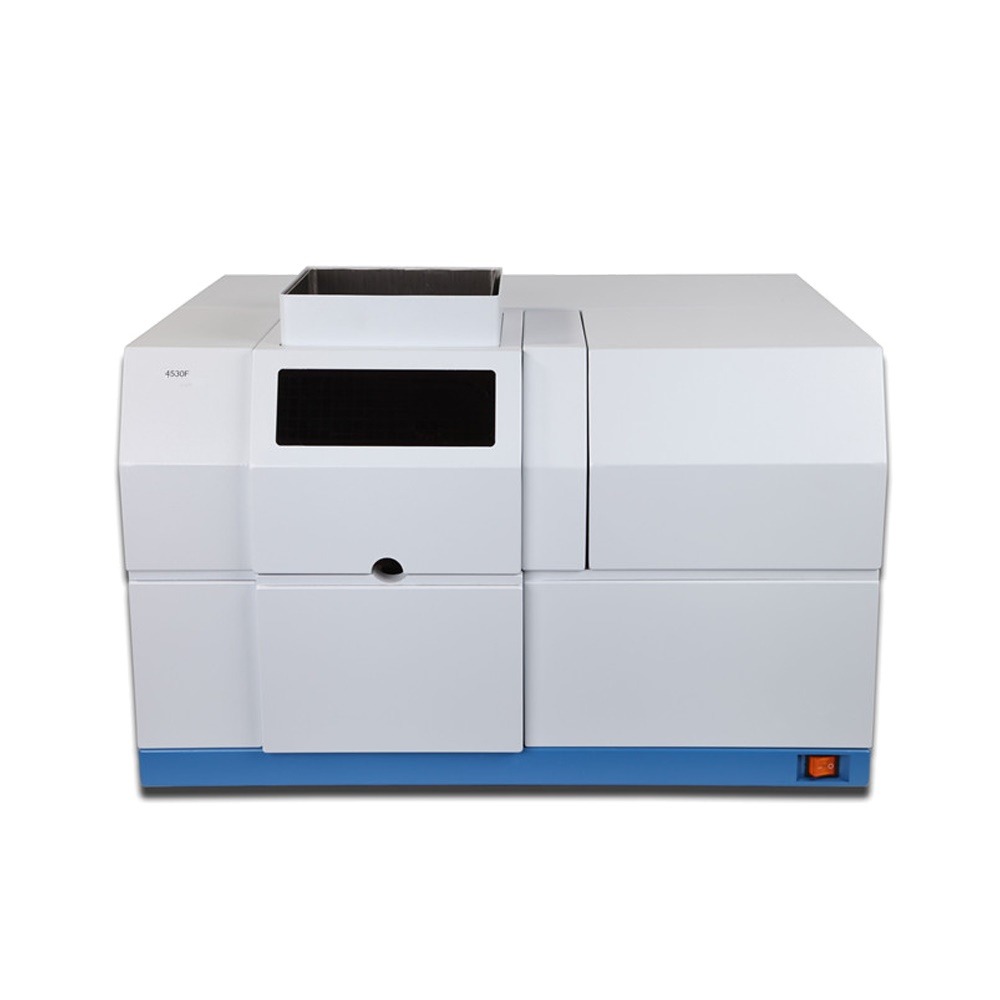
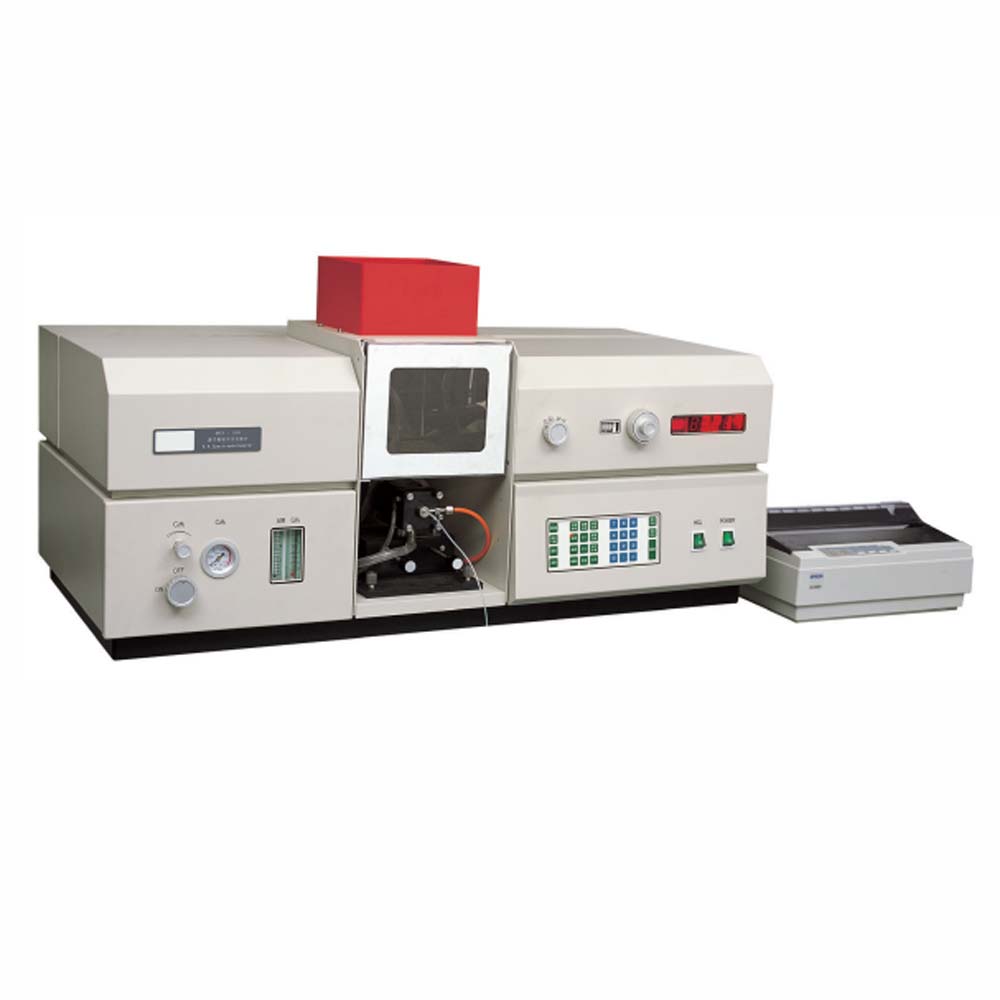
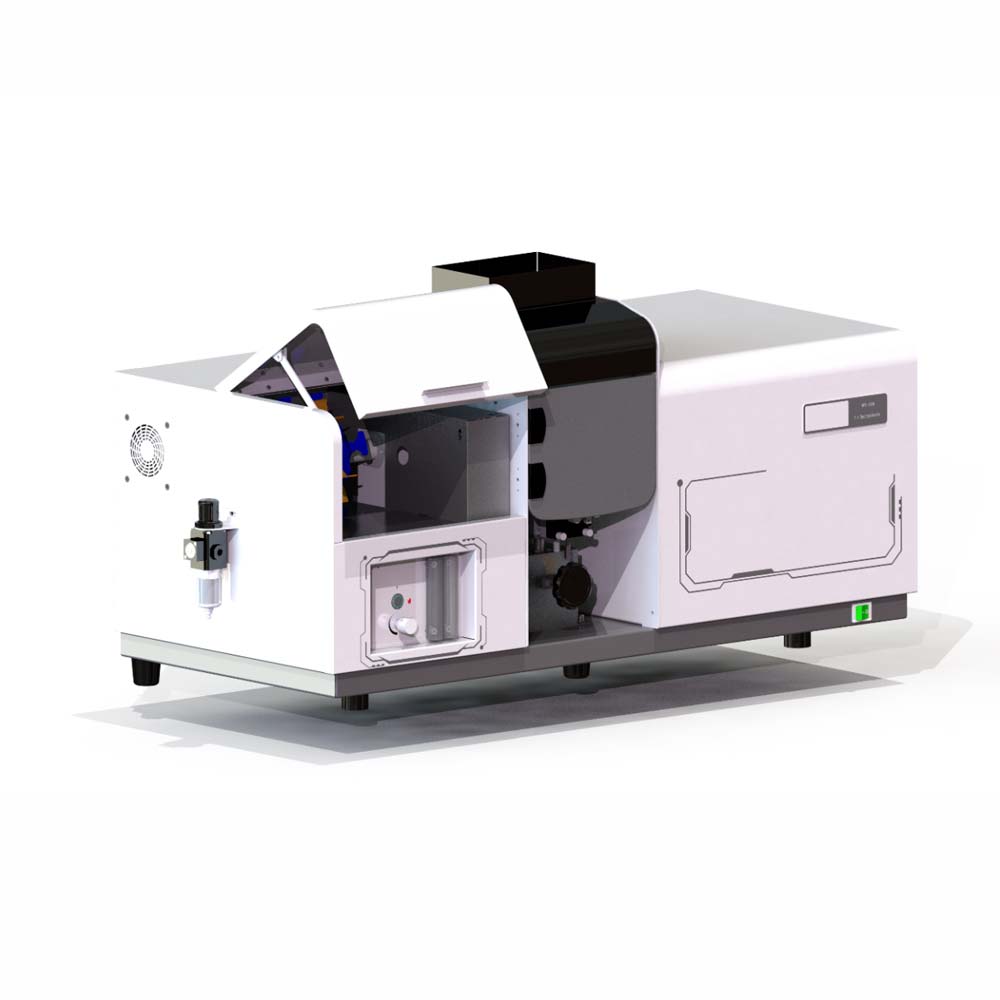
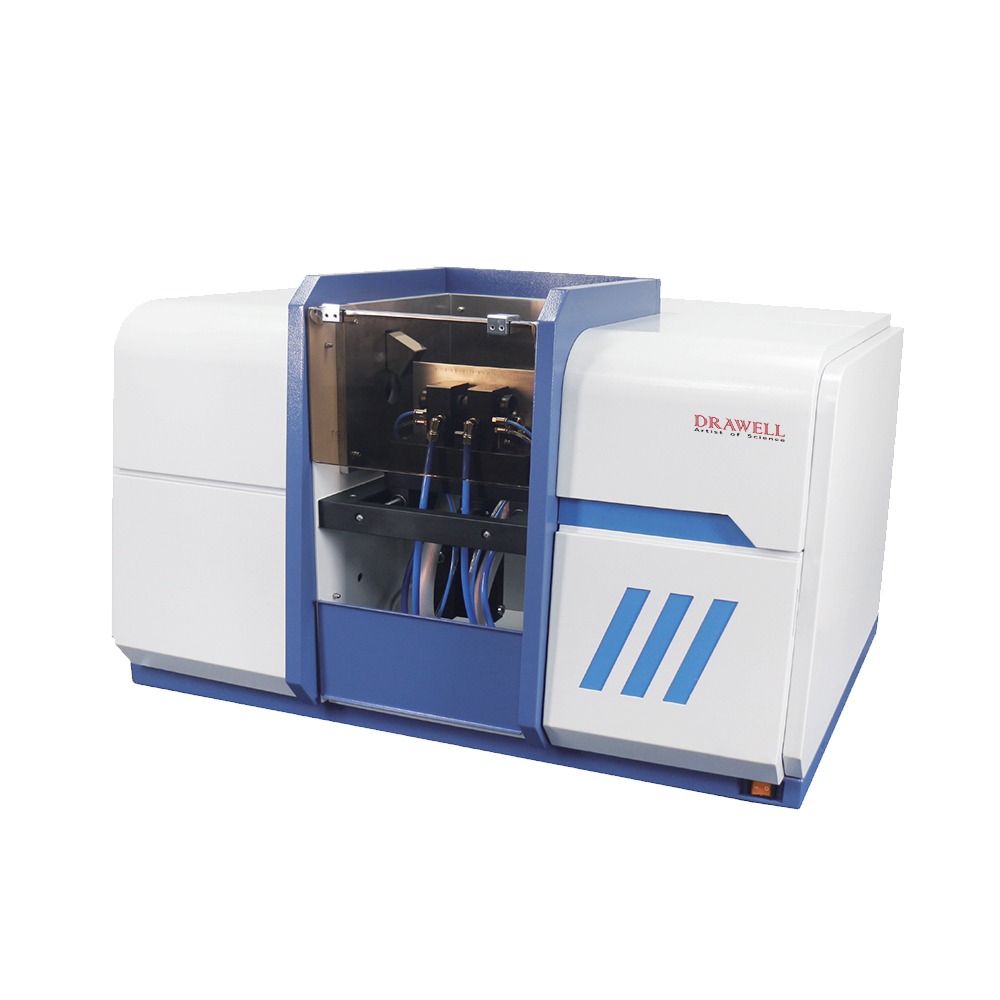
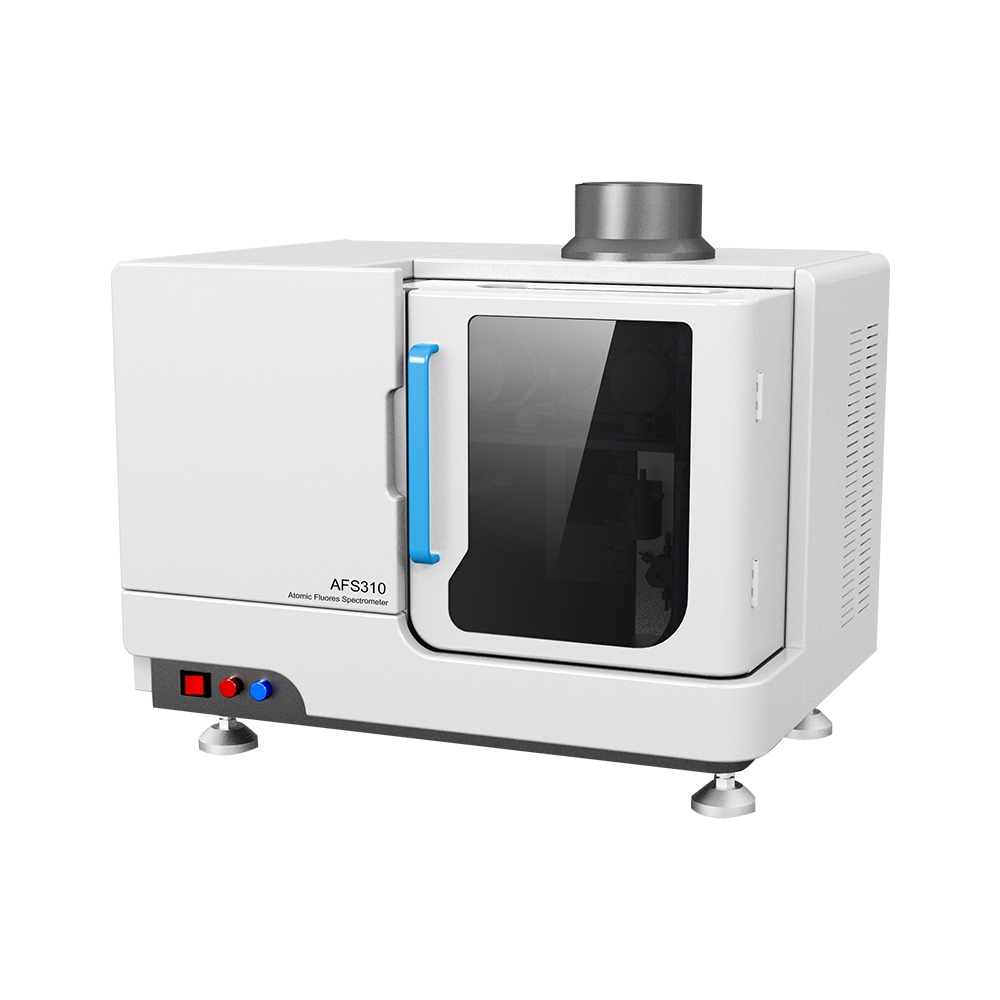
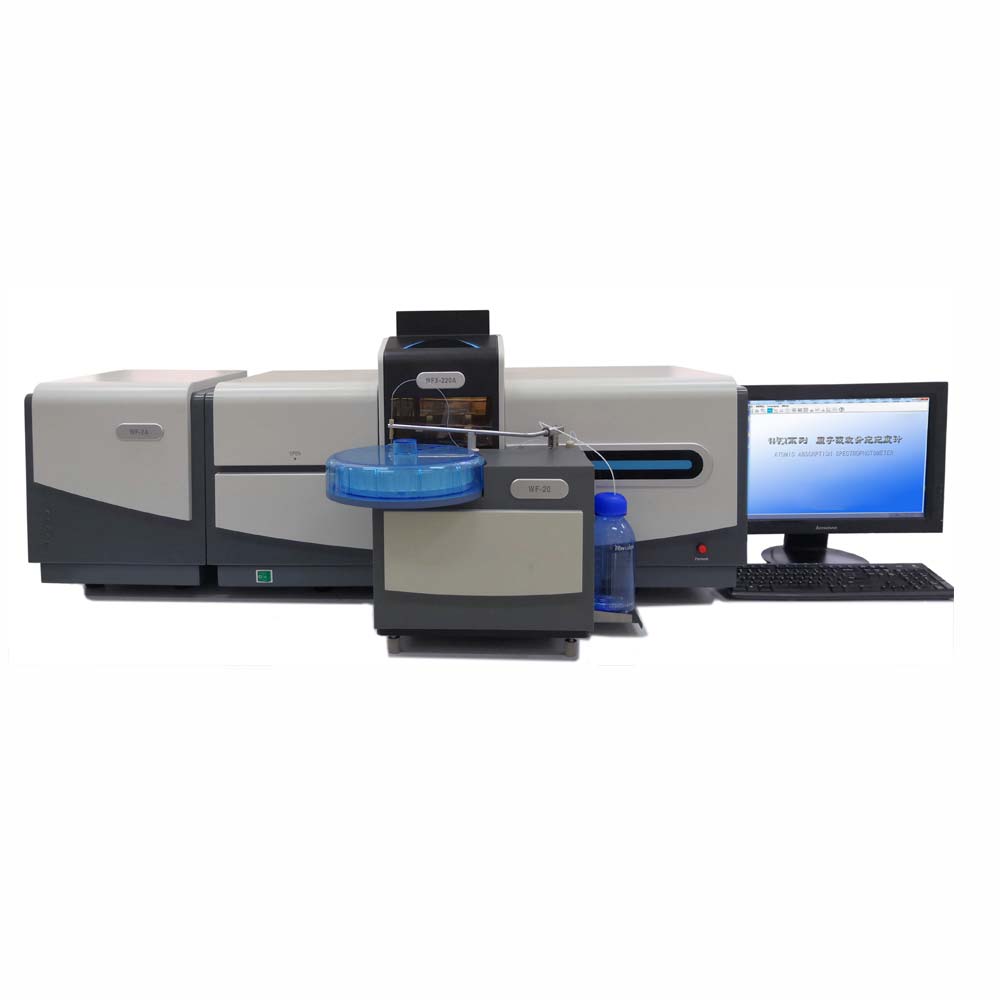
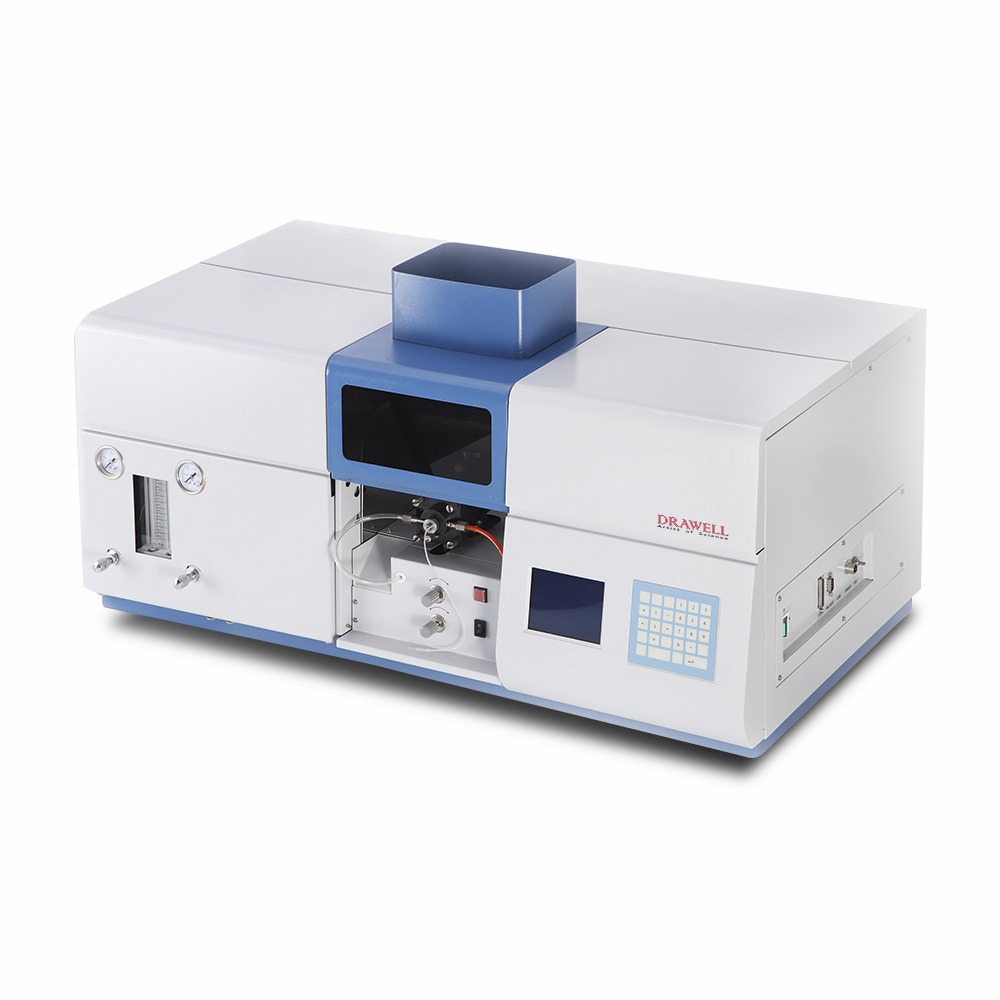
Components of An Atomic Absorption Spectrometer
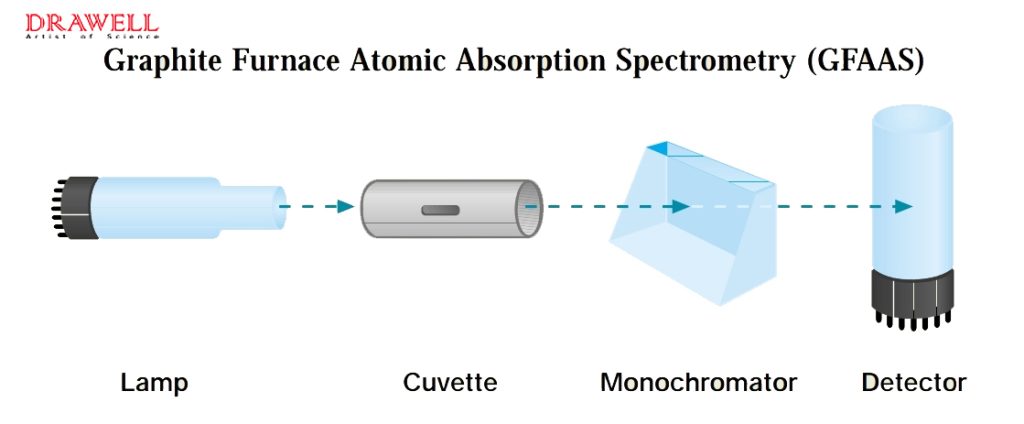
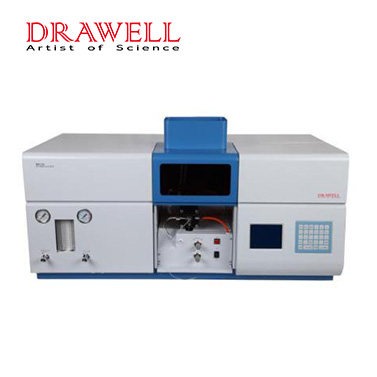
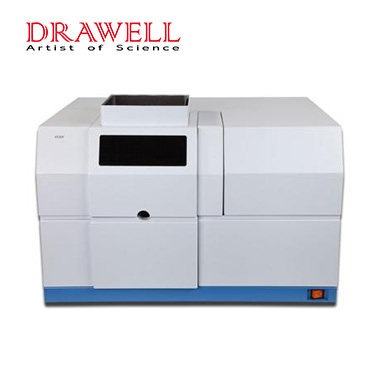
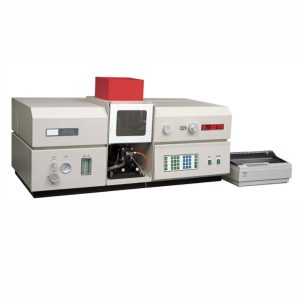
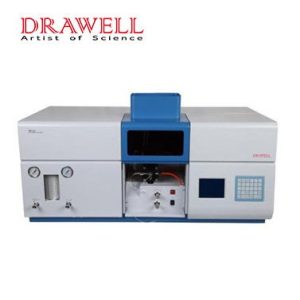
An atomic absorption spectrometer consists of four main components:
- Light source: The light source provides the light that is used to excite the atoms in the sample. The most common light source for AAS is a hollow cathode lamp (HCL). An HCL is a low-pressure gas discharge lamp that contains a small amount of the element to be measured. When the HCL is energized, it emits light at the characteristic wavelength of the element.
- Atomizer: The atomizer is the component that vaporizes the sample and converts it into a gas of free atoms. The most common atomizers for AAS are flame atomizers and graphite furnace atomizers. Flame atomizers use a flame to vaporize the sample, while graphite furnace atomizers use a high-temperature graphite furnace to vaporize the sample.
- Monochromator: The monochromator is the component that selects the specific wavelength of light that is used to excite the atoms in the sample. The monochromator is a device that disperses light into its component wavelengths. The wavelength of light that is used to excite the atoms is selected by rotating a diffraction grating or prism.
- Detector: The detector measures the amount of light that is absorbed by the atoms in the sample. The most common detector for AAS is a photomultiplier tube (PMT). A PMT is a device that converts light into an electrical signal. The electrical signal from the PMT is amplified and then displayed on a computer screen.
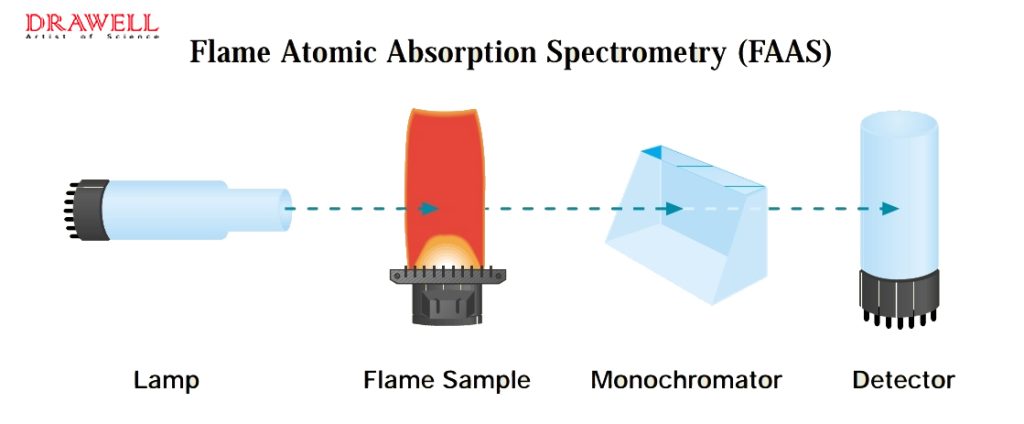
Working Principle of An Atomic Absorption Spectrometer
The core working principle of AAS rests on a simple principle: free atoms in the ground state can absorb light at specific wavelengths. When these atoms absorb light energy, their electrons jump to a higher, excited energy state. The amount of light absorbed is directly proportional to the concentration of the element in your sample.
Here is exactly how a sample moves through the system during a test:
- The sample is introduced into the atomizer.
- The atomizer vaporizes the sample and converts it into a gas of free atoms.
- The light source emits light at the characteristic wavelength of the element to be measured.
- The monochromator selects the specific wavelength of light that is used to excite the atoms in the sample.
- The light passes through the gaseous sample.
- The atoms in the sample absorb light at the characteristic wavelength.
- The amount of light that is absorbed is measured by the detector.
- The concentration of the element in the sample is calculated from the amount of light that is absorbed.
To ensure accuracy, modern instruments also utilize background correction systems (like Deuterium lamps or the Zeeman effect) to subtract any light scattering caused by smoke, dust, or unvaporized matrix elements in the flame.
Applications of Atomic Absorption Spectrometer
Because of its element-specific nature, AAS is a staple instrument across dozens of global industries. It doesn’t just tell you if a metal is present; it tells you exactly how much is there down to the minute trace levels.
To help you quickly identify how this technology fits your specific operational workflows, we have compiled a summary of core industrial applications along with corresponding specialized instrumentation solutions.
Industrial AAS Application & Equipment Selection Suggestions
| Target Industry | Common Test Samples | Target Elements / Analytes | Recommended Drawell Instrument Solution |
| Environmental Monitoring | Drinking water, industrial wastewater, agricultural soil, river sediment, and air particulate filters. | Toxic heavy metals including Lead (Pb), Cadmium (Cd), Chromium (Cr), and Arsenic (As). | DW-AA4730FG (Integrated Flame & Graphite Furnace for versatile ppb-level toxin screening) or DW-AA320N (with Hydride Vapor Generator for volatile tracking). |
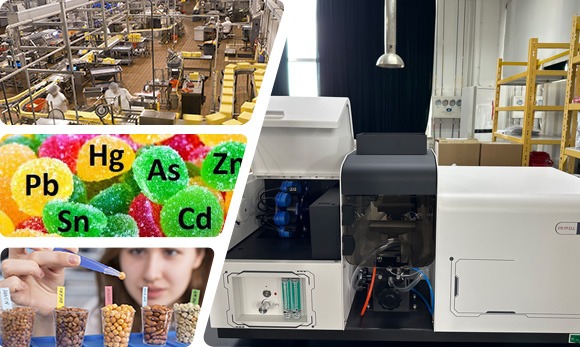
| Food & Beverage Safety | Canned products, dairy liquids, wine, crops, seafood, and functional fruit juices. | Trace contaminant elements (Pb, Cd) and essential mineral nutrients like Calcium (Ca), Magnesium (Mg), and Zinc (Zn). | DW-180B or DW-AA4530F (High-throughput automated flame models equipped with 8-position lamp turrets for multi-element analysis shifts). |
| Pharmaceuticals & Cosmetics | Active Pharmaceutical Ingredients (APIs), raw chemical materials, lipsticks, skin lotions, and eye shadows. | Toxic impurities matching global USP/EP standards (Pb, As, Hg, Cd) and residual synthesis catalysts like Palladium (Pd) or Platinum (Pt). | DW-AA4730FG (The ultra-sensitive Graphite Furnace component handles the minute sample sizes and strict parts-per-billion detection thresholds mandatory in pharma testing). |
| Mining & Metallurgy | Geological mineral ores, refined precious gold bars, structural industrial alloys, and metallurgical processing slag. | Precious metals (Gold – Au, Silver – Ag, Platinum – Pt) and dominant structural metals like Copper (Cu), Iron (Fe), Nickel (Ni). | DW-320 (A highly economic, rugged single-beam flame model perfect for high-concentration base metal sorting) or DW-AA320N (Double-beam system for top-tier baseline stability). |

Key Takeaway for Instrument Procurement
When matching your application to the table above, the rule of thumb is straightforward: if you are analyzing raw metals or high-concentration minerals (ppm level), an affordable Flame AAS like the Flame Atomic Absorption Spectrophotometer DW-320 is incredibly efficient. However, if your industry requires strict compliance with heavy-metal toxicity laws where even a single part-per-billion matters, opting for specialized automated flame and furnace AAS systems will give your laboratory the definitive precision it needs.
For more detailed suggestions, please contact us.

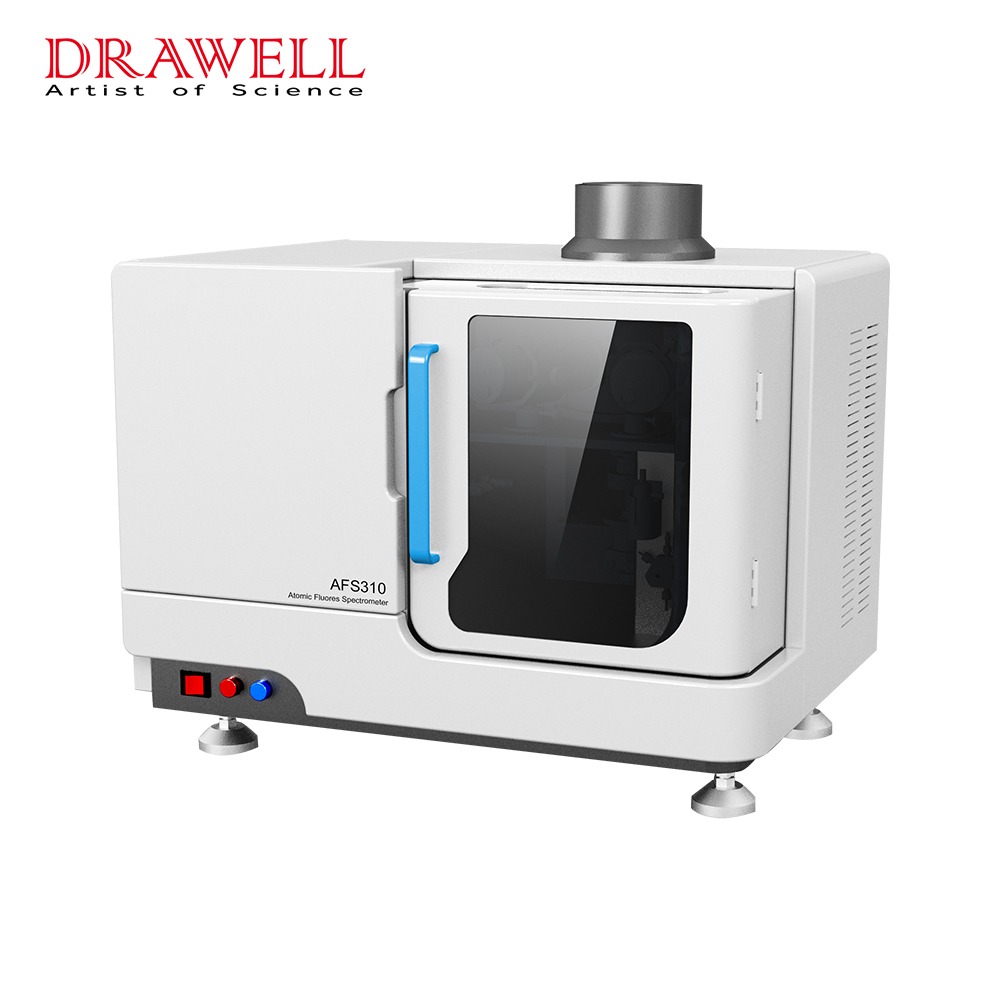
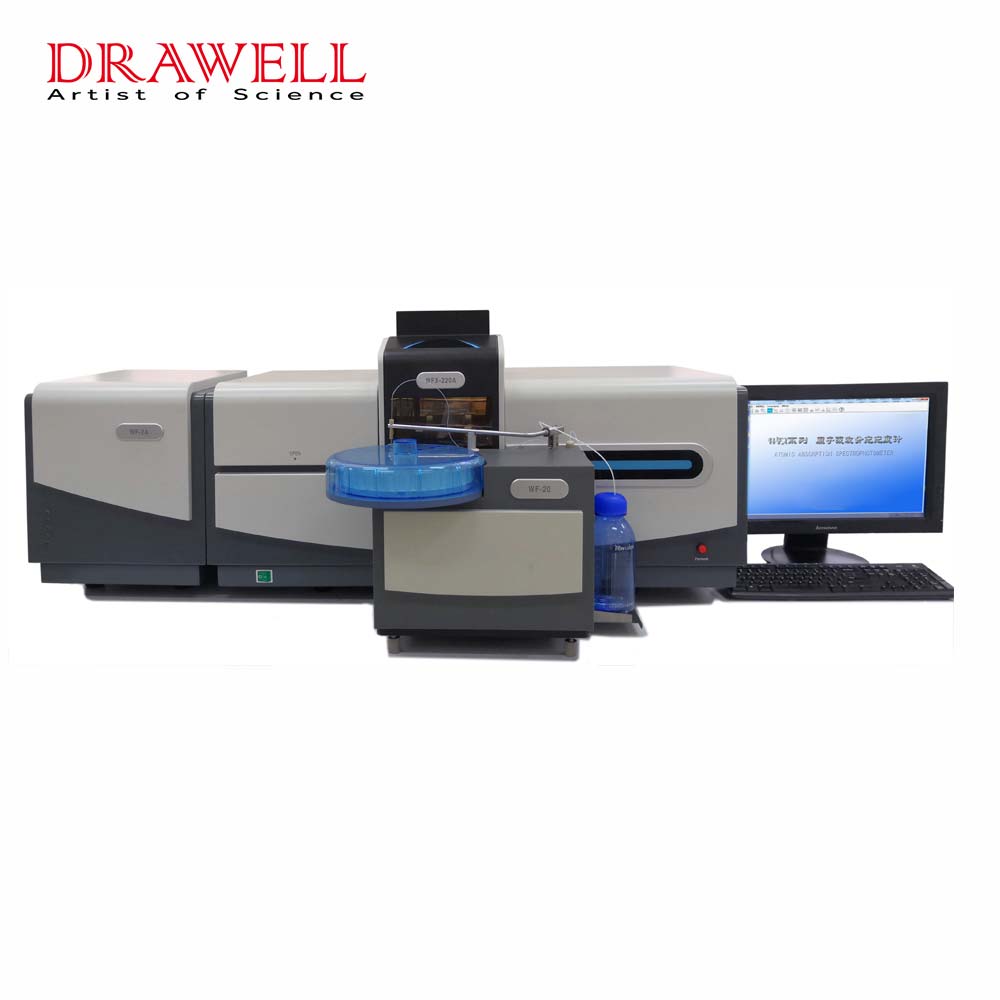
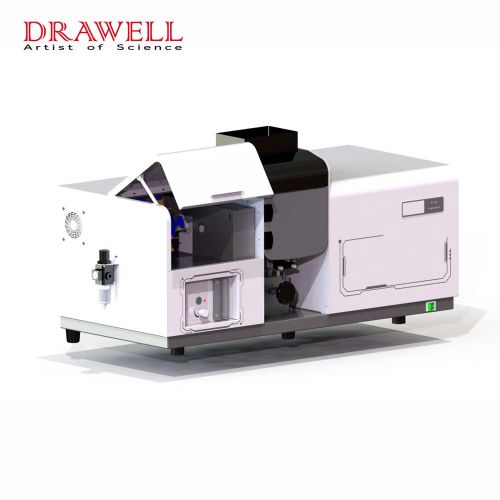
Advantages of Atomic Absorption Spectrometer
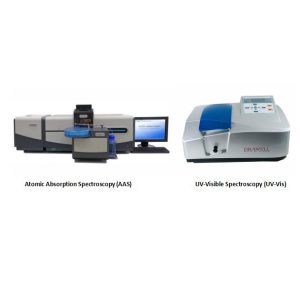
When selecting the ideal optical instrument for elemental tracking, laboratory directors often weigh AAS against alternatives like ICP-OES (Inductively Coupled Plasma Optical Emission Spectroscopy) and UV-Vis Spectrophotometry. While each technology serves a distinct role in analytical chemistry, AAS occupies a critical sweet spot of precision, cost efficiency, and operational simplicity.
A major advantage of AAS is its unmatched spectral selectivity. Because a Hollow Cathode Lamp isolates the exact line spectrum of a single target element, the risk of overlapping background signals is remarkably low.
To help clarify where AAS excels, let’s look at how it compares directly across key performance metrics with other common laboratory systems.
Technology Comparison: AAS vs. ICP-OES vs. UV-Vis
| Performance Metric | Atomic Absorption Spectrometry (AAS) | ICP-OES | UV-Vis Spectrophotometry |
| Primary Target | Specific metallic elements and select metalloids. | Broad elemental screening (metals + non-metals). | Molecules, organic compounds, and complexed ions. |
| Spectral Selectivity | Excellent. Minimal inter-element overlap thanks to element-specific light sources. | Moderate. Extremely high plasma temperatures create complex emission lines requiring advanced background correction. | Low. Measures broad absorption bands rather than sharp atomic lines; complex matrices can cause severe overlap. |
| Trace Sensitivity | High to Ultra-High. Detects down to ppm levels with flames, and ppb levels via graphite furnaces. | High. Broadly covers ppm to ppb levels across dozens of elements simultaneously. | Moderate to Low. Generally limited to ppm levels; struggle with direct ultra-trace heavy metal detection. |
| Throughput Style | Sequential (analyzes one element at a time per lamp run). | Simultaneous (measures up to 40+ elements in a single injection). | Sequential (measures absorbance across specific molecular wavelengths). |
| Operating Costs | Economical. Requires standard laboratory gases (Acetylene/Air) and standard power draws. | High. Requires heavy, continuous consumption of high-purity Argon gas to maintain the plasma torch. | Very Low. Minimal consumable requirements beyond standard solvents and cuvettes. |
| System Complexity | Moderate. Straightforward calibration curves and fast training turnarounds for lab staff. | High. Requires specialized technical training for gas flow balancing, optics maintenance, and matrix matching. | Low. Simple operation based on the direct Beer-Lambert Law with minimal startup calibration. |
Making the Right Choice for Your Bench
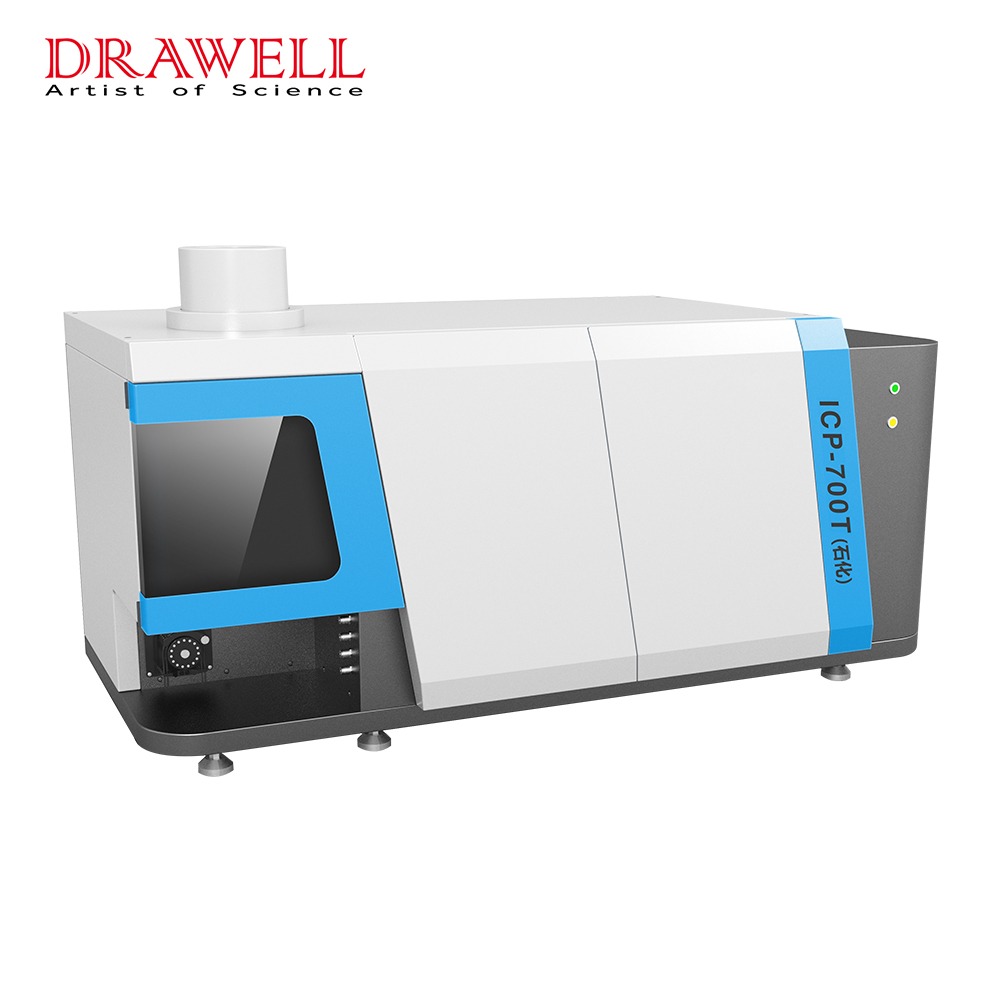
If your testing facility routinely screens hundreds of multi-element matrix batches daily and handles non-metals, exploring high-throughput full-spectrum direct reading ICP-OES systems makes complete operational sense.
Conversely, if your primary goal is robust quantitative molecular tracking or simple colorimetric assays, a standard UV-Vis Spectrophotometer is a lab essential.
However, for targeted heavy metal monitoring—where you need absolute clarity regarding specific toxins like Lead, Cadmium, or Copper without paying a premium for complex multi-gas setups—the Atomic Absorption Spectrophotometer (AAS) remains the most cost-effective, selective, and dependable workhorse available for modern industrial quality control.

Common Interferences in AAS & How to Neutralize Them
While Atomic Absorption Spectrometry is highly selective, the sample matrix—everything in your vial that is not the target element—can occasionally distort your light absorption readings. When your calibration curves look perfect but your real-sample readings seem erratic, you are likely dealing with one of the four interferences detailed below.
Laboratory Troubleshooting Matrix: AAS Interferences & Solutions
| Interference Type | Chemical Mechanism (The Cause) | Practical, Actionable Solutions |
| Chemical Interference (The “Bonding” Problem) | The atomizer temperature is not hot enough to break strong chemical bonds. The target element stays locked inside a heat-resistant (refractory) molecular compound that cannot absorb the HCL lamp light. | 1. Add a Releasing Agent: Mix an excess of Lanthanum Chloride ($LaCl_3$) into the sample. Lanthanum binds with the phosphate first, releasing the calcium to vaporize. 2. Increase Heat: Swap to a hotter Nitrous Oxide/Acetylene flame (~2700°C) to shatter the molecular bonds. |
| Physical Interference (The “Fluid” Problem) | Differences in viscosity, surface tension, or density between your liquid calibration standards and real samples alter the rate at which the nebulizer sucks up and mists the sample. | 1. Dilution: If concentration allows, dilute the sample with ultra-pure water to match the viscosity of standard water. 2. Matrix Matching: Prepare standard calibration curves using the exact same acid/solvent percentages as the sample matrix. 3. Method of Standard Additions (MSA): Spike aliquots of the sample with known standard concentrations to calibrate inside the matrix. |
| Ionization Interference (The “Overheating” Problem) | The flame or graphite furnace is too hot for the element being measured. The extreme thermal energy strips electrons from ground-state atoms, converting them into charged ions. | Add an Ionization Suppressor: Flood the sample matrix with a high concentration of an easily ionized element, such as a Cesium (Cs) or Potassium (K) salt. The flame burns through these suppressor electrons first, forcing your target element to remain in its neutral ground state. |
| Spectral & Background Interference (The “Vision” Problem) | Light scattering or background molecular absorption is mistaken for true atomic absorption. Smoke, unvaporized matrix ash, or solvent droplets physically block the optical light path. | Advanced Background Correction: Utilize instruments equipped with dual optical pathways or automated hardware subtractions. These systems use a secondary Deuterium lamp or Zeeman Effect Correction to measure and automatically subtract matrix background noise from the total reading. |
Summary: Elevate Your Analytical Precision
From environmental safety to industrial quality control, the Atomic Absorption Spectrometer remains one of the most reliable workhorses in the scientific world. By understanding its key optical components, mastering sample preparation, and controlling common chemical interferences, your laboratory can achieve unmatched precision.
If you are looking to upgrade your laboratory setup or need a reliable instrument built to handle rigorous industrial workflows, exploring specialized equipment is the next logical step.
Frequently Asked Questions (FAQ)
Q1: What causes a sudden drop in sensitivity (low absorbance) when running an analysis?
If your standard check samples suddenly yield much lower absorbance values than expected, the issue is almost always fluidic or optical rather than chemical.
- Check the Nebulizer: The capillary tube or nebulizer tip may be partially clogged by salt deposits or small particulates. Clean it using a fine cleaning wire or an ultrasonic bath.
- Burner Alignment: The burner head slot might not be perfectly parallel to the light path. If the lamp’s light beam isn’t passing through the densest part of the flame, sensitivity drops drastically.
- Lamp Degradation: Hollow Cathode Lamps lose intensity over time as metal deposits sputter onto the quartz window. Check the lamp’s operating current and energy output indicators.
Q2: Can I use the same gas cylinders for both flame AAS and other laboratory equipment?
Yes, but you must ensure the gas purity levels meet instrument specifications. For standard flame AAS, you need instrument-grade Acetylene (99.6% purity). Using commercial-grade welding acetylene will introduce acetone vapor and sulfur impurities into the system, which poisons the burner and ruins your baseline stability. If your setup requires a Nitrous Oxide/Acetylene flame for refractory elements, the Nitrous Oxide ($N_2O$) must be medical/instrument grade (99.5% purity) and free of moisture to prevent freezing at the regulator.
Q3: Why does my graphite tube burn out or break after only a few dozen injections?
A standard pyrolytically coated graphite tube should easily last between 100 to 500+ firings, depending on your sample matrix and atomization temperatures. If yours are failing prematurely, check two things:
- Inert Gas Flow: The internal argon gas flow protects the white-hot graphite from reacting with atmospheric oxygen. If the argon supply is interrupted, low, or leaking, the tube will instantly oxidize (burn up) at high temperatures.
- Acid Concentration: Highly concentrated, aggressive acids (especially hydrofluoric or perchloric acid) degrade the pyrolytic coating rapidly. Ensure samples are thoroughly digested and diluted appropriately.
Q4: Is a single-beam or a double-beam optical system better when purchasing an AAS?
It depends on your laboratory’s daily priorities regarding stability versus light energy:
- Single-Beam Systems: The light from the lamp passes directly through the atomizer to the detector. These systems offer maximum light throughput and are highly economical, but they require regular recalibration because they cannot compensate for lamp intensity drift over time.
- Double-Beam Systems: The optical path splits the lamp light into two beams—one passes through the sample flame, while the other bypasses it as a reference. The system continuously compares the two, automatically correcting for any lamp drift or electronic fluctuations. This gives you superior baseline stability and reproducibility over long testing shifts.
Get Quote Here!
Latest Posts
What Next?
For more information, or to arrange an equipment demonstration, please visit our dedicated Product Homepage or contact one of our Product Managers.


