



Blog
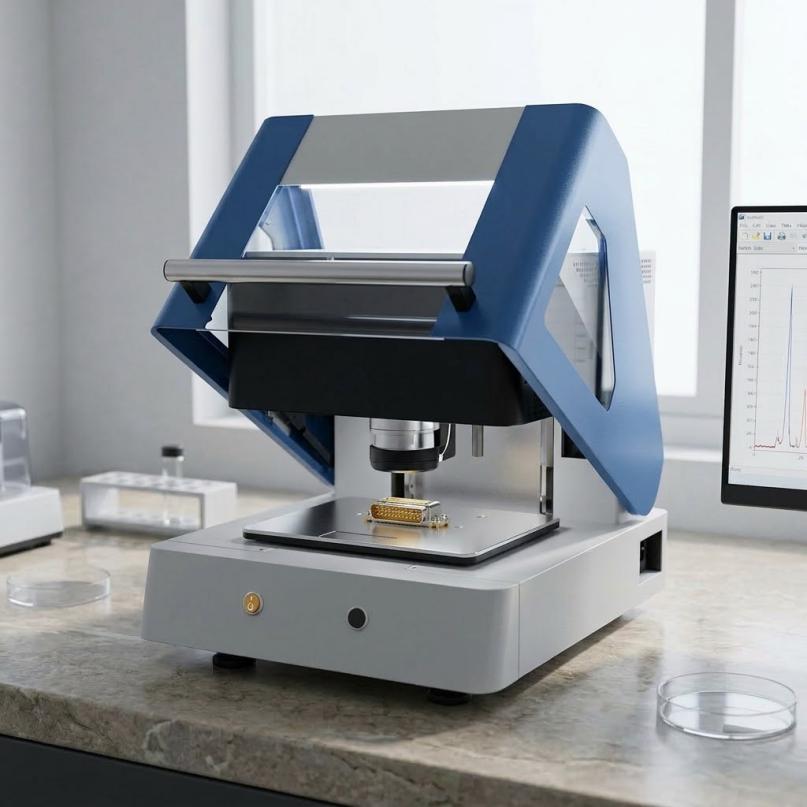
XRF Coating Thickness Measurement: How It Works and What Affects Accuracy
XRF coating thickness measurement is used to determine the thickness of a coating. You’ll find it in plating QC, electronic component tests, precision part analysis. No cut, no probe marks. When the material mix and arrangement is suitable, XRF tests the…
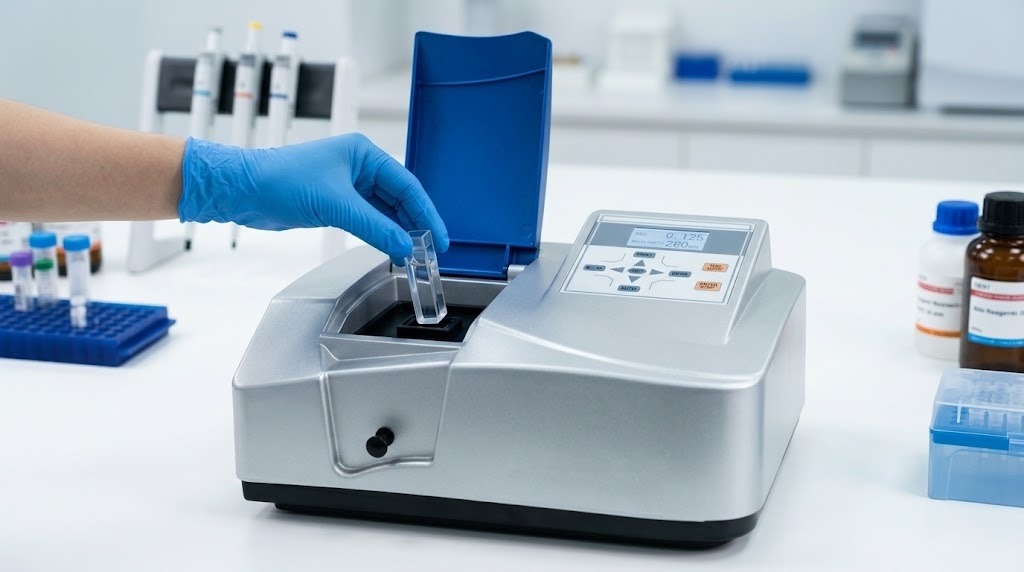
UV-VIS Spectrometry for Protein Concentration Analysis: Methods, Accuracy & Tips
Measuring protein concentration is something that always pops up – purifying proteins, doing biological studies, routine monitoring of lab samples. The concentration of this can be found by measuring how much ultraviolet light the sample absorbs at a certain wavelength…
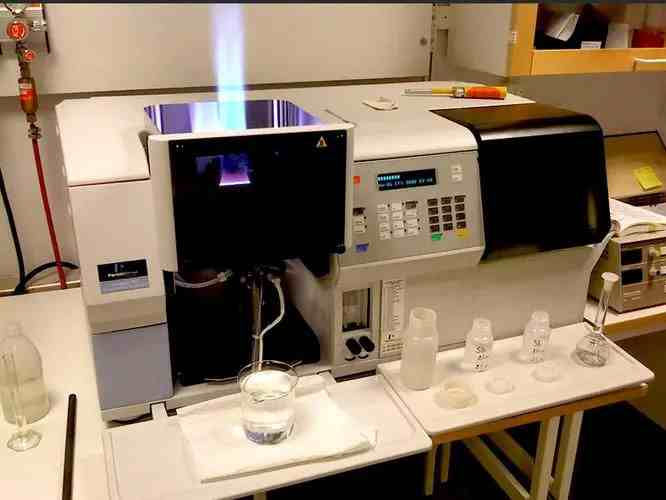
What Happens When a Flame Photometer Sample Is Too Concentrated?
You run a sample, and the reading comes back higher than your top standard. Or it looks fine, but the number just doesn’t feel right. In flame photometry, a sample that is too concentrated is one of the most common…
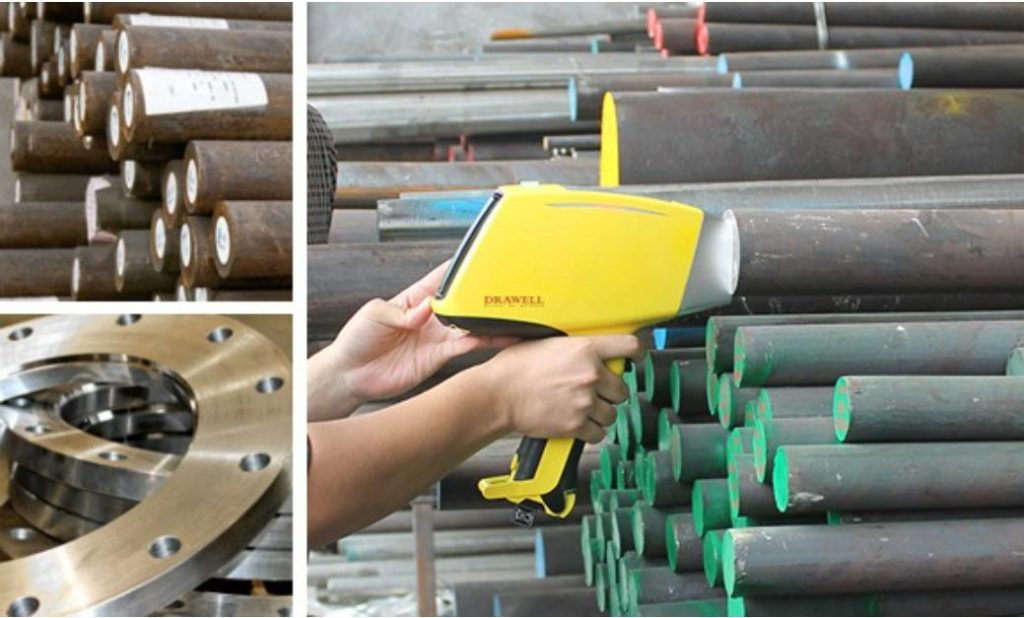
How Accurate Is XRF Analysis? 7 Key Factors That Affect Accuracy
How accurate is XRF analysis? XRF analysis can provide reliable results for many elemental analysis tasks, but there is no fixed accuracy value that applies to all samples and all applications. Actual accuracy is affected by factors such as sample type,…
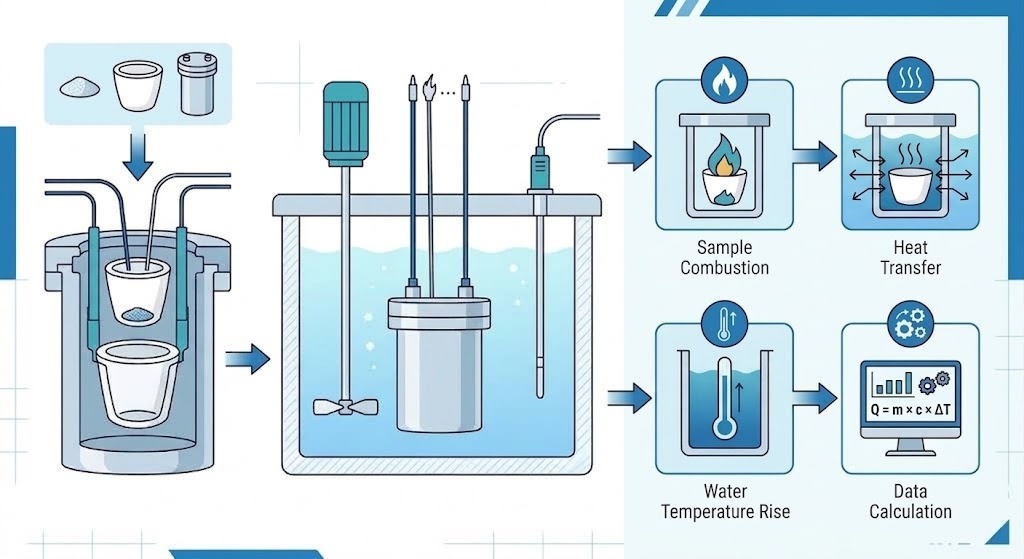
How Does a Bomb Calorimeter Work? Working Principle Explained
How does a bomb calorimeter work? A bomb calorimeter determines the heat of combustion and calorific value of a sample by burning a weighed sample in excess oxygen inside a sealed oxygen bomb and measuring the temperature rise of the…
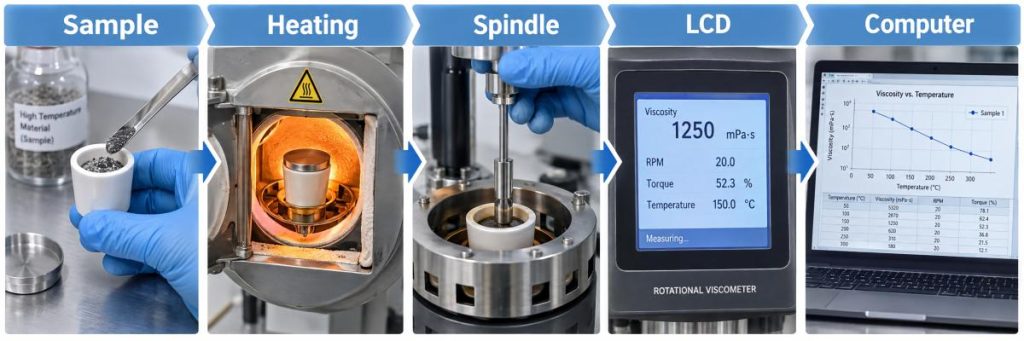
How to Use a Digital Viscometer Effectively?
A digital viscometer is a key instrument for measuring the viscosity of liquids. It supports manufacturers and labs in judging how fluids move, keeping product performance steady, and improving overall quality control. You can find these tools in chemicals, food and…
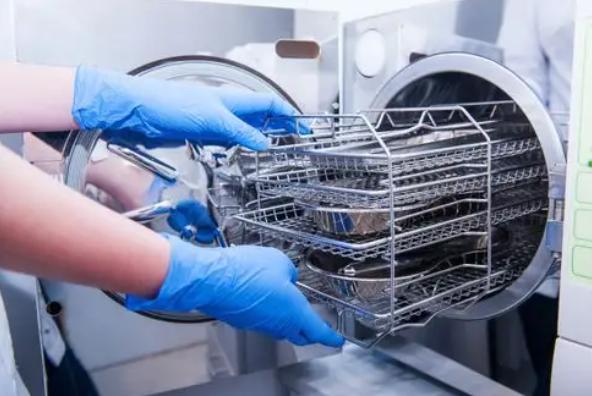
Why are Items Still Wet After Autoclave Sterilization? 6 Common Causes and Solutions
You run a full sterilization cycle. You open the autoclave and the packets are still damp. It’s a frustrating problem and one that happens more than most people expect. Wet packs following autoclave runs can be a slowdown in your…
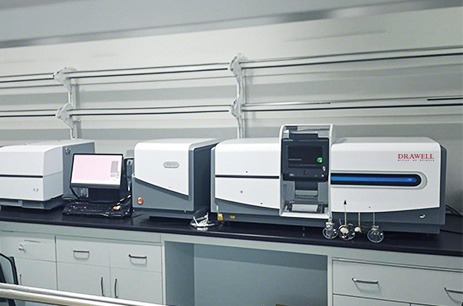
Why Is Digestion Needed for AAS Sample Preparation? A Practical Guide
If you ever get unexpected results from your AAS analysis and don’t know why, the first place to investigate is often sample preparation. Much of the problem can come down to one often-overlooked step: digestion. The instrument is only part…
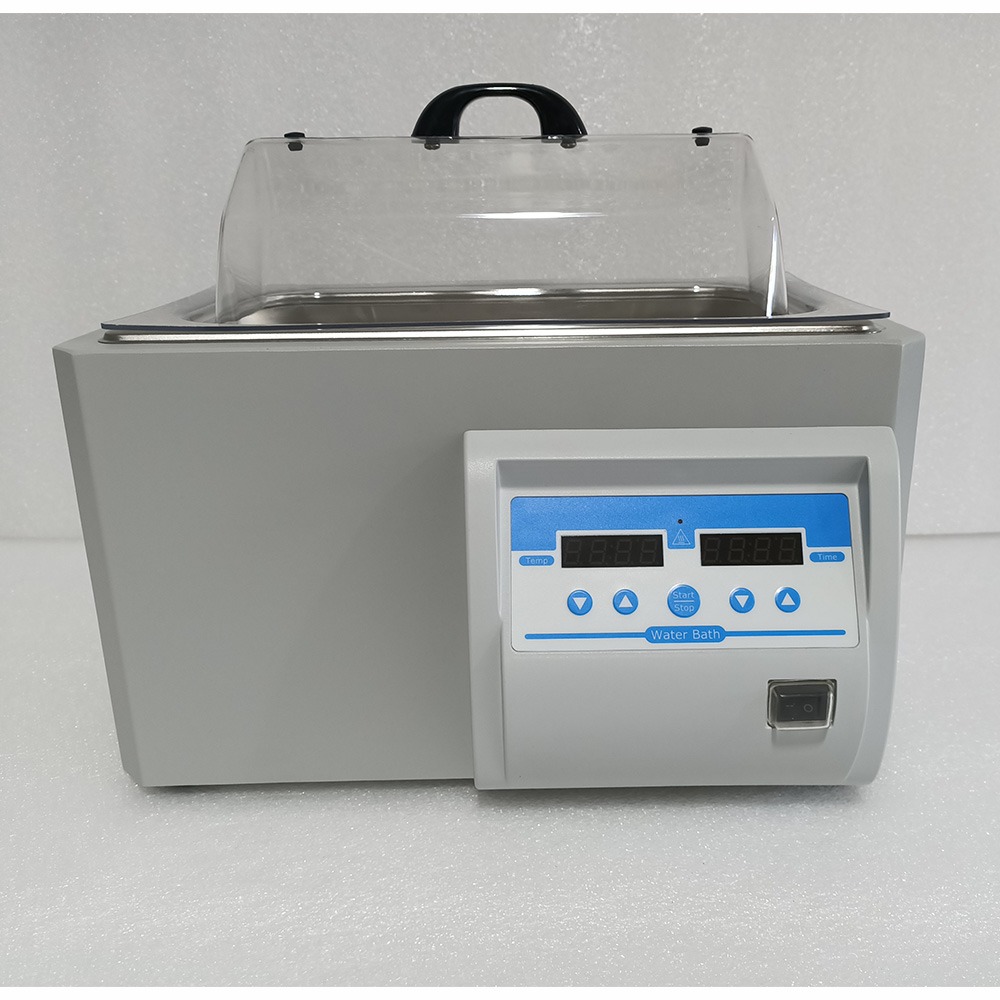
Why Is Water Bath Temperature Not Uniform? 7 Common Causes
You set your thermostatic water bath to the correct temperature, wait for the display to tell you it’s reached it and figure you’re good to go. But results come back inconsistent—you don’t know why. The problem in many situations is…
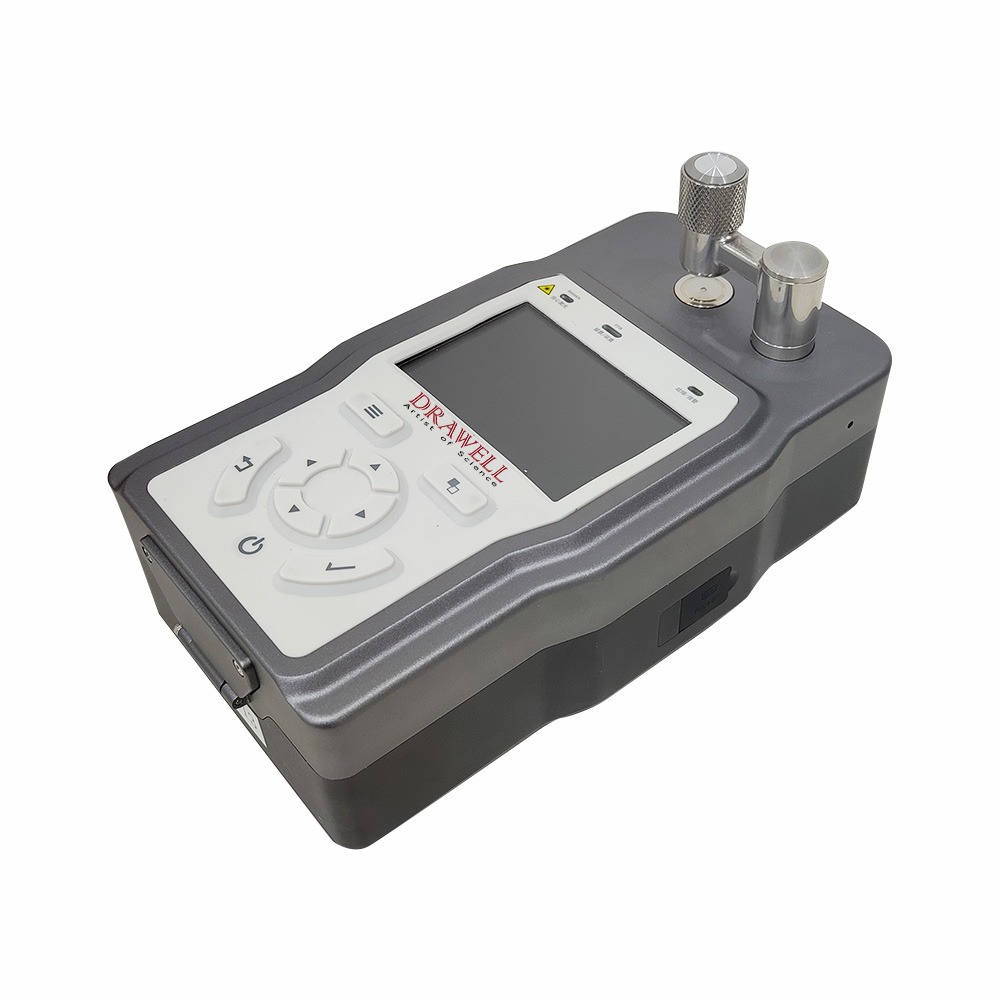
FTIR vs Raman: 7 Key Differences & How to Choose
FTIR vs Raman. The comparison centers on detection. Each technique reads molecular vibrations in its own way. Fit to the sample and analytical goal varies. FTIR measures infrared absorption. Raman measures inelastic scattering. Two spectroscopic techniques. Different physical mechanisms. They probe…
Browse by category:


