


A centrifuge is a common lab tool. It splits a mix into parts using spinning force. People use it in clinics, biotech work, drug research, and tests done on air and water samples. One of the most common questions when using a centrifuge is: how long does a centrifuge spin?
The answer is not one set number. The run time can change based on what is in the tube, the centrifuge type, the rotor, how clean the separation must be, and the spin speed. Some runs finish in just a short stretch. Other runs go on for hours.

Typical Centrifuge Spin Times
Most lab spins fall in the 5 to 30 minute range. This covers many routine jobs. For instance, it can be used to separate blood parts, gather cells, or ready a sample for later steps.
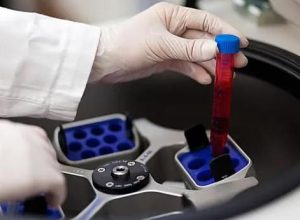
In blood testing, a centrifuge often runs about 10 to 15 minutes. The goal is usually to move plasma or serum away from the red cells. In a research lab, times can shift with the cells or material in the tube. Cell culture and molecular work often need a different setup, so the duration may change.
High-speed units and ultracentrifuges can take longer. They are designed for tough separations. Runs may last around 30 minutes, or they may extend to a few hours. This is often the case when sorting out tiny items like proteins, viruses, or nanoscale particles.

Key Factors Affecting Centrifuge Spin Time
The required centrifuge spin time is influenced by various factors, including sample characteristics, centrifuge speed, rotor design, temperature, etc. Understanding these factors helps laboratory professionals choose the right operating conditions for different applications.
1. Sample Type and Properties
The characteristics of the sample are among the most important factors affecting centrifuge spin time. Different materials take different amounts of time to separate because their particles differ in size, density, and composition.
For example, blood samples can often be separated in just a few minutes, since blood cells are relatively large and dense. By contrast, separating proteins, viruses, or nanoparticles needs a much longer centrifugation period because these particles are far smaller and generally demand a higher centrifugal force.
Sample viscosity also kind of influences the spin time. Thick or highly concentrated solutions may need a longer centrifugation period because particles move more slowly through the liquid, and that can delay settling.
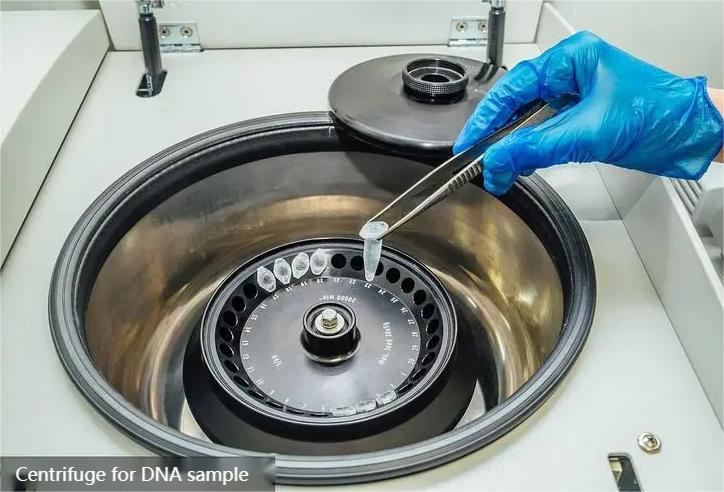
2. Centrifuge Speed and Centrifugal Force
The rotational speed of a centrifuge, measured in RPM, directly affects separation efficiency. Higher speeds usually let particles settle faster, so the required spin time can be shorter.
Still, centrifugation is not just about selecting the highest possible speed. Too much centrifugal force can damage delicate biological materials, lead to sample deformation, or shift test results. People need to balance speed together with duration based on the sample needs and the equipment limits.
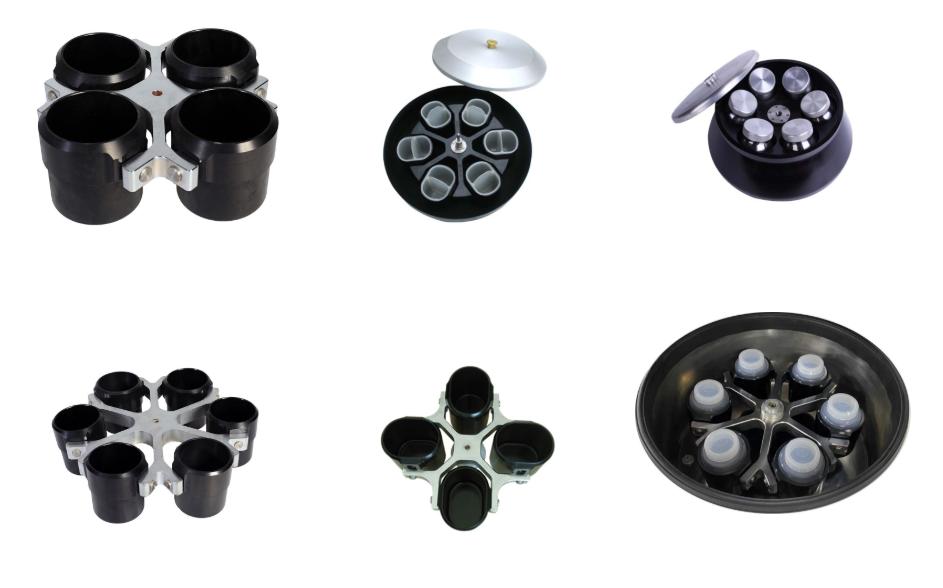
3. Rotor Design and Configuration
Rotor design influences separation time quite a bit. Different rotor types create distinct sedimentation conditions, which changes how fast material separates and where it forms.
Fixed-angle rotors are often used for fast separation, and they can gather the particles pretty efficiently at the bottom of the tubes. With swinging-bucket rotors, the tubes can shift into a horizontal position during operation, which helps quite a bit with separating layers within liquid samples.
Rotor capacity is also a major point. A centrifuge that handles many samples at once, or processes larger sample volumes, may need longer spin times than a smaller-capacity system would.
4. Sample Volume and Concentration
The sample volume and its concentration can affect how rapidly separation happens. When the volume is higher, there is usually extra time needed because particles have a longer path to cross before a complete sediment forms or a clearly separated layer appears.
For highly concentrated samples, the separation can also take longer, because particles may interact with each other and then hinder, or slow down, the whole sedimentation process.
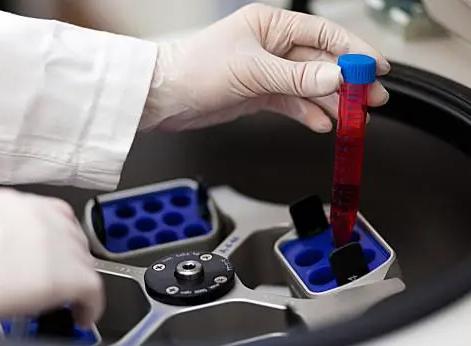
5. Desired Separation Level
The required level of separation kind of decides how long the centrifuge needs to keep spinning. Simple separation tasks, like pulling out solid particles from a liquid, may only take a few minutes. More advanced uses, for instance isolating cellular components or purifying biological molecules, often need longer centrifugation cycles, yes.
In research labs, people frequently run multiple centrifugation steps, with varying speeds and also different durations, to get the separation results that are actually precise.
6. Temperature Requirements
Temperature management can influence centrifuge spin time, particularly when biological samples are involved or when the material is temperature sensitive. Many laboratory centrifuges come with a refrigeration system, so the conditions stay steady during the run.
For example, proteins, enzymes, and cells may need low-temperature centrifugation to prevent degradation. Keeping the right temperature ensures the sample stays stable and can also change the spinning duration that is required.
7. Centrifuge Model and Performance
Different centrifuge models have, different performance capabilities. A high-speed centrifuge, or an ultracentrifuge can generate way more centrifugal force than a normal standard lab centrifuge, so it often finishes certain separation steps more efficiently.
More advanced centrifuges may also give programmable options for acceleration, deceleration, speed regulation, and timing, which helps users get repeatable outcomes across repeated experiments.

8. Tube Type and Placement
The centrifuge tube type, and how it is placed inside the rotor, can change the spin time too. Tubes need to match the centrifuge’s operating speed, and they must be balanced properly before running.
Using the wrong tube, or having an uneven load, can lower separation performance and lead to extra processing time. Proper balancing also helps guard the centrifuge equipment and keeps safe operation in place.
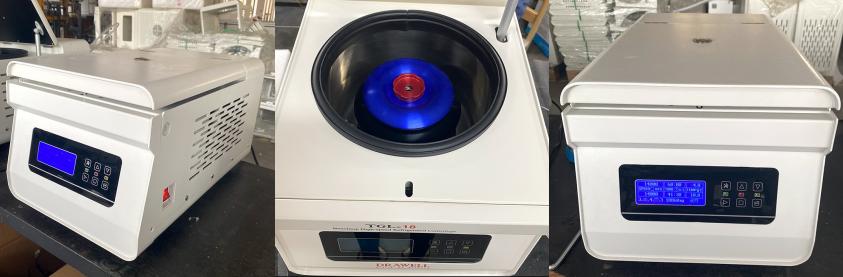
Why Choosing the Correct Centrifuge Spin Time is Important
Selecting the right centrifuge spin time really matters if you want results that are both accurate and repeatable. Ideally, you give enough minutes for proper separation but not so much that the sample ends up being harmed or stressed.
In the lab, people should always look at what the manufacturer recommends, and any testing protocols that are already in place, and then also think about the needs of that specific sample. When centrifugation is done properly it boosts efficiency, cuts down on mistakes and helps deliver steady, high-quality outcomes.
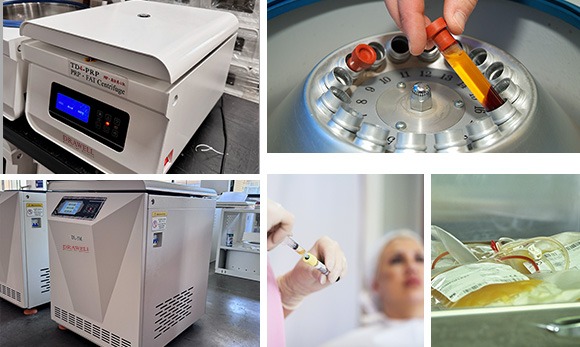
Final Thoughts
The answer for “how long does a centrifuge spin?” depends on the exact use case. In many lab centrifuge procedures, it is between 5 and 30 minutes, but some specialized methods can run way longer, like an hour or more. Choosing the right spin speed and duration matters a lot for protecting samples and achieving accurate separation results.
Through understanding what affects centrifuge spin time, laboratory staff can set things more wisely and improve throughput in scientific and clinical work.
Get Quote Here!
Latest Posts


What Next?
For more information, or to arrange an equipment demonstration, please visit our dedicated Product Homepage or contact one of our Product Managers.


