


Sample volume is important for the obvious reason that you’ve probably done a DNA extraction and then found you don’t have enough material to do one measurement. One of the more prevalent obstacles in life science research is precise quantification of nucleic acids and proteins with limited amounts, and the correct equipment can make a real difference in your daily workflow.
This guide walks through what a nano spectrophotometer really performs, how it compares to a traditional UV-Vis spectrophotometer, and what to consider before making a purchasing decision.
What Is a Nano Spectrophotometer Used For
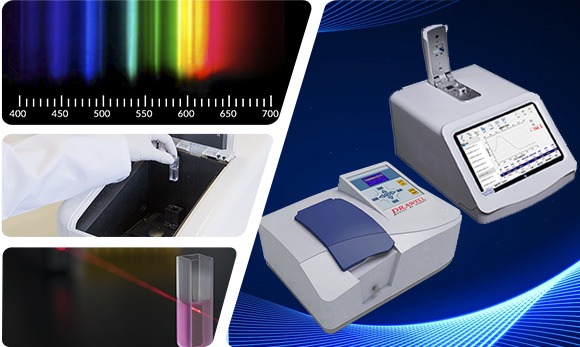
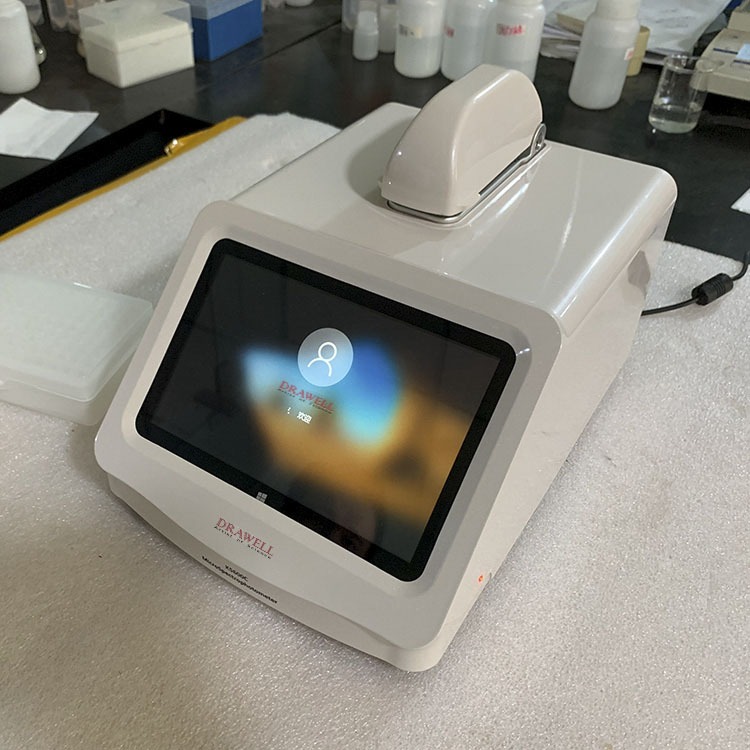
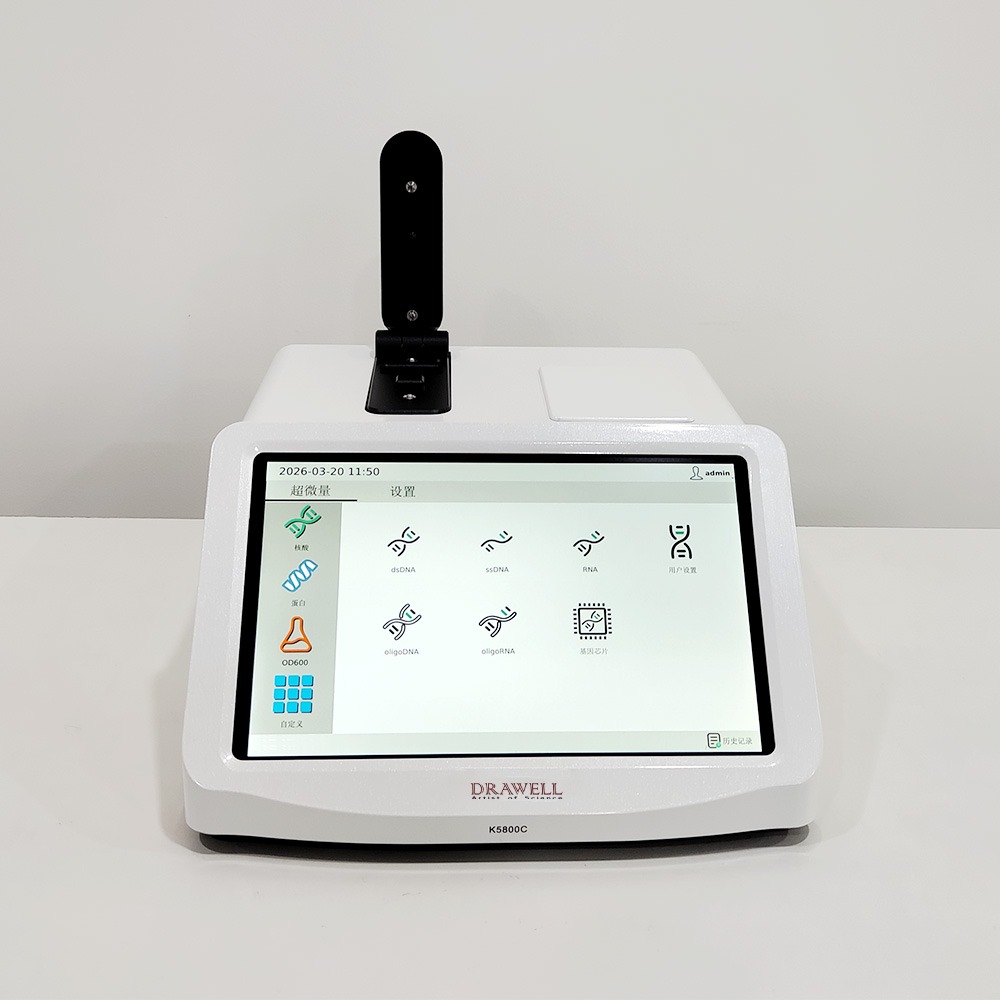
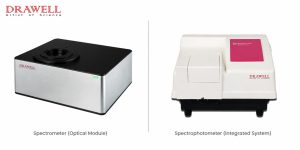
“Nano spectrophotometer” is commonly used to refer to a microvolume spectrophotometer and with good reason: both describe instruments used to measure very small quantities of sample, usually 1 to 2 μl, without requiring a cuvette and often avoiding an initial dilution step.
A conventional UV-Vis spectrophotometer has a sample in a cuvette with a defined path length for the light to travel through. A microvolume instrument works differently: The sample is deposited directly on the measurement pedestal with a pipette and the surface tension keeps the liquid in place while the reading is obtained. This enables one to reliably measure absorbance with a fraction of the sample volume used in a cuvette-based system.
These tools are most commonly employed for measurement of nucleic acids and proteins. The determination of the DNA concentration is one of the initial steps within the workflow of molecular biology and genomics prior to downstream operations such as PCR, sequencing or cloning. This is one of the common applications for a nano spectrophotometer, especially when sample volume is limited.
When Does a Nano Spectrophotometer Make Sense
The short answer is: When your samples are little, or precious, or both. If your routine involves isolating DNA or RNA from small amounts of biological material, such as biopsy tissue, uncommon cell populations, or clinical samples, even a little bit lost to processing or dilution can quickly pile up. With a microvolume spectrophotometer you can take a reading and still have almost all your sample left to run the real experiment.
These instruments really shine in the following scenarios:
- Frequent nucleic acid quantification: If you routinely QC DNA or RNA, the speed and simplicity of microvolume measurement saves real time vs setting up cuvette-based runs.
- Precious or limited samples: Clinical material, patient-derived extracts, and rare cell samples are cases where you simply cannot afford to waste what you have.
- High-throughput workflows: Labs running many samples per day benefit from fast turnaround and minimal cleanup between measurements.
- Protein quantification from small volumes: When working with small culture volumes or tissue lysates, a microvolume approach reduces preparation steps and conserves material.
When Is a Conventional UV-Vis Spectrophotometer Enough
A conventional UV-Vis spectrophotometer is a versatile instrument for many routine laboratory applications. If your task does not involve small sample amounts or frequent nucleic acid testing, it might be more feasible.
The real advantage of cuvette testing is the flexibility it provides in dealing with samples. Standard, micro or flow-through cuvette varieties allow you to alter passage length and measuring circumstances. A regular UV-Vis is fine for enzyme kinetics, colorimetric tests, or optical density measurements for cell culture activities. If you have many samples and perform routine measurements, there is no special incentive to update. The key question is not if there exists a newer option, but whether your existing equipment is limiting your science.
Nano/Microvolume vs. Conventional UV-Vis: A Quick Comparison
| Lab Requirement | Nano/Microvolume Spectrophotometer | Conventional UV-Vis Spectrophotometer |
| Very small sample volumes | Excellent — uses only a few microliters in many workflows | Less suitable — typically requires a larger sample volume |
| DNA/RNA quantification | Excellent — fast microvolume measurements with minimal sample consumption | Suitable — often requires dilution or more sample preparation |
| Protein quantification | Excellent — useful when samples are limited | Suitable — works well when sufficient sample is available |
| Routine absorbance testing | Excellent | Excellent |
| Large-volume samples | Usually unnecessary | Excellent |
| Cuvette-based workflows | Depends on the model | Excellent |
| High-frequency microvolume testing | Excellent — designed for quick, repeatable measurements | Less convenient |
| Sample conservation | Excellent — particularly useful for valuable or limited samples | Less suitable |
| Flexible sample handling | More limited depending on the instrument | Excellent — supports a wide range of cuvette-based applications |
What Features Matter for Your Lab
Once you’ve selected a nano spectrophotometer that suits your workflow, it’s worth looking behind the headline specs. In practice, the traits that tend to matter the most are:
- Sample volume range: Most of the instruments work with 1 to 2 µL, but find what the range is to work with your pipetting style and the extractions you typically do.
- Measurement modes: A solid instrument should cover DNA, RNA, and protein quantification at minimum. Some models also support fluorescent dye-based measurements for greater sensitivity at low concentrations.
- Wavelength range: For nucleic acid work, measurements at 260 nm are commonly used for concentration, while 260/280 and 260/230 ratios can help assess sample purity. If you have plans to conduct other assay types in the future, the broader wavelength coverage is of added value.
- Throughput and speed: Some models complete a measurement in under 5 seconds. If you’re processing dozens of samples per day, cycle time adds up.
- Cuvette compatibility: Not all microvolume instruments are capable of making cuvette-based measurements. If you need that flexibility now or down the line, check this out before you buy.
- Software and data export: Ensure that ratio reporting (260/280, 260/230) is unambiguous, data export is simple and software is compatible with your lab’s record-keeping system.
5 Questions to Ask Before Buying a Nano Spectrophotometer
Before committing to a purchase, it helps to work through a few practical questions with your team:
1. How much sample do we actually use per test?
If your typical extractions yield several hundred microliters and volume is not a constraint, a microvolume instrument may add cost without adding real value.
2. What do we measure most often?
If you’re a lab doing colorimetric assays or working with huge sample volumes, a standard UV-Vis might be more useful for what you really do.
3. How often will the instrument be used?
A shared instrument that runs continuously should be robust and easy to maintain. Check the recommended cleaning protocol and service intervals.
4. Do we need cuvette-based measurements?
Some assays specifically require cuvette setups. If that’s part of your current or planned workflow, verify whether the instrument supports it.
5. Do we need room to expand future applications?
Research directions change. An instrument that only covers basic nucleic acid QC may feel limiting if your lab takes on new project types in the next year or two.
Final Thoughts
The choice between a nano spectrophotometer and a traditional UV-Vis is less about which instrument is objectively better, and more about what your lab really accomplishes day to day. For teams dealing with minimal quantities of nucleic acid or protein, a microvolume spectrophotometer can greatly simplify operations and save precious material. For labs with a good supply of samples and the ability to run the tests routinely, a dependable UV-Vis is frequently all they require at a reduced price.
At Drawell, we’ve worked with research teams across a wide range of settings, and we’re happy to help you think through which instrument is the right fit for your specific situation. Take a look at our nano spectrophotometer lineup or contact us for a conversation about your lab’s needs.
Get Quote Here!
Latest Posts

What Next?
For more information, or to arrange an equipment demonstration, please visit our dedicated Product Homepage or contact one of our Product Managers.


