


Choosing high-precision instruments really is like a foundational call in modern labs. In analytical chemistry labs, the end quality of results comes down a lot to whether the equipment fits the analytical aims, the kinds of samples, and the regulatory expectations. If you go in with a good selection process, accuracy tends to climb, the ongoing operating expense usually drops, and you end up with steadier performance over time.
Importance of Precision Instruments in Analytical Chemistry
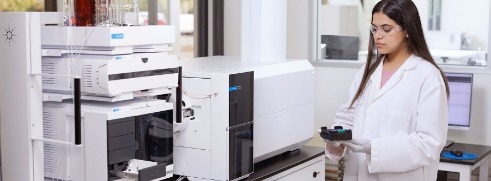
Instruments used in analytical chemistry labs are made to keep accuracy, repeatability and sensitivity in check. these are kind of the key qualities, they help with reliable data interpretation, specially when you’re working in regulated industries, like pharmaceuticals, or environmental testing.
Commonly Used High-Precision Instruments for Analytical Chemistry Labs
| Instrument | Primary Function | Key Measurement Type | Main Applications | Precision Level |
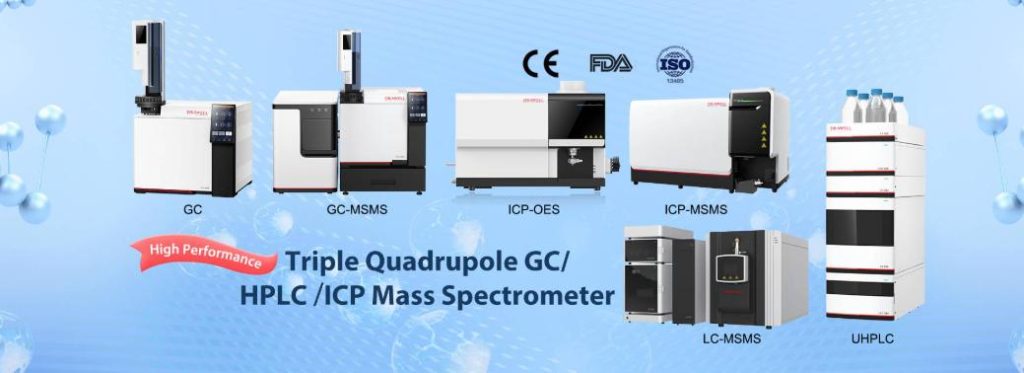
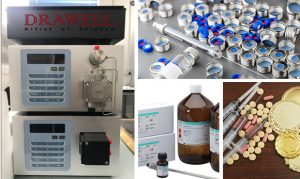
| High-Performance Liquid Chromatography (HPLC) | Separates compounds in liquid mixtures | Concentration of components | Pharmaceuticals, food testing, environmental analysis | High |
| Gas Chromatography–Mass Spectrometry (GC-MS) | Separates and identifies volatile compounds | Molecular identification & quantification | Forensics, toxicology, petrochemicals | Very High |
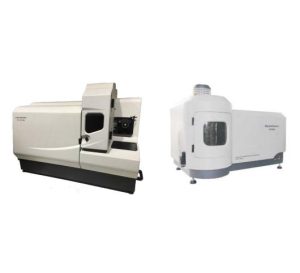
| Inductively Coupled Plasma Mass Spectrometry (ICP-MS) | Detects trace elements | Ultra-trace elemental concentration | Heavy metals, environmental testing, semiconductors | Extremely High |
| UV-Visible Spectrophotometer | Measures light absorption | Molecular concentration | Biochemistry, water testing, reaction monitoring | Medium–High |
| Fourier Transform Infrared Spectroscopy (FTIR) | Identifies molecular structures | Infrared absorption spectra | Polymer analysis, material identification | High |
| Atomic Absorption Spectrometer (AAS) | Measures metal concentration | Elemental absorption | Mining, food safety, clinical testing | High |
| Nuclear Magnetic Resonance (NMR) Spectrometer | Determines molecular structure | Nuclear spin behavior | Drug discovery, organic chemistry | Very High |
| X-Ray Diffraction (XRD) | Analyzes crystal structure | Crystal lattice patterns | Materials science, minerals, pharmaceuticals | High |
| Thermal Analysis Systems (DSC/TGA) | Studies material behavior under heat | Thermal transitions & mass loss | Polymers, stability testing | High |
| Analytical Balance | Measures mass precisely | Weight (mass) | All laboratory sample preparation | Extremely High (mass) |
Key Considerations for Selecting the Right Precision Instrument for Analytical Chemistry Labs
1. Analytical Requirements and Application Fit
The first and most important thing to consider is the intended application. Different instruments are made for different analytical goals, such as separation, identification, or for elemental quantification. A lab that is focused on pharmaceutical quality control will need other capabilities than a lab that does environmental trace metal analysis or material characterization, so it is not just the instrument name, it is the whole process around it.
Also, figure out if the main need is qualitative identification, quantitative measurement, or structural analysis, because that helps shrink the list of technologies that make sense. When the instrument fits the application the data that comes out is more meaningful and stays compliant with industry expectations.

2. Sensitivity, Accuracy and Detection Limits
Precision instruments can vary quite a bit, in how well they spot very low concentrations and also how reliably they measure them. In labs that deal with trace contaminants, or materials marketed as ultra-pure , you really need to lean toward tools that claim an extremely low detection limit. Otherwise the data can feel right but it is often missing the smallest signals.
Accuracy matters too, because even minor deviations can steer you toward the wrong conclusion, particularly in regulated sectors like pharmaceuticals, clinical diagnostics, and environmental monitoring. Before picking a system, it helps to check calibration stability, signal to noise ratio, and repeatability, all together. If you skip one, the whole picture gets weaker.
3. Sample Type and Compatibility
Not every instrument fits every sample matrix. Liquid, gas, solid, or complex biological samples might need a different analytical route entirely. For instance, volatile compounds often do better with gas-phase analysis, while nonvolatile substances or compounds that are thermally sensitive lean toward liquid-based methods, or a spectroscopic approach instead.
Matrix effects, sample preparation difficulty, and possible interferences should also be kept in mind, because they can mess with measurements. If the sample type does not really match what the instrument is able to handle, the results can end up inaccurate or inconsistent, even when everything else seems fine.

4. Automation, Throughput, and Workflow Efficiency
In modern labs a lot of samples are processed, so automation becomes a real selection factor. Instruments that have automated sampling, included software, and fast processing can cut down manual work and lower the chance of human error.
Systems with high throughput matter a lot in industrial settings where the turnaround time directly affects productivity. Also, when the workflow connects cleanly with the lab systems, data handling and reporting often become smoother across the information systems.
5. Data Quality, Software Integration and Connectivity
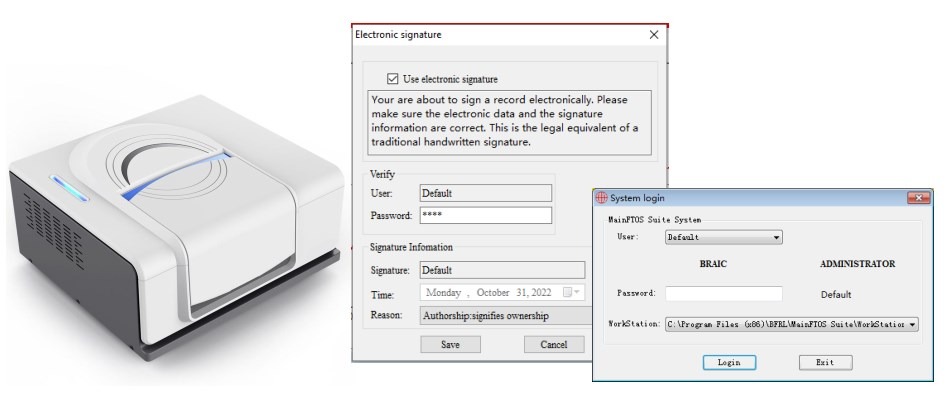
Beyond the raw hardware performance, the quality of data handling and software unification really matters in today’s analytical setups. Instruments that provide advanced data analytics, real-time tracking, plus smooth integration with laboratory information management systems can increase day to day operational efficiency.
Also secure data storage, clear traceability, and strict adherence to regulatory requirements are not optional, especially in pharmaceutical and clinical contexts. When teams can export, assess, and disseminate data quickly, collaboration becomes better and decisions improve.
6. Maintenance, Calibration and Long-Term Reliability
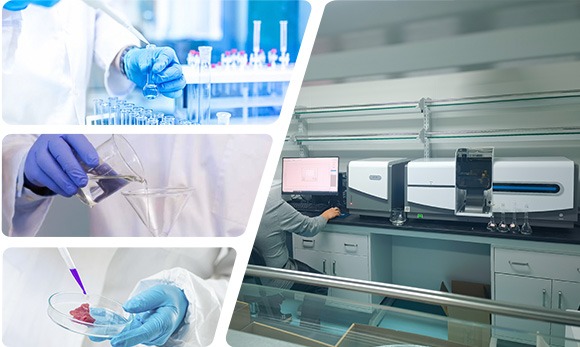
Even the most capable instruments still need routine upkeep to preserve accuracy and stability. When you are choosing a system, you should check how easy the calibration is, whether service support is available, and if the components have the needed durability.
Instruments that need frequent recalibration , or have complicated maintenance procedures, can raise downtime and operational costs, a lot. Long term reliability matters a great deal for laboratories that run continuously, or for those operating under strict regulatory oversight, because they can’t easily pause work.
7. Budget, Cost of Ownership , and Return on Investment
Even if the initial purchase price is a key factor, the full cost of ownership usually ends up weighing more over time. Consumables, upkeep, calibration standards, and energy use all add up into long-run spending.
A higher priced instrument might bring more resilience, fewer servicing needs , and better throughput, so the overall value improves. Looking at return on investment helps confirm that the chosen system actually supports both the scientific priorities and the financial targets.
8. Operator Skill and Training Requirements
The complexity of modern analytical instruments tends to swing quite a lot. Some of these systems want a lot of high level experience from the operator, while others are built for everyday handling, with automated functions and a more intuitive display and workflow.
In laboratories, teams should weigh staff ability and training access before they put money into advanced instrumentation. Solid instruction helps keep results faithful, decreases mistakes, and improves how well the equipment performs over time, without so many surprises.

Final Thoughts
Choosing high precision analytical instruments ask for a bit of tightrope energy between technical requirements, day to day workflow efficiency, and long-term cost considerations. When laboratories weigh their analytical goals, the needed sensitivity, how samples will behave, automation options, and what maintenance will demand, they end up with systems that can give accurate results, dependable output, and repeatable findings. In present-day science research and industrial testing, the correct instrument has become a groundwork for credible data and for decisions that actually make sense.
Get Quote Here!
Latest Posts

What Next?
For more information, or to arrange an equipment demonstration, please visit our dedicated Product Homepage or contact one of our Product Managers.


