


A spectrophotometer is one of the most essential instruments in modern analytical chemistry. It is widely used to find out how much a chemical substance absorbs or transmits light at certain wavelengths. In this area, two primary optical designs are often mentioned, single beam and double beam spectrophotometers. Even if they both do the same fundamental job, their optical routes, stability, accuracy and applications can look quite different.

Understanding the Basic Principle of Single Beam and Double Beam Spectrophotometers
Both single beam and double beam spectrophotometers work on the basis of spectrophotometry, kinda, not unlike the idea that light has to go through something first. In simple terms, a light source passes through a sample, and the instrument checks how much light is actually absorbed. Then that absorbance ends up being used to figure out the concentration of the analyte in the sample.
The key distinction between the two systems is really about how the light beam is directed and handled before it reaches the detector.
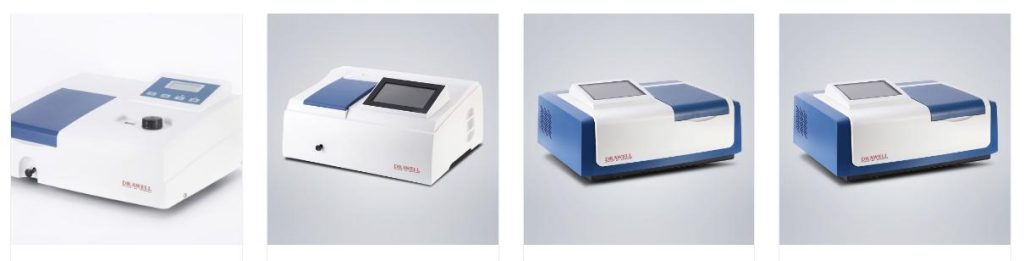
Understanding Single Beam Spectrophotometer
A single beam spectrophotometer, sort of uses just one optical lane for both the reference as well as the sample measurements. Light coming from the source goes through a monochromator, it picks a chosen wavelength, and then continues right on through the sample cuvette before arriving at the detector.
When it is running, the unit first checks a baseline, usually with a blank solution, this blank then becomes the reference point. After that, you swap in the sample into the same light route, and the absorbance is read compared to the already stored baseline.
Since the measurements happen back to back, one after another, the design is pretty straightforward. It takes fewer optical bits and pieces, so it tends to be simpler to keep working and easier to handle day to day. Still, there is a downside it can be more affected by changes like lamp intensity drifting, temperature swings, or other outside conditions that show up in between the blank run and the sample reading.
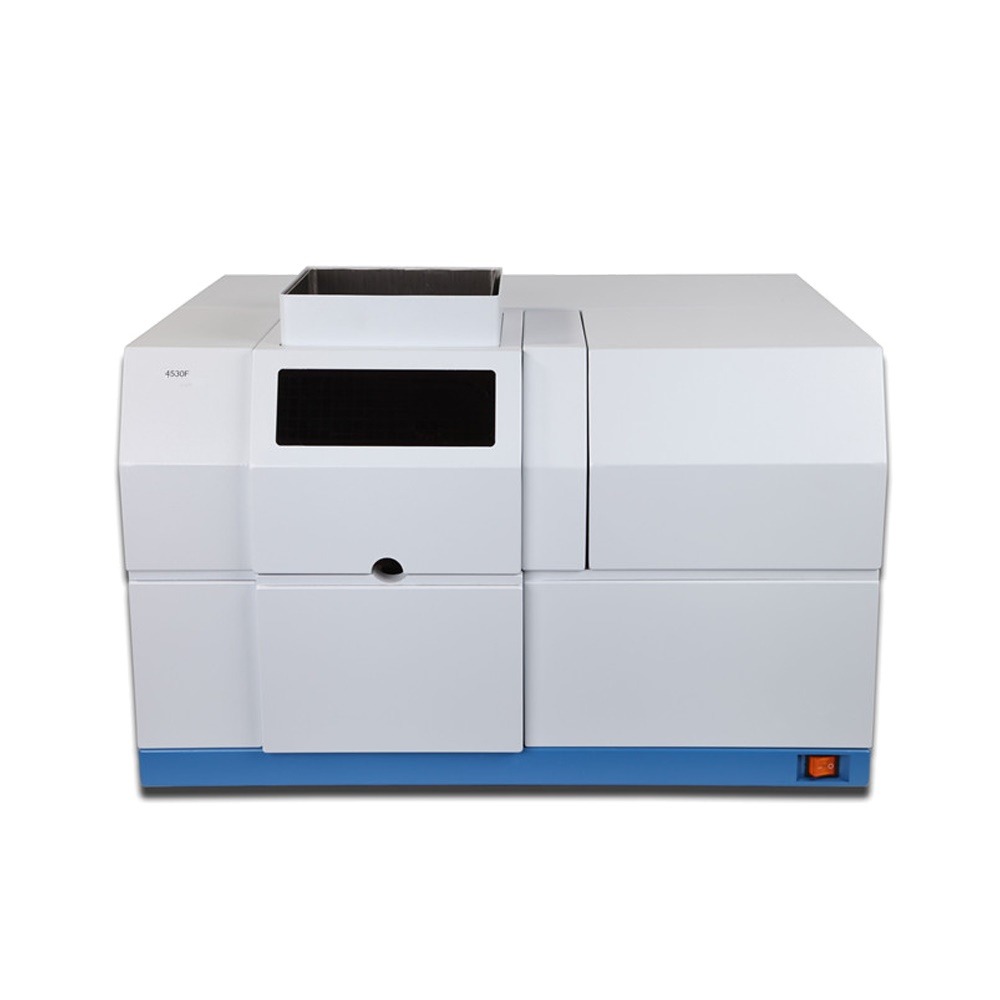
Understanding Double Beam Spectrophotometers
A double beam spectrophotometer sort of splits the incoming light source into two different beams after the wavelength is selected. After that, one beam goes right through the sample, and the other beam goes through a reference cuvette at the same time.
Then the instrument keeps on comparing the intensity of the sample beam with the reference one. That kind of continuous back and forth check makes it possible for the system to correct things on the fly, like minor swings in the light source output, and also environmental variations, that could mess things up.
Since both readings happen simultaneously the double beam setup ends up giving more steadiness and better accuracy, most notably when the experiment runs for a long time or you’re doing continuous monitoring during reaction changes.
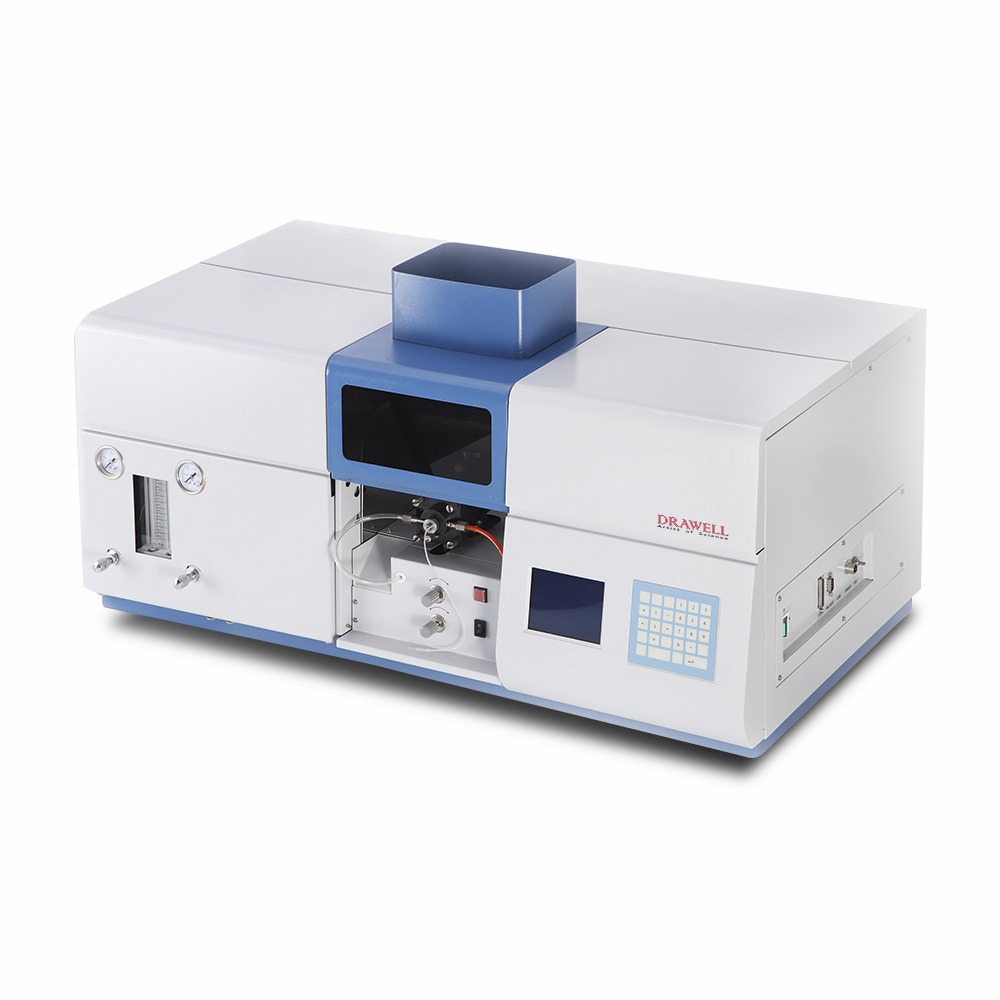
Key Differences Between Single Beam and Double Beam Spectrophotometers
1. Optical Design and Working Mechanism
A single beam spectrophotometer uses one light path. The instrument first measures a blank (reference solution), and then the sample is measured using the same optical path. Because both readings occur at different times, any fluctuations in the light source or environmental conditions can influence the results.
In contrast, a double beam spectrophotometer splits the light into two separate beams. One beam passes through the reference (blank), while the other passes through the sample simultaneously. The instrument continuously compares both signals, which helps compensate for fluctuations in lamp intensity or detector drift.
2. Stability and Accuracy
Single beam systems are usually more sensitive to changes in light intensity. They need a bit more frequent recalibration, and yeah it can be a pain. This happens because the reference and the sample measurements are not taken at the same time. So even small shifts in the light source or the surrounding conditions can throw off accuracy, quietly at first.
Double beam systems, in contrast, are often more stable by design. Both the reference and the sample are measured at the same time, and the instrument can compensate automatically for any fluctuations. That’s why double beam spectrophotometers can be a better fit for long-duration experiments and for high precision analytical tasks where consistency matters.
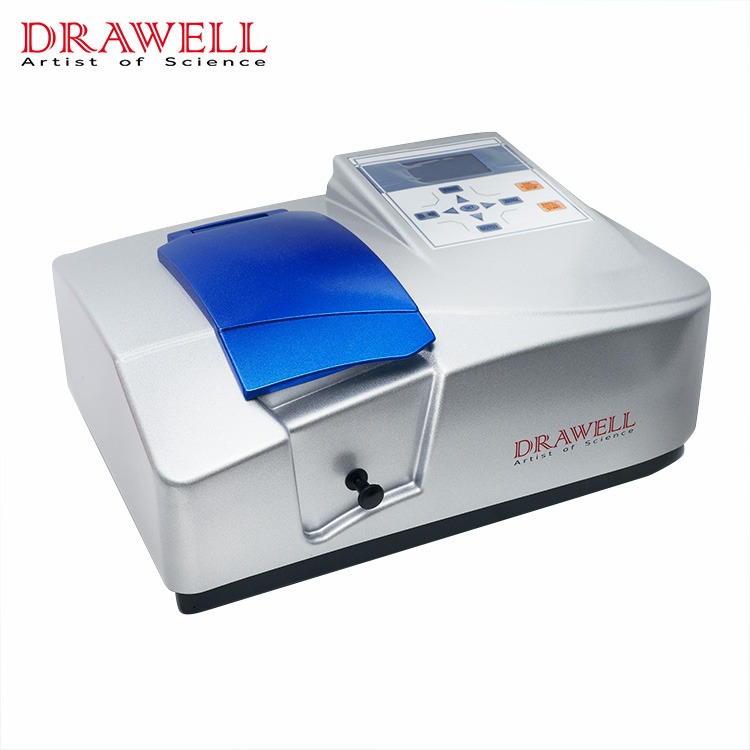
3. Ease of Use and Cost Considerations
Single beam spectrophotometers tend to be simpler in design, so they are generally less expensive and simpler to keep running. You can find them often in educational labs, and for routine analysis where ultra high accuracy is not the main focus.
Double beam spectrophotometers are more complex due to their optical splitting system and additional components. This increases their cost and maintenance requirements, but also enhances performance. They are commonly used in research laboratories, pharmaceutical analysis, and advanced chemical testing where accuracy and reproducibility are critical.
4. Speed and Operational Efficiency
In a single beam instrument, each measurement requires a separate blank reading followed by a sample reading. This sequential process can slow down workflow, especially when analyzing multiple samples.
Double beam instruments allow continuous comparison between sample and reference, which reduces the need for repeated blank measurements and improves efficiency during extended analytical runs.
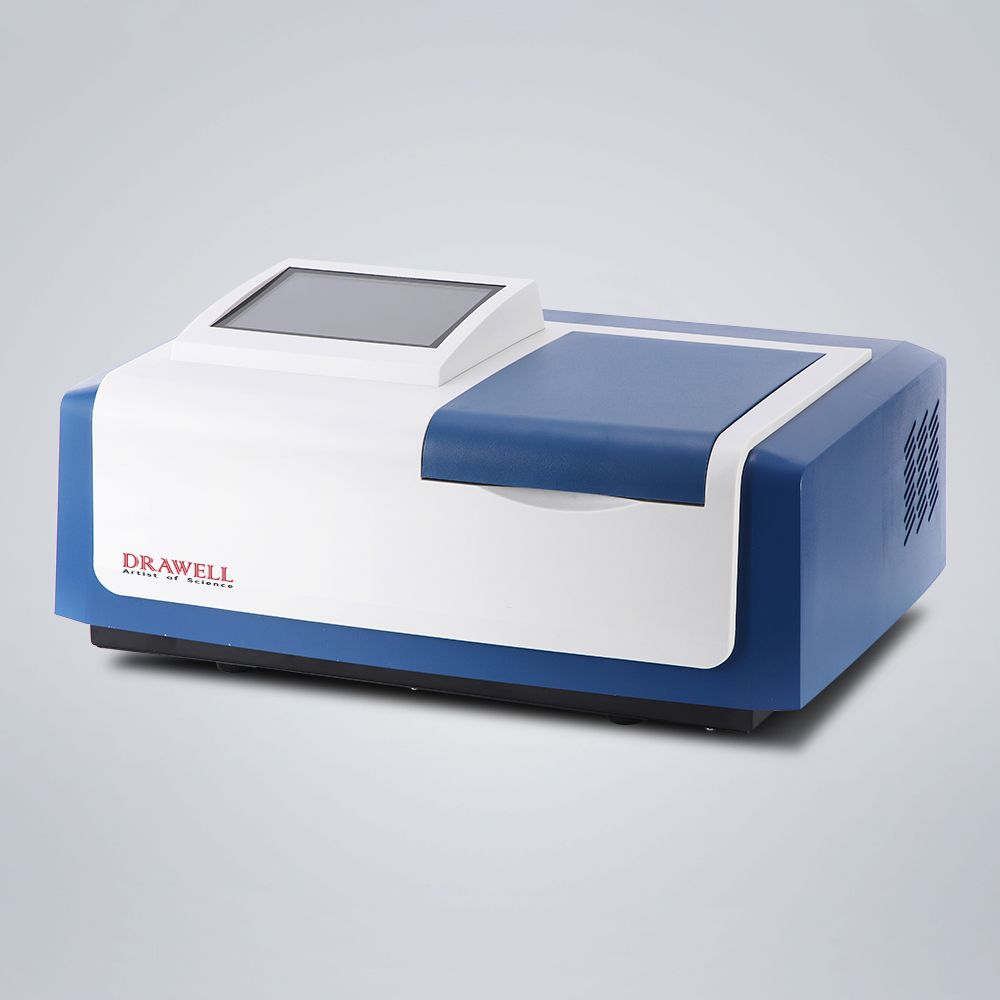
Summary Chart
| Feature | Single Beam Spectrophotometer | Double Beam Spectrophotometer |
| Optical design | Uses one light path for both reference and sample measurements | Splits light into two beams: reference and sample |
| Measurement method | Sequential (blank measured first, then sample) | Simultaneous or near-simultaneous measurement |
| Stability | More affected by light source fluctuations and drift | Highly stable due to continuous reference correction |
| Accuracy | Moderate accuracy; depends on stable conditions | High accuracy with real-time correction |
| Baseline correction | Manual recalibration required frequently | Automatic baseline correction |
| Speed | Slower for multiple samples due to repeated blanking | Faster for repeated and continuous measurements |
| Cost | Lower cost, more affordable | Higher cost due to complex optics |
| Instrument complexity | Simple design, easier maintenance | More complex optical and electronic system |
| Maintenance | Easier and cheaper to maintain | Requires more specialized maintenance |
| Long-term analysis | Less reliable for long runs due to drift | Ideal for long-duration experiments |
| Spectral scanning | Acceptable but may show noise/drift | Smooth and stable spectral output |
Their performance differences make them suitable for different levels of analytical demands.
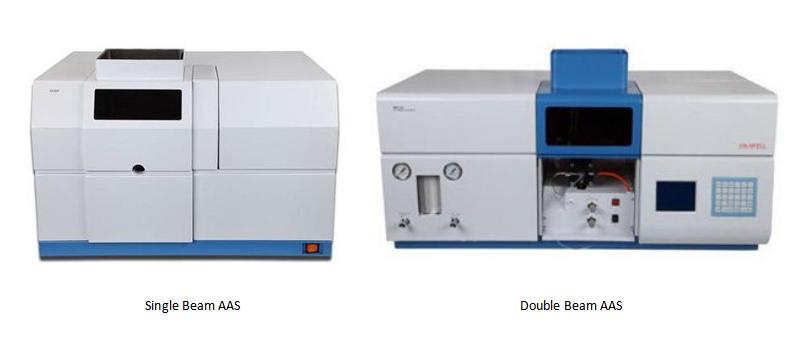
Applications of Single Beam and Double Beam Spectrophotometers in Analytical Chemistry
| Application Area | Single Beam Spectrophotometer | Double Beam Spectrophotometer |
| Routine Quantitative Analysis | Commonly used for basic concentration measurements in controlled lab conditions | Used for high-precision quantitative analysis with improved stability |
| Educational Laboratories | Widely used due to simple operation and low cost | Less commonly used due to higher complexity and cost |
| Pharmaceutical Analysis | Suitable for simple assays and standard drug concentration checks | Preferred for quality control, stability testing, and regulatory-grade analysis |
| Environmental Monitoring | Used for basic water and soil pollutant detection | Used for continuous monitoring and trace-level pollutant analysis |
| Biochemical Studies | Applied in basic enzyme or protein concentration measurements | Used in kinetic studies requiring continuous absorbance tracking |
| Kinetic Experiments | Limited use due to drift from sequential measurements | Ideal for reaction kinetics with real-time reference correction |
| Spectral Scanning | Can perform scans but may require frequent recalibration | Provides smoother, more stable full-spectrum scans |
| Quality Control in Industry | Used for routine batch testing where high precision is not critical | Preferred for high-accuracy and repeatable industrial QC processes |
| Research Applications | Used in preliminary or low-precision experiments | Widely used in advanced research requiring high reproducibility |
Summary
- Single beam spectrophotometric systems offer simplicity and affordability, making them ideal for routine use.
- Double beam spectrophotometric systems provide superior stability and accuracy, making them essential for advanced research and high-precision analytical work.
Final Thoughts
The choice between single beam and double beam spectrophotometers depends largely on the balance between cost, precision, and application requirements. Understanding these differences allows laboratories to select the most appropriate instrument, ensuring reliable and efficient analytical performance.
Get Quote Here!
Latest Posts

What Next?
For more information, or to arrange an equipment demonstration, please visit our dedicated Product Homepage or contact one of our Product Managers.


