


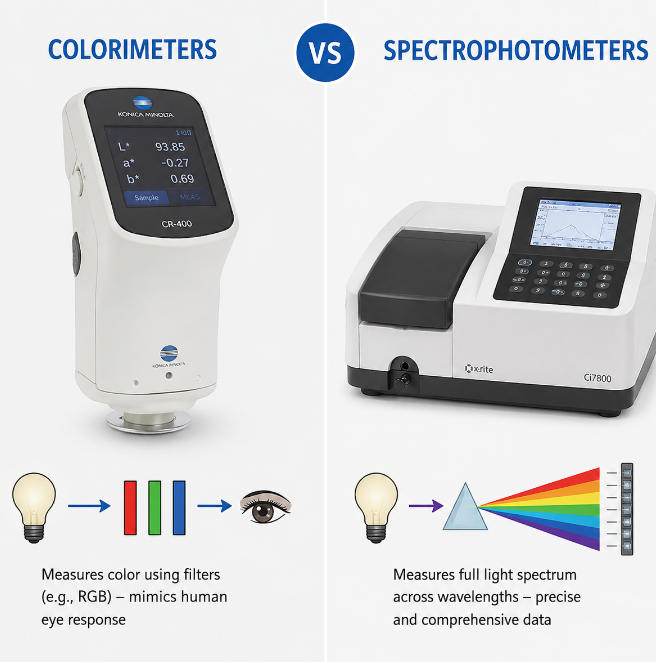
Getting accurate color measurement is honestly critical for quality control, keeping product consistency steady, and making sure consumers are satisfied. Two of the instruments people use most often to figure out color are colorimeters and spectrophotometers. They both are meant to quantify color, but they work in different ways and each one has its own strengths along with limitations. Knowing how they differ, helps you choose the more suitable instrument for a particular application.

Understanding Colorimeters
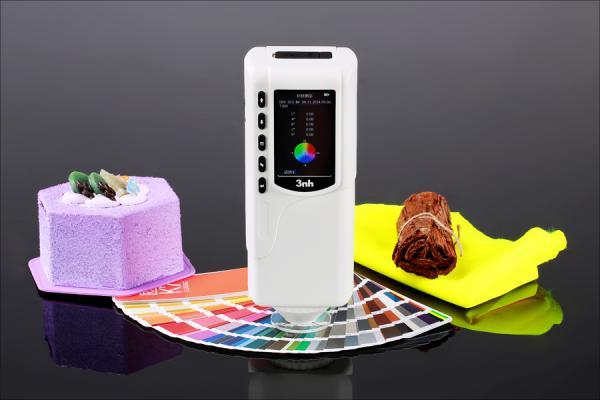
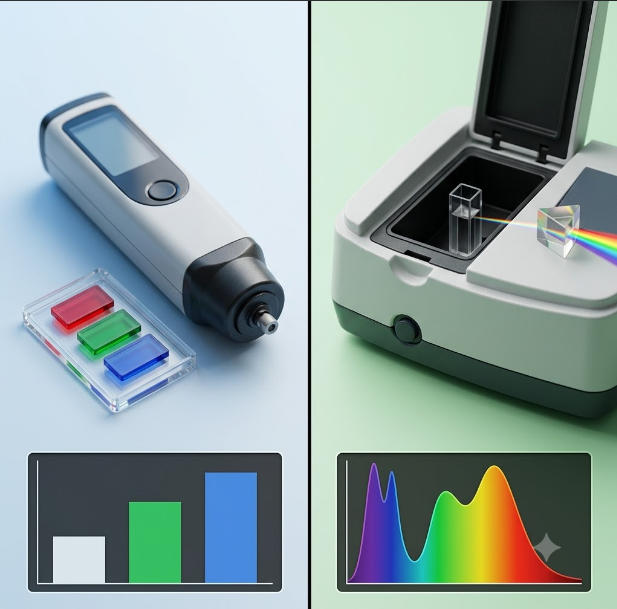
A colorimeter is basically a tool made to figure out the color of a sample, by looking at how light gets absorbed or bounced back when it passes through a few key color channels, most times red, green, and blue, aka RGB. After that, the results get converted into well-known color numbers like CIE Lab*, XYZ, or RGB coordinates. You see these devices used a lot across industries such as paints, plastics, textiles, food and beverages, and cosmetics, because keeping the shade uniform is really important for quality control and the overall look of a product.
Because they are simple and quick, colorimeters work well for repeat checks during day to day production, though they still do have constraints compared to more advanced gear like spectrophotometers.
Advantages
- Ease of Use: Colorimeters are straightforward to run, you usually need little training, so they fit production and quality control teams really well.
- Cost-Effective: Usually they cost less than spectrophotometers, not only at the start but also for routine upkeep too.
- Rapid Measurements: Since they concentrate on wide color channels rather than the entire spectrum, colorimeters can give quick readings, which helps when volume production is high.
- Portability: A lot of these instruments are compact and lightweight, so you can take measurements right on the line, in warehouses, or even in far off locations.
- Good Repeatability: When the material has steady surface traits and straightforward color behavior, colorimeters tend to deliver dependable and repeatable outcomes.
Limitations
- Limited Spectral Data: Colorimeters do not collect fine spectral detail, so their capacity to explain how light behaves with complicated materials becomes restricted.
- Challenges with Complex Samples: With complicated samples, a colorimeter might not measure metameric colors correctly, meaning colors can look similar under one light, then show differences under a different source. Also it may struggle with things that are very reflective, translucent, or even slightly textured, because the light behavior becomes less predictable.
- Reduced Precision: where tiny color changes can slide past, which makes these instruments less suited for situations that need exact color alignment, like automotive coatings, or for pharmaceutical products.
- Limited Research Utility: The device may only hand you basic color numbers. It is not ideal when you need advanced investigation, formulation work, or a deeper level of color analysis, where more detailed interpretation matters.
Understanding Spectrophotometers
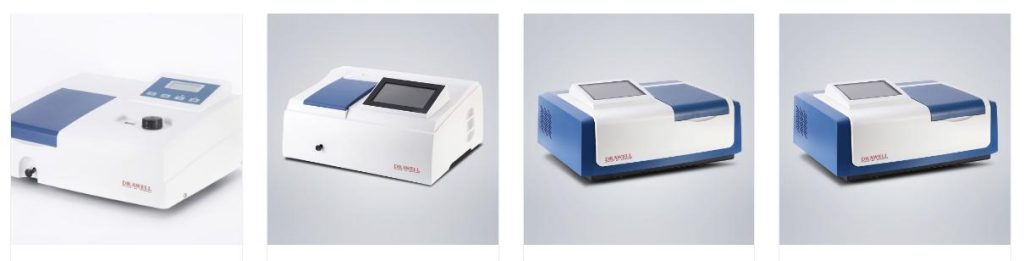
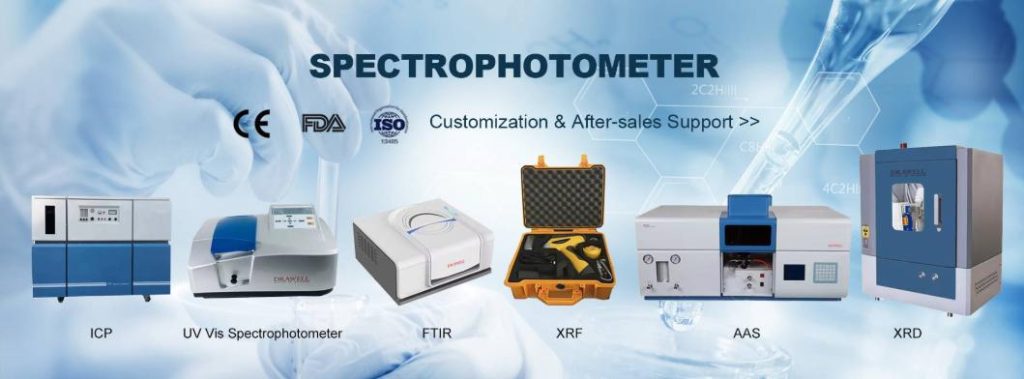
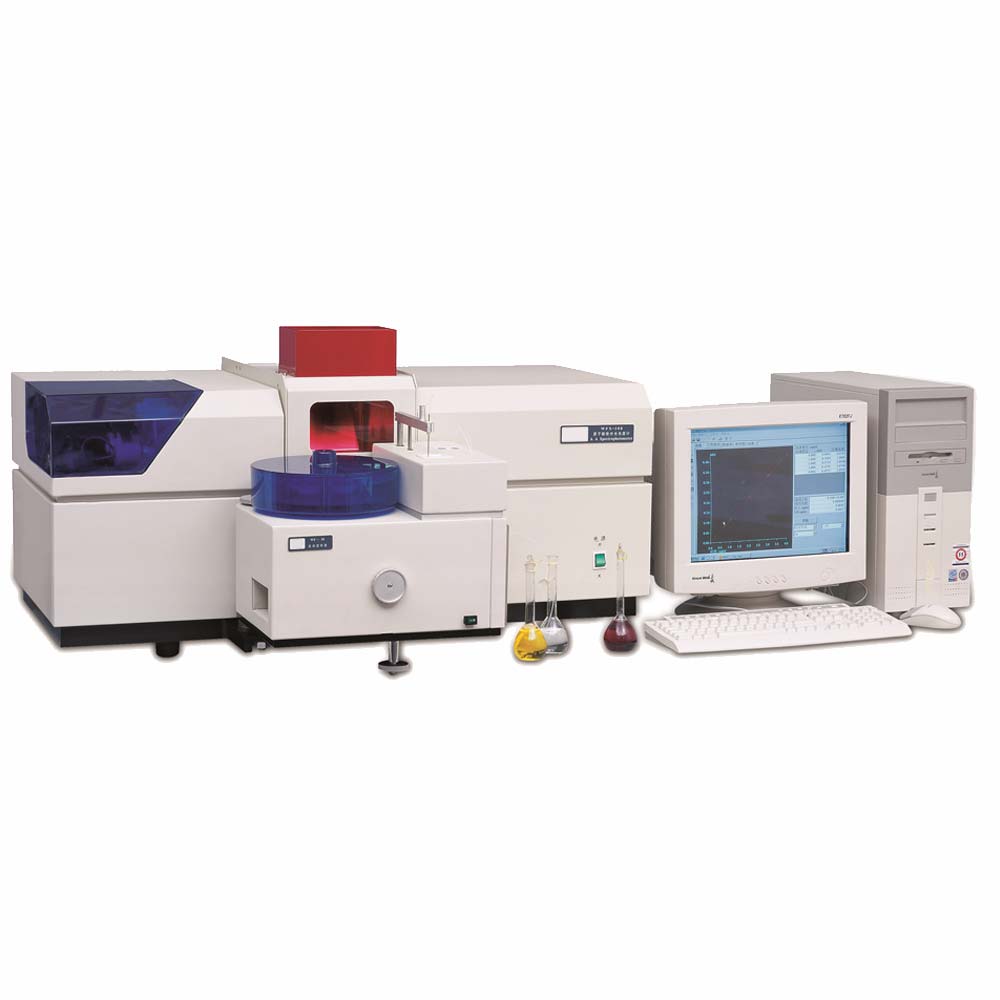
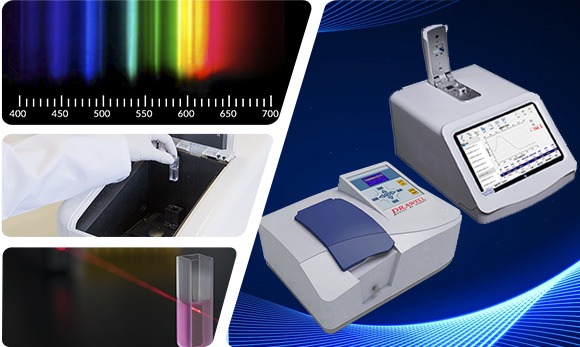
A spectrophotometer is an advanced analytical instrument that helps measure how a given material absorbs, reflects, or lets through light across many wavelength ranges. It checks basically the whole visible spectrum and, some models, also covers UV-VIS and infrared IR regions. This broad spectral view allows for very precise and detailed color measurements, too.
Spectrophotometers produce a full spectral profile of a sample and they can spot small, almost hidden color differences, and also provide useful information for mixing recipes, quality assurance, and product development.
Advantages
- High Accuracy and Precision: Spectrophotometers offer very accurate and repeatable results by looking at light across many different wavelengths, not just one. Because of that, they can find small color differences, even when your own eye doesn’t really notice them.
- Complete Spectral Analysis: A spectrophotometer gathers detailed spectral information. In other words, you get a broader view of how the material interacts with light. That kind of data helps with color matching, recipe building, and resolving issues that come from tricky color behavior.
- Excellent Color Matching Capabilities: Since the device measures the entire spectrum it can match colors in a very tight way. This matters a lot in places where color consistency directly supports product quality and brand identity.
- Detection of Metamerism: Spectrophotometers are able to flag metameric effects, you know, when two specimens look near identical in one lighting setup, but then they diverge under a different condition. That clue matters because manufacturers can verify that the visual output stays steady across multiple illumination environments.
- Versatility across Sample Types: These devices can measure all sorts of substances, for example, opaque surfaces, transparent materials, translucent products, glossy coatings, textured surfaces, so this broad usefulness makes spectrophotometers relevant to many industrial workflows and laboratory use.
- Support for Research and Development: The large amount of information produced by spectrophotometers supports product design, material blending, process refinement, and also scientific inquiry. In practical work, teams can inspect spectral traits with detail to tune performance and maintain quality.
Limitations
- Higher Initial Cost: Spectrophotometers are usually more pricey than colorimeters, due to their advanced optical setup and a wider analytical reach. For some organizations with basic color checking needs, the investment can feel a bit heavy.
- Greater Operational Complexity: These devices often need extra training and practical technical knowledge, in order to run smoothly. People must grasp calibration steps, measurement geometry, and how to read the resulting information, so they can reach the best quality output.
- Longer Measurement and Analysis Time: Since spectrophotometers gather detailed spectral details over many wavelengths, the measurement and later data handling can take longer than what you get from simpler colorimeters.
- Increased Maintenance Requirements: The complex optical parts, together with the light sources, mean spectrophotometers need consistent maintenance and recalibration to keep accuracy steady across time.
- Larger Instrument Size: Even though portable models exist, a lot of spectrophotometers are bigger and a bit less portable than colorimeters. So that can reduce their ease of use in certain field situations, or in production-line workflows.
- Potentially Excessive for Routine Applications: Fail color inspections, or when doing standard quality control, the extra strengths of a spectrophotometer can be more than what is needed day to day. Under those circumstances, a colorimeter tends to be the more budget friendly option.
Key Differences Between Colorimeters and Spectrophotometers
| Feature | Colorimeter | Spectrophotometer |
| Measurement Method | Uses 3 color channels (RGB) or filters to approximate human vision | Measures light intensity across the full visible spectrum (and sometimes UV/IR) |
| Accuracy | Moderate; sufficient for routine quality control | High; detects subtle color differences and provides precise measurements |
| Spectral Data | Limited; cannot provide full spectral information | Comprehensive; provides detailed spectral analysis of the sample |
| Sample Types | Best for opaque, uniform surfaces | Works with opaque, transparent, translucent, glossy, or textured surfaces |
| Detection of Metamerism | Limited; may not detect metameric effects | Excellent; can identify color differences under varying lighting conditions |
| Ease of Use | Simple; minimal training required | Complex; requires technical knowledge for calibration and data interpretation |
| Speed of Measurement | Fast; suitable for high-volume production checks | Slower; detailed spectral analysis takes more time |
| Portability | Generally compact and lightweight | Often larger, though portable models exist |
| Cost | Relatively low | Higher; greater investment required |
| Best Use Case | Quick, economical, everyday color monitoring | Advanced color analysis, precise matching, research and development |
Key Factors to Consider for Choosing Between Colorimeters and Spectrophotometers
1. Understanding the Required Level of Accuracy
One of the most important points when you are deciding between a colorimeter and a spectrophotometer is the accuracy level you actually need. Colorimeters tend to be fine for everyday color checks and quality control work, where moderate precision is fine. They work well for spotting clear color shifts and keeping consistency across batches of production.
Still, if you need exact color matching , a spectrophotometer is usually the better match. Because it measures light across the whole visible spectrum, it can reveal small color changes that might not be obvious to the human eye. A colorimeter may miss these variations, or at least not measure them in a satisfying way. In fields like automotive coatings, high end printing, and pharmaceutical manufacturing, this extra precision is often treated as necessary.
2. Evaluating Sample Complexity
The characteristics of the materials being measured can really sway which instrument gets picked. Colorimeters do well for relatively uncomplicated, opaque, and uniform colored samples , their overall setup focused on straightforward color checking under carefully managed conditions.
On the other hand, spectrophotometers are usually the more fitting choice for complex items, including transparent films, translucent goods, shiny coatings, rough texture surfaces, and multi layered materials. Because they can look at the sample’s full spectral response, the resulting data tends to be more dependable across a broader range of product categories.
3. Considering Color Matching Requirements
For many manufacturers, exact color matching is a must. Items are often required to align with predetermined references, customer requirements, or existing product lines. Colorimeters can compare a sample to reference standards for basic color control, in a practical way.
When exact color reproduction is necessary, spectrophotometers offer a real advantage. Their spectral data lets manufacturers check color under different light sources , and reach more exact matches. This is more important than people think because products can be seen in a variety of places retail stores, outdoors, or inside specialized lighting conditions.
4. Addressing Metamerism Concerns
Metamerism happens when two materials look almost the same under one light source but then show differences under a different light source. This thing can lead to serious quality problems in fields where color uniformity matters. Most colorimeters cannot really check metameric behaviour well ,because they do not gather the full spectral picture. Spectrophotometers are different, they can find and study metamerism by recording the sample’s spectral reflectance curve. If an organization is worried about color stability when the illumination changes, they should really think about spectrophotometric measurement.
5. Assessing Speed and Operational Simplicity
In day to day production, teams tend to want efficiency and quick usability. Colorimeters are usually valued for their uncomplicated controls, rapid measurements, and low learning demands. People in the workflow can carry out routine checks rapidly and make immediate quality calls.
Spectrophotometers usually come with more sophisticated measurement routines plus a bit of extra data crunching. Even though modern gear feels more accessible for operators, it still asks for deeper know how around color science, plus careful instrument calibration. In practice, when organizations want swift, high-volume color checks, colorimeters can end up being more practical for daily use.
6.Analyzing Budget Constraints
Cost often steers the decision on what equipment to pick. Colorimeters are typically less costly to buy and also simpler to service. That lower price point makes them appealing for companies that only need basic, direct color measurement, or for teams working under tighter financial limits.
Spectrophotometers usually demand a larger investment, because their optical assemblies are more elaborate, and the analytical reach is wider than expected. Still the higher upfront price can be worth it, when accurate color management helps cut down on rejects, raises overall uniformity, and makes customers happier. Looking at the eventual return on investment is often more important then staring only at the first cost.
7. Considering Research and Development Needs
In organizations that build products and push innovation, there is often a need for color details that go beyond simple yes-no checks. Spectrophotometers deliver fuller spectral information, which supports compound design, material assessment, and also process refinement.
Colorimeters tend to be more limited in what they can measure, and they are mostly meant for everyday quality control. Firms doing deeper experimentation, or working on new items for the market typically gain more from the extra functionality that spectrophotometers provide.
8. Evaluating Portability and Field Use
In some applications, measurements have to be done outside the lab space. Portable colorimeters are common, often lightweight, resilient, and really simple to carry around. Because of this, they become a good fit for field inspections, production-floor checks, and on site quality reviews, even when the setup is minimal.
Portable spectrophotometers can be used too, yet they are usually pricier, and they can mean additional training for the operator. The decision between portability and deeper analysis depends on what the organization actually needs day to day, and also how much accuracy they expect in real work.
9. Understanding Industry-Specific Requirements
Different sectors place different expectations on color measurement systems. In areas where color acts mostly as a visual quality signal, colorimeters often work well enough. For instance, certain plastic products, construction materials, and general manufacturing uses, can fall in this category.
Industries that demand strict color standards, regulatory requirements, or very visible branding attention often end up benefitting from spectrophotometers, and you can see this across a few obvious areas. Automotive coatings, pharmaceutical tablets, luxury packaging, and professional printing, for instance, where careful spectral analysis delivers real and measurable value. In practice it helps with matching, verification, and traceability, even when production conditions wander a little.
Summary
- Colorimeters are used for quick color checks in textile manufacturing, paint matching, food quality control, and plastics production. Their simplicity and portability make them suitable for routine monitoring.
- Spectrophotometers are applied in laboratories for precise color formulation, research and development, automotive coatings, pharmaceuticals, and any scenario where exact color reproduction is essential.
Final Thoughts
Both colorimeters and spectrophotometers play vital roles in modern color measurement. Choosing between a colorimeter and a spectrophotometer requires a thorough evaluation of measurement accuracy, sample complexity, color matching needs, operational efficiency, and a few other practical details. By carefully assessing those factors, businesses can decide on the instrument that supports consistent color quality, smoother production workflows, and long-term success.
Get Quote Here!
Latest Posts


What Next?
For more information, or to arrange an equipment demonstration, please visit our dedicated Product Homepage or contact one of our Product Managers.


