


In the field of materials science, the integration of nanomaterials is invaluable owing to their unique physical and chemical characteristics. Understanding the behavior of these materials and optimally harnessing their potential requires effective characterization. One of the most prominent instruments for characterization is the UV-VIS spectrophotometer, which affords the study of several optical and electronic properties of nanomaterials.
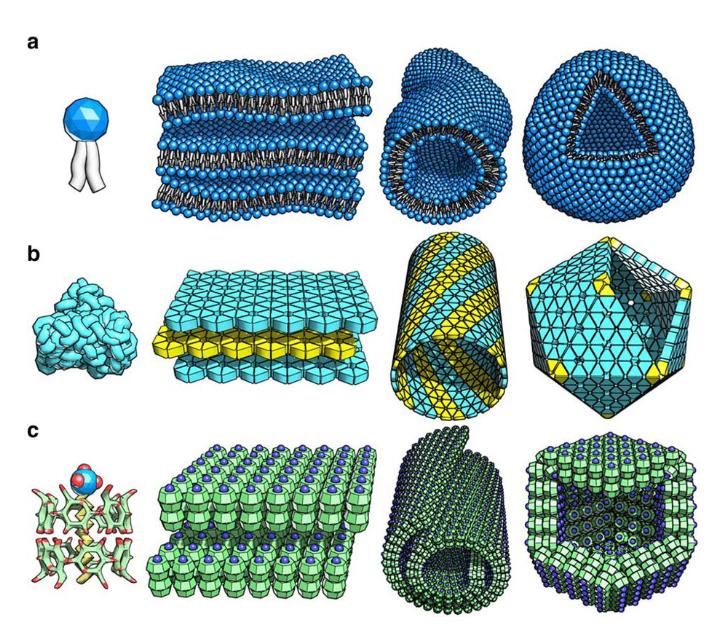
Basic Principles of UV-VIS Spectrophotometry in Nanomaterials Characterization
The UV-VIS spectrophotometer is able to record the absorption or the transmission of the sample in the ultraviolet region of light (200-400nm) and the visible light (400-800nm). The magnitude of the optical properties that a nanomaterial possesses especially in a confined quantum system depends on the size of the material. The absorption spectroscopy permits a researcher to:
- Identify the electronic transitions that occur in a given nanoparticle.
- Estimate the size and distribution of the particle.
- Track the chemical functionalization and modifications on the surface.
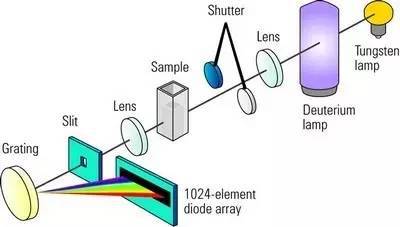
Key Applications of UV-VIS Spectrophotometer in Nanomaterials Characterization
Understanding how nanomaterials absorb ultraviolet and visible light allows researchers to access information on their structural, electronic, and optical properties.
1. Characterization of Metallic Nanoparticles
Researchers frequently use UV-VIS spectroscopy to investigate gold and silver metallic nanoparticles. These gold and silver nanoparticles show surface plasmon resonance (SPR) as distinct absorption peaks in a UV-VIS spectrum. Important details regarding particle size, shape, and degree of aggregation can be ascertained from the position, intensity, and width of the peaks. This provides an opportunity to refine the synthetic approaches and ascertain the stability of gold and silver nanoparticles for sensor, catalysis, and biomedical device integration.
2. Analysis of Quantum Dots and Semiconductor Nanomaterials
With the rise of quantum dots in recent years, there are also semiconductor nanomaterials which demonstrate size dependent optical attributes owing to the quantum confinement effect. UV-VIS spectroscopy provides the ability to analyze the absorption edge of the spectrum to identify the band gap and correlate to particle size. This ability is crucial in the design of quantum dots of specific emission attributes which are in demand for use in bioimaging, photovoltaics, and optoelectronic devices.
3. Monitoring Nanomaterial Synthesis
The ability for real-time monitoring of particle formation is a fundamental application of UV-VIS spectroscopy. It is achieved by examining changes in absorption spectra and observing nucleation, growth, and aggregation during chemical reactions. This non-destructive method of monitoring allows for the optimization of reaction conditions, improved product quality, and minimized material waste in both laboratory and industrial scale synthesis.
4. Surface Functionalization and Chemical Modification
UV-VIS spectroscopy assesses nanomaterial surface modifications. Functionalization or ligand attachment and chemical doping tend to shift and change absorption peaks. These changes indicate a different electronic environment. Spectral changes facilitate confirmation on the success of surface modifications, solvent or biomolecule interaction studies, and optimization of targeted applications of the nanomaterial for drug delivery and catalysis.
5. Studying Nanomaterial Stability
UV-VIS spectroscopy helps quantify the extent of aggregation and the degradation of nanomaterials. Nanomaterial aggregation, oxidation and degradation affect their performance. UV-VIS spectroscopy is a rapid and sensitive tool for monitoring these changes over time. Instability is indicated by spectral shift and broadening of the absorption features. This feedback allows the researcher to alter surface coatings and change the solvents or storage conditions to retain the material.
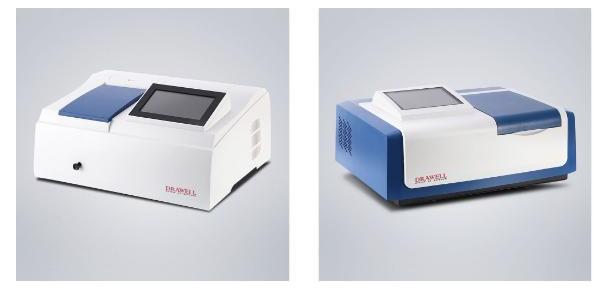
Advantages of UV-VIS Spectrophotometry in Nanomaterials Characterization
UV-VIS Spectrophotometry is unique with the capacity to offer an instant and coherent analysis on nanomaterials.
- Non-Destructive Analysis
UV-VIS Spectrophotometry’s non-destructive nature stands as one of its greatest values. Many characterization techniques come with an element risk whereby the sample is altered in some way. However, with UV-VIS, the analyzed sample is left intact and is non-destructive. This is critical with expensive or rare samples and when continuous measurement is needed to capture dynamic changes over a period, as the sample will be needed for repeated analysis.
- Rapid and Efficient Measurement
UV-VIS spectroscopy can not only generate data rapidly but also allows for real-time observation of nanomaterial synthesis and various chemical reactions. In fact, the formation, growth and even the aggregation of nanoparticles can be monitored in intervals of several minutes, which facilitates the altering of reaction parameters in real-time. It is this characteristic that allows UV-VIS spectrophotometry to be a powerful research apparatus for small-scale laboratory studies and a valuable tool for the optimization of industrial processes.
- High Sensitivity
With respect to nanomaterials, UV-VIS spectrophotometry is able to detect the smallest alterations in the optical property of a material. In the case of metallic nanoparticles, even the smallest changes in dimension, configuration and aggregation will cause a dramatic shift in the surface plasmon resonance peaks. In the instance of semiconductor nanomaterials, like quantum dots, shifts in the absorption edge are a result of a decrease in dimension of the particle. This is the reason why UV-VIS is a prominent tool in the adjustment of nanomaterials for a specified use, and is vital for the characteristic fine-tuning.
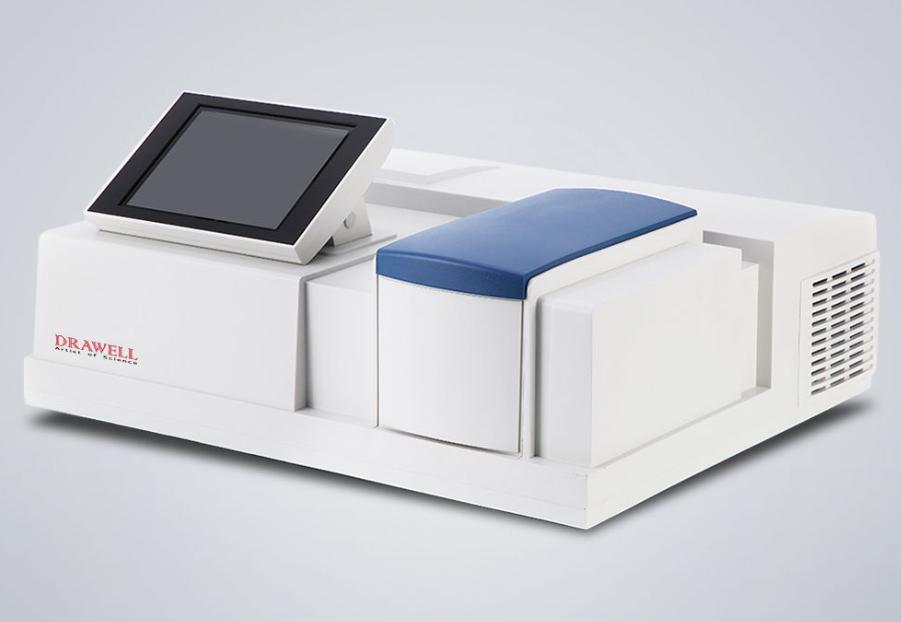
- Versatility Across Nanomaterial Types
UV-VIS spectroscopy offers another valuable characteristic, which is adaptability. It is relevant for numerous types of nanomaterials like metallic nanoparticles, semiconductor quantum dots, organic nanostructures and other hybrid materials. It helps in understanding the electronic transitions and the corresponding modifications of the nanomaterials and the interactions they have with their environment.
- Cost Efficiency and Access
UV-VIS spectrophotometry is not only simple but also the most economically attainable and most readily available methods of type determining spectroscopic methods. The instruments are of minimal and simple maintenance and also of easy sample preparation. This is of such importance that that both the academic and industrial sized investments and even expenditures more of less allow resource high quality analyses of nanomaterials.
- Complementary to Other Techniques
It is more helpful to combine info obtained from UV-VIS spectrophotometry with other methods such as transmission elecron microscopy (TEM), and atomic force microscopy (AFM) and also X-ray spectroscopies. This is because even though UV-VIS methods provide the most elaborate details of the optical and electronic, UV-VIS systems and methods are less powerful and even less informative with out systems and other characterizations.
Limitations and Considerations for Using UV-VIS Spectrophotometer in Nanomaterials Characterization
| Category | Description | Implications for Nanomaterials Research |
| Limited Morphological Information | UV-VIS measures optical properties but does not provide direct images of shape, size, or structure. | Requires complementary techniques like TEM, SEM, or AFM for complete characterization. |
| Sensitivity to Aggregation | Nanoparticle aggregation can alter absorption spectra, leading to misinterpretation. | Samples must be well-dispersed; surface stabilization may be needed. |
| Scattering Effects | Particles in suspension can scatter light, especially at higher concentrations or for larger nanoparticles. | Spectra may show baseline shifts or peak broadening; careful sample preparation is necessary. |
| Solvent Effects | Solvent type and concentration can influence absorption characteristics. | Consistent solvent conditions are critical for accurate measurements. |
| Limited Chemical Specificity | UV-VIS detects electronic transitions but cannot provide detailed chemical composition. | Complementary methods such as FTIR, XPS, or NMR may be required for chemical analysis. |
| Instrumental Limitations | Detector sensitivity, spectral resolution, and stray light can affect measurement accuracy. | Calibration and proper maintenance are essential for reliable results. |
| Sample Concentration Constraints | Too low or too high concentrations can lead to weak signals or saturation of absorption peaks. | Optimization of sample concentration is necessary to obtain meaningful spectra. |
Future Trends in Using UV-VIS Spectrophotometer for Nanomaterials Characterization
The continued development of new nanotechnology will develop and change the scope of UV-VIS spectroscopy within the field as it becomes necessary to develop more rapid, precise, and flexible methods of analysis. Trends of new instrumentation, integration with still other characterization techniques, and innovative approaches to data analysis will advance the characterization of nanomaterials.
- Integration with Microfluidics and High-Throughput Analysis
Recent advancements in the combination of microfluidic systems with UV-VIS spectrophotometers has enabled the real-time analysis of the controlled synthesis of nanoparticles, which assists the detailed study of the reaction kinetics and the growth of nanoparticles. Additionally, the rapid diversification of high-throughput systems facilitates the discovery and optimization of nanomaterials in electronics, catalysis, and medicine, as high-throughput systems rapidly analyze and test a wide range of samples.
- Miniaturization and Portability
UV-VIS spectrophotometers are becoming automated and more efficient, which results in the ability to produce small and portable UV-VIS spectrophotometers. With these, nanomaterials can be analyzed directly in the field, which can be used for unsupervised environmental assessments, quality assessments in industries, and rapid diagnostic tests for patients. For portable instruments, the need for portable spectrophotometers can provide simplifier and reliable spectral performance to complex laboratory setups.
- Coupling with Complementary Characterization Techniques
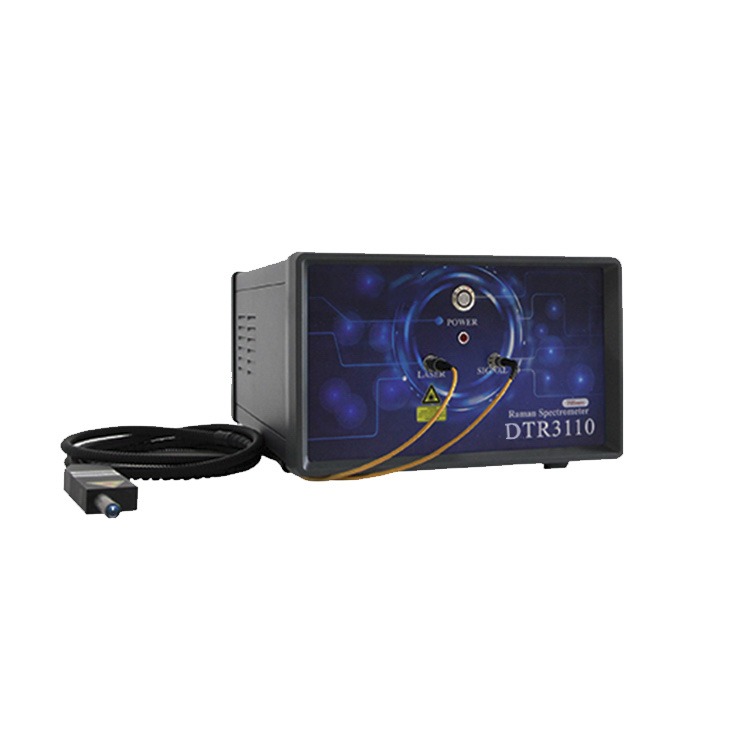
Expected advancements include hybrid systems that integrate UV-VIS spectrometry with other techniques, for example, fluorescence spectrometry, Raman spectrometry, and electron microscopy. By integrating absorption and transmission spectrometry with other techniques, a more complete picture of nanomaterials can be attained. This is highly important for multifunctional and hybrid nanomaterials.
- Advanced Data Analysis and Machine Learning
Increased complexity of nanomaterials and their optical properties spurs the use of advanced data analytical method including machine learning and AI. Computational models predict absorption spectra, determine and correlate subtle spectral features with particle size, shape and chemical composition and improves UV-VIS analysis pivoting towards the rapid interpretation of massive datasets generated from high-throughput analyses.
- Applications in Emerging Fields
With nanotechnology branching out into new areas, UV-VIS spectrophotometer is finding increasing use in new fields, including energy storage, photonics, and biomedical imaging. Precise UV-VIS measurements serve as the baseline for the methodical characterization of solar energy harvesting plasmonic nanoparticles and bioimaging quantum dots. The technique is here to stay, guiding design and optimization of new nanomaterials.
Final Thoughts
The UV-VIS spectrophotometer is outstanding for its simplicity, rapidity and sensitivity. It remains a vital instrument for monitoring synthesis, characterizing the optical properties of nanomaterials, and providing the insights necessary to support invention in integrated areas of nanotechnology, electronics, medicine, and energy.
Related Products Recommendation
Get Quote Here!
Latest Posts

What Next?
For more information, or to arrange an equipment demonstration, please visit our dedicated Product Homepage or contact one of our Product Managers.


