


UV-Visible spectrophotometers measure the absorption or transmission of ultraviolet and visible light by a sample, which helps scientists figure out concentration, purity, and other chemical characteristics. In practice, among the various kinds of UV-Visible spectrophotometers, single-beam and double-beam systems are the ones most people reach for. Even if both of them do the same main job, they still vary in optical design, how well they perform, day-to-day stability, overall cost, and the kinds of experiments they fit best. So, getting a handle on the distinction between single and double beam UV-Visible spectrophotometers is pretty important if you want to choose the right instrument for your lab needs.
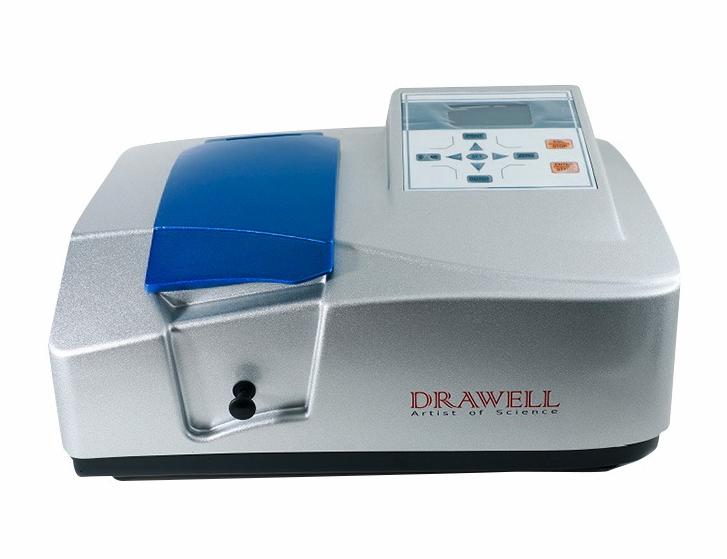
Understanding Single Beam UV-Visible Spectrophotometers
Single beam UV-Visible spectrophotometers use one main light path to check how much light goes through the sample. Basically the device measures the blank or reference solution first, then it goes on to measure the sample, in a separate step, so it does not compare both at exactly the same moment.
How They Work
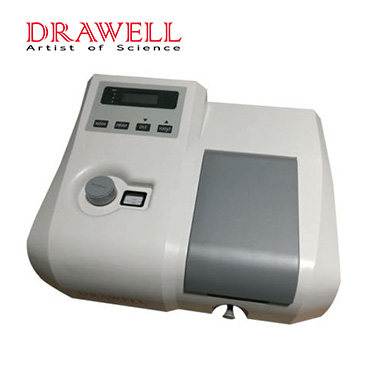
The light coming from the source passes into a monochromator, this unit picks out a specific wavelength. That wavelength then moves through the sample cuvette, and after that reaches the detector. The detector reads the light intensity and from there the instrument works out the absorbance , or it can report transmittance depending on the mode.
Characteristics
- Simpler optical structure
- Compact instrument design
- Lower instrument cost
- High light energy reaching the detector
- Requires manual or sequential blank and sample measurement
Advantages
- Simpler Design and Lower Cost: Single beam instruments have fewer optical components, so they tend to be more affordable. That means they are very good for educational laboratories, regular quality control, and small labs with limited budgets, where cost matters.
- Higher Optical Energy: Because the entire light beam goes through the sample, more light reaches the detector. This can raise sensitivity in certain applications, and it may help when the signal is weak.
- Easier Maintenance: With a simpler optical layout, maintenance feels less complicated. Calibration demands are usually reduced, too, compared with more complex setups.
- Compact Structure: Many single beam spectrophotometers are portable and they take up less lab space. This is useful where benches are crowded.
Limitations
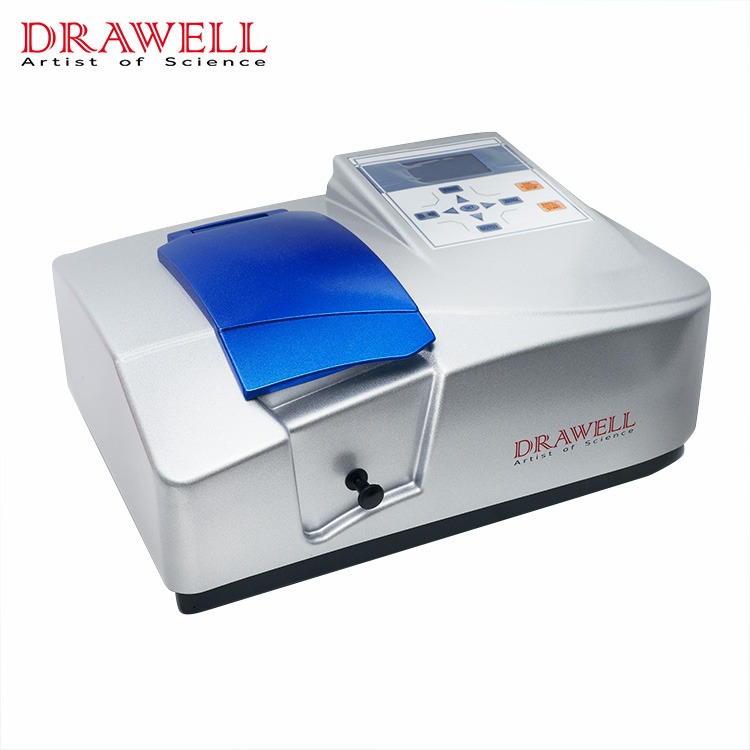
- Lower Stability: Since the blank and the sample are measured at different times, fluctuations in lamp intensity or changes in the environment might affect measurement accuracy.
- Frequent Recalibration: Operators may need to redo blank measurements regularly, especially during extended analytical runs.
- Less Suitable for Continuous Analysis: Single beam systems are not ideal for lengthy experiments requiring highly stable baseline performance.
Understanding Double Beam UV-Visible Spectrophotometers
Double beam UV-Visible spectrophotometers take the incoming light and split it into two separate beams. One beam goes through the reference material, and the other beam goes through the test material at the same time.

How They Work
Once the wavelength is set, the light beam gets separated into two routes, usually by a beam splitter or a rotating mirror. One path runs through the reference cuvette, and the other goes through the sample cuvette. The detector keeps checking the two signals against each other, so intensity drift and measurement swings are reduced.
Characteristics
- Simultaneous sample and reference reading
- Improved measurement stability
- Automatic compensation for light source fluctuations
- More complex optical construction
- Higher instrument cost
Advantages
- Better Stability and Accuracy: Double beam systems continuously pit the sample signal against the reference signal. This can reduce errors that come from lamp drift and environmental shifts, though it depends on setup.
- Improved Baseline Correction: Real-time correction boosts measurement precision, particularly during long duration experiments.
- Ideal for Research Work: These instruments are often found in advanced research labs, in pharmaceutical analysis, and anywhere high reproducibility is a must.
- Efficient Continuous Monitoring: Double beam spectrophotometers work well for kinetic studies, and for continuous scanning uses where stability matters.
Limitations
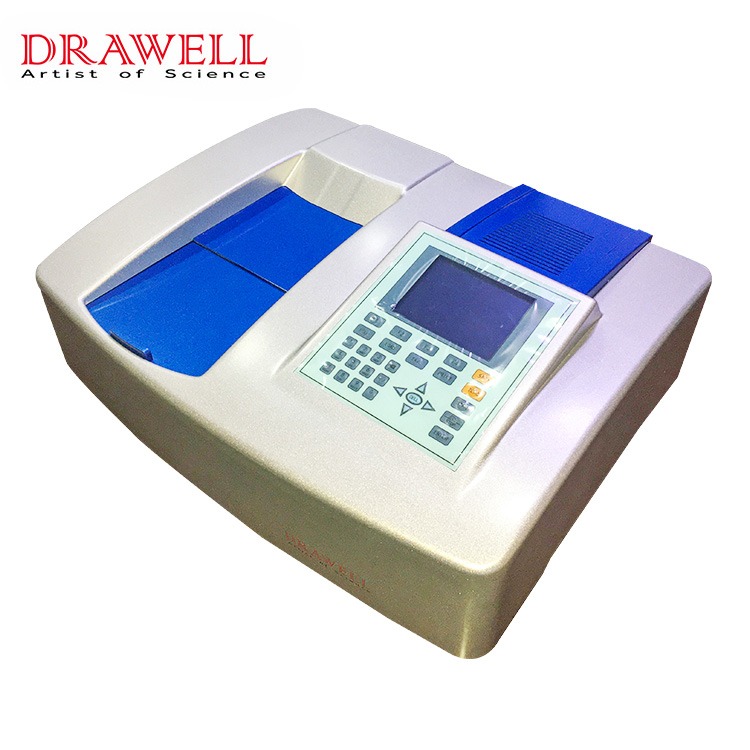
- Higher Cost: The additional optical components and advanced electronics increase the instrument price.
- More Complex Maintenance: Beam splitters, mirrors, and the dual optical paths need careful alignment, and ongoing attention.
- Reduced Light Intensity: Because the light is divided, each detector path receives less energy, so sensitivity may be slightly lower in some situations.
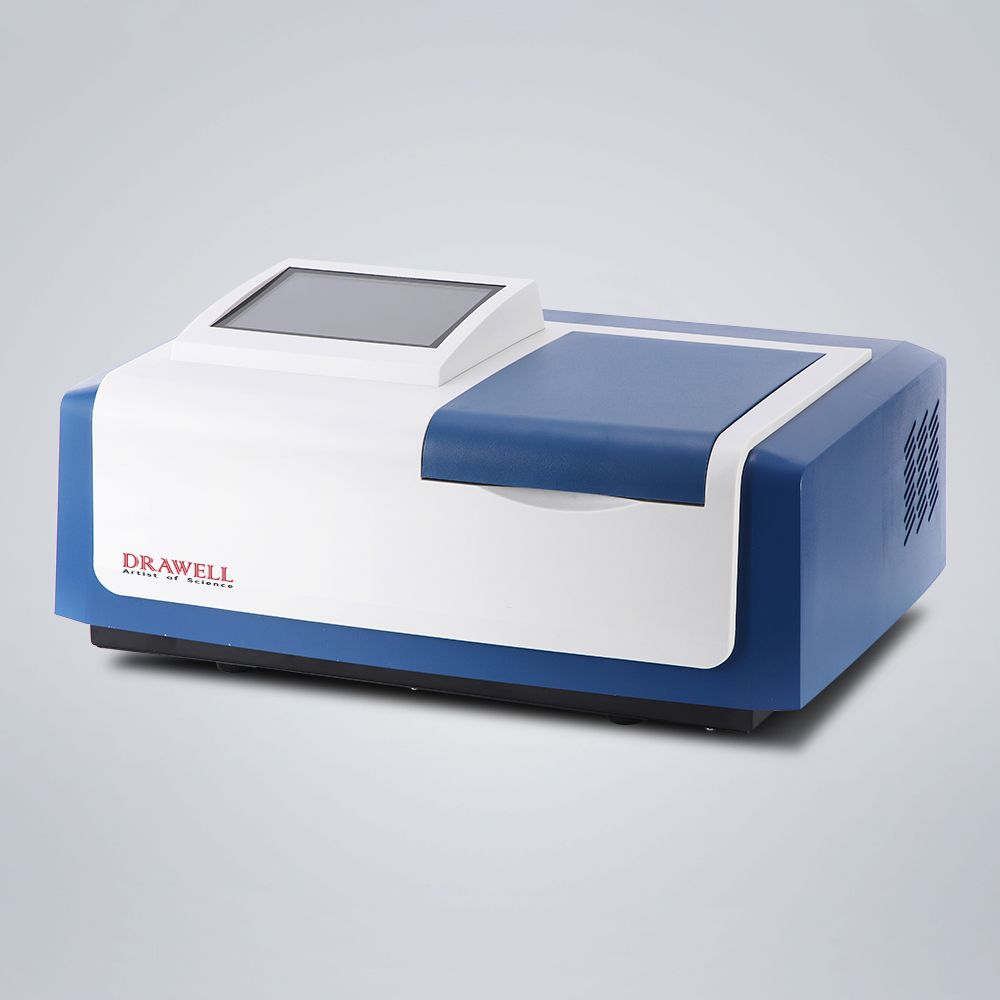
Main Differences Between Single and Double Beam UV-Visible Spectrophotometers
| Feature | Single Beam UV-Visible Spectrophotometer | Double Beam UV-Visible Spectrophotometer |
| Optical System | Uses one light beam | Uses two light beams |
| Measurement Method | Measures blank and sample separately | Measures blank and sample simultaneously |
| Light Path | Single optical path | Dual optical paths |
| Stability | Moderate stability | Higher stability |
| Accuracy | Suitable for routine analysis | Higher analytical accuracy |
| Baseline Drift Compensation | Limited | Automatic compensation |
| Sensitivity to Lamp Fluctuation | More affected | Less affected |
| Data Reproducibility | Moderate | Excellent |
| Measurement Speed | Faster for simple tests | Efficient for continuous measurements |
| Optical Complexity | Simple structure | More complex structure |
| Maintenance Requirements | Easier maintenance | Requires more careful maintenance |
| Instrument Size | Usually compact | Generally larger |
| Cost | Lower purchase cost | Higher purchase cost |
| Light Intensity at Detector | Higher because no beam splitting | Lower because light is split |
| Suitable for Long-Term Analysis | Less suitable | Highly suitable |
| Calibration Frequency | More frequent recalibration | Less frequent recalibration |
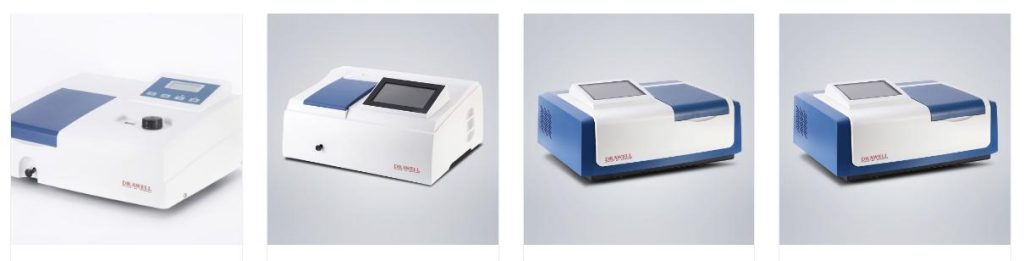
Factors to Consider When Choosing Between Single and Double UV-Visible Spectrophotometers
Choosing between single and double beam UV-Visible spectrophotometers often means you need a careful review of what your lab actually needs, what you want to measure, the real operating conditions, and budget limits.
1. Budget and Investment Considerations
Cost is usually one of the first things laboratories look at when deciding to buy analytical gear.
Single beam spectrophotometers are typically cheaper because the optical path is less complex and the number of internal parts is smaller. For that reason they work well for educational settings, routine quality control work and places that have limited financial resources.
Double beam systems tend to cost more, mainly because the optical design is more advanced. They also include more detectors and beam splitters, along with automated correction routines that help compensate for fluctuations. Even so, the higher upfront investment is often considered worth it, particularly when you need stronger analytical reliability, in research work, or in high precision environments.
Laboratories have to balance performance expectations with the money they actually have, so they can make a solid investment decision that fits the budget.
2. Accuracy and Stability Requirements
Analytical precision as well as stability are key factors when choosing a spectrophotometer, because even small changes can show up in results. Single beam instruments tend to work well for many everyday, routine measurements. Yet they also tend to be more exposed to measurement errors when the lamp intensity varies, temperatures shift, or electronic drift happens. Because the blank and the sample are measured separately, any difference between those two moments can affect accuracy, in ways that are easy to overlook.
Double beam systems keep comparing the sample and reference beams, pretty much continuously and in real time. This built-in automatic compensation helps a lot with baseline stability and with keeping measurements reproducible. So for labs that need high analytical accuracy over long hours, double beam spectrophotometers are usually a better fit.
3. Type of Laboratory Application
The intended laboratory application, pretty much ends up steering the decision between single beam setups and double beam setups.
Single beam spectrophotometers are commonly seen in educational labs, for routine chemical testing, water quality monitoring, and in standard industrial analysis. Their operation stays relatively straightforward, and the cost remains lower, so they are practical for everyday measurements.
Double beam spectrophotometers show up more often in pharmaceutical research, biotechnology work, environmental analysis, and in advanced scientific studies. When the work includes kinetic measurements , continuous spectral scanning, or trace analysis, the improved stability and better precision of a double beam system really helps.
So the complexity of the analytical work should guide the instrument selection, in practice.
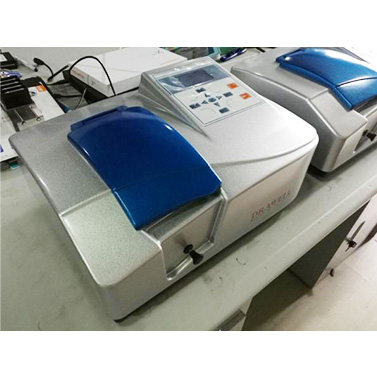
4. Frequency of Instrument Usage
Also, the daily workload and how frequently the lab will run the instrument matter a lot.
For laboratories that do occasional measurements or low-volume work, a single beam setup can be enough, and it usually avoids extra complication. It runs in a straightforward way, and the service load is fairly light.
On the other hand, labs doing continuous testing, longer experiments, or high-throughput sample checks often go with a double beam system. With its automatic correction abilities, they spend less time readjusting the instrument, which tends to make day to day efficiency better when analytical sessions stretch out.
5. Maintenance and Technical Complexity
Maintenance needs can influence the long-term operational expenses and the dependability of the instrument.
A single beam spectrophotometer uses a simpler layout with fewer optical parts. Because of that, maintenance is typically easier, troubleshooting can be quicker, and the overall servicing costs are usually lower.
Double beam systems have more sophisticated optical set ups, with things like mirrors, beam splitters, and two separate light routes. Even if these components make the analytical performance better, they also mean you need more careful alignment work and ongoing maintenance. When a laboratory decides on a double beam system, it should really make sure there is access to suitable technical support and calibration services.
6. Sensitivity and Optical Performance
Light utilization efficiency is another key technical element.
In single beam systems, the whole light intensity moves through the sample, so maximum light energy can reach the detector. This can result in strong signal intensity, and it may improve sensitivity for certain use cases.
In double beam systems, the light source gets split into two separate beams. Even if this reduces the light intensity that reaches each path, the advantage of real time reference correction often wins over the small reduction in optical energy. Modern detectors and optical technologies have also improved sensitivity a lot for double beam instruments.
7. Space and Laboratory Environment
Physical laboratory space, and general working conditions might also nudge the choice of instrument.
Single beam spectrophotometers tend to be more compact, and easier to move around. Smaller labs or facilities with tight bench space may lean toward these instruments because of their manageable size.
Double beam systems are usually bigger, due to their more involved optical arrangements. Research laboratories that have dedicated analytical areas can often fit these instruments more comfortably.
Environmental stability matters too, because high-precision double beam systems often do best when the environment is tightly controlled in the laboratory, and not in real world conditions.
8. Future Expansion and Long-Term Needs
Before you buy anything, laboratories should reflect on what analytical requirements might show up later.
A split single beam spectrophotometer could cover today’s routine testing demands , but if the lab grows, or the methods become more demanding, then more capable analytical options may be needed later. Waiting to upgrade can push up the total costs overall.
Double beam spectrophotometers generally offer more room for advanced work and long-term expansion. Labs that expect to expand research projects, or increase analytical complexity, may be better served by choosing a double beam system from the beginning.
Final Thoughts
Single and dual beam UV-Visible spectrophotometers each bring their own benefits, and what you end up choosing really depends on laboratory requirements. A careful check of lab needs helps decide which instrument is the best fit, so the lab can get results that are actually accurate, keep the workflow moving efficiently, and support stable long term operations.
Get Quote Here!
Latest Posts

What Next?
For more information, or to arrange an equipment demonstration, please visit our dedicated Product Homepage or contact one of our Product Managers.


