


You perform the same HPLC procedure in two separate labs and the results are very different. It happens more often than you’d anticipate, and it may be really annoying when you don’t know where to start looking.
Inconsistent HPLC results can delay product release, invoke retesting and endanger regulatory submissions. Whether you are troubleshooting a normal quality check or a cross-site HPLC method transfer, knowing why you are getting different HPLC results is the first step in fixing the problem. This guide goes through five of the most common causes, and offer practical strategies to narrow down the root cause.
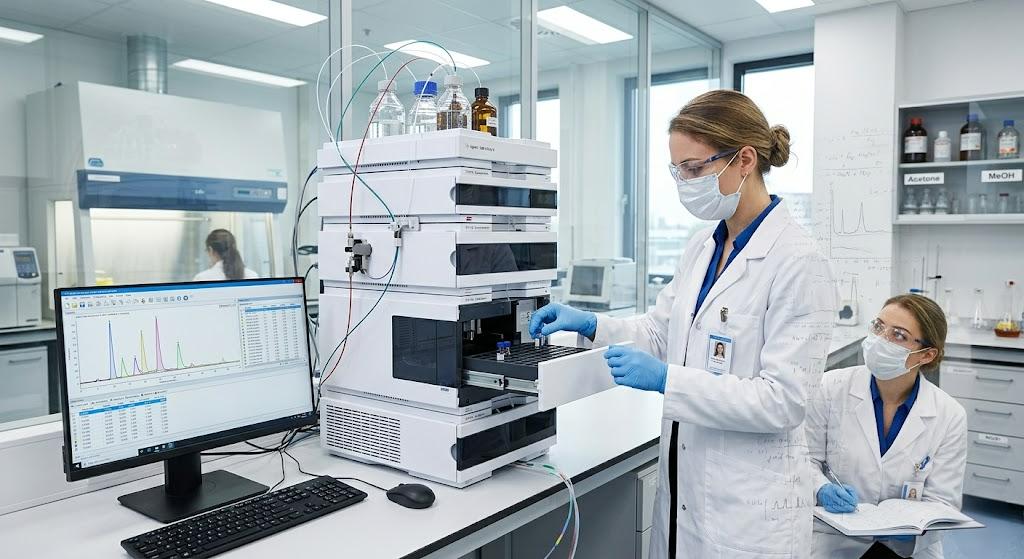
1. Check the HPLC System Condition
Even when two labs are running the same method, the instruments themselves may not be performing identically. HPLC systems accumulate wear over time, and small differences in hardware performance can cause results to drift in ways that aren’t immediately obvious.
A few things worth checking on each system:
- Pump performance: Small changes in flow rate can vary retention times and affect peak regions. Pump seals and check valves wear out after a period of time and may need replacing periodically.
- Detector response: Detector lamp aging, wavelength accuracy, baseline stability, and detector condition can affect signal response and should be checked when results differ between systems. Two detectors of the same model may not respond identically.
- Injector precision: Autosampler variability is a well-known source of HPLC reproducibility issues. An injector that delivers slightly inconsistent volumes will produce inconsistent peak areas across runs.
- Temperature control: If a column oven isn’t holding temperature accurately, retention times will shift, sometimes noticeably between runs or between sites.
Before attributing the difference to the method itself, run the same reference standard on both systems under the same conditions and compare the relevant system suitability parameters.
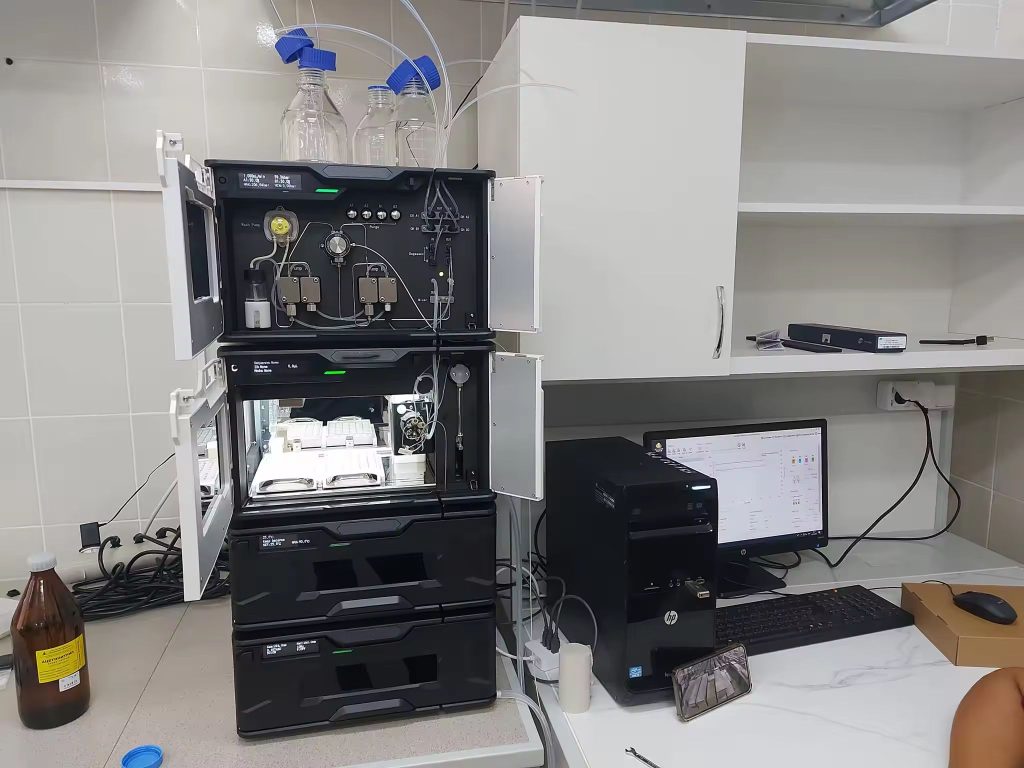
2. Make Sure the Columns Are Truly Comparable
The column is one of the most sensitive parameters in HPLC and one area where even small differences between columns can affect chromatographic performance, especially when the columns differ in age, lot, or usage history.
The main column-related factors that can result in differing HPLC results are summarised in the following table:
| Column Factor | What May Differ | Possible Effect on Results |
| Stationary phase | Chemistry or surface properties | Retention and selectivity |
| Dimensions | Length, ID, particle size | Retention time and efficiency |
| Column age | New vs. heavily used | Peak shape and reproducibility |
| Storage/conditioning | Different handling history | Retention and baseline stability |
If one lab is using a freshly packed column and another lab is using a column that has been used for several hundred injections, the chromatographic behaviour can be quite different. Also, before usage, both columns should be conditioned in the same manner and for the same period of time.
3. Check How the Mobile Phase Was Prepared
Mobile phase preparation is one of the most frequently overlooked sources of HPLC variability. The same written recipe can provide very varied results depending on how it’s executed in real life.
Typical inconsistencies are solvent grade (even minor differences in impurity levels can affect baseline noise), buffer pH (differences of 0.1 to 0.2 pH units can cause a significant shift in the retention of ionizable compounds), and degassing practices (dissolved gases can cause pump cavitation and baseline instability).
Water quality also matters, particularly for low-wavelength UV detection. Differences in organic or ionic contamination can contribute to higher background or baseline noise.
Standardizing mobile phase preparation across labs, down to the order of mixing and equilibration time, tends to pay off in measurably better HPLC reproducibility.

4. Compare Sample Preparation Steps
If the sample preparation technique is not the same at each site, differences in the results may reflect the preparation process rather than differences in the actual sample composition.
Common sources of variation are the diluent composition (even a small mismatch can influence peak shape or analyte solubility), the dilution or extraction procedure (timing, temperature and mixing all have an impact), and the filtration step, as different filter materials can adsorb analytes to different extents. Sample cleanup centrifugation settings may also leave behind variable amounts of particles, affecting column performance over time.
The most expedient troubleshooting step is frequently to prepare identical samples from the same stock at both sites and compare the resulting chromatograms directly.
5. Check the Method Transfer Details
HPLC method transfer is a process where even minor differences in how the method is executed can lead to different results. Explicitly stating the nominal conditions is a method but practicalities such as the way the system is primed, how long the column is equilibrated or setting the integration parameters sometimes are omitted in the transfer document.
A few things that are easy to overlook:
- Integration parameters: Peak start and end thresholds, baseline correction style, and minimum area cutoffs can all produce different quantitative results from the same raw data.
- Gradient dwell volume: If the two HPLC systems have different dwell volumes, gradient methods will behave differently unless this is accounted for and adjusted during transfer.
- Sequence programming: Run order, flush steps, and conditioning injections between samples may vary between labs and affect how stable the system is during a sequence.
A close review of the method transfer documentation with someone who has expertise using the method in practice often reveals flaws that can take weeks of troubleshooting to uncover otherwise.
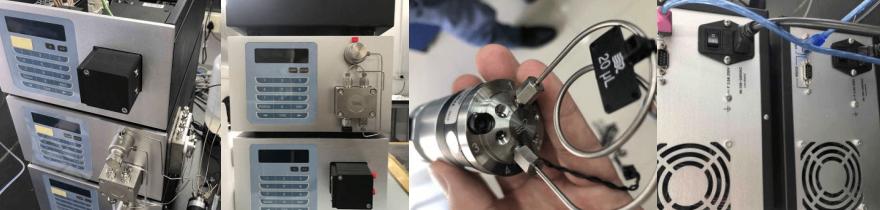
How to Find the Source of the Difference
Usually, the most expedient way to begin when HPLC findings are different from lab to lab is a side-by-side comparison. If you run the identical reference standard and sample at both sites under very controlled conditions and then compare system suitability findings, column specs, mobile phase logs and raw chromatograms, it is much easier to determine where the divergence is coming from.
It is reasonable to work from the instrument outwards. Check system performance, then column, then mobile phase and sample prep. Finally evaluate method documentation and integration settings. This approach avoids unnecessary column changes or reagent replacements before the actual source of variation is identified.
Keep Your HPLC Results Consistent
The cause of inconsistent HPLC results is often a combination of small differences across the workflow, from instrument condition and column history to mobile phase and sample preparation. People often underestimate how important it is to be consistent in terms of preparing the mobile phase, handling columns, preparing samples and documenting methods.
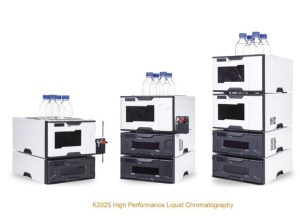
Drawell provides high-performance liquid chromatography instruments designed for pharmaceutical, environmental, food safety, and research applications that consistently perform across different lab settings. Contact us and learn about finding the ideal system for your workflow.
Get Quote Here!
Latest Posts
What Next?
For more information, or to arrange an equipment demonstration, please visit our dedicated Product Homepage or contact one of our Product Managers.


