



Blog
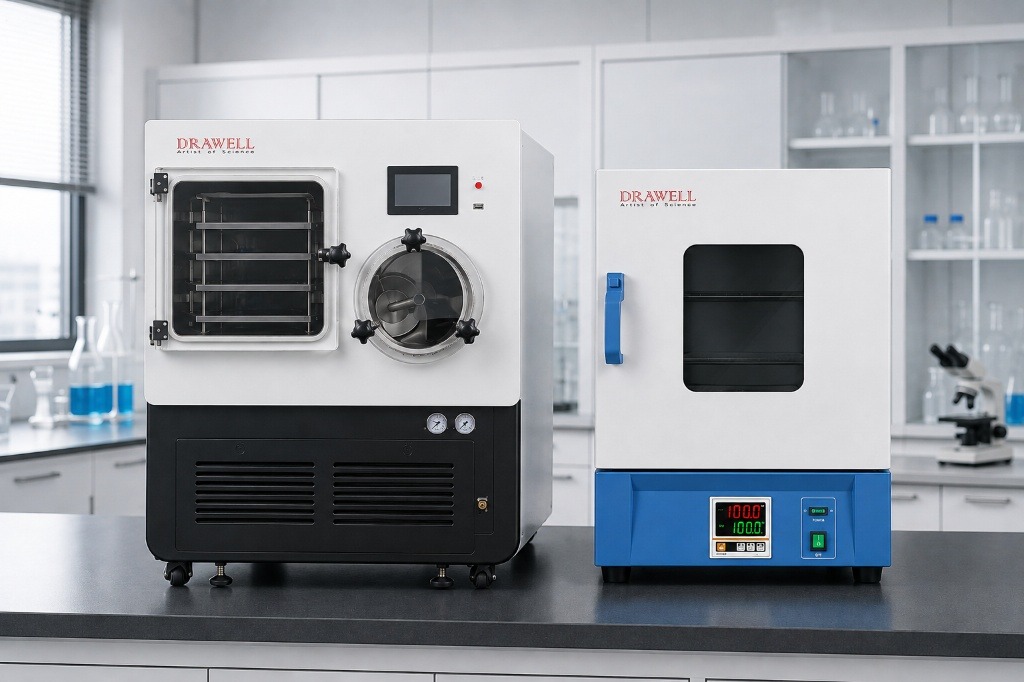
Freeze Dryer vs Dehydrator: 7 Key Differences
The choice between a freeze dryer vs dehydrator is dictated by the material in question. The two machines achieve the same end—water removal—but through incompatible mechanisms. One uses forced hot air to evaporate liquid water. The other freezes the sample, then…
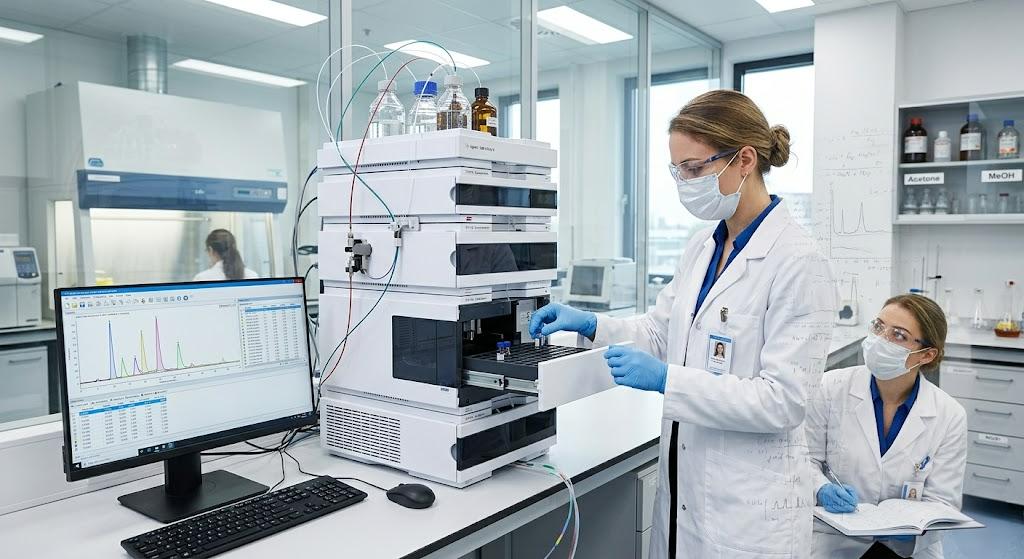
Why Do Different Labs Get Different HPLC Results? 5 Factors to Check
You perform the same HPLC procedure in two separate labs and the results are very different. It happens more often than you’d anticipate, and it may be really annoying when you don’t know where to start looking. Inconsistent HPLC results…
How does a Density Meter Work
A density meter is an instrument for measuring how dense a material is. It can be used with liquids, gases, and solids. In many settings, getting the density right matters for quality and control. You will see density measurement in…
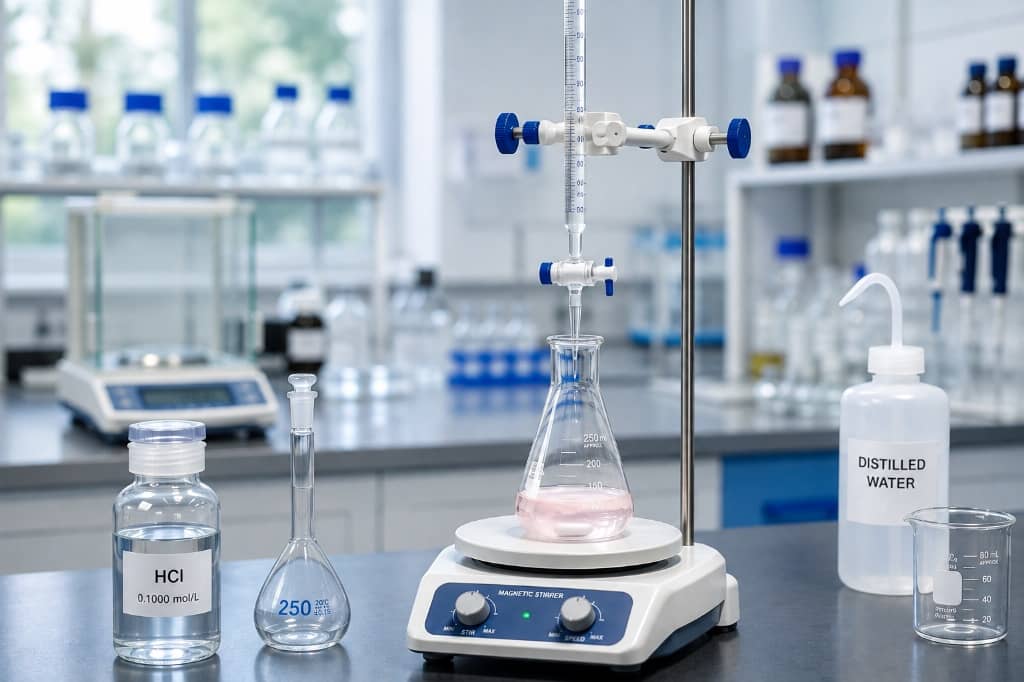
Potential Errors in Titration Experiments: 10 Causes & Fixes
In any chemical analytical lab, spotting potential errors in titration experiments early on makes all the difference between reliable results and wasted time. Titration is one of those classic techniques that seems simple on paper. But in practice? There’s a lot that…
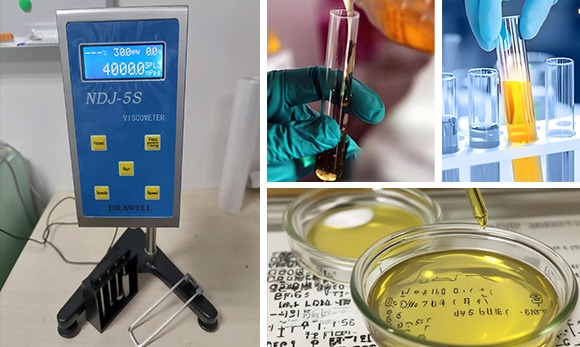
What is Digital Viscometer? Working Principle, Applications, and How to Choose
When you need to know whether a liquid is too thin, too thick, or simply consistent from one batch to another, viscosity measurement gives you a practical way to find out. A digital viscometer is an instrument used to measure…
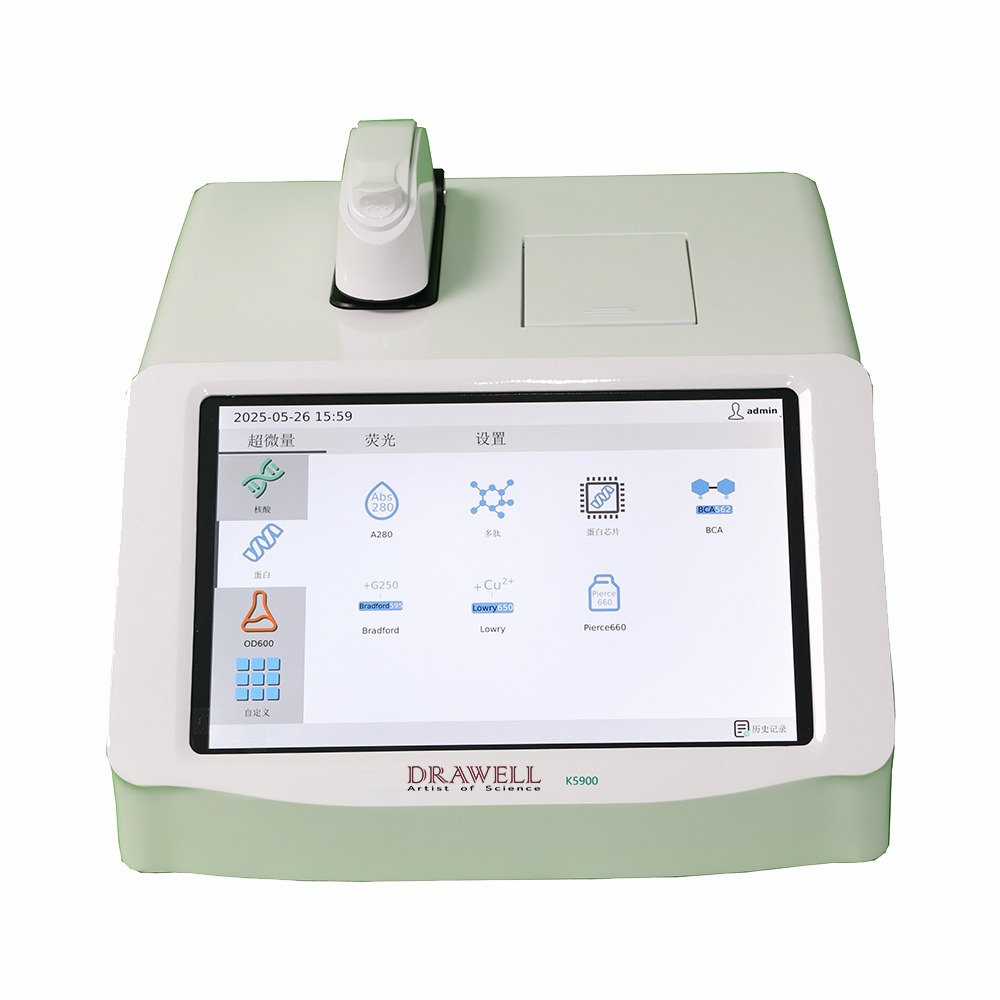
Does Your Lab Really Need a Nano Spectrophotometer? A Practical Guide for Researchers
Sample volume is important for the obvious reason that you’ve probably done a DNA extraction and then found you don’t have enough material to do one measurement. One of the more prevalent obstacles in life science research is precise quantification…
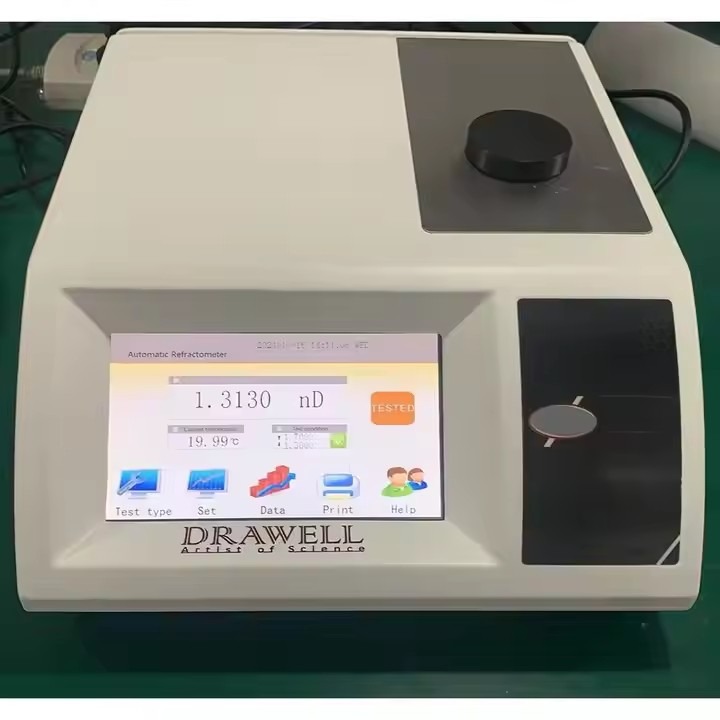
Why Are Your Brix Readings Different? 5 Common Automatic Refractometer Mistakes
You run the same sample again on your automatic refractometer and receive two different Brix readings. Run it again and you get a third result. At this point, it’s natural to think the instrument is broken, although it’s frequently not…
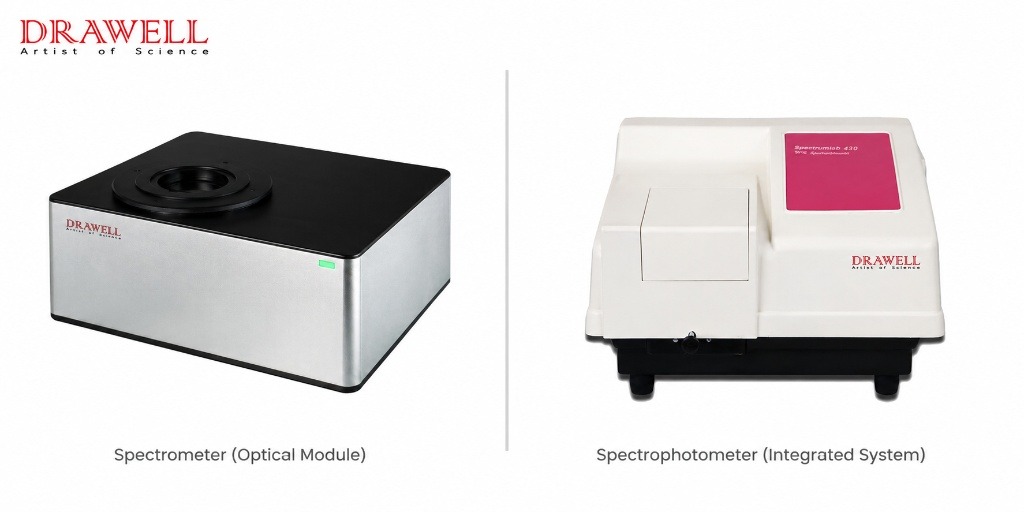
Spectrometer vs Spectrophotometer: 5 Key Differences Explained
So you’re looking at optical instruments for your lab. And you keep seeing two names: spectrometer vs spectrophotometer. They sound similar. They even look alike sometimes. But they are not the same thing. And picking the wrong one? That can cost you…
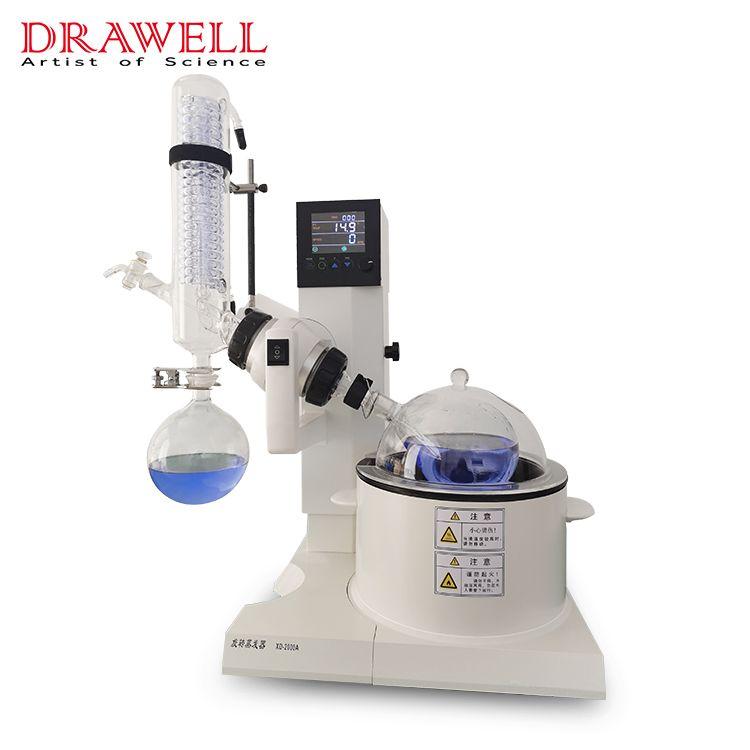
Why Is Your Rotary Evaporator Running Slower Than Before? 5 Common Causes
You set everything up exactly as usual, but an hour later the flask is still half full. If this rings a bell, you’re not the only one. Slow evaporation is one of the most common problems that a lab user…

How Long Does a Centrifuge Spin
A centrifuge is a common lab tool. It splits a mix into parts using spinning force. People use it in clinics, biotech work, drug research, and tests done on air and water samples. One of the most common questions when…
Browse by category:


