


Biosafety cabinets are categorized into Class I, II, and III, each offering different levels of protection and suitable for specific applications. Understanding the differences among these classes is essential for selecting the right biosafety cabinet for your laboratory’s needs.
If you are setting up a new lab or upgrading your containment equipment, you’re probably asking yourself: Do I need to protect just my team, or does my sample need protection too? What happens if my protocol involves volatile chemicals? Making the wrong choice doesn’t just compromise your budget—it can compromise safety. Let’s dive straight into how these units actually work so you can make a confident, compliant decision.
Understanding Biosafety Cabinets
Biosafety cabinets are enclosed, ventilated laboratory workspaces designed to protect personnel, the environment and sometimes the work materials from exposure to biohazardous agents or infectious materials. They use high-efficiency particulate air (HEPA) filtration and controlled airflow to prevent contamination and contain airborne pathogens. Biosafety cabinets are essential in microbiology, biomedical research, and pharmaceutical labs, and are categorized into Class I, II, and III based on the level of protection they provide.
What are Class I Biosafety Cabinets
Class I biosafety cabinets provide protection for personnel and the environment but do not offer product protection. These cabinets operate with unrecirculated airflow and use a High-Efficiency Particulate Air (HEPA) filter to clean the exhaust air before it is released into the environment.
How It Operates & Its Real-World Benefits
The defining feature of a Class I cabinet is its simplicity and reliance on a reliable inward airflow pattern (usually pulled at around 75 linear feet per minute). Room air enters the front opening, sweeps across the work surface to trap aerosols, and is then pushed through a high-efficiency HEPA filter before leaving the unit.
The biggest advantage here is straightforward, cost-effective personnel and environmental containment. Because its engineering footprint is minimal compared to complex ducted systems, it is incredibly easy to set up, validate, and maintain.
Where It Works Best (And Where It Fails)
In real-world settings, Class I cabinets are the go-to choice for lower-to-moderate risk setups—specifically Biosafety Level 1 and 2 (BSL-1 & BSL-2) protocols where your only goal is keeping the operator safe from breathing in harmful biological materials. Think of teaching labs, diagnostic prep stations, or specific procedures that generate heavy aerosols but involve robust samples. According to the CDC/NIH Biosafety in Microbiological and Biomedical Laboratories (BMBL) guidelines, Class I units are perfectly adequate when sample contamination isn’t a scientific concern.
However, its simplicity is also its primary limitation. Because unsterilized room air flows directly over your workspace before being filtered, this unit provides absolutely no product protection. If you are doing cell cultures, tissue work, or handling delicate pharmaceuticals, outside ambient bacteria will ruin your sample. Additionally, unless you hook it up to a dedicated external facility exhaust duct, never use it with volatile chemicals or toxic vapors—the standard HEPA filter traps particles, not chemical fumes.
What are Class II Biosafety Cabinets
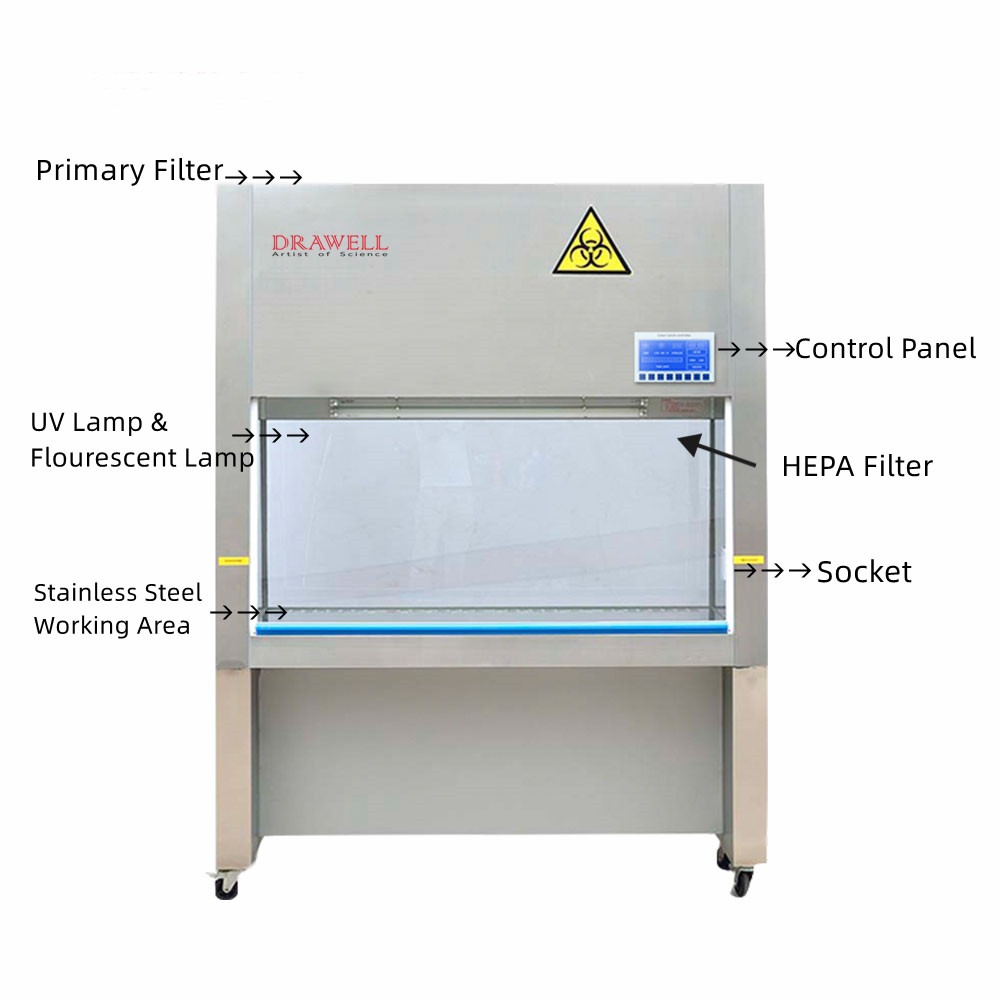
Class II biosafety cabinets are the most commonly used type in microbiological and biomedical labs. Unlike Class I units, they are designed to solve the ultimate laboratory dilemma: protecting the operator, the environment, AND the sample all at once. Air is drawn into the front grille (personnel protection), while downward HEPA-filtered laminar airflow protects the materials inside the cabinet.
The Multi-Protection Advantage
It achieves this through a clever dual-airflow balance. The cabinet pulls a curtain of room air into the front grille to shield the worker (personnel protection). Simultaneously, it pushes a clean, vertical laminar stream of HEPA-filtered air down onto the workspace (product protection). Finally, the exhaust air is filtered before release, ensuring environmental safety.
From an operational standpoint, this flexibility is its greatest asset. It lets you run delicate diagnostics and sensitive cell lines without worrying about outside contamination or exposing your lab staff to biohazards.
Smart Matching: Applications & Engineering Realities
If your lab handles BSL-1, BSL-2, or BSL-3 agents—ranging from routine clinical blood samples to tissue cultures and pharmaceutical compound testing—a Class II cabinet is almost certainly your correct starting point. In fact, the World Health Organization (WHO) Laboratory Biosafety Manual widely recognizes Class II cabinets as the baseline standard for modern biomedical research and diagnostics.
However, “one size does not fit all” when it comes to biosafety cabinet types within this class. Your main limitation isn’t what biological agents you can handle, but how you manage hazardous chemical vapors. Class II cabinets are further divided into Type A1, A2, B1, and B2, based on their specific airflow design and how they handle exhaust air:
| Type | Key Feature | Typical Use |
| A1 Cabinets | Recirculates ~70% air inside; low exhaust velocity | Microbiological work (no toxic chemicals) |
| A2 Cabinets | Higher exhaust velocity; ducted or recirculating | Common in research and clinical labs |
| B1 Cabinets | 30% recirculation; 70% ducted exhaust | Handling small amounts of toxic chemicals |
| B2 Cabinets | 100% exhausted outside; no air recirculation | Toxic fumes and volatile chemicals |
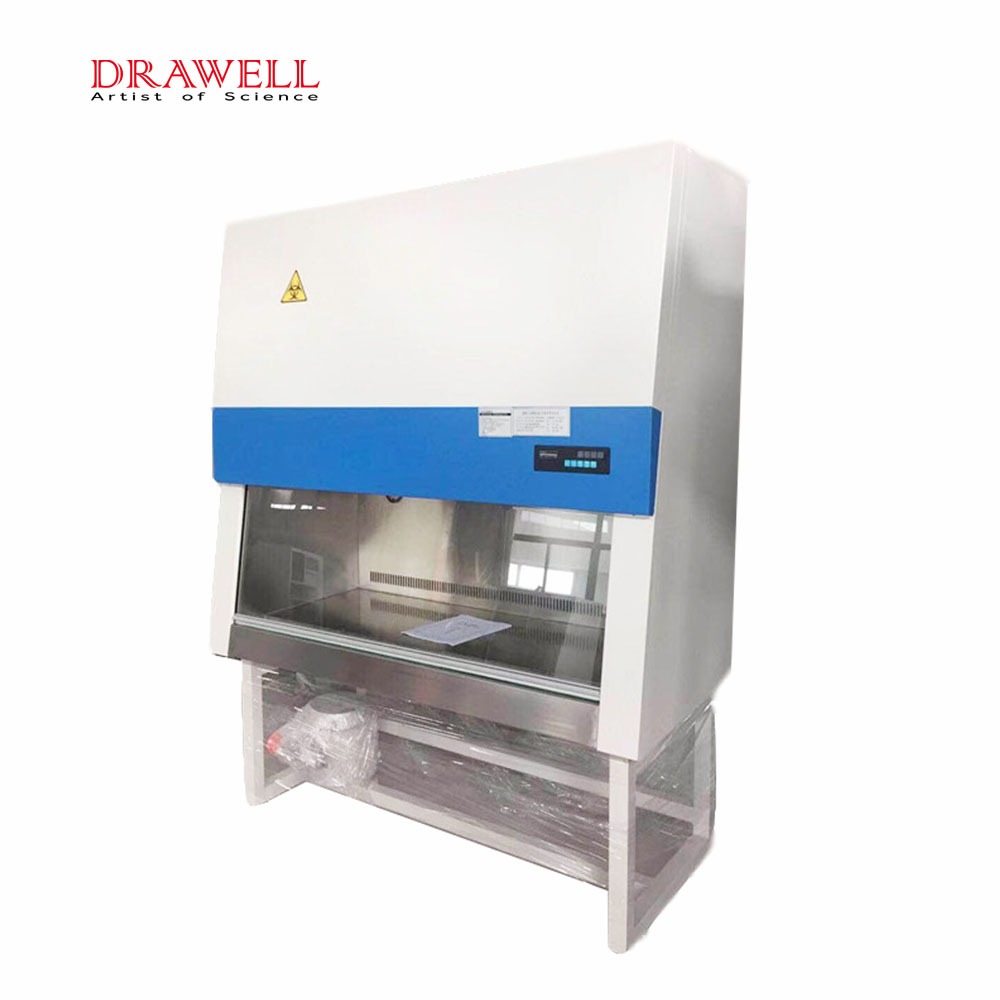

Choosing Between Type A2 and Type B2
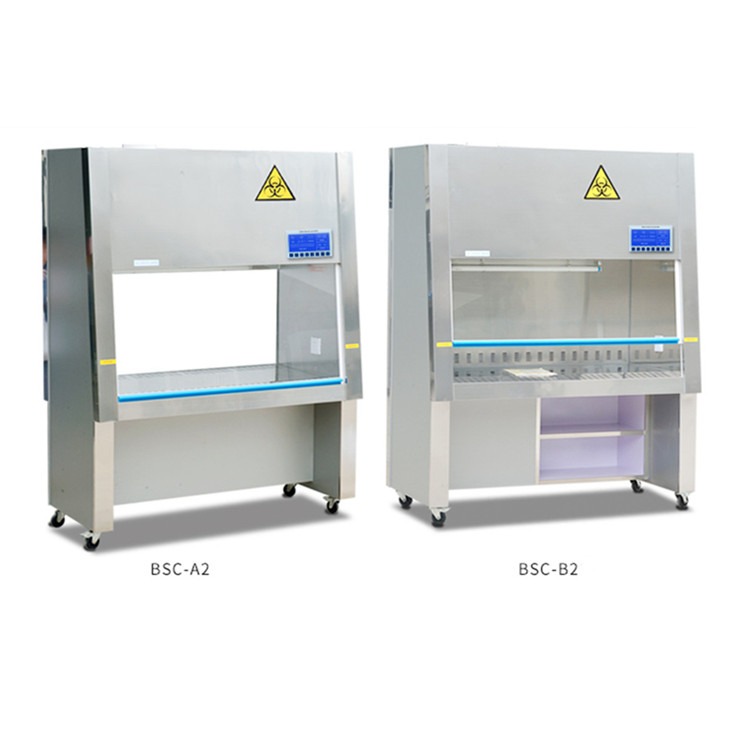
When configuring a biosafety cabinet class 2 setup, the actual day-to-day choice almost always comes down to Type A2 versus Type B2. Understanding their engineering differences saves significant infrastructure costs:
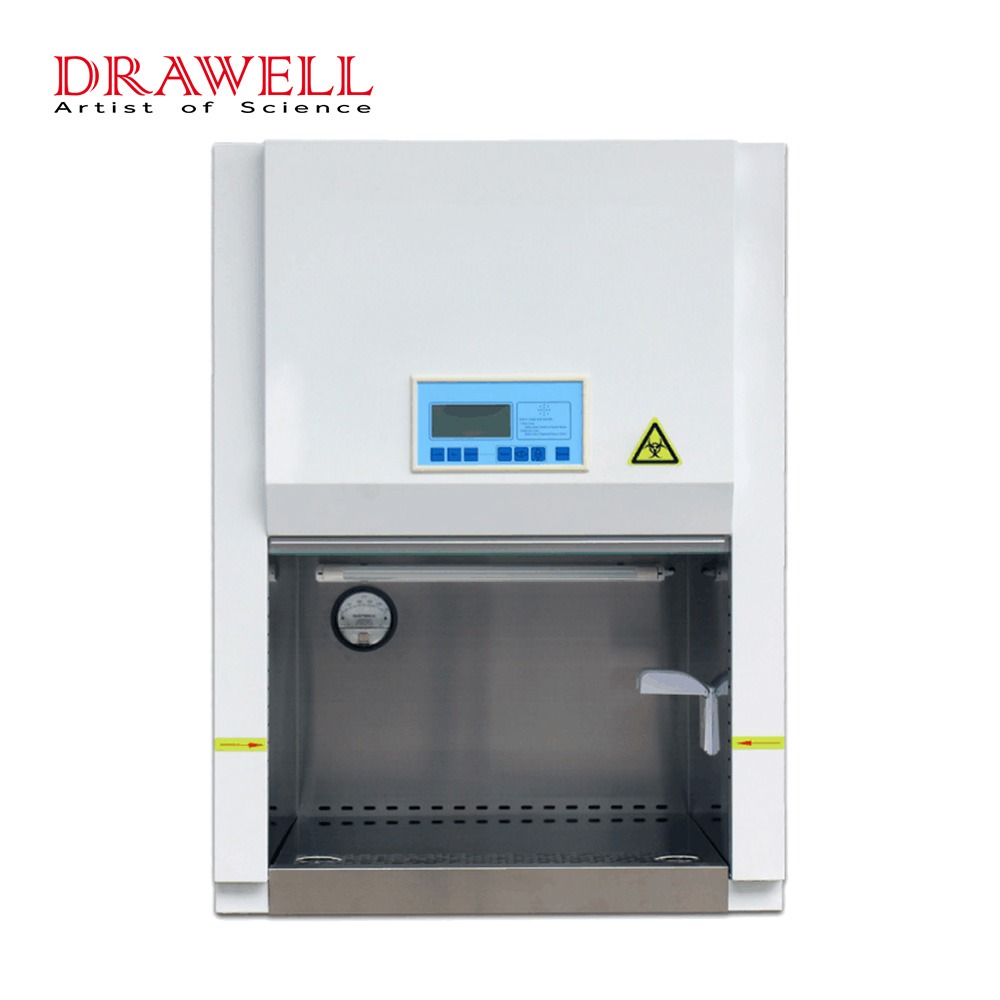
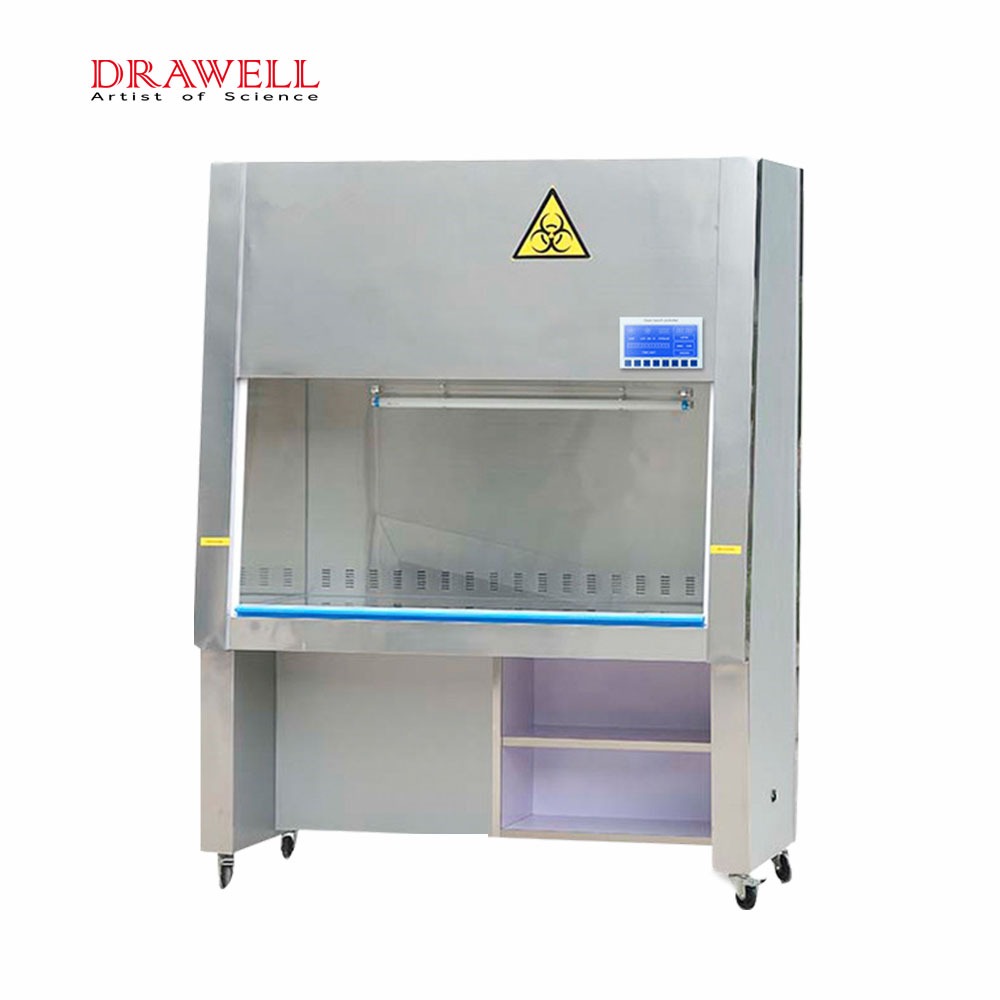
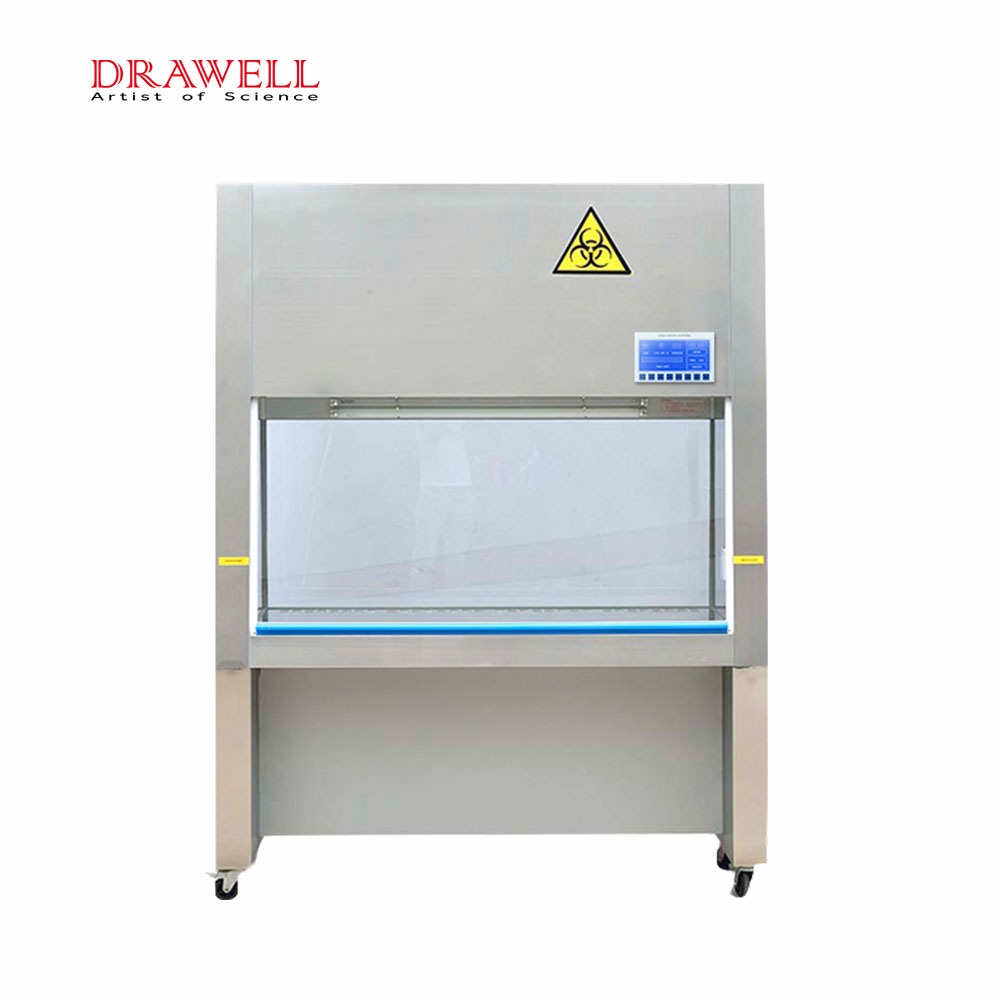
- Type A2 (The Industry Workhorse): These units recirculate about 70% of the HEPA-filtered air back into the work zone, while discharging 30%. If you are space-limited or operating a smaller lab, a compact option like a desktop biosafety cabinet offers great flexibility without sacrificing safety. For standard setups, a standard Class II A2 biological safety cabinet is highly efficient, and you can also upgrade to a heavy-duty all-steel Class II A2 biological safety cabinet for maximum physical durability and easy chemical wipe-downs.
- Type B2 (The Total Exhaust Solution): Type B2 cabinets recirculate 0% air. 100% of the air is drawn from the room, passed through the work area, and hard-ducted completely outside the facility via a dedicated external blower. Why go through this trouble? Because if your protocol mixes pathogens with volatile solvents or radioisotopes, standard recirculating units (like Type A2) will concentrate those chemical fumes right back onto your hands. For those complex workflows, you face stricter infrastructure requirements, meaning you strictly require a Class II B2 biological safety cabinet or an all-steel Class II B2 biological safety cabinet which demands a permanent external ducting connection to the outside world.
What are Class III Biosafety Cabinets
Class III cabinets, or “glove boxes,” are gas-tight enclosures offering the highest level of protection for personnel, environment, and product. All operations are conducted through attached gloves, and the cabinet is maintained under negative pressure.
Maximum Isolation: The Ultimate Barrier Concept
Often referred to in the industry as a “glove box,” a Class III cabinet is a completely gas-tight, hermetically sealed enclosure. There is zero open physical access to the interior; your technicians interact with samples exclusively through thick, sealed rubber gloves attached to the front ports. The cabinet runs under intense negative pressure, ensuring that even if a microscopic leak occurs in a seal, air can only rush inward, never escaping into the lab.
The undeniable advantage here is absolute safety in worst-case scenarios. Both the incoming and outgoing air streams undergo double-HEPA filtration (or HEPA plus thermal incineration), creating a completely closed ecosystem that shields the outside world from what is happening inside.
High-Consequence Applications & True Operational Costs
Class III cabinets are built for high-containment Biosafety Level 4 (BSL-4) facilities or specialized biodefense projects. If you are handling unknown, highly infectious, or lethal airborne pathogens that lack any known cure or vaccine—such as hemorrhagic fevers or exotic viruses—this is the only legally compliant and safe option.
The tradeoffs, however, are massive and highly practical:
- Workflow Bottlenecks: Working through heavy rubber gloves slows down manual dexterity significantly. Everything entering or leaving the cabinet must go through double-door pass-through lockboxes, dunk tanks, or autoclaves, which dramatically alters your daily testing throughput.
- Infrastructure Demands: You aren’t just buying a cabinet; you are committing to a specialized containment suite. These units require dedicated, failsafe air handling systems and intensive engineering validation. For standard clinical testing, a Class III system is massive overkill and financially restrictive for standard operating budgets.
Comparison among Class I, II and III Biosafety Cabinets
| Feature | Class I | Class II | Class III |
| Personnel Protection | Yes | Yes | Yes |
| Product Protection | No | Yes | Yes |
| Environment Protection | Yes | Yes | Yes |
| Airflow Direction | Inward | Downward laminar + inward | Sealed, negative pressure |
| Use of Gloves | No | No | Yes |
| HEPA Filters | Exhaust only | Supply and exhaust | Supply and exhaust |
| Typical Use Level | BSL-1, BSL-2 | BSL-1 to BSL-3 | BSL-4 |
| Chemical Use | Limited (if filtered) | Varies by type (A vs. B) | Yes (with proper filtration) |
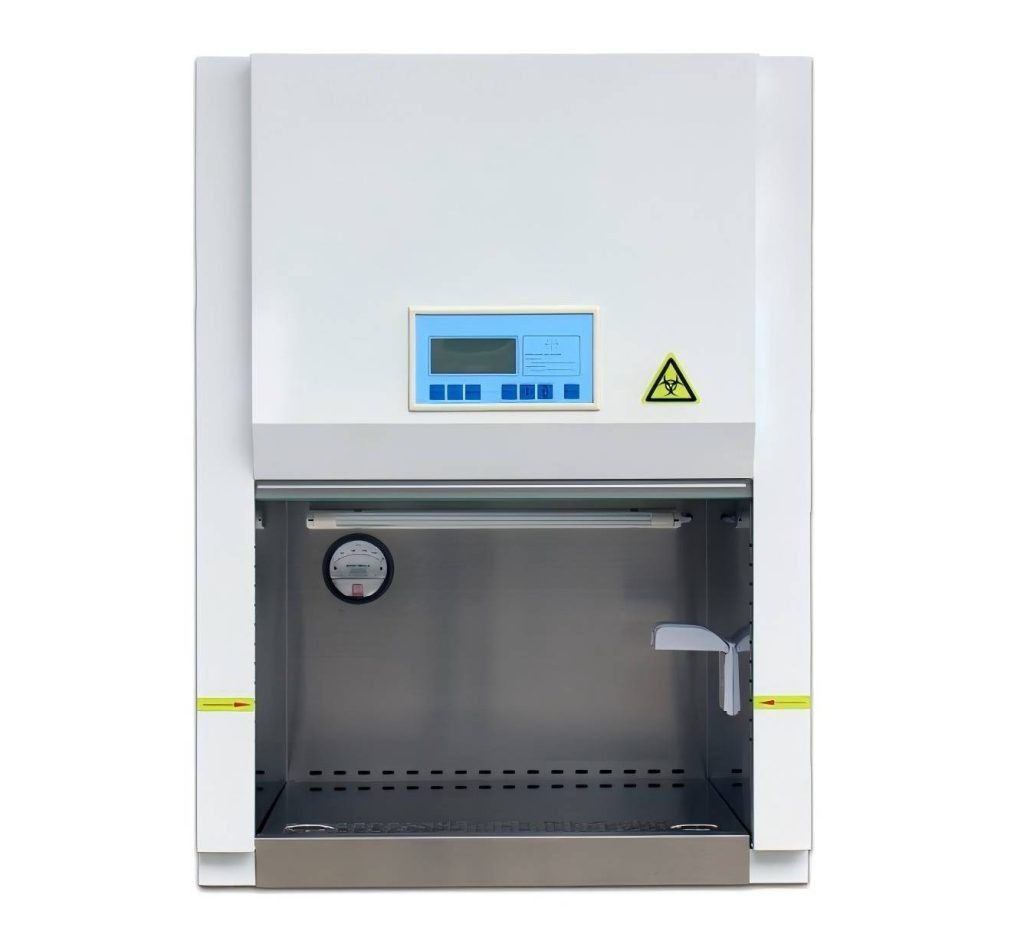
Key Considerations for Choosing Among Class I, II, and III Biosafety Cabinets
- Nature of the Biological Material
One of the primary factors in choosing a biosafety cabinet is the biosafety level (BSL) of the agents being handled:
- Class I biosafety cabinets are appropriate for low- to moderate-risk (BSL-1 and BSL-2) organisms, especially when the priority is operator protection rather than product sterility.
- Class II biosafety cabinets are suitable for BSL-1 to BSL-3 agents and offer a balance of protection for personnel, environment, and product.
- Class III biosafety cabinets are required for BSL-4 organisms, typically those that are highly infectious or lack known treatments.
- Required Type of Protection
Different applications require different types of protection:
- Personnel protection is essential in all laboratory settings. All BSC classes provide this to varying degrees.
- Product protection is crucial in procedures involving sterile cultures or samples—provided by Class II and III cabinets.
Environmental protection is achieved through HEPA filtration of exhaust air, included in all three classes.
If maintaining the sterility of materials is not necessary, Class I may be sufficient. However, if both sample and personnel safety are priorities, Class II or III is necessary.
- Work Procedures and Airflow Requirements
Understanding how the cabinet handles airflow is critical:
- Class I cabinets pull air inward and exhaust it through a HEPA filter, protecting only the user and environment.
- Class II cabinets use a vertical laminar flow system, with filtered air recirculated within the cabinet to protect the product while exhausting filtered air outside or back into the lab.
- Class III cabinets are fully enclosed, gas-tight units operated with built-in gloves, providing maximum containment and safety.
If the procedure involves open handling of infectious agents or generating aerosols, Class II or III is preferred.
- Use of Hazardous Chemicals
If the laboratory work includes volatile toxic chemicals or radioactive substances, airflow and exhaust design must be considered:
- Class I can accommodate small amounts of chemicals with proper ventilation.
- Class II Type A1 and A2 are not suitable for toxic chemicals unless properly ducted.
- Class II Type B1 and B2 are better suited as they exhaust most or all of the air outside.
- Class III cabinets are safe for use with such materials when integrated with the right filters and exhaust systems.
- Laboratory Infrastructure and Maintenance
The physical setup of the laboratory and capacity for maintenance also impact the choice:
- Class I and II cabinets are relatively straightforward to install and maintain.
- Class III cabinets, on the other hand, require a dedicated containment suite, external exhaust, and specialized training for operation and upkeep.
- Budget and Operational Scale
Cost is another important consideration. Class I cabinets are the most affordable, while Class III cabinets are the most expensive due to their complexity. Class II cabinets offer a middle ground in both functionality and cost, making them the most commonly used in many laboratories.
- Compliance and Regulatory Guidelines
Compliance with biosafety cabinet standards set by agencies such as the CDC, WHO, or local health authorities is mandatory. The cabinet chosen must meet the standards required for the intended work. For example:
- Class I for minimal-risk teaching labs.
- Class II for clinical, pharmaceutical, and diagnostic settings.
- Class III for high-containment labs or government research facilities.
Summary
- For basic protection without product sterility, Class I is sufficient.
- For versatile protection of personnel, environment, sample, etc, across a range of applications, Class II is usually the best fit.
- For work with the most dangerous pathogens, only Class III offers the necessary level of containment.

Frequently Asked Questions (FAQs)
Q1: Can I use a laminar flow clean bench instead of a biosafety cabinet?
A: Absolutely not if you are working with any biohazards, infectious materials, or allergens. A laminar flow clean bench blows air toward the operator to keep the sample sterile. It provides zero user protection and will expose you directly to whatever is on the workspace. Always use a proper certified biosafety cabinet for biohazard work.
Q2: What happens if the external exhaust fan fails on a Class II Type B2 cabinet?
A: Because Type B2 units rely 100% on outside exhaust and have no air recirculation, an exhaust failure is an immediate hazard. Modern Type B2 units feature an internal safety interlock system: if the external exhaust fails, the cabinet’s internal supply blower shuts down instantly and triggers an audible alarm to prevent air from blowing out of the front sash into the laboratory.
Q3: How often do the HEPA filters need to be changed in these different biosafety cabinet types?
A: On average, HEPA filters last between 3 to 5 years, but this depends heavily on your lab’s air cleanliness, usage frequency, and protocol types. Filter replacement intervals don’t change drastically across different biosafety cabinet classes, but you should monitor the cabinet’s pressure gauge (like a Magnehelic gauge) weekly to track air restriction and filter loading.
Q4: Does a Class II Type A2 cabinet need to be ducted to the outside?
A: Not necessarily. If you are only working with microbiological samples and no chemicals, a Type A2 can safely discharge its HEPA-filtered exhaust air straight back into the room. However, if your work involves trace amounts of volatile chemicals, it should be connected to an external facility exhaust system via a loose-fitting canopy hood connection.
Q5: Why are Class III biosafety cabinets so much more expensive to install?
A: Class III units require extensive facility integration. Beyond buying the physical steel box and glove port systems, your facility must support dedicated, custom-engineered supply and exhaust air systems capable of maintaining strict internal negative pressures, along with space for attached double-door autoclaves or pass-through dunk tanks.
Final Thoughts
The choice of a biosafety cabinet depends heavily on the biological agents in use and the required level of protection. Careful assessment of laboratory protocols and biosafety levels will ensure the right cabinet is selected to maintain both safety and operational efficiency.
Ready to find the ideal match for your facility’s safety layout? Browse the full technical layout and structural options on Drawell’s dedicated biosafety cabinet product catalog. If you need customized dimensions, unique chemical ducted configurations, or specialized material compliance, our expert engineering team is available right now—reach out to the Drawell team today for a tailored technical quote!
Get Quote Here!
Latest Posts


What Next?
For more information, or to arrange an equipment demonstration, please visit our dedicated Product Homepage or contact one of our Product Managers.


