


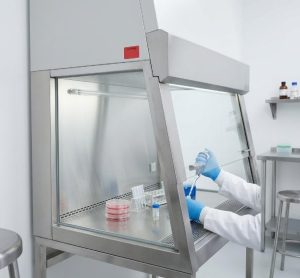
In the modern world of biological research and clinical diagnostics, ensuring the safety of both the scientist and the sample is crucial. At the heart of this safety framework is the Biosafety Cabinet (BSC). It is a complex piece of engineering that is designed to offer three layers of security that include protection for personnel (from sampling) as well as protection for the sample (from operators) and environmental protection (from the contaminated exhaust).
Knowing how a biosafety cabinet functions, which type to select and where it is applied is crucial in any laboratory that handles cells or infectious agents.

Key Working Principles of a Biosafety Cabinet
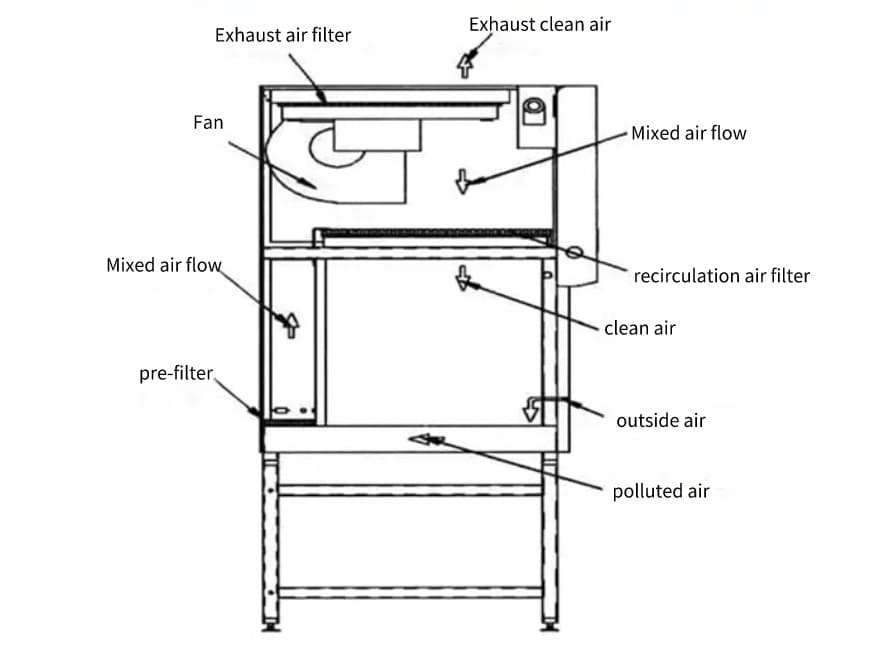
The basic principle of a biosafety cabinet is the management of the aerosols. The majority of biological dangers aren’t always “liquid” dangers but the invisible cloud made of drops (aerosols) created through centrifuging, pipetting as well as opening the vials.
Modern BSCs depend on HEPA (High-Efficiency Particulate Air) filters. The true HEPA filter is made to eliminate 99.97 percent of the particles that are 0.3 microns in diameter, which is the most permeable size of particle. It is able to remove larger particles by impaction, and smaller particles through diffusion and diffusion, which makes the air in the working area virtually clean.
But, the filter by itself isn’t enough. The secret to the BSC is in its airflow pattern that is directional. A motor-blower system produces an exact curtain of air. This air is moved toward the worker (usually upwards or downwards) and then flows across the work surface and then it is orally recirculated back into the cabinet, or taken outside.
In keeping the same “inflow” velocity at the front of the cabinet, it serves as an obstruction. The substances that are generated within (bioaerosols) is unable to escape towards the breathing zone of the user as well as contaminants that are emitted from the room are not able to enter.
Main Types of Biosafety Cabinets
| Type | Protection Provided | Typical Biosafety Level (BSL) | Airflow Characteristic |
| Class I BSC | Personnel and Environment (Does not protect samples) | BSL-1, BSL-2 | Negative pressure, room air is pushed in, HEPA-filtered air is ejected out. |
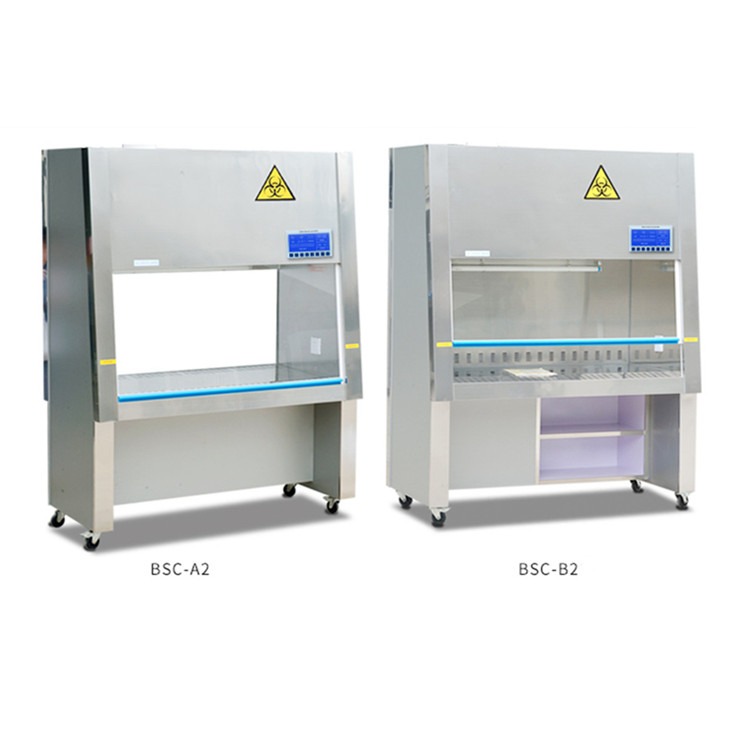
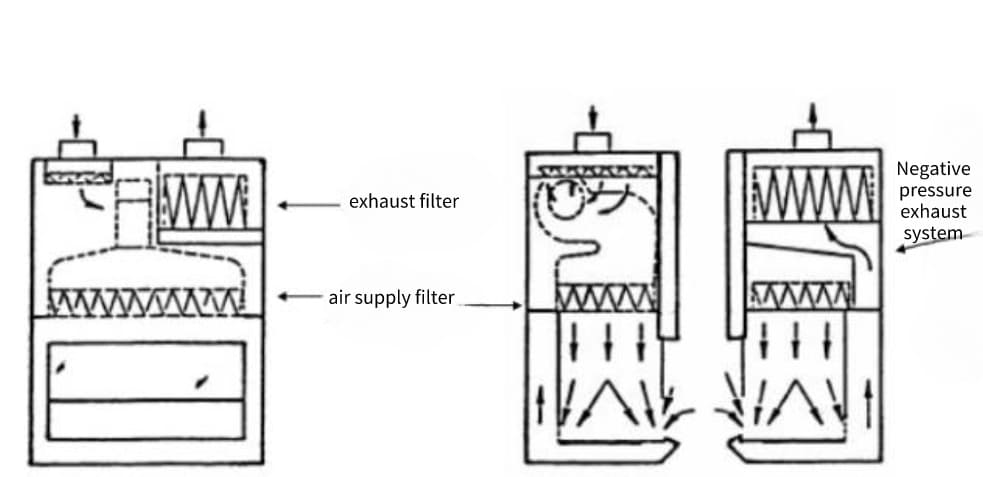
| Class II Type A2 BSC | Personnel, Sample, & Environment (Standard protection) | BSL-1, BSL-2, BSL-3 | 70% recirculated, 30 percent exhausted to the room (after HEPA filtration). |
| Class II Type B2 BSC | Personnel Sample, & Environment (Plus protection against chemicals) | BSL-1, BSL-2, BSL-3 | 100% exhausted to the exterior (hard-ducted) There is no circulation. |
| Class III BSC | Personnel, Sample, & Environment (Total containment) | BSL-4 | Gas-tight seals Double HEPA filtering on exhaust and supply. |
How to Choose the Right Biosafety Cabinet Type for Specific Task
This chart is a guideline for selecting the appropriate biosafety cabinet to perform specific tasks
| Task / Application | Recommended Cabinet Type | Why This Choice |
| Mammalian cells (with transduction of virus, e.g., lentivirus) | Class II, Type A2 | Guards cells against contamination and shields users from exposure to viral infections. |
| Bacterial Culture (E. coli, Bacillus non-pathogenic) | Class II, Type A2 | Stops the growth of mold and other environmental contaminants from ruining plates; shields users from spills that happen accidentally. |
| Mycobacterium tuberculosis or Smear | Class II Type A2 (or B2 in the event of chemicals being added) | TB is spread through airborne aerosols Inward airflow as well as HEPA exhaust are essential. |
| HIV, HBV, HCV (bloodborne pathogens) | Class II, Type A2 | Guards the user from aerosolized and splashed serum when centrifuging or pipetting. |
| Chemotherapy drug preparation (hazardous drugs, no biohazard) | Class II, Type B2 (or CACI) | The volatile drug particle requires exhaust of 100% out to the outside. HEPA by itself is not enough. |
| Chemotherapy and viral vector (combined danger) | Class II, Type B2 | Chemical and biological containment as well as removal of vapors are required. |
| Fixation of glutaraldehyde or formaldehyde from biohazardous materials | Class II, Type B2 | Fixative vapors can be toxic and corrosive. They are not able to be reused in labs. |
| Chloroform/phenol / extracting DNA with ethanol from pathogens | Class II, Type B2 | Organic solvents are able to pass through HEPA but only exhaust at 100% can remove them in a safe manner. |
| Iodine-125 and Sulfur-35 labeling of viruses or antibodies | Class II, Type B2 | Radionuclides need to be exhausted completely to avoid accumulation in the lab air and filters. |
| Wastewater or sewage samples processed (unknown Pathogens) | Class I | The purity of the sample is not necessary Only the environment and the user require security. |
| Mixing or sonicating high-risk pathogens | Class II, Type B2 or Class III | The production of aerosols is very high. B2 exhaust blocks recirculation. ASL-4 is classified as Class III. |
| Ebola, Marburg, Lassa, Nipah, Smallpox (BSL-4 agents) | Class III (Glove Box) | Gas-tight, sealed barrier no opening front; the operator wears rubber gloves. |
| Necropsy of animals (infected by BSL-3 agent e.g. Avian influenza,) | Class II, Type B2 (ducted) | Odors, particulates and pathogens should be eliminated out of the area, and not being recirculated. |
| The weighing of toxic particles (e.g. aflaoxin or endotoxin; not a biohazard) | Class I or Class II Type B2 | Safety of the user only the purity of the sample is not crucial B2 is preferred for highly harmful dusts. |
Industrial Applications of a Biosafety Cabinet
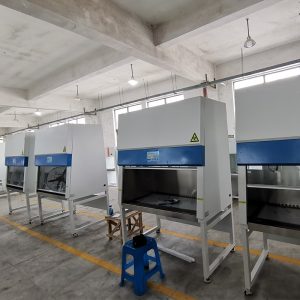
While biosafety cabinets are often associated with research labs, their usage is found in a wide variety of industries. The common thread is to limit the risk of biological contamination or protect sterile products or shield workers from dust particles that can be blown into the air.
1. Clinical and Hospital Diagnostic Laboratories
In hospitals Biosafety cabinets are in operation all the time to shield laboratory workers from the possibility that patient samples contain highly infectious or unidentified agents. A clinical microbiologist analyzing tuberculosis-related sputum samples is in an A2 Class II cabinet due to the fact that Mycobacterium tuberculosis is spread easily via cough-generated airborne aerosols. Similar to virology laboratories, they utilize these cabinets for handling blood samples that are suspected to contain HIV, hepatitis A and C, or other emerging respiratory diseases. Clinical labs rely on biosafety cabinets in order to open transport tubes for viral infections and to extract the RNA needed for PCR tests and PCR testing, since these procedures create aerosols that can infect technicians. Chemistry and hematology departments are also using smaller biosafety cabinets to uncap tubes or preparing slides for patients who have not been diagnosed with febrile illness. If these cabinet doors were not in place, hospitals labs would be faced with unacceptablely high rates of laboratory acquired infections.
2. Pharmaceutical and Biotechnology Manufacturing
The pharmaceutical industry employs biosafety cabinets for two main ways that are to shield your product against contamination, and protecting the user from exposure to the product. When it comes to manufacturing sterile drugs specifically the preparation of intravenous drugs pharmacies utilize Class II Type A2 cabinets to provide the ISO Class 5 clean environment. The pharmacist in hospitals who prepare chemotherapy drugs is working in a Class II Type B2 cabinet due to the risk that particles of the drug must be eliminated outwards, rather than being recirculated back to the room. In biotechnology production, cell therapy manufacturing facilities make use of cabinets in Class II to increase the number of stem cells under sterile conditions and to prevent cross-contamination between batches of patients. Production facilities for vaccines also rely on biosafety cabinets in the early stages of development and quality control tests in which live viruses or attenuated strains can be processed prior to inactivation.
3. Academic and Government Research Institutions
Research laboratories at universities and in government are the largest user base for biosafety cabinet. A cancer biologist who studies cancer cell signaling utilizes an Class II cabinet to ensure sterile cultivation conditions, while manipulating growth factors as well as inhibitors. A virologist who studies influenza transmission operates inside the same cabinet to avoid the spread of infection while working with live virus. Plant pathologists studying fungal pathogens in crops utilizes a biosafety cabinet in order to avoid release of spores into the environment. Labs in neuroscience that dissect animal tissue to grow primary cells use biosafety cabinets in order to stop fungal and bacterial contamination of neuronal preparations that are sensitive to it.

4. Veterinary Diagnostic and Research Laboratories
The veterinary laboratory faces unique challenges due to the fact that animal pathogens are infecting zoonotic (transmissible into humans) and highly contagious in livestock or. A veterinarian diagnostician who tests a cow’s tissues for bovine tuberculosis is in a Class II cabinet to shield themselves and other samples from contamination by cross-contamination. Avian influenza surveillance labs use biosafety cabinets for swabs of poultry or wild birds as some strains or bird influenza could infect and cause serious illness for humans. The laboratories for developing vaccines for veterinary use work with live pathogens, such as the rabies virus, the foot-and-mouth disease virus and African swine flu virus, each of which requires strict confinement to prevent accidental release.
5. Food and Beverage Industry
The food industry uses biosafety cabinets to control quality and safety tests, not to handle pathogens that could be harmful to the person handling it. A dairy laboratory that tests the milk sample for Listeria monocytogenes, or Salmonella species utilizes a biosafety cabinet in order to stop the foodborne pathogens from infecting the area of work and the analysis. Breweries and wineries have microbiology labs where biosafety cabinets can be used to cultivate yeast strains as well as detect spoilage organisms, such as Brettanomyces, or lactic acid bacteria that could affect the quality of the product. Probiotic producers utilize biosafety cabinets while handling live bacterial cultures like Bifidobacterium and Lactobacillus species in order to ensure that contaminants from the environment are not able to outcompete the production strains. While these species are generally considered safe, labs still utilize biosafety cabinets to ensure the integrity of their own strains.
6. Forensic and Crime Laboratories
Forensic experts who handle biological evidence gathered from crime scenes are employed in biosafety cabinets due to two reasons. First blood, semen, saliva and tissue samples can contain bloodborne pathogens like HIV and hepatitis or emerging viruses that are not known by the criminal. Biosafety cabinets also provide an environment free of contamination that blocks genetic material of lab employees as well as environmental pollutants from combining together with evidence. An forensic DNA analyst removing genetic material from one hair follicle or stain of the in the size of a pinhead needs both biological safety as well as contamination control. Laminar airflow inside Class II cabinets creates particles-free zones that dramatically reduces the chance of DNA from outside infiltrating the sample. Many forensic laboratories utilize Class II A2 cabinets. A2 cabinets, even with samples that do not pose a known risk of infection.
7. Agricultural and Seed Testing Laboratories
Labs in the agricultural sector test grains, seeds and plant tissues for bacteria and fungal pathogens that can destroy crops when introduced to new areas. A seed technologist is grinding corn samples to check for Aspergillus or Fusarium species utilizes a biosafety cabinet to avoid breathing in fungal spores that are allergenic that could cause an increase in respiratory sensitization over the course of time. Plant quarantine facilities utilize biosafety cabinets to check the imported plant material for pathogens from exotic origin, making sure that any bacteria or fungus is contained and doesn’t grow within the environment. Mycology labs studying pathogenic fungi use biosafety cabinets to stop the release of spores in culture manipulation because several fungal species emit airborne spores which can trigger allergic reactions or infections that are acquired in laboratories. those with immune deficiencies.
8. Dental Laboratories and Clinics
Dental laboratories that make appliances and prosthetics use biosafety cabinets while grinding or polishing substances that create dangerous dust. Although traditional biosafety cabinets deal with biochemical agents, dentists’ laboratories are increasingly using them to store silica dust, acrylate monomers made from investments materials as well as aerosolized cobalt-chromium alloys. Dental clinics also employ smaller biosafety cabinets in order for sterilizing instruments and preparing surgical kits, but the main method of preventing infection in dentistry is that of the dam for dental use and the high-volume evacuation, rather than the biosafety cabinets.
9. Cosmetics and Personal Care Product Testing
Cosmetics manufacturers check their raw materials and their finished products for contamination with microbials by using biosafety cabinets that are similar as those found in pharmaceutical labs. Quality control technicians conducting a test on a batch of lotion shampoo to determine if it contains Pseudomonas Aeruginosa and Staphylococcus aureus is in a Class II cabinet to stop environmental contamination from impacting test results. Testing laboratories that challenge the effectiveness of preservatives introduce live fungi and bacteria into the product samples, and then track the survival of these over time. These actions require biosafety cabinets to safeguard the analyst they contain the microorganisms intentionally introduced.
10. Wastewater and Environmental Testing
Environmental laboratories that analyze soil, water, and air samples employ biosafety cabinets if the samples could contain pathogens associated with sewage. Technicians processing raw sewage effluent sample to determine Fecal coliform bacteria operates inside an class I or Class II cabinet primarily to ensure their safety, since wastewater is believed to contain bacteria along with viruses and parasites. The drinking water labs that test for Giardia or Cryptosporidium employ biosafety cabinets in order to stop these parasites that are resistant to chlorine from infecting lab surfaces and infecting employees. Bioaerosol monitoring labs that collect the air for mold spores and bacterial endotoxins, use biosafety cabinets in the process of processing samples to keep the exact particles they’re measuring from dispersing into the lab environment.
Final Words
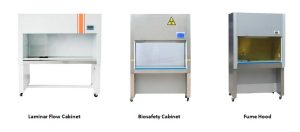
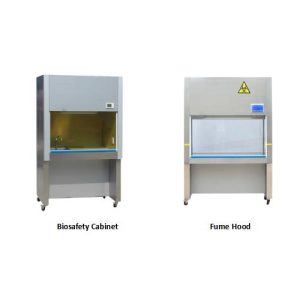
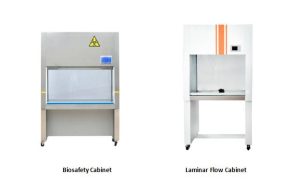
The biosafety cabinet serves as one of the most important controls for engineering against infections that are acquired in laboratories. Understanding the concept behind HEPA-filtered directional flow, deciding on the right type of biosafety cabinet based on the level of risk and more importantly making the distinction between the BSC and clean benches, laboratories can provide a secure environment for cutting-edge research.
Get Quote Here!
Latest Posts

What Next?
For more information, or to arrange an equipment demonstration, please visit our dedicated Product Homepage or contact one of our Product Managers.


