


Biosafety cabinets (BSCs) are critical laboratory equipment meant to protect the people working there, the lab materials, and also the surrounding environment from exposure to potentially hazardous biological agents. Their use ends up being tied to Biosafety Levels (BSL), meaning each laboratory is classified based on the risks that come with the microorganisms being handled. As the biosafety level climbs from BSL-1 up to BSL-4, the expectations for containment, the way the facility is built, and the real cabinet performance all become stricter, bit by bit, more demanding.
Getting a clear grasp of the biosafety cabinet standards at every biosafety level is essential for keeping the lab safe, staying aligned with regulatory rules, and avoiding accidental exposure to infectious agents.
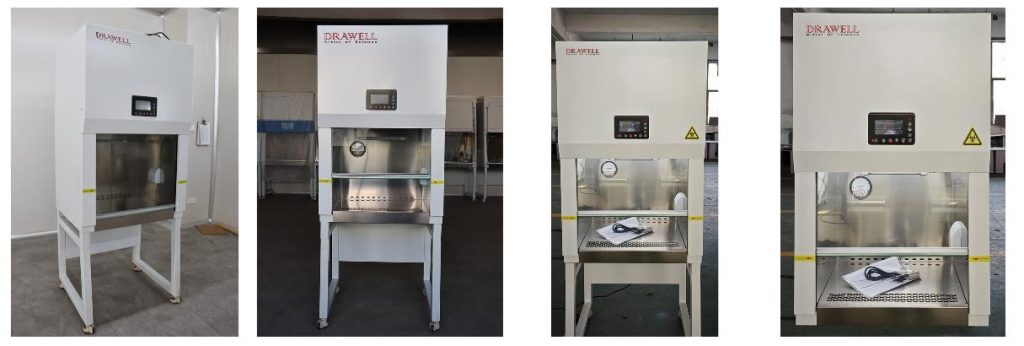
Understanding Biosafety Levels and Biosafety Cabinets
Biosafety levels are a chain of protective measures, worked out based on the risk level presented by biological agents. Every level sets out the lab customs, the needed safety equipment, and the build details for the facility. As the biosafety level goes up, the containment systems get more complicated, and the performance requirements for biosafety cabinets go up, too. BSL-1 labs deal with organisms that are minimal risk, while BSL-4 labs take on dangerously capable pathogens that can lead to severe, even fatal, illnesses.
Biosafety cabinets play a central role in providing primary containment. You will most often see Class I, Class II, and Class III biosafety cabinets mentioned, and each one gives different degrees of protection. Picking the right biosafety cabinet depends not only on the biological risk level, but also on the actual lab steps that are being done.
BSL-1 Standards for Biosafety Cabinets
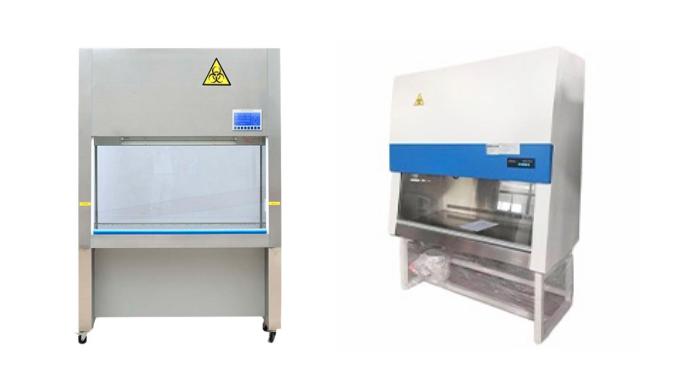
BSL-1 laboratories work with microorganisms that are not known to cause disease in healthy adults. For example, non-pathogenic strains of bacteria, often used in teaching labs, and in routine research settings.
At this level standard microbiological practices are usually enough, so most work can be done on regular, open bench space. Biosafety cabinets are not required for routine steps. Still, a Class I or Class II biosafety cabinet can be used when the lab work might create aerosols, or unexpected splashes.
So the main emphasis at BSL-1 is doing solid lab habits, keeping hand hygiene strong, and using basic personal protective equipment. Biosafety cabinets basically work as an extra barrier, not a hard requirement.
BSL-2 Standards for Biosafety Cabinets
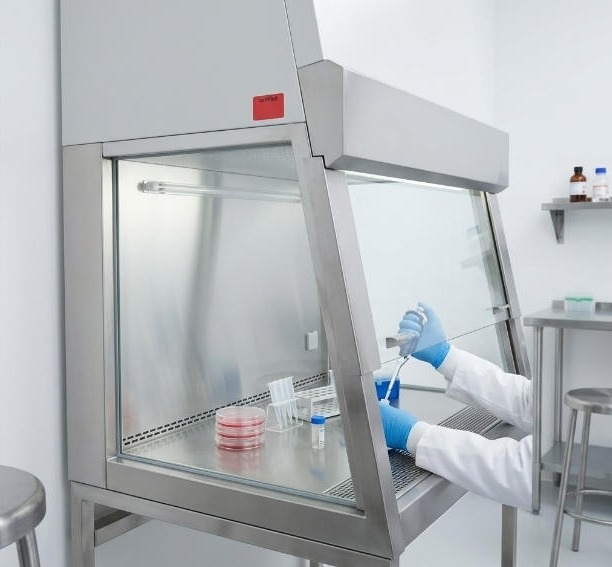
BSL-2 laboratories are meant for handling biological agents that, you know, create moderate risks to staff and also the wider environment. This can cover clinical specimens, human blood samples, and microorganisms that can trigger disease in people.
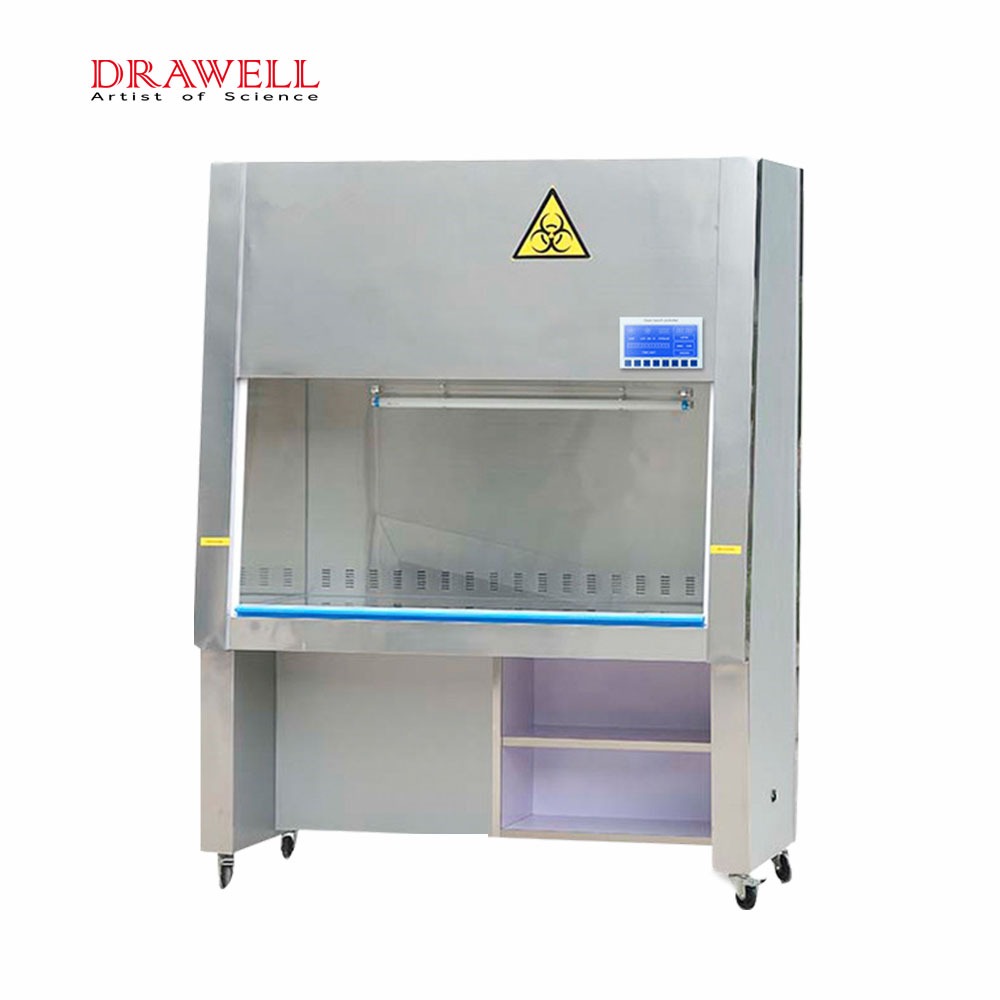
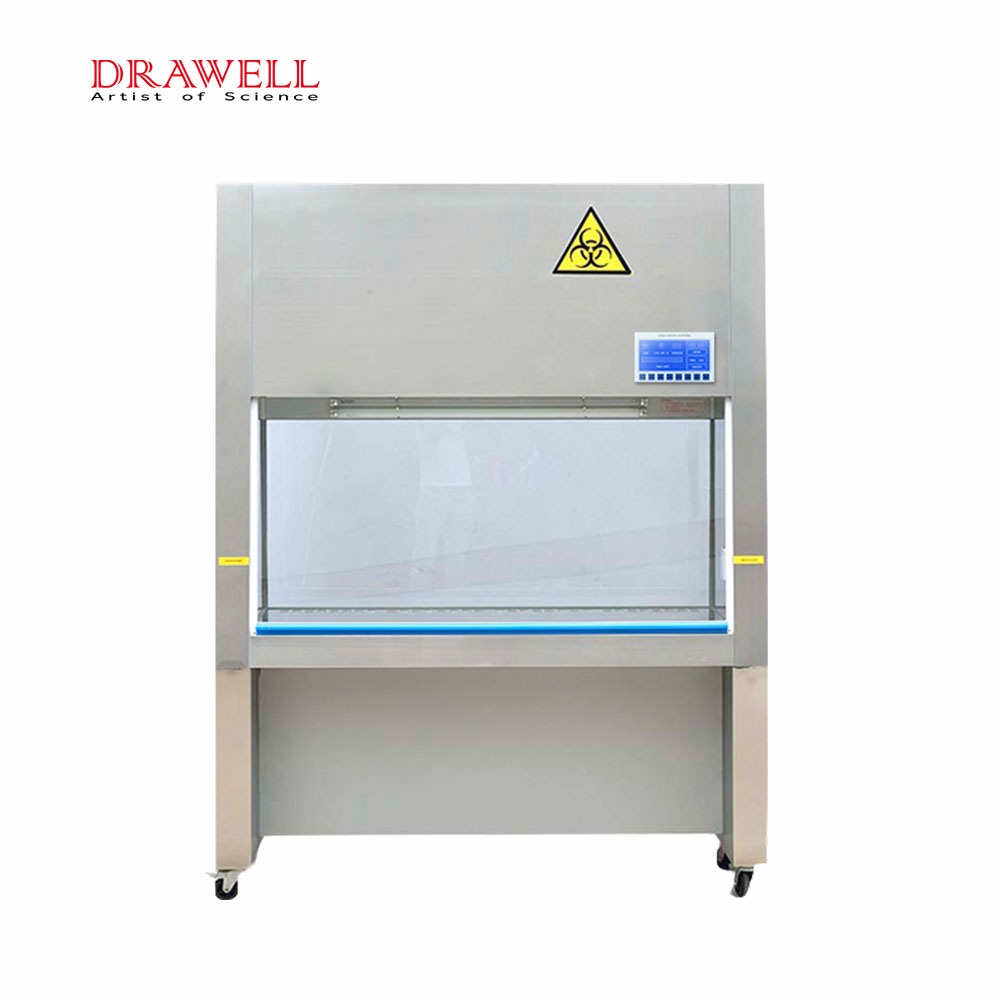
At this level, Class II biosafety cabinets end up being one of the main safety pieces. Any work with aerosol production, splash events, or when infectious material is present in high amounts should be performed inside a properly certified Class II biosafety cabinet.
Class II biosafety cabinets provide three levels of protection:
- Personnel protection through inward airflow.
- Product protection through HEPA-filtered laminar airflow.
- Environmental protection through HEPA-filtered exhaust air.
Regular certification, routine maintenance, and airflow testing matter a lot, because they help the cabinet keep functioning in line with the expected safety requirements.

BSL-3 Standards for Biosafety Cabinets
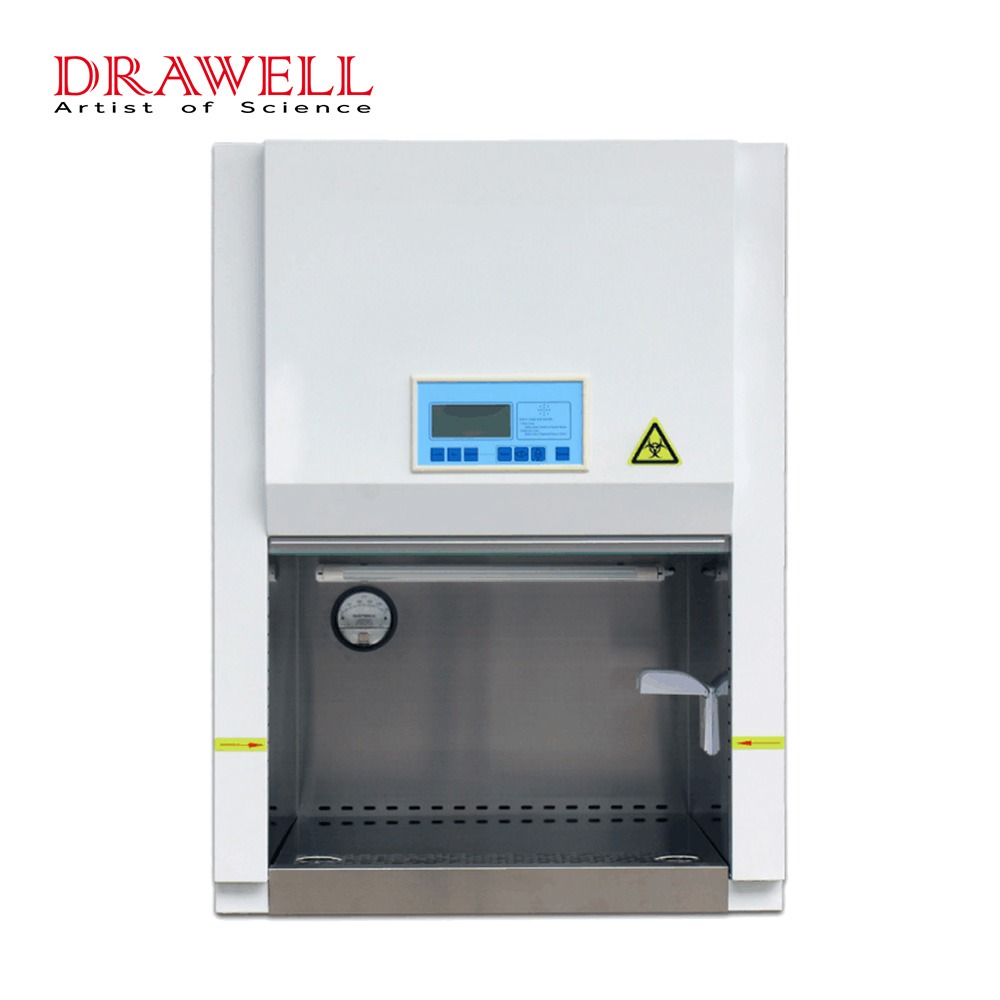
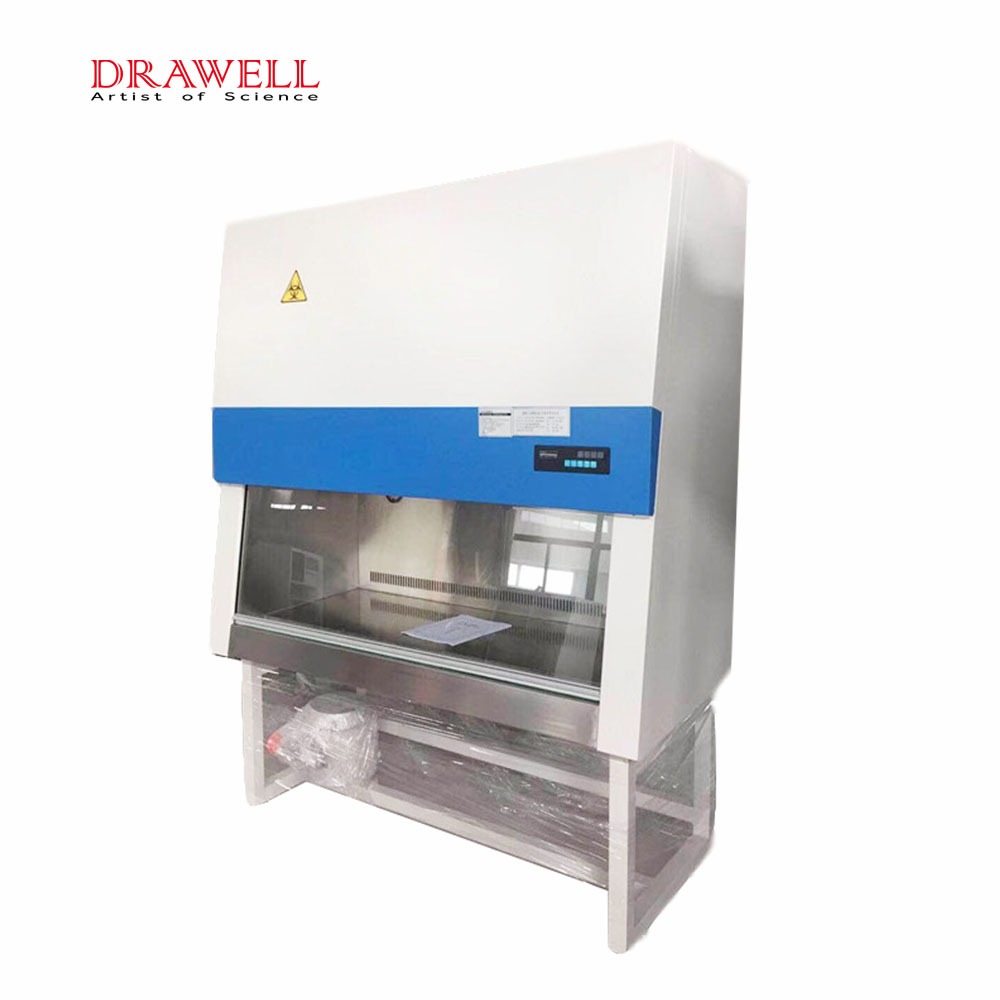
BSL-3 biosafety cabinet standards primarily rely on Class II biosafety cabinets equipped with HEPA-filtered supply and exhaust air, inward airflow containment, regular certification, and strict operational procedures.
| BSL-3 Biosafety Cabinet Standard | Description | Purpose |
| Primary Cabinet Type | Class II Biosafety Cabinet (typically Type A2 cabinet or Type B2 cabinet) | Provides personnel, product, and environmental protection. |
| Mandatory Use for Infectious Procedures | Most manipulations involving infectious materials must be conducted inside a biosafety cabinet. | Minimizes exposure to potentially hazardous airborne pathogens. |
| Aerosol Containment | All aerosol-generating activities should be performed within the cabinet. | Prevents the release of infectious aerosols into the laboratory. |
| HEPA-Filtered Supply Air | Incoming air is passed through HEPA filters before reaching the work area. | Maintains a clean work environment and protects samples. |
| HEPA-Filtered Exhaust Air | Exhaust air is filtered before release or connection to facility ventilation systems. | Protects personnel and the environment from contamination. |
| Inward Airflow Protection | Air flows into the cabinet opening to contain hazardous materials. | Prevents contaminants from escaping the work zone. |
| Negative Laboratory Air Pressure | Laboratory maintains airflow from clean areas toward contaminated areas. | Enhances overall containment of airborne pathogens. |
| Exhaust System Integration | Some Class II Type B2 cabinets are hard-ducted to dedicated exhaust systems. | Provides additional containment for hazardous procedures. |
| Routine Certification | Cabinets must undergo certification at installation and periodic recertification. | Verifies containment performance and operational safety. |
| HEPA Filter Integrity Testing | Regular testing ensures filter performance meets containment requirements. | Maintains effective filtration of infectious particles. |
| Airflow Velocity Verification | Airflow patterns and velocities are regularly checked. | Ensures proper containment and operator protection. |
| Decontamination Procedures | Cabinets must be decontaminated before maintenance, relocation, or filter replacement. | Prevents accidental exposure during servicing. |
| Restricted Access Laboratory | Access is limited to authorized and trained personnel. | Enhances biosafety and biosecurity. |
BSL-4 Standards for Biosafety Cabinets
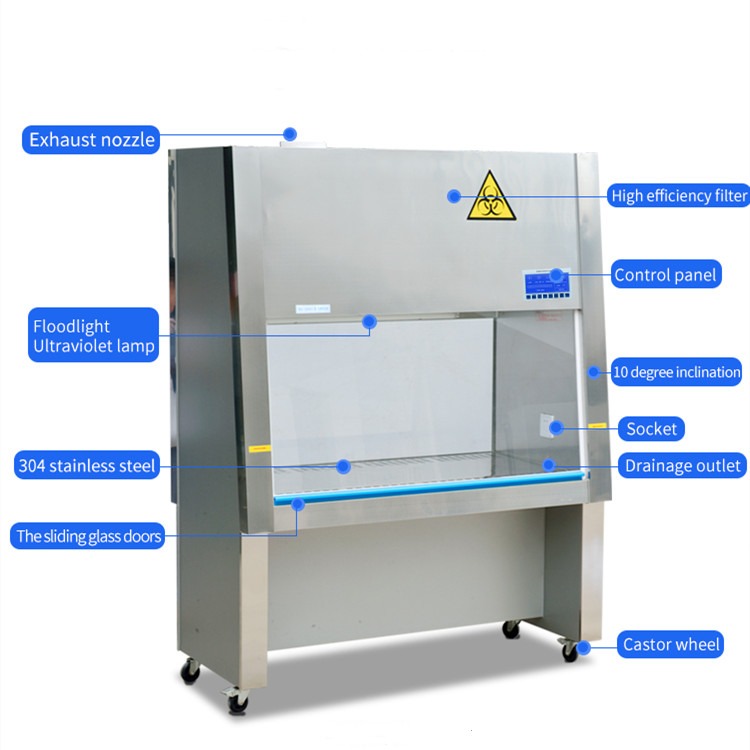
BSL-4 biosafety cabinet standards are focused on Class III biosafety cabinets; basically, they give full physical separation between the personnel and the dangerous biological agents. The key parts include gas-tight construction, double HEPA filtration, running under negative pressure, built-in decontamination options, and very strict certification testing, and there are other details too, all aimed at maintaining the highest biological containment level in lab spaces, even when things get hazardous.
| BSL-4 Biosafety Cabinet Standard | Description | Purpose |
| Class III Biosafety Cabinets | Fully enclosed, gas-tight cabinets used for handling highly dangerous pathogens. | Provides the highest level of containment and operator protection. |
| Gas-Tight Construction | Cabinet is completely sealed with no direct contact between the operator and infectious materials. | Prevents the escape of hazardous biological agents. |
| Glove-Port Manipulation | Built-in heavy-duty gloves allow personnel to handle materials from outside the cabinet. | Eliminates direct exposure to pathogens. |
| Double HEPA Filtration of Exhaust Air | Exhaust air passes through two HEPA filters before being released. | Ensures maximum removal of infectious particles from exhaust air. |
| HEPA-Filtered Supply Air | Incoming air is filtered before entering the cabinet workspace. | Maintains a clean and contamination-free working environment. |
| Pass-Through Transfer Chambers | Materials enter and exit through sealed transfer ports or dunk tanks. | Prevents containment breaches during material transfer. |
| Integrated Decontamination Systems | Cabinets can be decontaminated using chemical fumigation or other validated methods. | Eliminates residual biological contamination before maintenance or material removal. |
| Dedicated Exhaust Systems | Cabinet exhaust is connected to specialized facility ventilation systems. | Provides additional containment and environmental protection. |
| Continuous Negative Pressure | Cabinet operates under negative pressure relative to the surrounding environment. | Prevents leakage of contaminated air. |
| Routine Certification and Validation | Regular testing of airflow, filter integrity, containment performance, and alarms. | Verifies safe and effective operation. |
| Waste Decontamination Requirements | All waste and materials must be sterilized before removal from containment. | Prevents the release of infectious agents. |
| Compatibility with BSL-4 Facility Design | Integrated with specialized laboratory containment systems. | Supports the highest level of biosafety and biosecurity. |
| Maximum Containment Objective | Designed for work with highly infectious, life-threatening pathogens with no readily available treatments. | Protects personnel, the environment, and the public from exposure. |

Comparison of Biosafety Cabinet Requirements across BSL Levels
| Biosafety Level(BSL) | Biological Risk Level | Biosafety Cabinet Requirement | Containment Objective |
| BSL-1 | Minimal risk organisms not known to cause disease in healthy adults | Biosafety cabinet generally not required; optional for aerosol-generating procedures | Basic personnel and environmental protection when needed |
| BSL-2 | Moderate-risk agents associated with human disease | Required for procedures that may generate aerosols or splashes | Personnel, product, and environmental protection |
| BSL-3 | Agents that can cause serious or potentially lethal disease through inhalation | Required for most manipulations involving infectious materials | Enhanced aerosol containment and operator protection |
| BSL-4 | Highly dangerous and exotic pathogens with high risk of aerosol transmission | All work conducted within maximum-containment systems | Maximum containment and complete operator isolation |
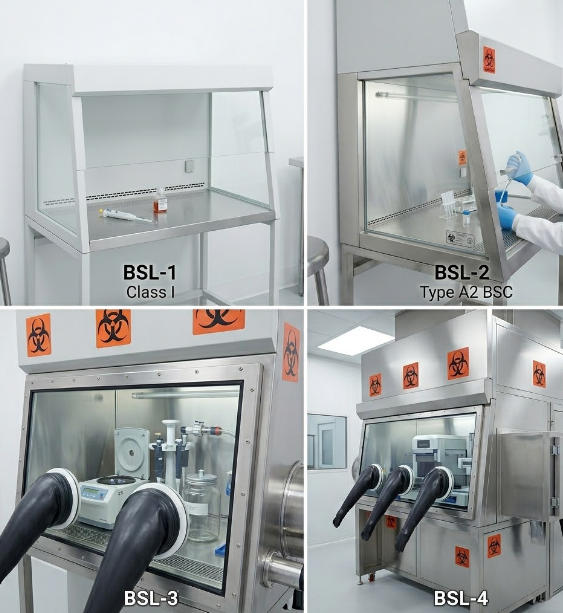
Detailed Comparison of Biosafety Cabinet Requirements
| Requirement | BSL-1 | BSL-2 | BSL-3 | BSL-4 |
| Cabinet Required for Routine Work | No | For specific procedures | Yes | Yes |
| Aerosol-Generating Procedures in BSC | Recommended | Required | Required | Required |
| HEPA-Filtered Airflow | Optional | Required | Required | Required |
| Personnel Protection | Basic | High | Very High | Maximum |
| Product Protection | Optional | Required | Required | Required |
| Environmental Protection | Optional | Required | Required | Required |
| Negative Pressure Laboratory | No | Usually No | Yes | Yes |
| Dedicated Exhaust System | Not Required | Sometimes Required | Often Required | Required |
| Cabinet Certification | Recommended | Required | Required | Required |
| Specialized Operator Training | Basic | Intermediate | Advanced | Extensive |
| Access Restrictions | Minimal | Restricted During Work | Strictly Controlled | Maximum Security |
| Typical Cabinet Class | Class I or II | Class II | Class II A2/Class II B2 | Class III |
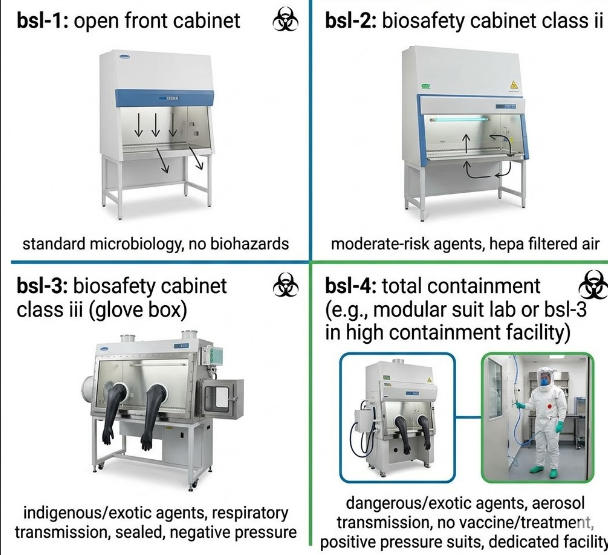
Summary
- BSL-1 laboratories may operate safely without a biosafety cabinet
- BSL-2 and BSL-3 laboratories rely heavily on Class II biosafety cabinets for containment.
- At the highest level, BSL-4 facilities use Class III biosafety cabinets or equivalent containment systems, providing complete isolation from highly hazardous pathogens.
Final Thoughts
The standards for biosafety cabinets evolve significantly from BSL-1 forward to BSL-4, because the possible hazards tied to biological agents keep going up. Choosing the right biosafety cabinet and then keeping up with it based on the established requirements is a key step for protecting lab staff, preserving the trustworthiness of research work, and blocking release to the environment.
Get Quote Here!
Latest Posts

What Next?
For more information, or to arrange an equipment demonstration, please visit our dedicated Product Homepage or contact one of our Product Managers.


