


Setting up or upgrading a microbiology lab can feel like solving a complex puzzle. Space, budget, workflow, safety, and future needs—all these pieces must fit together seamlessly. A well-designed lab with the right equipment isn’t just about getting results; it’s about achieving them efficiently, safely, and reliably.
Whether you’re building a new QC lab for pharmaceuticals, a diagnostic facility for clinical samples, or a research hub for environmental testing, the core principles are the same. It starts with a clear plan, hinges on smart equipment selection, and results in a smooth, scalable workflow. Let’s break it down and see how to build the foundation for your scientific work.
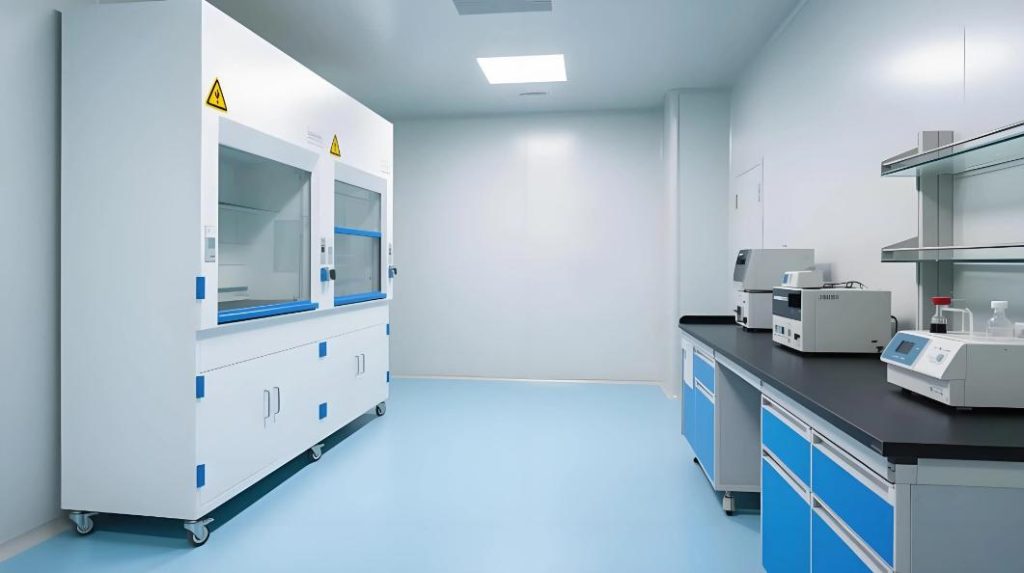
Planning Your Microbiology Lab – The Core Principles
1. Define Your Lab’s Mission: The Starting Point
Your equipment list is dictated by your lab’s primary purpose. A clinical diagnostics lab processing patient samples has vastly different requirements for throughput, sterility, and compliance compared to a basic research lab studying microbial mechanisms or an industrial lab monitoring product quality. Clearly defining your main activities—be it pathogen identification, antibiotic resistance testing, or microbial enumeration—is the essential first step before any purchase order is written.
2. Space and Layout Design: The Blueprint for Safety & Efficiency
A functional microbiology lab is typically divided into specialized zones to prevent cross-contamination and streamline the workflow.
- Media/Reagent Preparation Area: The “kitchen” of your lab. This is where culture media and reagents are prepared, requiring benches, storage, balances, pH meters, and a pure water source.
- Sterilization Area: Dedicated space for the Autoclave and other sterilization equipment. This is the critical endpoint for decontaminating used materials and waste.
- Aseptic Handling Area (Inoculation Zone): The heart of the lab for sterile techniques like plating and streaking. It should include a buffer area and be equipped with a Biosafety Cabinet (BSC) to create a protected, particle-free environment.
- Culture Incubation Area: A space with stable temperature (and sometimes humidity) control to house multiple Incubators and shakers.
- Washing & General Analysis Areas: Separate zones for cleaning glassware and for tasks like microscopy or biochemical tests.
A good layout enforces a logical, one-way flow for samples, personnel, clean supplies, and waste, minimizing backtracking and contamination risks. Always plan for future expansion by leaving room for additional equipment.
3. Key Purchasing Principles: More Than Just Price
When evaluating equipment, consider these critical factors beyond the initial price tag:
- Throughput & Automation: How many samples will you process daily? High-volume labs should look toward automated systems, while smaller operations may prioritize compact, manual devices.
- Compliance & Certification: Does your lab need to adhere to GLP, GMP, or specific Biosafety Levels (BSL)? This will dictate the required certifications (like NSF/ANSI 49 for BSCs) and validation protocols (IQ/OQ/PQ) for your equipment.
- Total Cost of Ownership (TCO): Factor in long-term costs: energy consumption, maintenance schedules, cost of consumables, and the expected service life of the equipment.
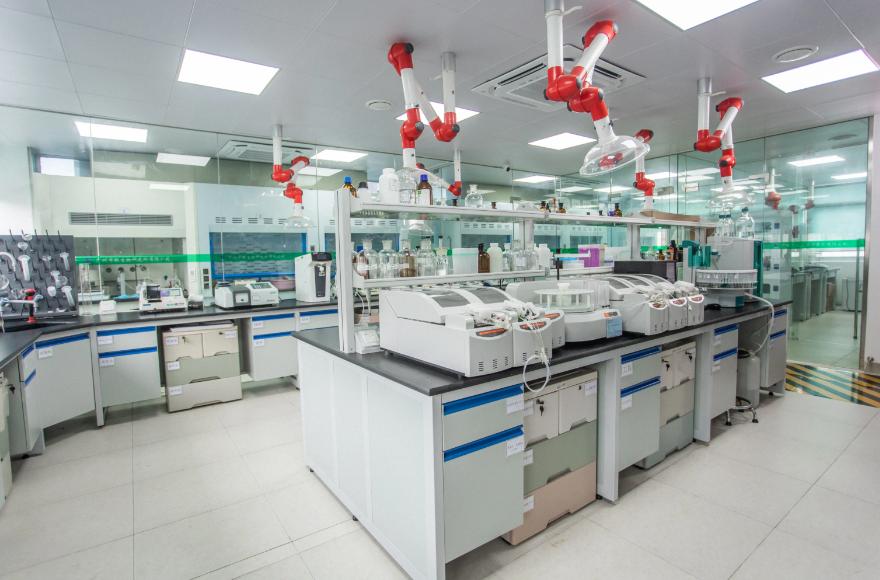
The Core Equipment List – From Cultivation to Safety
Here’s a breakdown of the essential tools needed to build a fully functional microbiology laboratory.
1. Core Cultivation & Growth Equipment
This is where your microbes will live and grow.
- Incubators: The fundamental growth chamber. Beyond standard temperature-controlled incubators, you might need CO2 Incubators for capnophilic organisms or cell culture, and specialized Anaerobic/Microaerophilic Workstations for oxygen-sensitive microbes.
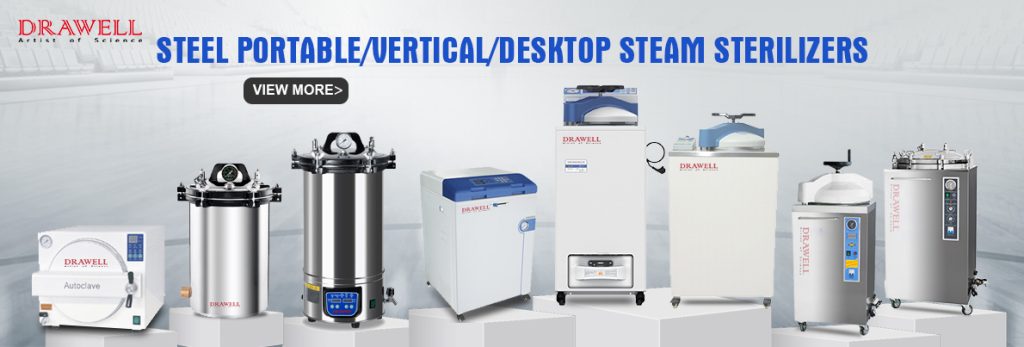
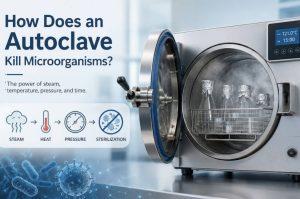
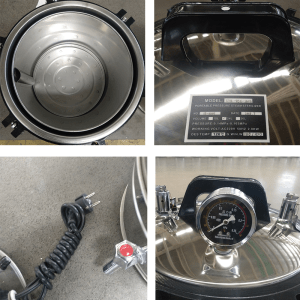
- Autoclave (Steam Sterilizer): The cornerstone of lab safety. Key selection criteria include chamber volume (e.g., 75L, 100L), sterilization efficacy and uniformity, and safety features like automatic locks and pressure release. Modern autoclaves with programmable cycles and data logging are essential for compliant labs. For reliable and consistent sterilization, explore Drawell’s range of laboratory autoclaves, known for precise temperature control and robust safety features.
- Shaking Incubators / Orbital Shakers: Used for aerobic liquid culture to ensure proper oxygenation.

2. Sample Preparation & Processing Equipment
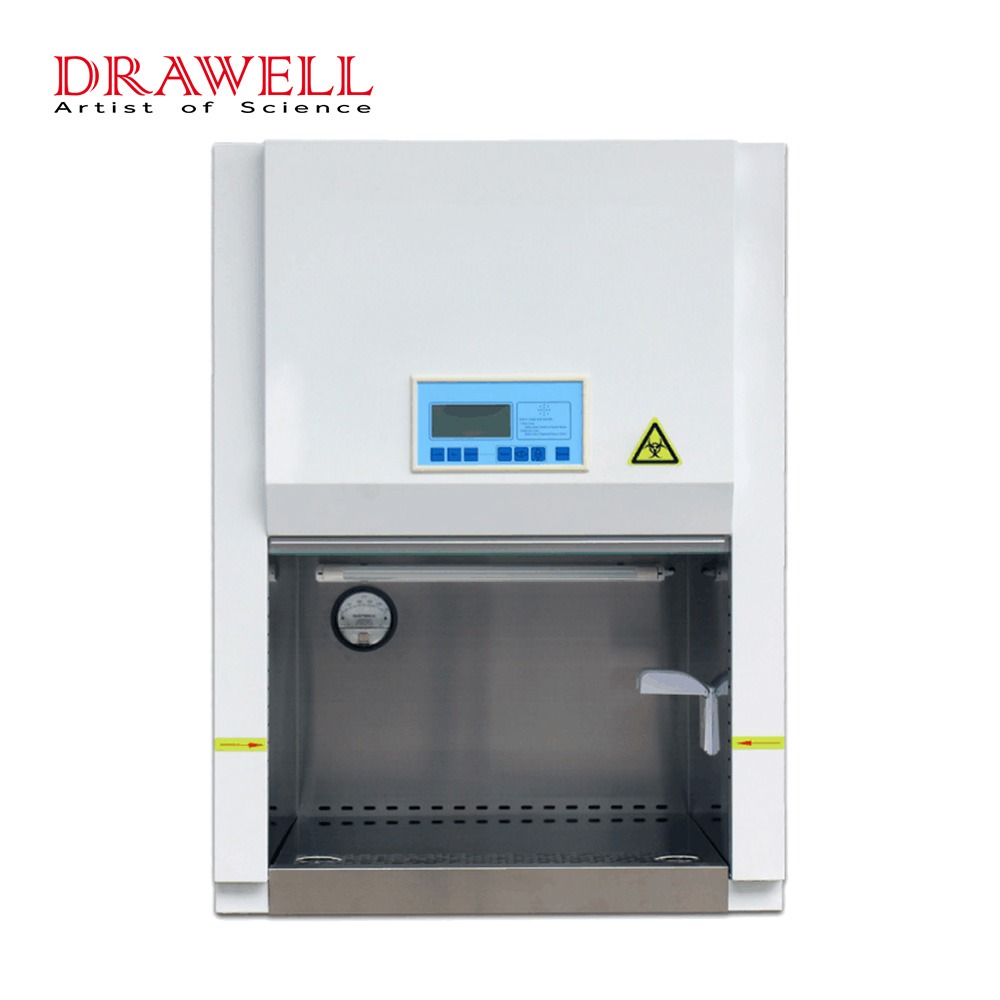
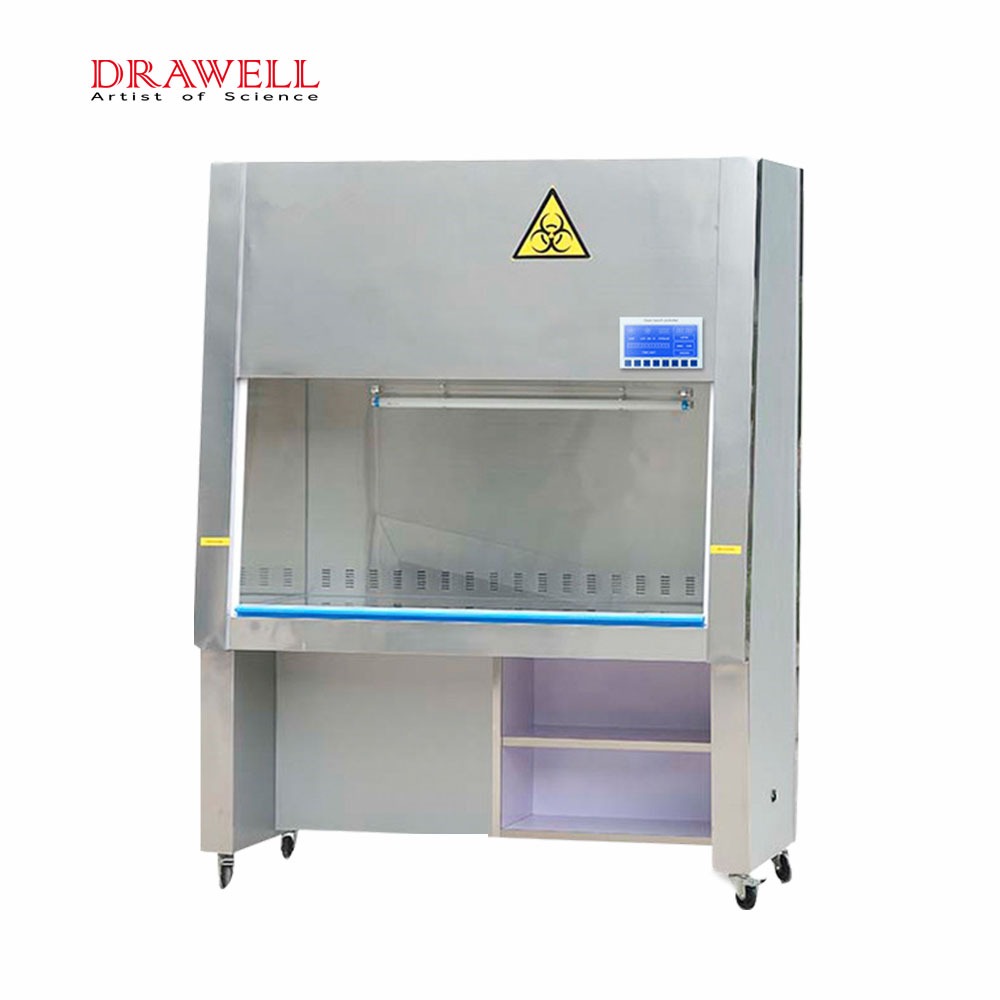
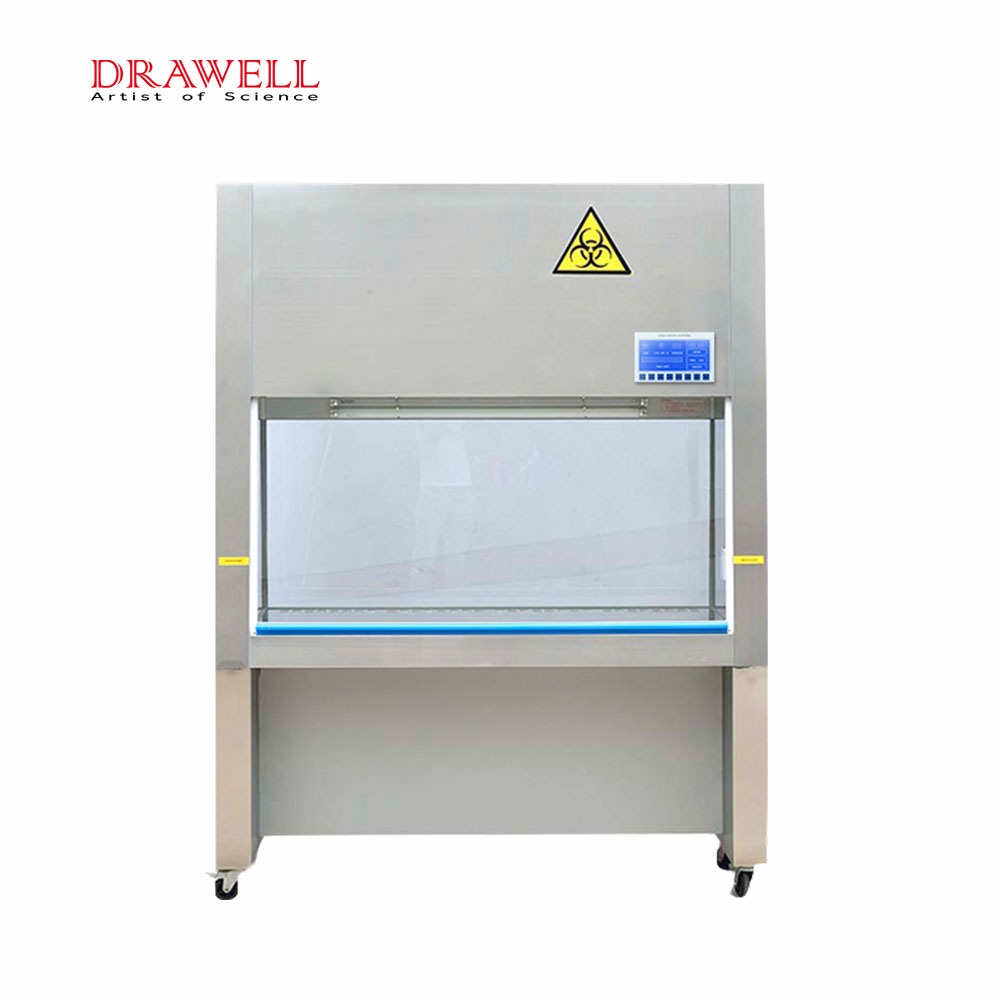
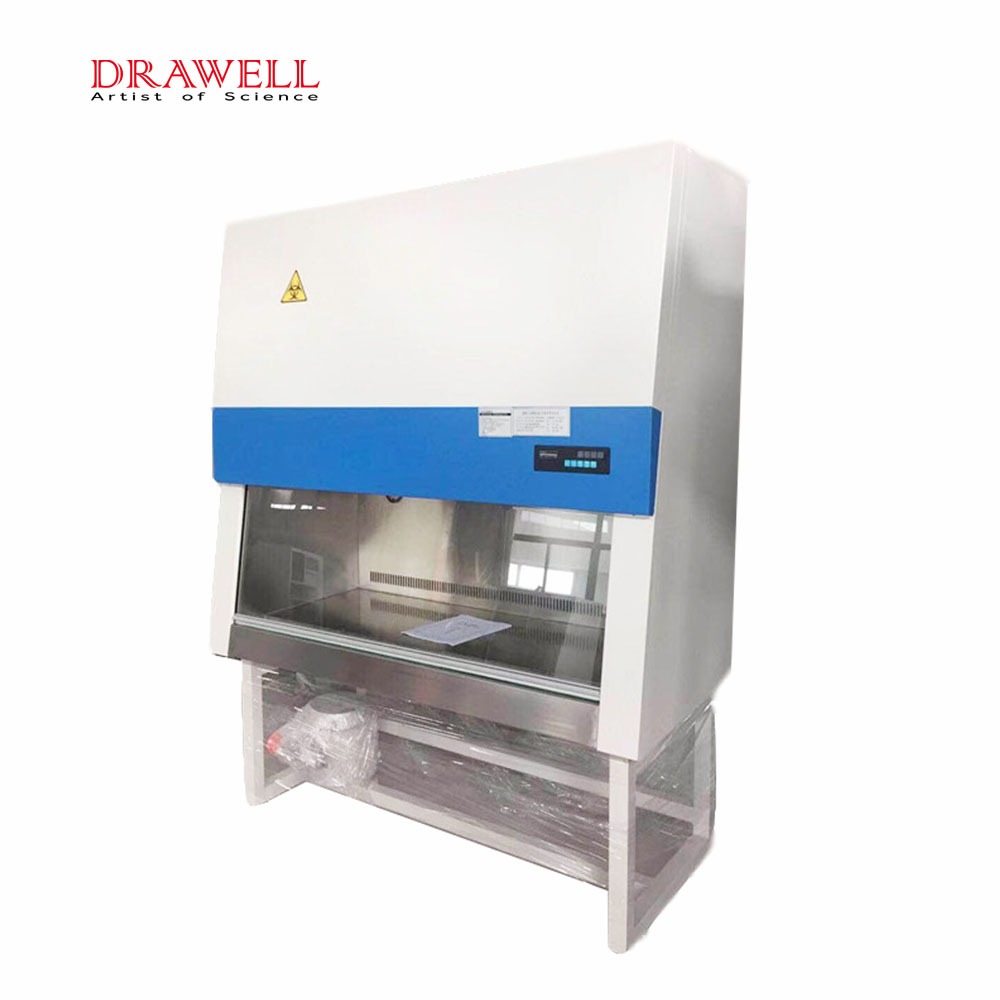
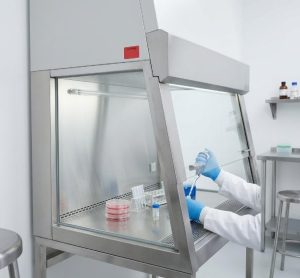
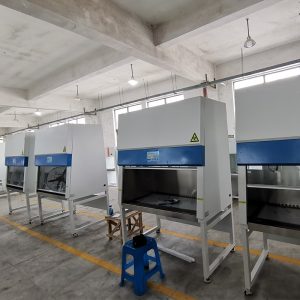
- Biosafety Cabinet (BSC): This is the most critical safety device in a microbiology lab and is NOT the same as a laminar flow clean bench. A BSC protects the operator, the sample, and the environment through HEPA filtration and directional airflow. Choosing the correct type is paramount:
| Type | Protection Provided | Common Applications & Notes |
| Class I | Personnel & Environment | No product protection. Suitable for low-risk microbes or as an enclosed ventilation hood. |
| Class II, Type A2 | Personnel, Product & Environment | The most common type. 70% air recirculation. Ideal for routine microbiology work not involving volatile toxic chemicals. |
| Class II, Type B2 | Personnel, Product & Environment | 100% exhaust. Required for work with volatile chemicals or radionuclides in microbiology. |
| Class III | Personnel, Product & Environment | Totally enclosed, glove-box system. Provides maximum containment for BSL-3/4 pathogens. |
Selecting a certified cabinet is vital. Drawell offers a variety of Biosafety Cabinets compliant with international standards to suit different containment needs.

- Homogenizer / Stomacher: Essential for extracting microorganisms from solid samples like food, tissue, or soil. Choose between paddle bags (gentle) or rotor-stator models (for tougher samples) based on your sample type and throughput.

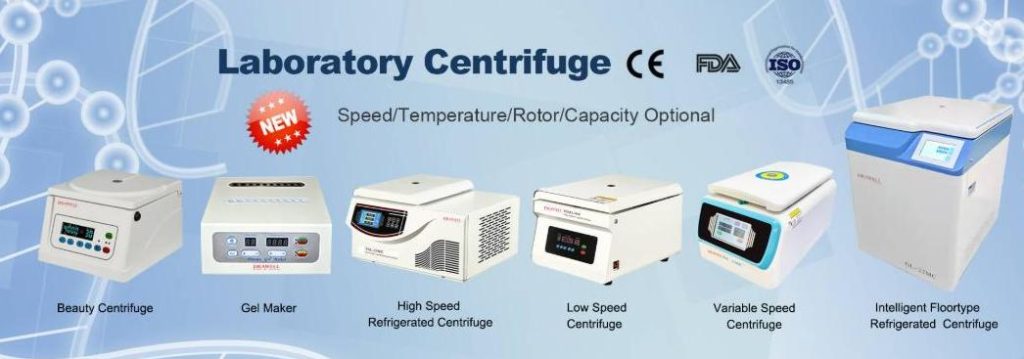
- Centrifuge: Used to pellet microbial cells or separate components. Key parameters are maximum speed (RPM) and relative centrifugal force (RCF), rotor types and capacity (microtubes vs. large bottles), and the need for refrigeration to keep samples cool. For efficient sample separation, consider the Drawell range of laboratory centrifuges available, which balance high performance with operational safety and stability.
3. Separation, Analysis & Identification Equipment
- Microscope: The eyes of microbiology. A good brightfield microscope is essential for viewing stained slides. Phase-contrast microscopes allow observation of live, unstained cells, while fluorescence microscopes are used for advanced techniques.
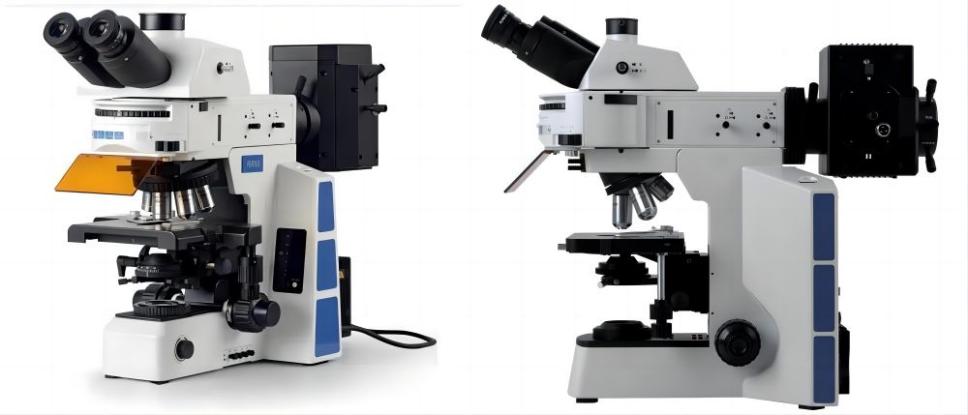
- Colony Counter: Manual counters are cost-effective, but automated colony counters dramatically increase speed and accuracy, especially for high-throughput testing like plate counts.
- PCR Thermal Cycler & Electrophoresis Systems: The standard tools for molecular microbiology, enabling DNA amplification, detection, and microbial genotyping.

4. Support & Storage Equipment
- Laboratory Water Purification System: Produces the Type I/II pure water required for preparing media, buffers, and reagents.

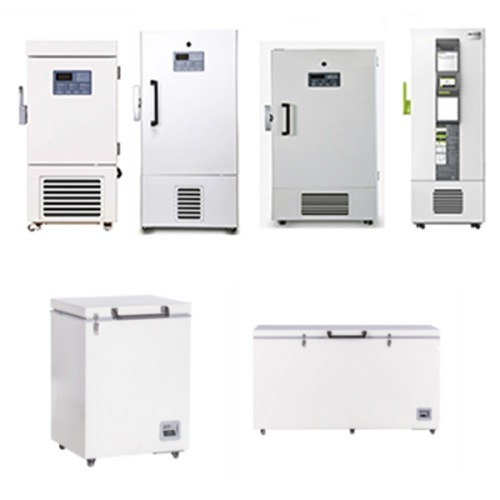
- Laboratory Refrigerators & Ultra-Low Temperature Freezers: Use +4°C units for short-term storage of media and reagents, and -80°C freezers for long-term, stable preservation of bacterial strains and samples.
Designing an Efficient and Scalable Laboratory
Once you have the equipment list, intelligent placement is key. An efficient layout follows a unidirectional workflow: samples should move logically from receiving/prep, to processing (in the BSC), to cultivation, and finally to analysis, without backtracking. Ensure adequate space is allocated for heat dissipation from equipment like autoclaves and BSCs, and plan electrical loads and data ports with future automation or IT system integration in mind.
Choosing a Reliable Laboratory Equipment Supplier
Selecting a supplier is about building a partnership, not just making a purchase. A trustworthy provider should offer:
- Compliant, Certified Products: Equipment should come with full documentation proving compliance with relevant international (ISO, CE) and industry-specific standards.
- Expert Technical Consultation & Custom Solutions: The ability to understand your workflow and space constraints to recommend the optimal equipment or even customized setups.
- Comprehensive After-Sales Service Network: This includes professional installation, operational qualification (IQ/OQ), user training, preventive maintenance contracts, and prompt repair services. The total cost of ownership heavily depends on this support.
- Ongoing Technical Support & Consumables Supply: Ensures your lab operations continue without interruption.
Building a proficient microbiology laboratory is a significant investment in your scientific goals. By focusing on mission-driven planning, selecting the right tools for the task, and partnering with a knowledgeable supplier, you create a foundation for success that is both solid and adaptable.
We hope this guide provides a clear roadmap for your laboratory planning journey. If you have specific questions about equipping your microbiology lab, feel free to reach out. Our team at Drawell is dedicated to supporting scientists worldwide with reliable equipment and practical expertise.
Related Products Recommendation



Get Quote Here!
Latest Posts
What Next?
For more information, or to arrange an equipment demonstration, please visit our dedicated Product Homepage or contact one of our Product Managers.


