


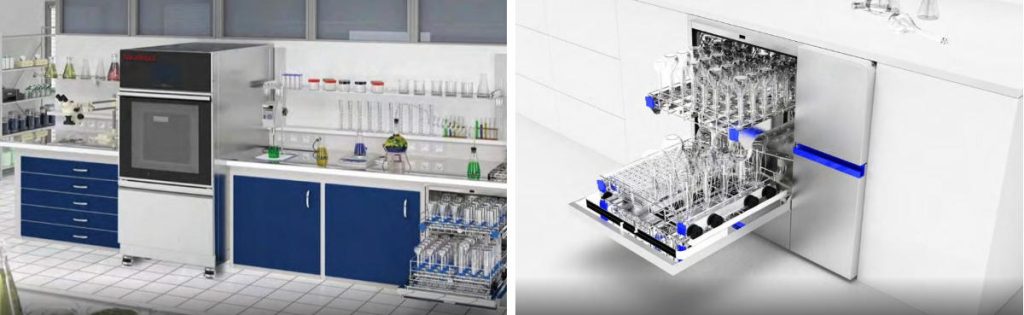
Cleanliness serves as the essential requirement which every laboratory needs to fulfill its operational needs. The proper operation of laboratory cleaning equipment helps maintain hygienic conditions which protect scientific results and enable scientists to use their essential instruments for extended periods.
The Importance of Laboratory Cleaning Equipment
Laboratory processes require precise measurement techniques because even small trace elements in the environment can affect their results. The laboratory cleaning equipment works effectively to maintain glassware and instruments and workspaces in a state which prevents any external elements from entering. In trace analysis work and microbiological research and high-precision testing anything less than perfect purity leads to major measurement errors. The correct cleaning method removes all dangerous materials which include hazardous chemicals and biological wastes and active laboratory surfaces and equipment.
Types of Laboratory Cleaning Equipment
| Type of Equipment | Working Principle | Key Features | Typical Applications |
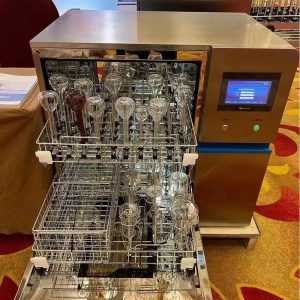
| Laboratory Glassware Washers | Automated washing using water jets, detergents, and high-temperature cycles | Programmable cycles, consistent cleaning, reduces manual labor, improves reproducibility | Cleaning beakers, flasks, pipettes, and other laboratory glassware in high-throughput labs |
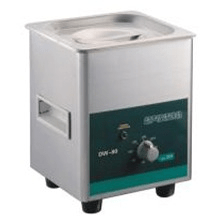
| Laboratory Ultrasonic Cleaner | Uses high-frequency ultrasonic waves to create cavitation bubbles that remove contaminants | Effective for hard-to-reach areas, gentle on delicate items, thorough cleaning | Cleaning precision instruments, small parts, and intricate components |
| Manual Washing Systems | Hand washing with brushes, detergents, and water | Low cost, flexible, suitable for simple cleaning tasks | Small labs, low-volume glassware cleaning |
| Spray Wash Cabinets | High-pressure spray systems with rotating nozzles | Efficient bulk cleaning, uniform coverage | Cleaning large batches of labware and equipment |
| Steam Cleaners | High-temperature steam for cleaning and partial sterilization | Chemical-free cleaning, effective at removing grease and killing microbes | Surface cleaning, decontamination of lab benches and tools |
| Drying Ovens | Uses controlled heat to dry cleaned equipment | Uniform drying, prevents contamination from moisture | Drying glassware and instruments after washing |
| Bottle Washers | Specialized washers with internal jet systems for bottles and narrow containers | Targets interior surfaces, efficient cleaning of narrow-neck vessels | Cleaning laboratory bottles, volumetric flasks |
| Parts Washers | Circulates cleaning solution over components | Removes oil, grease, and debris from mechanical parts | Maintenance of lab equipment and metal components |
| Clean-in-Place (CIP) Systems | Automated circulation of cleaning solutions within equipment without disassembly | Minimizes downtime, ensures repeatability and hygiene | Cleaning pipelines, reactors, and process equipment in labs and pilot plants |

Key Considerations for Selecting the Right Laboratory Cleaning Equipment
With a wide range of laboratory cleaning equipment available, from automated washers to ultrasonic systems, selecting the right solution requires a clear understanding of laboratory needs and technical requirements.
1. Understanding the Nature of Contaminants
First of all there is the consideration of what type of substance is being removed. Labs deal with organic compounds, inorganic salts, biological materials or dangerous chemicals. Each kind requires a different cleaning mechanism. For example, protein residues may require enzymatic or ultrasonic cleaning; while mineral deposits may need acid cleaning with compatible equipment. Acquiring the right equipment for the particular type of contamination is paramount for effective and successful cleaning.
2. Compatibility with Laboratory Materials
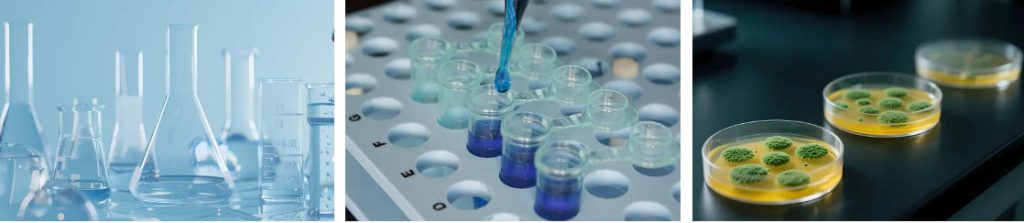
Laboratory equipment and glassware are made from various materials, including borosilicate glass, plastics, stainless steel, and specialized alloys. Cleaning equipment must be compatible with these materials to avoid corrosion, deformation, or degradation. For instance, high-temperature washers may not be suitable for heat-sensitive plastics, while aggressive cleaning conditions may damage delicate instruments.
3. Required Level of Cleanliness
Different laboratories have different cleanliness standards. Analytical and pharmaceutical laboratories often require extremely high levels of purity, including residue-free and sometimes sterile conditions. In such cases, advanced systems like automated glassware washers with high-temperature cycles or ultrasonic cleaners with precise control are essential. Understanding the required cleanliness level helps in selecting equipment with appropriate performance capabilities.

4. Capacity and Throughput Requirements
The volume of laboratory work plays a critical role in equipment selection. High-throughput laboratories benefit from automated systems that can process large batches of glassware efficiently. In contrast, smaller laboratories with limited workloads may find manual or semi-automated solutions more practical and cost-effective. Selecting equipment with the right capacity prevents bottlenecks and optimizes workflow.
5. Degree of Automation and Ease of Use
Automation has the potential to revolutionize consistency in reducing labor costs. Existing mechanisms pertaining to modern lab ware washing have features like programmability of cycles, simple digital displays, and the least amount of hands-on work from the operator. However, the customization of the automated system compares with the actual scale of the laboratory operation and the skill set within the staff. An easy-to-navigate interface and control system would substantially enhance productivity and reduce training outlay.
6. Energy and Resource Efficiency
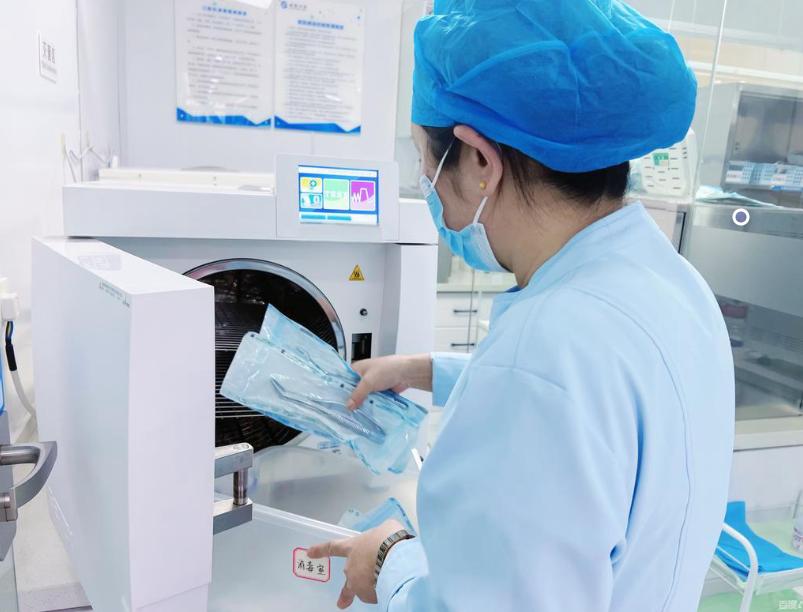
Sustainability is emerging as an important criterion for the operation of a laboratory. Equipment that reduces water and energy use and minimizes chemical waste is important for cost efficiency and lesser harm to the environment. Energy-saving appliances with customized washing and drying features are a bonus for a laboratory that is trying to improve sustainability.
7. Safety and Compliance Requirements
The cleaning process within the laboratory is bound to involve hazardous substances. Any equipment to be used must adhere to safety standards, according to regulatory requirements, found in proper containment, ventilation, and proper handling of chemical matters. Ensuring that leak detection, temperature regulation, and a range of other fail-safes are active increases work safety. Adherence to the industry standard is a vital matter, particularly in the spheres of the pharmaceutical and clinical laboratory.
8. Maintenance and Reliability
Dependable equipment helps prevent down times and maintain consistent performance. Hence, while one chooses a cleaning equipment, the maintenance requirements, availability of spare parts, and technical assistance are considerations to take seriously. Superior equipment must come built to last and have features for self-diagnosis for easy maintenance and longevity of services.

9. Integration with Laboratory Workflow
Clean machines should complement the workflow of the laboratory. This includes consideration for compatibility with existing procedures, layout of the laboratory, and potential integration with LIMS equipment. Adequate integration will reduce handlings’ time and thus enhance productivity.
10. Cost Considerations and Long-Term Value
While the initial investment is important, it should not be the only criterion. The full cost of ownership (tangible costs: maintenance, utilities, consumables) will give a much more accurate fulfillment of long-term value. Quality equipment often means higher performance, lower operating costs, and improved long-term reliability.
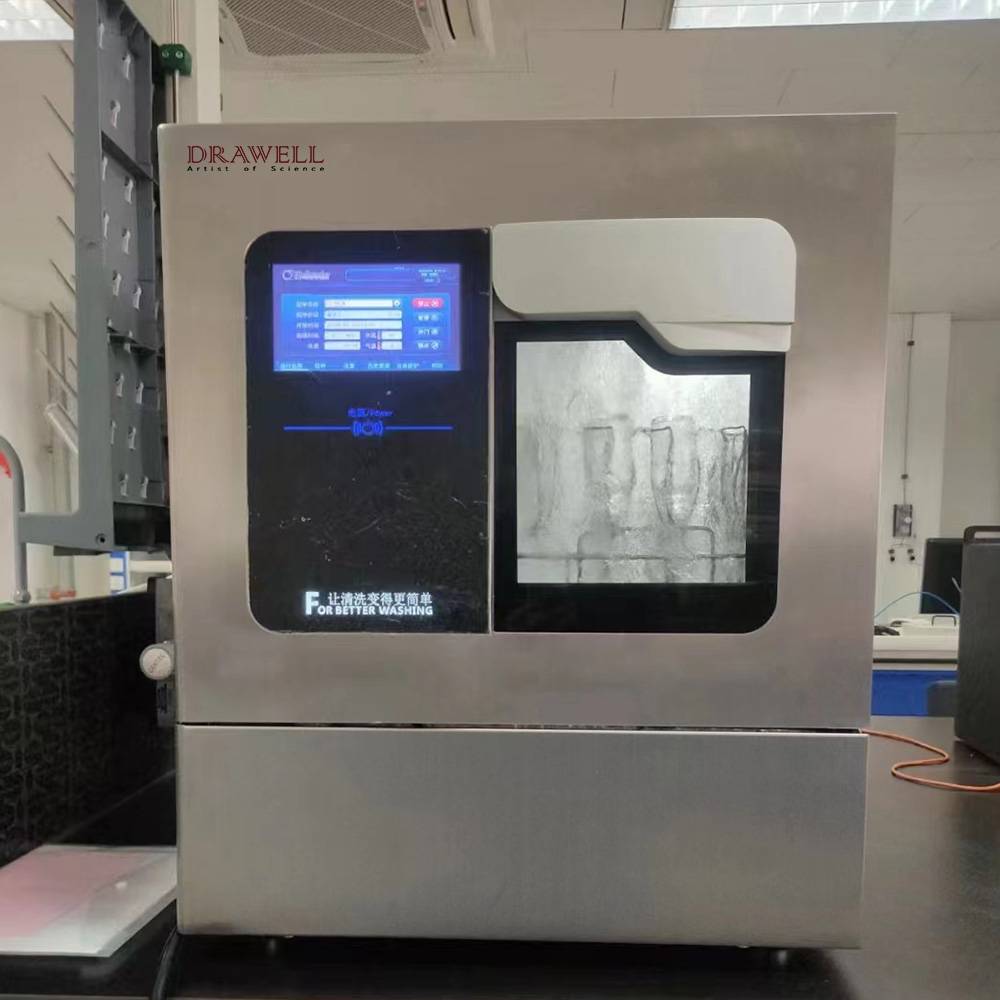
Drawell offers cost-effective laboratory cleaning equipment, including ultrasonic cleaners and sterilization systems, designed for reliable and efficient performance. With strong quality control, global supply capability, and dependable customer support, Drawell delivers an excellent balance of affordability and performance for modern laboratories.
Future Trends in Laboratory Cleaning Equipment
The future of laboratory cleaning equipment is shaped by trends in sustainability, digitalization and precision.
| Trend | Description | Key Technologies Involved | Impact on Laboratories |
| Automation and Robotics | Increasing use of fully automated cleaning systems with minimal human intervention | Robotic arms, programmable logic controllers (PLC), automated workflows | Improves consistency, reduces labor costs, enhances productivity |
| Smart and Connected Equipment | Integration of IoT for real-time monitoring and control of cleaning processes | IoT sensors, cloud computing, data analytics | Enables remote monitoring, predictive maintenance, and process optimization |
| Energy and Water Efficiency | Development of systems that reduce resource consumption | Energy-efficient heating systems, water recycling technologies | Lowers operational costs and supports sustainability goals |
| Eco-Friendly Cleaning Solutions | Shift toward environmentally safe cleaning agents and processes | Biodegradable detergents, low-chemical cleaning systems | Reduces environmental impact and improves workplace safety |
| Advanced Ultrasonic Technology | Enhanced ultrasonic systems with improved frequency control and efficiency | Multi-frequency ultrasonic generators, precision cavitation control | Provides deeper and more precise cleaning, especially for delicate instruments |
| Integration with LIMS | Cleaning equipment connected with laboratory information management systems | LIMS software integration, digital tracking systems | Improves traceability, documentation, and compliance |
| Compact and Modular Designs | Equipment designed to save space and allow flexible configurations | Modular systems, compact engineering designs | Ideal for small labs and adaptable to changing needs |
| Enhanced Drying Technologies | Improved drying methods to ensure complete moisture removal | Vacuum drying, HEPA-filtered air systems | Prevents contamination and speeds up turnaround time |
| AI-Driven Process Optimization | Use of artificial intelligence to optimize cleaning cycles and parameters | Machine learning algorithms, adaptive control systems | Enhances efficiency, reduces errors, and ensures consistent results |
| Customization and Application-Specific Solutions | Equipment tailored for specific industries or applications | Specialized cleaning programs, configurable hardware | Meets unique requirements of different laboratory environments |

Final Thoughts
Laboratory cleaning equipment is important for maintenance of quality assurance and operational efficiency. These machines, such as the glassware washers, highly efficient ultrasonic cleaning devices, will help the laboratory deal with the highest cleanliness, safety and reliability standards. By using proper equipment, laboratories may protect their results and increase overall productivity.
Related Products Recommendation


Get Quote Here!
Latest Posts
What Next?
For more information, or to arrange an equipment demonstration, please visit our dedicated Product Homepage or contact one of our Product Managers.


