


You run a full sterilization cycle. You open the autoclave and the packets are still damp. It’s a frustrating problem and one that happens more than most people expect. Wet packs following autoclave runs can be a slowdown in your productivity and, more significantly, raise concerns about whether the items are safe to use or store.
This guide addresses six common reasons behind autoclave drying difficulties and what you can actually do about each one.

What Does It Mean When Items Are Still Wet?
Before troubleshooting, it helps to understand what a wet load actually means. Items can come out moist even when the autoclave has reached the required sterilization temperature, pressure, and exposure time. However, a wet pack should not simply be treated as ready for storage or use.
Moisture on or inside a sterile package can compromise the package’s protective barrier and increase the risk of contamination during handling or storage. For this reason, repeated wet loads should be investigated rather than ignored, even when the sterilization cycle itself appears to have run normally.
1. The Load Is Too Large or Too Dense
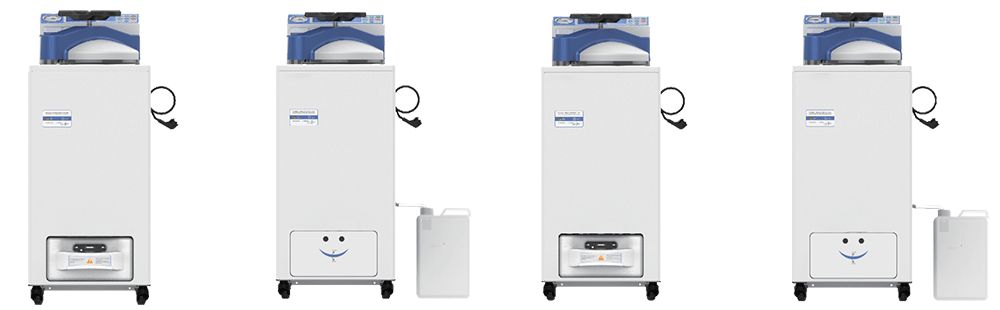
Overloading the chamber is one of the most common reasons an autoclave does not dry correctly. When too many things are packed at once, steam cannot circulate easily and condensate does not have anywhere to drain during and after the cycle. Dense loads also hold heat unevenly, so the drying stage just can’t do its job.
The fix is usually simple; lower the load size or space the items with clear space between packs. Do not touch items to the room walls or stack them directly on top of each other.
2. The Items Are Not Loaded Properly
A moist pack might result from even a moderate load if it is not positioned correctly. Things like bowls, basins or instrument trays need to be at an angle or on their side so the condensate can run down and out and not sit in them. Laying them flat is one of the biggest loading mistakes we see.
In specialized racks, pouches are normally laid on edge, paper side down. Instrument trays should be slanted to allow moisture to flow out and not collect at the bottom. Proper placement makes more of a difference than most people realize.
3. The Packaging Is Holding Too Much Moisture
In the steam phase some materials absorb far more moisture than others. Even with sufficient time, inadequate drying can occur if the wrap is thick, if the fabric is multi-layer or if the fabric is not properly matched to the type of cycle. This is particularly common with dense textile items.
If wet packs are appearing consistently with a particular type of packaging, check whether the material is appropriate for your autoclave cycle. Switching to a more suitable wrap can resolve the issue without changing anything else.
4. The Drying Time Is Not Enough
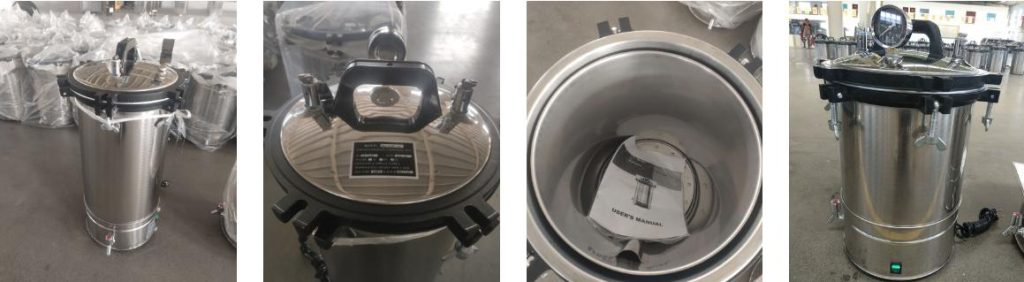
This one is easy to overlook, especially if cycle settings have not been reviewed in a while. If the cycle is set for the wrong length of time for the load being run, objects come out wet simply because they have not had enough time to dry. In general, the larger or more intricate the load the longer it takes to dry.
Compare the programmed drying time against the manufacturer’s guidelines for your type of load. A couple of extra minutes in the drying cycle make a considerable impact.
5. Condensation or Steam Can Leave Excess Moisture
Some moisture is produced naturally when steam comes into contact with cooler surfaces during the cycle. If condensation is excessive, or if the steam supply contains too much liquid water, the load may remain wet after the drying phase.
Cold items or chamber surfaces can contribute to additional condensation when steam is introduced. If wet loads occur repeatedly, check the loading conditions and the quality of the steam supply according to the autoclave manufacturer’s instructions. For systems that generate steam on-site, steam quality should also be checked as part of troubleshooting.
6. There May Be a Problem With Drying or Drainage
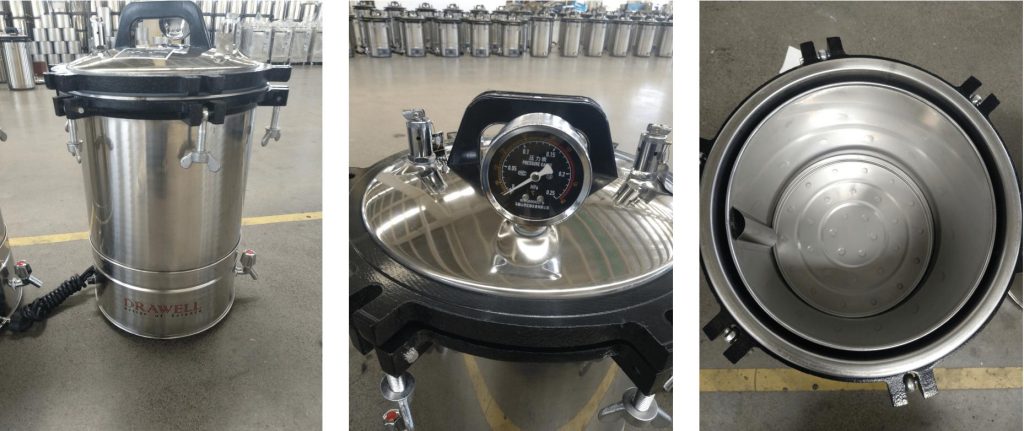
If you’ve already checked the load, packaging, and settings and moist packs are still coming out, the problem may be inside the machine itself. There are certain equipment-related causes that are worth looking at:
- Blocked drain line: If condensate cannot exit the chamber efficiently, moisture stays inside.
- Vacuum system performance: Autoclaves with pre- or post-vacuum cycles rely on the vacuum to assist moisture removal. Poor vacuum levels will directly affect drying.
- Door seal condition: A worn or damaged door gasket can affect chamber sealing and vacuum performance, which may interfere with proper air removal and drying on models that use vacuum-assisted cycles.
At this point, a proper service inspection is usually the right call.
A Quick Checklist for Wet Packs
It helps to work through the possibilities in an organized approach when you are trying to hunt down the cause. Here is a quick overview in tabular form below.
| What to Check | Possible Problem | What to Try |
| Load size | Too heavy or dense | Reduce or redistribute the load |
| Loading position | Poor steam circulation or drainage | Reposition items |
| Packaging | Too dense or unsuitable | Check packaging instructions |
| Drying phase | Too short | Verify the programmed drying time |
| Drainage | Condensate not removed properly | Check drain and system condition |
| Equipment | Persistent drying problem | Inspect and service the autoclave |
Check the Load, Cycle, and Equipment
When troubleshooting wet packs after autoclave cycles, working through things in order tends to be the most efficient approach.
Begin with the load. Make sure it is not too heavy, too dense or in a place where it will not drain well. Now check out the process. Check that packaging type, loading pattern and drying duration are adequate for the cycle being used. If both of these look to be in good shape, then look at the equipment itself: the drain line, the vacuum or drying system, and the overall maintenance history.
Many wet-load problems can be traced to loading, packaging, cycle settings, or drainage. If the problem continues after these factors have been checked, the autoclave should be inspected by a qualified service professional.
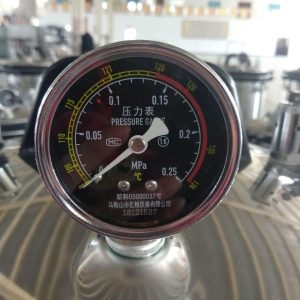
If you have questions regarding your current autoclave setup or are searching for a well-built solution that functions consistently, Drawell’s team is happy to help. Feel free to contact us anytime.
Get Quote Here!
Latest Posts


What Next?
For more information, or to arrange an equipment demonstration, please visit our dedicated Product Homepage or contact one of our Product Managers.


