


As a trusted partner to dental professionals, we often hear one question from clinic owners and procurement managers: “With several types of sterilizers available, is investing in a Class B autoclave truly justified for our practice?”
It’s a crucial question. Your sterilization equipment is not just another piece of hardware; it’s the cornerstone of your clinic’s infection control protocol, directly impacting patient safety, operational efficiency, and your practice’s reputation.
While Class N (or “Naked”) sterilizers may seem like a cost-effective option, the modern dental clinic’s needs are increasingly complex. As a professional dental autoclave supplier, Drawell Analytical has supported clinics and hospitals across the world in selecting the right sterilization systems. In this article, we’ll help you evaluate whether a Class B autoclave is truly worth the investment for your practice.
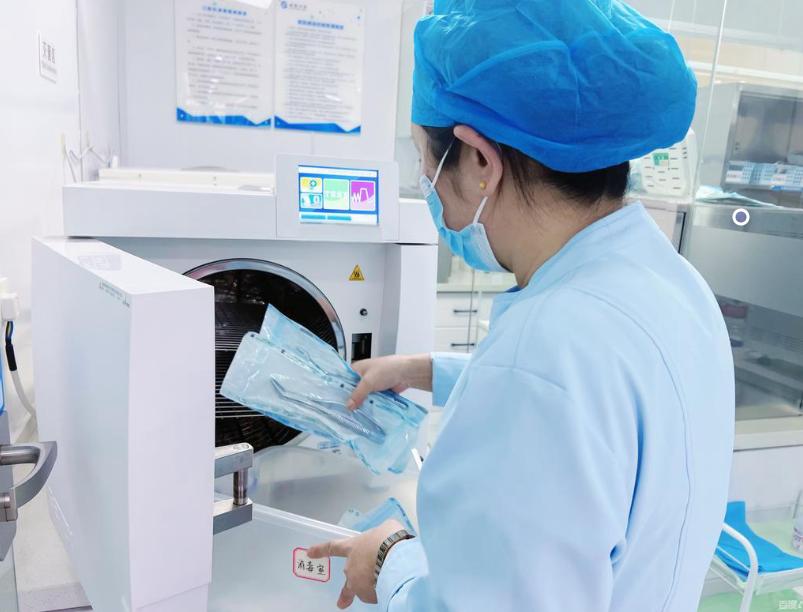

What Makes a Class B Autoclave Different?
The “Class B” designation comes from the European standard EN 13060, which has become the global benchmark for sterilizer classification. Think of it as the highest grade of tabletop sterilizers.
Class N (Naked): Suitable only for solid, unwrapped, non-porous instruments. Its major limitation? You cannot sterilize packaged instruments or hollow items like handpieces.
Class S (Specialized): A step-up, capable of sterilizing some specific hollow and porous loads, but with limitations.
Class B (Biggest): Designed to sterilize ALL sterilization challenges in a dental clinic, including:
- Packed instruments (wrapped in paper or pouches).
- Porous loads (like cotton rolls or gauze).
- Hollow instruments (like dental handpieces and turbines).
- Complex, layered instruments.
This versatility is achieved through a pre-vacuum cycle that actively removes all air from the chamber before injecting steam. This ensures steam penetrates instantly and completely into every nook and cranny, eliminating air pockets that could compromise sterilization.
So, is it worth it? Here’s a direct comparison from an operational standpoint:
| Feature | Class B Autoclave | Basic Class N Autoclave |
| Versatility | High. Handles everything: wrapped, unwrapped, hollow, porous. | Low. Only for solid, unwrapped items. |
| Handpiece Sterilization | Yes, safely. Protects your expensive investments from damage. | No. Steam cannot penetrate hollow chambers, leading to sterilization failure. |
| Workflow Efficiency | High. Sterilize and store packs for future use, streamlining procedures. | Low. Instruments must be used immediately after sterilization. |
| Infection Control | Gold Standard. Eliminates air pockets for guaranteed sterilization. | Basic. Risk of cold spots in air pockets. |
| Long-Term Cost | Higher initial investment, lower long-term risk. | Lower initial cost, higher long-term risk. (e.g., handpiece damage, failed audits). |

Why Your Clinic Probably Needs a Class B?
You Use Dental Handpieces: This is the single biggest reason. A Class B autoclave is the only type of tabletop sterilizer that can safely and effectively sterilize the internal chambers of handpieces. Protecting your $500+ handpiece investments from premature failure alone can justify the cost.
You Want a “Sterilize-and-Store” Workflow: If you prepare procedure trays in advance, you need to sterilize instruments in pouches. A Class B autoclave guarantees that the contents of those sealed pouches are sterile and ready for any appointment, enhancing efficiency and patient trust.
You Perform Surgical Procedures: Any oral surgery, implant placement, or periodontal work demands the highest level of sterilization assurance. The pre-vacuum technology of a Class B autoclave provides the peace of mind that complex and lumen-loaded instruments are truly sterile.
You Value Compliance and Future-Proofing: Global standards for infection control are becoming more stringent. Investing in a Class B autoclave positions your clinic at the forefront of compliance, easily meeting the requirements of accreditation bodies and health inspections.
“Many of our clients initially viewed Class B autoclaves as a premium upgrade,” notes the Drawell sales team, “but once they experienced the improved sterilization efficiency and workflow consistency, they realized it‘s a long-term operational advantage.”

What to Look for When Choosing a Class B Autoclave
When evaluating an autoclave for your dental clinic, focus on more than just the sterilization class. Look for:
- Chamber volume and capacity: Compact 8–23 L models like Drawell’s Desktop Class B Autoclave offer flexibility for small and medium practices. Larger capacity, like a 45L desktop autoclave, is also available.
- Cycle efficiency: Modern models provide customizable programs for wrapped, hollow, and porous instruments.
- Digital control & traceability: Automatic logging and touchscreen interfaces simplify daily operation and regulatory documentation.
- Maintenance & support: Ensure the supplier provides reliable after-sales service and calibration options—both crucial for long-term performance.
At Drawell, our Class B dental autoclaves integrate intelligent temperature control, rapid steam generation, and multiple safety protections—designed for busy dental environments.
When a Class B Autoclave May Be Overkill
Not every clinic necessarily needs Class B performance.
If you run:
- A small dental lab that sterilizes only solid tools (no handpieces), or
- A mobile practice focused on basic prophylaxis
…then a Class N or S model might be sufficient.
But for most full-service dental practices, Class B autoclaves quickly pay for themselves through workflow efficiency and regulatory compliance.

Class B Models We Commonly Recommend
At Drawell, we recognise that dental practices have different sterilisation loads, instrument types, space constraints and workflow demands. For clinics looking to invest in a true Class B autoclave system (vacuum + steam + drying) we recommend the following models — each designed to meet dental-clinic sterilisation requirements, traceability demands and spatial realities.
| Model | Capacity / Key Features | Ideal For |
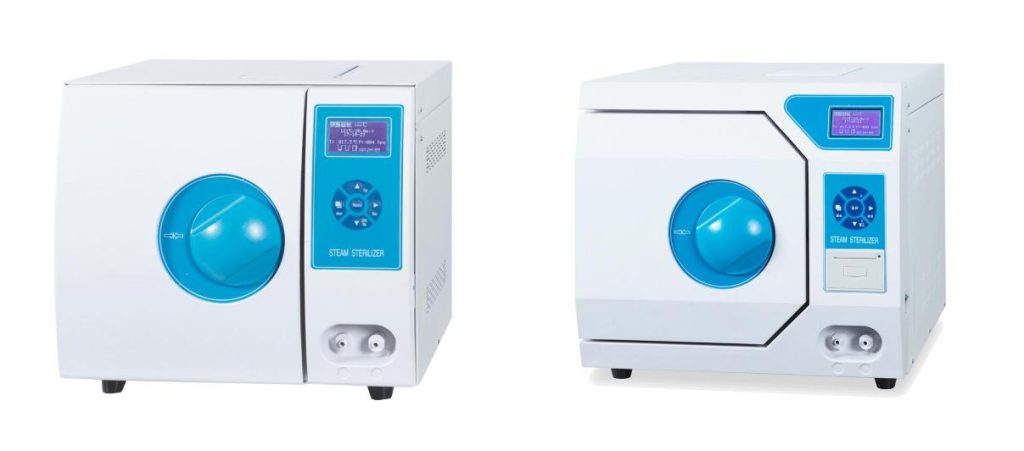
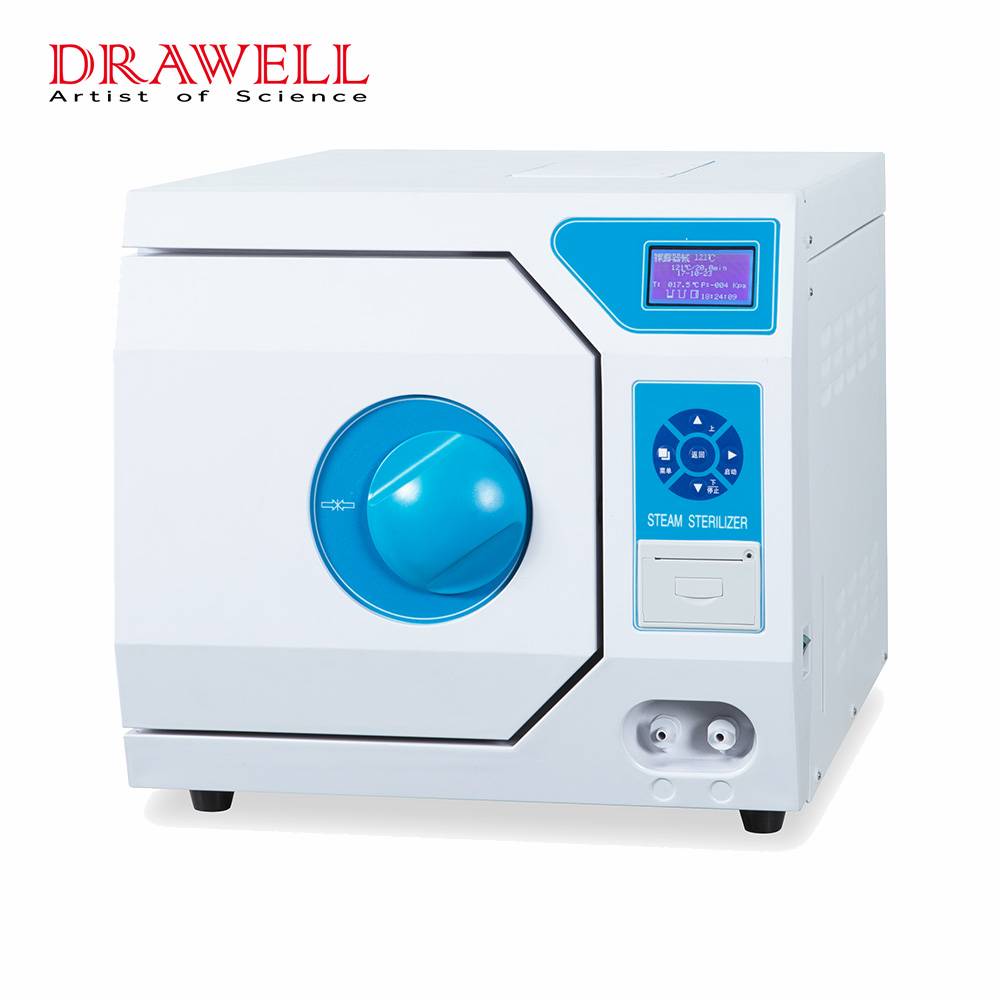
| DWT-B Series Pulsating Vacuum Table-Top Steam Sterilizer | Capacities 8 L / 12 L / 18 L / 23 L. Rated working temp 134℃, working pressure 0.22 MPa. Features: three-times pre-vacuum pulses, drying function, BD/Helix/Vacuum tests, USB/printer logging. (Drawell) | Medium-sized clinics that sterilise hollow instruments (e.g., handpieces), wrapped packs, and need Class B assurance without a large footprint. |
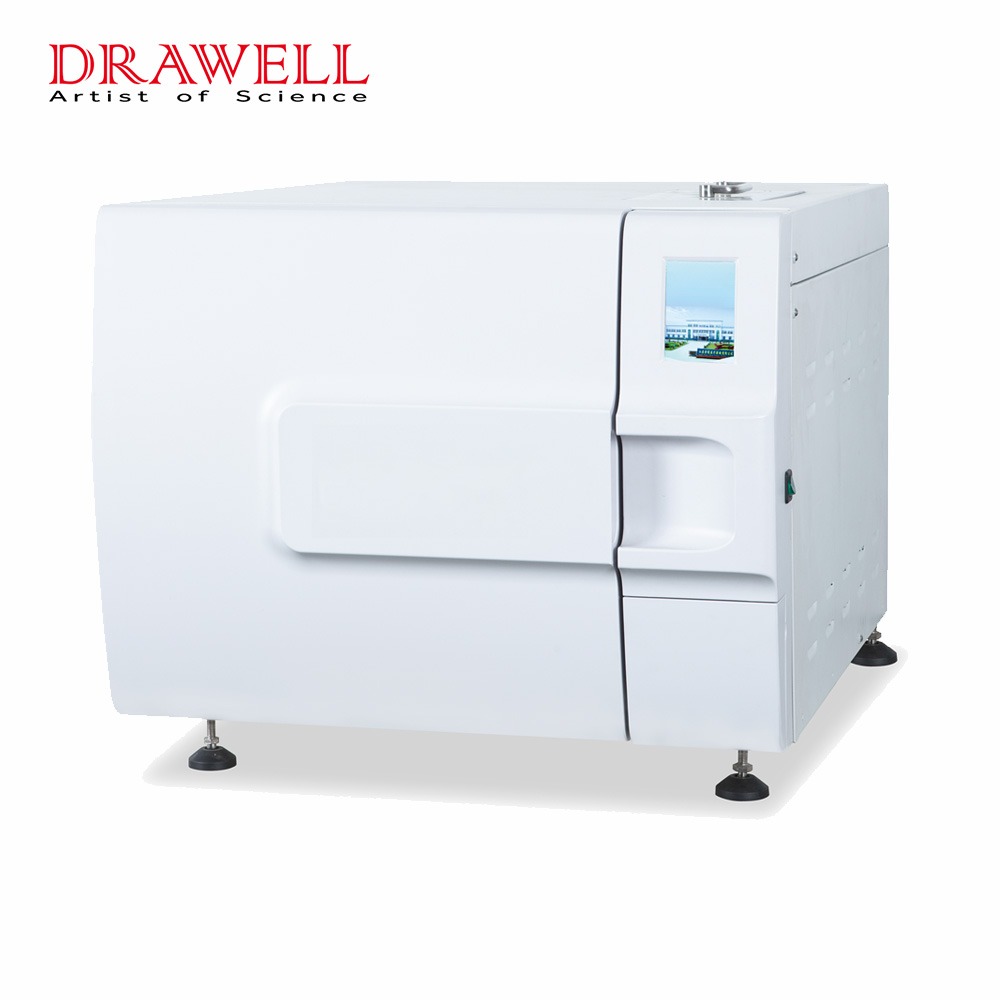
| DWT-BA Series Pulsating Vacuum Table-Top Steam Sterilizer | Capacities 18 L / 23 L / 45 L. Design pressure 0.25 MPa, design temp 139℃. Features: automatic door switch, LED display/inductive operation, BD/Helix/Vacuum tests, drying, printer/USB. (Drawell) | Larger dental practices or multi-chair clinics that require greater capacity and more throughput, but still tabletop format. |
| DW-EC Series Class B Table-Top Autoclave | Capacities 14 L / 18 L / 23 L. Features: Smart microcomputer control, auto-start scheduling, F0 value calculation & printing, USB interface, large cycle memory (999 cycles), five-level access permissions, imported German vacuum pump. Reinforced steel door (>8 mm). (Drawell) | Clinics that prioritise traceability, documentation, audit-readiness and advanced control (e.g., specialist surgical dentistry, implantology, or high-volume sterilisation needs). |
Why these models stand out:
- All three are European Class B standard devices (i.e., designed for hollow, wrapped, porous loads) and thus meet the highest dental sterilisation demands.
- Each offers drying function (important for sterile storage) and digital logging for traceability — critical for procurement and compliance.
- They vary in capacity and feature-set so you can match the model to your clinic’s size, expected load and budget.
Supplier services & support (Drawell) to look for:
- OEM/ODM options (branding, cycle customisation) available.
- After-sales: technical support, spare parts supply, calibration services — ensure your procurement team verifies these.
- Installation & commissioning: Make sure vacuum/drying systems are appropriately serviced and the clinic staff are trained.
Procurement tip:
When preparing your purchase specification, align the model choice with:
- Your daily sterilisation volume (# of instrument trays)
- Whether you use wrapped instruments and hollow tools (handpieces, cannulas) — if yes, focus on true Class B models as above
- Space & utilities available (tabletop footprint, power/voltage, water supply)
- Documentation needs for compliance (cycle logs, USB/print, user-access levels)
By selecting one of the above Drawell models, you align procurement both with operational sterilisation needs and the business-case of reducing risk, improving throughput and future-proofing your sterilisation room.
Final Thoughts: Is Class B Worth It?
When it comes to sterilization, “good enough” is never good enough.
A Class B autoclave is more than an upgrade—it’s a long-term investment in your clinic’s safety, efficiency, and reputation. For dental professionals who demand reliability, faster cycles, and full compliance, it’s absolutely worth it.
At Drawell Analytical, we don’t just supply dental autoclaves—we help clinics find the right sterilization solution that fits their workflow and budget. Whether you’re setting up a new practice or upgrading your current system, our team can guide you toward the model that best meets your needs.
Ready to make your sterilization safer and smarter?
Visit www.drawellanalytical.com to explore Drawell’s latest Class B dental autoclave solutions.
Related Products Recommendation
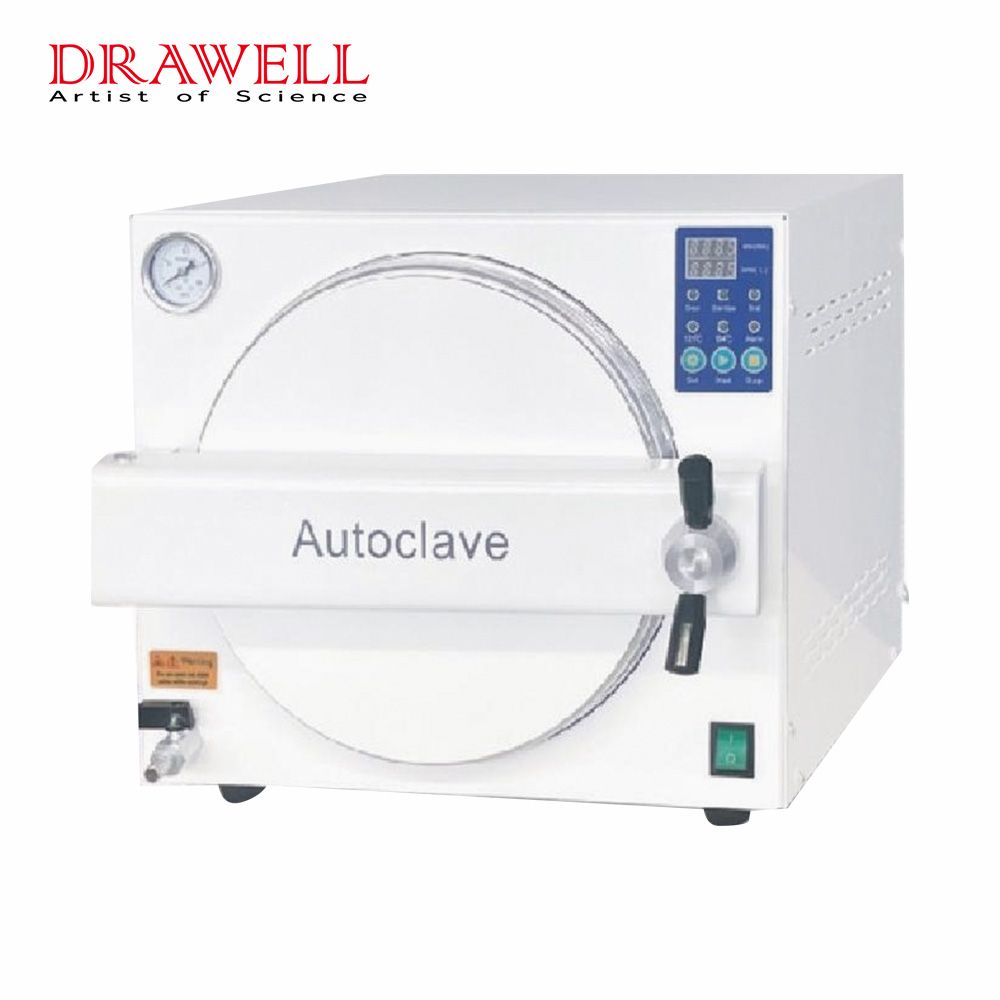
Get Quote Here!
Latest Posts
What Next?
For more information, or to arrange an equipment demonstration, please visit our dedicated Product Homepage or contact one of our Product Managers.


