


Choosing between a Hot Air Sterilizer and an Autoclave often feels like a “kitchen dilemma”—do you need a high-end convection oven or a heavy-duty pressure cooker? While both are designed to eliminate microbial life, using the wrong one can lead to cracked glassware, melted plastics, or, worst of all, failed sterilization.
If you are setting up a new lab or upgrading your current equipment, understanding the “how” and “why” behind these two powerhouses is essential. Let’s dive into the science, the hardware, and the practicalities to help you decide which one earns its spot on your lab bench.
The Core Science: How They Kill Microbes
At the molecular level, sterilization is about destruction. However, the “weapon of choice” differs significantly between these two machines.
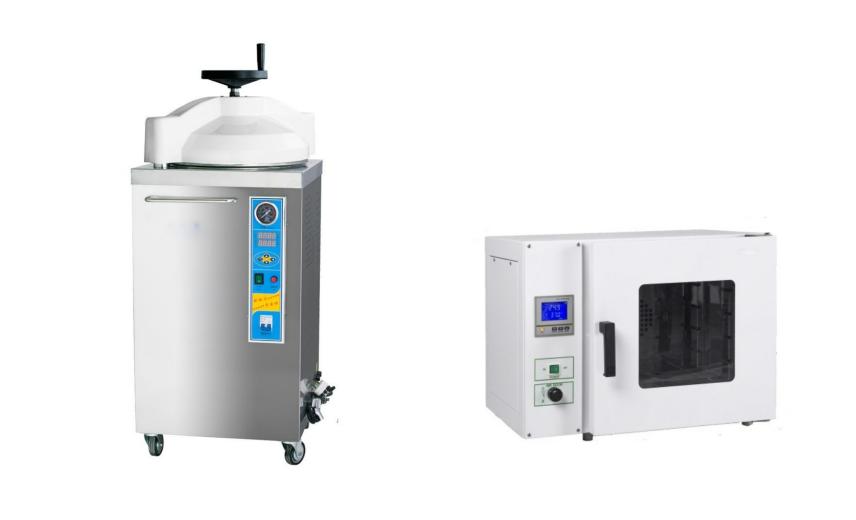
The Autoclave (Moist Heat)
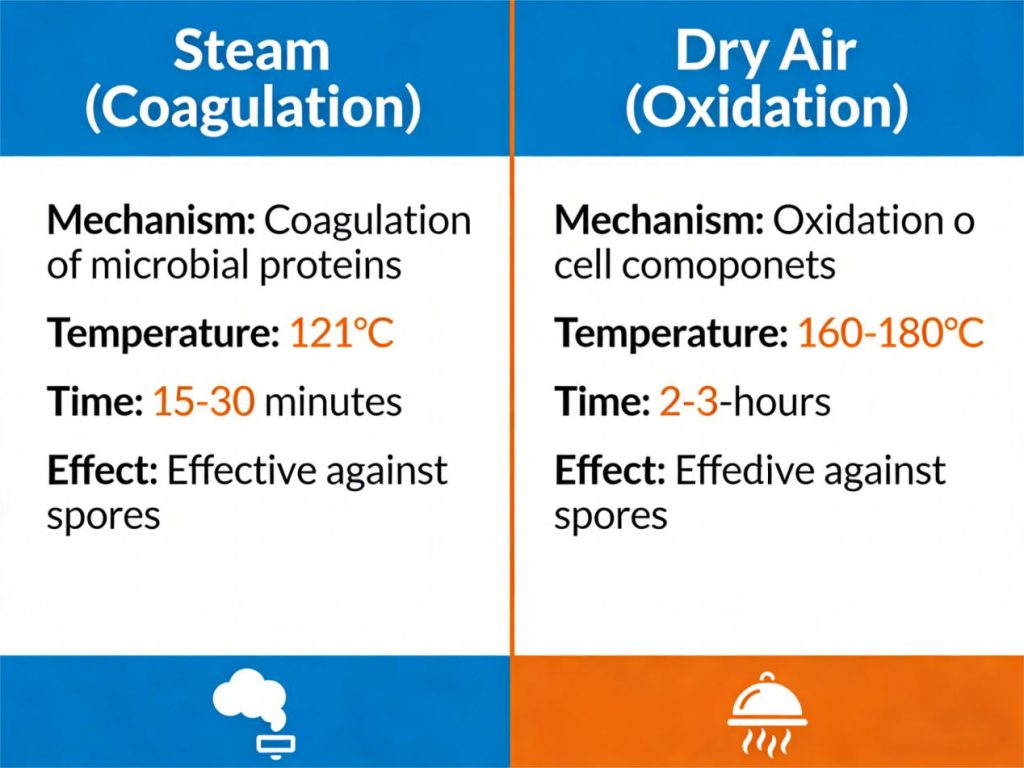
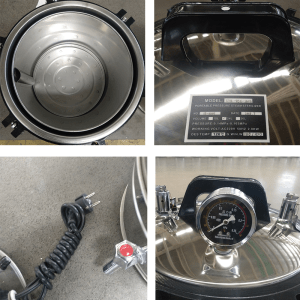
An autoclave uses saturated steam under pressure. Think of it as a specialized pressure cooker. When steam is forced into a chamber at high pressure (typically 15 psi), it reaches temperatures—usually 121°C—that air alone cannot achieve at standard pressure. The moisture acts as a powerful conductor, penetrating cell membranes and causing protein coagulation. This process “cooks” the proteins inside bacteria, viruses, and even the most resilient bacterial spores, rendering them inactive in a remarkably short time.
The Hot Air Sterilizer (Dry Heat)
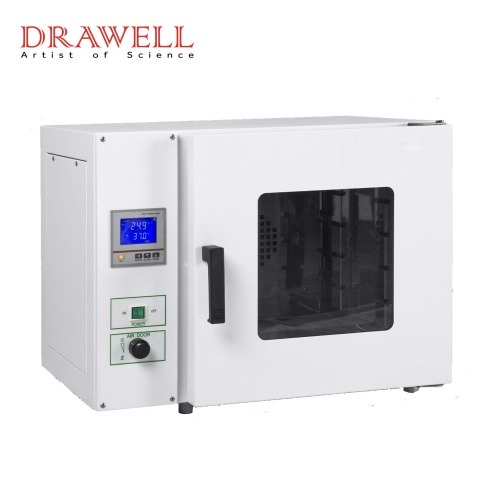
A Hot Air Sterilizer (often referred to as a dry heat oven) relies on high-temperature air circulation. Without the help of moisture, this process kills microbes via oxidation. Essentially, it “burns” the microorganisms from the inside out. Because air is a poor conductor of heat compared to steam, this method requires much higher temperatures—usually 160°C to 180°C—and significantly longer exposure times to ensure total lethality.
Side-by-Side: Performance Specs
To give you a quick snapshot of how these two compare in a high-stakes lab environment, here is a breakdown of their operational “personalities.”
| Feature | Autoclave (Moist Heat) | Hot Air Sterilizer (Dry Heat) |
| Media used | Saturated Steam | Hot Dry Air |
| Standard Temperature | 121°C (250°F) | 160°C – 180°C (320°F – 356°F) |
| Exposure Time | 15 – 20 minutes | 1 – 2 hours |
| Kill Mechanism | Protein Coagulation | Oxidation |
| Post-Cycle Condition | Items are often wet | Items are completely dry |
| Cost | Generally higher | More budget-friendly |
Material Compatibility: The “What Goes Where” Guide
This is where things get practical. Using an autoclave on the wrong material can result in a messy cleanup, while using dry heat on the wrong item can cause a fire hazard.
When to reach for the Autoclave:
If your lab handles a lot of biological waste, liquids, or surgical tools, the autoclave is your best friend.
- Culture Media and Liquids: Because the chamber is pressurized, liquids won’t boil over and evaporate away.
- Bio-hazardous Waste: It is the gold standard for neutralizing pathogens before disposal.
- High-Density Plastics: Items made of Polypropylene (PP) can typically withstand the 121°C heat.
- Textiles: Lab coats and surgical dressings are easily penetrated by steam.
When the Hot Air Sterilizer shines:
Some items just hate moisture. In these cases, a laboratory drying oven or sterilizer is the only way to go.
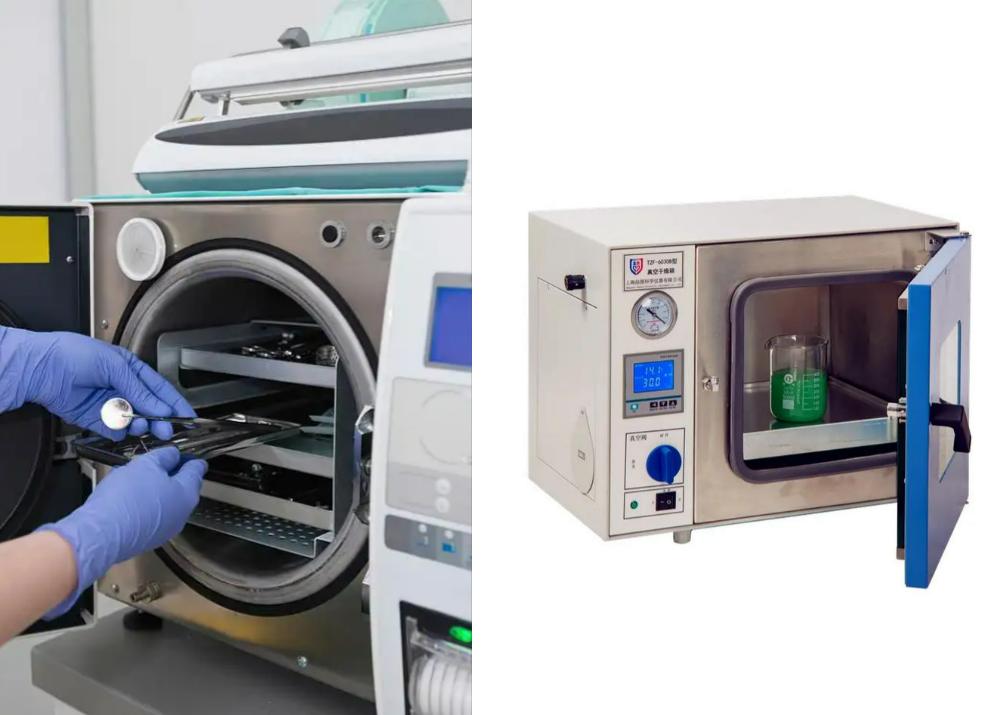
- Glassware: Beakers, flasks, and pipettes come out bone-dry and ready for immediate use. No water spots, no waiting for evaporation.
- Anhydrous Materials: Oils, fats, waxes, and powders cannot be penetrated by steam. Dry heat is the only effective way to sterilize these substances.
- Sharp Metal Instruments: While steam can cause corrosion or dulling of fine carbon steel blades, dry heat is much gentler on “sharps.”
Pros, Cons, and the “Hidden” Factors
Beyond just the temperature, you have to think about your lab’s daily workflow.
Autoclave Pros and Cons
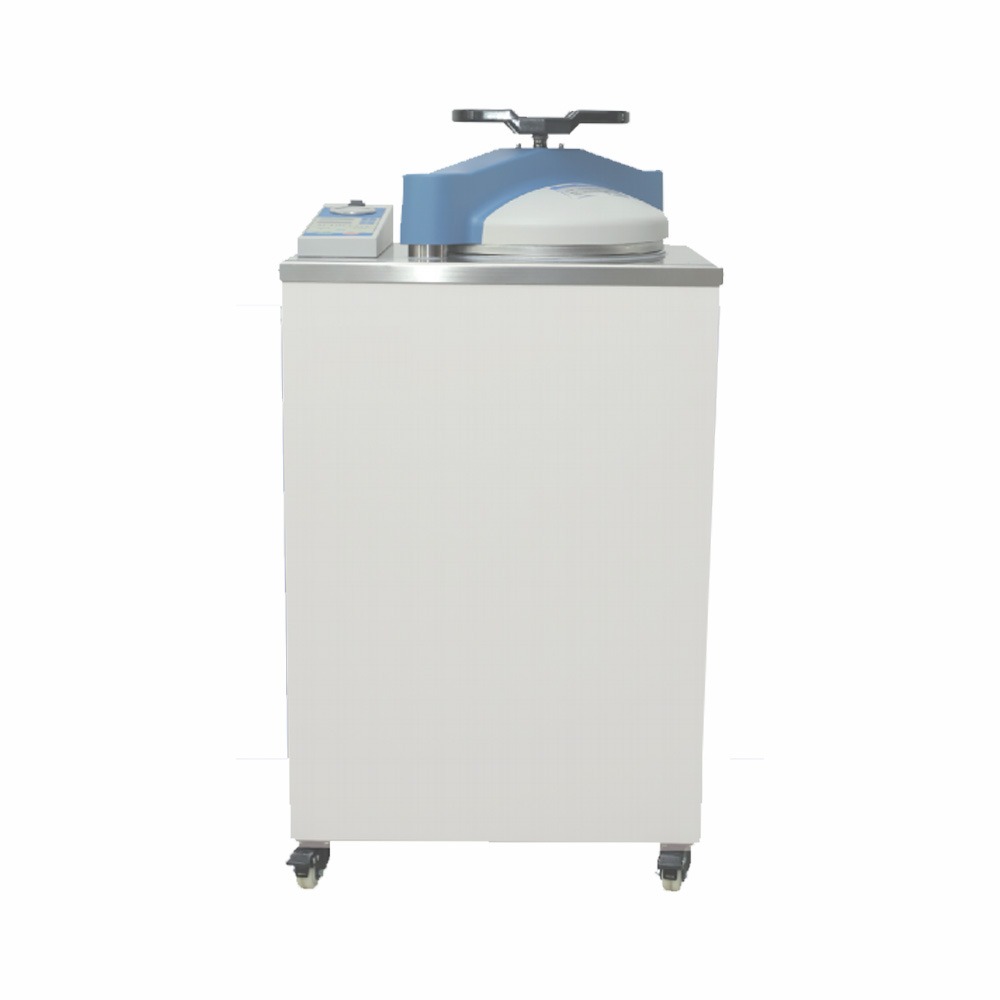
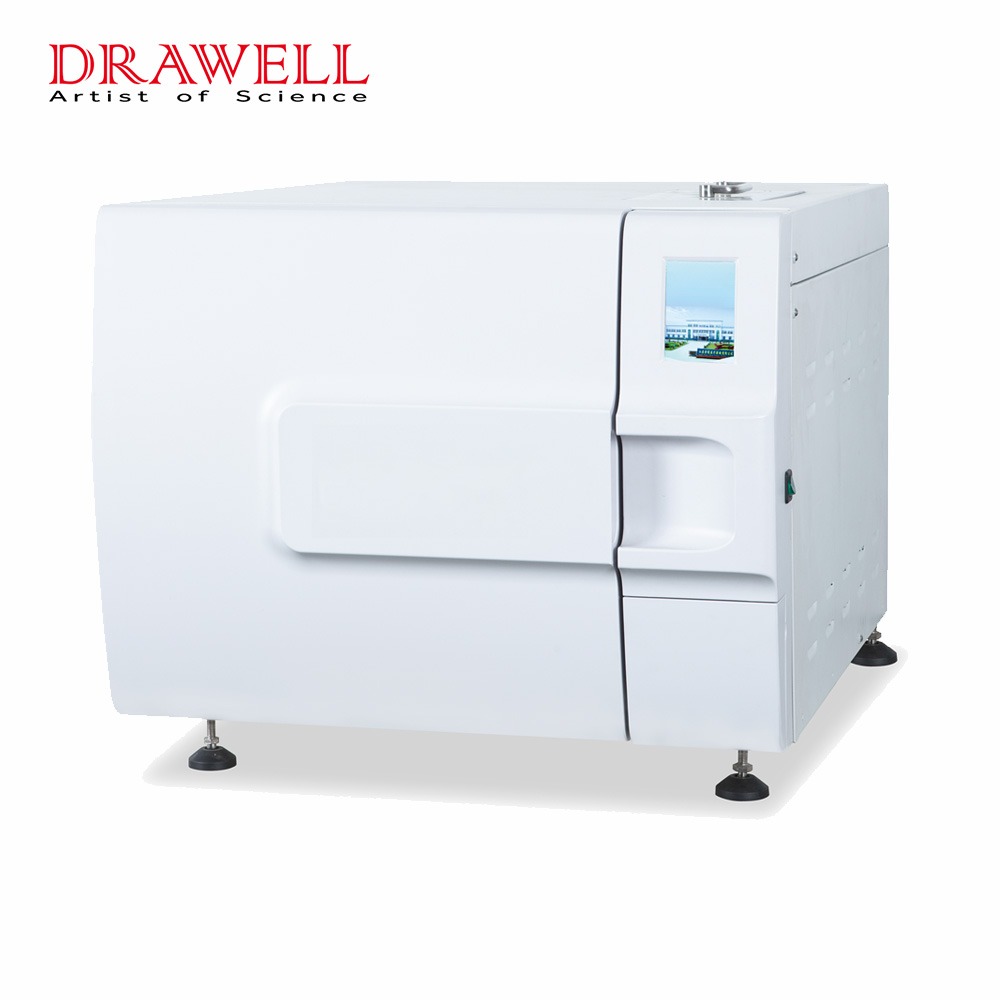
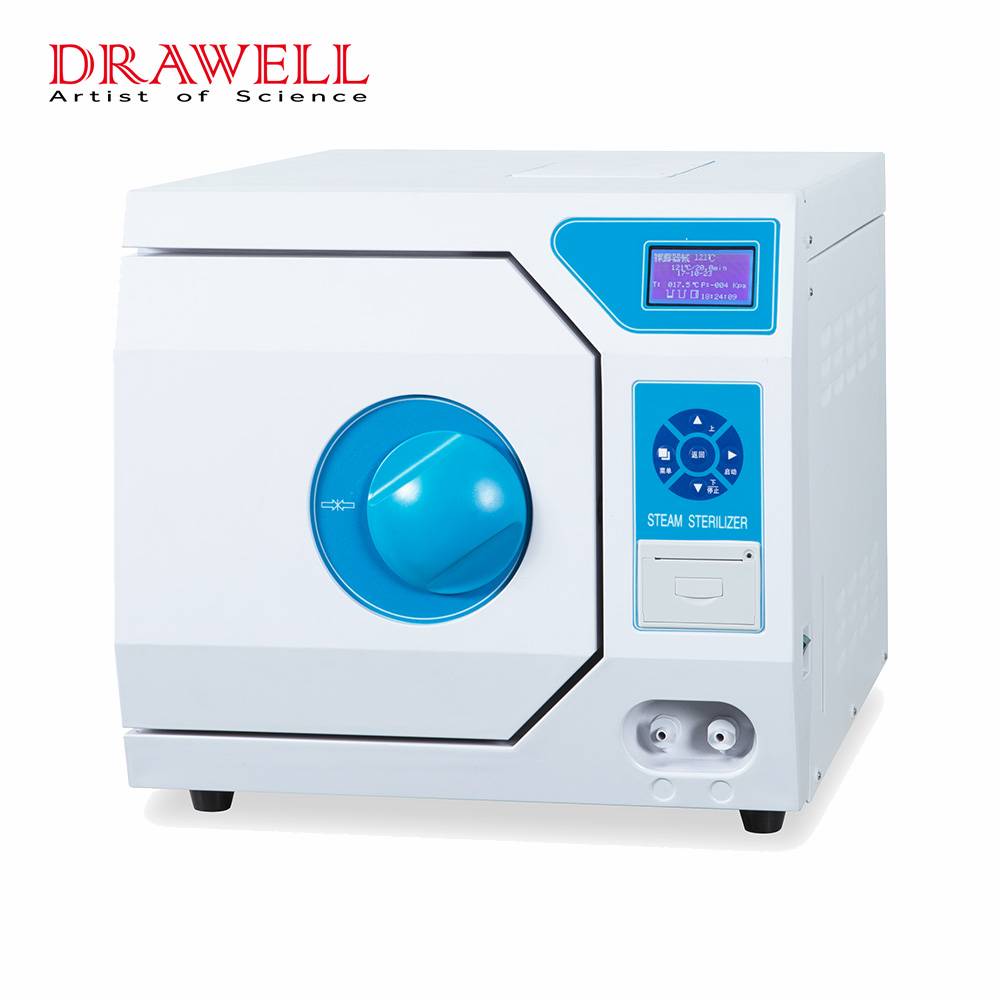
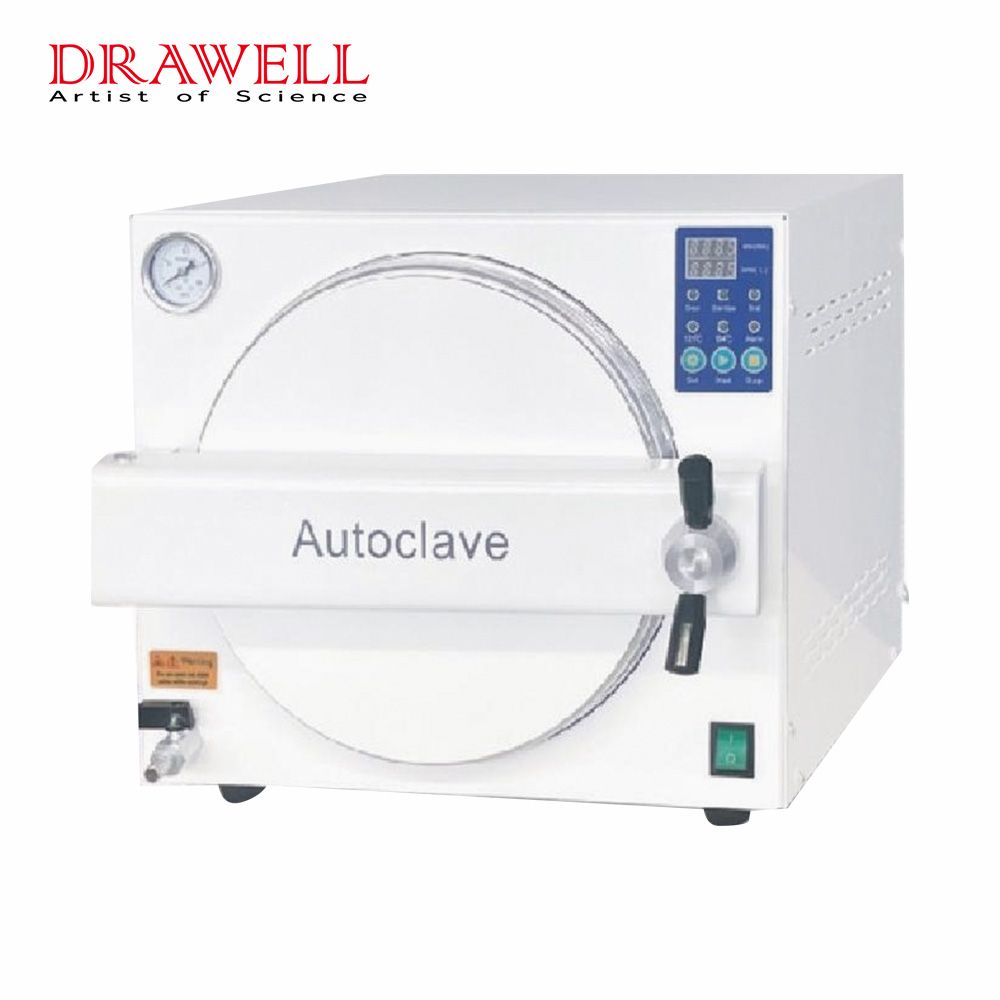
The biggest win for an autoclave is speed. No matter portable autoclaves, vertical autoclaves or table top autoclaves, you can turn over a load in under 45 minutes (including heat-up and exhaust). However, autoclaves are mechanically complex. They require a steady supply of distilled water and regular maintenance of pressure valves and door seals to remain safe and effective.
Hot Air Sterilizer Pros and Cons
The Hot Air Sterilizer is incredibly user-friendly and low-maintenance. There are no pressure risks and no water systems to clog. The downside? It is a slow process. Once you factor in the time it takes to reach 180°C and the subsequent cooling period, a single cycle can take half a day.
Final Checklist: Which One Should You Buy?
Still undecided? Ask yourself these four questions:
- Do I need to sterilize liquids or media? If yes, you must have an autoclave.
- Is my glassware volume high? If you need dry, spot-free glass constantly, a dry heat sterilizer is much more efficient.
- How fast do I need my tools back? If you need a fast turnaround, the autoclave wins every time.
- Am I sterilizing oils or powders? If so, dry heat is your only scientifically valid option.
Ready to Equipt Your Lab?
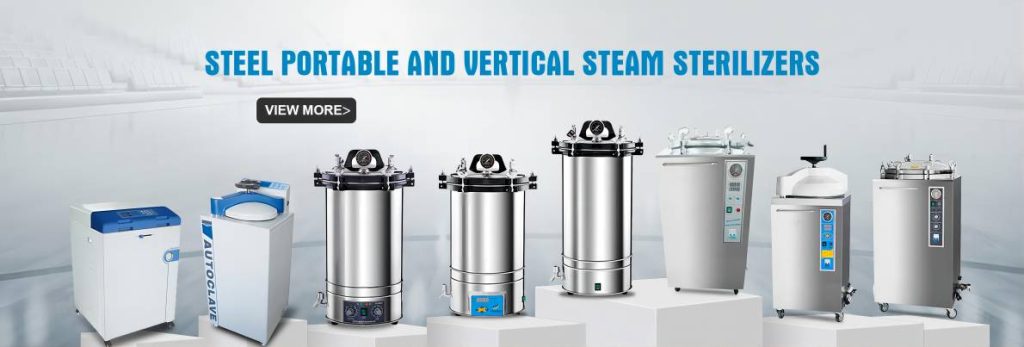
Whether you are leaning toward the rapid efficiency of a Vertical Autoclave or the precise, dry environment of a Forced Air Sterilizer, the key is choosing equipment built for reliability and safety.
At Drawell, we specialize in providing high-performance laboratory instruments tailored to meet international safety standards. Don’t leave your sterilization results to chance—reach out to our technical team today for a customized quote or to discuss which model fits your specific throughput needs.
Related Products Recommendation


Get Quote Here!
Latest Posts

What Next?
For more information, or to arrange an equipment demonstration, please visit our dedicated Product Homepage or contact one of our Product Managers.


