


Ultrasonic cleaners show up in laboratories, workshops, medical facilities, and all kinds of industrial environments because they can sort of quickly loosen and remove dirt, grease, and other contaminants from delicate yet intricate items. One big thing that really affects how well it works is what liquid to use in the ultrasonic cleaner. Selecting the right cleaning solution helps cavitation stay strong, boosts the overall cleaning performance, and also keeps the cleaned objects safer, so nothing gets harmed too much during the process.

How Ultrasonic Cleaning Works
Ultrasonic cleaning works by making high-frequency sound waves in the liquid which then forms tiny little bubbles, that whole event is called cavitation. Those bubbles will implode with quite a bit of energy and that helps kick loose the contaminants that are stuck on the surface of an object. Still, this cavitation thing depends a lot on what the liquid is like, for example surface tension , viscosity , and even its chemical makeup.

Understanding the Relationship Between Liquid and Ultrasonic Cleaning
The actual cleaning work in an ultrasonic cleaner comes down to cavitation, which is this phenomenon where tiny bubbles show up and then collapse very fast inside the liquid. Those small implosions create a burst of local energy, kinda like a mini impact, and it helps scrape off contaminants from the surfaces you’re cleaning, even those nasty, hard to reach spots. Cavitation isn’t just random though, its efficiency depends a lot on the liquid properties, so choosing the liquid is really a key part of the whole cleaning process.
If you pick the cleaning liquid the right way it can boost contaminant removal, make the cleaning faster, and also cut down on the need for that manual scrubbing work. But if the liquid is wrong, then cleaning results can drop, and in some cases it can also harm delicate or valuable components.
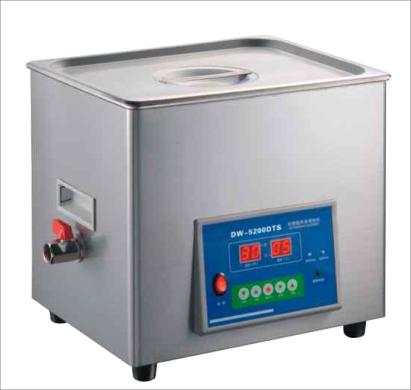
Common Types of Liquids Used in Ultrasonic Cleaners
| Liquid Type | Main Components | Best Applications | Advantages | Limitations |
| Distilled Water | Pure water with minimal minerals | General cleaning, laboratory instruments, delicate items | Safe, inexpensive, leaves no mineral deposits | Limited effectiveness on grease and heavy contamination |
| Water + Mild Detergent | Water mixed with neutral detergent or surfactant | Jewelry, glassware, plastics, electronic components | Enhances cavitation and removes light oils and dirt | May require rinsing after cleaning |
| Alkaline Cleaning Solution | Water-based alkaline chemicals | Industrial parts, metal components, grease removal | Excellent for oils, grease, and organic residues | Can damage sensitive materials if too concentrated |
| Acidic Cleaning Solution | Mild acids such as citric or phosphoric acid | Rust removal, descaling, mineral deposit removal | Effective against oxidation and scale buildup | May corrode certain metals if improperly used |
| Isopropyl Alcohol (IPA) Solution | Alcohol-based cleaner | Electronics, optical components, precision instruments | Fast evaporation, removes oils and fingerprints | Flammable and requires proper ventilation |
| Solvent-Based Cleaner | Organic solvents such as acetone or specialized cleaners | Heavy grease, adhesives, waxes | Powerful cleaning performance | Flammability and material compatibility concerns |
| Enzymatic Cleaning Solution | Enzymes designed to break down organic matter | Medical instruments, dental tools, laboratory equipment | Highly effective on biological contaminants | Typically more expensive than standard detergents |
| Specialized Ultrasonic Cleaning Concentrate | Manufacturer-formulated cleaning chemicals | Industry-specific applications such as automotive, aerospace, and jewelry | Optimized cleaning performance and material compatibility | Higher cost compared to basic solutions |
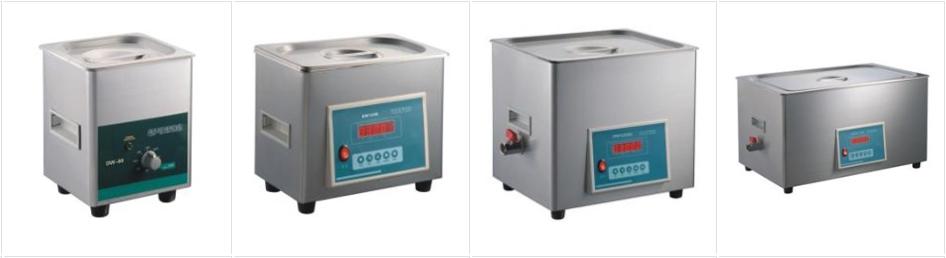
Factors to Consider for Choosing the Right Liquid Type in Ultrasonic Cleaners
Figuring out what factors that influence liquid selection can help users achieve superior results while also stepping around possible damage and safety problems.
1. Considering the Material of the Item Being Cleaned
A key factor in picking a cleaning liquid is the makeup of the item itself. Metals , plastics , ceramics, glass, and electronic parts each respond in their own way to different chemicals.
For instance, acidic solutions can remove rust and scale from stainless steel pretty well, but they may corrode softer metals like aluminum. Some solvents that work great on metal surfaces may lead to cracking or dulling in plastic parts. Delicate optical lenses and assembled electronics commonly need a gentle solution that doesn’t leave residues and doesn’t interfere with sensitive coatings or surface finishes.
Choosing a liquid that matches the chemistry of the material can reduce the risk of corrosion, discoloration, swelling and other kinds of harm.
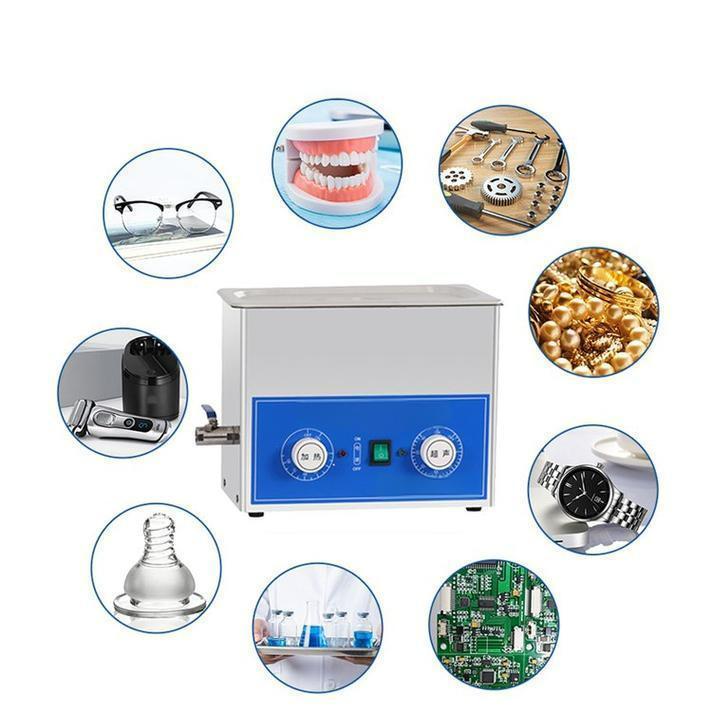
2. Evaluating the Type of Contamination
Different contaminants need different cleaning chemistries.
This chart gives a practical reference for selecting the correct liquid in ultrasonic cleaning based on the type of contamination.
| Contaminant Type | Recommended Liquid | Precautions |
| Light dust and dirt | Distilled water | Safe for delicate items; may require longer cleaning time for stubborn particles |
| Fingerprints and light oils | Water with mild detergent or isopropyl alcohol (IPA) | Surfactants improve cavitation; IPA evaporates quickly and leaves no residue |
| Heavy grease and oils | Alkaline cleaning solution or solvent-based cleaner | Strong cleaning power; check material compatibility to avoid damage |
| Rust and oxidation | Acidic cleaning solution (e.g., citric or phosphoric acid) | Effective for metal descaling; avoid prolonged exposure to prevent corrosion |
| Mineral scale and deposits | Acidic cleaning solution | Suitable for stainless steel or other resistant metals; requires careful handling |
| Biological residues (blood, protein, etc.) | Enzymatic cleaning solution | Breaks down organic matter effectively; often used in medical and lab settings |
| Adhesives, waxes, or resins | Solvent-based cleaner | Powerful dissolution for sticky substances; ensure proper ventilation and flammability precautions |
| Precision optics and electronics | Distilled water or IPA solution | Non-abrasive, residue-free cleaning; avoids damage to sensitive components |

3. Assessing Safety Requirements
Safety should always stay as a primary consideration when choosing an ultrasonic cleaning liquid. Some solvents give really solid cleaning performance but they also bring risks, because flammability toxicity or nasty vapor issues can show up.
Water-based cleaning solutions are usually safer and more environmentally friendly than many solvent-based alternatives. If you do end up needing solvents, make sure there is adequate ventilation , follow the posted safety guidelines, and confirm that your ultrasonic cleaner is designed to handle those chemicals properly.
Going for safer formulations whenever possible helps protect both people and the workplace environment.
4. Considering Equipment Compatibility
Not every ultrasonic cleaner is ready for every kind of liquid. Certain units are tuned for water-based solutions , while other setups might need a specialized tank or an indirect cleaning method when you use solvents.
When you mix incompatible liquids, it can end up damaging the cleaning tank, the seals, transducers, or a few other parts inside the ultrasonic cleaner. Most manufacturers normally share clear recommendations about which cleaning solutions work, plus operating temperatures, and the right concentration levels.
Sticking to those guidelines tends to push the equipment to its best, and it avoids needless maintenance expenses too.
5. Evaluating Cleaning Performance and Efficiency
In practice, the best cleaning liquid should remove contaminants really well and at the same time keep cavitation running in an efficient way. If a liquid is too viscous, it can interfere with ultrasonic energy transmission, and then the cleaning effect becomes less strong.
Some specially formulated ultrasonic cleaning concentrates are built with surfactants, these help lower surface tension and support cavitation. Compared with plain water, these solutions can significantly improve cleaning results, and they still stay safe for a broad set of uses.
Getting the cleaning strength right while keeping cavitation efficiency strong seems to lead to the best, overall cleaning results, even when different parts of the process pull in different directions.
6. Considering Environmental Impact
Environmental rules, and sustainability goals too, are quietly shaping how people choose cleaning solutions now. A lot of industries are moving away from harsh chemicals, switching toward biodegradable, low toxicity alternatives that reduce environmental impact without giving up cleaning performance, as much.
A modern water based cleaning solution can be pretty effective while also easing disposal hassles and lowering workplace risks. When organizations pick environmentally responsible products, they often feel more able to meet regulations and back sustainability objectives at the same time.
7. Cost and Maintenance Considerations
The expense tied to cleaning liquids does not stop at the price you pay at first. Solution life, how it gets diluted, disposal requirements, and equipment upkeep should also be included, because they add up over time.
High-quality ultrasonic cleaning concentrates might cost more at the beginning but they often give stronger cleaning performance, a longer bath life, and less stress on the equipment. So, in the long run, they can translate into lower overall operating costs than the cheaper alternatives that end up needing re-fill, more often, or replacing too quickly.
Taking a look at total cost of ownership is a better way for users to pick options that are both more economical, and more sustainable.
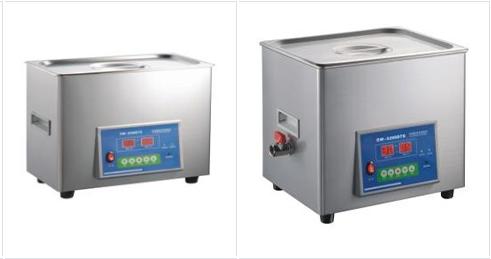
Final Thoughts
Selecting the right liquid for ultrasonic cleaning is more than just a question of convenience; it ends up being essential for getting good results, safeguarding your items, and keeping the system safe. Distilled water, water mixed with detergents, alcohols, and purpose-made industrial solutions all have their benefits, depending on what you are cleaning and how. If you look at material compatibility, the cleaning goals, and the safety rules, then you can push the ultrasonic cleaner to work more efficiently, while also extending the service life of both the cleaning solution and the equipment.
Get Quote Here!
Latest Posts
What Next?
For more information, or to arrange an equipment demonstration, please visit our dedicated Product Homepage or contact one of our Product Managers.


