


Drying technologies play a kinda crucial role across industries like food processing and pharmaceuticals, chemicals and materials science too. Among the most used equipment you’ll run into spray dryers and freeze dryers. Even though both are trying to pull the moisture out of a product, they kinda differ a lot in mechanism, overall cost, the final product quality, and where they fit best in terms of application scope.

Understanding a Spray Dryer
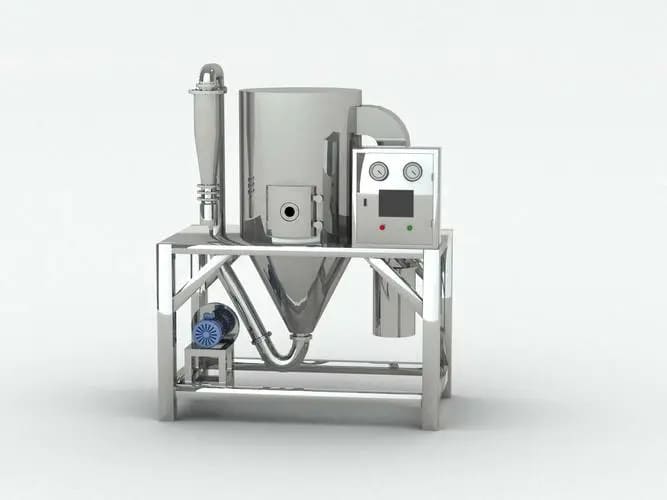
A spray dryer is an industrial drying apparatus that turns liquid feeds like solutions , emulsions, or suspensions into dry powder in one continuous step. It is widely applied in the food, pharmaceutical, and chemical sectors. This method helps rapid transformation of liquids into shelf-ready powders, while physical behavior stays more controlled than you would expect in calmer setups.
How It Works
First the liquid feed is pumped in, and then it gets atomized into tiny droplets, by either a nozzle, or a rotary atomizer. After that, the droplets enter a stream of hot air within the drying chamber. Because the droplets are so small, the water content evaporates very fast , usually within a few seconds. Once the particles are dried, they are separated from the exhaust air, using cyclones or filters, then gathered as finished powder for further handling.
Advantages
- Fast drying process: Spray drying is a very fast process, it removes moisture in just a few seconds , so it is also really efficient when you need large scale production.
- Suitable for heat-sensitive materials: Even though hot air is involved, the quick water evaporation produces a cooling effect around each droplet , this is helpful for heat sensitive substances. Things like enzymes , proteins and pharmaceuticals tend to suffer less thermal stress because the exposure time is short.
- Uniform particle characteristics: The resulting powder tends to show fairly consistent particle features , meaning the particle size spread stays regular and the flow behavior is good. That makes it easier for handling, combining into blends, and reconstitution when you later mix it with liquid.
- Continuous and scalable operation: Also the operation can run in a continuous mode , and it scales without much fuss. You can move from a lab setup to industrial output, and it supports high volume manufacturing just by adjusting the system size and conditions.
- Flexible product control: Flexible product control, like you can tweak parameters such as inlet temperature, feed rate, airflow, and atomization pressure to steer moisture content, particle size, and bulk density in the finished product.
Limitations
- High energy consumption: This route needs a substantial amount of thermal energy to evaporate water fast, so operating costs tend to be relatively high.
- High equipment investment: Spray drying systems include complicated pieces, atomizers, drying chambers, heaters, and recovery systems for instance, so the upfront setup can be quite expensive.
- Limited handling of viscous materials: When the feed is very viscous, it becomes hard to atomize correctly, and that can worsen droplet formation, plus powder quality.
- Wall deposition and fouling issues: Some substances may adhere to the interior walls of the drying chamber, which lowers efficiency and raises the cleaning plus maintenance workload.
- Potential thermal degradation: Even if the exposure time looks brief, reactive compounds can still be diminished if the working temperatures or residence times are not kept with care.
- Product loss in exhaust air: Tiny particles may travel out with the vent stream, so an effective separation arrangement is needed to keep the product yield.
Understanding a Freeze Dryer
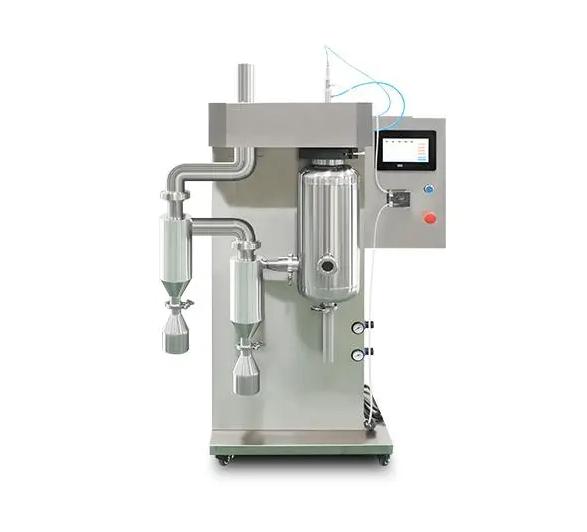
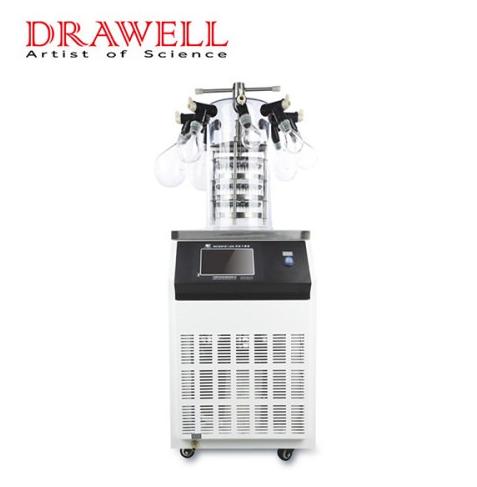
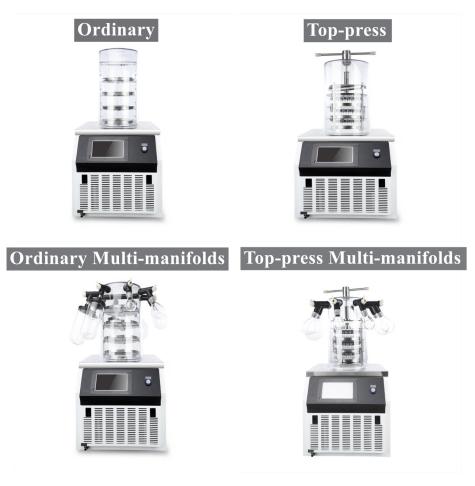
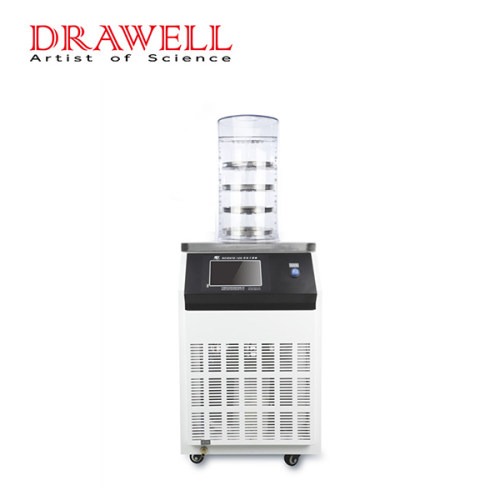
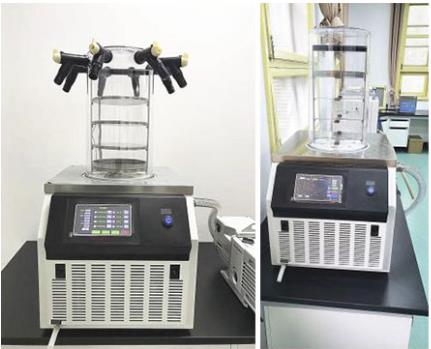
A freeze dryer, also referred to as a lyophilizer, is a dehydration system. It removes water from a product by first freezing the sample, and then sublimating the ice straight into vapor while vacuum conditions are maintained. Unlike conventional drying practices, that tend to depend on heat, freeze drying helps preserve material structure by avoiding liquid water during the drying phase.
How It Works
The working of process of freeze dryers usually starts with freezing, where the product is cooled down to very low temperatures, so that the moisture turns into solid ice. After that comes primary drying, here the pressure is decreased inside a vacuum chamber and the temperature is managed in a strict way so the ice sublimates straight into vapor. Then secondary drying steps in, where a mild warming stage removes any leftovers bound water molecules, and in the end you get a very steady dry product.
Advantages
- Excellent preservation of product quality: Since the whole routine happens at low temperatures, freeze drying helps keep the initial structure, flavor, color, and chemical integrity of delicate materials.
- Ideal for heat-sensitive substances: Biological products like vaccines, enzymes, proteins, and probiotics can be stored without thermal breakdown, and that is why freeze drying is so important in pharmaceuticals and biotechnology.
- Long shelf life: The very low moisture content that gets reached after drying slows microbial growth and chemical changes quite a lot, so the products stay stable for much longer than you would expect.
- High rehydration capability: Freeze-dried items can absorb water again quickly and come back close to their original condition, which matters a lot in food related and pharmaceutical use cases.
- Minimal shrinkage and structural damage: Because the water leaves through sublimation, not evaporation, the material’s physical shape stays largely undisturbed, keeping its porosity and overall morphology.
Limitations
- Very long processing time: Freeze drying tends to run much slower than other drying approaches, and it can easily take many hours, or even days, depending on the product and the load size.
- High energy consumption: Even though the method relies on low temperatures, you still need to keep strong vacuum conditions plus refrigeration systems running, which means a substantial energy demand.
- High equipment and operational cost: Freeze dryers have high equipment and operational costs, because they’re expensive to buy, run, and keep in working order, mainly due to the rather intricate vacuum, refrigeration, and control systems.
- Limited scalability for large volumes: There is also limited scalability for really large volumes. Even though industrial units exist, expanding freeze drying for mass production tends to be harder compared to methods such as spray drying.
- Not suitable for all materials: And freeze drying is not suitable for all materials either, for instance certain products that do not freeze well, or those with elevated sugar and salt content, may struggle to create stable ice frameworks, and that can reduce drying efficiency.
Key Differences Between Spray Dryers and Freeze Dryers
| Aspect | Spray Dryer | Freeze Dryer (Lyophilizer) |
| Basic Principle | Converts liquid into powder by atomizing it into fine droplets and drying with hot air | Freezes material and removes water by sublimation under vacuum |
| Drying Mechanism | Evaporation using hot gas | Sublimation (solid → vapor) under low pressure |
| Processing Temperature | Moderate to high inlet air temperature, but short exposure time | Very low temperature during freezing, mild conditions during drying |
| Processing Time | Very fast (seconds to minutes) | Very slow (hours to days) |
| Product Form | Fine powder with controlled particle size | Porous, lightweight, cake-like or granular structure |
| Moisture Removal Efficiency | Moderate residual moisture possible | Very low residual moisture, excellent drying completeness |
| Product Quality Preservation | Good, but some heat-sensitive compounds may degrade | Excellent preservation of structure, flavor, and bioactivity |
| Suitable Materials | Food powders, detergents, pharmaceuticals, chemicals | Vaccines, proteins, enzymes, high-value biological materials |
| Energy Consumption | High thermal energy demand | High electrical and refrigeration energy demand |
| Equipment Cost | High but generally lower than freeze drying | Very high due to vacuum and refrigeration systems |
| Operating Complexity | Moderate, easier to operate continuously | High, requires precise vacuum and temperature control |
| Scalability | Highly scalable for mass production | Limited scalability for large-scale bulk production |
| Particle Characteristics | Uniform particle size, good flowability | Porous structure, excellent rehydration properties |
| Product Loss Risk | Possible fine powder loss in exhaust air | Minimal product loss |
| Typical Industries | Food processing, dairy, chemicals, pharmaceuticals | Pharmaceuticals, biotechnology, premium foods |
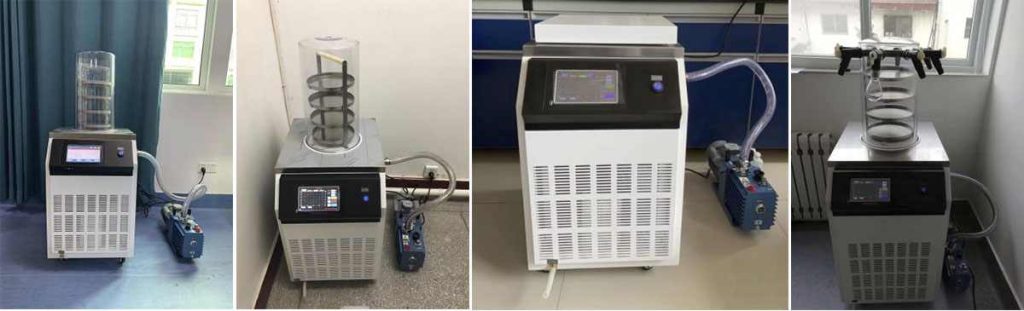
Key Considerations for Choosing Between Spray Dryers and Freeze Dryers
Selecting between a spray dryer and a freeze dryer begins with noticing that they work on different drying principles. The gaps between these two methods affect the final product quality, the overall cost, and what kinds of industrial uses actually fit, so the decision tends to be application-specific not just a straightforward engineering choice.
1. Product Sensitivity and Quality Requirements
A major factor is how touchy the material is with respect to heat, oxidation, and any structural drift. With spray drying, the feed is usually exposed to higher temperatures, even if the contact time is brief, and that can influence fragile biological compounds. Still, for many food ingredients, carrier materials, and industrial chemicals, this thermal exposure is often tolerable and it does not meaningfully reduce function.
Freeze drying is usually picked when you need maximum preservation, like really. It helps keep the original structure biological activity and chemical integrity in place for especially fragile materials, for example vaccines, enzymes, and probiotics. If the item has to come back to a near-native structure after rehydration, then freeze drying is often the preferred option.

2. Production Scale and Throughput Needs
Equipment choice depends a lot on capacity. Spray drying fits continuous high-throughput manufacturing, and it is commonly used in big industrial settings. It also works well when you need steady mass production and a relatively low cost per unit.
Freeze drying works differently, though, it is basically batch based and noticeably slower. Even with industrial freeze dryers, the throughput is still limited compared with spray dryers. Because of that, freeze drying tends to make more sense for high-value but lower-volume products where product quality outweighs speed.
3. Cost Efficiency and Energy Considerations
Economic factors really steer the choice between these two technologies, at least most of the time. Spray drying usually needs a lot of thermal energy, but in practice it can be more cost-effective per unit of product once you run it at scale. The economic benefit is mostly tied to continuous operation, plus the high throughput, meaning more output for the same overall setup.
Freeze drying, on the other hand, needs substantial energy use for refrigeration and also for vacuum maintenance, and processing often takes much longer. That length itself raises operational spending. There is also the equipment investment, which is typically higher as well. Because of this, freeze drying tends to make sense only when the product value is high enough to cover those added costs, and it can still be a tough call.
4. Material Properties and Feed Behavior
The feed’s physical traits matter a lot too, so you can’t treat them as interchangeable. Spray drying performs best with low to medium viscosity liquids that are reasonably easy to atomize into small droplets. If the formulation is highly viscous, or it feels more like tacky paste, you can see issues such as weak atomization, and then material ends up settling on the chamber walls, not where you want it to.
Freeze drying can be more forgiving with complex or even extra viscous formulations, because the material is held frozen before drying actually starts. That said, it depends on the product creating a stable frozen framework, and that may not match every formulation, especially ones with high sugar or salt levels where ice formation behavior gets shifted in practice.
5. Desired Final Product Characteristics
What you want in the finished product is also a major choice point. With spray drying you usually get fine, free-flowing powders, plus a more controlled particle size distribution and handling behavior that feels predictable. Those powders work well for applications like instant beverages, detergents, and dry inhalable drug forms.
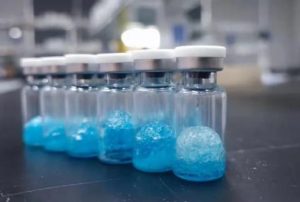
Freeze drying tends to yield porous, airy structures that rehydrate fast, while also holding on to original shape and biological function. That is why it is frequently selected for pharmaceutical products and premium foods, when reconstitution quality matters a lot.
6. Shelf Life and Stability Requirements
Both methods help increase shelf life by cutting down the moisture, still they do it in a different manner, somehow. Spray-dried products usually keep well, particularly when the formulation is handled right with protective carriers in place. Yet a few fragile compounds might still face breakdown during the processing stage, even if everything looks good.
Freeze-dried products often show better durability over time thanks to a very low water content and minimal heat related stress. That’s why they tend to fit long term storage of high-value biological material, when shelf stability really matters.
Summary
- Spray dryers are the preferred choice for large-scale, cost-sensitive production where rapid processing and powder uniformity are important.
- Freeze dryers are reserved for high-value applications where preserving biological activity, structure and maximum product quality is the top priority.
Final Thoughts
Spray dryers and freeze dryers do serve different industrial needs, even if it can feel a little overlapping. A Spray dryer really shines on speed, scalability, and cost effectiveness, so it is great for mass output, faster turnarounds. Meanwhile a freeze dry leans toward quality emphasis, keeping the structure intact and respecting heat-sensitive materials, which makes it a must have for pharmaceuticals and premium food items. Deciding between the two usually comes down to a practical balance of cost, how sensitive the product is, and what the final use demands.
Get Quote Here!
Latest Posts




What Next?
For more information, or to arrange an equipment demonstration, please visit our dedicated Product Homepage or contact one of our Product Managers.


