


Life Science & Clinical Testing
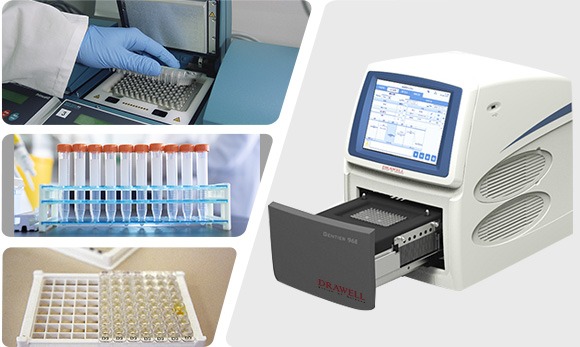
What is the Polymerase Chain Reaction (PCR) Used for?
Polymerase Chain Reaction (PCR) is one of the major molecular biology techniques people use today in science and medicine. It is a lab method that lets researchers crank out millions, or even billions, of copies of a specific DNA sequence starting with only a tiny sample. And because PCR can amplify genetic material so quickly,…

PCR vs. qPCR: How to Choose the Right Technique
Polymerase Chain Reaction (PCR) has become one of the most important molecular biology approaches for amplifying particular DNA stretches. Since its early development, PCR tools have changed a lot, so there are now more advanced options, like quantitative PCR (qPCR), also called real-time PCR. Even though both rely on the same basic idea of DNA…
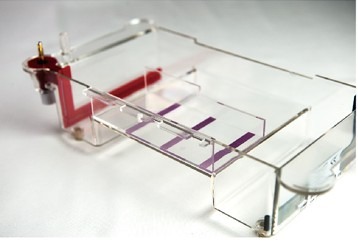
[Updated] Gel Electrophoresis Systems: Mechanisms, Types, and Troubleshooting
Have you ever stared at a blurry, “smiling” gel band at 8:00 PM in the lab, wondering whether it was your buffer, your voltage, or the instrument itself that failed? You are not alone. While a gel electrophoresis system is an absolute staple in modern life science labs, getting flawless, publication-ready results requires a clear…
How Taq Polymerase is Used in PCR
Polymerase Chain Reaction (PCR) is a foundametal technique in molecular biology, letting scientists rapidly amplify certain DNA sequences. A critial part of that success is Taq polymerase, which is a DNA polymerase enzyme that people really like because it can handle high temperatures, and it still efficiently builds DNA. If you look at how Taq…
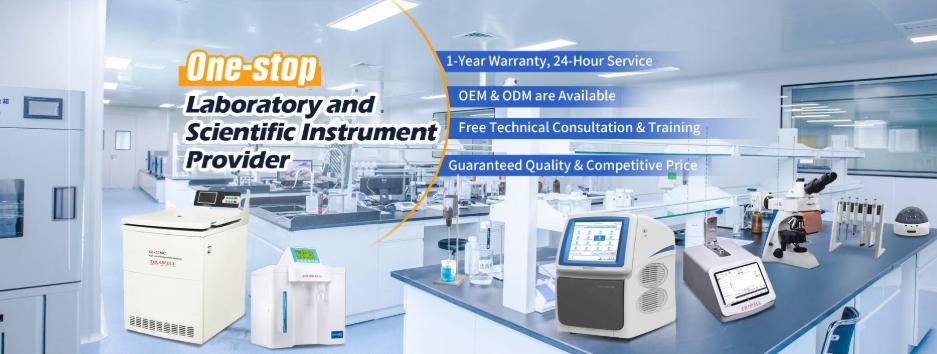
How to Choose the Right High-precision Instrument for Analytical Chemistry Labs
Choosing high-precision instruments really is like a foundational call in modern labs. In analytical chemistry labs, the end quality of results comes down a lot to whether the equipment fits the analytical aims, the kinds of samples, and the regulatory expectations. If you go in with a good selection process, accuracy tends to climb, the…
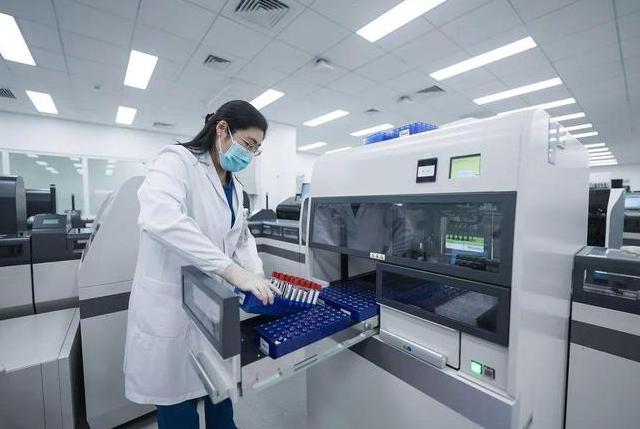
ER vs. ICU vs. Lab: Choosing the Right Electrolyte Testing Equipment
In the ER, a nurse gets a complete blood gas and electrolyte report from a bedside analyzer just two minutes after drawing blood; meanwhile, in the central lab upstairs, a large-scale analyzer is silently and efficiently processing nearly a hundred samples from across the hospital. The demands for electrolyte testing vary dramatically across these clinical…
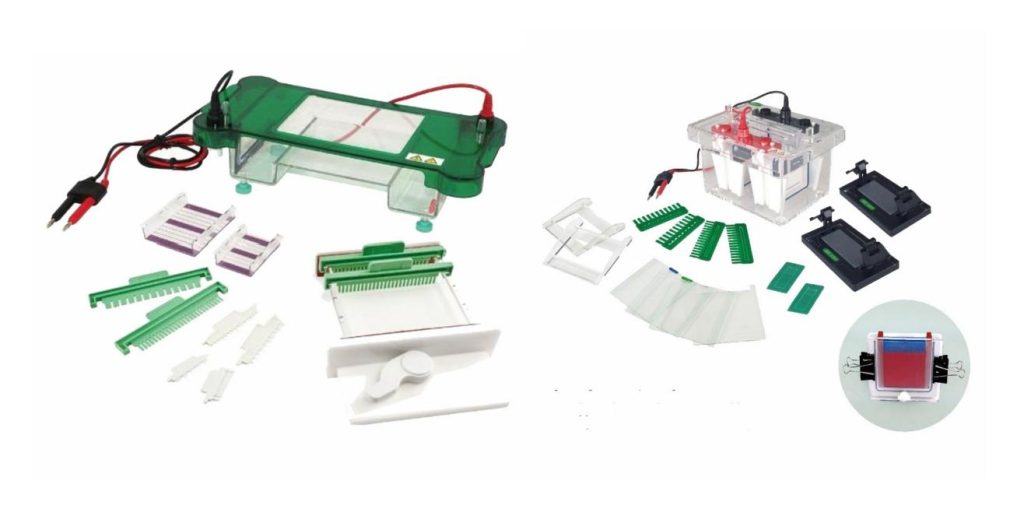
Vertical vs Horizontal Gel Electrophoresis System: Which to Choose
For laboratories in molecular biology, biochemistry, and diagnostics, gel electrophoresis is one of the most routine yet critical analytical techniques. However, deciding between a vertical and horizontal electrophoresis system can be confusing — especially when each appears similar in function but differs greatly in application, cost, and performance. As a professional laboratory equipment supplier, Drawell understands that…
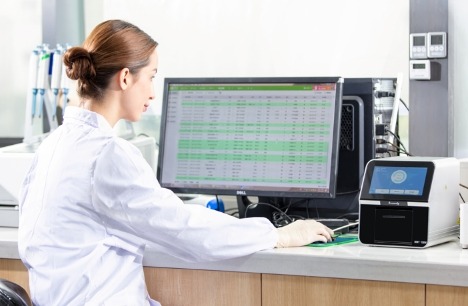
What is Effective Calibration of Biochemistry Analyzers?
In clinical laboratories, the accuracy of diagnostic results hinges on the performance of automated biochemistry analyzerswhich are used to measure concentrations of substances such as glucose, cholesterol, enzymes, and proteins in biological samples. Calibration is a critical process that ensures these analyzers provide precise and reliable data, which is essential for accurate diagnosis, treatment planning,…
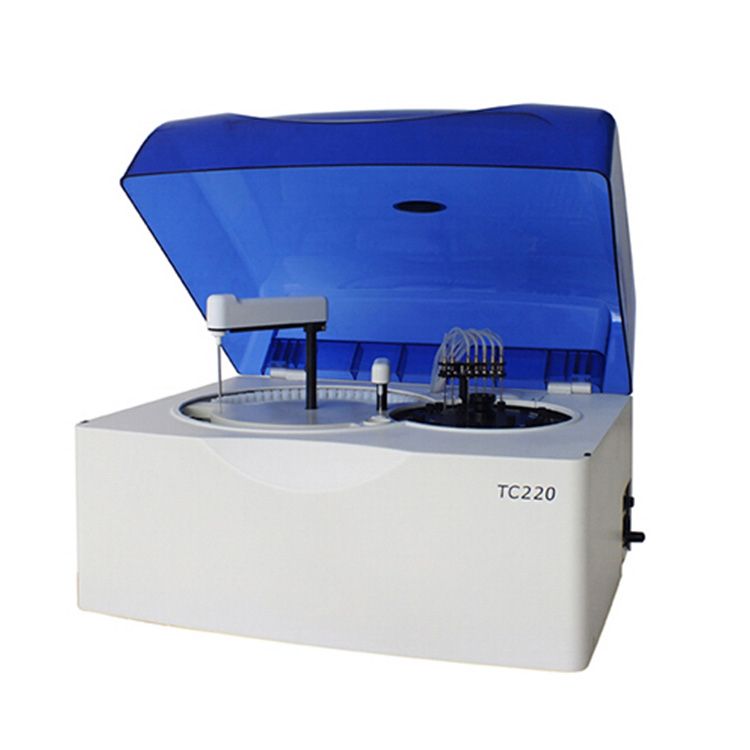
Selecting the Right Model of Biochemistry Analyzer for Specific Laboratory Needs
Biochemistry analyzers are widely applied in clinical diagnostics, research, and industrial applications by measuring biological samples. With various models available on the market, selecting the right biochemistry analyzer for your laboratory requires careful evaluation of various factors, including throughput, automation, reagent compatibility, and overall performance. This article delves into the key features and applications in different types of biochemistry analyzers and provides…
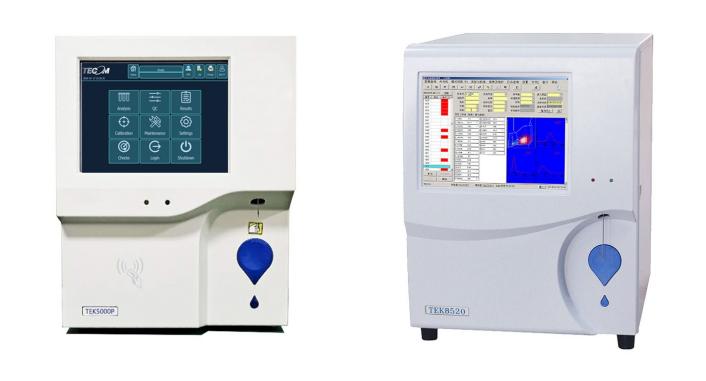
Comparing 3 Types of Auto Hematology Analyzers: How to Choose the Right Type
Auto hematology analyzers are used to perform automated analysis of blood samples for a wide range of diagnostic purposes. These machines provide critical information on various blood components, including red blood cells (RBCs), white blood cells (WBCs), platelets, and other essential parameters like hemoglobin concentration, hematocrit, and cell morphology. With numerous models available, choosing the right…
Browse by category:


