


Polymerase Chain Reaction (PCR) is a foundametal technique in molecular biology, letting scientists rapidly amplify certain DNA sequences. A critial part of that success is Taq polymerase, which is a DNA polymerase enzyme that people really like because it can handle high temperatures, and it still efficiently builds DNA. If you look at how Taq polymerase gets used in PCR, you can see why it stays one of the most common enzymes in in laboratories around the world.

What is Taq Polymerase
Taq polymerase is a thermostable enzyme that was originally isolated from the thermophilic bacterium Thermus aquaticus. This bacterium lives in hot spring environments, so it is already adapted to heat. Most DNA polymerases break down when temperatures climb, but Taq polymerase keeps its structure and activity even after repeated exposure to those high heat phases that PCR needs. And that thermal stability matters, because PCR cycles repeatedly heat up DNA to split the strands then cool down again so primers can bind.

Role of Taq Polymerase in PCR
PCR generally includes three main steps, denaturation, annealing, and extension. Taq polymerase is mainly used during the extension step , where it makes the new DNA strands. It does that by adding nucleotides to the primers that are already sitting on the DNA template. Since the denaturation step uses very high temperatures (about 94–98°C), Taq polymerase’s heat resistance helps it keep working through many cycles. That is what allows PCR to produce millions of copies of a DNA fragment, in just a few hours, even though the reaction is running through repeated heating and cooling.
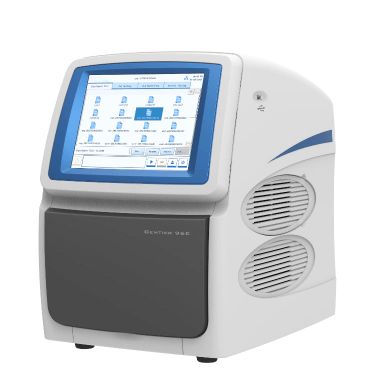
Why Taq Polymerase is Used in PCR
Taq polymerase gets used for PCR because it ended up being the usual enzyme for routine polymerase chain reactions thanks toits unique properties and reliable performance under high-temperature conditions..
High-Temperature Stability
In PCR there are repeated rounds of heating and cooling, and during the denaturation phase the double stranded DNA is warmed to roughly 94-98°C to get the two strands apart. Most regular DNA polymerases cannot handle that level of heat, they tend to break down permanently and lose enzymatic activity.
Taq polymerase, in contrast, can endure those higher temperatures without shutting down. Because of that thermal stability it keeps working effectively across many PCR cycles, so there is no real need to keep adding fresh enzyme after every single heating step. This feature made automated PCR practical, and it improved lab efficiency, quite noticeably.
Efficient DNA Amplification
Another reason Taq polymerase is used a lot in PCR is that it can rapidly synthesize DNA. After the primers manage to bind to the target DNA during the annealing stage, Taq polymerase extends them, and builds complementary DNA strands in the extension step.
Because this DNA construction is efficient, PCR can produce millions of copies of a chosen DNA fragment in a fairly brief window. That fast multiplication ability gives Taq polymerase good support for many different lab routines, ranging from research activities all the way to clinical testing.
Compatibility with Automated PCR Systems
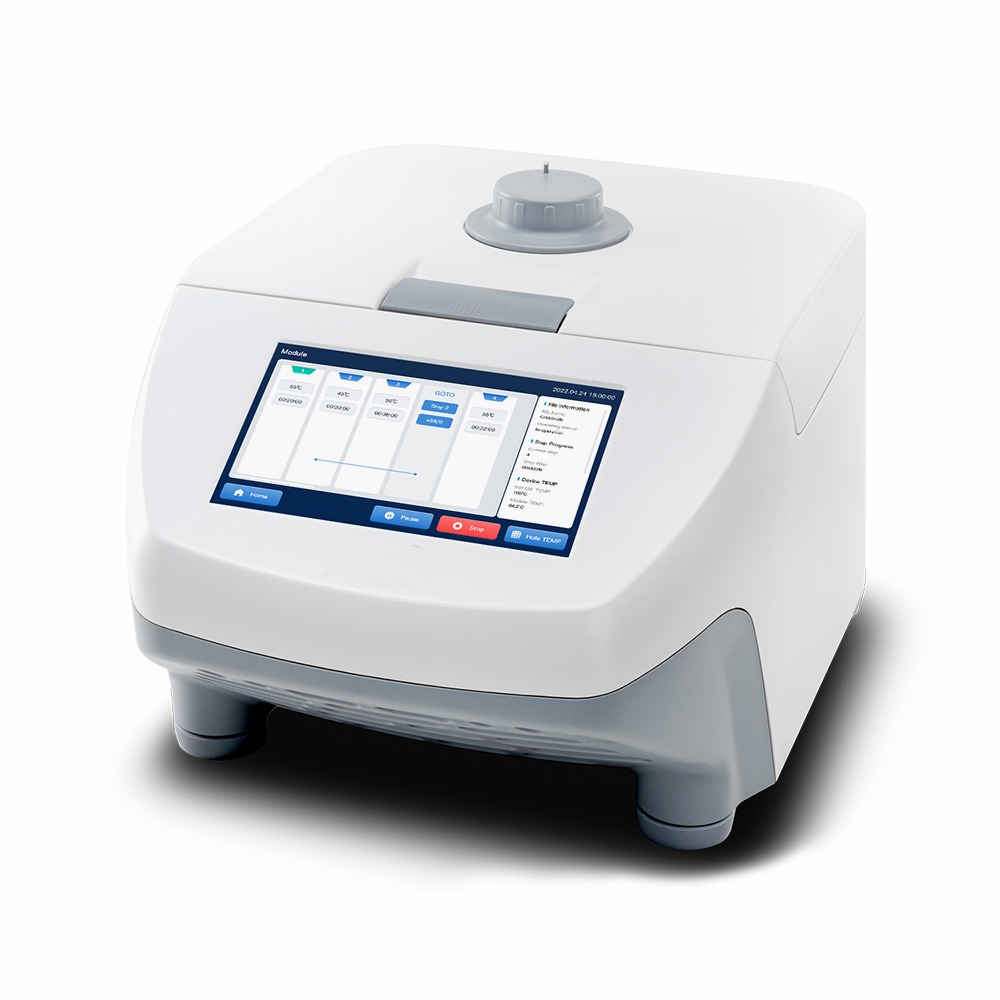
Modern PCR depends on automated thermal cyclers that repeatedly shift temperatures in line with programmed cycles. Taq polymerase works well here, since it keeps its stability even when temperature changes keep happening continuously.
Before the discovery of Taq polymerase, scientists had to manually add fresh DNA polymerase after each denaturation step because the usual enzymes were destroyed by heat, it was a bit of a tedious routine. When Taq polymerase showed up, PCR procedures became easier and it also helped in building fully automated amplification setups that lots of people use nowadays.
Cost-Effective for Routine Applications
Taq polymerase gets chosen a lot because it is relatively affordable next to many specialized high-fidelity polymerases. That lower cost makes it a practical choice for everyday PCR tasks, classroom labs, diagnostic screening and large scale testing efforts.
In many use cases where ultra precise results aren’t necessary, Taq polymerase gives a good equilibrium between performance, speed , and affordability.
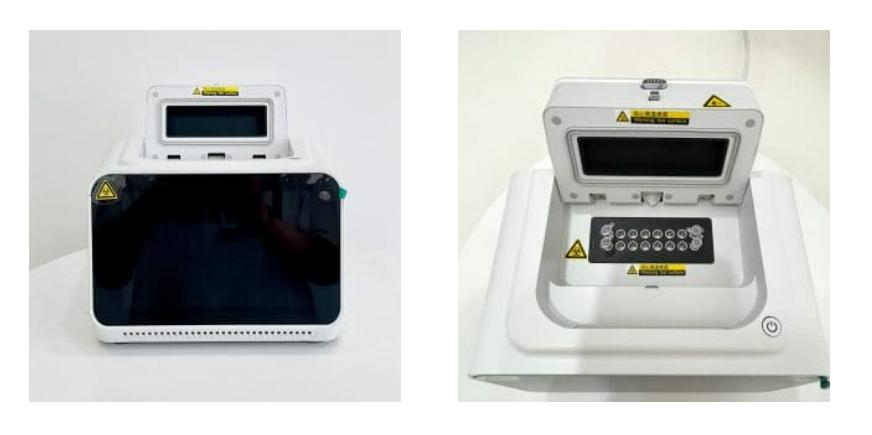
Applications across Multiple PCR Techniques of Taq Polymerase
Taq polymerase can be used in a broad range of PCR methods.
| PCR Technique | Role of Taq Polymerase | Typical Applications | Key Advantages |
| Standard PCR | Amplifies specific DNA fragments through thermal cycling | Gene amplification, cloning, DNA analysis | Reliable, cost-effective, easy to perform |
| Colony PCR | Amplifies DNA directly from bacterial colonies | Screening transformed colonies in cloning experiments | Saves time by avoiding DNA extraction |
| Multiplex PCR | Simultaneously amplifies multiple DNA targets in one reaction | Pathogen detection, genetic testing, forensic analysis | Increases efficiency and reduces reagent use |
| Reverse Transcription PCR (RT-PCR) | Amplifies complementary DNA (cDNA) generated from RNA templates | Viral RNA detection, gene expression studies | Enables RNA analysis through DNA amplification |
| Quantitative PCR (qPCR) | Supports real-time DNA amplification and detection | Clinical diagnostics, microbial quantification | Provides rapid and quantitative results |
| Hot-Start PCR | Uses modified Taq polymerase activated at high temperatures | High-specificity DNA amplification | Reduces non-specific amplification and primer dimers |
| Touchdown PCR | Works under gradually decreasing annealing temperatures | Amplification of difficult or low-abundance targets | Improves specificity and amplification success |
| Nested PCR | Amplifies DNA using two successive PCR reactions | Detection of low-copy or contaminated samples | Enhances sensitivity and specificity |
| Long-Range PCR | Amplifies larger DNA fragments with specialized formulations | Genomic studies, structural DNA analysis | Supports amplification of long DNA sequences |
| Fast PCR | Enables rapid DNA amplification with optimized cycling conditions | High-throughput diagnostics and research | Reduces overall PCR processing time |
| Allele-Specific PCR | Selectively amplifies DNA variants or mutations | SNP detection, mutation analysis | High specificity for genetic variation studies |
| Colony Screening PCR | Identifies recombinant plasmids in colonies | Molecular cloning workflows | Rapid screening of successful clones |
| Diagnostic PCR | Detects pathogen-specific DNA or RNA sequences | Medical diagnostics, infectious disease testing | High sensitivity and rapid detection |
| Forensic PCR | Amplifies trace or degraded DNA samples | DNA fingerprinting, criminal investigations | Effective for low-concentration DNA samples |
| Environmental PCR | Detects microorganisms and contaminants in environmental samples | Water testing, soil analysis, food safety | Sensitive microbial detection in complex samples |

Key Factors to Consider for Choosing the Right Taq Polymerase Used in PCR
Although standard Taq polymerase is used a lot for routine DNA amplification, there are now many specialized variants available, to match different experimental needs. Picking the proper Taq polymerase depends on several factors, including replication accuracy, target length, how fast the cycling runs, how mixed or complex the starting sample is, and the actual application type
1. Fidelity in PCR Applications
One of the first things to think about, when selecting a Taq polymerase, is fidelity. Fidelity is basically the replication correctness, so how accurately DNA gets copied. Regular Taq polymerase does not have a proofreading function. That means it cannot fix errors introduced during DNA synthesis, and because of that there tends to be a higher mistake frequency.
For routine PCR tasks like colony screening or straightforward DNA detection, standard Taq polymerase is usually enough, in many cases it works fine. But when the goal shifts toward DNA sequencing, cloning , mutagenesis, or gene synthesis, labs often lean toward higher fidelity polymerases, because they make it less likely to slip in mutations during amplification.
People should take a moment to judge how accuracy sensitive the experiment is, before they settle on a polymerase, otherwise things get annoying later.
2. Target DNA Length and Amplification Capability
The length of the DNA, meaning what fragment is being copied, is another big consideration. With standard Taq polymerase you can generally expect strong performance for shorter to mid sized fragments, often up to a few kilobases. Still, when the target is very long, the amplification performance drops.
For long-range PCR uses, people usually reach for specialized long-range Taq polymerase blends, or engineered enzymes, because they tend to have better processivity and stability. these mixes are meant to stretch out amplification for bigger DNA pieces, with improved work rate and less frequent failures.
Picking an enzyme that actually fits the target fragment size helps your PCR land more reliable results and better product quality.
3. Specificity and Non-Specific Amplification Control
PCR specificity matters a lot if you want clean and accurate amplification products. in some setups, plain Taq polymerase can still produce non-specific products, often because primers bind where they should not, or because enzyme activity starts too early during reaction prep.
Hot-start Taq polymerase is designed to reduce that risk. it stays inactive at room temperature, then switches on only after the first heating step. this design limits non-specific amplification and helps keep primer-dimer formation under control.
For applications that use intricate templates, low-abundance targets, or multiplex PCR, hot-start polymerases are often preferred, because they enhance reaction precision and they curb nonspecific amplification.
4. Amplification Speed and Workflow Efficiency
In high-throughput labs and in work that must be done under tight deadlines, amplification speed becomes a big factor. Fast PCR polymerases are engineered to trim extension times, so the overall thermal cycling run ends sooner.
These enzymes are especially helpful in clinical diagnostics, screening efforts, and research pipelines that need quick turnaround. Even so, faster amplification settings can occasionally demand extra refinement in order to hold amplification quality, and also specificity.
You have to balance velocity with performance when you choose polymerases for rapid PCR workflows.
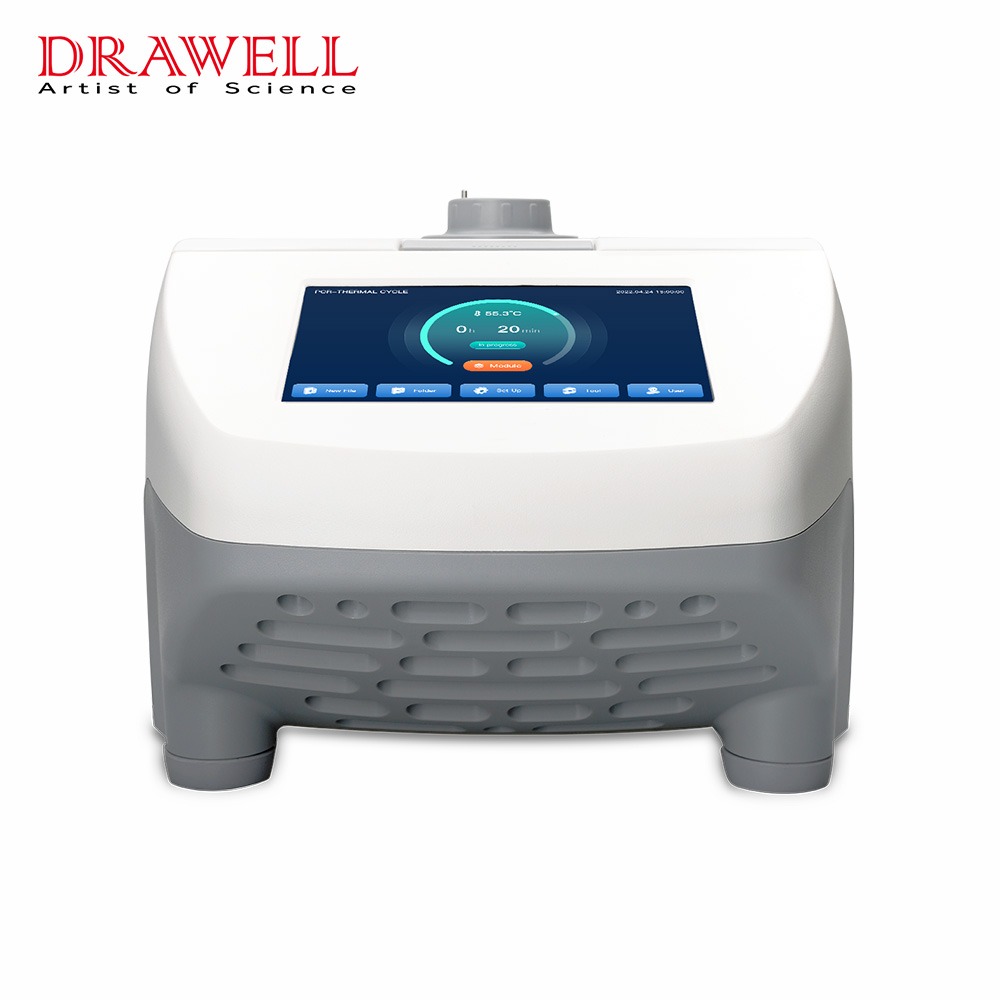
5. Sample Quality and Template Complexity
The quality and the overall composition of a DNA template can heavily affect which polymerase is picked. For some samples there are inhibitors, like salts, proteins , phenol or other residues, and they can interfere with enzyme activity in a not so friendly way.
In practice, environmental, forensic, food, and clinical samples are often more complex than the polished DNA preparations we get in a lab. Because of that, certain Taq polymerases are built to endure inhibitors and keep reliable performance when conditions get tricky.
Also templates with elevated GC content, or those that form stubborn secondary structures may need polymerases meant for hard amplification targets. In those cases, specialized GC-rich PCR enzymes or reaction buffers that are carefully tuned can boost the amplification efficiency.

6. Reaction Sensitivity and Yield Requirements
Some PCR workflows are run with extremely low DNA quantities, or they focus on rare target sequences. Then high sensitivity and vigorous amplification ability become essential, not optional.
Some Taq polymerases are made to deliver enhanced sensitivity, meaning they can work when the starting material is almost nothing, and still you get amplification. Likewise, high-yield polymerases can push out larger quantities of amplified DNA, which is useful later on, for example cloning, sequencing, or running it on an electrophoresis gel.
Choosing an enzyme that matches the right sensitivity level together with the desired output amount tends to help your PCR perform better overall.
7. Cost and Laboratory Budget Considerations
Cost is yet another real-world aspect to weigh up when picking Taq polymerase. Regular Taq polymerase is usually relatively inexpensive, and it generally fits routine lab workflows. Still, specialized formulations, even if they come with higher fidelity, hot start capability, or inhibitor resistance, are often priced much higher.
Laboratories have to sort of juggle performance expectations with what the budget allows. For everyday learning or quick screening type assays , standard Taq polymerase often ends up being enough and that usually keeps costs lower. If the work gets more ambitious though, then the premium polymerase formulations can feel like a real investment.
Taking time to examine experimental priorities helps labs squeeze better results while also watching expenses.
8. Storage Stability and Ease of Use
Modern Taq polymerase formulations are sold in multiple shapes, including master mixes, lyophilized reagents, and pre-mixed ready solutions. The ease of setup and how well the enzyme tolerates storage can affect daily lab flow more than people assume.
Ready-to-use master mixes make it easier to build reactions, cut down on pipetting mistakes , and support better reproducibility. When formulations are stable, they also help limit enzyme degradation during shipping and over time in storage.
Choosing practical polymerase systems can make things smoother and reduce technical variance in PCR experiments.
Challenges of Using Taq Polymerase in PCR
The following chart provides different challenges in using Taq Polymerase, including the impacts and potential solutions
| Challenge | Description | Impact on PCR | Potential Solutions |
| Lower Fidelity | Taq polymerase lacks 3’→5’ proofreading activity | Higher error rate in amplified DNA | Use high-fidelity polymerases for applications requiring accuracy |
| Limited Amplification of Long Fragments | Less efficient for very large DNA sequences | Difficulty amplifying fragments >5 kb | Use long-range PCR enzymes or specialized formulations |
| Non-Specific Amplification | Can bind to partially complementary sequences | Production of unwanted PCR products | Optimize primer design, annealing temperature, and use hot-start Taq |
| 3’ Adenine Overhangs | Taq adds an extra adenine to the 3’ ends of PCR products | May affect blunt-end cloning | Use proofreading polymerases or design cloning strategies to accommodate overhangs |
| Sensitivity to Inhibitors | Presence of contaminants like salts, proteins, or phenol can reduce activity | Reduced amplification efficiency | Purify template DNA thoroughly or use inhibitor-tolerant Taq variants |
| Inefficient Amplification of GC-Rich Regions | High GC content can form stable secondary structures | Poor amplification of GC-rich sequences | Add additives like DMSO or betaine, adjust annealing temperature |
| Reduced Performance in Complex Templates | Templates with secondary structures or repetitive sequences may impede activity | Inconsistent amplification results | Optimize cycling conditions, use enhancer additives, or alternative polymerases |
| Temperature Sensitivity during Setup | Premature extension at room temperature can occur | Non-specific primer extension | Use hot-start Taq polymerase activated at high temperature |

Final Thoughts
The use of Taq polymerase in PCR has really shifted molecular biology, because it makes DNA amplification efficient, reliable, and easier for laboratories to manage. Its thermal stability, fast DNA synthesis, reasonable cost, and smooth compatibility with automated systems have made it indispensable across research, clinical diagnostics, forensic science, agriculture, and environmental testing. Even with a few challenges like fidelity issues and weaker long fragment amplification, Taq polymerase stays a key enzyme in PCR. It supports many scientific advancements and also day-to-day practical uses.
Get Quote Here!
Latest Posts


What Next?
For more information, or to arrange an equipment demonstration, please visit our dedicated Product Homepage or contact one of our Product Managers.


