


Life Science & Clinical Testing
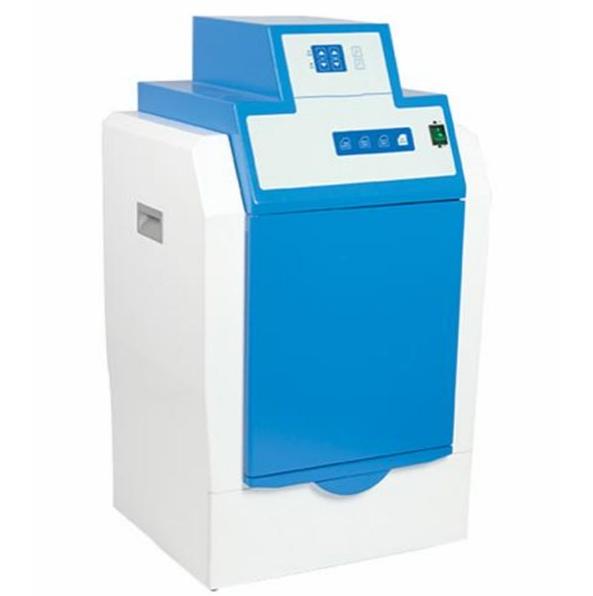
What are the 10 Applications of Gel Documentation Systems in Life Sciences
In the realm of life sciences, where the mysteries of biology and genetics are unlocked, precision and accuracy are paramount. Researchers and scientists depend on a multitude of tools to investigate and understand the complexities of life at the molecular level. Among these tools, the Gel Documentation System stands as a silent sentinel, capturing and preserving…
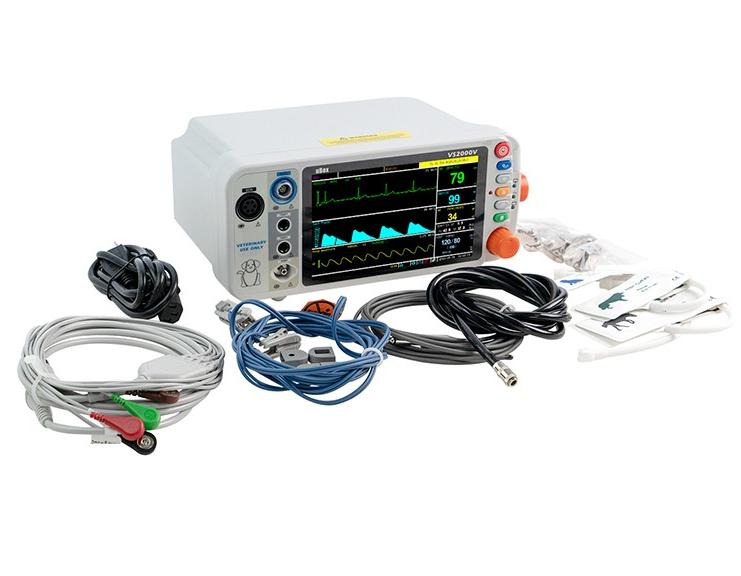
How Veterinary Patient Monitors Are Revolutionizing Pet Care
In the realm of modern veterinary medicine, technology is advancing at an unprecedented pace. One of the groundbreaking innovations that have significantly transformed pet care is the Veterinary Patient Monitor. These high-tech devices are revolutionizing the way veterinarians monitor and care for our furry companions, ensuring their well-being and enhancing the quality of care they…
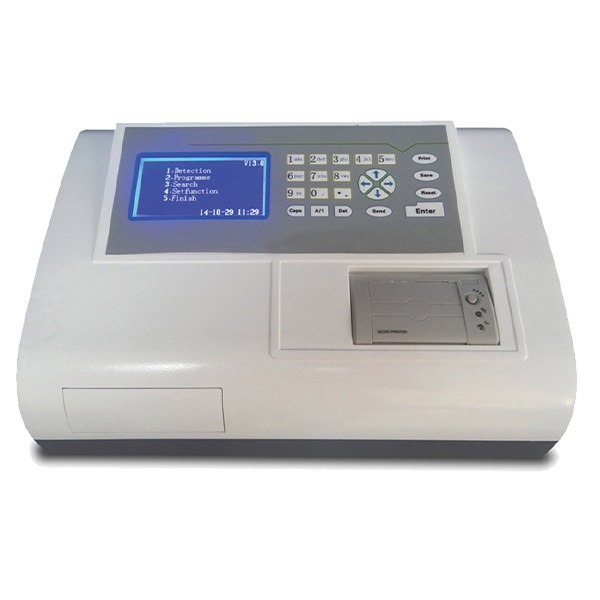
Microplate Reader vs Spectrophotometer: Which One to Choose
In the realm of laboratory instrumentation, microplate reader vs spectrophotometer, which one would you like to select? The choice between a microplate reader and a spectrophotometer can significantly impact the efficiency and accuracy of your experiments. These devices share similarities, particularly in their ability to measure the absorbance of samples. However, they are designed with…
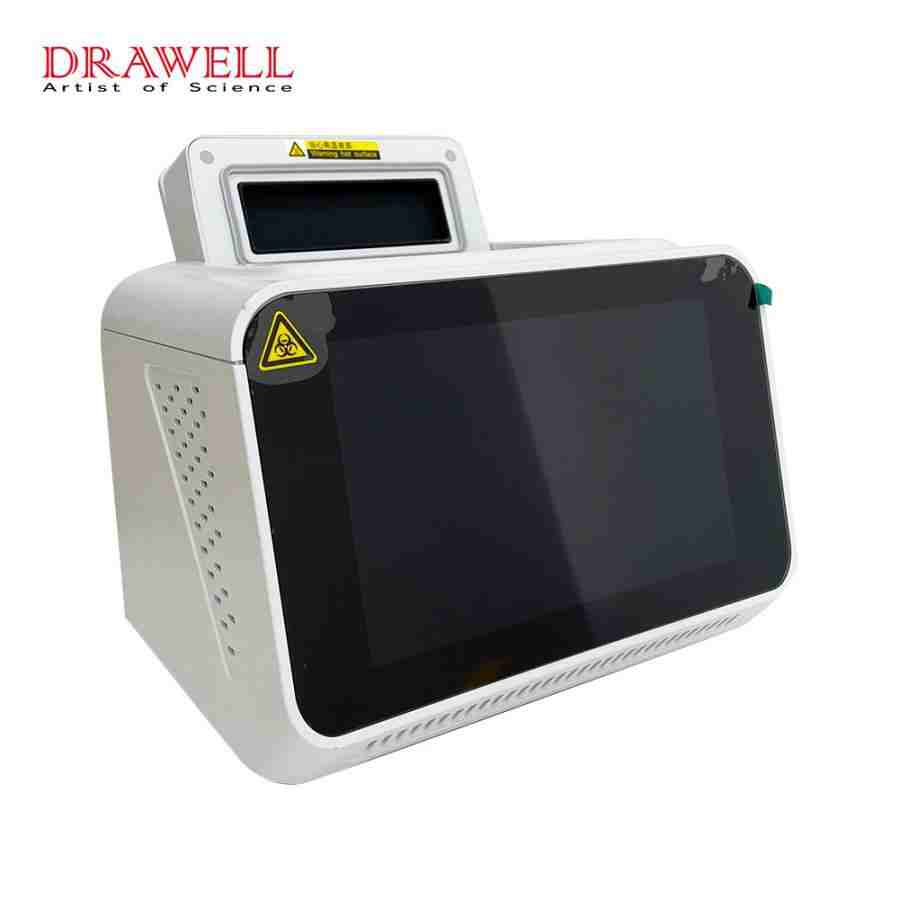
How Does PCR (Polymerase Chain Reaction) Work?
Polymerase Chain Reaction (PCR) is a molecular biology technique that has revolutionized genetics and biotechnology. It enables researchers to amplify specific portions of DNA, allowing for a variety of applications ranging from genetic testing and forensics to illness diagnosis and DNA sequencing. In this article, we will explore how does PCR work. Basic Working Principle of PCR Polymerase…
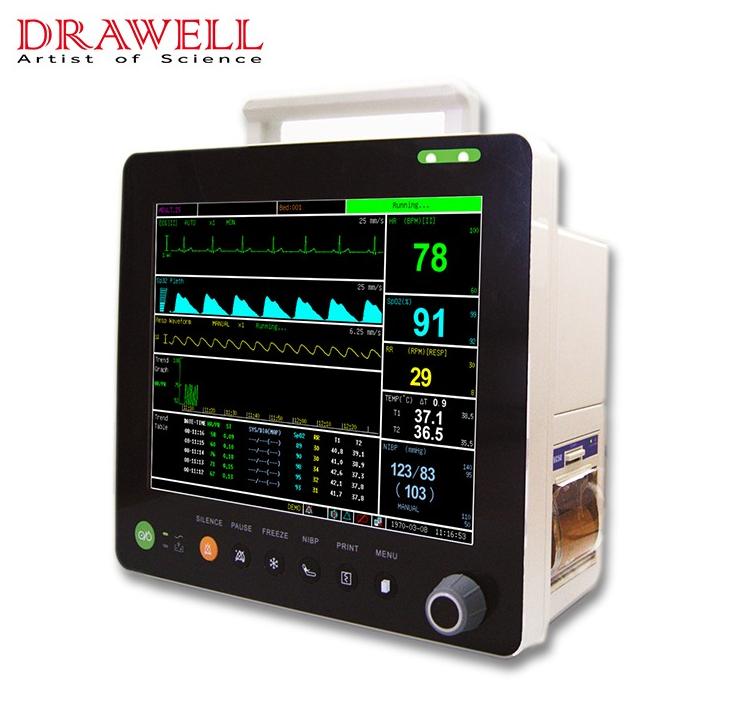
Patient Monitor: How to Read and How to Deal With the Common Alarms
Patient monitoring is an essential aspect of clinical care that involves the continuous measurement and recording of various physiological parameters to assess a patient’s health status. However, interpreting patient monitor readings can be challenging, especially for healthcare professionals who are new to patient monitoring or are not familiar with the specific parameters being monitored. So…
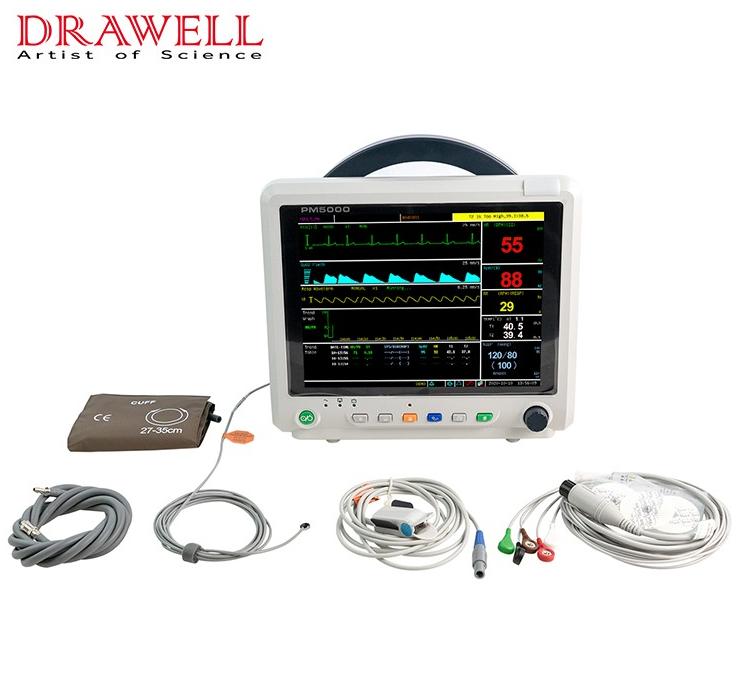
Why Choosing Patient Monitors Help with Early Detection of Medical Condition
Patient monitors can help with the early detection of medical conditions by continuously monitoring a patient’s vital signs and other physiological parameters. By providing real-time, accurate data, patient monitors can alert healthcare professionals to changes in a patient’s condition that may indicate the onset of a medical condition. Here are some ways patient monitors can help…
6 Factors Affecting Choosing Microplate Reader
The primary function of various types of microplate readers is colorimetric determination. The differences are in the determination wavelength range, absorbance range, detection speed, shock plate function, temperature control, quantitative determination software function, and other aspects, which are critical factors for choosing a microplate reader. 1. Determination of Wavelength for Choosing Microplate Reader Generally, the…
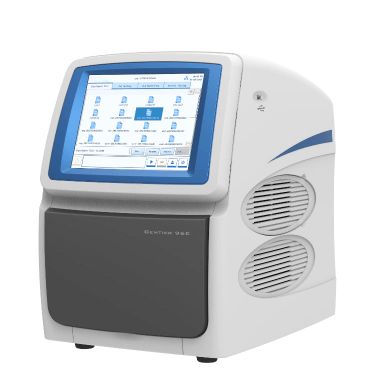
PCR: The Ultimate Forensic Tool for Identifying Criminals
PCR (polymerase chain reaction) technology is widely used in molecular biology to amplify specific regions of DNA for analysis. One area where PCR has had a significant impact in forensic science is where it is used to identify individuals and match DNA evidence from crime scenes. In this article, we will explore the advantages, limitations, and applications…
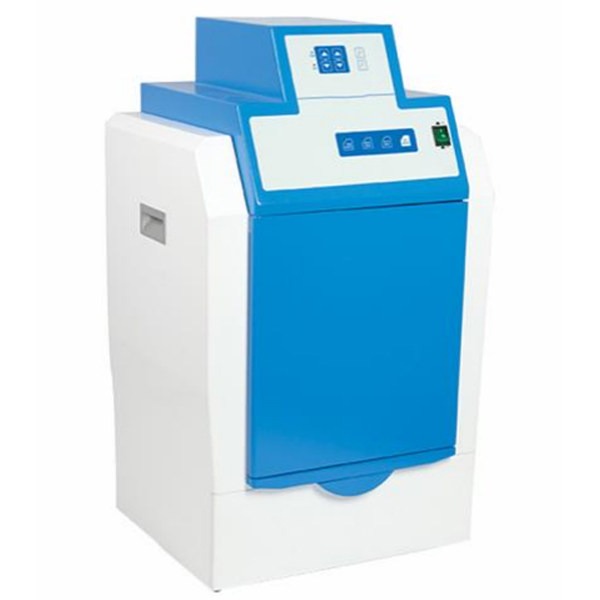
3 Useful Tips for Gel Documentation System
Gel imaging refers to the detection and analysis of DNA/RNA/protein and other gel electrophoresis with different stainings, such as EB, coomassie brilliant blue, silver staining, SYBRGreen, microcellular plate, plate and other non-chemiluminescence imaging. The gel documentation system can be used in conventional bioengineering research such as molecular weight calculation, density scanning, density quantification, PCR quantification, etc. Classification…
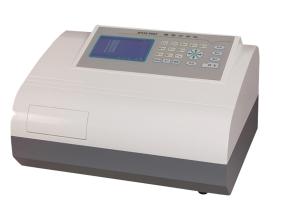
How to Maintain a Microplate Reader?
The microplate reader can provide a variety of different modes of detection for experiments based on microplates. Generally, microplate readers can provide at least three different detection modes that are absorbed light, fluorescence, and luminescence. You always hope that your microplate reader can be used for a long time, so how to increase its service…
Browse by category:


