


Homogenizers, Mixers & Sample Preparation
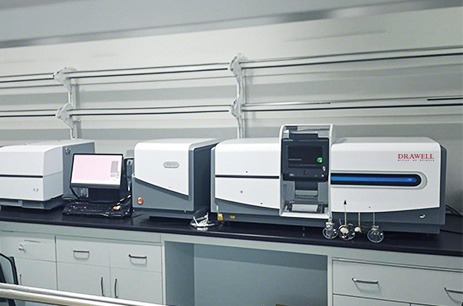
Why Is Digestion Needed for AAS Sample Preparation? A Practical Guide
If you ever get unexpected results from your AAS analysis and don’t know why, the first place to investigate is often sample preparation. Much of the problem can come down to one often-overlooked step: digestion. The instrument is only part of the process; getting the sample into a suitable form for analysis is just as…
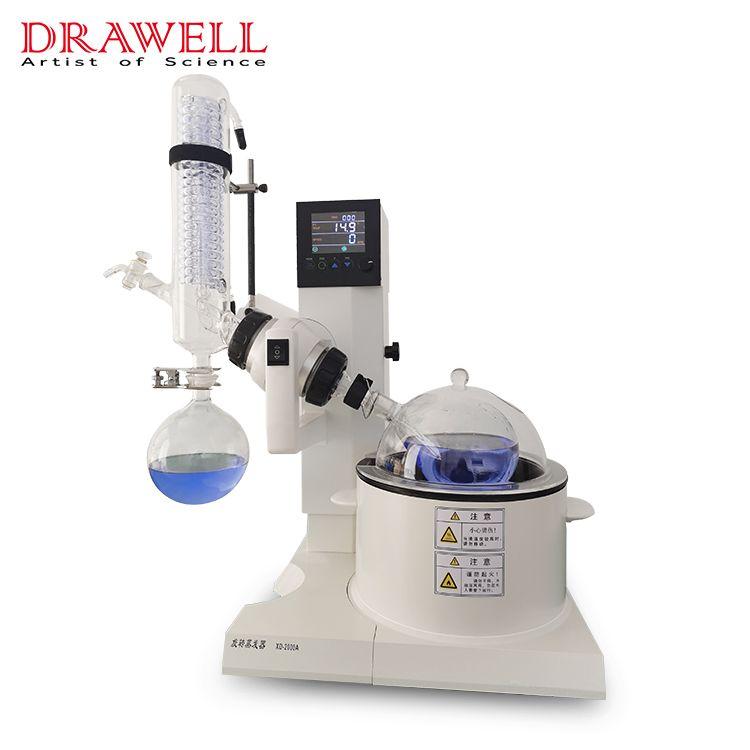
Why Is Your Rotary Evaporator Running Slower Than Before? 5 Common Causes
You set everything up exactly as usual, but an hour later the flask is still half full. If this rings a bell, you’re not the only one. Slow evaporation is one of the most common problems that a lab user faces with a rotary evaporator. The frustrating part is that it is seldom triggered by…
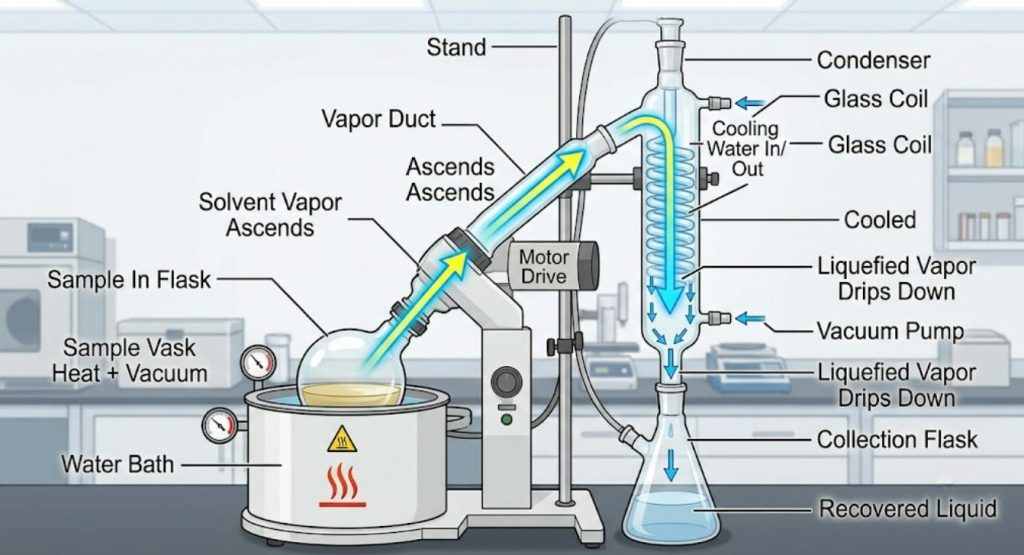
How Does a Rotary Evaporator Work? (Principle, Steps & Setup Guide)
If you work in an organic chemistry lab, a pharma R&D facility, or a botanical extraction plant, chances are you use a rotary evaporator almost every single day. It’s the undisputed workhorse for solvent recovery and sample concentration. However, running a rotovap and getting the absolute most out of it are two different things. We’ve…
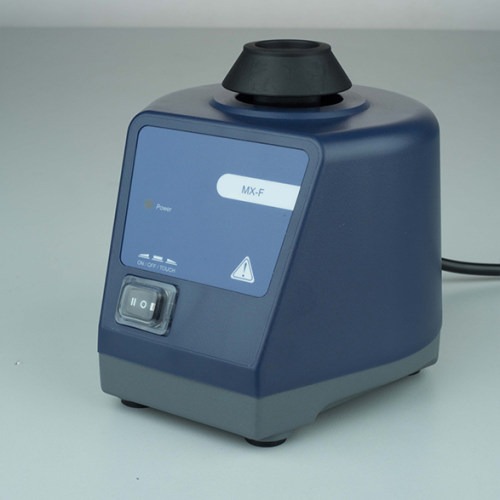
Vortex Mixers: Types, Applications and How to Operate
A vortex mixer is a compact but also really powerful laboratory device meant to rapidly mix small liquid samples inside test tubes, vials, or even microplates. It basically makes a controlled circular motion, so the liquid ends up building a whirlpool-type vortex, and that helps everything mix quickly and evenly. It’s used a lot across…
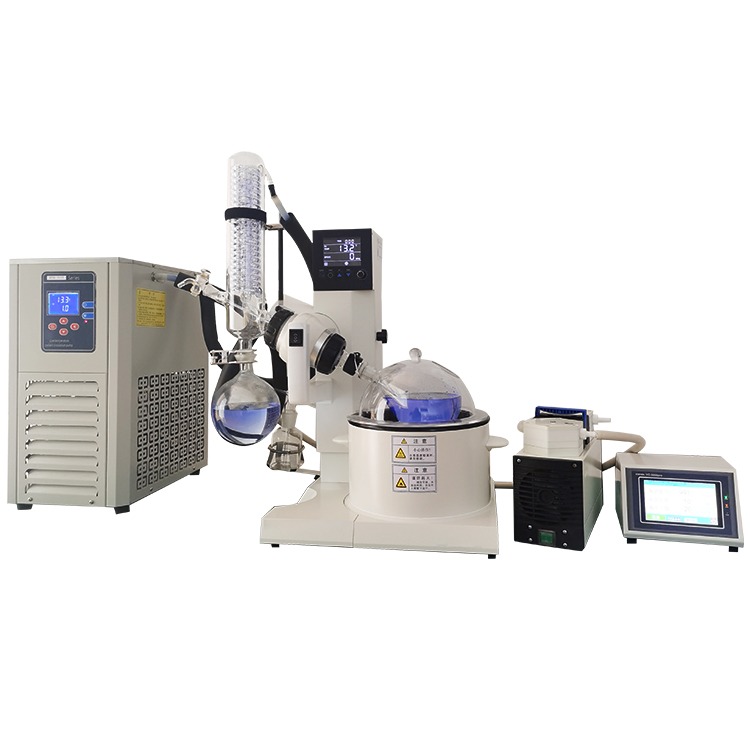
Understanding a Rotary Evaporator: 4 Key Points You Need to Know
The rotary evaporator, often called a rotovap, is an important lab apparatus in chemistry, pharmaceuticals and chemical engineering. Mostly, it helps with the fast but careful removal of solvents from samples, using evaporation while the pressure stays lower than normal. With rotation, a vacuum environment, and controlled heating working together, researchers can thicken solutions or…
How to Choose the Right High-precision Instrument for Analytical Chemistry Labs
Choosing high-precision instruments really is like a foundational call in modern labs. In analytical chemistry labs, the end quality of results comes down a lot to whether the equipment fits the analytical aims, the kinds of samples, and the regulatory expectations. If you go in with a good selection process, accuracy tends to climb, the…

Probe vs. Bath Ultrasonic Homogenizers: Which System to Choose
Laboratories and industrial facilities use ultrasonic homogenizers to achieve particle size reduction, create emulsions, disrupt cells, produce dispersions, perform extractions and prepare samples. The systems generate high-frequency sound waves to produce cavitation bubbles in liquids which create violent bubbles that release strong energy at specific locations. The most widely used ultrasonic homogenization systems include probe and…

How to Choose the Right Solvent Removal Techniques for Your Laboratories
The process of removing solvents from samples takes on essential importance within laboratory work because it supports three different procedural needs which include sample preparation and chemical reaction work and purification activities. The right solvent removal techniques needs to be selected because this choice guarantees safe and efficient solvent extraction while maintaining sample quality. The laboratory…

How Pressure Affects Homogenization Efficiency and Particle Size Reduction?
Pressure is the heart of every high pressure homogenizer. Whether you are producing nanoemulsions for pharmaceuticals, dispersing pigments for cosmetics, processing dairy beverages, or breaking microbial cells for biotechnology research, the level of pressure applied during homogenization determines how efficiently particles are reduced, how stable your formulation becomes, and how successful your scale-up will be….
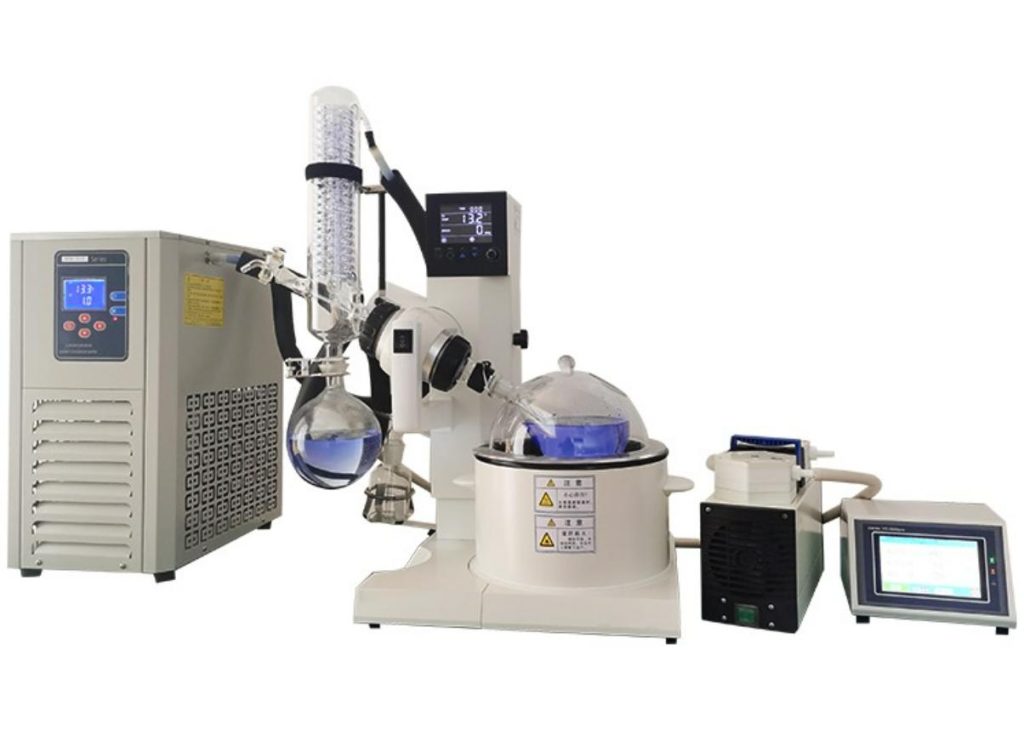
How to Choose the Right Rotary Evaporator for Laboratory Applications
In laboratory environments, rotary evaporators are integral instruments that allow for the methodical removal of solvents using controlled methodologies. They are used for numerous tasks, including chemical reactions, synthetic extractions, the purification of target compounds, and concentrating solutions. Yet, the complexity of the decision-making process for the right rotary evaporator can be influenced by a various factors, including the…
Browse by category:


