


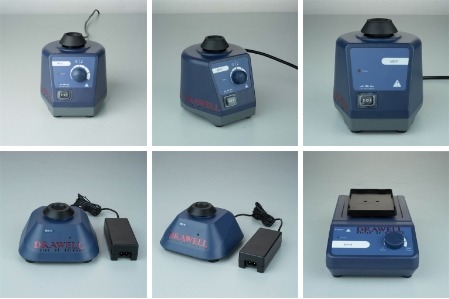
Vortex mixers are crucial instruments used in laboratories to small volumes of liquids quickly and efficiently. They are frequently used in molecular biology, biochemistry and clinical laboratories. One of the primary characteristics for vortex mixers is their capability to switch between touch mode and continuous operation mode. Knowing the differences between touch and continuous modes in vortex mixers can have a significant impact on laboratory efficiency, sample integrity and experimental outcomes.
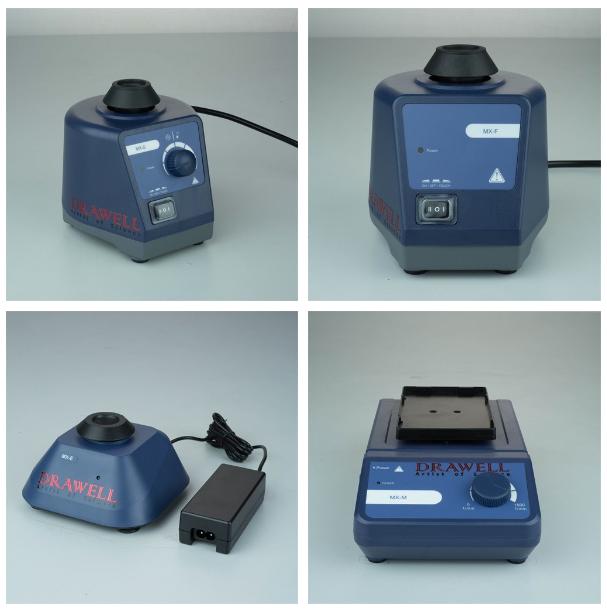
Understanding the Two Modes in Vortex Mixers
Touch Mode in Vortex Mixers
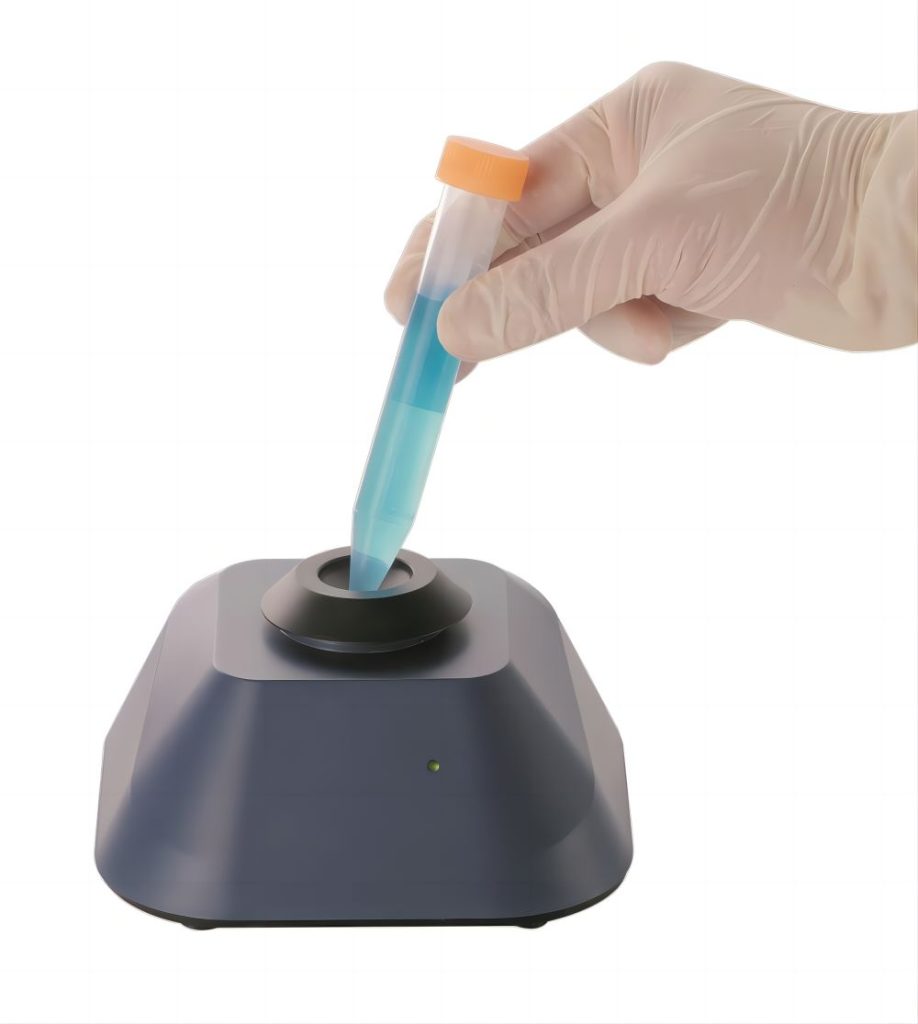
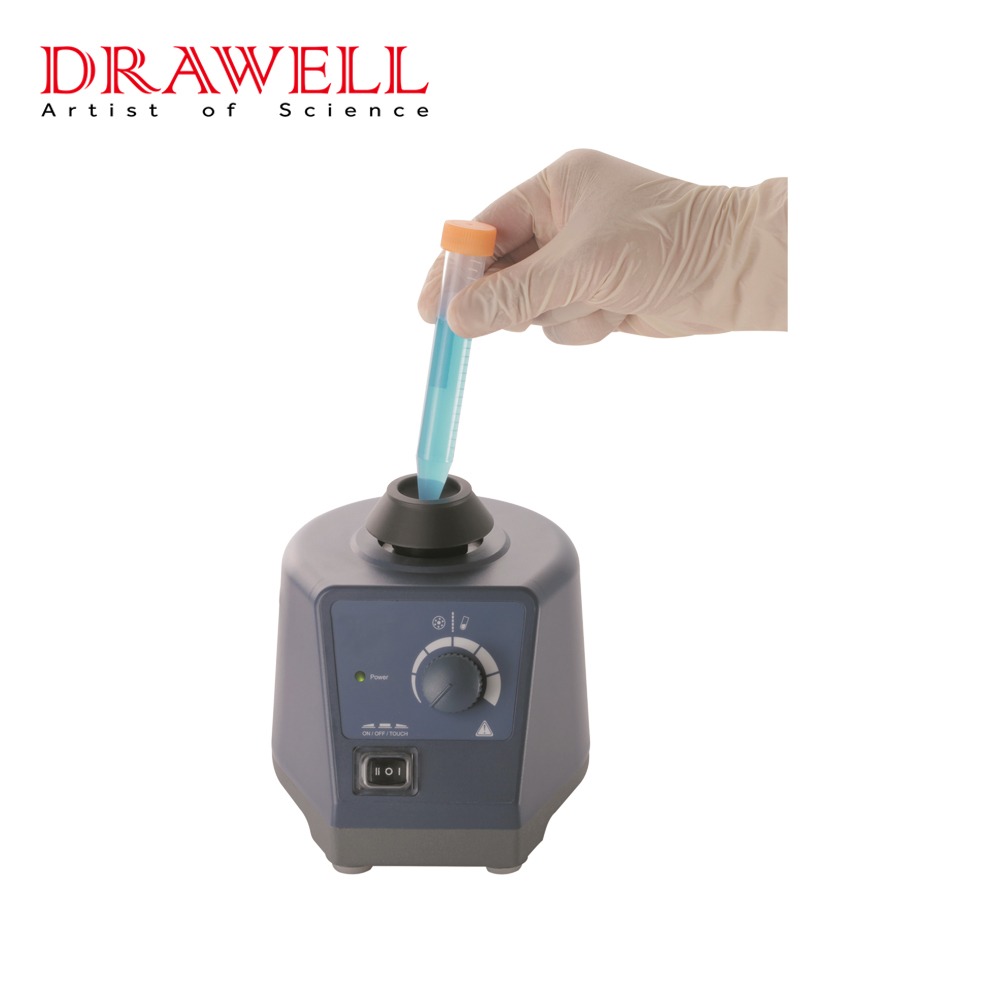
Touch mode is activated by the vortex mixer when it is pressed against the mixer platform, or rubber cup typically by pressing the tester tube or vial to the base. The mixer will stop immediately when the pressure has been released and allows for precise instant mixing, without the need for continuous operation.
Advantages
- Precision Mixing: Controls the duration of mixing, and prevents excessive vortexing.
- Sample Safety: Limits the possibility of causing harm to delicate samples, like proteins, cells or enzymes.
- Minimized Foaming: can help stop bubbles from forming or frothing in delicate solutions.
- Energy Efficiency: is only operational when it is needed, which reduces the power consumption in the mix.
- Simple Use: Easy to operate and requires only a short contact to mix effectively.
Limitations
- Manual Operation: Requires constant user interaction across multiple samples, which can take a long time in workflows that require high throughput.
- Short Mixing Duration: Not recommended for experiments that require agitation over a long period of time.
- Limited Throughput: Processing large quantities of samples at a time is less efficient than continuous mode.
Applications
- Delicate Biological Sample: Perfect for suspensions of cells or enzymes as well as other reagents that are sensitive to shear.
- Small–Scale Assays: are suitable for applications which require short, precise intervals of mixing.
- Preventing Sample Disturbance: Reduces the chance of sample spillage or foaming in aqueous solutions that are sensitive.
- On–Demand Mixing: It is ideal for situations when quick and immediate mixing is needed for example, mixing precipitates that have been suspended or dissolving powders.

Continuous Mode in Vortex Mixers
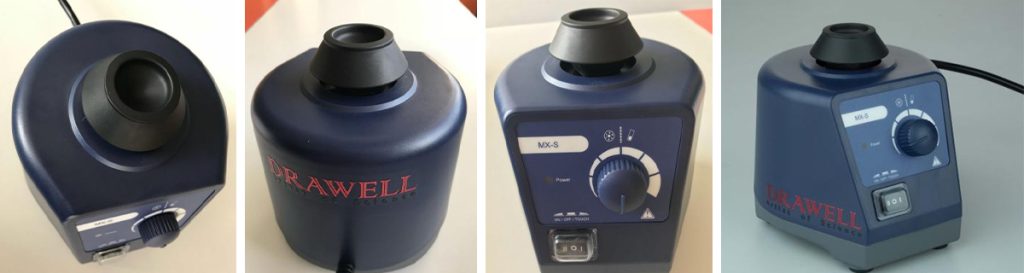
Continuous mode allows the vortex mixer in a pre-set rate until a user shuts off the mixer. Contrary to touch mode, where a physical touch is required for activation continuous mode, this mode permits the mixer to run indefinitely and provide constant agitation for prolonged periods.
Advantages
- Time Efficiency: Ideal for workflows with high throughput that allow several samples of data to process in a sequence without the need for constant user input.
- Consistent Mixing: ensures an even agitation, essential for experiments that need prolonged or continuous mixing.
- Hands-Free Operation: allows laboratory staff to complete other tasks as the mixer operating.
- Convenience for Repetitive Tasks: Very beneficial in mixing several tubes or samples at the same time.
Limitations
- Risk of Over-Mixing: Sensitive samples, like proteins or cells, could be damaged if mixed long enough.
- Splashing and Foaming: Extensive agitation may cause bubbles or spillage in certain solutions.
- High Energy Consumption: Continuous operation draws more power than intermittent modes.
- Less Precise Control: Contrary to touch mode, continuous mode might not be appropriate for short, instant mixing.
Applications
- High-Throughput Sample Preparation: It is useful in molecular or clinical labs where several samples require constant mixing.
- Prolonged Agitation Assays: is ideal for tests which require prolonged mixing, like dissolving powders, or the resuspending of precipitates.
- Routine Laboratory Work: It is suitable for jobs that require hands-free operation. It saves time and energy.
- Chemical or Biological Reactions: Make sure that the mixture is even for solutions or reactions which require continuous mixing or agitation.
Key Differences Between Touch and Continuous Operation Modes in Vortex Mixers
| Feature | Touch Mode | Continuous Mode |
| Activation | Mixer is only active when samples are pressed onto the platform | Mixer is continuously running until it is it is turned off manually. |
| Mixing Duration | Limited to the time that pressure is applied. | It is possible to run for long time without interruption |
| User Interaction | You must be in constant contact with the device to activate it. | Hands-free operation is available once the program has been started. |
| Sample Control | High precision, reduces the chance of mixing too much | The accuracy is less precise, and there is a chance of foaming or mixing too much |
| Energy Consumption | More efficient in energy use; only works only when required | Consumes more power because of the continuous operation |
| Best For | Samples that are delicate or sensitive to shear short mixing tasks | High-throughput workflows, extended or repeated mixing |

Key Factors to Consider for Choosing Between Touch and Continuous Modes in Vortex Mixers
Selecting the right operating mode is essential for maintaining the sample integrity, maximizing the workflows efficiency and getting reliable results in vortex mixers.
- Sample Sensitivity
One of the most crucial aspects to consider when choosing the right operation mode for vortex mixers is the sensitiveness to the specimen. Touch mode is especially suited for sensitive or delicate samples like cells, enzymes, or proteins because it protects against damage that could result from prolonged mixing. Continuous mode is, however is more suitable for solid samples that can withstand prolonged mixing without causing harm.
- Volume and Throughput Considerations
The quantity and number of the samples being processed determine the mode of operation. Touch mode is suitable for small-scale or single samples, allowing precise instant mixing. But, if you’re handling several samples at once or in large quantities continuous mode can provide greater effectiveness, with continuous mixing while allowing lab personnel to concentrate on other tasks.
- Mixing Duration and Consistency
The amount of time required for mixing is an important factor in deciding. Touch mode is ideal for quick periods of mixing and provides precise control over the agitation. Contrarily, continuous mode is ideal when repeated or prolonged mixing is required, as it ensures the same and uniform agitation over time, which is essential for certain tests or reactions.
- Workflow Efficiency and Practicality
Efficiency in workflow is another important aspect to consider. Touch mode requires constant interaction with every sample, which can delay the process in high-throughput settings. Continuous mode permits hands-free operation and is a great option for busy laboratories where several samples are required to be processed simultaneously.

- Risk Management
Reducing the chance of sample disturbance is crucial. Touch mode minimizes the risk of foaming, splashing or over-vortexing. These can be crucial to maintain the quality of your sample. Continuous mode, although effective, comes with a higher likelihood of disturbances that cause such problems and requires a careful surveillance, especially when using reagents with high sensitivity.
- Energy and Resource Use
Consumption of energy is a further aspect. Touch mode is energy efficient, working only when the device is activated, whereas continuous mode draws more power due to the sustained operation. However however, the benefits of continuous mode in terms of efficiency and time savings are often greater than its consumption of energy in high-throughput situations.
- Experimental Requirements
In the end, the decision between continuous and touch modes must be in line with the purpose of the experiment. If accuracy, security of the sample and a low level of disturbance are important, then the touch mode is the best choice. If the research requires prolonged mixing or consistency, or processing with high-throughput, continuous mode offers the required operational benefits.
Final Thoughts
Understanding the differences between continuous and touch modes is essential to maximize the effectiveness and accuracy of lab workflows. Touch mode is a great option for the high level of precision and security for fragile samples while continuous mode offers the convenience and effectiveness needed for high-throughput and time-sensitive applications. The choice of the right mode will ensure optimal performance of the vortex mixer, while also protecting sample integrity and improving overall laboratory productivity.
Related Products Recommendation
Get Quote Here!
Latest Posts

What Next?
For more information, or to arrange an equipment demonstration, please visit our dedicated Product Homepage or contact one of our Product Managers.


