


Chromatography & Mass Spectrometry
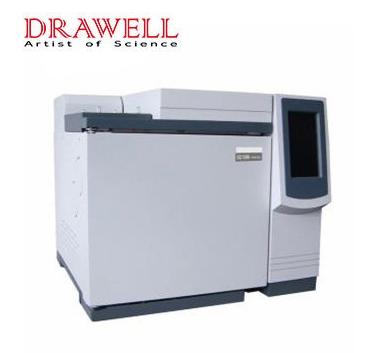
What Affects Retention Time of Gas Chromatography
Retention time in gas chromatography(GC) is a key metric. It is the time it takes for a substance to move from the column to the detector. Different chemicals do not behave the same way in the column. They interact in different degrees with the stationary phase and the mobile phase. Because of that, they show different…
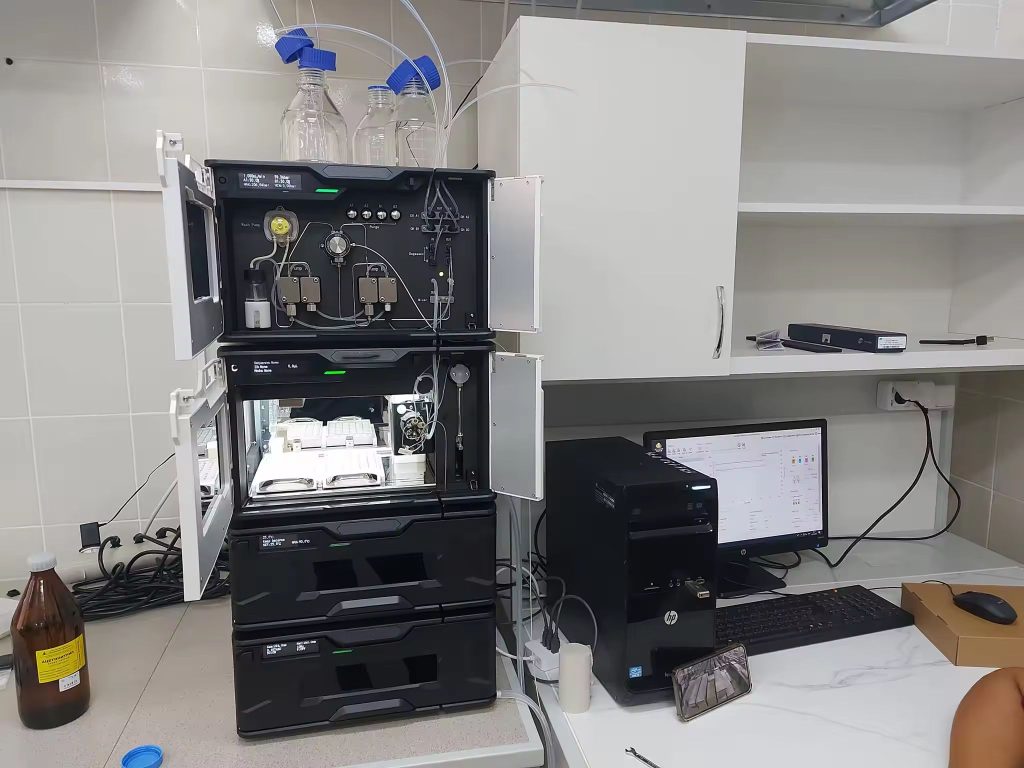
HPLC Baseline Drift: 7 Causes & Easy Fixes
Let’s be honest. Few things are more frustrating in the lab than watching your HPLC baseline drift slowly upward, downward, or bounce around like it’s got a mind of its own. You know what that means. Integration gets thrown off. Quantitative results become questionable. And an entire batch of samples might end up needing reinjection. This…
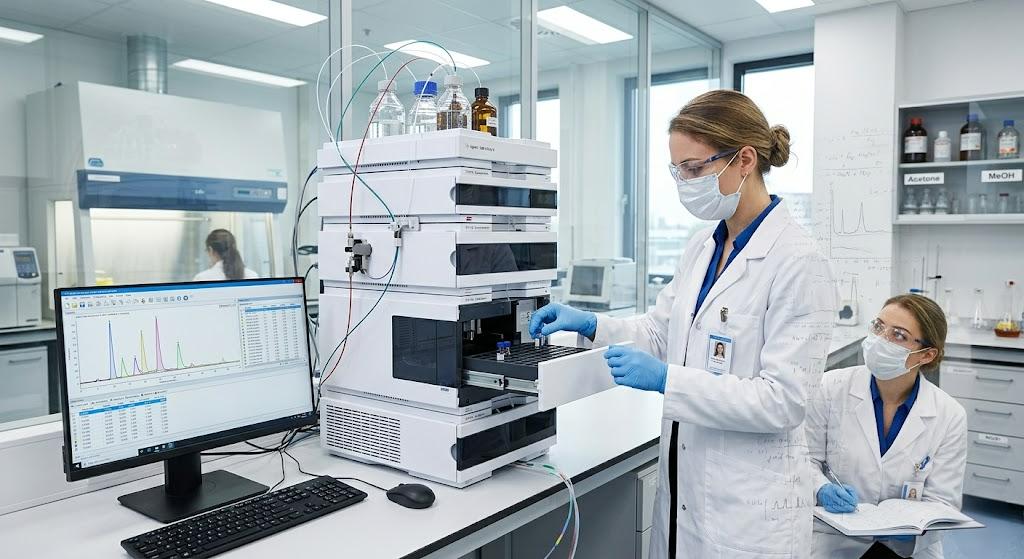
Why Do Different Labs Get Different HPLC Results? 5 Factors to Check
You perform the same HPLC procedure in two separate labs and the results are very different. It happens more often than you’d anticipate, and it may be really annoying when you don’t know where to start looking. Inconsistent HPLC results can delay product release, invoke retesting and endanger regulatory submissions. Whether you are troubleshooting a…
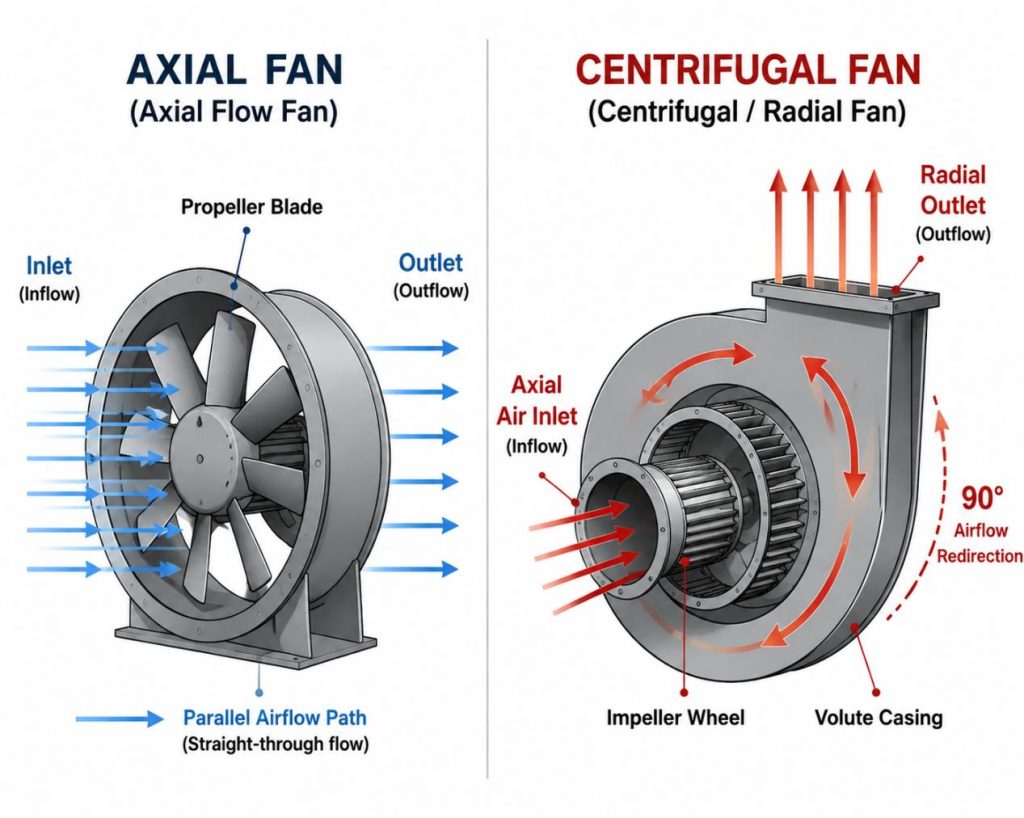
Axial vs Centrifugal Fan: 7 Key Differences and How to Choose the Right One
So you’re stuck between an axial vs centrifugal fan. Maybe you’re speccing out a lab instrument, designing a ventilation rig, or just trying to keep a crowded electronics cabinet from overheating. Whatever the case, picking the wrong fan is surprisingly easy – and the results are never pretty. You end up with weak airflow, annoying noise,…
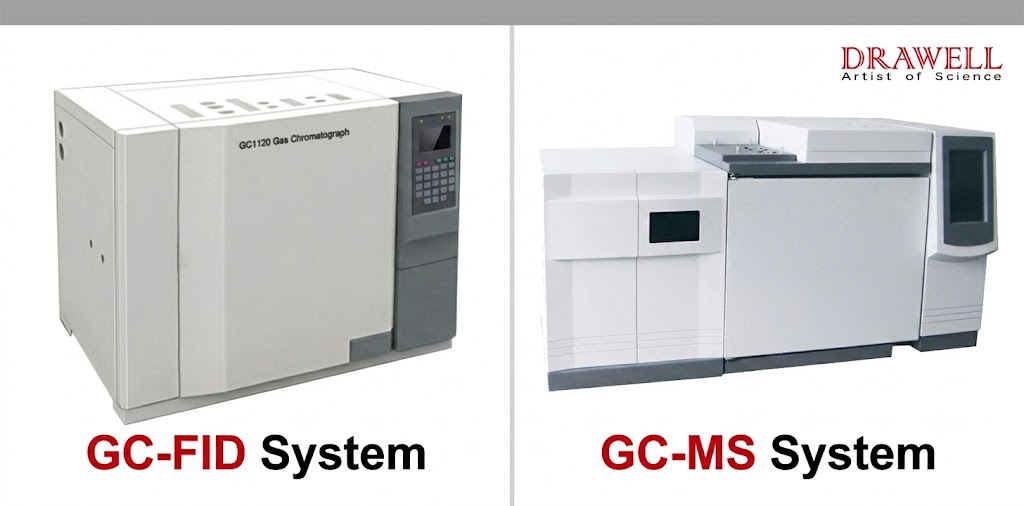
GC-FID vs GC-MS: 5 Key Differences and How to Choose the Right Detector for Your Lab
Selecting between GC-FID and GC-MS systems for gas chromatography analysis is an essential decision for any lab’s daily workflow, but there is no universal “best” choice; ultimately it depends on your laboratory. In terms of routine quantitative work, GC-FID tends to be superior. Since it provides reliable results with excellent linearity when you know exactly what…
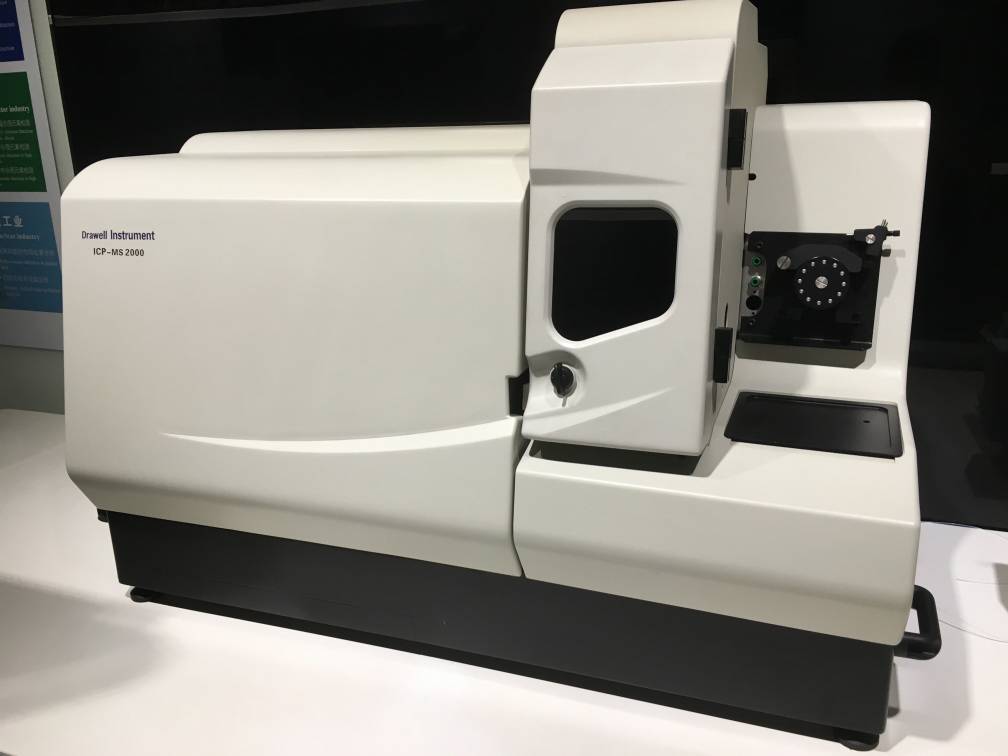
2 Key Points to Know What Is ICP-MS: Working Principle and Applications
If you work in a modern analytical laboratory, you already know that spotting trace elements down to parts-per-trillion (ppt) levels can feel like finding a needle in a haystack. That is where icp ms (Inductively Coupled Plasma Mass Spectrometry) comes in. Over the years, it has transformed from a high-end research novelty into the gold…
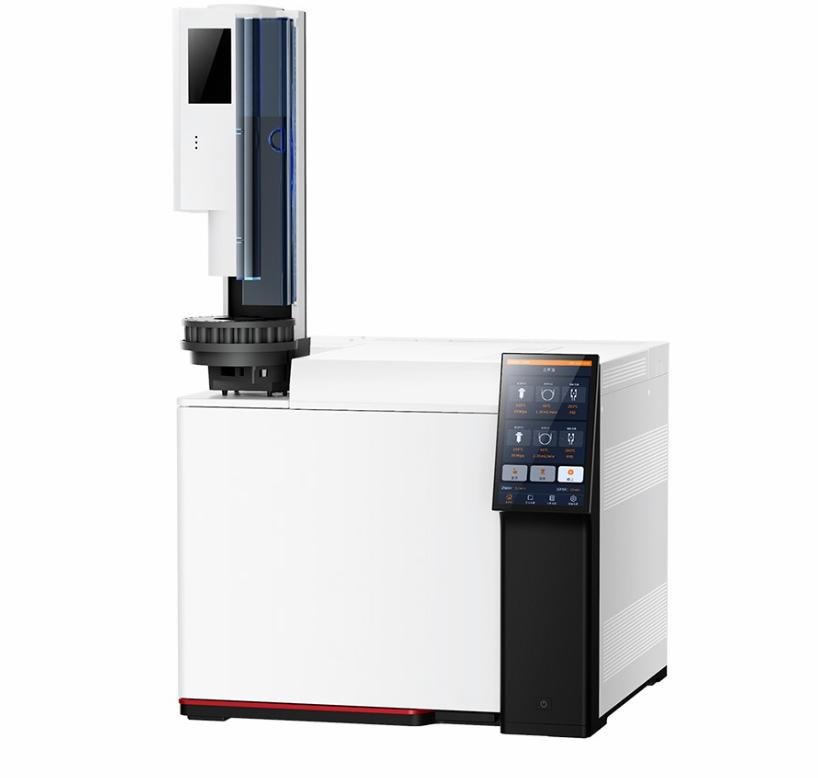
5 Key Points to Know Gas Chromatography(GC) Quickly
Gas Chromatography(GC) is a powerful analytical method used to separate, recognize, and measure chemical compounds that can be vaporized without breaking apart. It’s used a lot in lab settings to look at gases, volatile organic compounds, solvents, fuels, pharmaceuticals, environmental samples, and even food products. Because it’s so sensitive, accurate, and fast, gas chromatography has…
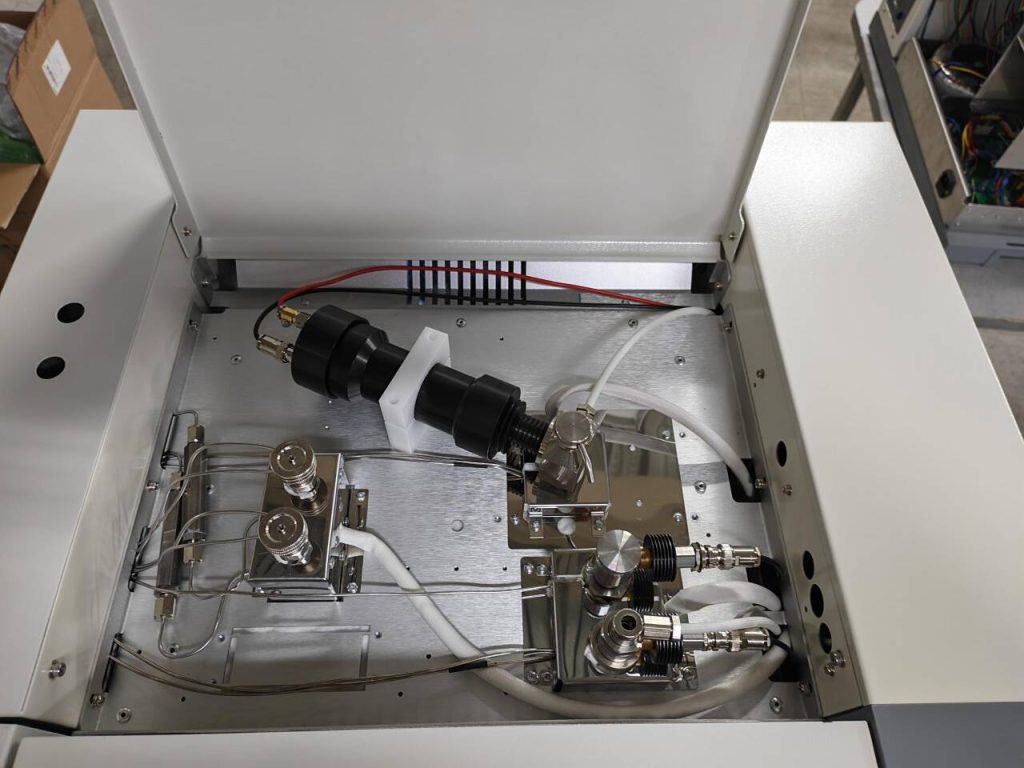
Types of Detectors Used in Gas Chromatography: A Complete Selection Guide
Gas chromatography is an amazing analytical technique used to separate and figure out complicated mixtures of chemical substances across environmental, food safety, and industrial fields. But here is the thing: your GC system is only as good as its eyes. That “eye” is the detector—the vital component responsible for spotting and measuring the separated molecules…
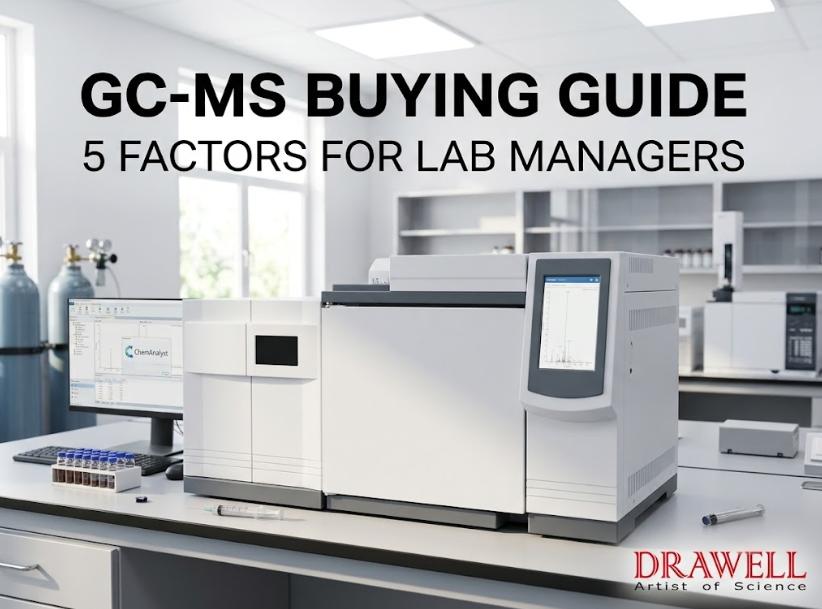
Buying a GC-MS? 5 Factors Every Lab Manager Must Know
Let’s face it—adding a Gas Chromatography-Mass Spectrometry (GC-MS) system to your lab is a big deal. It’s the ultimate combo tool: the gas chromatograph separates your complex mixtures, and the mass spectrometer tells you exactly what’s inside them. But let’s be real for a second. Buying a GC-MS isn’t like ordering a few extra beakers…
8 Key Components of a Gas Chromatography System
Gas chromatography is one of the most broadly used analytical approaches for separating and finding volatile along with semi-volatile compounds. It turns out to be pretty essential in environmental monitoring, pharmaceutical analysis, food safety testing, petrochemical work, and also in forensic science. The way a gas chromatography system performs depends a lot on how several…
Browse by category:


