


Chromatography & Mass Spectrometry
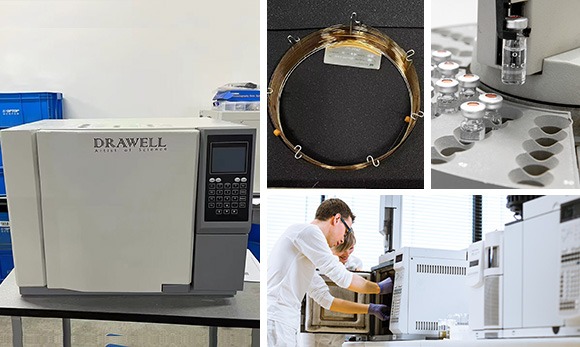
What are the 10 Key Applications of Gas Chromatography
Gas chromatography (GC) is a pretty versatile analytical technique, used to separate, identify, and quantify volatile along with semi-volatile compounds found in complicated mixtures. Because it’s extremely sensitive, accurate, and runs efficiently, GC has turned into an important tool in a lot of scientific as well as industrial work. It’s used everywhere really, not only…
How to Choose the Right High-precision Instrument for Analytical Chemistry Labs
Choosing high-precision instruments really is like a foundational call in modern labs. In analytical chemistry labs, the end quality of results comes down a lot to whether the equipment fits the analytical aims, the kinds of samples, and the regulatory expectations. If you go in with a good selection process, accuracy tends to climb, the…
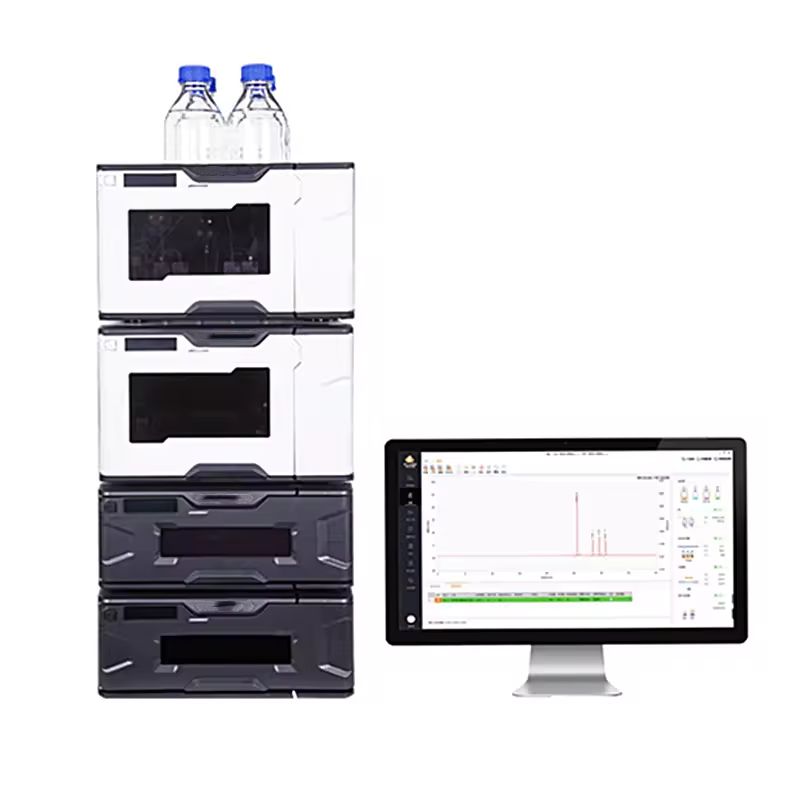
How Does HPLC Work: Principle and Step-by-Step Process
High-Performance Liquid Chromatography (HPLC) is basically one of the most used analytical methods in labs, for taking apart, recognizing , and measuring components that are together in a mixture. It shows up a lot in pharmaceuticals, environmental testing, food safety, and chemical research too, because it delivers strong precision and dependable results. In short it’s…
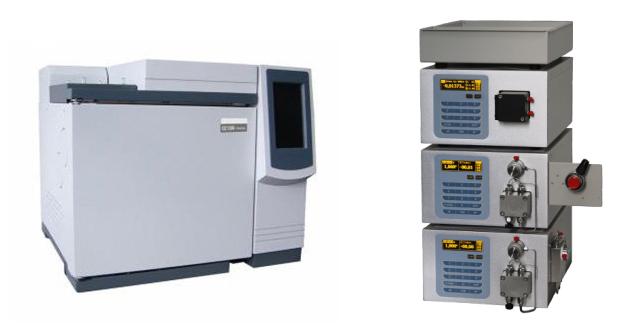
GC vs. HPLC: How to Select the Right Analytical Method
Gas Chromatography (GC) and High-Performance Liquid Chromatography (HPLC) are two commonly used analytical methods in modern labs, mostly to separate, spot, and measure chemical compounds. At the same time, even if both of them come from the chromatography idea, like in general, they still work in noticeably different ways. They also line up differently with their typical…

How to Troubleshoot Common Problems of Gas Chromatography (GC)
Gas Chromatography (GC) is among the most commonly performed analytical methods in laboratories and is required to separate and study volatile compounds. Although the GC is essentially highly reliable, due to several problems that users constantly face, curiosity might arise toward the appearance of certain “interfering substances” in their results, causing reproducibility or sensitivity problems….
Sample Preparation for HPLC Analysis: Common Steps and Techniques
High-performance liquid chromatography (HPLC) stands as the most frequently employed analytical method across pharmaceutical and environmental and food and chemical and biological research laboratories. The method provides precise methods to separate different compounds from complicated mixtures while identifying each compound’s presence and measuring its amount. The accuracy and reliability of high-performance liquid chromatography depend on…
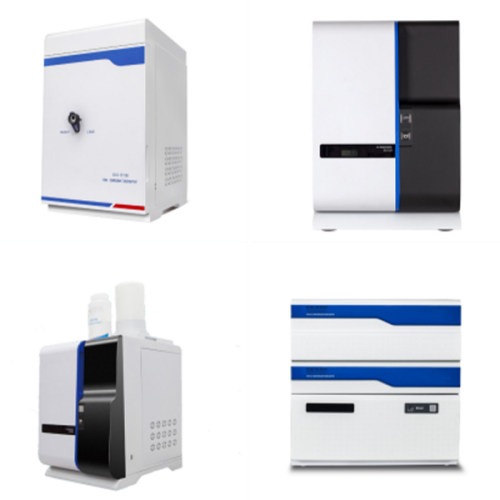
Qualitative and Quantitative Analysis in Chromatography: Processes and Techniques
Chromatography uses both qualitative and quantitative analysis to allow the detection of specific substances and the determination of their concentration. Understanding the analytical methods and mechanisms behind these processes is crucial in a host of applications in the pharmaceutical, environmental, food, and other industries. Understanding Chromatography The method of chromatography separates different substances because they…
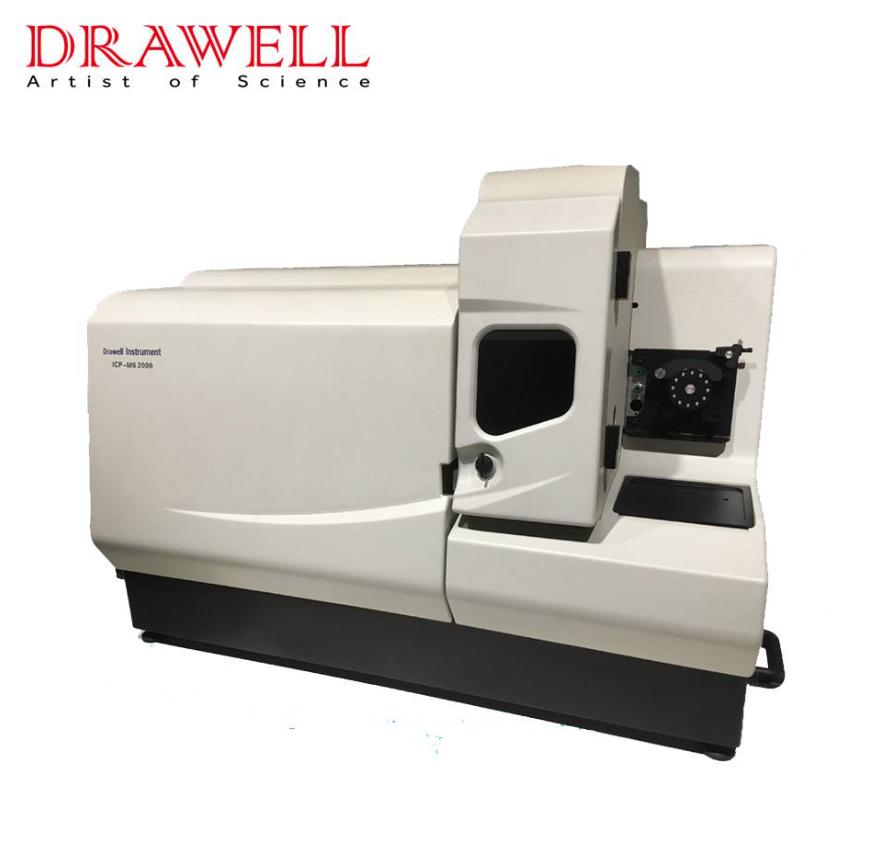
Why ICP-MS Is Preferred for Trace Heavy Metal Analysis in Water
For laboratories tasked with safeguarding water quality, ICP-MS(Inductively Coupled Plasma Mass Spectrometry) has emerged as the gold standard for trace heavy metal analysis. But what makes it so special? And why are more labs choosing it over traditional methods? Let’s dive in. Understanding the Challenge: Detecting the Nearly Undetectable When we talk about “trace” heavy metals…
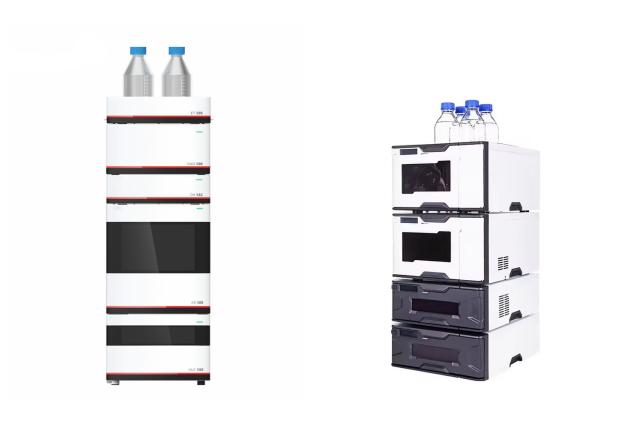
HPLC vs. UHPLC: Does Your Lab Really Need to Upgrade to UHPLC by 2026?
As we move into 2026, and laboratory managers find themselves once more caught in a trap which they have been in before but with more intensity—how to produce better analytical results while also having to deal with strict budgets and the demands for faster delivery. The issue of liquid chromatography, however, is not simply a…
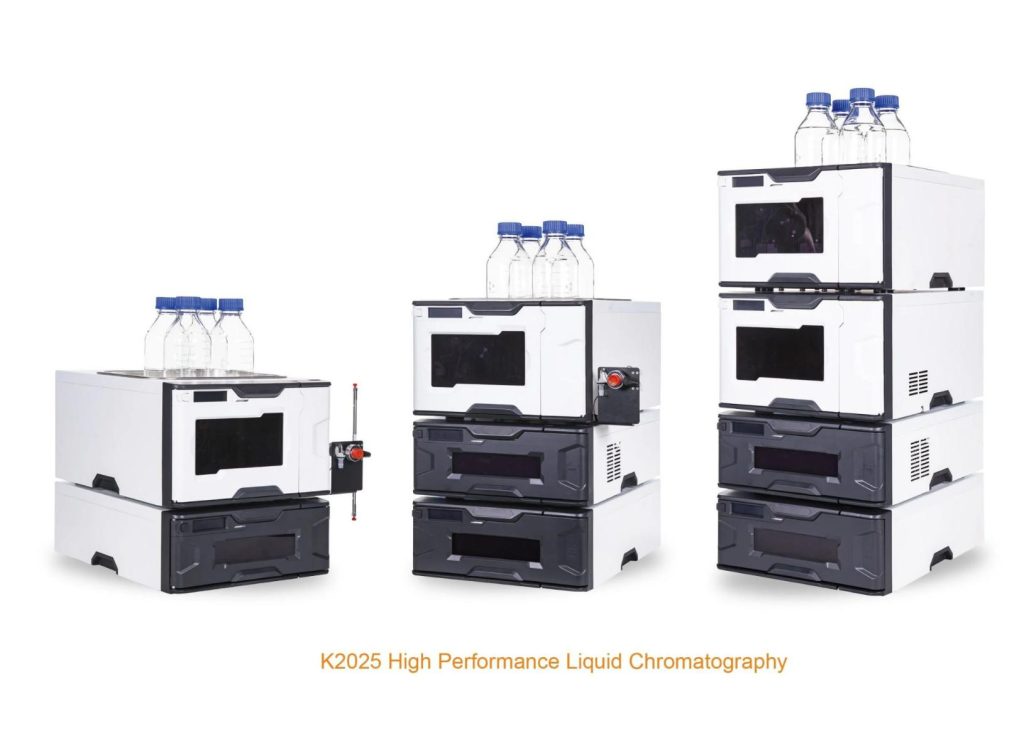
What are the Water Quality Needs of HPLC, ICP-MS, PCR and Cell Culture?
In modern laboratory conditions, water in reagent form has grown well beyond its nascent phase of being merely a solvent. Incubating water for use in high-performance liquid chromatography (HPLC), analyzing trace metals by ICP-MS, amplifying DNA through PCR, or promoting cultivation of the sensitive mammalian cells will directly affect the accuracy of data, durability of…
Browse by category:


