


Chromatography & Mass Spectrometry
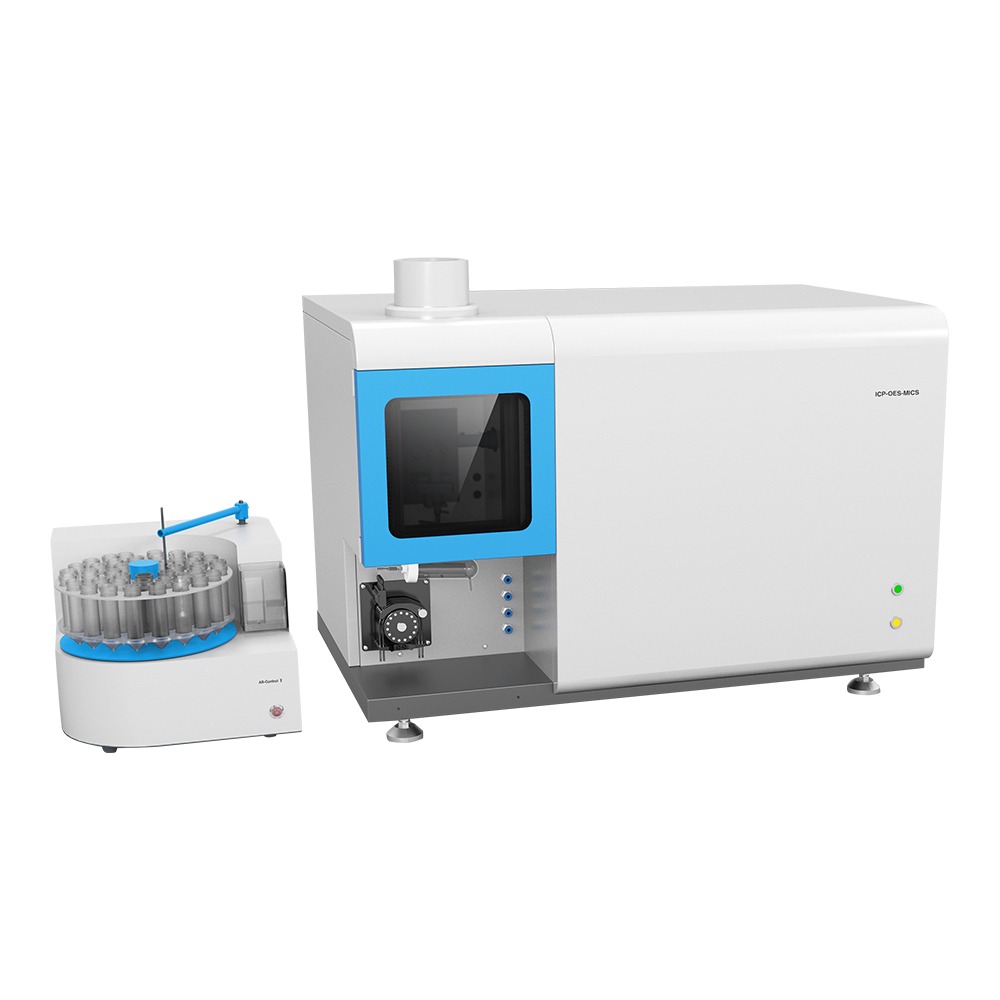
How ICP-OES Coupled with Chromatography is Used for Speciation Analysis
Speciation analysis plays a vital role in understanding the chemical forms of elements in complex samples, as the toxicity, mobility, and bioavailability of elements often depend on their specific species. Inductively Coupled Plasma Optical Emission Spectroscopy (ICP-OES), when coupled with chromatography, has emerged as a powerful tool for speciation analysis, offering precise separation and quantification…
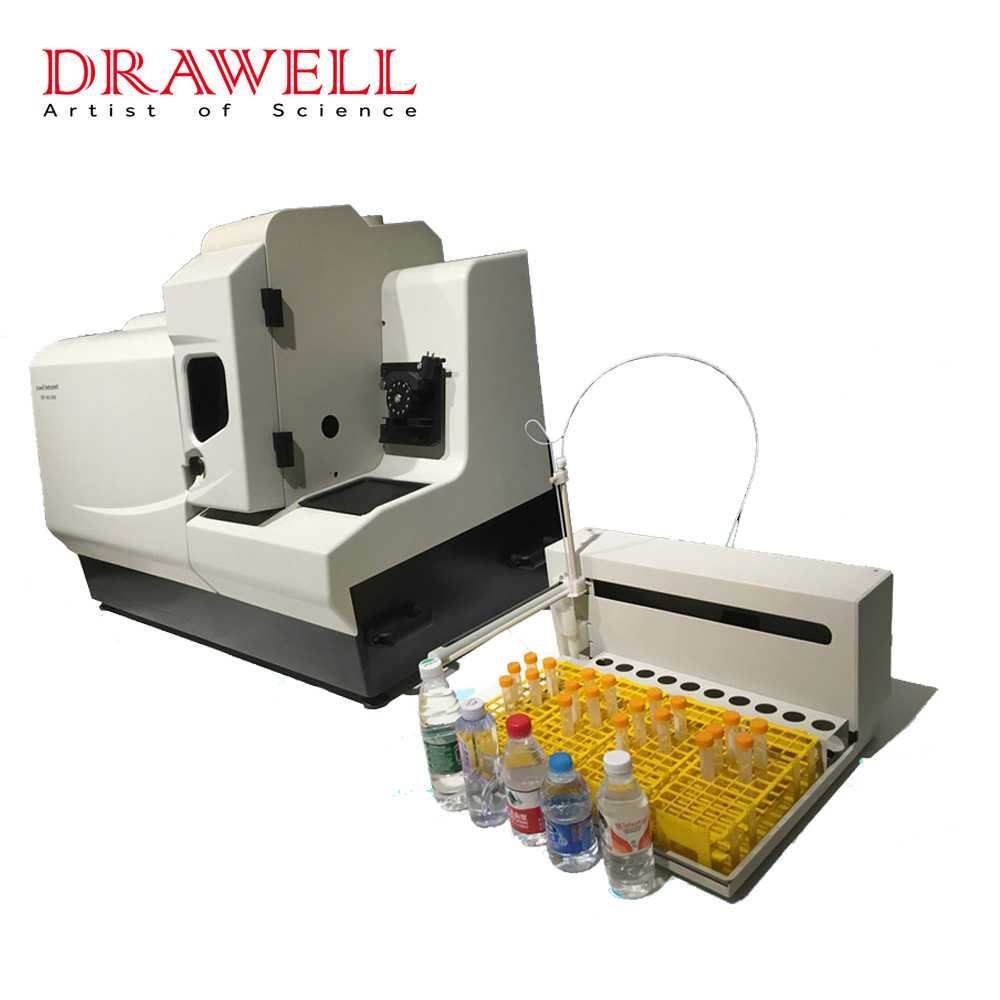
ICP-MS Sample Preparation: What You Need to Know
ICP-MS (Inductively Coupled Plasma Mass Spectrometry) is a highly sensitive analytical technique that can detect and quantify a variety of elements with a detection limit as low as ppt (parts per trillion). It is widely used in many fields such as environmental science, geochemistry, biomedicine, and materials science. In the ICP-MS analysis process, sample preparation is…
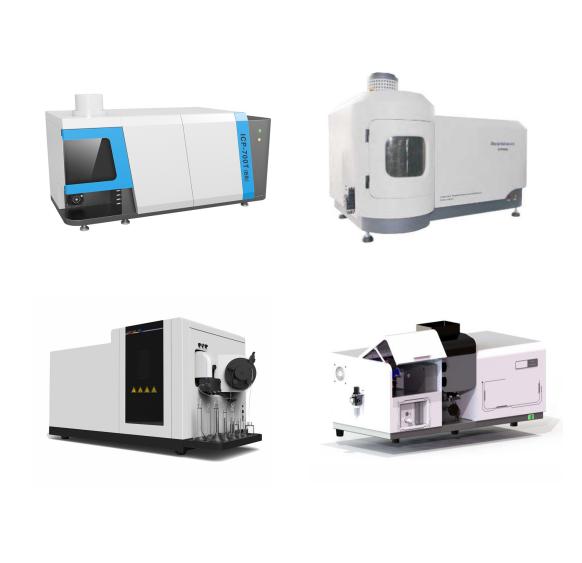
Lab Spectrometer Comparison: When to Choose ICP-AES, ICP-OES, ICP-MS, or AAS
Spectroscopy, the study of the interaction between matter and electromagnetic radiation, is a fundamental technique in analytical chemistry. It enables scientists to identify and quantify elements within a sample, making it invaluable across various industries, from environmental monitoring to pharmaceutical research. Among the numerous techniques available, ICP-AES (Inductively Coupled Plasma Atomic Emission Spectroscopy), ICP-OES (Inductively Coupled…
ICP-MS vs. ICP-OES: Comparative Analysis of Detection Sensitivity in Heavy Metals
Inductively Coupled Plasma Mass Spectrometry (ICP-MS) and Inductively Coupled Plasma Optical Emission Spectrometry (ICP-OES) both are two powerful techniques used for the detection and quantification of heavy metals. While ICP-MS and ICP-OES share similar plasma sources, their detection sensitivities differ significantly. Understanding the strengths and limitations of each technique is crucial when selecting the appropriate method for heavy…
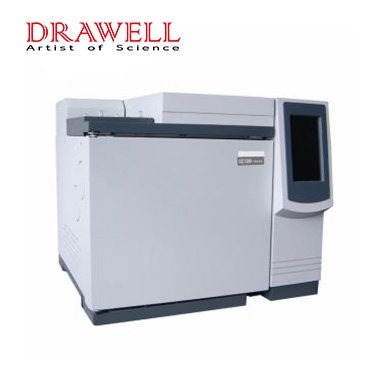
Application of Gas Chromatography in Formaldehyde Assessment
Formaldehyde is a ubiquitous chemical compound widely used in the production of resins, textiles, and disinfectants, and has significant industrial and environmental implications. But formaldehyde is also a known human carcinogen, presence in indoor and outdoor environments, as well as in various consumer products, necessitates accurate and reliable methods for its detection and quantification. Gas…

Advanced Methods for the Determination of Formaldehyde in Air
Formaldehyde, a colorless gas with a pungent odor, is a common indoor air pollutant found in building materials, furniture, and household products. As a known carcinogen, formaldehyde poses significant health risks, necessitating the development and implementation of reliable methods for its detection and quantification in air. This article explores the importance of monitoring formaldehyde levels…
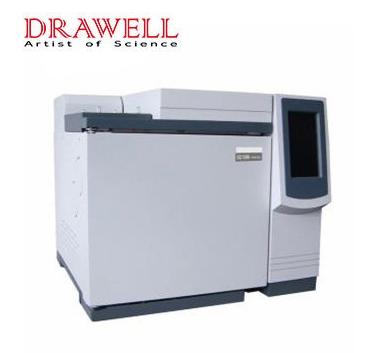
Exploring the Role of Gas Chromatography in Organophosphate Analysis
Gas chromatography (GC) is a cornerstone of analytical chemistry, serving an important role in the separation and identification of complex mixtures of compounds. Gas chromatography emerges as a powerful and versatile technique for the detection and analysis of organophosphates, a class of chemicals widely used in agriculture, industry, and warfare. In this article, we focus…
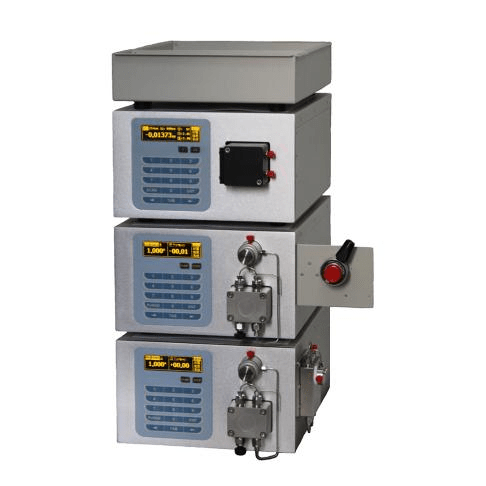
Strategies for Method Development and Optimization in HPLC
High-Performance Liquid Chromatography (HPLC) is a sophisticated analytical technique used in many sectors to separate, identify, and quantify chemical components in complicated mixtures. Efficient method creation and optimization in HPLC are critical for producing accurate and consistent results while reducing time, cost, and resource requirements. This article explores strategies and best practices for maximizing efficiency in method…
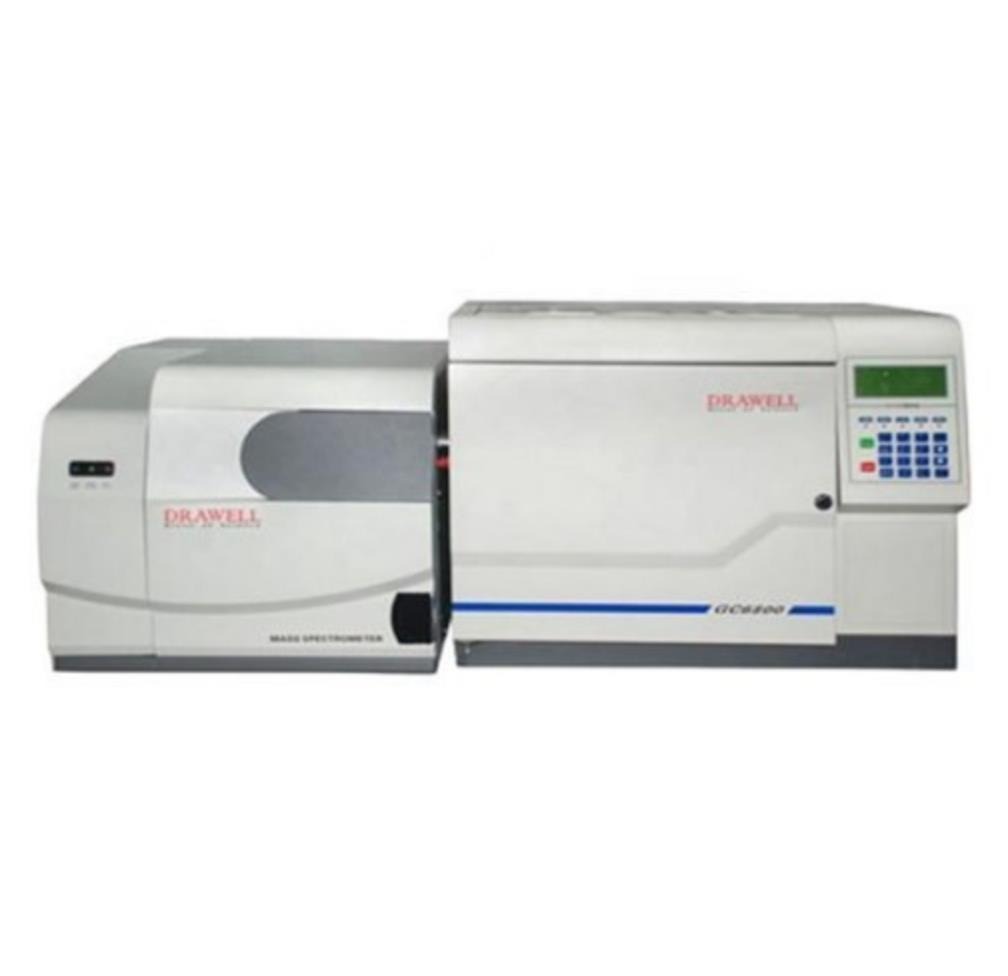
Innovations Transforming Sample Preparation Techniques for GC-MS Analysis
Sample preparation is an important stage in gas chromatography-mass spectrometry (GC-MS) analysis, as it influences the accuracy, sensitivity, and reliability of the results. Over the years, significant innovations have been made in sample preparation techniques to enhance sensitivity, selectivity, and efficiency in GC-MS analysis. This article delves into the recent advancements in sample preparation methods, highlighting their…
Revolutionary Power of Miniaturized and Microchip Chromatography
With the introduction of miniaturized and microchip chromatography systems, chromatography, a versatile and strong analytical tool, has experienced a remarkable revolution. These cutting-edge technologies provide unparalleled benefits in terms of speed, efficiency, and portability, transforming the landscape of analytical chemistry. In this article, we explore the principles, applications, and benefits of miniaturized and microchip chromatography….
Browse by category:


