


Chromatography & Mass Spectrometry

How to Extend the Lifetime of Chromatographic Columns
Chromatographic columns are commonly used for gas chromatography (GC) and High-performance liquid chromatography (HPLC) and other separation techniques to ensure the identification and quantification of chemical components. Due to their essential importance and their high cost, maintaining the performance of chromatographic columns and extending their lifetime is essential to ensure reliable results while reducing the cost of laboratory equipment. This article focuses on the topic of…

How to Choose the Right Gas Analysis Instruments on a Low Budget
Many laboratories and businesses face a common dilemma: the need for reliable gas analysis instruments while operating on a tight budget. A common misconception is the belief that the lower the cost the lower the performance, the accuracy and the durability of the product. This is simply not the case. Thinking strategically and having clarity…
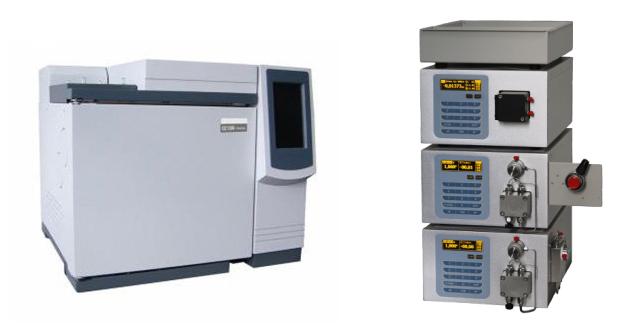
Comparison Between GC and HPLC for Pharmaceutical Analysis
As pharmaceutical research is highly regulated, accuracy, precision, and reliability of analytical data is of utmost importance. Chromatographic techniques play a pivotal role in quality control (QC), research and development (R&D), stability studies and more – High-Performance Liquid Chromatography (HPLC) and Gas Chromatography (GC) are both fundamental separation techniques; however their fundamental principles differ significantly and applications…
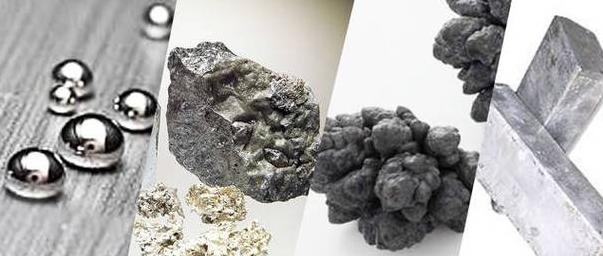
XRF vs. ICP-MS for Heavy Metal Detection: Choosing the Suitable Method
Heavy metal detection is a vital aspect of environmental monitoring, quality assurance for food products, pharmaceutical quality control, and industrial process management. The two most commonly employed analytical methods for detecting and quantifying heavy metals are X-ray Fluorescence (XRF) and Inductively Coupled Plasma Mass Spectrometry (ICP-MS). Although both XRF and ICP-MS methods serve as a means of elemental analysis, they differ greatly in their…
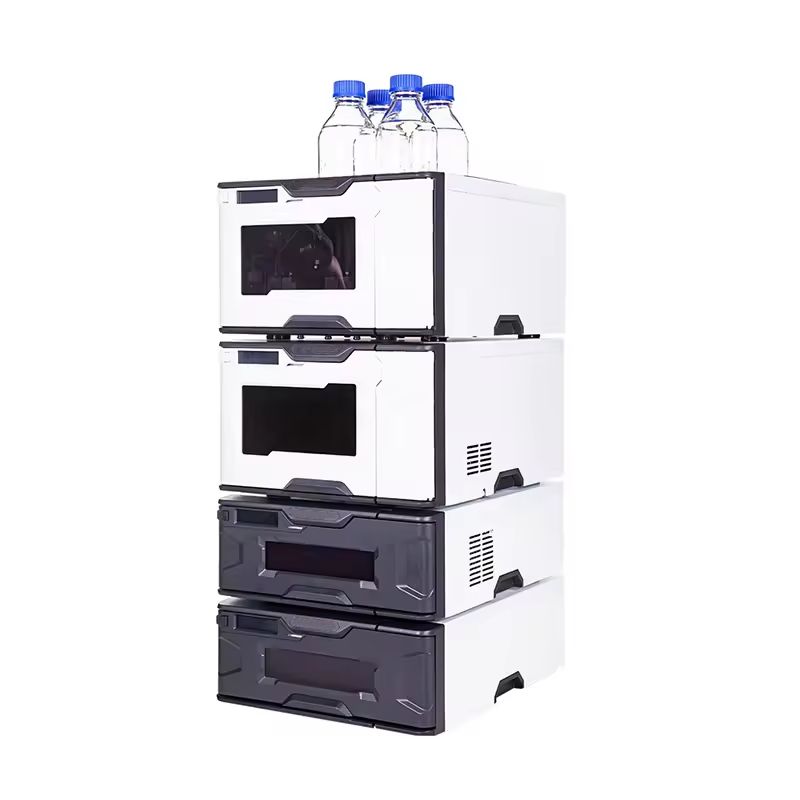
The Use of HPLC in the Pharmaceutical Industry: Benefits and Considerations
The pharmaceutical industry operates under rigorous standards to ensure the safety, efficacy, and quality of medicines reaching patients worldwide. At the heart of achieving these critical objectives lies High-Performance Liquid Chromatography (HPLC). This analytical technique has become an indispensable tool, offering unparalleled precision and versatility across the entire drug lifecycle. This article will provide an…
Application of HPLC in Pharmaceutical Industry: From Discovery to Delivery
The pharmaceutical industry operates under stringent regulatory demands, where every drug developed and manufactured must meet rigorous standards for safety, efficacy, and quality. The importance of HPLC in pharmaceutical applications stems from its ability to detect minute impurities, degradation products, and structurally similar compounds, enabling precise identification, quantification, and purity analysis of pharmaceutical compounds. Its versatility and high…

Automated Sample Preparation for GC-MS
Gas Chromatography-Mass Spectrometry (GC-MS) is an effective analytical technique that is widely applied in pharmaceuticals, environmental testing, food safety, forensics and clinical research. However, the precision and reliability of GC-MS results heavily depend on the quality of sample preparation. Traditional manual sample preparation techniques are time-consuming, labor-intensive, and prone to human error. Automated sample preparation systems have been developed as a solution to these challenges, improving efficiency,…
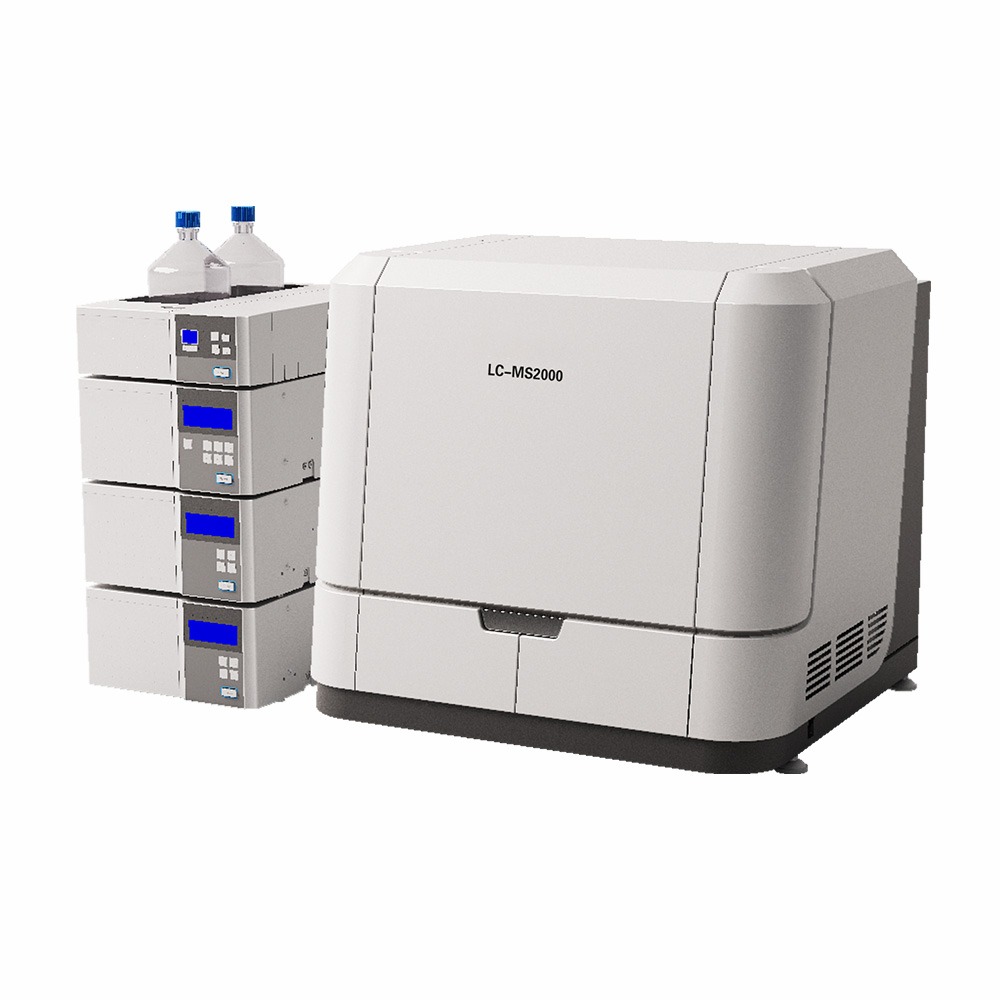
6 Key Points You Need to Know about Quantitative LC-MS
Quantitative Liquid Chromatography-Mass Spectrometry (LC-MS) has been a key analytical technique used in the pharmaceutical, environmental and clinical industries because of its high sensitiveness, specificity, and ability to detect and quantify trace-level analytes within complicated matrixes. As the need for accurate and reliable quantification rises, LC-MS continues to evolve, providing more robust options for targeted as and untargeted analysis. Point 1: Principles…
LC-MS: Elevating Accuracy in Clinical Diagnostic Applications
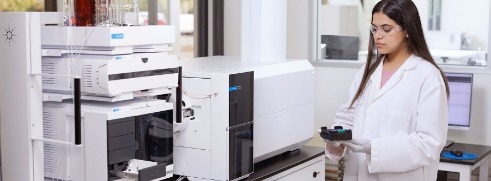
Liquid Chromatography and Mass Spectrometry (LC-MS) is becoming a high-quality analytical method for clinical diagnostics because of its superior sensitivity, precision and its ability to quantify a wide range of biomolecules. LC-MS blends the ability to separate liquid chromatography and the molecular precision of mass spectrometry. This makes it an invaluable tool in identifying diseases, monitoring treatment efficacy and identifying biomarkers. Why LC-MS…
GC Sample Preparation: Techniques and Challenges
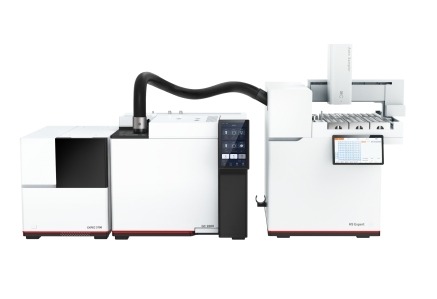
Gas Chromatography (GC) stands as a cornerstone analytical technique, widely employed for separating, identifying, and quantifying volatile and semi-volatile compounds across diverse matrices. Its versatility spans from environmental monitoring and food safety to pharmaceutical quality control and forensic science. Often coupled with Mass Spectrometry (MS) to form GC-MS, it provides unparalleled specificity and sensitivity. However, the…
Browse by category:


