


Heavy metal detection is a vital aspect of environmental monitoring, quality assurance for food products, pharmaceutical quality control, and industrial process management. The two most commonly employed analytical methods for detecting and quantifying heavy metals are X-ray Fluorescence (XRF) and Inductively Coupled Plasma Mass Spectrometry (ICP-MS). Although both XRF and ICP-MS methods serve as a means of elemental analysis, they differ greatly in their fundamental principles, sensitivity, sample preparation and applications. Knowing the strengths and weaknesses of XRF and ICP-MS can help users select the most appropriate technique depending on their specific needs.
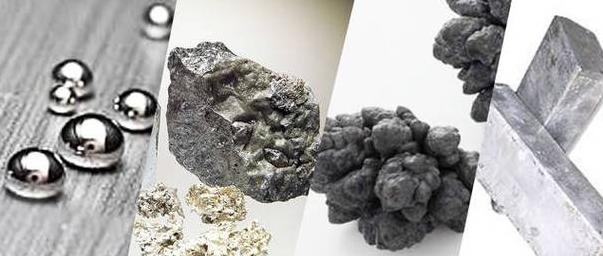
What are XRF and ICP-MS
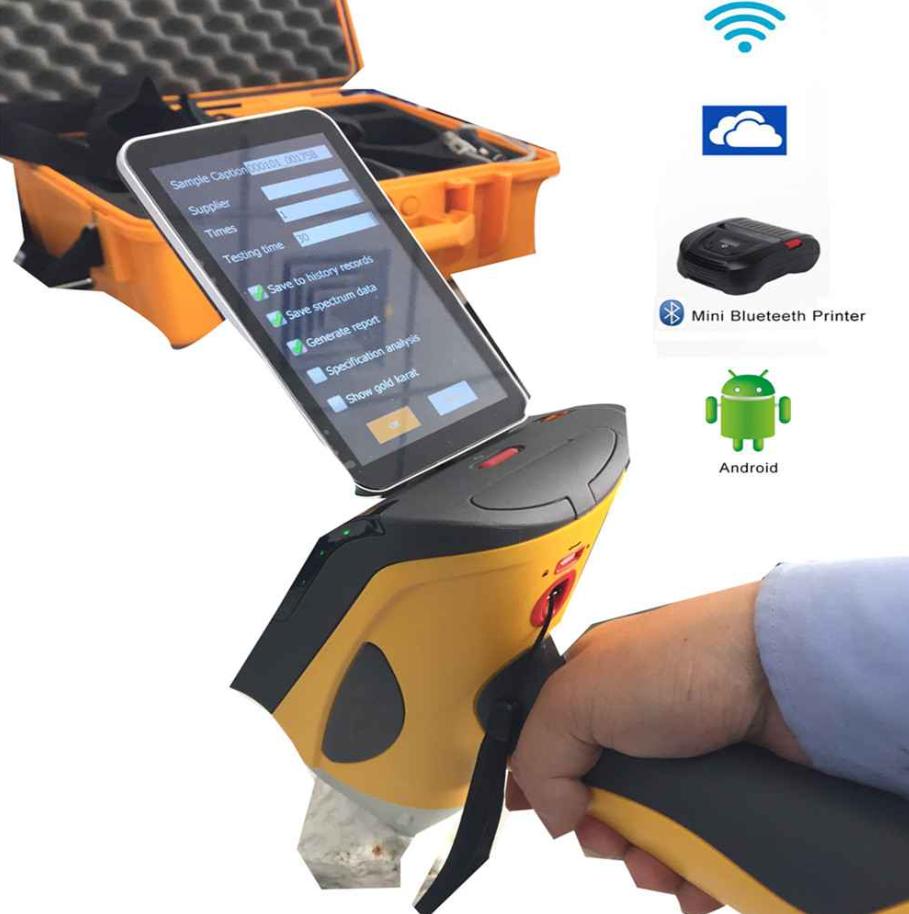
XRF is an analytical method which identifies and quantifies the elements in a specimen by analyzing the X-ray characteristics that are released when the sample is stimulated by an X-ray source that is primary. It is a quick non-destructive technique that is commonly employed to identify metals and other elements within solids.


The ICP-MS technique is highly sensitive method which analyzes elements by ionizing a sample using a plasma source and then detecting the ions upon their charge-to-mass ratio with an mass spectrometer. It offers ultra-trace detection of metals, and is employed for precise analysis of various areas.
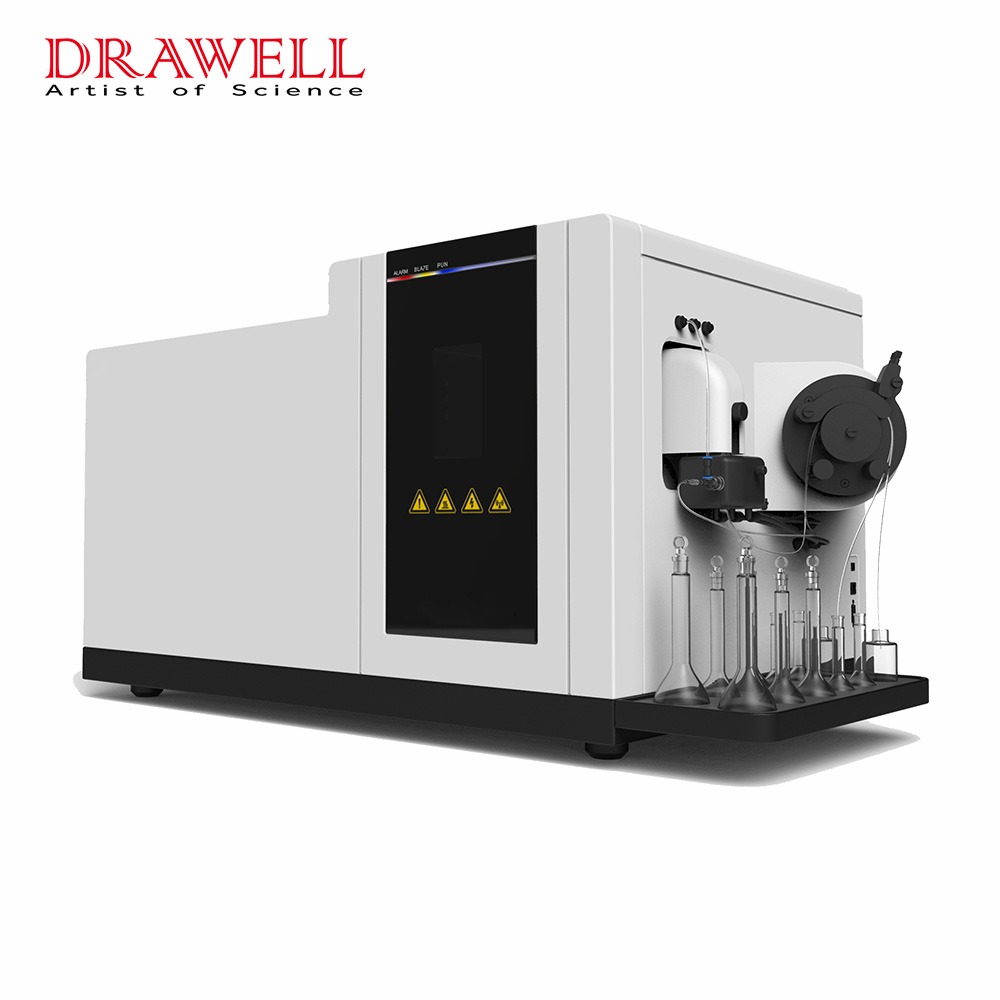
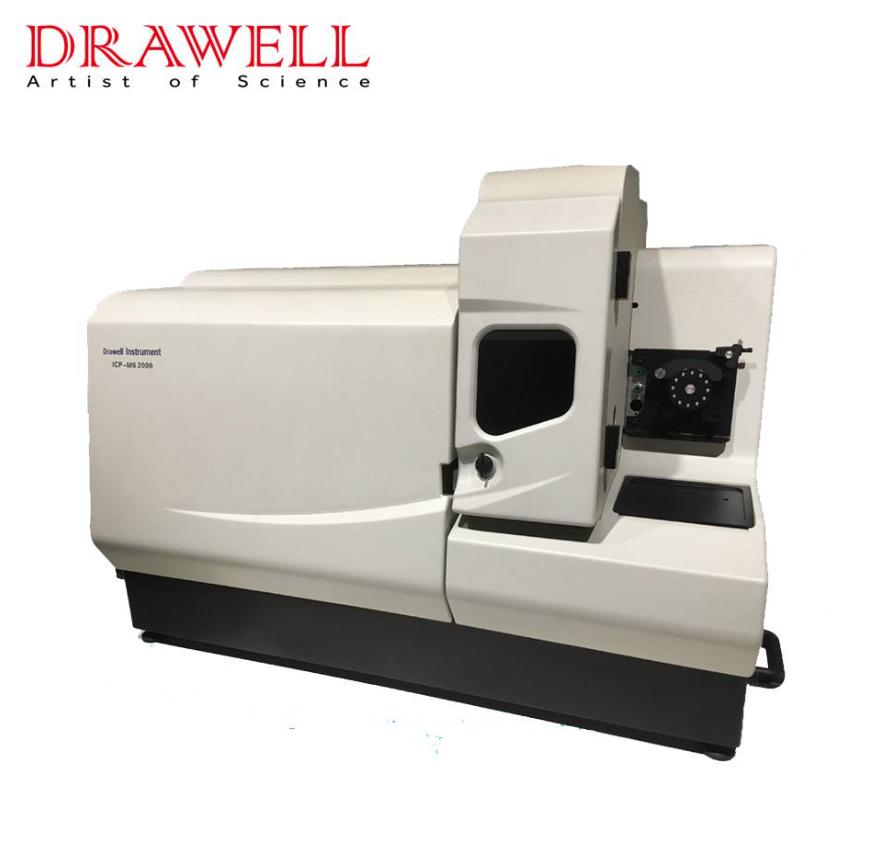
Comparative Analysis of XRF and ICP-MS for Heavy Metal Detection
1. Working Principles
XRF is an analytical non-destructive method for measuring the distinctive secondary (fluorescent) radiation X-rays produced by elements within an experiment when they are stimulated by a primary X-ray source. Each element emits X rays at different energies, which allows simultaneous quantitative and qualitative determination of a variety of elements, including heavy metals such as lead, mercury, cadmium and arsenic.
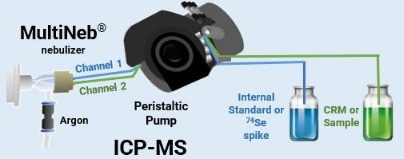
ICP-MS, on contrary is a destructive, yet highly sensitive method. The sample is converted into an aerosol, then injected into a high temperature argon plasma which is then Ionized and atomized. The ions are separated and identified by mass spectrometry, based on the ratio of their charge-to-mass. ICP-MS is able to detect the trace levels and super-trace amounts of metals in heavy with great precision.
2. Detection Capabilities
This chart provides a clear comparison focused on the detection capabilities of XRF and ICP-MS for heavy metals.
| Feature | XRF | ICP-MS |
| Detection Limit | Usually, ppm (parts for million) | Typically, ppt (parts of trillion) |
| Sensitivity | Moderate sensitive; suitable for concentrations higher | Extremely sensitive; perfect for ultra-trace and trace levels |
| Quantification Accuracy | Ideal for homogeneous samples. subject to matrix effects | Very high accuracy when properly calibrated and correct interference |
| Sample State | Directly analyzed solid samples without preparation | Needs a sample of liquid and often requires digestion. |
| Elements Detected | A wide range of products, including heavy metals like Pb Cd and Hg. | A broad range of elemental elements, which includes the majority of heavy metals |
| Non-Destructive Analysis | Yes | No |
| Portability | Instruments portable to use on the go | Lab-based; no portable systems available |
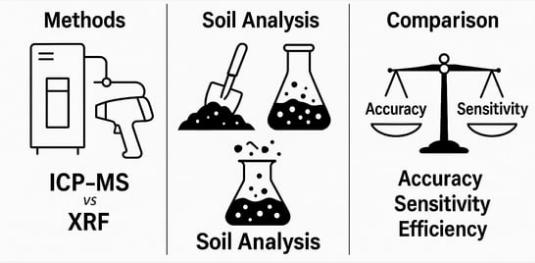
3. Sample Preparation and Analysis Time
XRF is highly regarded for its minimal sample preparation. Solid samples can be analysed directly, which reduces turnaround times and preserving the integrity of the sample. This is a benefit that is what makes XRF ideal for on-site or quick screening tasks like soil testing or recycling scrap metal.
ICP-MS requires a lot of sample preparation that includes digestion or dilution. This is usually making use of acids to transform the solid sample into a liquid forms suitable for Nebulization. This procedure can increase the time for analysis and can lead to losses or contamination.
4. Multi-Element Capability and Matrix Effects
Both methods allow simultaneous multi-element analyses. But, the effects of matrix affect them in different ways.
| Aspect | XRF | ICP-MS |
| Multi-Element Analysis | It can simultaneously detect several elements that include heavy metals however, accuracy is dependent on the homogeneity of the sample and calibration | Excellent multi-element detection, with great sensitivity and accuracy to a broad range of elements |
| Matrix Effects | Important matrix effects, the composition of the sample and its density may impact X-ray absorption as well as fluorescence and require matrix-matched standards to ensure precision | Matrix effects are minimized following proper digestion of the sample; possible interferences in spectral spectrums are managed through collision/reaction cell technology. |
| Sample Homogeneity Impact | Heterogeneous samples with high impact could result in inaccurate results. | Lower impact; digestion homogenizes sample, improving accuracy |
| Calibration Requirements | Requires matrix-matched calibration standards for best accuracy | Standard solutions are required and frequently internal standardization to account for instrument drift and interferences |
| Interferences | Overlapping X-ray peak peaks could cause an element to be identified incorrectly or have quantification mistakes | Potential for spectral interferences but eliminated with mass filtering and cell technology |
5. Cost Considerations
Here’s a chart that shows the costs in XRF and ICP-MS for heavy metal detection.
| Factor | XRF | ICP-MS |
| Instrument Cost | Generally, the initial cost of purchase is lower. | Cost of purchase at the beginning is very high. |
| Operating Cost | Very low (minimal consumables) | Costs of operation increase because of reagents, gases and maintenance |
| Ease of Use | It is user-friendly and suitable for non-expert operators. | It requires trained technicians and a complex operation |
| Maintenance | Lower maintenance requirements | More complex maintenance and higher cost |
| Suitability for Routine Screening | Ideal for quick, routine screening | Ideal for more in-depth confirmation analysis |
6. Common Applications
XRF
- Environmental Testing: The rapid screening of sediment, soil, and other waste for heavy metals on-site.
- Mining and Geology: Analysis of the mineral content of ores and minerals to explore and quality monitoring.
- Metal Recycling and Sorting: Metal Recycling and Sorting: Identification of metal alloys and the detection of metals that are hazardous.
- Construction Materials: Evaluation of cement, ceramics, and concrete to ensure conformity the safety regulations.
- Art and Archaeology: Analysis of pigments and artifacts in order to determine the composition.

ICP-MS
- Environmental Monitoring: Ultra-trace detection for heavy metals present in air, water and soil samples.
- Food and Beverage Safety: Accurate measurement of the presence of contaminants such as lead, cadmium, or arsenic in food products.
- Clinical and Biomedical Research: Analysis of trace metals in tissues and fluids of biological origin for toxicological and diagnostic research.
- Pharmaceutical Industry: Quality control for raw materials as well as the final product to assure that they meet the regulations.
- Industrial Process Control: Monitoring the presence of impurities in chemicals and materials with high purity.
Key Factors to Consider for Choosing Between XRF and ICP-MS for Heavy Metal Detection
When choose between XRF and ICP-MS to detect heavy metals, there are several important factors that need to be considered to ensure that the choice is compatible with the analytical goals.
1. Sensitivity and Detection Limits
The sensitivity of a method is one of the most crucial factors to consider when choosing an analytical technique. ICP-MS stands out due to its remarkable sensitivity, capable of finding heavy metals even at levels that are ultra-trace, usually up to the level of parts of trillion (ppt). This makes ICP-MS the ideal option when regulations have very low detection limits, or when the samples have very small amounts of metals. However, XRF generally offers detection limits within those of the parts per million (ppm) range which is sufficient for a lot of industrial and environmental screening tasks where rapid detection of high metal concentrations is required. So, if your application requires detection of extremely low levels in heavy metals, ICP-MS is usually the best choice.
2. Sample Preparation Requirements
Another important factor is the complexity and nature of preparation of the sample. XRF analysis is mostly non-destructive, and requires only minimal sample preparation. Solid samples like soil, metals and powders are often analyzed in a single step without chemical treatment. This significantly reduces the time required for analysis and protects the quality of the sample, which makes XRF appropriate for fast on-site screening, as well as instances in which preservation of the sample is vital.
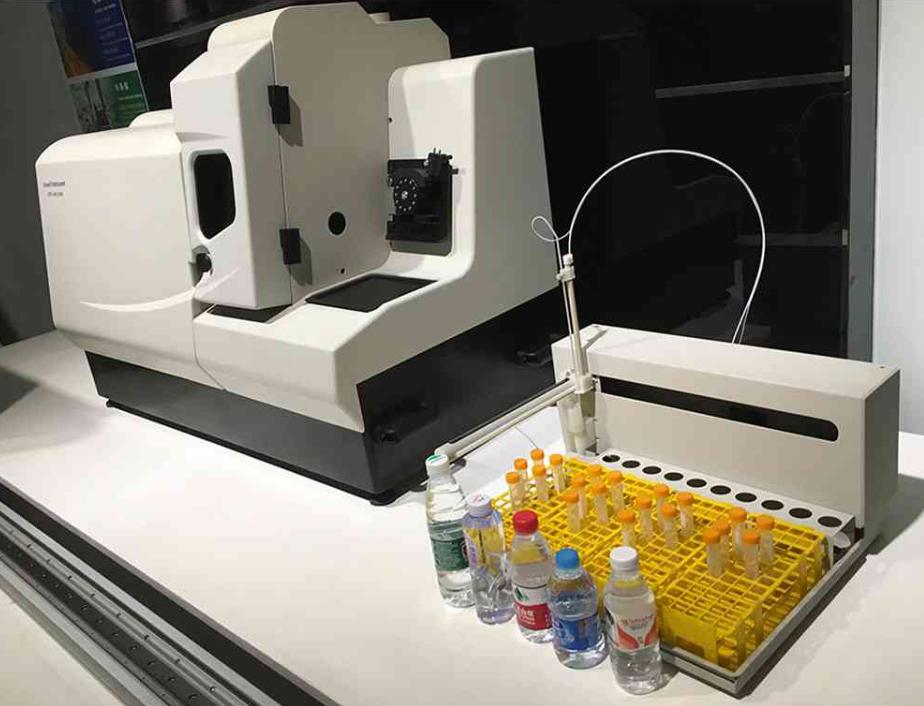
ICP-MS, however, requires that samples be made with liquid form typically which involves acids digestion, or even dissolution. This is labor-intensive and long-lasting and requires careful handling to prevent the loss and contamination of analytical substances. This is why ICP-MS is suitable for lab settings that have skilled personnel and controlled environments.
3. Cost and Operational Factors
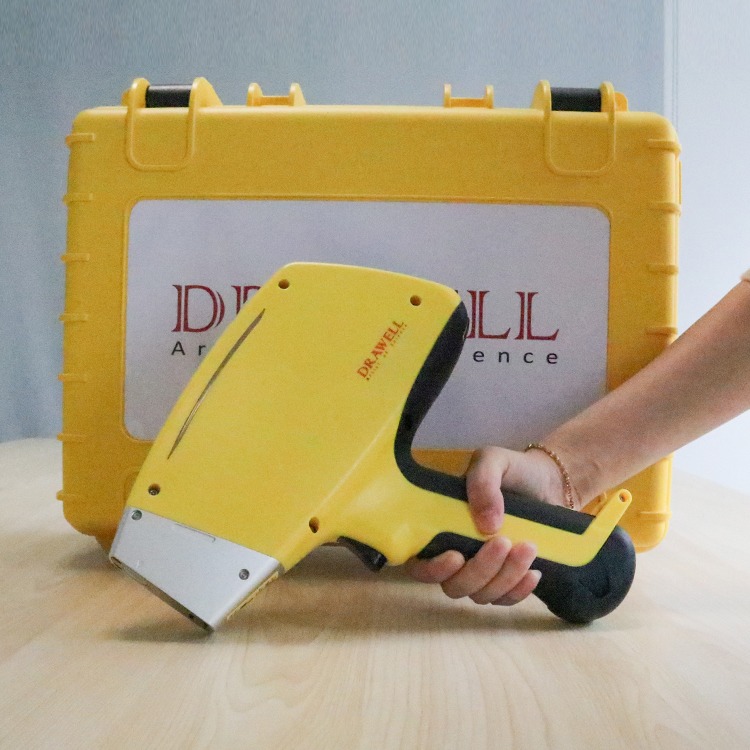
Cost considerations are often a factor in choice of method. XRF instruments typically have lower purchase costs at the beginning and operating expenses. They use a minimal amount of consumables, and are easy to maintain. In addition, XRF systems are easier to operate, which allows non-specialists to conduct routine screening tests quickly.
ICP-MS devices are significantly more costly to purchase and maintain. The operational costs include high-priced gasses (argon) and reagents for digestion, as well as frequent maintenance. Additionally, ICP-MS requires skilled operators to handle complex testing and problem-solving. However, in cases that require ultra-trace detection and high precision ICP-MS costs can be justifiable.
4. Portability and Analysis Speed
Turnaround time and portability are also factors in deciding the right option between XRF and ICP-MS. The portable XRF analyzers can provide quick on-site analysis of the element and deliver results in minutes. This feature is extremely useful for field testing for mining, environmental assessments recycling and other industries.

ICP-MS systems are lab-bound, which means that they require longer processing time due to the preparation of samples as well as instrumental run. Although ICP-MS provides high-quality data, its slow throughput and limited portability restrict its use to properly-equipped laboratories.
5. Application Requirements and Regulatory Compliance
Furthermore, the particular application and the regulatory requirements usually determine the method of analysis chosen. To conduct routine screen, fast decisions, and non-destructive tests XRF can be beneficial. When quantification of trace levels is necessary to comply with the strictest environmental or food safety guidelines, ICP-MS is the preferred method.
Many laboratories employ a complementing approach that uses XRF to perform preliminary screening and ICP-MS for detailed, confirmatory analysis.

Summary
The decision between ICP-MS and XRF for heavy metal detection hinges on the specific analytical needs, sample type, preparation complexity, budget and turnaround time.
- For rapid, non-destructive, and on-site screening with moderate sensitivity, XRF is ideal.
- For ultra-trace and highly precise quantification, particularly in cases where regulations are extremely tight, ICP-MS is the best method to use.
In many labs, a combination of both techniques provides the best balance between speed and precision. XRF provides rapid preliminary results, while ICP-MS can confirm and quantify trace contaminants with high accuracy.
Related Products Recommendation





Get Quote Here!
Latest Posts




What Next?
For more information, or to arrange an equipment demonstration, please visit our dedicated Product Homepage or contact one of our Product Managers.


