


You’re in charge of quality control at a cement plant. Every day, you need to make sure the raw mix is right, the clinker is stable, and the final product meets strict standards. For decades, X-ray fluorescence (XRF) has been the go-to tool for this job. It’s fast, accurate, and non-destructive.
But when it’s time to invest in a new XRF, you face a choice: Energy Dispersive (EDX) or Wavelength Dispersive (WDX)? Both are desktop systems designed for the lab, but they work differently. This article breaks down the differences in plain language, so you can decide which type truly fits your lab’s needs.

Why Cement Plants Rely on XRF?
Before comparing technologies, let’s look at what XRF actually does in a cement plant. Cement making is a process of precise chemistry. You start with raw materials—limestone, clay, sand, iron ore—and you need to get the proportions exactly right. Too much or too little of a key element, and the quality suffers.
Here are the critical control points where XRF is used:
- Raw Materials & Raw Mix Control: You need to measure the main oxides—SiO₂, Al₂O₃, Fe₂O₃, CaO—to calculate key parameters like Lime Saturation Factor (LSF), Silica Modulus (SM), and Alumina Modulus (IM) . These ratios determine how easily the mix will burn in the kiln.
- Clinker Analysis: After burning, you need to check the clinker for free lime (f-CaO) and confirm the major phases. This tells you if the kiln is running efficiently and if the clinker will produce good cement.
- Final Cement Quality: When you add gypsum and other materials, you need to verify the final product meets specifications for elements like SO₃, MgO, and sometimes trace elements like Cr, Tl, or As for environmental compliance.
XRF handles all of this in minutes, using pressed pellets or fused beads. It’s no wonder that standards like ASTM C114 and EN 196-2 approve XRF as a primary method for cement analysis.
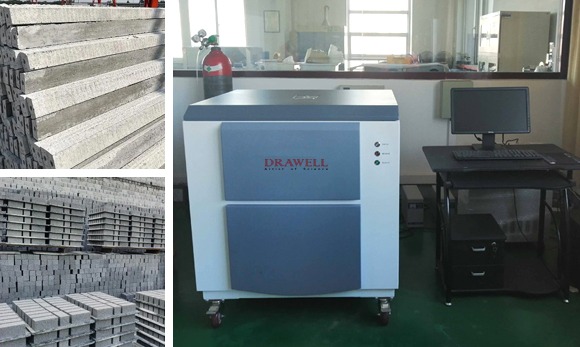
EDX and WDX – How They Work and Why It Matters
Both EDX and WDX analyzers use X-rays to excite atoms in your sample, causing them to emit fluorescent X-rays. The difference lies in how they detect and measure those X-rays.
The Simple Analogy
- EDX (Energy Dispersive) is like taking a photograph of a crowd with a high-resolution camera. You capture everyone at once, and later you zoom in to identify each person. All elements are detected simultaneously.
- WDX (Wavelength Dispersive) is like using a magnifying glass to look at each person one by one. You use a crystal (like a prism for X-rays) to separate the light by wavelength and measure each element individually.
Side-by-Side Comparison
| Feature | EDX (Energy Dispersive) | WDX (Wavelength Dispersive) | Why It Matters for Cement |
| Detection Method | All elements at once (parallel detection) | One element at a time (sequential or simultaneous with multiple channels) | EDX is faster for a full survey; multi-channel WDX with 10 fixed channels) can analyze key elements simultaneously. |
| Spectral Resolution | Good (typically 130-150 eV). Peaks can overlap. | Excellent (typically 20-50 eV) . Peaks are sharp and separate. | Better resolution means clearer separation of elements like S, Cl, and Pb, which is vital for trace analysis. |
| Light Element Sensitivity | Good for Na, Mg, Al with modern detectors. | Superior, especially for very light elements. | Cement relies on Mg, Al, and Si. WDX often provides better precision for these. |
| Detection Limits | ppm range, suitable for routine QC. | Lower (sub-ppm), excellent for trace elements. | If you need to monitor strict limits on hazardous trace metals, WDX gives you more confidence. |
| Analysis Speed | Very fast (2-5 minutes for full analysis). | Can be slower for sequential scan, but multi-channel systems are fast for fixed elements. | For high sample volumes, EDX or a multi-channel WDX is ideal. |
| Instrument Cost | Generally lower. | Generally higher due to precision mechanics and crystals. | A key factor for labs with tight budgets. |
| Complexity & Maintenance | Simpler, fewer moving parts. | More complex, with goniometers or fixed channels requiring stable alignment. | WDX is designed for industrial environments with robust fixed channels to minimize maintenance. |

Real-World Cement Applications – Which Technology Excels?
Let’s move from theory to practice. Here’s how the choice plays out in different cement lab scenarios.
When EDX is the Right Fit
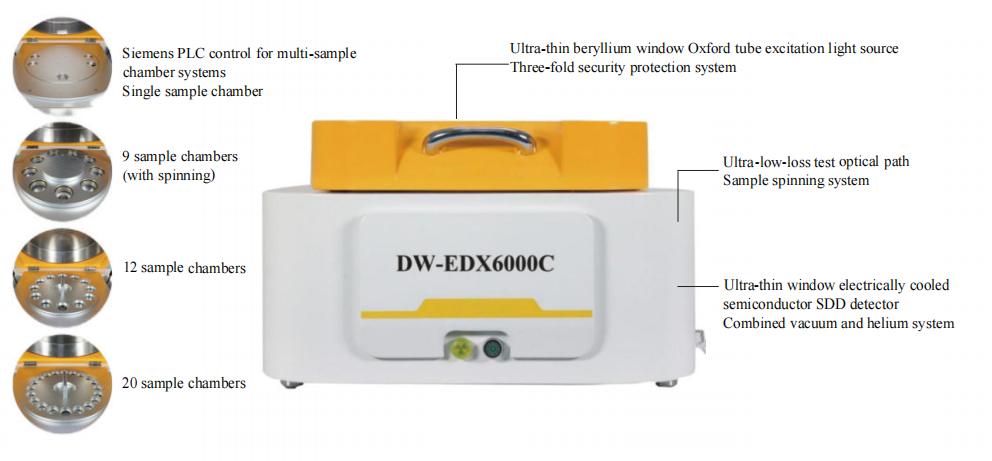
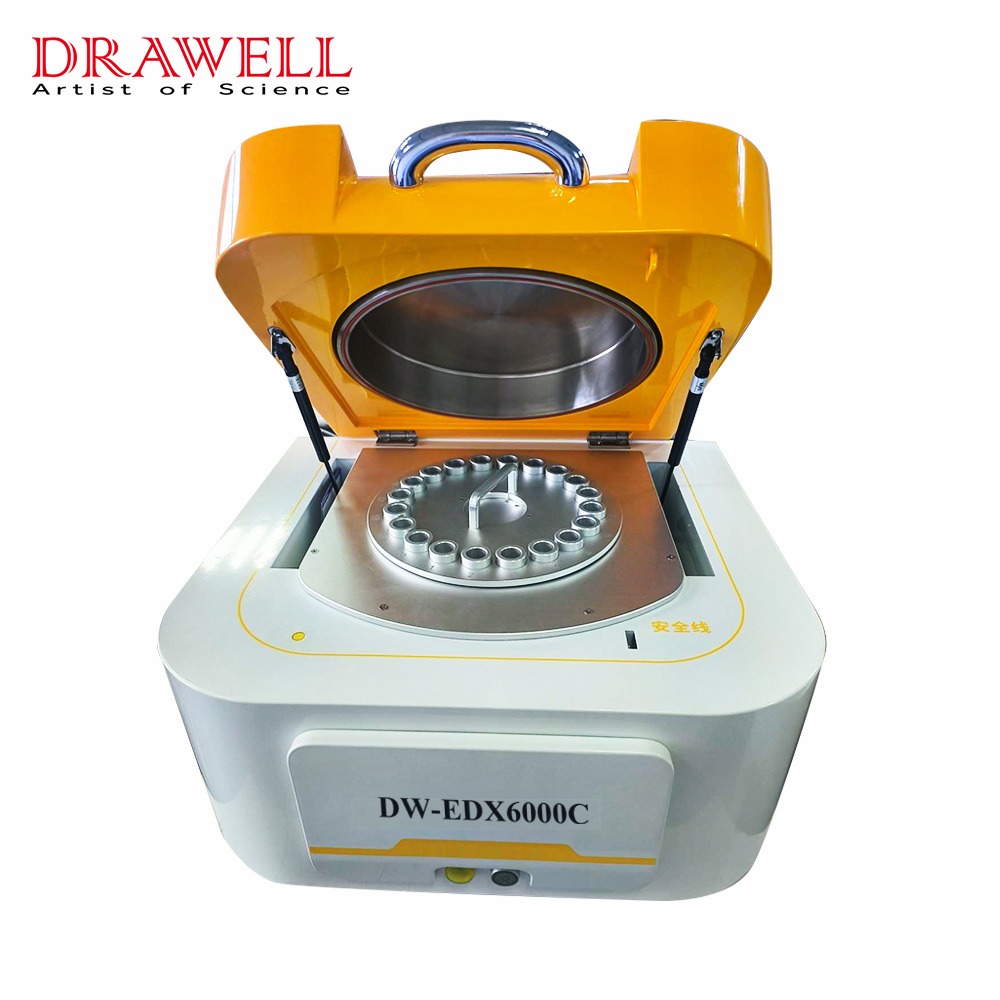
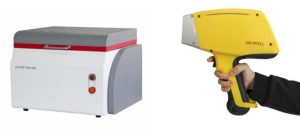
The Routine Production QC Lab: You run dozens of samples a day. Your main goal is to control the major oxides (CaO, SiO₂, Al₂O₀, Fe₂O₃) and keep the LSF, SM, and IM on target. Speed and simplicity are your priorities. A modern EDX spectrometer, like the Drawell EDX6000C, is designed for exactly this. It’s easy to operate, requires minimal training, and delivers reliable results day in and day out. It’s a workhorse for standard compliance.
The Smaller Plant or Cement Grinding Station: If your operation is more focused on blending and grinding than on full clinker production, an EDX system offers an excellent balance of capability and affordability. It handles the essential analysis without over-investing in capacity you don’t need.
When WDX is the Superior Choice
The Large Cement Group or Central Lab: When you’re responsible for multiple plants, or you need the highest possible accuracy for process optimization and research, WDX is the standard. You need to trust every data point. The DW-WDX200, with its 10 fixed channels, is built for this. It provides the precision needed for:
- Accurate Light Element Analysis: Getting Mg and Al exactly right is critical for quality.
- Trace Element Monitoring: With environmental regulations tightening, the ability to reliably detect and quantify trace levels of Tl, Cr, As, and Pb is a major advantage.
- Supporting R&D: When developing new cement blends or alternative fuels, you need the most detailed chemical picture possible.
The Third-Party Testing Laboratory: Your reputation depends on the accuracy of your certificates. You receive samples from diverse sources and need to comply with multiple international standards. The superior resolution and low detection limits of a WDX system, like the DW-BP-9010A, ensure you can handle any challenge with confidence and authority.
How to Decide – 3 Questions Help You
Still not sure? Ask yourself these three questions.
- What is my primary analytical goal?
- Routine QC on major elements → EDX is likely your most efficient and cost-effective tool.
- High-precision work, light elements, or trace analysis → WDX is the stronger choice.
- How many samples do I run per day, and what’s my sample diversity?
- High volume, consistent sample types → EDX or a multi-channel WDX will give you the throughput you need.
- Lower volume, but samples vary greatly → A WDX system’s ability to handle complex matrices is valuable.
- What’s my budget and technical staff level?
- Limited budget, technicians need simplicity → EDX is very user-friendly.
- Investment for top-tier data, and you have skilled staff → WDX delivers the ultimate performance.
You’ve made your decision—or you’re close. Either way, you don’t have to go it alone.
Drawell is a one-stop supplier that offers both EDX and WDX solutions. That means we can give you honest, unbiased advice because we’re not pushing one technology over the other. We simply want to help you find what fits your lab.
Whether you need a reliable workhorse for daily QC or a high-precision system for advanced analysis, we have the right tool—and the application expertise to back it up.
Ready to Choose?
Let’s make it simple:
- Tell us about your lab—your sample volume, target elements, and what you need from your XRF.
- We’ll recommend the right fit and show you how it performs on your materials.
Contact our experts for a free consultation, or request a sample test to see real results.
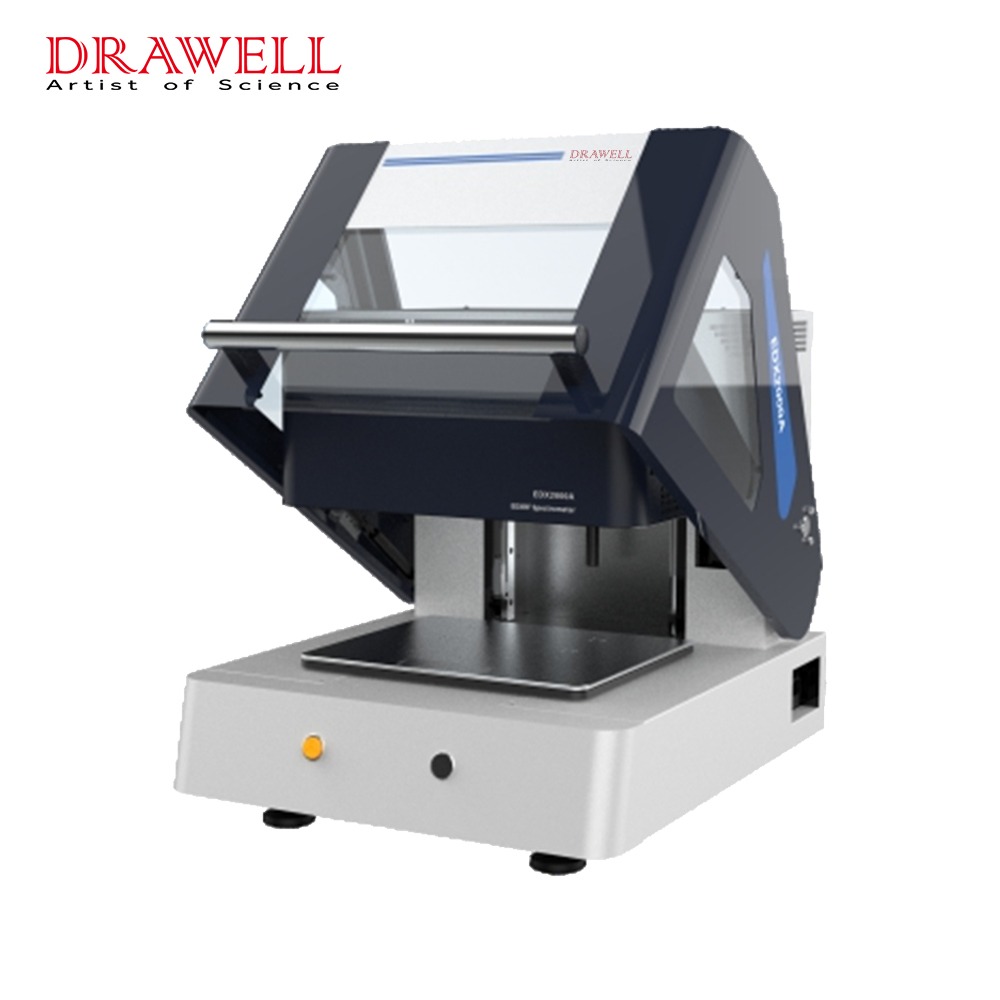
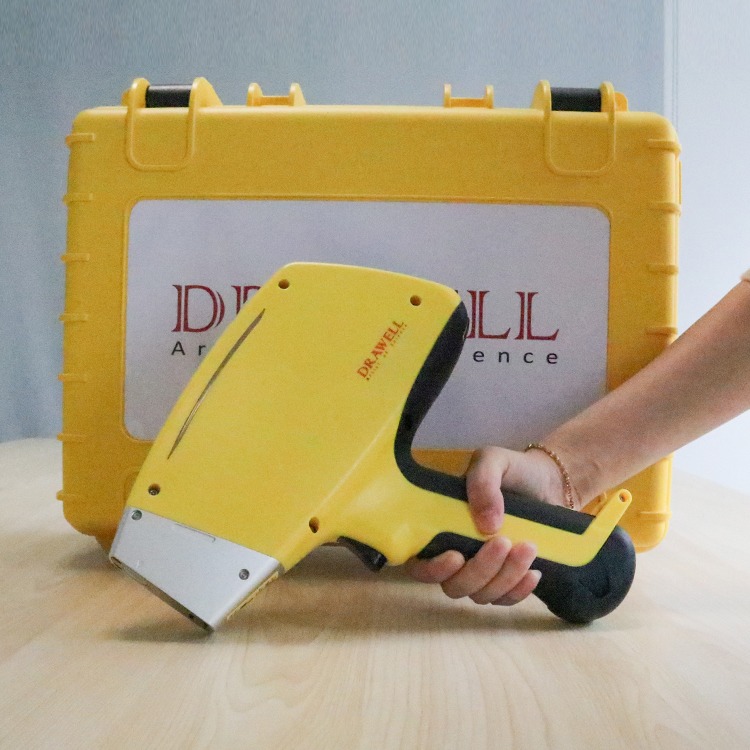
Related Products Recommendation




Get Quote Here!
Latest Posts

What Next?
For more information, or to arrange an equipment demonstration, please visit our dedicated Product Homepage or contact one of our Product Managers.


