


In the current global marketplace, regulatory compliance has become an important concern for manufacturers, importers and distributors. Making sure that their products comply with environmental and safety standards is not only a legal requirement but also essential for protecting consumers and the environment. Among the technologies enabling compliance, X-ray fluorescence (XRF) has been recognized as a reliable, efficient, and non-destructive method for testing materials against regulations such as RoHS, ELV, and CPSIA.
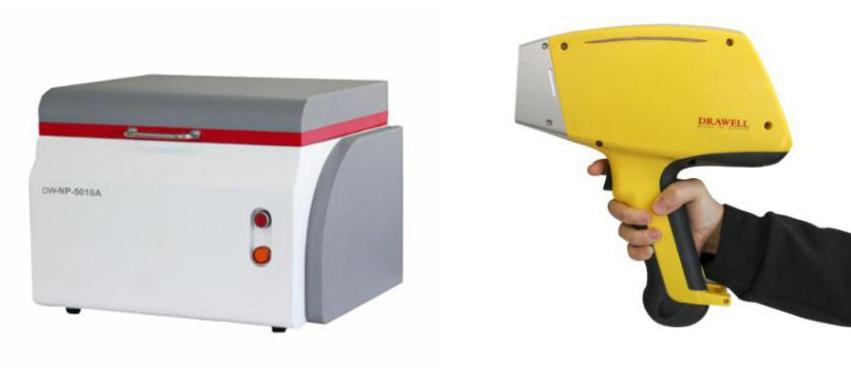
Understanding XRF Technology
The XRF technique is an analytical one that measures and determines the chemical composition of the material. When a specimen is exposed to X-rays with high energy particles within the material produce secondary (fluorescent) X-rays that have specific energies. Through measuring these emission levels, XRF analyzers can determine the presence and quantity of elements that range between heavy and lighter metals within diverse materials, such as plastics, metals, and electronic components.
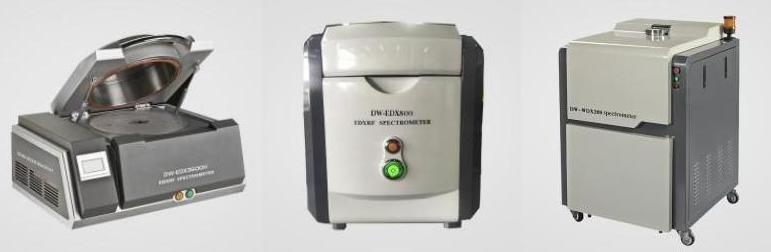
Why XRF is the Ideal Tool for Regulatory Compliance
Speed and Efficiency in Compliance Testing
One of the main reasons XRF is the best choice for compliance with regulations is the speed at which it operates. Contrary to conventional laboratory techniques which require complex sampling and lengthy time to analyze, XRF provides near-instant results. Manufacturers can check raw materials, components in-process and final products in minutes or seconds. This speedy testing process minimizes production time, allows the control of quality in real-time and ensures prompt conformance to regulations.
Non-Destructive Testing
XRF permits non-destructive analysis. This means that samples are not destroyed while testing. This is particularly useful for testing products that are finished, costly components, or with limited production runs. In preventing the destruction of samples, XRF reduces waste and allows multiple tests to be conducted on the same product, which allows for the same monitoring throughout production as well as distribution.
Versatility Across Regulations
XRF is compatible with many regulations. In the field of electronics, it assists with RoHS compliance by the detection of lead, mercury, cadmium, hexavalent chrome, along with certain flame retardants that are brominated. In the automotive sector, XRF assists with ELV compliance by examining metals, coatings and plastics for harmful substances. For consumer products, XRF is utilized in CPSIA testing to ensure that children’s products are not contaminated with excessive lead and other harmful elements. Its flexibility allows companies to meet multiple requirements of the regulatory system by using one tool.
Portability and On-Site Testing
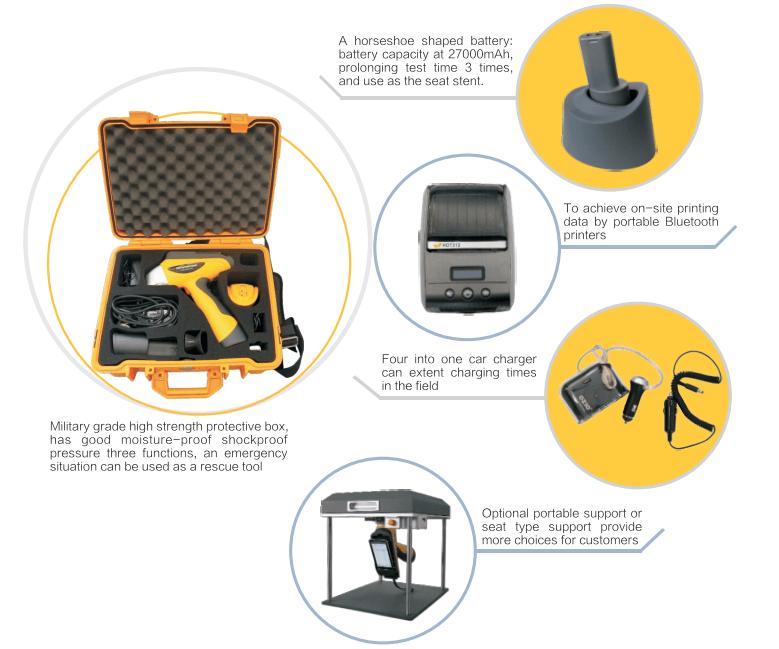
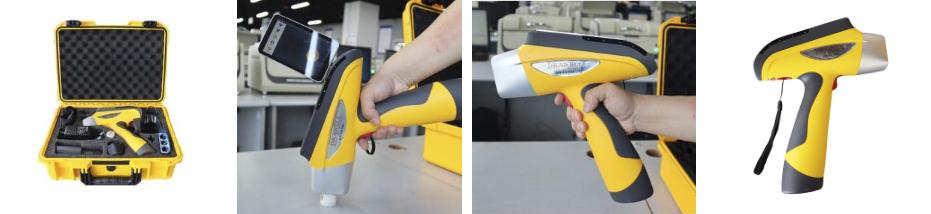
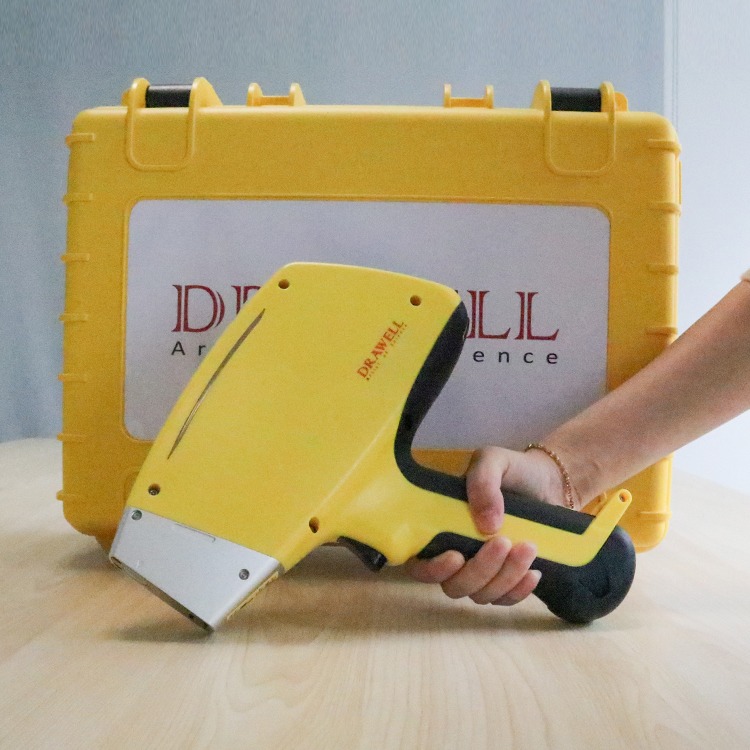
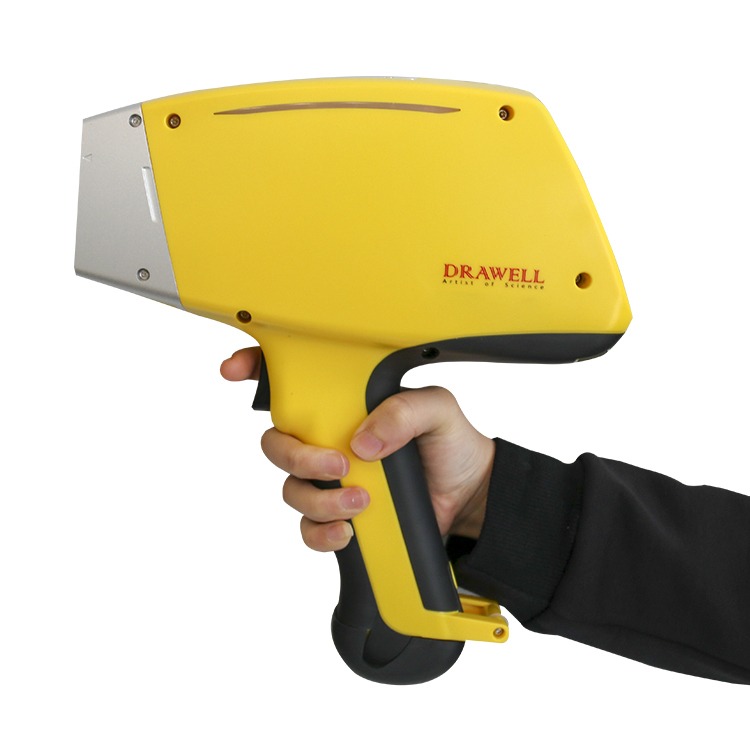
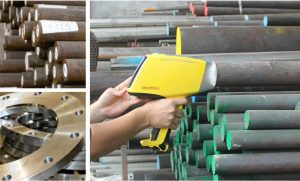
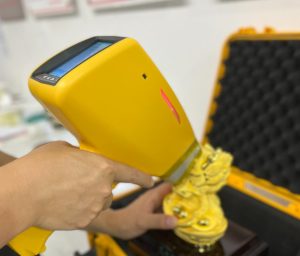
Contemporary handheld XRF analyzers permit testing on-site in warehouses, factories, and recycling facilities. This portability enables inspectors and manufacturers to swiftly confirm compliance without sending samples to a lab. Testing on-site not only saves time and money but also gives immediate feedback to make decisions, and helps keep products that aren’t compliant from being sold on the market.
Reliability and Cost-Effectiveness
XRF can provide reliable elemental analysis with a low operational cost in comparison to other laboratory-based methods. Although it offers semi-quantitative results that are suitable for monitoring and screening, XRF is highly effective to identify potential non-compliances and providing guidance for further confirmation tests when needed. Through reducing the need for destructive laboratory testing and reducing the time required to complete tests, XRF contributes to both efficiency in operation and confidence in regulatory compliance.
XRF in RoHS, ELV, and CPSIA Testing
1. XRF in RoHS Testing
The Restriction of Hazardous Substances (RoHS) directive limits the use of hazardous substances in electronic and electrical equipment. Principal elements that are monitored include the lead (Pb) as well as mercury (Hg) and Cadmium (Cd) Hexavalent chrome (Cr6+) and polybrominated flame retardants (PBB and PBB, and PBDE).

XRF analyzers are widely used in RoHS testing due to the fact that they:
- Screen materials quickly to find prohibited substances.
- Measurements that are semi-quantitative to ensure conformity.
- Facilitate the pre-production process and monitoring in-process to reduce the chance of products that are not compliant being introduced to the market.
Although XRF can’t substitute more precise lab-based techniques such as ICP-OES for a definitive analysis, it’s highly efficient in initial screening for quality and control.
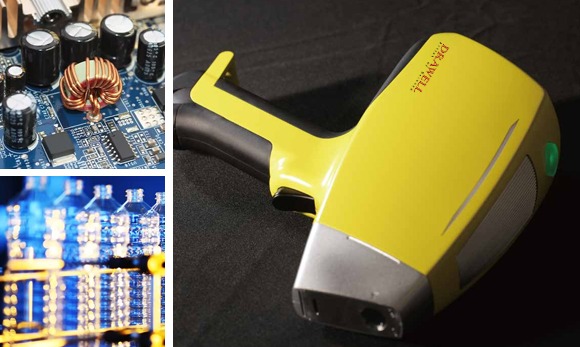
2. XRF in ELV Compliance
The End-of-Life Vehicle (ELV) directive regulates the use of hazardous substances within vehicles in order to encourage sustainable development for the environment. Materials like cadmium mercury, lead, and Hexavalent Chromium are prohibited.
XRF tests in ELV applications can provide:
- Rapid screening of components for automotive like coatings, plastics and alloys.
- On-site testing of recycled or remanufactured components, to ensure they are in compliance with the legal requirements.
- Identification of dangerous elements to prevent contamination of recycling streams.
By integrating XRF into ELV compliance workflows, automotive manufacturers can efficiently monitor material safety while supporting recycling and environmental initiatives.
3. XRF in CPSIA Testing
The Consumer Product Safety Improvement Act (CPSIA) is focused on the reduction of lead and other harmful chemicals in products for children such as toys, jewellery, clothing and accessories.
XRF analyzers are commonly employed in CPSIA testing because of:
- The ability to quickly test for lead content in coatings, paints and even metal components.
- Non-destructive testing of products that are finished allows manufacturers to conduct tests without damaging inventory.
- Assistance for risk assessment and quality control for large-scale manufacturing.
XRF gives manufacturers an efficient and cost-effective method to ensure the compliance of their products, shield kids from being exposed to harmful chemicals, and to avoid costly recalls.
Best Practices for XRF Compliance Testing
To maximize the accuracy, efficiency, and reliability of XRF testing, it is essential to follow best practices throughout the testing process.
1. Proper Calibration of XRF Analyzers
Calibration is a key element to ensure accurate testing with XRF. Regular calibration with verified reference materials assures that the analyzer can provide reliable results and is able to detect elements with regulatory thresholds. If the instrument is not calibrated properly, results could be incorrect which could lead to inaccurate compliance or repeat testing. It is recommended to calibrate the test instrument prior to major testing events and conducting routine checks to ensure consistency in results.
2. Sample Preparation and Handling
While XRF is a non-destructive technique, a proper sample preparation in XRF can greatly improve the accuracy of measurement. The surface should be flat, clean and represent the material that is being examined. Dirt, coatings or imperfections can alter the X-ray beam, potentially creating a skew in the results. Careful handling of samples to avoid contamination, and ensuring constant testing conditions are essential measures to ensure that the data is reliable.
3. Operator Training and Expertise
Effective XRF testing relies heavily on the skills of the operator. Analysts need to know how to place the instrument as well as interpret the results and detect potential errors. Training programs must cover the basic principles of XRF as well as regulations for substances of concern and troubleshooting techniques. Professionally trained operators can spot situations that are borderline, alter the parameters of testing as required and ensure the decisions regarding compliance are based on precise information.
4. Understanding the Limits of XRF
Although XRF is an ideal tool for fast screening and quality control in-process However, it is crucial to understand its limitations. Certain coatings, materials or complex matrices may impact the precision of the measurements. XRF offers semi-quantitative data, which can be useful in identifying any potential violations, however critical or borderline cases might necessitate confirmation laboratory testing with methods like ICP-MS. Knowing when to utilize XRF against the laboratory method is a crucial best method.
5. Consistent Documentation and Record-Keeping
The accuracy of records for XRF measurements is vital to demonstrate regulatory compliance. Documentation should include details about the instrument, its calibration status and testing parameters, as well as the identification of the sample, as well as measurement results. The proper record-keeping practices allow organizations to demonstrate due commitment during audits. It also allows them to follow the compliance of their decisions, and track the changes in time.
6. Integrating XRF into Quality Control Workflows
XRF is the most efficient when it is integrated into larger processes for quality assurance and compliance with regulatory. Utilizing XRF in multiple phases of production, including screen of the raw material, monitoring in-process and verification of the final product–is a great way to uncover potential problems earlier and minimize the risk of non-compliant products entering the market. Using XRF along with other analytical techniques and controls for process will ensure a solid compliance strategy.
Challenges and Future Solutions in XRF for RoHS, ELV, and CPSIA Testing
| Regulation | Current Challenges in XRF Testing | Future Solutions / Improvements |
| RoHS | The difficulty in detecting extremely low concentrations in restricted materials; over-interference caused by surfaces or complicated material matrixes. | Development of higher sensitivity XRF analyzers, improved software algorithms to provide better analysis of matrix; and integration into other methods to confirm analysis |
| ELV | Multi-layered automotive components, complex alloys and materials can create inaccurate readings. heterogeneous components make it difficult to measure. | Advanced calibration models that are specifically designed for automotive components; improved three-dimensional scanning, or for accurate examination of complex structures. AI-assisted interpretation and interpretation of results |
| CPSIA | Products for children that are small or intricate aren’t easy to determine precisely; the lead content can vary in paints, coatings, or surface coatings. | Handheld XRF is smaller and more precise; automated positioning systems; real-time analysis of data using machine learning to identify high-risk zones |
| All Regulations | The effects of operator error, instrument drift and matrix effects could cause inconsistent or unreliable results. | Self-calibration and remote monitoring improved operator training programs Predictive maintenance and integrated quality assurance systems that are automated. |
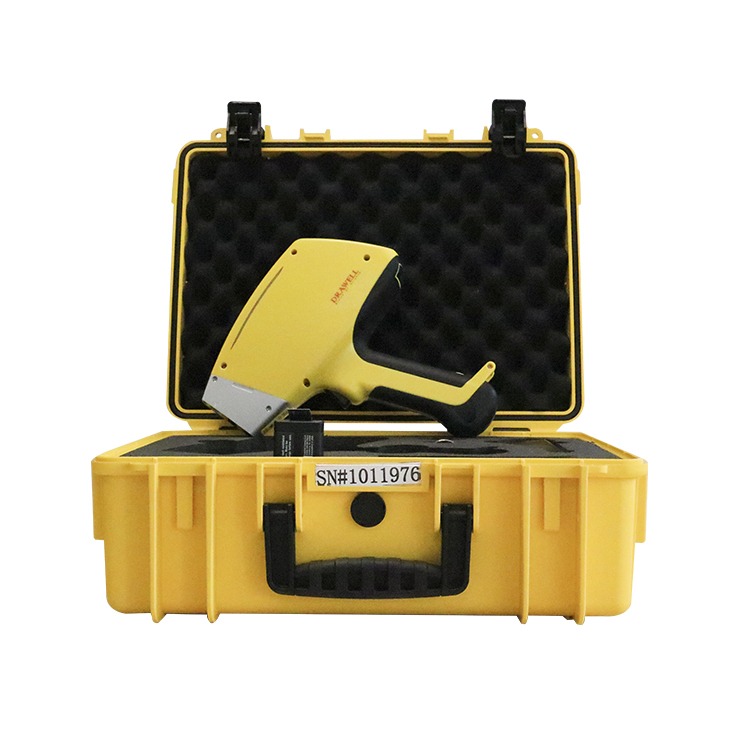
Handheld XRF Analyzers
Summary
XRF technology is revolutionizing testing regulatory compliance testing with its fast, reliable and non-destructive solution for detecting hazardous substances. From RoHS in electronic products to ELV in automobile parts, and CPSIA in children’s products, XRF becomes more and more crucial in product safety and environmental responsibility. When combined with proper calibration, skilled operators, complementary lab-based testing, optimizing sample preparation and handling, XRF enables manufacturers to maintain compliance and protect consumers across global markets.
Related Products Recommendation




Get Quote Here!
Latest Posts


What Next?
For more information, or to arrange an equipment demonstration, please visit our dedicated Product Homepage or contact one of our Product Managers.


