


Portability or precision? Speed or depth? For alloy analysis, you shouldn’t have to choose—but with XRF analyzers, you do. Handheld units identify grades in seconds, anywhere from the scrap yard to the refinery. Desktop systems deliver lab-grade data down to the last ppm, catching the trace elements that matter in critical alloys. Both are excellent tools. But they’re excellent for different jobs. Which one fits yours?
A Quick Look at Handheld and Desktop XRF
Before we dive into the details, let’s briefly define our two contenders.
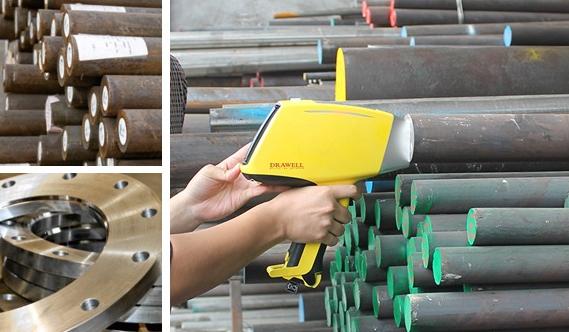
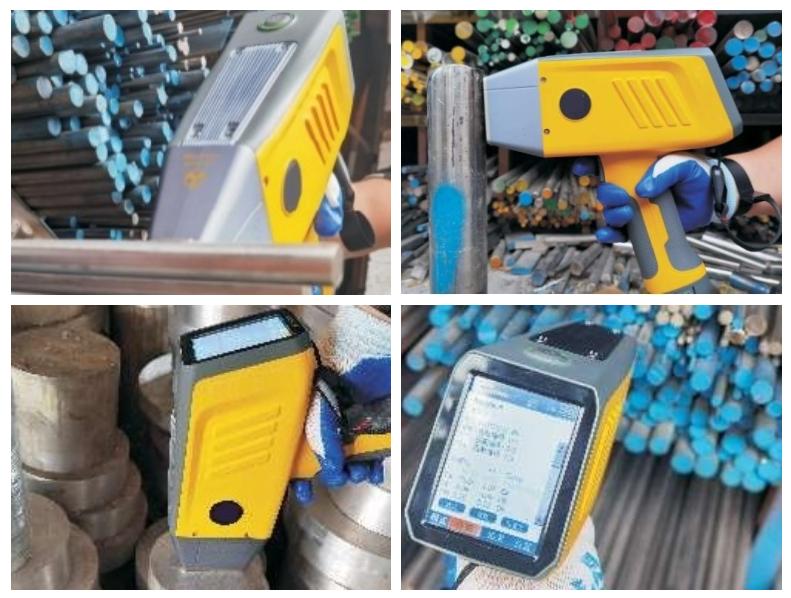
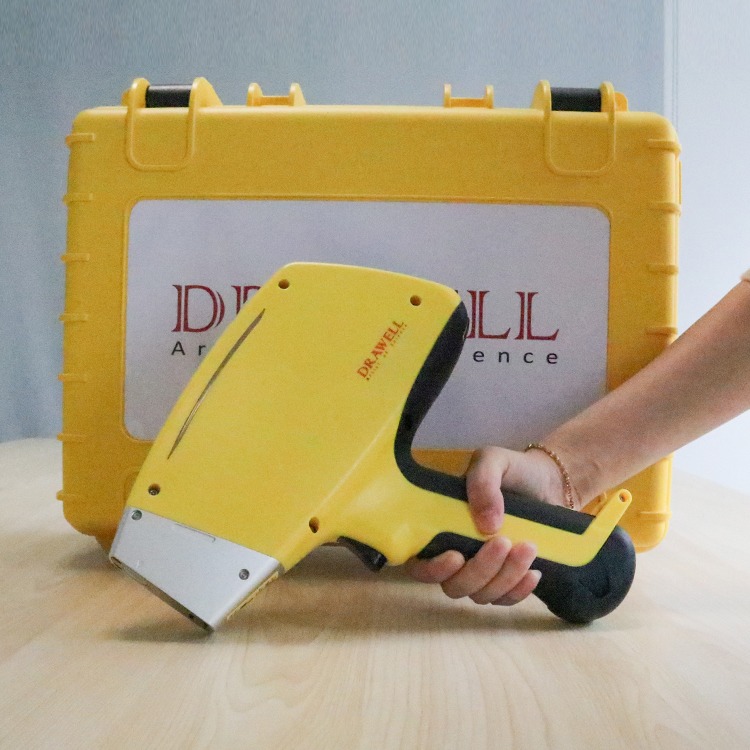
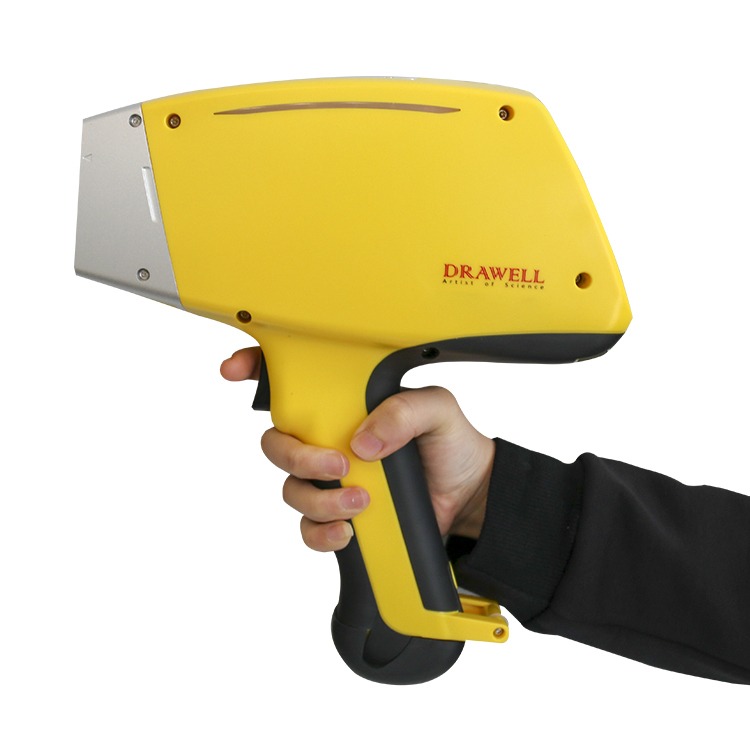
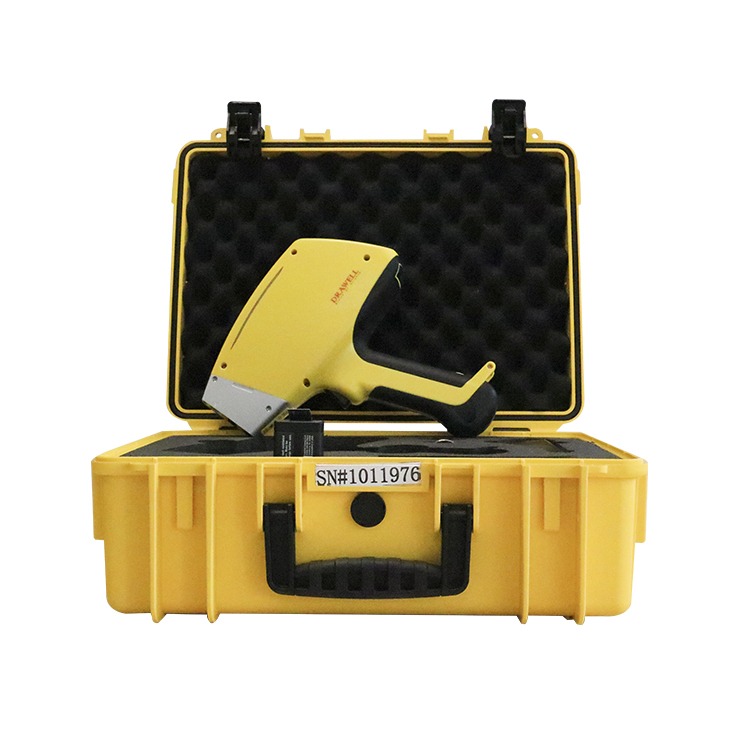
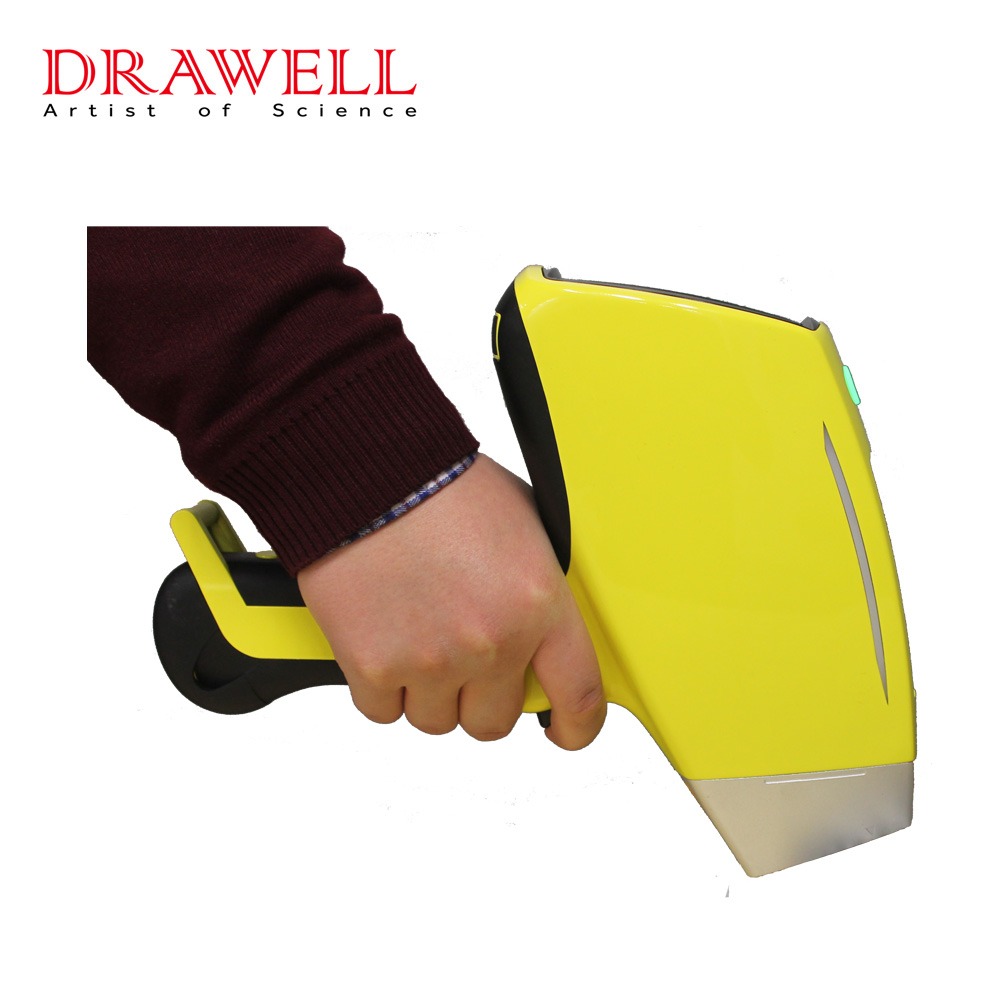
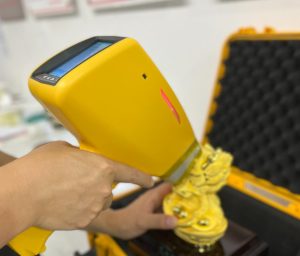
These are designed for mobility and speed. Think of them as the “first responders” of materials analysis. They are lightweight, battery-operated, and built to be taken directly to the sample—whether that’s a massive steel beam in a construction site, a pipe in a refinery, or a pile of scrap metal in a yard. Their primary job is to provide rapid alloy grade identification and elemental chemistry screening on the spot.
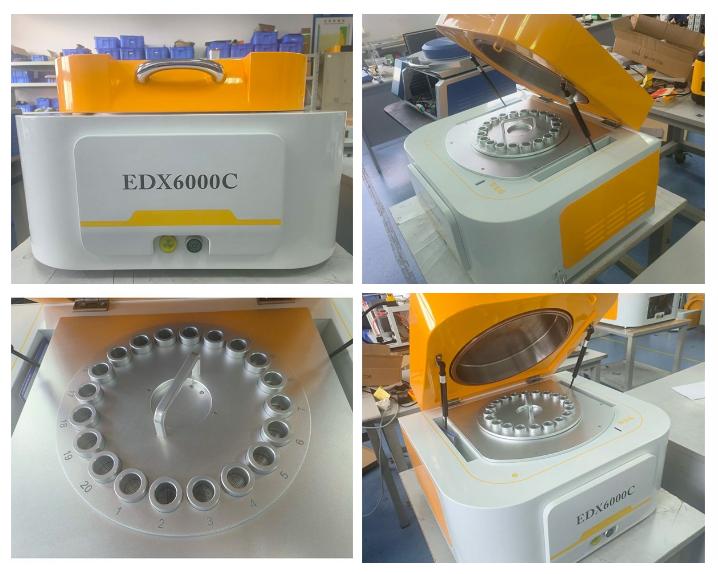
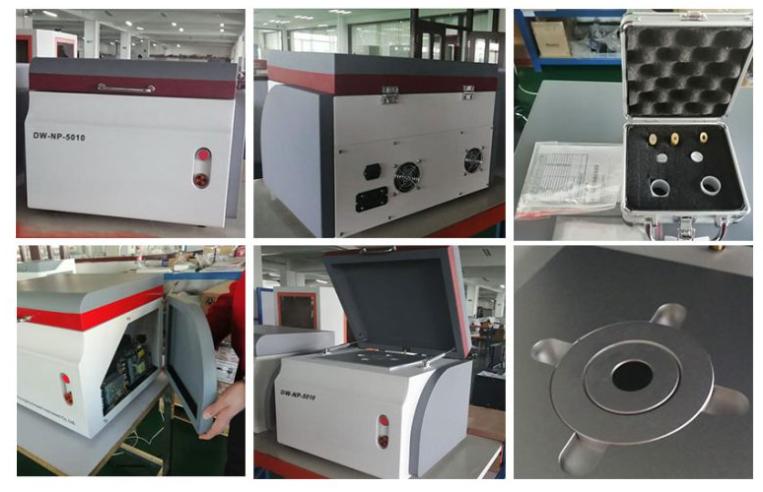
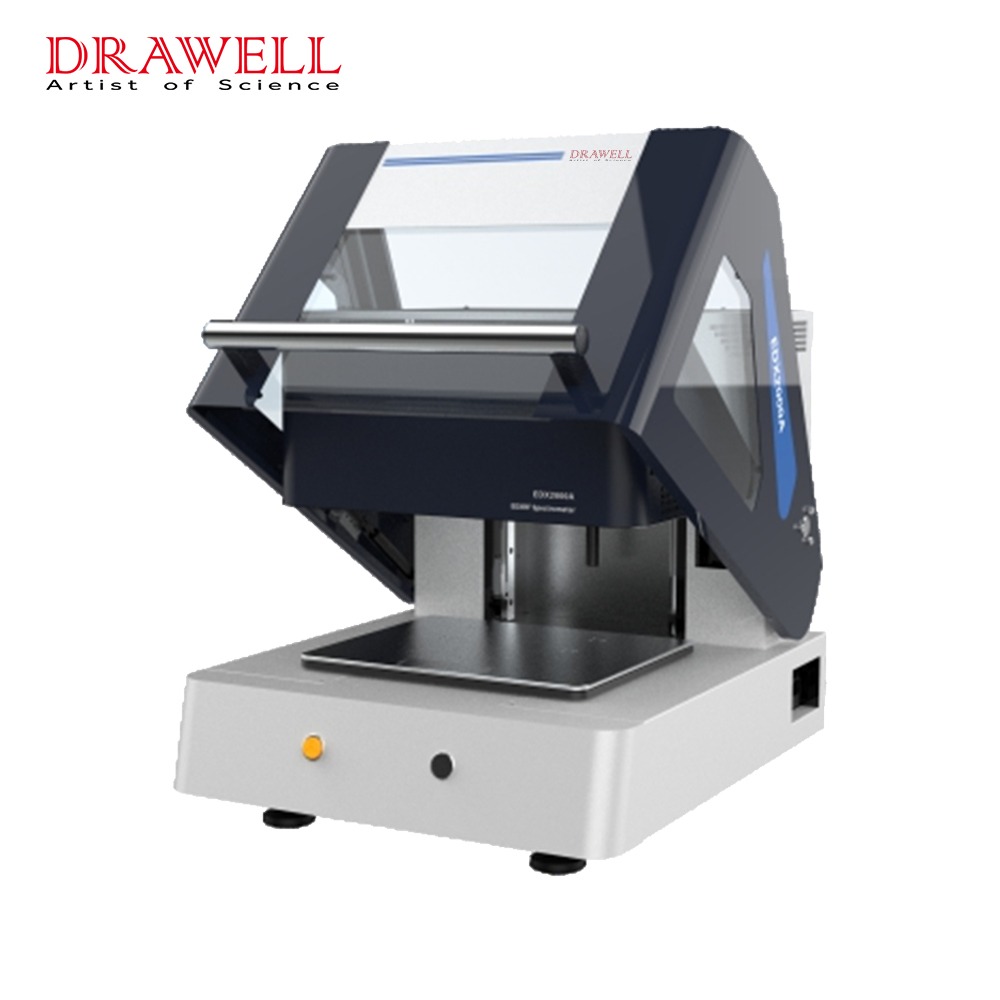
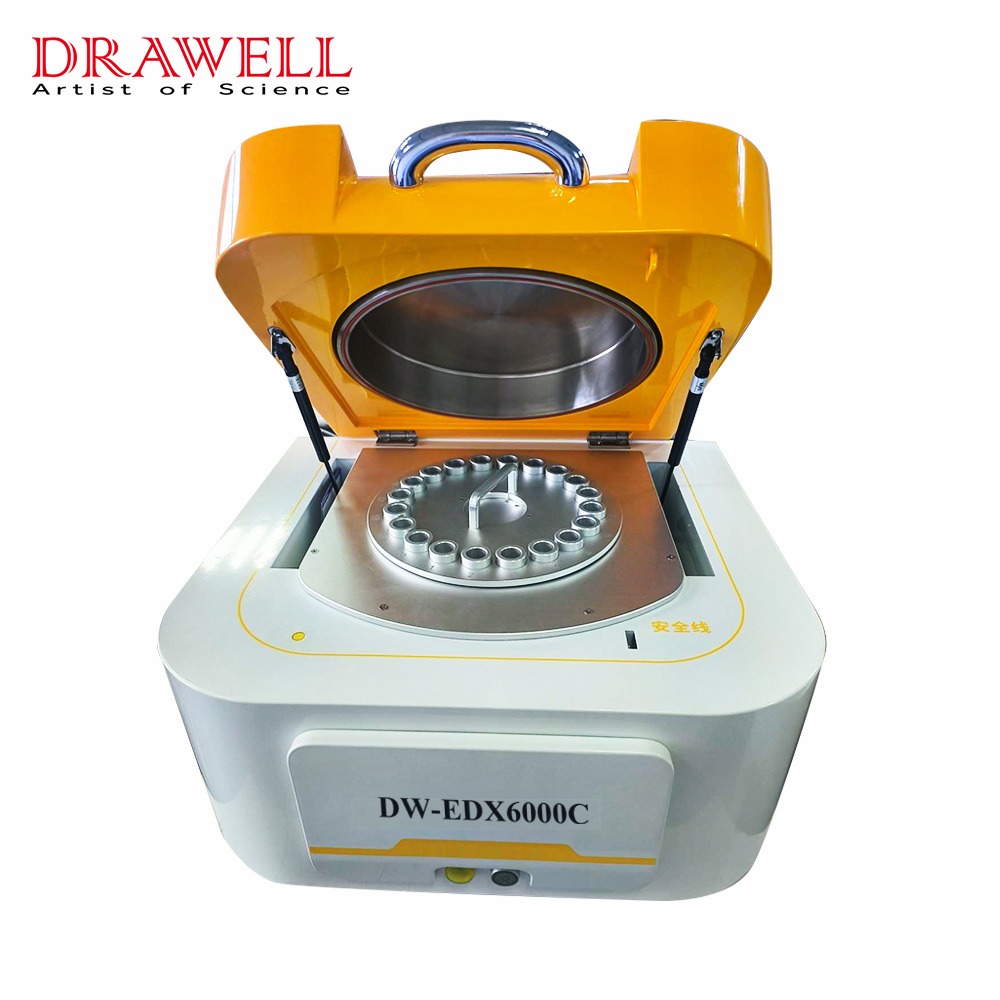
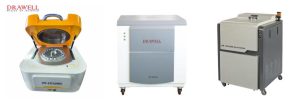
These are the powerhouses of the lab. They are stationary instruments designed for the highest levels of analytical performance. A desktop XRF, like those in a quality control or research laboratory, offers superior precision, lower detection limits, and the ability to analyze a wider variety of sample types, including solids, powders, and even liquids. They are the ultimate tool for in-depth material characterization, method development, and formal compliance testing.
Handheld vs. Desktop: Differences in Alloy Use
To truly understand which is right for you, let’s compare them across several critical dimensions. The table below summarizes the key differences.
| Comparison Dimension | Handheld XRF | Desktop XRF | Why It Matters to You |
| Portability & Use Case | Excellent. Truly portable. Used on-site, in the field, on large structures, and for high-volume sorting. | Low. A stationary instrument. Used in a lab, quality control center, or fixed testing station. | Where is your sample? Can you bring it to the instrument, or must the instrument go to it? |
| Analysis Precision & Detection Limits | Good. Perfect for rapid alloy grade identification and Positive Material Identification (PMI). Detection limits are typically in the 0.01% to 0.1% range for most alloying elements. | Excellent. Ideal for precise quantitative analysis of major and minor elements, and for detecting trace elements down to single-digit ppm levels. | Do you just need to know if it’s “304” or “316” stainless steel, or do you need the exact concentration of trace elements for R&D or strict compliance? |
| Sample Preparation | Minimal to none. Analyzes solid samples directly with little to no preparation. A clean, flat surface is usually sufficient. | Can be more involved. Optimal results for alloys often require a clean, flat surface. For non-homogeneous samples like ores or powders, preparation like grinding and pressing into a pellet is necessary. | How much time do you have per sample? Is your sample always a solid, uniform piece of metal? |
| Elemental Range | Typically covers elements from Titanium (Ti) to Uranium (U) . Excellent for common alloying elements like Cr, Fe, Ni, Cu, Zn, Mo, etc. | Broader range, including light elements. High-performance desktops, especially those with vacuum or helium purge systems, excel at detecting light elements like Magnesium (Mg), Aluminum (Al), Silicon (Si), and Phosphorus (P) . | Does your alloy analysis require measuring light elements? This is critical for aluminum alloys (Mg, Si) , titanium alloys, and some nickel-based superalloys. |
| Analysis Speed | Very fast. Provides a result in 2 to 10 seconds, making it ideal for high-throughput sorting and screening. | Fast, but more comprehensive. A typical analysis takes 60 to 300 seconds. This longer time allows for better counting statistics and lower detection limits. | Are you screening hundreds of items per hour, or performing a detailed analysis on a handful of critical samples? |
| Sample Types | Primarily designed for solid, metallic objects of various sizes and shapes. | Highly versatile. Can analyze solids, powders, granules, thin films, and even liquids with the appropriate accessories and methods. | Do you only analyze solid metal, or do you also need to test raw materials (ores, powders), coatings, or other sample forms? |
| Ease of Use | Very user-friendly. Often features a simple trigger-and-read operation with on-board alloy grade libraries. | More complex, but modern software is highly intuitive. Requires a basic understanding of calibration, method selection, and sample preparation for optimal results. | Who will be operating the instrument? A non-technical operator on the factory floor, or a trained technician in a lab? |
| Budget & ROI | Lower initial investment. Provides a rapid return on investment by enabling quick sorting, preventing costly material mix-ups, and reducing lab outsourcing. | Higher initial investment. Functions as a central lab asset, delivering the highest quality data for certification, R&D, and process control, justifying its cost through its versatility and precision. | What is your available budget, and what is the primary value you need to generate from the instrument? |
Matching the Tool to the Task: Who Chooses Which?
The table above gives you the facts. Now, let’s see how these translate into real-world decisions.
The Handheld XRF is the ideal choice for:
- The Scrap Metal Recycler: Speed and volume are everything. A recycler needs to instantly sort inbound materials—separating red brasses from yellow brasses, identifying high-value nickel alloys, and detecting any unwanted or hazardous elements. They need to make split-second decisions that impact profitability. A handheld analyzer right on the sorting line is their most valuable tool.
- The Petrochemical Plant Maintenance Engineer (PMI): In a refinery or chemical plant, using the wrong material in a high-temperature, high-pressure, or corrosive environment is non-negotiable. An engineer performing Positive Material Identification (PMI) needs to verify thousands of components—pipes, valves, fittings—directly in the field, often in hard-to-reach places. A handheld XRF is purpose-built for this critical safety task.
- The Incoming Quality Inspector for Large Parts: Imagine a manufacturer receiving a massive, forged steel shaft. You can’t easily cut a sample or bring the whole part into a lab. A handheld XRF allows the inspector to go to the warehouse floor, quickly verify the alloy grade on multiple spots of the shaft, and confirm it meets specifications before it enters the production line.
The Desktop XRF is the ideal choice for:
- The Metals Manufacturer’s QC Lab: A company producing specialty alloys needs absolute precision. Their lab technicians use a desktop XRF, like the Drawell EDX6000C, for rigorous quality control. They need to verify the exact composition of every melt, including critical light elements, and generate formal certificates of analysis for their customers. The high precision and low detection limits of a desktop system are essential for this level of assurance.
- The Independent Test Lab or Service Provider: These labs receive a huge variety of samples—from solid metal pieces to powders, ores, and even coatings. They need a versatile, high-performance instrument that can handle any request with accuracy and authority. A benchtop system’s ability to switch between different calibration modes and analyze diverse sample types (solids, powders) makes it the workhorse of their business.
- The R&D Metallurgist: Developing a new alloy requires deep understanding of its composition. A researcher needs to study how trace elements affect material properties or analyze the composition of inclusions and precipitates. The superior sensitivity and potential for micro-analysis (with specialized accessories) make a desktop XRF an indispensable tool for innovation.
3 Question Making the Choice
Still unsure? Let’s simplify it. Ask yourself these three questions:
Q1: “Where is my sample?”
If your sample is a large, immovable object, or if you need to test in multiple locations, your path leads clearly to a handheld XRF. If you can consistently bring your sample to a central location, both options are possible.
Q2: “What level of precision do I need, and do I need to detect light elements?”
If your work requires formal certification, trace element analysis (ppm levels), or the accurate measurement of light elements (Mg, Al, Si, P) , you need the capabilities of a desktop XRF. If your main goal is fast, reliable alloy grade identification and sorting, a handheld will serve you perfectly.
Q3: “What types of samples will I analyze?” If you exclusively analyze solid metal parts, a handheld is a strong contender. If your analysis needs extend to powders, granules, coatings, or liquids, a versatile desktop XRF is the necessary choice.
Drawell offers both high-performance handheld XRF analyzers (TrueX 800 series) and precision desktop XRF systems (EDX6000C, DW-BP-9010A) . That means we can recommend what’s actually right for your operation—not just what we have to sell.
Ready to Choose?
Still unsure which side you’re on? Let’s make it simple:
- Tell us about your alloy application—what you test, where you test it, and what you need from the results.
- We’ll recommend the right tool—handheld, desktop, or both.
Contact our experts for a free consultation.
Related Products Recommendation



Get Quote Here!
Latest Posts

What Next?
For more information, or to arrange an equipment demonstration, please visit our dedicated Product Homepage or contact one of our Product Managers.


