


The pharmaceutical industry operates under stringent regulatory demands, where every drug developed and manufactured must meet rigorous standards for safety, efficacy, and quality. The importance of HPLC in pharmaceutical applications stems from its ability to detect minute impurities, degradation products, and structurally similar compounds, enabling precise identification, quantification, and purity analysis of pharmaceutical compounds. Its versatility and high sensitivity make it an essential tool throughout the entire drug lifecycle, from initial drug discovery and development to robust quality control processes.

HPLC in Drug Research and Development
In pharmaceutical research and development, HPLC is an invaluable asset, accelerating the journey from a promising molecule to a viable drug candidate. It provides critical insights at every stage, helping scientists understand the properties and behavior of new chemical entities.
1. Drug Discovery and Screening
During the early discovery phase, HPLC is used to screen compound libraries, identify leads, and characterize active pharmaceutical ingredients (APIs). It helps pharmaceutical scientists distinguish structurally related analogs and assess purity profiles quickly.
For instance, in oncology drug development, HPLC allows rapid separation of complex mixtures, enabling researchers to identify candidates with selective cytotoxicity. The ability to process hundreds of samples daily makes HPLC an ideal tool for high-throughput screening.
2. Drug Metabolism and Pharmacokinetics (ADME) Studies
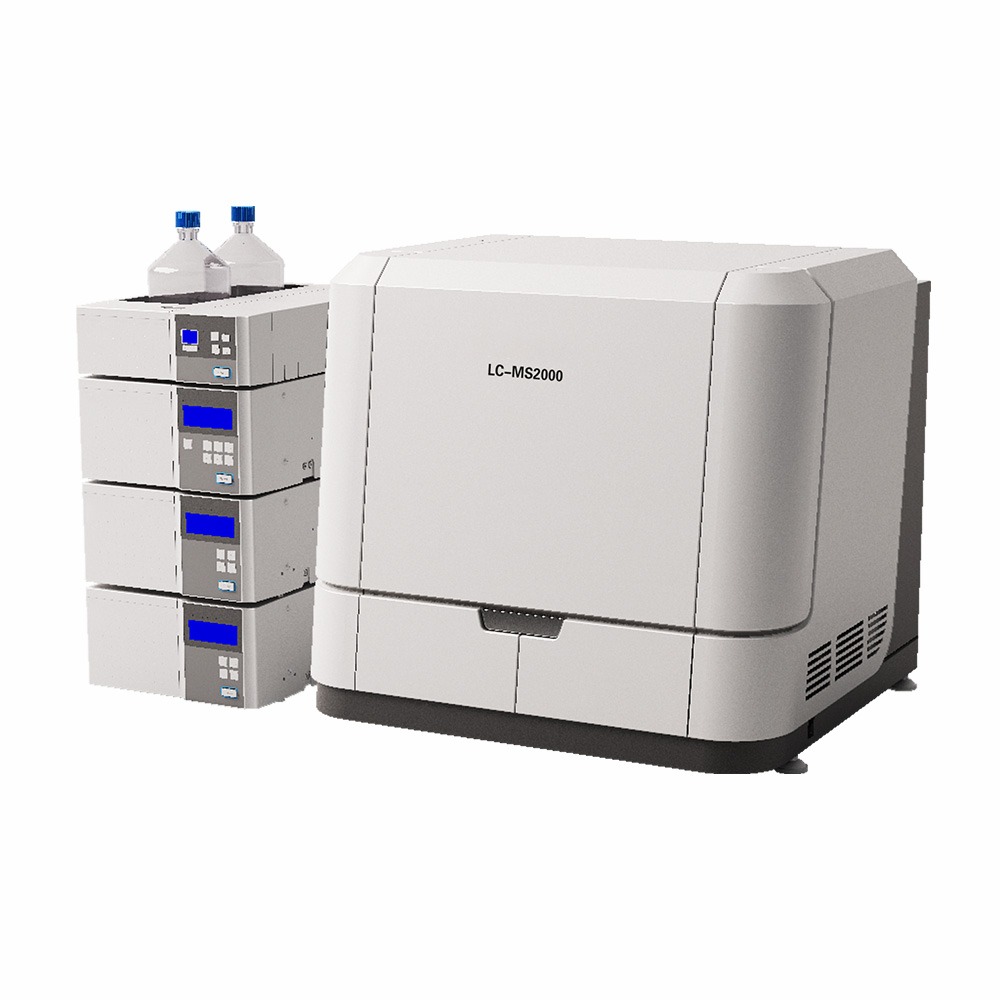
ADME studies are essential for understanding how a drug behaves in the body. HPLC, often coupled with mass spectrometry (LC-MS), is widely used to analyze drug metabolites in plasma, urine, and tissue samples. It provides reliable data on absorption, distribution, metabolism, and excretion patterns.
A case study published in the Journal of Pharmaceutical Sciences showed that HPLC-MS enabled accurate quantification of a drug and its five metabolites in plasma within 4 minutes per sample, drastically improving workflow efficiency in clinical trials.
3. Formulation Development and Optimization
In the preformulation and formulation stages, HPLC ensures uniformity and stability of formulations. It monitors drug-excipient interactions, degradation under various stress conditions, and release profiles in dissolution studies.
For example, when developing an extended-release tablet, formulators rely on HPLC to track the active compound’s release kinetics across time points. Any deviation in drug concentration or impurity formation is instantly detected, allowing for prompt optimization.
HPLC’s precision and versatility allow it to support every facet of drug R&D—from initial selection to clinical batch evaluation, making it essential for pharmaceutical scientists.

HPLC in Pharmaceutical Quality Control
Once a drug candidate moves into manufacturing, HPLC transitions from a research tool to a critical component of pharmaceutical quality control. It ensures that every batch of medicine produced meets the stringent specifications for identity, purity, potency, and quality, safeguarding public health.
1. Raw Material Testing
Before production begins, all incoming raw materials must be verified for identity and purity. HPLC methods are validated to confirm that APIs and excipients meet pharmacopeial standards (e.g., USP, EP).
| Material Tested | HPLC Application Example | Specification |
| API | Assay, impurity profiling | ≥ 98.5% |
| Excipients | Compatibility, residual solvent testing | As per USP |
2. In-Process Control (IPC)
During the various stages of drug manufacturing, in-process control (IPC) tests are performed to monitor critical parameters and ensure that the process is proceeding as expected. HPLC is often employed here to track the progress of chemical reactions, monitor the concentration of intermediates, and detect any unexpected by-products or impurities. This allows for timely adjustments to the manufacturing process, preventing entire batches from being compromised.
For example, in a synthesis step, an HPLC assay might be used to determine the conversion rate of a reactant to an intermediate product, ensuring the reaction reaches optimal completion before moving to the next stage.

3. Finished Product Release Testing
This is perhaps the most critical application of HPLC in quality control. Before any drug product can be released to the market, it must pass a battery of tests to confirm its identity, purity, potency, and stability.
- Assay (Potency) Testing: HPLC accurately quantifies the active pharmaceutical ingredient (API) content in the finished product, ensuring each dose delivers the intended therapeutic effect. A typical drug product might have a specification that its API content must be within 95-105% of the label claim, and HPLC provides the precision needed for this verification.
- Purity and Impurity Profiling: One of the most vital roles of HPLC is to detect and quantify impurities – both related substances (degradation products, synthetic by-products) and unrelated impurities. Even trace amounts of certain impurities can be harmful. HPLC, often with highly sensitive detectors, ensures that impurity levels are well below regulatory limits. For example, the ICH guidelines define specific limits for various types of impurities, and HPLC is the primary method used to demonstrate compliance.
- Dissolution Testing: For solid oral dosage forms (tablets, capsules), HPLC is used to measure the rate and extent to which the drug dissolves from the dosage form into a solution, simulating its release in the body. This is a critical quality attribute that directly impacts bioavailability. An HPLC method would be used to quantify the amount of API dissolved from a tablet at various time points during a dissolution test.
- Stability Studies: Drugs are continuously monitored over time under various environmental conditions (e.g., accelerated and long-term stability studies) to determine their shelf life and appropriate storage conditions. HPLC is the primary analytical tool for tracking drug degradation and the formation of new impurities over months or even years. This data is essential for setting expiration dates.
4. Regulatory Compliance
The importance of HPLC in pharmaceutical applications cannot be overstated when it comes to regulatory compliance. Regulatory bodies worldwide, such as the FDA, EMA, and other national health authorities, mandate strict adherence to Good Manufacturing Practices (GMP) and require robust analytical data to support drug submissions. HPLC data is a cornerstone of regulatory filings (e.g., New Drug Applications, Abbreviated New Drug Applications) and ongoing quality assurance programs. Failure to provide accurate and reliable HPLC data can lead to regulatory delays, product recalls, or even market withdrawal.
Choosing the Right HPLC Manufacturer and System
Selecting the right HPLC system is a critical decision for pharmaceutical laboratories, impacting both short-term analytical accuracy and long-term operational efficiency. With numerous options on the market, it’s essential to evaluate manufacturers not only based on performance specifications but also their support for regulatory compliance, innovation, and cost-effectiveness.
Key Considerations When Selecting an HPLC System
When evaluating an HPLC manufacturer for pharmaceutical applications, the following criteria should be prioritized:
- Analytical Performance: Precision, sensitivity, baseline stability, and reproducibility for both routine and complex pharmaceutical assays.
- Regulatory Compliance: Support for FDA 21 CFR Part 11 and GMP-compliant workflows.
- Software & Data Integrity: Integrated data systems with audit trails, user permissions, and secure data management.
- Service and Technical Support: Availability of local support, training, and maintenance.
- Cost Efficiency: Balancing upfront investment with long-term reliability and low maintenance overhead.
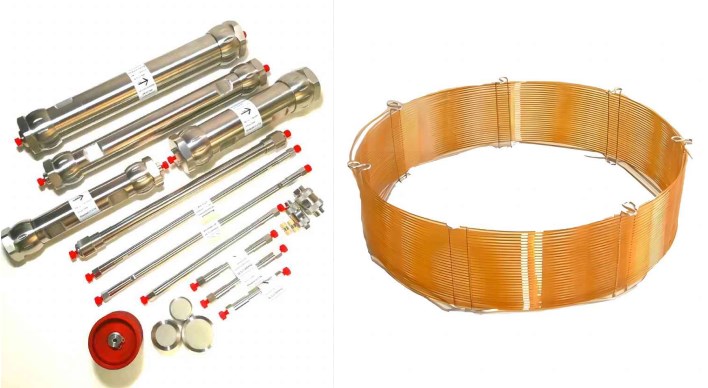
- Flexibility and Customization: Modular options for detectors, autosamplers, and column types to suit varying analysis needs.
Drawell Analytical: A Reliable Partner for Pharmaceutical HPLC Solutions
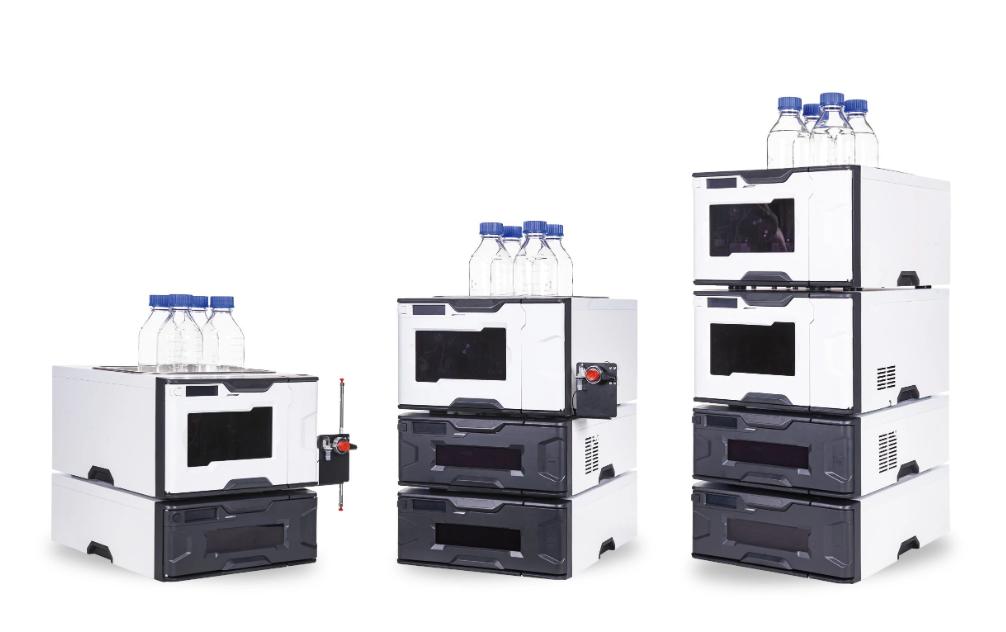
Among emerging HPLC manufacturers, Drawell Analytical has established a solid reputation for delivering cost-effective, high-precision chromatography systems tailored to the needs of the pharmaceutical industry. Our DW-K2025 and DW-LC1620A series HPLC systems are widely used in pharmaceutical R&D and quality control laboratories for:
- Active ingredient assay and impurity profiling
- Dissolution testing
- Stability and degradation studies
- HPLC method development for pharmaceuticals
Drawell systems are designed with user-friendly interfaces, automated sample handling, and robust detectors (UV-VIS, DAD, RI) to support a wide range of pharmaceutical methods. Importantly, the company provides full compliance documentation to meet GMP and regulatory standards, along with technical training and responsive after-sales service.
| Feature | Drawell HPLC Offering |
| Detection Options | UV, DAD, RI, Fluorescence |
| Software Compliance | 21 CFR Part 11-ready software |
| Injection System | High-precision autosamplers and manual injectors |
| Industry Use | R&D labs, QC labs, academic and manufacturing settings |
| Value | Competitive pricing with customizable configurations |
With reliable performance and affordable pricing, Drawell Analytical is increasingly chosen by pharmaceutical scientists and QC labs seeking a practical and compliant HPLC solution.
The Future of HPLC in the Pharmaceutical Landscape
With the growing demand for precision and speed, HPLC technology is evolving:
- UHPLC (Ultra-High Performance LC) reduces analysis time by 50%+
- Green HPLC focuses on solvent minimization and sustainability
- Real-time release testing (RTRT) using HPLC is gaining regulatory support
- Artificial intelligence and software automation aid in method development and troubleshooting
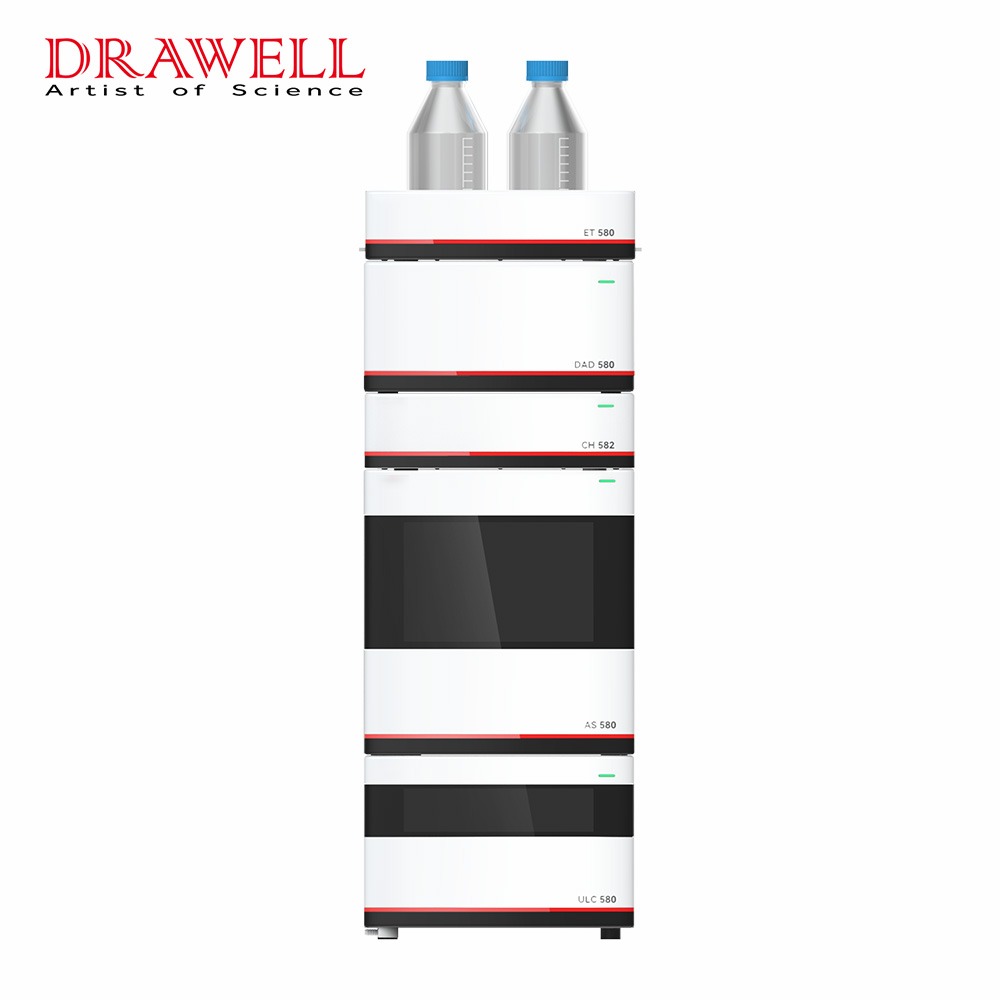
Pharmaceutical companies are increasingly integrating digital HPLC platforms with LIMS (Laboratory Information Management Systems), enabling seamless data capture and traceability.
The future of HPLC lies in intelligent, automated, and sustainable solutions that accelerate drug development and uphold quality standards. As pharmaceutical demands grow more complex, so too must our analytical tools—and HPLC continues to rise to the challenge.
Related Products Recommendation
Get Quote Here!
Latest Posts

What Next?
For more information, or to arrange an equipment demonstration, please visit our dedicated Product Homepage or contact one of our Product Managers.


